




Toyota’s Next-Generation Engines: A Technical Breakdown
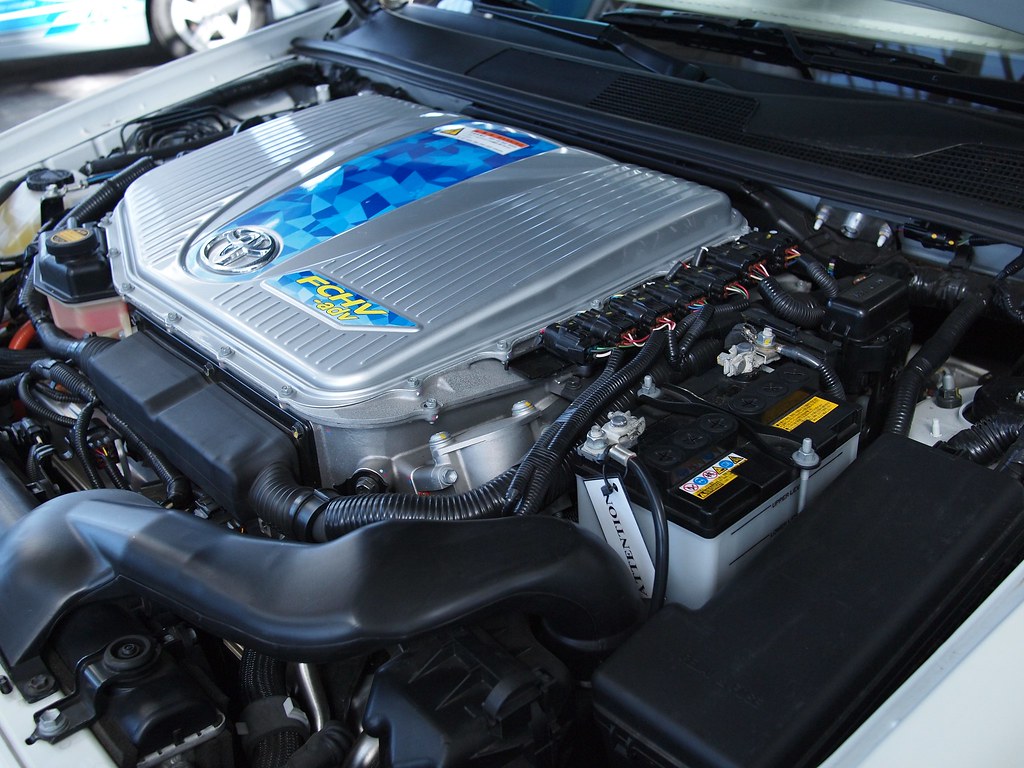
It has always been long-term strategy, not short-term trend that drives Toyota in the automotive world, while most manufacturers are rushing to full electrification, the Japanese giant has continued to improve the internal combustion engine along with hybrid and alternative fuel options. This is not about resistance to evolution, but the preparation for the future, in which the number of powertrains used will depend on the location, infrastructure and customer requirements. A belief in reliability, efficiency, usability and practical execution has always been an engineer principle of Toyota.
In Automotive History, Toyota has made some of the finest, most reliable and engineering-intensive engines of all times. From some of the iconic powerplants of this industry to normal commuter engines of the ordinary citizens, none have demonstrated so good blend of potency and endurance. It is the spirit of this history, that guides its efforts for its new generation of engines. Instead of entirely eliminating the combustion engine as soon as possible, Toyota is working on improving it, according to the environmental standards and keep the spirit of good old combustion engine alive.
Apart from that the whole world of Automotive is turning in the complex conditions, adoption of EVs is expanding fast but the process is not uniform across all countries, Hybrid technology is gaining widespread popularity as the convenient intermediate technology, and in the future there is alternative fuel technology waiting for its turns for sure. In such dynamic surrounding, Toyota’s advanced engine, fuel-flexible and multi-fuel-ready, is certainly positioning itself well to meet the next generation of challenge for a coming decade.
1. A Different Route Past Total Electric
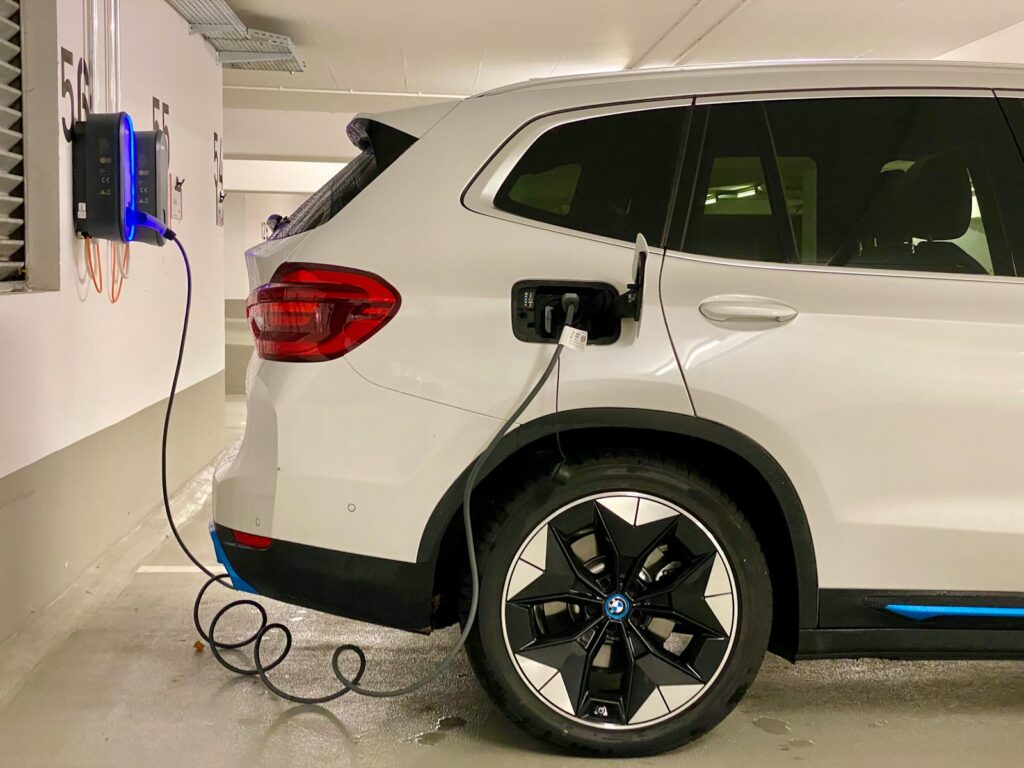
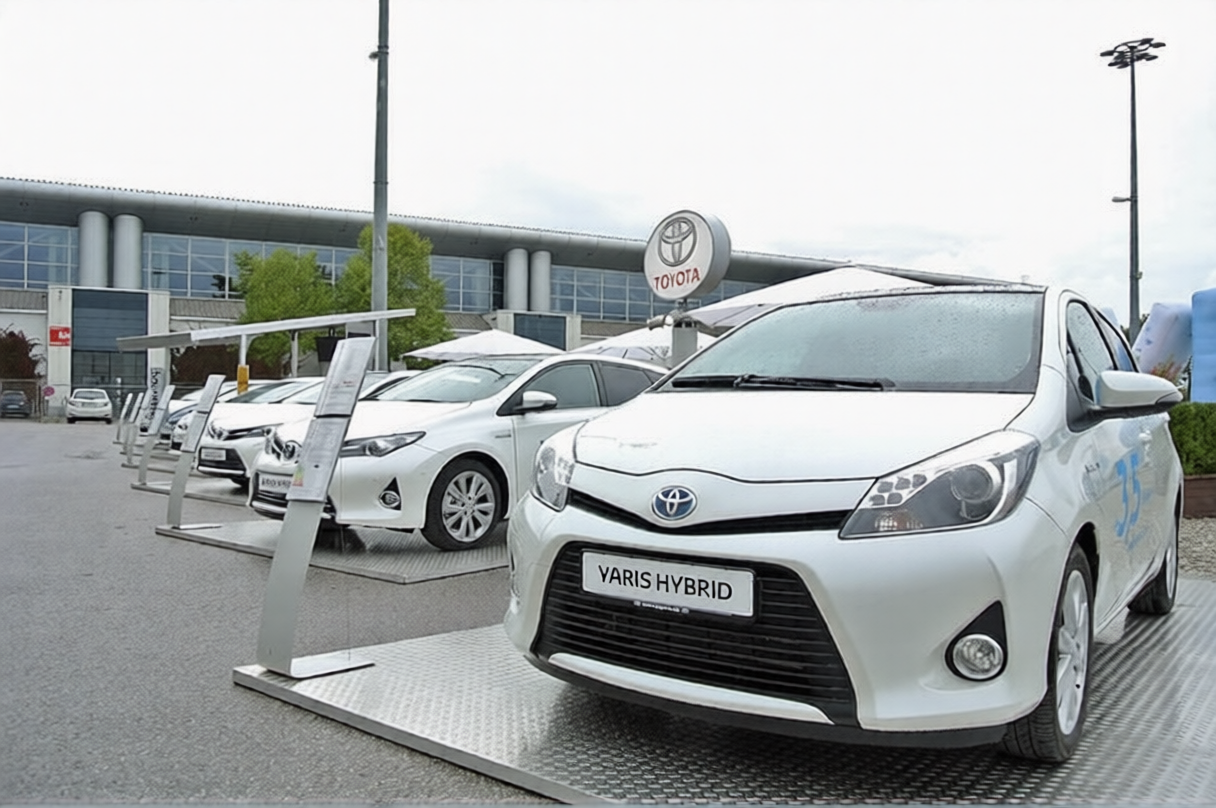
Out in front, Toyota bets on variety instead of pinning everything to one tech path. Even though electric cars are still in the mix, attention flows just as much toward gas engines and hybrid systems. Charging networks grow at different speeds worldwide, something the plan takes straight into account. Places far and wide keep turning to liquid fuels, so that reality shapes what comes next.
Multiple Pathways for Vehicle Drivetrains Across Worldwide Regions:
- Balanced EV, Hybrid, and ICE Development
- Adaptation to Regional Infrastructure Differences
- Continued Investment in Combustion Efficiency
- Hybrid Systems as Core Technology Bridge
- Flexible Global Product Strategy
Instead of discarding older engine designs, Toyota treats them as part of ongoing progress. Efforts now tilt toward squeezing more performance out of fuel burn while cutting down waste gases. These upgrades mesh better inside vehicles that blend power sources. That approach helps reach diverse buyers who aren’t ready for battery-only models. Progress rolls forward without demanding everyone switch at once.
One big piece of the plan? Building new engine designs ready for tomorrow’s fuels. Not just gasoline anymore think synthetics, plant-based options too. Even so, these engines still link up smoothly with hybrid setups. Step-by-step change matters more than sudden swaps. Toyota sees progress as a shift, not a shock.

2. Working with Subaru and Mazda
Working together shapes Toyota’s next move in engine design. Teaming up with Subaru and Mazda opens fresh paths forward. Instead of going solo, shared know-how drives progress behind the scenes. Joint efforts bring smarter engines to life leaner builds, wider uses, ready for hybrid pairings down the road.
Shared engineering different brand identity:
- Joint Combustion Engine Development Programs
- Focus on Efficiency and Hybrid Compatibility
- Shared Architecture, Brand-Specific Tuning
- Cost Reduction Through Collaboration
- Faster Innovation Cycles Across Manufacturers
From the start, Toyota’s role centers on lean inline-four designs paired with advanced hybrids. Not far behind, Subaru pushes its flat-mounted engines further, chasing smoother performance through better weight distribution. Then there is Mazda, still digging into rotating pistons and new ways fuel burns inside cylinders. Together, these efforts open more paths to test ideas without losing know-how in any single area.
One way teams build together cuts down on testing and building expenses, at the same time speeding up how fast new ideas come alive. Even if the base structure or thinking behind motors looks similar, every company shapes and fits them based on its own direction. So even when parts underneath are alike, the feel of driving still carries a distinct signature from each car maker.
3. The New 1.5L and 2.0L Engines
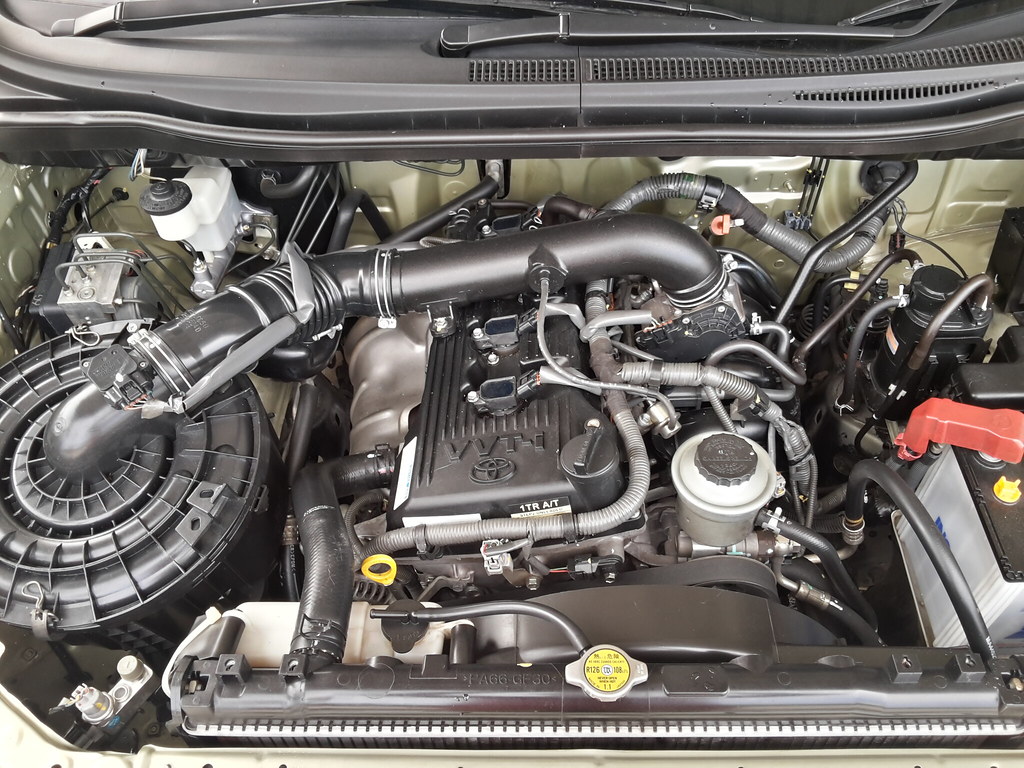
What powers Toyota’s future gas-powered plans? A simpler lineup centered on just two sizes 1.5-liter and 2.0-liter four-cylinders. Not tweaks, but a complete rethinking of the structure lies behind these motors. Efficiency leads the way, alongside lighter builds and more power per liter.
Modular engine built small and efficient:
- Next-Generation 1.5L and 2.0L Platforms
- Focus on Weight Reduction and Efficiency
- Higher Power Density per Liter
- Compact and Optimized Internal Architecture
- Scalable Across Multiple Vehicle Segments
Inside each of these engines, space is tightly managed yet power stays strong. Using stronger metals and smarter shapes within the core, Toyota trims weight down while squeezing out better heat control and strength. These changes mean quicker reactions when you move, smoother work across different speeds, a little less thirst for gas in daily runs.
One thing stands out about these engines: they’re built in pieces that fit together different ways. Not just the 1.5L, but also the 2.0L model adjusts easily to various types of vehicles small city models, faster versions, you name it. Because they can shift like that, Toyota simplifies what would otherwise be a mess of parts worldwide. Same base powers many cars at once, so making them gets smoother, more predictable too.
4. The High Performance Potential of the G20E
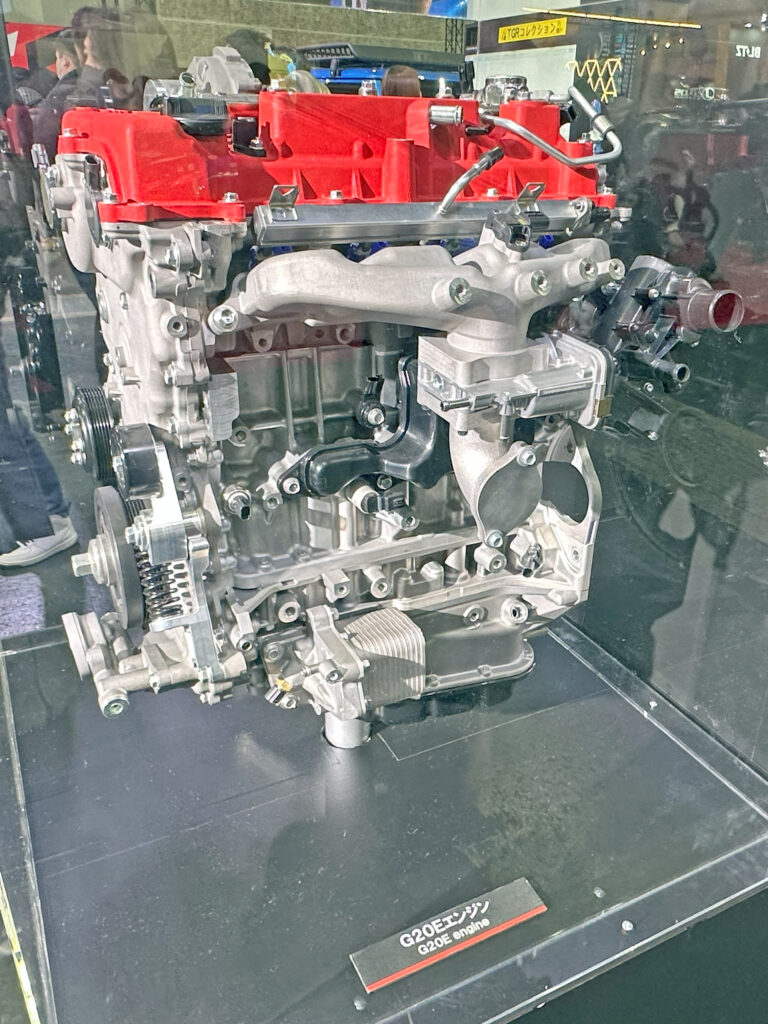
Out front among Toyota’s new engine plans sits the 2.0-liter G20E, a turbo four built to balance muscle with economy. Though it debuted as a prototype, its presence hints at bolder moves sparking power without tossing aside fuel goals. While many bet on electrons alone, this motor leans into pistons, retooled for now.
Small Engine Big Power:
- 2.0L Turbocharged Four-Cylinder G20E
- Around four hundred horsepower when first set up
- Advanced Turbocharging and Combustion Design
- High Specific Output in Compact Format
- Potential Performance Applications Across Models
Power hits about 400 horses right out of the gate, showing the G20E means business even if it doesn’t carry big cubic inches. Built-in forced air breathing helps, sure, yet smarter heat control plays just as large a role behind the scenes. Inside, moving parts dance tight and clean less wasted motion, more punch per explosion. Clever design choices let this little block shout louder than its size suggests. Compact never meant weak not anymore.
Hitting 600 horses might just be possible with the G20E, given enough tweaks. Some engineers think pushing harder on development could unlock that level of strength. Picture it roaring past most four-cylinder rivals in real-world builds or race trim suddenly it stands tall. That kind of muscle rarely shows up under such small hoods. Reaching those numbers wouldn’t just impress it’d redefine expectations.
What you see here points toward a shift in how small engines are built. Now they do more than just save fuel performance matters too. With better turbocharging and sharper burn management, tiny motors pull big loads. The G20E isn’t merely next in line it shouts that gas-powered speed hasn’t reached its peak. Progress keeps rolling under the hood.
5. Hybrid Integration As A Core Principle
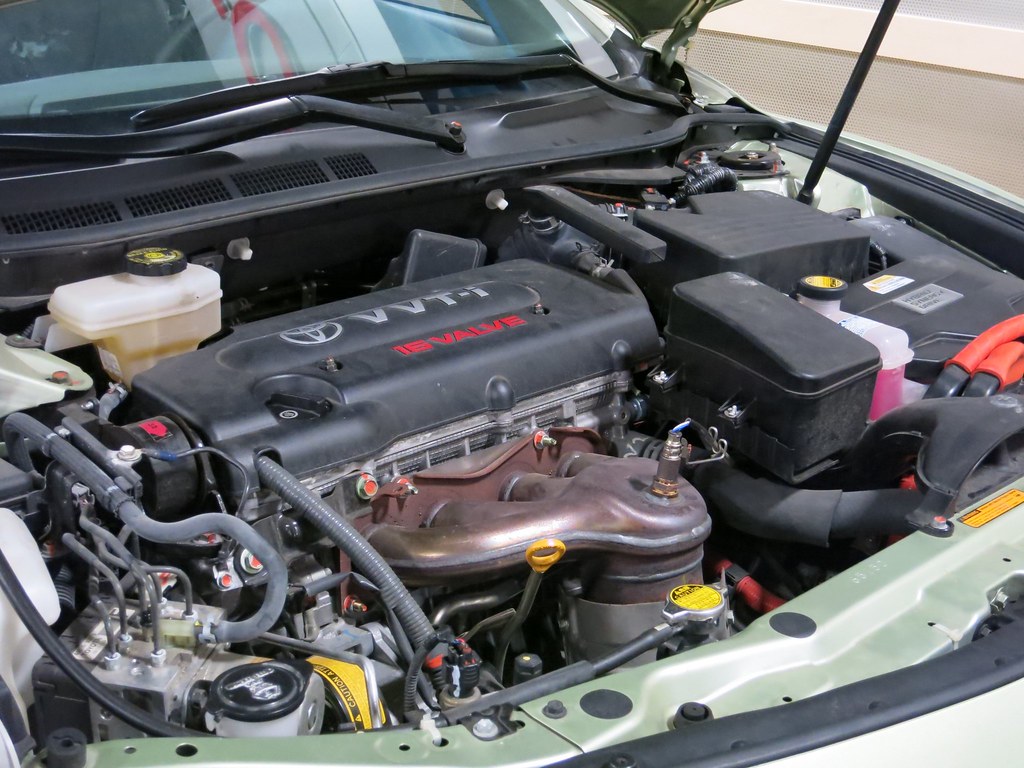
Hybrid tech sits at the core of Toyota’s design thinking, not added on later. Right from day one, today’s gas engines are built expecting to work with electric power. Each piece motor, engine, battery links together without hiccups because they’re made that way from the start.
Hybrid-First Engineering Philosophy:
- Core Hybrid-Compatible Engine Design
- Seamless ICE and Electric Motor Integration
- Improved Efficiency in Real-World Driving
- Smoothed and Refined Power Delivery
- Shared Engines with Brand-Specific Hybrid Tuning
Starting with built-in hybrid tech, these engines stay closer to peak efficiency during everyday use. Because of this setup, they burn less fuel without losing power when needed. Instead of just pushing raw force, they adjust smoothly based on how you drive.
What makes hybrid vehicles stand out is how they shape the way you interact with the road. By using electric power alongside fuel engines, motion feels steadier, especially when accelerating slowly. Gaps in engine strength at lower speeds disappear, thanks to instant support from electricity. This mix brings quicker reactions to driver inputs, making each move feel intentional. Instead of rough shifts or delays, there’s a seamless flow that older gas-powered models often lack.
One after another, Toyota, Subaru, and Mazda plan to pair these engines with their unique hybrid setups and tuning methods. Because of that, despite using similar base hardware, each car will feel different to drive shaped by how each company thinks about engineering and performance.
6. Works with multiple fuels and future energy sources
A key part of Toyota’s future engine plan? Flexibility in what powers it. Not just sticking to regular gasoline anymore, instead the design opens up options biofuels fit in, so do man-made fuels, even mixed fuel recipes. The idea shifts away from one single source, aiming to run on whatever works.
Fuel Options for Shifting Energy Needs:
- Compatibility With Multiple Fuel Types
- Support for Biofuels and Synthetic Fuels
- Flex-Fuel Adaptation Capability
- Designed for Regional Fuel Variability
- Long-Term Regulatory Flexibility
Most engines stick to one type of fuel. Not so here. As rules around fuels shift worldwide, flexibility becomes key. Toyota builds that in from the start. Instead of betting everything on gasoline or hydrogen alone, its design welcomes several options. One engine fits many paths. That spreads the risk when governments change policies fast. It also handles places where gas stations lack charging gear or hydrogen pumps. Infrastructure grows slowly in some areas. This approach doesn’t wait for it. Change comes unevenly this plan expects that.
Out in places where gasoline varies wildly, being flexible really matters. When fuel types shift from one region to another, Toyota doesn’t pin everything on just one standard. Because of that, their engines keep running smoothly even when conditions change fast. Thanks to smart engineering choices, vehicles handle different fuels without skipping a beat. That means fewer headaches wherever you drive, no matter the local pump mix.
One step ahead, Toyota backs a mix of power sources instead of betting only on electric. Moving beyond old choices, it shapes engines ready to shift with new fuels. With change in mind, today’s combustion tech stays useful even as the world’s energy map slowly shifts. Not locked into one path, its strategy allows room for different options to grow together.
7. Smaller Size Same Power
One big step forward in Toyota’s plan for future engines? Squeezing size down while still keeping power strong. Take the fresh 1.5-liter turbo unit its punch lines up close to what used to come from bigger motors, say those old 2.5-liter ones.
Small Engines Keep Full Power:
- Reduced Displacement With Comparable Performance
- Improved Power-to-Weight Ratio
- Lower Internal Friction and Mechanical Losses
- Enhanced Fuel Efficiency in Real Driving
- Strong Low-End Torque Delivery
Smaller engines bring gains in both power delivery and energy use. Since the motor weighs less, the car responds faster when speeding up, corners more evenly, stays stable during stops. Inside, compact moving parts create less resistance, so heat is used smarter, gas stretches further on regular trips.
Even when built smaller, these engines keep their punchy feel at lower speeds, thanks to smart design choices. What makes them responsive lies in how air gets squeezed into the cylinders. Efficiency gains come not just from size cuts, but from how fuel burns inside. Power stays usable day to day because technology fills the gap left by fewer liters under the hood.
What matters most sits right at the heart of how Toyota builds things. Instead of shrinking parts just to spend less, they shape motors to sip fuel while waking up fast, holding on tight to what drivers need today.
8. Dynamic Force Foundation evolving
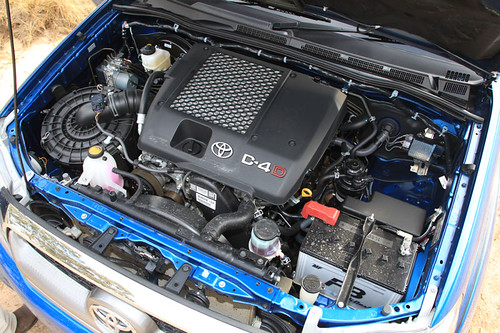
Out front, Toyota’s latest powertrains grow straight from the roots of their Dynamic Force series engines that redefined how much heat energy could turn into motion. Born inside the TNGA mindset, each unit helped dissolve the clutter that once marked older models, swapping scattered designs for something leaner. From there came fewer types, more cohesion, tighter control across production lines. What stood before as tangled options now folds into focused precision.
Improved engine efficiency using TNGA design:
- TNGA-Based Engine Architecture
- High Thermal Efficiency Internal Combustion Design
- Advanced Airflow and Intake Optimization
- High Compression Ratio Technology
- Streamlined Global Engine Family Strategy
Surprisingly efficient, the Dynamic Force engines used smart design tweaks like reshaped combustion chambers. Airflow got a boost too intake and exhaust moved more freely thanks to smarter paths. Compression climbed higher than usual, helping squeeze more out of each drop of fuel. Efficiency crossed the 40% mark in numerous versions. That number stands out sharply when compared to typical gas-powered setups.
From this base, Toyota’s new engine designs take those ideas a step beyond. Not just about saving fuel, they work harder to deliver more punch and quicker reactions too. Smarter burn techniques help, along with stronger parts and better heat handling under the hood. Each tweak pulls the whole system closer to peak performance.
So here it comes the newest step in Toyota’s engine design doesn’t scrap the old path. Instead, it walks further down it, pushing those original ideas harder. Each piece builds on what was already there, only sharper now. Performance links tightly with economy, tied together through smarter engineering. Long-run durability still matters just as much. This isn’t a detour. It’s the same road, extended.

9. Proven Efficiency from Current Engines
Toyota’s current engine lineup already demonstrates the effectiveness of its long-term engineering philosophy, particularly in balancing efficiency, reliability, and real-world performance. Across compact sedans, SUVs, and hybrid models, these powertrains consistently achieve strong thermal efficiency while maintaining Toyota’s traditional focus on durability.
Real-World Validation of Toyota’s Engine Strategy:
- High Thermal Efficiency in Production Engines
- Strong Reliability Across Model Range
- Widespread Hybrid Integration
- Optimized Operating Conditions
- Continuous Engineering Feedback Loop
In hybrid configurations, efficiency gains are further enhanced by allowing the internal combustion engine to operate within its most optimal performance range more frequently. Electric motor assistance reduces load variability, smooths power delivery, and minimizes inefficient operating conditions. This system-level optimization results in improved fuel economy without sacrificing drivability or long-term reliability.
These existing engines also serve as a practical foundation for future development. Real-world usage data from millions of vehicles globally provides continuous feedback on performance, durability, and efficiency. Toyota uses this information to refine combustion strategies, improve component design, and guide the evolution of its next-generation engine platforms.
As a result, the current lineup is not only a mature product range but also an active development platform, where proven technologies directly inform the design and refinement of future powertrain systems.
10. The Future of Performance and Practicality
Toyota’s long-term vision extends beyond efficiency and environmental adaptability it also includes the continued evolution of performance-oriented vehicles. The company is actively exploring how its next-generation engines can support lightweight, high-output applications that preserve driving engagement while meeting modern efficiency and emissions expectations.
Balancing Performance, Emotion, and Efficiency:
- High-Output Compact Engine Potential
- Hybrid-Assisted Performance Applications
- Revival of Enthusiast-Oriented Models
- Integration of Efficiency With Driving Engagement
- Multi-Path Powertrain Strategy
This direction opens the possibility for a new generation of sports and enthusiast vehicles that combine traditional internal combustion character with modern hybrid assistance. Instead of relying exclusively on full electrification for performance gains, Toyota appears to be developing a hybridized performance philosophy one that blends mechanical responsiveness with electric torque support for a more flexible driving experience.
In this framework, performance is not defined solely by raw power, but also by responsiveness, balance, and usability in real-world conditions. Lightweight engine designs paired with electric assistance systems could allow future models to deliver strong acceleration while maintaining efficiency and drivability across varied environments.
Ultimately, Toyota’s strategy reflects a broader commitment to adaptability. By continuing to invest in combustion, hybrid, and electric technologies simultaneously, the company positions itself to remain competitive across multiple automotive futures. At the same time, it preserves the core driving emotion that has long been associated with its performance and enthusiast-focused vehicles, ensuring that progress does not come at the cost of driving enjoyment.