



Decoding Tesla’s Price Cuts: A Guide for Car Shoppers
It seems that whenever you are looking for some interesting news in the world of auto, you can bet money that Tesla will have its hand in it somewhere! They are again at the center of attention with another massive series of price cuts. This action will keep feeding the “price war” between legacy automakers and new EV startups and will be causing all the consumers who are looking to purchase a car an awesome albeit confusing situation.
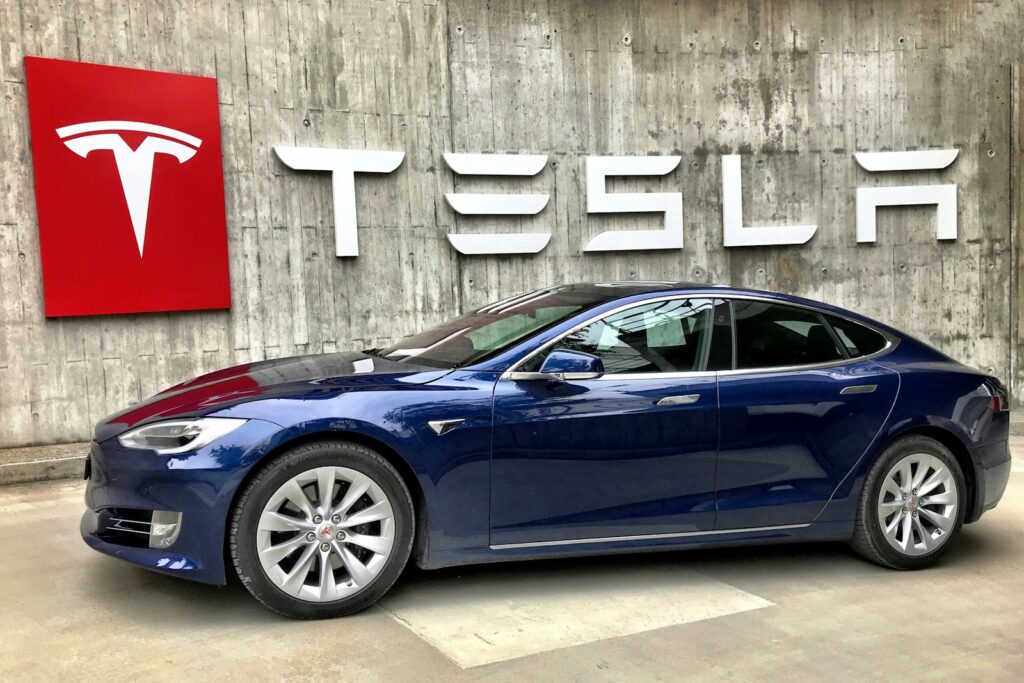
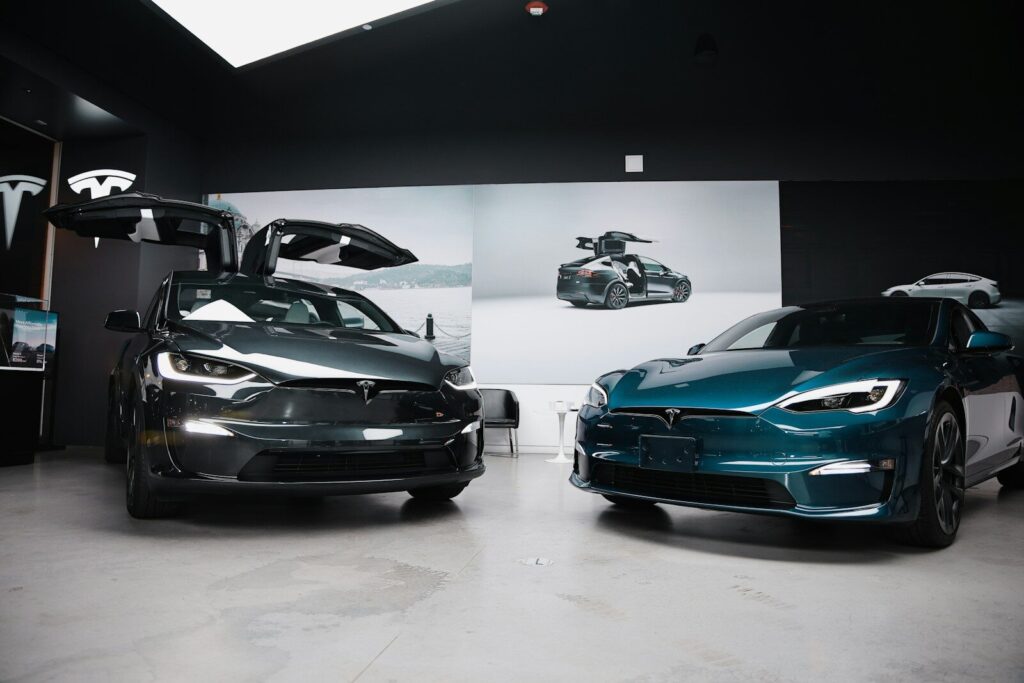
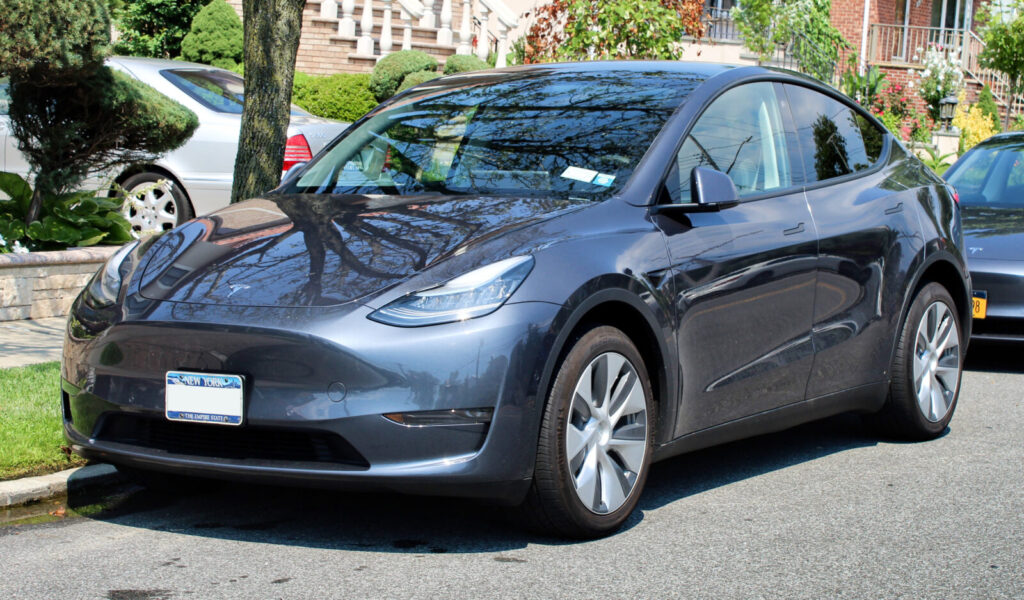
These aren’t your typical sale numbers, as these are calculated, strategic moves with global effects ranging from the heavy discounting of US inventory to entering more challenging markets such as India with the release of new models. The real question for the average consumer is, “Is it finally time for me to pull the trigger and buy a Tesla with these falling prices?” Let’s explore this in more detail: United States price cuts: Tesla reduced the price on three of its five models by $2,000 each impacting the high-volume Model Y small SUV, as well as the Model S and X. This latest cut, which now brings the starting price of a Model Y to $42,990, will surely help to draw in a lot more customers.
1. Tesla Shifts Model Y Sales Strategy
Tesla’s sale approach to previous generation Model Y models took a rather interesting turn. In a change from being custom order-able, Tesla is shifting these cars to its inventory. It is believed that the company’s goal is to make more space for newer cars, while simultaneously accelerating the sale of older units. Since custom-ordering will not be an option for customers, Tesla hopes to be able to sell its already manufactured cars more readily. This will eventually allow customers to find available inventory quickly.
Deal Shift That Changes Buying Experience:
- Inventory-only sales approach
- Custom orders phased out
- Faster delivery availability
- Strategic stock clearance move
- Focus on ready vehicles
This shift also changes how customers can purchase cars from Tesla. This now opens up immediate inventory delivery of Tesla’s to owners instead of placing orders that could wait years for manufacturing at Tesla factories. Tesla looks to capitalize on shortening its sales cycles while optimizing cash flow for the company. This move should satisfy any buyer eager for their Tesla quickly, though it does compromise options when placing a new order.

2. Massive Discounts on Inventory Models
The best part about this Tesla plan are the big discounts they’re offering on their inventory models. Tesla is essentially slashing price tags on what appear to be current inventory by up to $6,900 in what the automaker calls price adjustments. It’s an amazing amount of a price cut, that is undeniable and really makes this already affordable Tesla an easy consideration. These price cuts are likely meant to spur interest in existing inventory as Tesla pushes new vehicles forward, and for consumers, the appeal is hard to ignore.
Huge Savings That Turn Heads Instantly:
- Discounts up to $6900
- Price adjustments labeled clearly
- Attractive reduced pricing offers
- Inventory clearance strategy
- Competitive EV pricing advantage
These aren’t merely marketing gambits; they’re a strategic response to the current market. Lowering prices not only stimulates demand, thereby reducing idle inventory, but also applies pressure to competitors who may need to follow suit. This gives consumers a clear opportunity: access one of the most coveted EVs for a lower upfront cost. Tesla is clearly willing to shave off profits in the short-run to ensure sustained sales.

3. Real Examples of Discounted Deals
Let’s look at the examples to quantify the potential savings. A Tesla Model Y Long Range All-Wheel Drive currently lists for $46,100 with a $6,890 reduction, and after a federal tax credit that comes to a mere $38,600. And another Model Y Long Range Rear-Wheel Drive, with a $3,760 price slash, lists at a price of $35,730 before the potential tax credit.
Real Deals That Show True Value:
- AWD discount nearly $6890
- Final price $38600
- RWD reduced by $3760
- Final cost $35730
- Tax credits boost savings
Such real-world situations prove the impact of Tesla’s discounting. They create an impression of concrete financial benefits for the customer. As a result, it is important for car enthusiasts to trust this kind of offer and go check up on some of the available Tesla models. It also clearly reveals the benefits of the combination of discounts and state-sponsored support for EV drivers which helps bring down the car price significantly. This combination has already made an impression and helped some people make the decision whether it’s time to buy an electric vehicle.

4. Additional Promotions and Financing Offers
Tesla isn’t just slinging discounted cars. The company is also promoting the Model Y Standard starting at $39,990, not including destination. That’s in addition to Tesla offering zero percent interest on financing up to 72 months. The financing especially helps lower your monthly payments. It’s clear that Tesla wants to make its numbers, and these offers are an indication.
Offers That Make Buying Easier Today:
- Starting price $39990
- Zero percent APR financing
- 72 months payment term
- Lower monthly cost impact
- Strong sales push strategy
These offers look designed to eliminate roadblocks to purchase. The 0% interest loan will clearly take the edge off the car’s purchase price for customers who cannot afford to just hand over all of the cash. Tesla are trying to sell lots of cars, which this will undoubtedly do, while simultaneously trying to provide value and keep customers happy, as low cost and manageable payments should make the vehicle a better proposition. Clear message here: low prices and financing opportunities are the route to getting people into their EV.

5. Tesla Faces Challenges in India
Tesla’s pricing scheme might do alright back in the US, but back in India it hasn’t. The electric vehicle manufacturer has had trouble finding foot-hold there; reports say it’s sold only about 350 Model Y’s there since its arrival, which is not the best indicator. It’s said to try and overcome that issue with a six-seat version of the Model Y.
India Market Struggles Become Visible:
- Only 350 units sold
- Weak initial market response
- Different consumer preferences
- New six-seater introduced
- Attempt to boost demand
India’s Specific Case As said earlier, Indian market’s conditions can be somewhat challenging for new entrants. Tesla, for instance, being a luxury car maker can already feel too expensive. While the addition of a lower variant proves Tesla’s intent to experiment with pricing for India, it still has a lot to address, right from product feature offerings to making it price competitive within its segment. This example reinforces the thought process how market strategy is not always universal across borders and the adaptation needed for global expansion.

6. High Pricing and Tariff Barriers
India: Another obstacle to Tesla in India. Prices, for example, are exorbitant because of import duties. A Model Y L cost € 61.99 lakh, i.e. $ 66,000; for example, its rivals cost very little. It is nearly 100% tariff on the import duty of the car.
Pricing Barriers That Limit Growth Potential:
- Price around $66000
- High import tariffs impact
- Nearly 100 percent duties
- Expensive compared competitors
- Limited affordability for buyers
However, due to the aforesaid tariff concerns, local manufacturing is important in order to cut costs and for Tesla to be at par with the Indian market. Even though it is possible for global players like Tesla, for future tariff concessions to become applicable through some form of international trade agreement, presently, it still appears to be an uphill battle, unless a reasonable price can be afforded to all Indian customers.
7. Expansion Plans in China Market
Long-term growth is another area where Tesla is keenly looking to make progress in China, an intensely competitive marketplace for electric vehicles. The firm’s plans in China include producing an inexpensive version of its Model Y electric car, code named “E41,” at a production price which should be 20% cheaper to manufacture than a current Model Y car in order to target price sensitive buyers and this will enter production in 2026.
China Strategy Focused On Future Growth:
- Project E41 development underway
- Lower cost production goal
- 20 percent cheaper build
- Launch planned for 2026
- Targeting price sensitive buyers
With this move, Tesla demonstrates its nimbleness in overcoming challenges and competitive threats. The ability to drive down the costs to build its cars will allow the automaker to introduce vehicles at a lower cost point, but with no degradation in terms of build quality. Such a strategy is vital in a market as competitively dense and price sensitive as China. By investing, Tesla shows long-term commitment in the region.

8. Reasons Behind Aggressive Price Cuts
This wave of Tesla’s price cuts is in pursuit of a combination of factors including boosting its overall market share by lowering costs for its consumers, increasing overall sales volume and production output and utilizing the discounts as an inventory control measure and to keep its cars eligible for incentives and rebates.
Key Drivers Behind Price Reduction Strategy:
- Market share expansion goal
- Boost overall sales volume
- Improve factory utilization rates
- Manage inventory efficiently
- Maintain incentive eligibility
These strategic objectives explain the intricacies behind Tesla’s pricing maneuver. It’s not a mere price drop but a calculated plan with multiple goals that Tesla seeks to attain simultaneously. To make it achievable and ensure it lasts, Tesla is maintaining a delicate balance between being cost-effective and being operational in all aspects. This helps the firm remain ahead in the market while pursuing product development and enhancement.

9. Market Challenges and Sales Decline
Tesla is slashing prices due to market difficulties, with its worldwide deliveries sliding last year the first decline since 2019 as its stock value plummeted 40% and it lost 38% of its US market share, sparking a sense of urgency within the Silicon Valley firm to act quickly to fend off rivals and reverse fortunes.
Warning Signs That Triggered Big Changes:
- Sales decline year over year
- Stock dropped forty percent
- Market share fell significantly
- Increased competitive pressure rising
- Urgent response required quickly
This context further explains why Tesla has become increasingly aggressive in its strategies. Through its price reductions, the company hopes to boost demand and regain some of its lost market traction. This move signals the company’s ability to act quickly in response to new dynamics. These further exposes how precarious the overall EV landscape remains, forcing even top players to adjust in order to maintain and grow their position.

10. Buyer Dilemma and Final Decision
Buyers are caught between a rock and a hard place with regard to pricing. The obvious advantage to buying now is the ability to lock in current pricing and save money, but there’s always the possibility of additional price cuts in the future. Whether or not to buy now versus wait for lower prices will all depend on the buyer’s needs, budget and comfort with risk.
Buy Now Or Wait Decision Factors:
- Immediate savings available today
- Future price cuts possible
- Tax credits may change
- Need for car urgency
- Resale value considerations
The long and short of it is, it just depends on what you prioritize. If you can’t wait, need a car in the short term, or want to jump on any recent incentives offered, you might want to go ahead and place an order. Those of you with the luxury of time on your hands might do better holding out for new releases and price drops. As if it isn’t tricky enough already, the fluid nature of Tesla’s pricing adds yet another element of chaos to an already dynamic market.