

The Mustero: How a Beverly Hills Dealer Created the Mustang Pickup
Of all the cars ever made, it is safe to say the first generation of Ford Mustangs are the most widely regarded. There are few other automobiles that can take credit for having been entirely responsible for the creation of a whole segment of the auto market like this legendary muscle car can. Due to the huge success of this little pony car, designers and creative thinkers over at Ford brainstormed just about every conceivable type of Mustang variation, from a four-door sedan to a two-door wagon. However, one thing they never put into production is pretty spectacular and is somewhat elusive: the Mustang pickup truck.
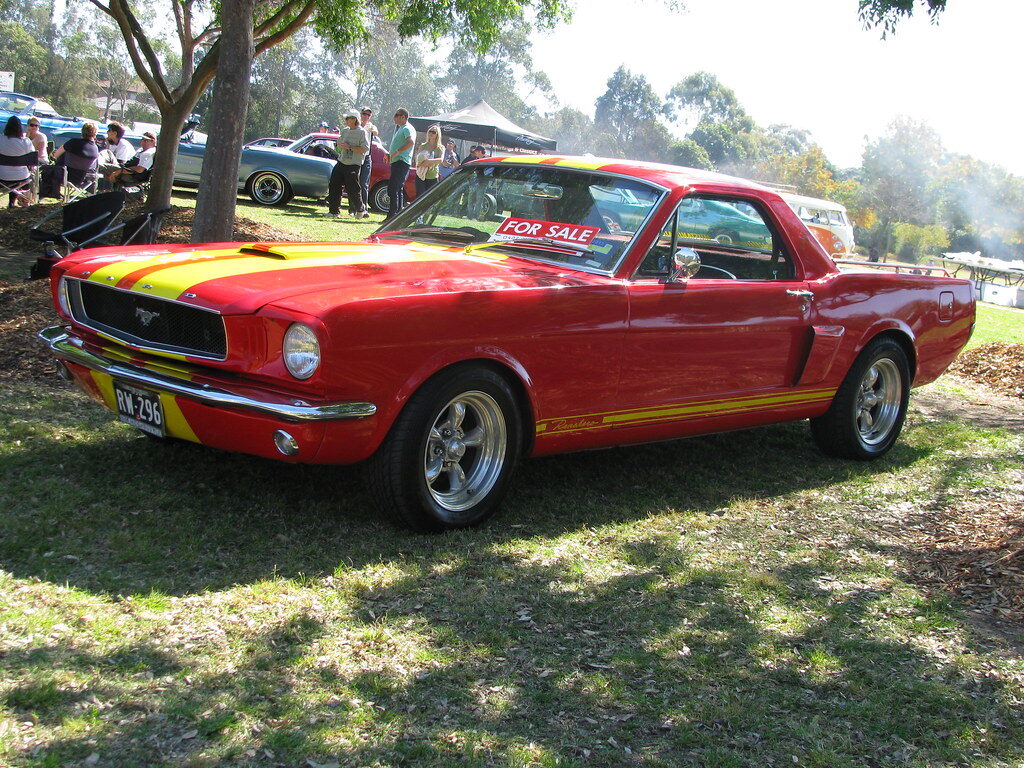
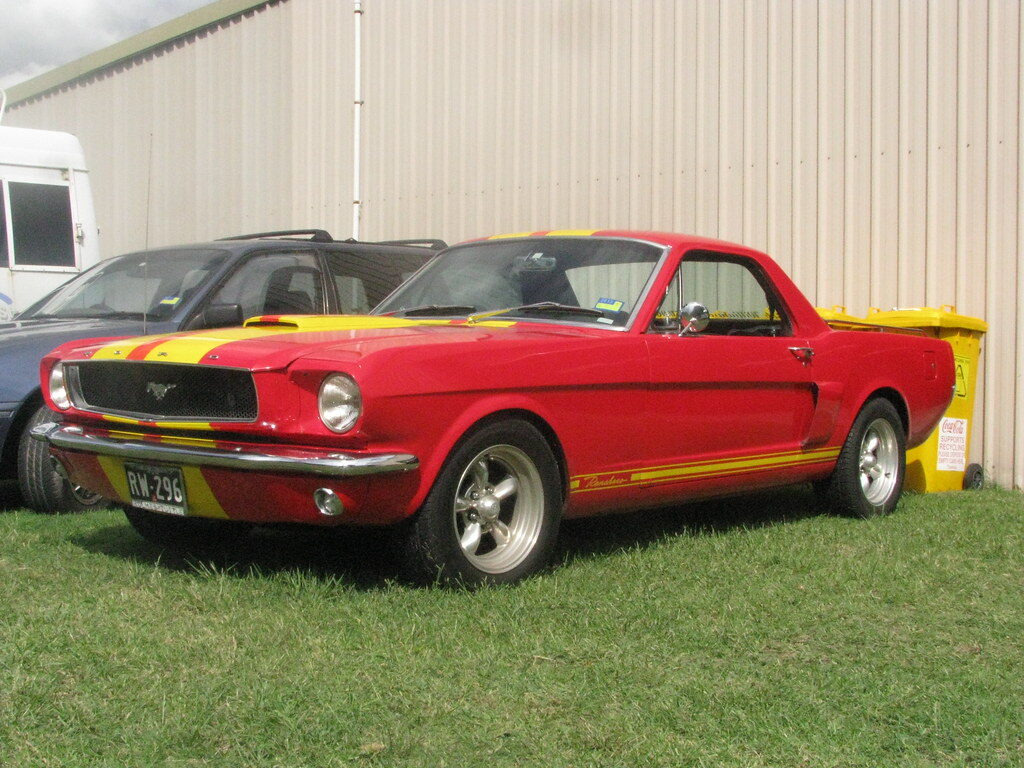
It’s important to note this isn’t a chop shop or some backyard fabrication, but rather an official Ford sourced variant with its very own name: The Mustero. The Mustang pickup, dubbed the Mustero, didn’t originate in a corporate design studio in Detroit, but in sunny Southern California. It happened in 1966, two years after the Mustang made its incredible debut. Because the Mustang’s popularity had already skyrocketed to astronomical levels by this time, the dealership Beverly Hills Ford decided it wanted to introduce a unique concept. The idea was a Ford that combined the stylish allure of the Mustang with the functionality of a pickup, to serve as a show piece and promotional vehicle to get even more eyes on the iconic vehicle. Ford agreed, and gave their blessing to this exciting endeavor.
To undertake the task of modifying the already popular Ford vehicle, Beverly Hills Ford teamed up with local customization outfit, US West Coast Customs. For this new design, Ford, with help from the custom shop, named the Mustang pickup “Mustero,” a Portmanteau of “Mustang” and “Ranchero,” which is Ford’s own car-based truck. Since the original Mustang was based off of the Ford Falcon platform, and the Ranchero used the Falcon and Fairlane underpinnings as well, making a Mustang pickup seems like it only made perfect sense.
1. The Birth of a Mustang Pickup Concept
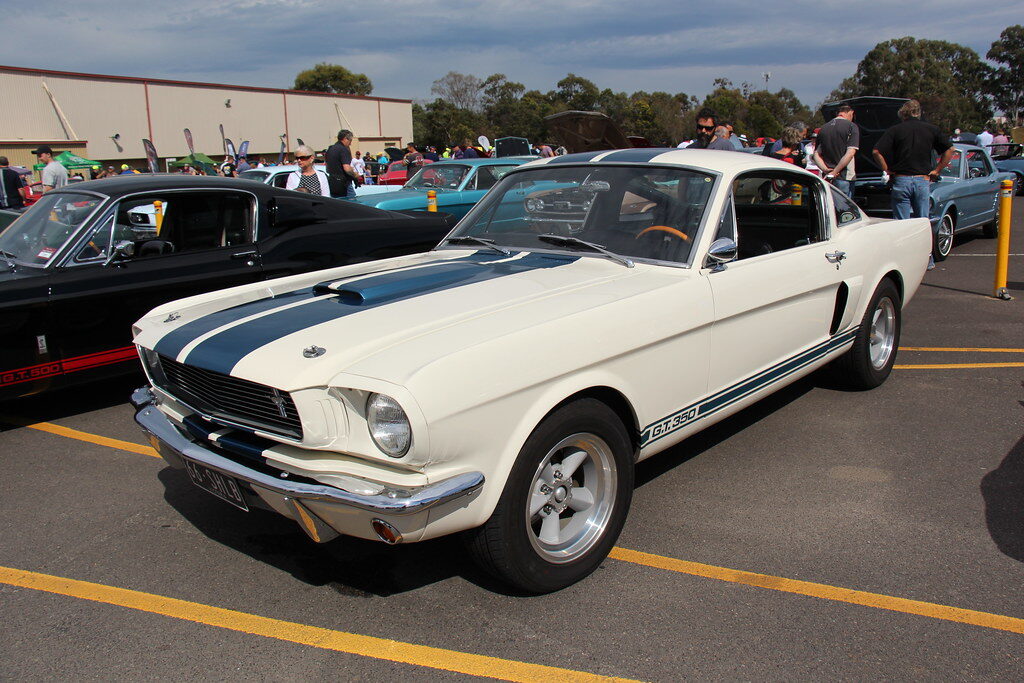
This transition from sports coupe to truck started with a 1966 Mustang fastback. In order to do this, there needed to be extensive structural cutting: rear section of the roof was cut off, structural pillars were relocated forward in order to take up space in the car, resulting in a two-seat configuration. Everything behind the two seats was thrown out completely.
Striking Transformation Highlights:
- Mustang fastback base used
- Roof section removed
- Pillars moved forward
- Cabin space reduced
- Two-seater conversion achieved
It was a surprisingly creative and audacious reimagining of the iconic sports coupe, by taking the vehicle structure to such extreme levels that the designers fundamentally redefined what a Mustang could even be. Going from a sporty coupe to something that resembles a stylistic sports hatchback or station wagon hybrid, while the passengers do not fare so well in terms of space, but the exterior was very uniquely styled. The modifications went far beyond simple appearance with a change in the fundamental structure.
2. Creating a Functional Yet Stylish Truck Bed
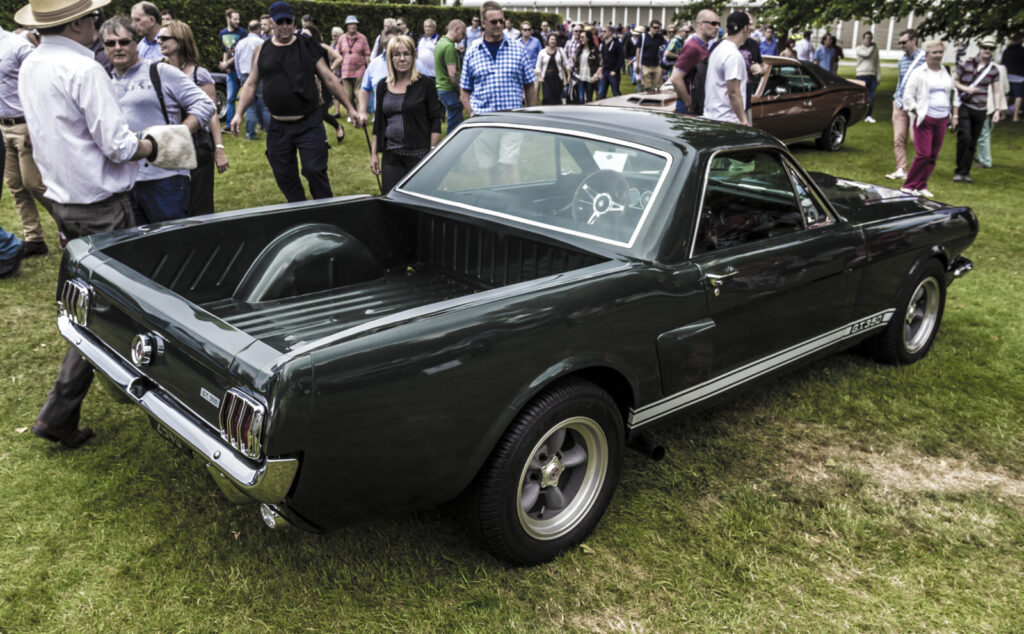
A rugged fiberglass truck bed filled the space after the rear section was removed. Instead of the typical utilitarian box shape, the craftsmen designed and fit the truck bed into the mustang so it would complement the rest of the car. The intent was not only a working pickup but a beautiful one that retained much of its former coupe appeal.
Design Innovation Keypoints:
- Fiberglass truck bed installed
- Seamless body integration focus
- Avoided boxy pickup styling
- Maintained cohesive appearance
- Balanced style with utility
Building on a core designphilosophy,the customizers tried to stick to the Mustang’s original image,instead of trying to replicate the typical pickup appearance,these designers created a unique piece that broke the rules by adding a bed to a 2-door car. The truck bed’s body was placed well into the back,so the car’s structure still looks familiar.
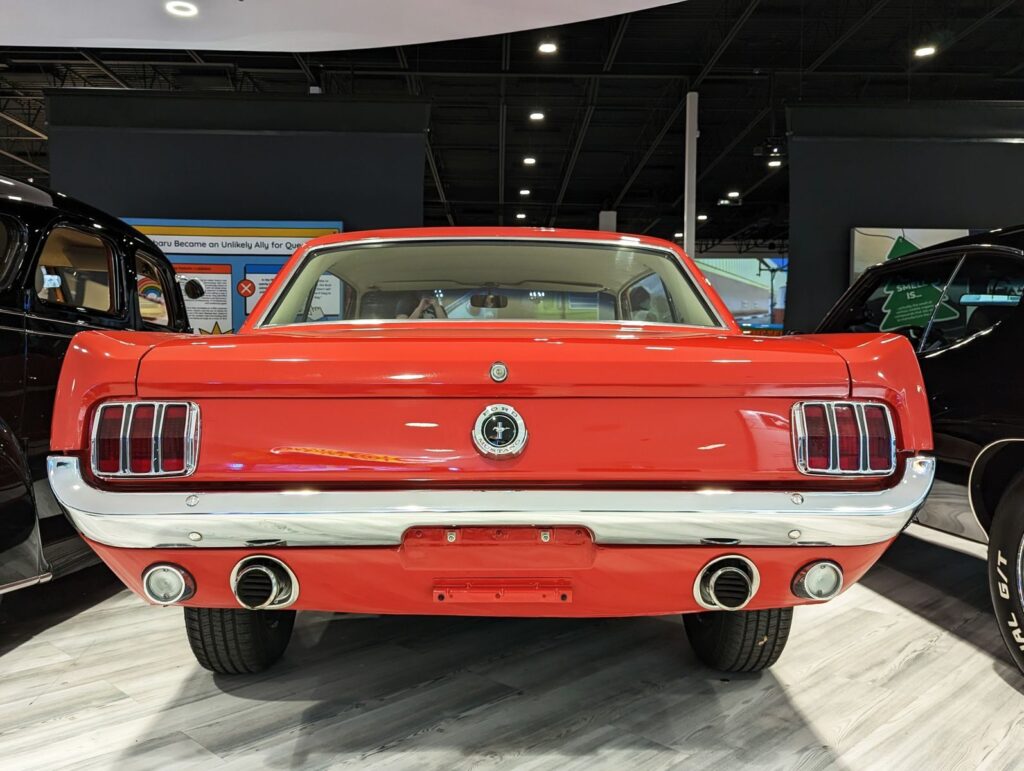
3. Preserving the Mustang’s Iconic Rear Design
Another fundamental change to maintain the Mustang’s DNA was the reuse of its original rear quarter panels and taillight configuration. It gave onlookers enough familiar features that the vehicle’s purpose wouldn’t be mistaken as it came rumbling toward them you knew this was still a Mustang from the rear at the very least, despite its drastic overhaul.
Signature Styling Elements Retained:
- Original rear panels kept
- Mustang taillights preserved
- Iconic design maintained
- Rear identity unchanged
- Visual continuity ensured
This preserved elements kept the feel somewhat familiar to the rather exotic look. This was important as this would create a bridge between the bold and modern and the original and familiar. Because the original role of the car has change quite dramatically from a traditional muscle car, yet visually remained strongly rooted to it heritage they could pull this blend off, and it just worked for the Mustero as a reminder that despite its radical shape, it did still hail from one of the automotive greats.
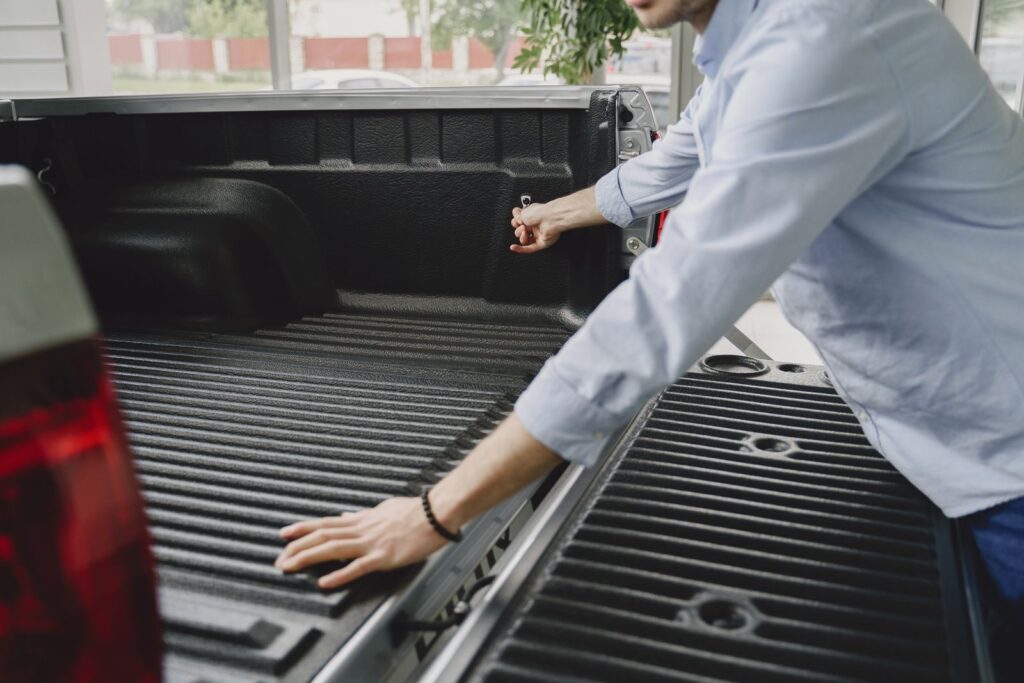
4. Streamlined Look with Hidden Utility
In order to create a cleaner, sleeker look, vinyl tonneau was utilized so the truck bed is able to remain covered when not being used. The plan here was to have it appear to still be a traditional coupe Mustang, however with this modification, it offered more versatility. Truck bed storage would still be offered but concealed behind a more conventional look.
Sleek Design Enhancements:
- Vinyl tonneau cover added
- Bed concealed when unused
- Maintained sleek silhouette
- Hidden utility design approach
- Enhanced visual appeal maintained
The tonneau cover was critical for maintaining the familiar Mustang profile. It covered the bed, keeping the vehicle from looking too truck-like. This design demonstrated that the engineers understood what makes the Mustang unique the styling. Being able to switch between coupe and pickup modes increased its utility, while demonstrating clever design thinking on the Mustero.
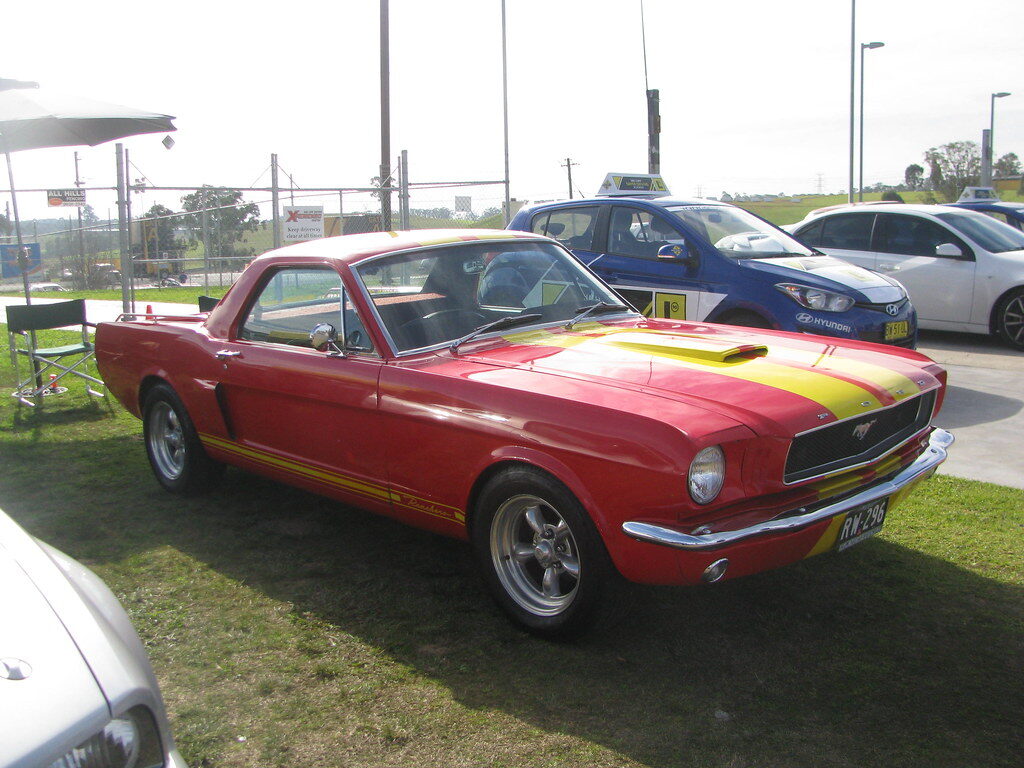
5. Custom Glass and Refined Finishing Touches
Custom side glass needed to be constructed to fit the changed roofline, allowing a seamless fit that was also completely weatherproof. Every one of these details was important for both form and function after making the body modifications, and they helped give the completed car the appearance of being an original vehicle instead of a custom modification that looked incomplete.
Precision Craftsmanship Details:
- Custom side glass created
- Adjusted roofline accommodated
- Proper sealing ensured
- Factory-like finish achieved
- High-quality detailing maintained
These little touches are really what took the Mustero from being just an ‘interesting mod job’, to something the was really a little more serious. The details here show some serious attention to quality, from how a sealing area was done to how a panel was fitted. It’s great to see that practical considerations such as sealing were also not ignored, and how attention to detail allowed the car to retain a ‘professionally built’ persona rather than an experimental one.
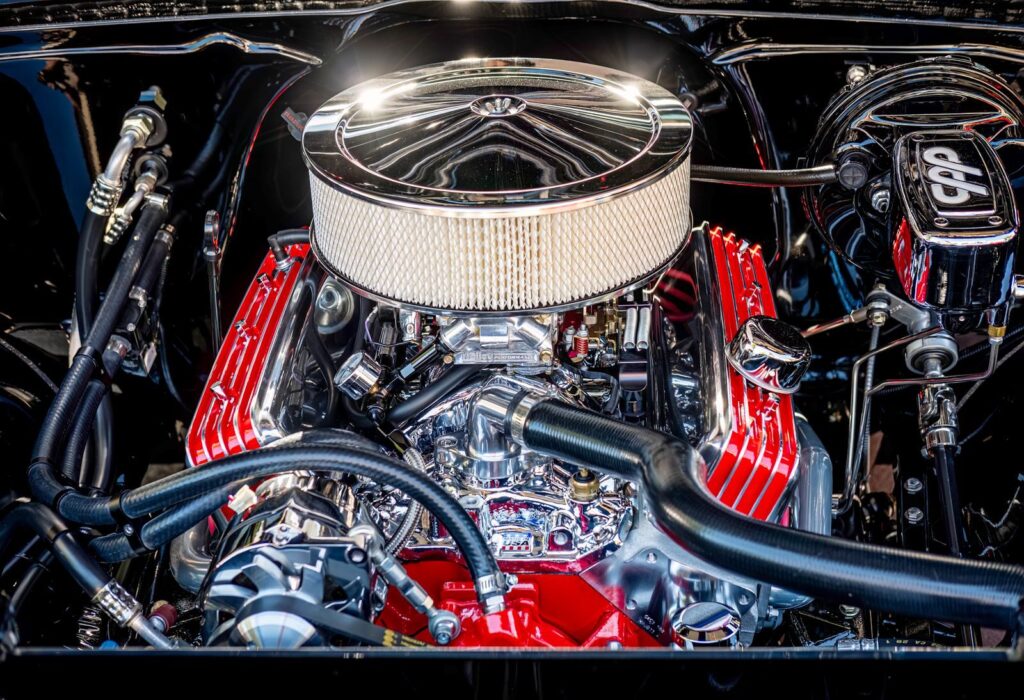
6. Retaining Mustang Mechanical Performance
However, the mechanically the Mustero did not deviate from the standard 1966 Mustang. The car was the same from chassis and powertrain all the way up the different engine choices. Buyers would have had the options of the same 3.2L inline six and the 4.7L V8s that produced roughly 200hp. The 271hp HiPo K code 289 V8 option would have been the go faster version.
Performance Options Overview:
- Original chassis retained fully
- Inline-six engine available
- Windsor V8 option offered
- 200 horsepower standard output
- HiPo 289 V8 option
With respect to not disturbing the mechanical pieces, the Mustero also managed to retain the driving characteristics of a Mustang. This guaranteed that the performance aspect of the Mustang did not get lost by focusing on the appearance of the design. The people buying it, could still experience the engine and acceleration of a Mustang. It is a balancing act between power and usefulness that, if pulled off, could make the Mustero very appealing.

7. Ambitious Production Plans Fall Short
Beverly Hills Ford originally set out to build 50 Mustero vehicles. Unfortunately, the cool car, and even the official Ford support, did not lead to very much buyer enthusiasm. What was originally an ambitious design very quickly turned into a failed project. They did not manage to build the 50 originally set, and no one seemed very interested in the concept.
Production Reality Check:
- Planned 50 units initially
- Sales failed dramatically
- Market interest remained low
- Project quickly discontinued
- No sequel considered
This failure illustrated that not all innovation catches on. Even though the Mustero was unlike anything that came before it, no one was buying. The high production volumes never happened in the real world and the result is clear proof that the consumer must be considered first when designing.

8. High Price as a Major Barrier
But it’s difficult to ignore that the cost for the Mustero could easily add up to several thousand dollars to an already expensive Mustang, bringing the vehicle price well into premium car territory often at the same price point or higher than vehicles that boasted real performance, such as the Shelby 350GT.
Pricing Challenges Explained:
- Expensive conversion costs added
- Total price significantly high
- Comparable to Shelby pricing
- Exceeded practical value expectations
- Limited buyer affordability
However, this extremely high sticker price put a serious wrench in its usability in the market. Most buyers just wouldn’t cough up the cash for an SUV with such restricted cargo space over more traditional pickups, and this price point threw the Mustero into a space where it was directly competing with other high-performance vehicles at the same price point.
9. Competition from Established Models
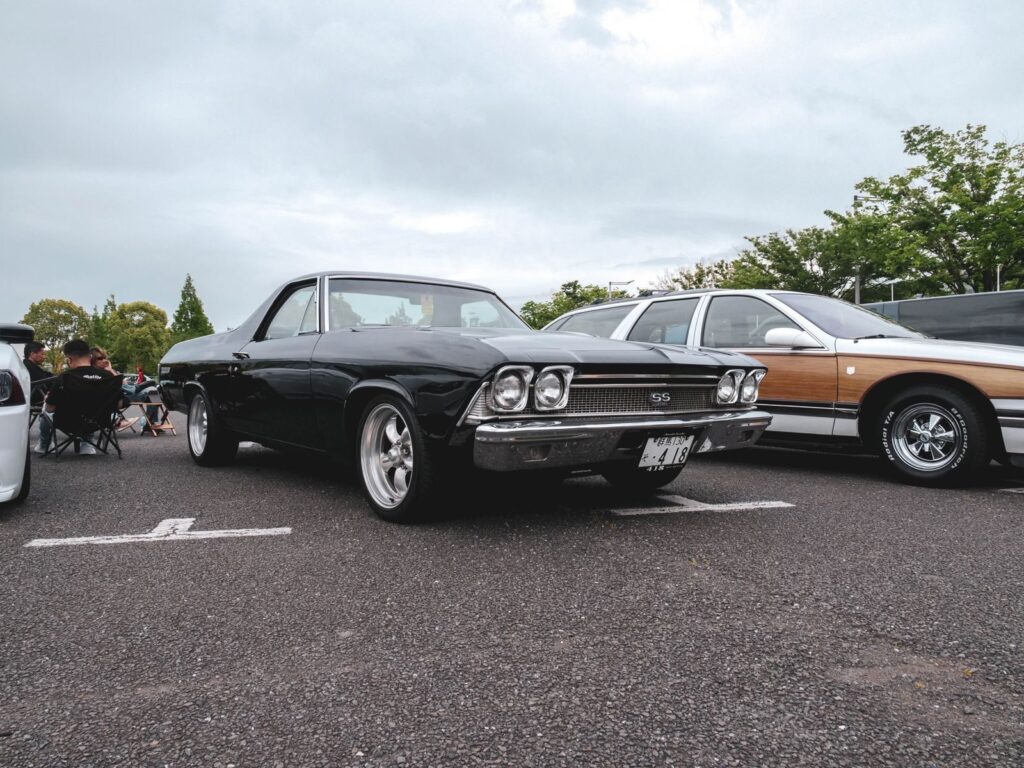
This presented some big problems for the Mustero, because other car based trucks such as the Ford Ranchero, and Chevrolet El Camino were available to the buyers. They were more practical and you could find them with big and more powerful engines. You could also find a big and powerful engine in an El Camino.
Competitive Market Pressures:
- Ranchero offered better utility
- El Camino stronger performance
- Established market competitors present
- More powerful engine options
- Greater buyer appeal overall
This competitive environment proved a challenge to overcome, and the Mustero failed to address it successfully. The vehicle was unique, but uniqueness was not enough, as buyers were leaning towards more conventional cars offering greater value and variety. The inability of the Mustero to compete with other cars on the market determined its failure, demonstrating the importance of competitive advantage in the marketplace.
10. Legacy of Rarity and Collector Appeal
Today, the Mustero is a curiosity, a collector’s item few were made, and even fewer are likely to be seen today. Its value today probably far exceeds the profit that motivated its creation. It is a historic artifact, and that is its primary value.
Collector Value Highlights:
- Extremely rare surviving units
- Limited production numbers confirmed
- High novelty value today
- Unique automotive history piece
- Collector curiosity status achieved
The car known as the Mustero lives on in the annals of automotive history due to its uniqueness. While it holds only a small value among car collectors, its uniqueness makes it a desirable find for any automobile enthusiast. It is the embodiment of automotive innovation and a bold experiment with the elements of design which went into its creation. And while it failed to live up to the standards it was supposed to meet, it is still a marvel to behold, as a feat of engineering ingenuity.