





Petrol Automatic SUV Fuel Duel: A Real-World Mileage Showdown
When opting for a medium sized SUV, perhaps only a second priority to the asking price, what becomes the paramount figure is one seen at the fuel pump. While marketing mileage may be an accepted rule of thumb in its use, it does not necessarily indicate how economical the vehicle will be when experiencing traffic, accelerations, the air-conditioning, and the rigors of the highway, for a petrol auto SUV, in particular. This is what makes the comparison between the Hyundai Creta, Maruti Grand Vitara, Honda Elevate and the MG Astor so interesting.
They all use identical 1.5-litre naturally aspirated four-cylinder petrol motors, and yet all four of their transmission options, their outputs, and their weights and engine saver techniques are quite different. These real-world results really illustrate how significantly those engineering choices impact fuel use. Side-by-side city and highway numbers show where the four SUVs stand and the eventual winner of our contest might surprise you when compared to their specifications on paper.
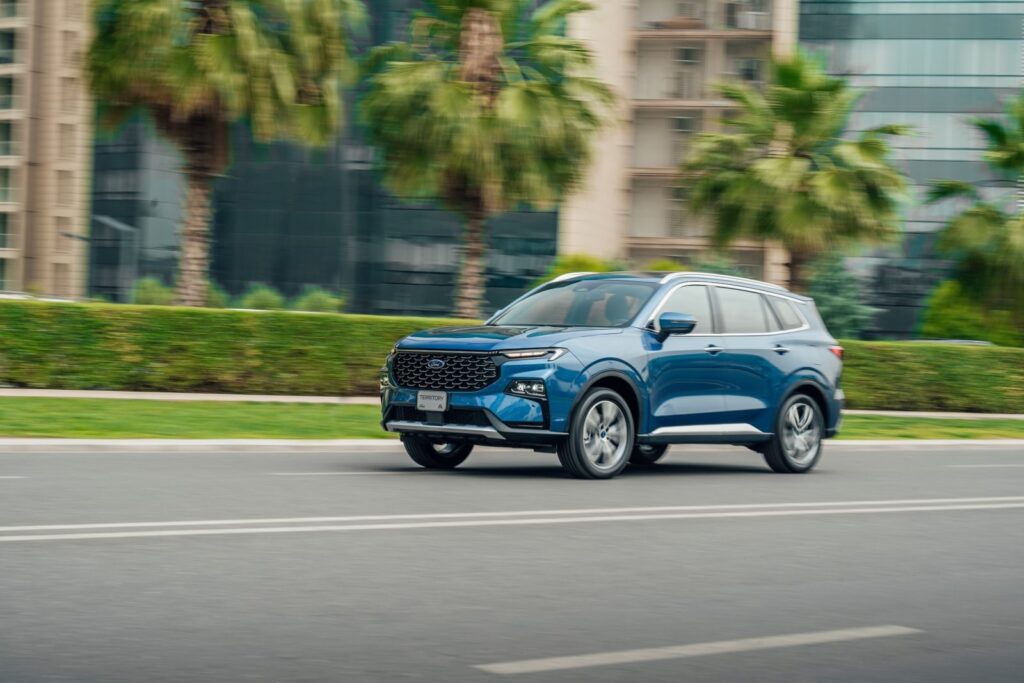
1. Four Mid-Size SUVs Face a Real-World Mileage Test
It’s very close in the mid-size SUV segment in India, but stated fuel-efficiency figures only go so far. Petrol automatics will be preferred by those who would also be closely interested in just how much juice the vehicle actually consumes over daily usage. Therefore, mileage figures recorded in real-world tests are particularly relevant when considering Hyundai’s Creta, Maruti’s Grand Vitara, Honda’s Elevate and MG Astor. All four use the same basic configuration of a 1.5-litre naturally aspirated four-cylinder petrol engine and this makes for a fair base on which to compare them. From there, they tend to branch out in various ways in relation to their gearbox type, power outputs, weights and technical efforts put in place to achieve fuel economy.
What Sets These SUVs Apart:
- Four 1.5-litre petrol engines
- Different automatic gearbox approaches
- Varying power and torque
- Significant differences in kerb weight
- Unequal fuel-saving technology
Among this segment, Hyundai Creta, Honda Elevate and MG Astor get continuously variable transmissions or CVTs, whereas, the traditional six-speed torque converter automatic transmission is seen in the Maruti Grand Vitara. CVTs generally ensure smoother, predictable power delivery and the tendency to remain in an economical engine rev range, whereas Grand Vitara chooses a different direction. This difference in transmission technology is just one aspect. The SUVs vary a great extent in weight, output figures, whereas both the Grand Vitara and Creta possess unique fuel saving technologies. Thus, comparison in mileage makes more sense rather than comparing in cubic capacities.
2. The Same Engine Size Hides Very Different Engineering Choices
In terms of their specs, all four are neck-in-neck considering they all use a 1.5L naturally aspirated four-cylinder petrol motor. However, a car’s fuel economy is not only decided by the size of its engine but also how the power is being delivered to the wheels, what’s the weight of the vehicle and how well the engine is aided by technology on board when being used on the road. The Hyundai Creta, Honda Elevate and the MG Astor make use of the CVT gearboxes. These generally provide a smooth and progressive delivery of power, and at the same time keep the engine within its best operational RMP range thus a better fuel economy can be achieved. The Maruti Grand Vitara however opts for a six-speed torque converter auto.
Transmission Choices Matter Here:
- Creta uses a CVT
- Elevate uses a CVT
- Astor uses a CVT
- Grand Vitara uses automatic
- Six-speed torque converter gearbox
It only gets more interesting looking at the engine figures. The Honda Elevate is the most powerful having a 121 Hp and 145 Nm of torque. The Maruti Grand Vitara on the other hand stands at 103 hp, 137 Nm implying efficiency taking the center stage here more than power. Both Creta and Astor sit almost in the same segment having 115 hp in the former, 121 hp like the Elevate in the latter. These engine figures lay out the priority of the engines before a real-world test, some giving power the top priority while other economy.
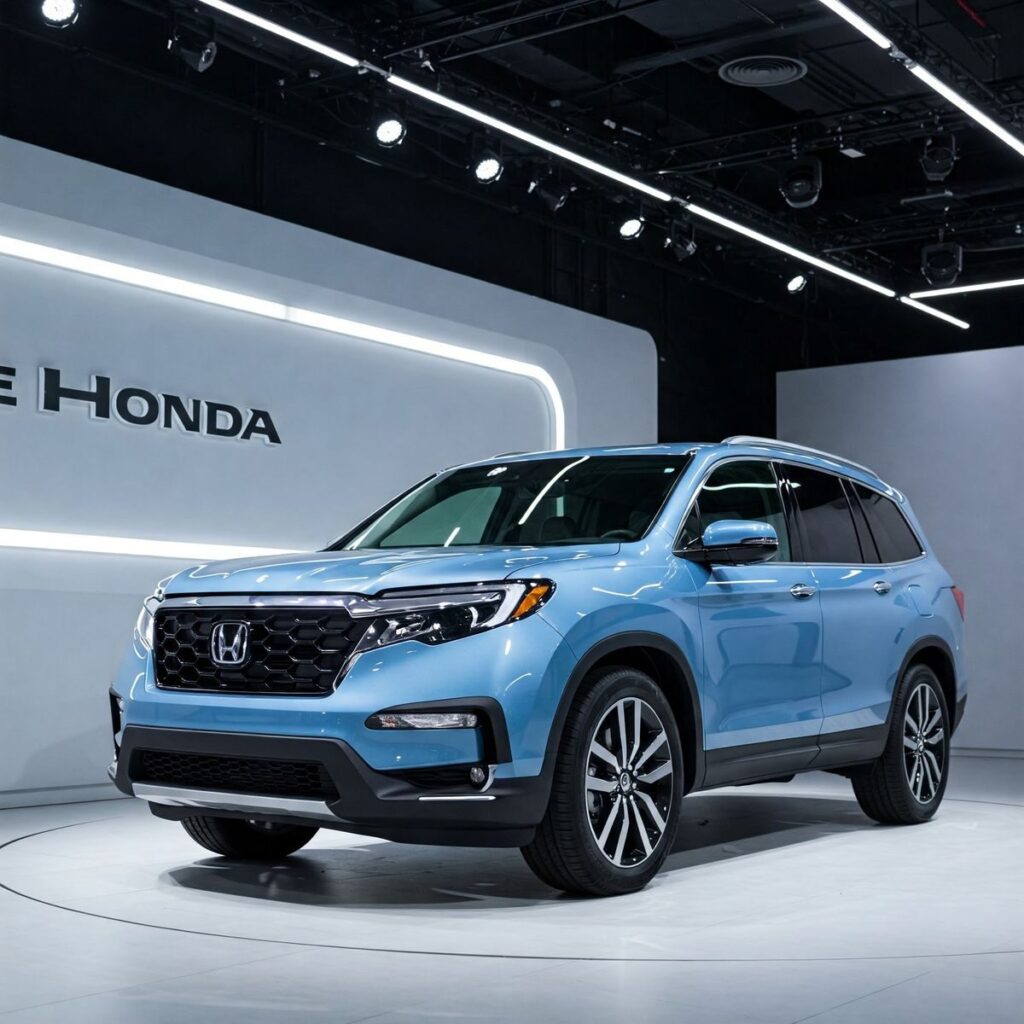
3. Honda Elevate Brings the Most Power to the Battle
Coming to the Honda Elevate, it arrives at the comparison with the maximum power among all the four SUVs. Displacing 1.5-liters with a naturally aspirated four-cylinder petrol, it outputs 121hp and 145 Nm of torque, giving it an edge over all the two others in number while excluding the MG Astor which is same as the Elevate in terms of hp but slightly below in terms of Nm. With the highest hp among all, the difference in the class is quite clear between these four. The most underpowered is the Grand Vitara with the low number of 103 hp and 137 Nm of torque compared to 115hp by the Creta. Which also shows that, the engines are not engineered the same way around even when they are born with the same displacement and similar cylinder architecture.
Power Figures at a Glance:
- Elevate produces 121 horsepower
- Elevate delivers 145 Nm
- Astor matches 121 horsepower
- Creta produces 115 horsepower
- Grand Vitara produces 103 horsepower
And while a more potent engine in the Honda suggests a livelier ride, the ultimate test proves that power does not always dictate fuel efficiency; the Elevate actually ends up recording the third-best overall mileage of the lot. Its fuel consumption is perhaps at its most telltale during city driving where the claimed 8.6kpl means an increased thirst during start/stop conditions.
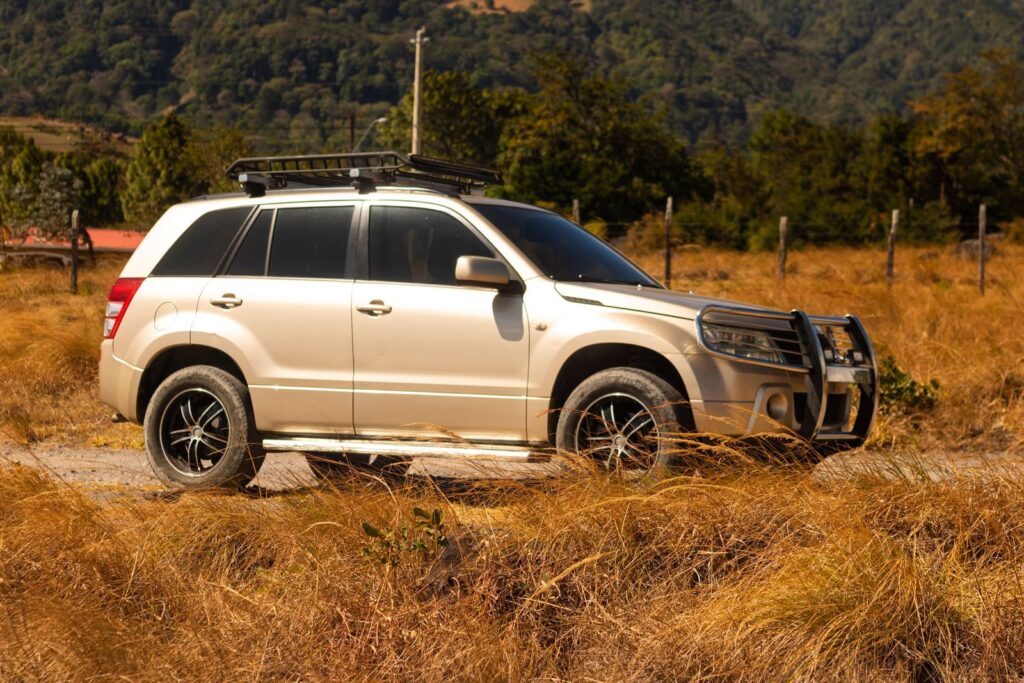
4. Maruti Grand Vitara Starts with a Major Weight Advantage
Weight is the most significant differing factor between these four SUVs before real-world fuel economy is even taken into consideration. Out of the lot, the MG Astor comes out heaviest with 1,349 kg, followed by the Hyundai Creta with 1,282 kg and the Honda Elevate with 1,258 kg. In stark contrast the Maruti Grand Vitara’s sheer lightweight figure of 1,215 kg stands out-This gives it a numerical edge when it comes to the economy comparison; With a significant 134 kg weight deficit to the MG Astor which weighs at a massive 1,349 kg.
Weight Creates a Clear Divide:
- Astor weighs 1,349 kg
- Creta weighs 1,282 kg
- Elevate weighs 1,258 kg
- Grand Vitara weighs 1,215 kg
- Grand Vitara is lightest
These weight figures come into much greater focus when one looks at the bottom line mileages. The Grand Vitara doesn’t only manage thanks to its low weight, but that is supplemented by dedicated mild-hybrid technology that is meant to decrease fuel consumption. The reverse is found on the MG Astor where the higher weight really begins to take its toll with all the extra energy needed to get it moving, and we can see the weakest of all of the mileages recorded here.
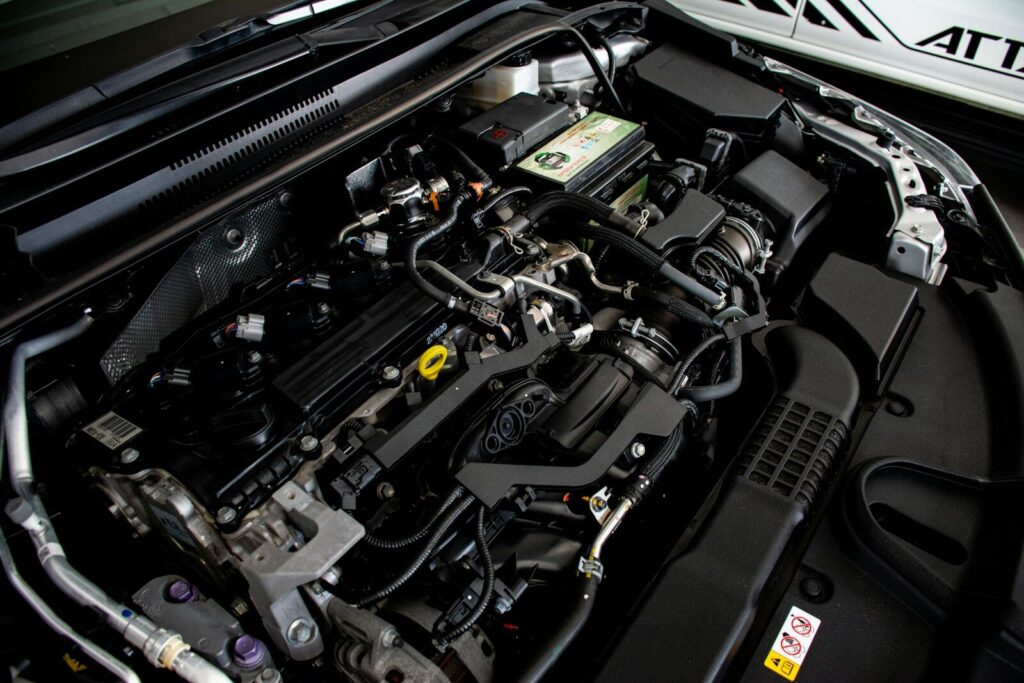
5. Grand Vitara Adds Mild-Hybrid Technology to the Equation
Weight saving aside, a notable benefit of the Maruti Grand Vitara is the presence of a dedicated mild-hybrid setup. With auto engine stop-start function, it has torque assist when acceleration and also brake energy recuperation to refill the battery to support this function. All these features aid to saving fuel during various states during the daily driving cycle. While auto engine stop-start saves unnecessary fuel consumption when running. It also benefits to add another level for the support of the accelerator, while brake energy recuperation serves its purpose to reuse some level of the engine energy in a bid to refill its battery.
Its Efficiency Hardware Includes:
- Auto engine stop-start
- Torque assist during acceleration
- Brake energy recuperation
- Lightweight overall construction
- Integrated mild-hybrid system
Hyundai Creta introduces further devoted fuel-efficient technology into the fray-it features a stop-start function and its very own Eco mode (two devoted features aimed at efficiency, whereas the Honda Elevate and MG Astor don’t feature a similar feature in the provided comparison). Thus, these are primarily engineering-based; there are no extra devoted-efficiency features. We look forward to the real-world figures and see an array of results that clearly favour those SUV pairings with fuel-efficient engines that also have devoted-economy technologies in place.
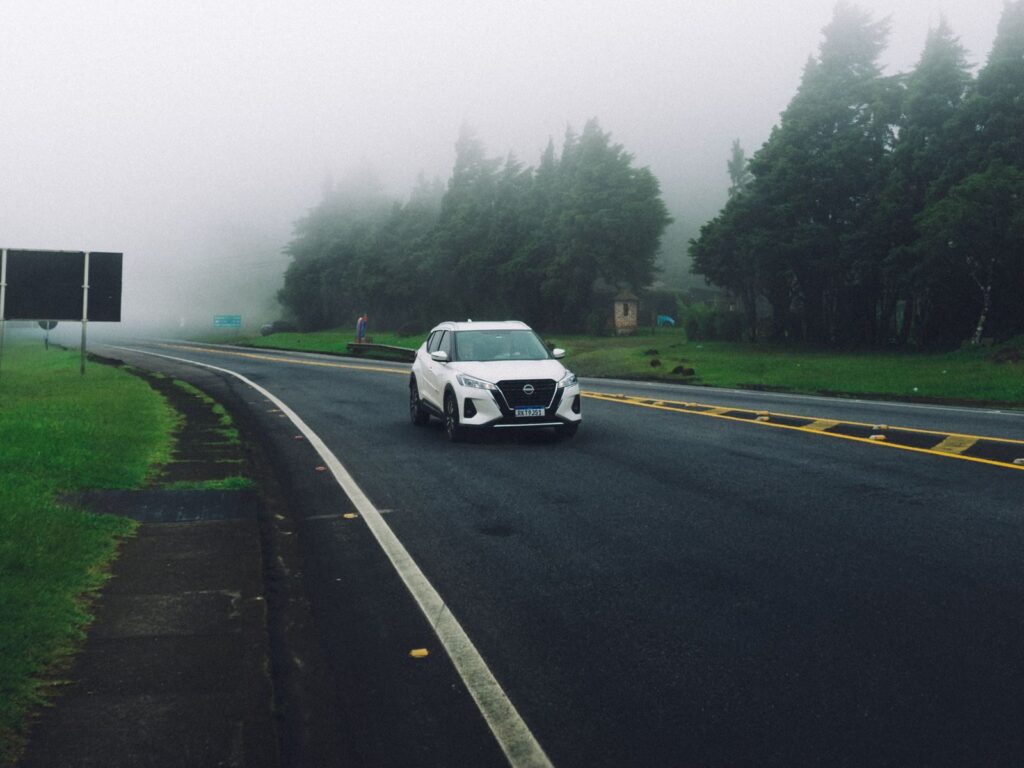
6. Hyundai Creta Nearly Matches the Efficiency Leader
Among the bunch, the Hyundai Creta offered up one of the punchier and more well-balanced real-world mileages. The city was measured in at 11.2kpl, while on the highway the Creta achieved a satisfactory 15.0kpl for a composite figure of 13.1kpl. Which only puts it slightly behind the Maruti Grand Vitara in this efficiency war. It’s a strong figure for a car not really aided by being the lightest on the lot. At 1282kg, it’s a good margin above the 1215kg Maruti, it also developed 115hp putting it in the middle-ground just below the Elevate and Astor, yet still quite above the lowest-powered Grand Vitara.
Creta Delivers Strong Numbers:
- 11.2 kpl city mileage
- 15.0 kpl highway mileage
- 13.1 kpl overall average
- Auto stop-start feature
- Dedicated Eco drive mode
There are also fuel-saving technologies in the shape of stop-start and an Eco drive mode. That combination ensures the Creta stays close, and at no point feels compromised in spite of being more than a handful heavier than the Grand Vitara. Ultimately that balance makes the Creta feel like a worthy proposition indeed between the two cars. While it may not record outright top mileage numbers, at an average 13.1 kpl it is just 0.4 kpl off the pace of the Grand Vitara, an incredibly fine margin when looking at real-world fuel economy.
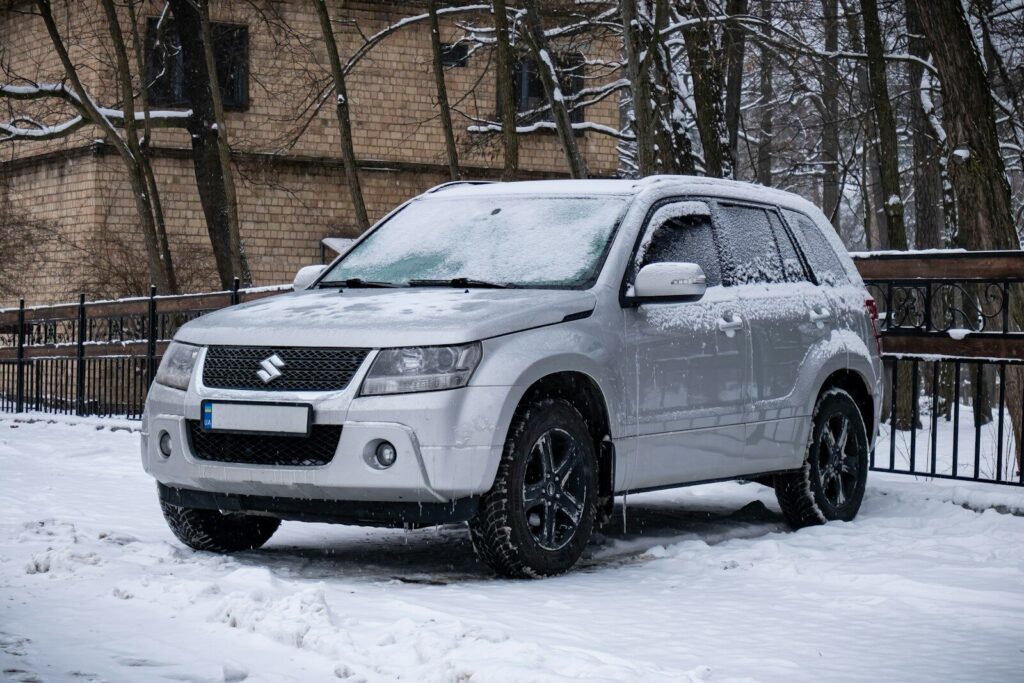
7. Grand Vitara Takes the Real-World Mileage Crown
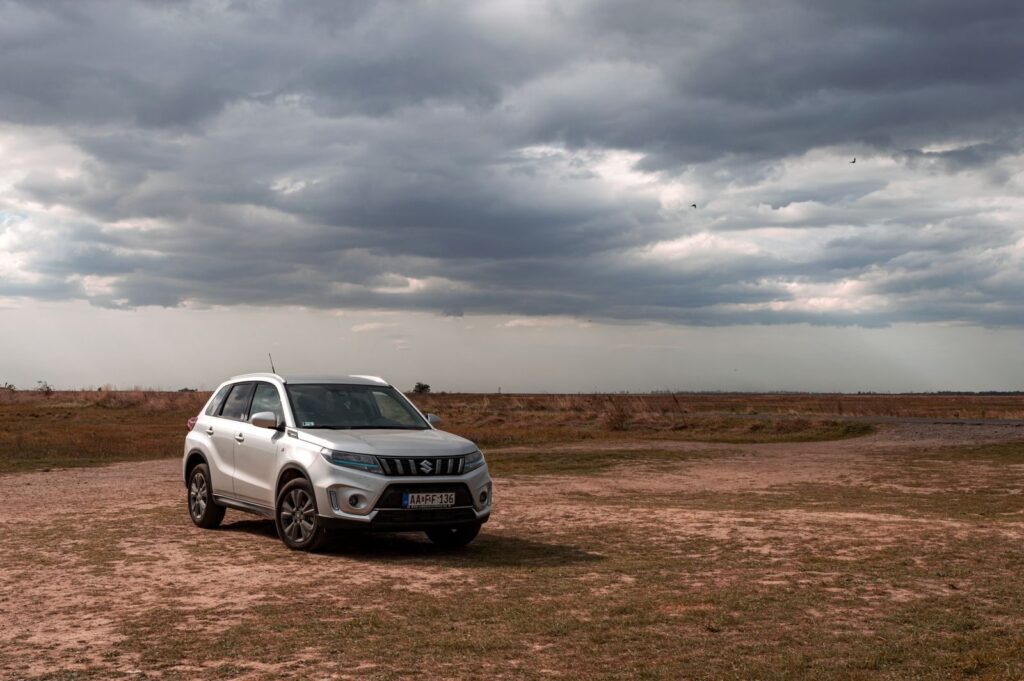
The Maruti Grand Vitara emerges top of our real-world fuel economy test by a margin. With a city test figure of 11.6 kpl and 15.3 kpl on the highway test, its overall economy of 13.5 kpl stands the highest amongst the four SUVs. Our result proves that Maruti’s lightweight underpinnings coupled with its mild-hybrid system offer quite a good efficiency output. The Grand Vitara’s weight is just 1,215kg, making it the lightest SUV in the group. The 1,215kg car produces least engine power output-103hp and 137Nm-clearly indicating it emphasizes economy more than performance. The 1,215kg model packs a six-speed torque converter Automatic transmission Unlike others of the bunch who have CVTs.
Grand Vitara Leads the Numbers:
- 11.6 kpl city mileage
- 15.3 kpl highway mileage
- 13.5 kpl overall average
- 1,215 kg vehicle weight
- Mild-hybrid efficiency technology
However, the star component for this is the mild-hybrid system. The auto stop-start feature, torque assist and brake energy recuperation are meant for use at regular conditions to increase the efficiency along with the light body weight, which culminates at the final value considering the various inputs at work. In essence the Grand Vitara has managed the best of (lightest body-lowest power output-efficient technology) and have consequently pipped the Creta, Elevate and Astor at the end.
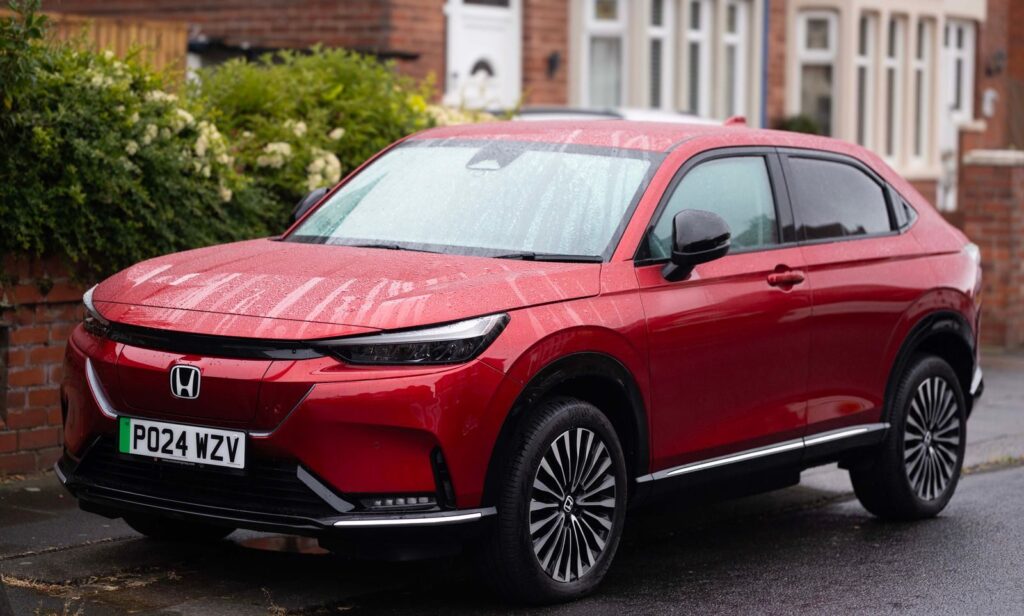
8. Honda Elevate Shows the Cost of More Power
The third place at the fuel economy stakes on our roads is claimed by the Honda Elevate. The surprisingly lightweight Elevate (91 kg lighter than the Astor) returned an average of 10.9 kpl (8.6 kpl in the city and 13.2 kpl on the highway). The result here provides an interesting paradox, given the lighter weight it gives to its result compared to its performance in terms of fuel efficiency. With a kerb weight of 1,258 kg, the Elevate has an average consumption only 0.1 kpl behind that of the heavier Astor (91 kg) and 0.5kpl away from its other competitor in this comparison: the Suzuki Grand Vitara (43kg lighter than the Elevate). And in spite of its 121 hp strong power-output (higher than either rival), paired with the 145Nm of torque, the available results suggest that such power output doesn’t reflect the efficiency displayed by the Grand Vitara.
Elevate’s Mileage Tells a Story:
- 8.6 kpl city mileage
- 13.2 kpl highway mileage
- 10.9 kpl overall average
- 121 horsepower output
- 145 Nm torque output
This city figure is quite critical considering the poor 8.6 kpl we obtained, compared with the Grand Vitara’s 11.6 kpl and the Creta’s 11.2 kpl. City driving with its frequent starts and stops seems to highlight the Elevate’s more obvious craving for fuel more drastically. Since the Elevate makes its way into this discussion without special fuel-efficiency gaining technology, we see how sheer power combined with relatively lower weight might not always counter the lack of fuel-saving gizmos in real world driving.
9. MG Astor Finishes Last Despite Its Powerful Engine
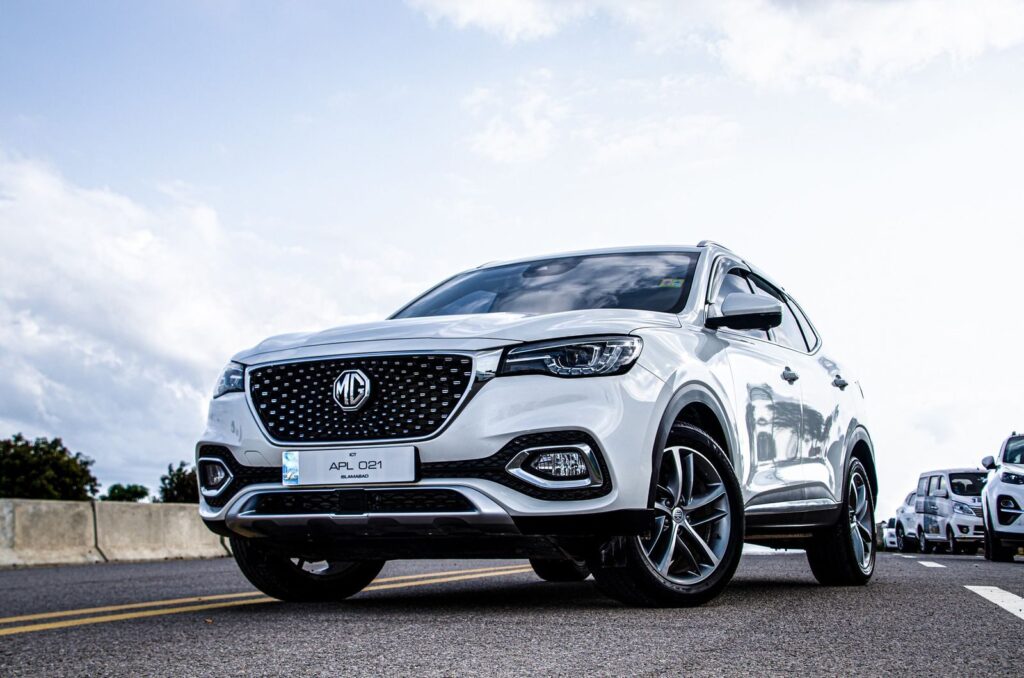
Out of four SUVs, MG Astor has obtained the worst mileage. The city mileage of the Astor stood at 8.3kpl while the highway figure touched 10.4kpl, giving us a fuel-efficiency figure of 9.3kpl which lags far behind the Honda Elevate, Hyundai Creta and the Maruti Grand Vitara. This becomes even more noticeable given that the Astor and the rest of three SUVs were powered by naturally aspirated 1.5 litre 4-cylinder petrol engine configurations. The Astor also produces the same figure of 121hp that the Honda Elevate outputs but had a lower amount of torque while the same CVT transmission was found in the Creta and Elevate, though its kerb weight tipped the scale by more than its rivals-at 1,349 kg, making it the heaviest in the test.
Astor Faces a Heavy Penalty:
- 8.3 kpl city mileage
- 10.4 kpl highway mileage
- 9.3 kpl overall average
- 1,349 kg curb weight
- No efficiency-enhancing technology
Astor is not equipped with any of the efficiency enhancing bits that we found in the Grand Vitara and even the Creta. It only has the engine and CVT combination, but is heaviest by a margin among the four cars. And weight can certainly strain more energy out of the engine every time the vehicle is required to move from rest, thus we could see an obvious correlation here between the heavyweight Astor and poor fuel efficiency, especially when compared to the much lighter Grand Vitara.
10. Real-World Testing Makes the Final Verdict Clear
Here we have the four four-petrol automatics and their fuel economy ratings according to real-world tests, producing a distinct pecking order: Maruti Grand Vitara in first (13.5 kpl),followed closely by the Hyundai Creta (13.1 kpl),the Honda Elevate(10.9 kpl) and MG Astor in last place(9.3 kpl). There isn’t an immediate correlation between the most powerful or most feature-packed SUV and its fuel economy. However, we must point out a significant testing condition before we fully consider those kpl figures completely equal. That condition is ambient temperature. The Astor’s conditions were mild (25-29 C), whereas both the Grand Vitara and Elevated cars were tested in temperatures above 35 C, where they’d work harder AC-wise
The Final Mileage Order:
- Grand Vitara leads overall
- Creta finishes narrowly behind
- Elevate takes third place
- Astor finishes at bottom
- Testing temperatures varied
Which makes the Grand Vitara’s performance all the more impressive. After all it got the best average with hot temps throughout and the Astor (which came bottom of the average bunch) had mild weather conditions for its test run. It’s clear to see, based on these results, that lightweight engineering and focused fuel efficiency tech triumph overall. The Grand Vitara’s combination gives it that edge whereas the Creta does benefit from its efficient tech while the Elevate and the Astor seem more focused on the basic engineering aspect of the cars. It’s a good set of figures for showing that the extra technology and reduction in overall weight can often be more efficient.