
Honda’s Sports Car Future: The All-New Prelude Leads the Charge
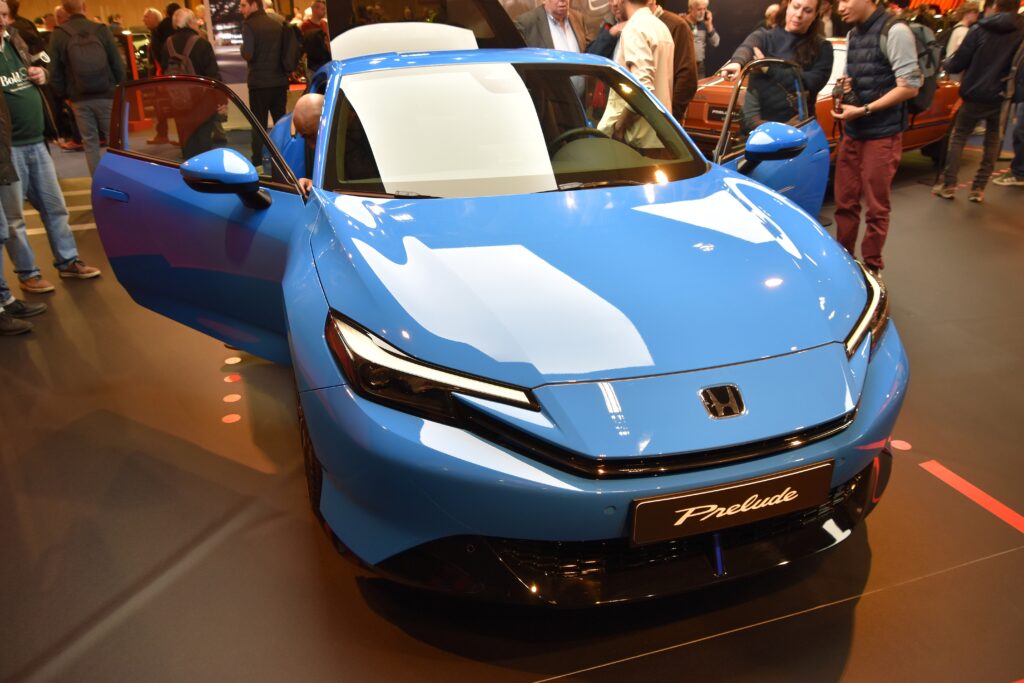
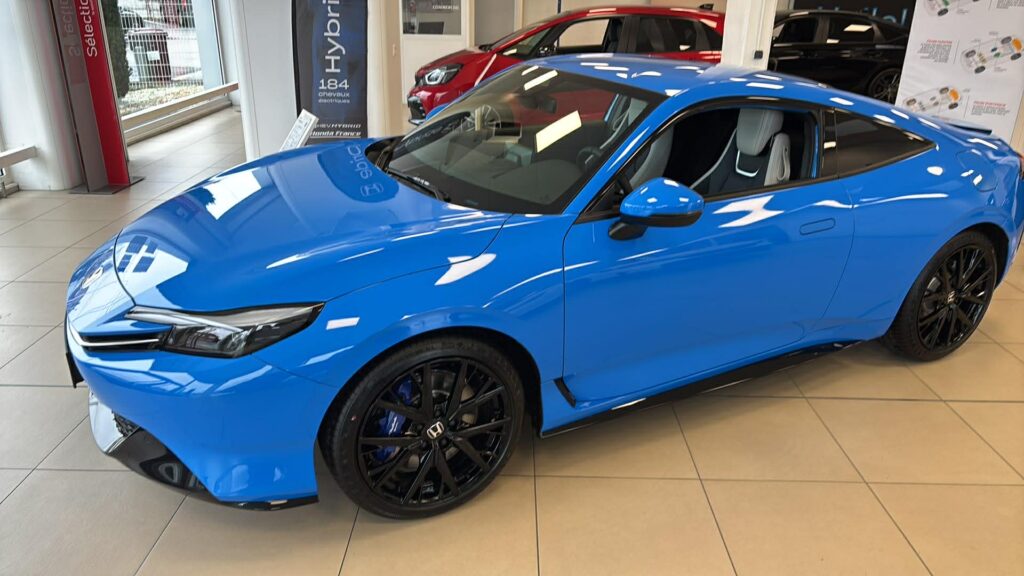
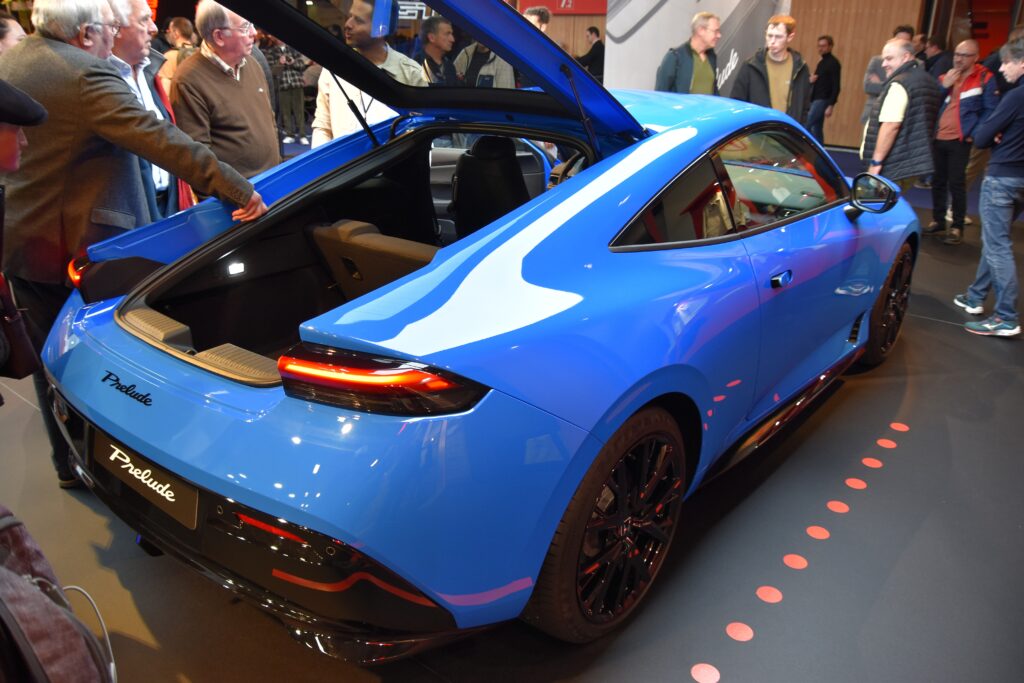
While Honda has consistently been known for its reliability, practicality and overall long term value for many drivers over the years, this only only begins to tell a part of its story to driving enthusiasts. Through out the decades Honda earned a global respect by making cars that truly made their owners happy to get behind the wheel; they were well engineered and enjoyable to drive, spanning from their sleek sport coupes to their track inspired models and created a strong connection with their followers over the generations. But recently most drivers felt that Honda strayed slightly from that philosophy towards a focus of efficiency and overall practicality with their everyday car. Now it seems like that trend is beginning to reverse as Honda once again looks to its “Sports DNA” as a foundation, and bringing back the Prelude is its most convincing step yet in reaching performance drivers once again.
So how will Honda reassert itself in the performance space with the 2026 Prelude? It appears to be not simply a revival of an old name, but an opportunity to create a modern performance-driven car. It’s an example of how Honda wants to create performance cars for this new era by incorporating electrical systems, motorsports engineering, and the latest in automotive tech. Through the blend of hybrid power, motorsport inspired handling, and a truly drivers-focused setup it looks like the Prelude could be an important milestone in Honda’s push to bring sports driving back to its drivers in new ways, and a strong sign of how the brand will evolve its performance cars going forward.
1. The Return Of A Legendary Nameplate
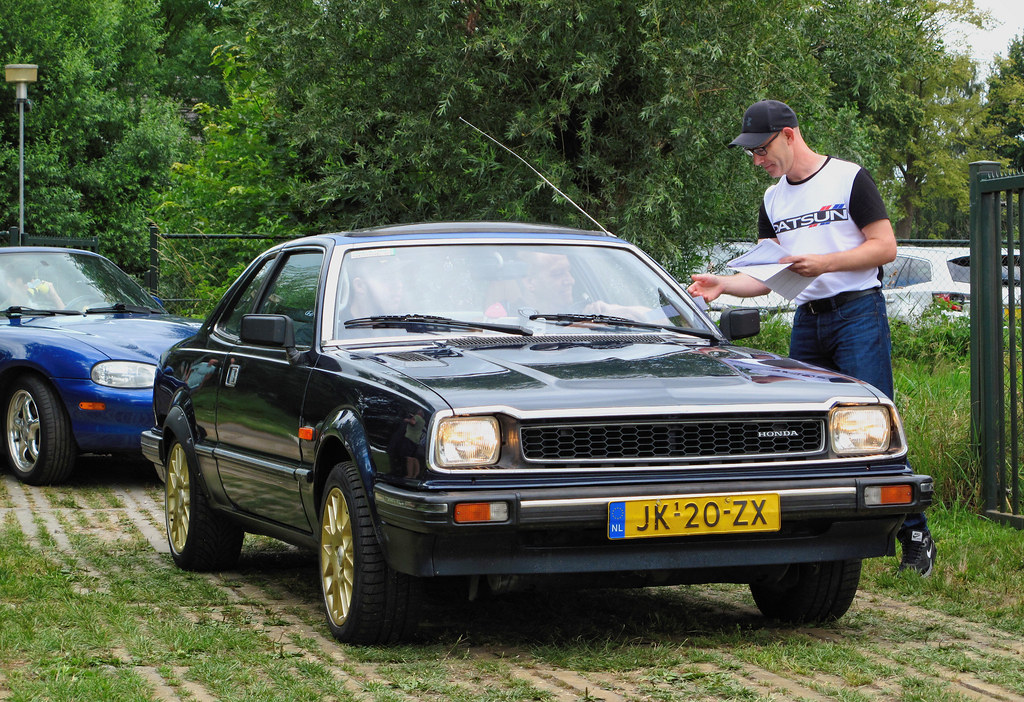
Not many cars stick around in people’s minds like the Honda Prelude it wasn’t flashy, yet clever mechanics and a smooth ride made it stand out. Long ago, early models found fans thanks to steady cornering, sensible power, and a feel behind the wheel that felt personal, unlike rawer sports machines. News dropped about its return in 2026 and suddenly attention shifted, simply because today’s roads overflow with tall SUVs, leaving few two-door options alive. Seeing Honda bring it back hints they haven’t forgotten how driving can stir something real inside. Rather than repeating old blueprints, this new version steps forward as a hybrid-powered coupe honoring memories while speaking the language of now.
Prelude Legacy and Contemporary Renewal:
- Back again, the iconic two-door arrives in 2026
- Performance built around the driver still takes center stage
- Hybrid technology meets classic heritage
- Honda revives emotional driving appeal
This latest Prelude isn’t just nostalgia dressed up again. Instead, it reimagines how Honda thinks about driving spirit. Smooth looks meet updated tech under the skin. Because of electric assist, the two-door punches above its weight emotionally. Most cars today favor function over feeling this one refuses that trade-off. Excitement comes through precision, not raw power alone. Drama lives in how it moves, not how loud it shouts. Refined touches shape the experience quietly. Horsepower matters less when balance takes center stage.
What makes the Prelude stand out today isn’t just what’s under the hood, but how it remembers where it came from. Folks who drove past models might smile at how sharply it still turns every move into feedback. Yet anyone stepping in fresh could find themselves won over not by flash, but by how well it slips into daily life while staying clever and light on fuel.
2. Hybrid Power Meets Driver Focus
Out of the Civic Hybrid comes the 2026 Prelude’s power setup roughly 200 horses, tuned not for bragging rights but for how it flows through corners and city streets alike. Smoothness matters more than sheer pace; Honda wants you to enjoy every turn, not just the straightaways. Thanks to immediate shove from electric assist, passing feels sharp even when sipping fuel along the way. Buyers now look for fun that doesn’t cost the planet or their wallet at the pump. Performance with purpose seems to be the quiet mission here. Excitement isn’t gone it’s simply redefined without noise or guilt.
balanced hybrid performance engineering:
- Civic Hybrid-derived performance powertrain
- Instant torque improves driving response
- Efficiency combined with sporty character
- Driver engagement remains top priority
Out on regular roads, the Prelude moves with a kind of alertness that comes from thoughtful design, not just raw speed. Instead of chasing quick bursts forward, Honda shaped it to respond directly to how you drive each moment. You notice how the body leans, the wheel turns, and the engine answers as if they’re talking to one another smoothly. Over time, this way of building cars has earned trust, showing up in models people still praise today.
Out on the road, the mix shows what happens when speed meets cleaner tech. Not every thrill has to drain the tank these days, not with cars like this around. Tunes from Honda give it character sharp but smart, lively without ignoring today’s rules. A nod to progress, yet still loud enough to feel alive.
3. Civic Type R Built to Engage
What stands out most about the new Prelude? It comes down to Honda borrowing suspension and brakes from the well-regarded Civic Type R. Known across the globe for crisp handling, quick steering, and race-ready design, the Type R sets a high bar something fans pay close attention to. Thanks to these shared parts, the Prelude gains a sharper edge on the road, far beyond early guesses. Better control when turning, stronger stops, tighter feedback through the wheel all come into play when pushing harder. Clearly, this isn’t just about looks; it’s a move aimed at building real driver engagement under the surface.
Type R Performance Meets Advanced Engineering:
- Civic Type R-inspired chassis components
- Improved handling and cornering stability
- Enhanced braking performance and precision
- Serious enthusiast-focused driving character
Expectations climb fast since the Prelude leans on the same engineering bones as the Civic Type R. When corners tighten, reaction time matters here, ride ease pairs well with sharp moves. Instead of floating through bends, this car stays alert, tied to the pavement. Comfort does not mean sleepy; Honda seems to want it feeling alive, but never harsh. How it holds steady while staying fun might just hit the sweet spot.
The renewed focus bolsters how the Prelude fits into today’s sports coupe scene. Not just leaning on past charm, Honda supports its return with solid engineering that actually enhances performance. Heritage pairs with tangible build strength, earning sharper respect from fans who value both history and function.
4. Driving Enjoyment Through Technology
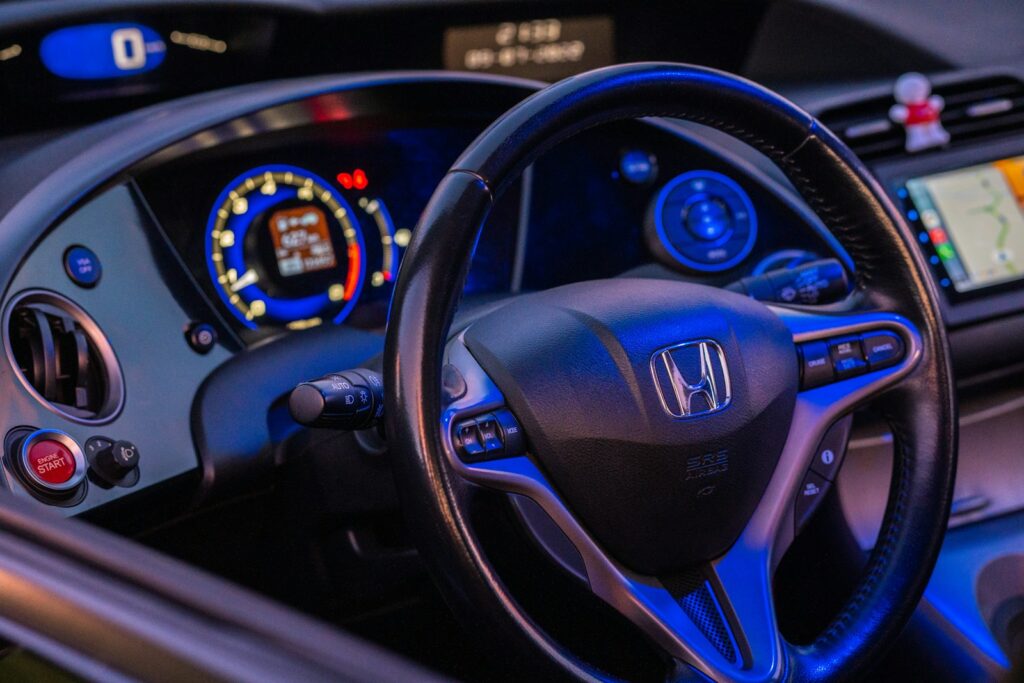
Cars today rely on computers, yet Honda seems focused on tech that brings the driver into the loop instead of pushing them out. Inside the new Prelude, clever features aim to sharpen how it responds, connects, steps alive when driven with intent. S+ Shift arrives as a standout meshing with the hybrid setup to ramp up pickup, give sharper pulses through each gear change. Steering accuracy tightens further thanks to Agile Handling Assist, especially mid-corner when pace picks up. Test runs so far show everything blending smoothly not forced, nothing shouting for attention.
Smart systems built around the driver:
- S+ Shift improves responsiveness
- Agile Handling enhances cornering control
- Technology supports emotional driving connection
- Hybrid systems tuned for engagement
Surprisingly agile, some say, the Prelude doesn’t hide its moves unlike others that wrap driving in layers of screens and software. Instead of stepping back, Honda pushes a tighter loop between hands and road, making shifts feel earned. Where most brands add more buttons, this one leans into touch and timing. Not every car remembers what it means to respond, yet this prototype insists on listening. Feedback shapes speed here, not just power outputs masked by gadgets. Driving stays close, almost conversational, because the machine answers before you finish thinking.
Heavy on driver connection, Honda builds cars that answer every move. Not by stacking gadgets, but by shaping tech to fit the road’s rhythm. Machines lean into corners like they’re listening. What you get is sharp timing between thought and motion. A coupe shaped by now, yet thinking like before.

5. Pricing and Where We Stand
Back again, the Prelude stirs real interest yet brings up talk about cost and where it fits. Sitting high on the price list surprises some, slotting it beside well-known small performance models and top-tier two-doors. Expecting pushback, Honda leans into solid build, smart tech, and fine-tuned details instead of past glory alone. Mixing electric smarts with sharp cornering like a Type R plus fresh safety tools pulls in more drivers, not just die-hards. Aimed tight, the goal feels clear: full experience over bare-bones fun.
performance coupe market positioning:
- Higher expected premium pricing strategy
- Advanced engineering supporting market value
- Hybrid efficiency broadening buyer appeal
- Balanced practicality and performance focus
Maybe Honda gains an edge here since plenty of shoppers today expect a car that delivers thrill along with real-world ease. Built to offer sharp cornering and driver connection while keeping ride quality, gas mileage, and durability in check that’s what the Prelude seems aimed at. People turned off by raw, uncompromising sports coupes might see it as just right.
Out there, folks want more than speed these days. A new kind of driver shows up now someone who values smart tech and smooth rides just as much as sharp handling. Honda sees that shift clearly. Instead of chasing raw power alone, the car wraps in fuel economy, alert systems, and everyday ease. This mix stands apart without shouting about it. The Prelude slips into a spot few others occupy right now not quite muscle, not luxury, but something real.
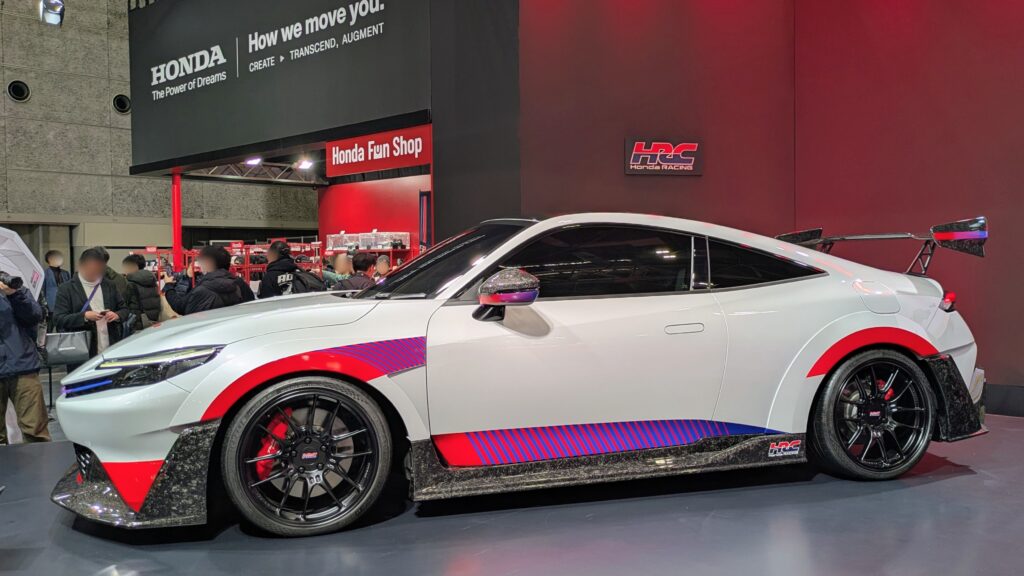
6. Prelude HRC Concept Shows Bigger Goals
At the 2026 Tokyo Auto Salon, Honda turned heads with the Prelude HRC Concept – not just a flashy display but a signal of real intent. Instead of stopping at design flair, it previewed a dedicated range of performance gear built solely for the Prelude. Crafted by Honda Racing Corporation, the team behind much of Honda’s race efforts worldwide, each part carries track-tested insight. Because these modifications come straight from the brand’s motorsports arm, they bring pro-level know-how into everyday driving. Through this move, Honda shows the Prelude isn’t merely riding on past glory it’s meant to evolve.
Honda Racing Corporation Expands Performance Operations:
- HRC Concept previews performance upgrades
- Factory-developed racing-inspired components available
- Motorsport engineering influencing road vehicles
- Long-term Prelude platform commitment
Out of nowhere, Honda shows its cards with the HRC Concept more than just a car, it’s about building something alive around the Prelude. Instead of locking things down, they open doors through official mods that tweak speed without breaking trust in durability. What grows here isn’t just parts and tuning it becomes a bond, shaped by track culture, pulling driver and brand closer. Suddenly, loyalty isn’t bought. It’s earned.
Not just another model, the Prelude gains meaning through where Honda wants to go next. Rather than seeing it as one-off, the company ties it into ongoing plans for drivers who care about driving. This kind of thinking may keep attention on the car years after buyers first see it.
7. Honda Introduces Sport Line Approach
Out of nowhere, the Prelude HRC Concept rolled in carrying Honda’s fresh take on what they’re calling the “Sport Line.” Not just another model, it signals something deeper a change in how the brand sees itself lately. Lately, attention has turned back to drivers who care about feeling every turn, every gear shift. Instead of chasing speed stats alone, the thinking goes: let the car talk back when you push it. Control matters more than raw power; touch matters more than tech overload. With this version, hands-on feedback takes center stage again like older classics used to offer. Now, the spotlight lands firmly on the Prelude as the face of where things are headed.
Honda Sport Line Driving Philosophy
- Focus on emotional driver engagement
- Responsiveness prioritized over raw numbers
- Enthusiast culture returning within Honda
- Prelude leading performance-focused strategy
Maybe Honda will bring more cars like this one. One step at a time, they might reshape how people see the brand. Not just fast, but smart about driving joy. A new direction sneaks in through the back door. This car hints at changes others could follow. Reliability stays, yet fun climbs higher. Enthusiasts start paying attention again. What looks small means something bigger. Underneath, values shift without fanfare.
Nowhere is the craving for real control more obvious than among drivers tired of machines doing too much thinking. Still, Honda seems set on showing how smart engineering does not have to kill the thrill behind the wheel. Instead of removing feel, their path adds precision without losing soul. Only time will tell if others follow this direction.
8. Electric Cars That Still Feel Alive
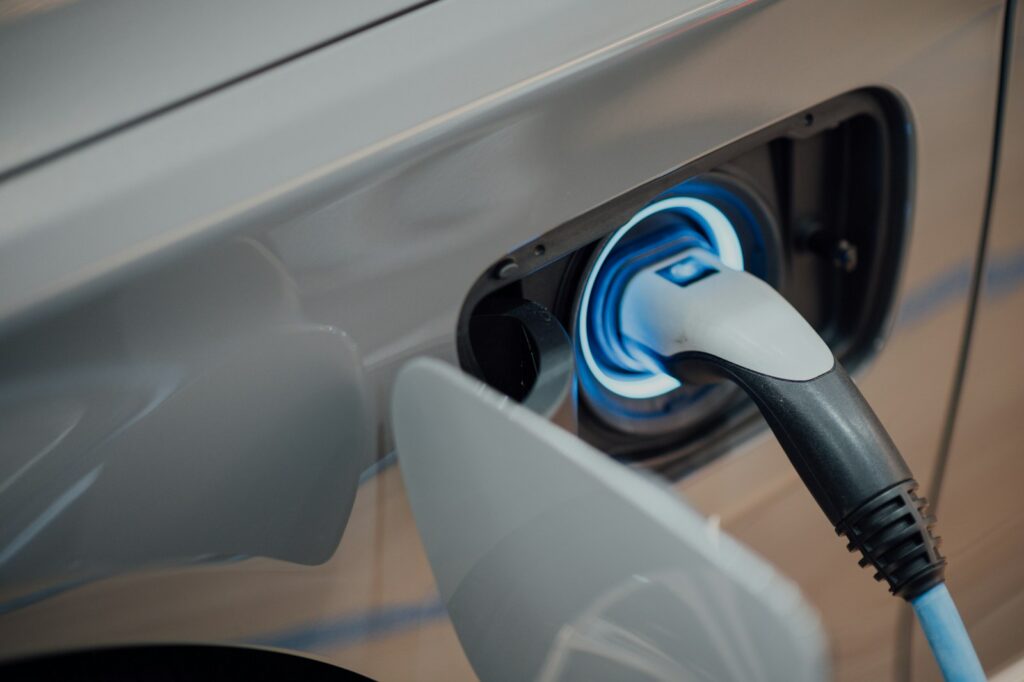
Most carmakers now struggle to preserve that raw feel behind the wheel as electric models take over. Though shifting toward electrons, Honda hasn’t forgotten what drivers actually enjoy. Instead of accepting robotic responses, it builds systems that respond more like living things. A recent peek came via the Civic e:HEV RS Prototype another step beyond the Prelude, borrowing its S+ Shift logic. Not far off stands the Super-ONE Prototype, running on pure current yet mimicking a seven-ratio gearbox. Sounds inside shift too, shaped by tech meant to echo growling engines long tied to speed. Feel matters just as much as motion, especially when wires replace fuel lines.
Keeping Feeling Alive With Electric Power:
- Hybrid systems enhancing driver involvement
- Simulated shifting increases engagement feel
- Active sound recreates sporty sensations
- Honda prioritizing emotional driving experiences
Rather than brush aside fans who worry about losing the thrill in electric cars, Honda tries out new ideas to keep driving fun and engaging. Artificial gear changes along with richer audio cues help give EVs and hybrids a livelier character beyond just saving fuel. Emotion matters as much as acceleration Honda seems tuned into that truth already.
Starting with a bold move, the Prelude marks a shift into electric vehicles that still stir emotion. Instead of sticking to old formulas, Honda is trying fresh ideas to connect classic driver passion with modern tech demands. Clearly focused, the brand wants charging batteries to never dull the thrill behind the wheel.
9. Motorsport Still Influences How Honda Builds Machines
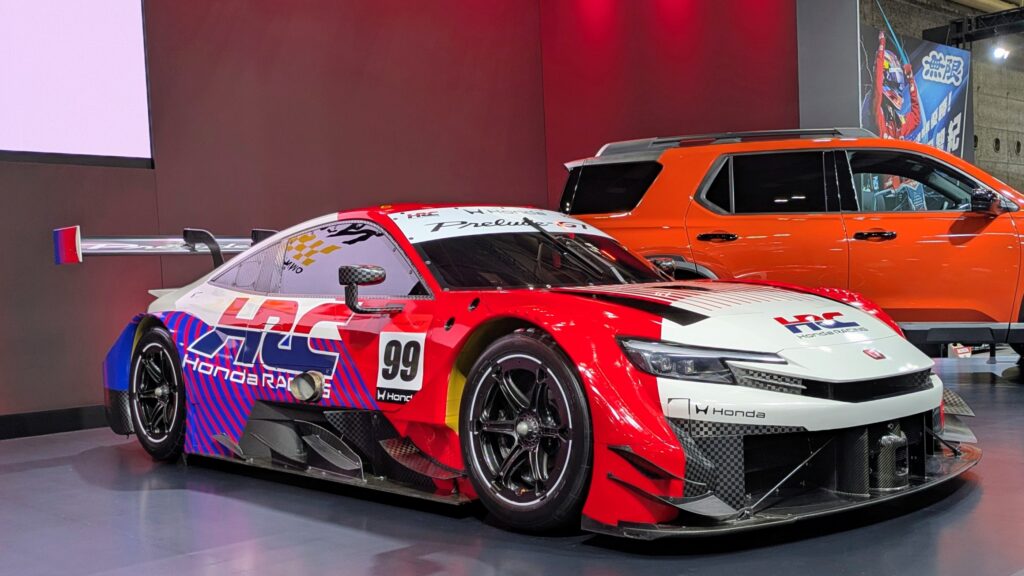
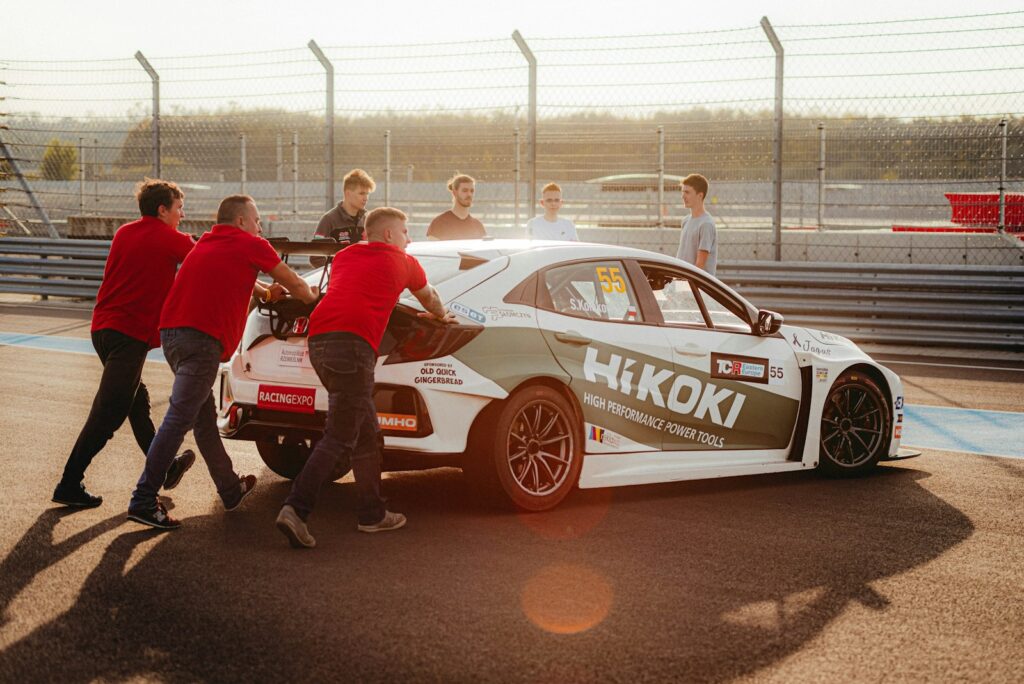
Still pushing hard on speed, Honda leans into its history of racing around the world. Driven by Honda Racing Corporation, efforts in events like IndyCar double as real-world labs for fresh mechanical ideas. Because tracks demand so much, teams test parts at their limits where failure teaches more than success ever could. From there, what works finds its way into models such as the Prelude, quietly shaping how they handle and last. Endurance runs, fine-tuned engines, suspension tweaks all leave marks on cars people actually drive. So even now, race circuits shape everything built in factories.
Racing Shapes How Street Cars Evolve:
- Motorsport shaping future vehicle engineering
- Racing technology improving production models
- Engineers gaining extreme-condition experience
- Out front because someone studied what others do. Not guessing, just learning from how things really play out elsewhere
Out there on the track, Honda sees a training ground just as much as a competition zone. When engineers dive into motorsports challenges, they learn to adapt fast thinking sideways when stuck. Pressure builds clever fixes, not just speed. Ideas born at full throttle sometimes show up quietly in everyday cars years later.
Out on the track, ideas get tested before they shape machines like the Prelude. Because it shares roots with Honda’s race efforts, fans see it as more than just a car it carries weight. From weekend circuits to factory testing, what happens at speed feeds back into how these coupes behave on regular roads. Each lap logged in competition sharpens the thinking behind every production model that follows.
10. Safety and everyday usability still matter
Even if the 2026 Prelude pushes hard on speed and handling, Honda built it to feel at home running errands or commuting. These days, people want cars that thrill them but also make life easier so balance matters more than ever. Because of this shift, expect the Prelude to come packed with Honda’s latest safety tech by default. Things like automatic emergency stops, smart cruise control, lane centering, and edge detection work quietly in the background. They ease tension when stuck in gridlock or cruising long distances, yet stay out of the way when you just want to drive. The whole setup supports the experience instead of stealing focus from the road ahead.
Performance Meets Everyday Use:
- Honda Sensing safety technology included
- Driver assistance improves daily usability
- Hybrid efficiency supporting everyday driving
- Sports coupe remains practical and comfortable
What makes the Prelude stand out isn’t just smart tech or fuel savings it’s how they come together without sacrificing drive quality. Not every sports car needs to scream around circuits while falling short on daily usability. Honda seems more interested in building something people can live with, one that still delivers a spark behind the wheel. Smooth rides do not have to mean dull ones this one holds grip when needed yet stays calm in traffic.
Out there among today’s choices, the Prelude stands clearer because of its balanced mindset. Not just about speed, it pulls interest from those wanting fun on regular drives too. What Honda does quietly shows how feeling and function fit together now. Instead of choosing one over the other, the car keeps both alive in a way few manage. That mix? It lets excitement stay real even when life means errands and traffic. Evolution here doesn’t mean giving up what drivers once loved. It means shaping it so it still matters where roads go every day.