




This Mercedes Designer’s Corvette Concept Honors a Classic Era
The Chevrolet Corvette has always sat right at the crossroads between feeling and technology. It has gone from humble American sports car to global performance benchmark over the years and each generation has managed to add to this story, whilst taking something away at the same time.
The current C8 Corvette is now perhaps one of the most drastic changes that the Corvette has seen in the history of the model. This radical decision to move to the middle of the vehicle is, quite simply, no longer about American sports car it is about a European supercar that is taking on some of the finest engineering performance brands that the world has ever produced.
In the present day it is this that brings the nostalgia that people may still associate with the former front-engine identity. Its classic muscle and long front bonnet seem to bring emotional value to the user, and it is in this space that creativity and expression can be applied through concept designs that revisit the soul of the old-fashioned Corvette.
1. The Corvette Gets a New Look
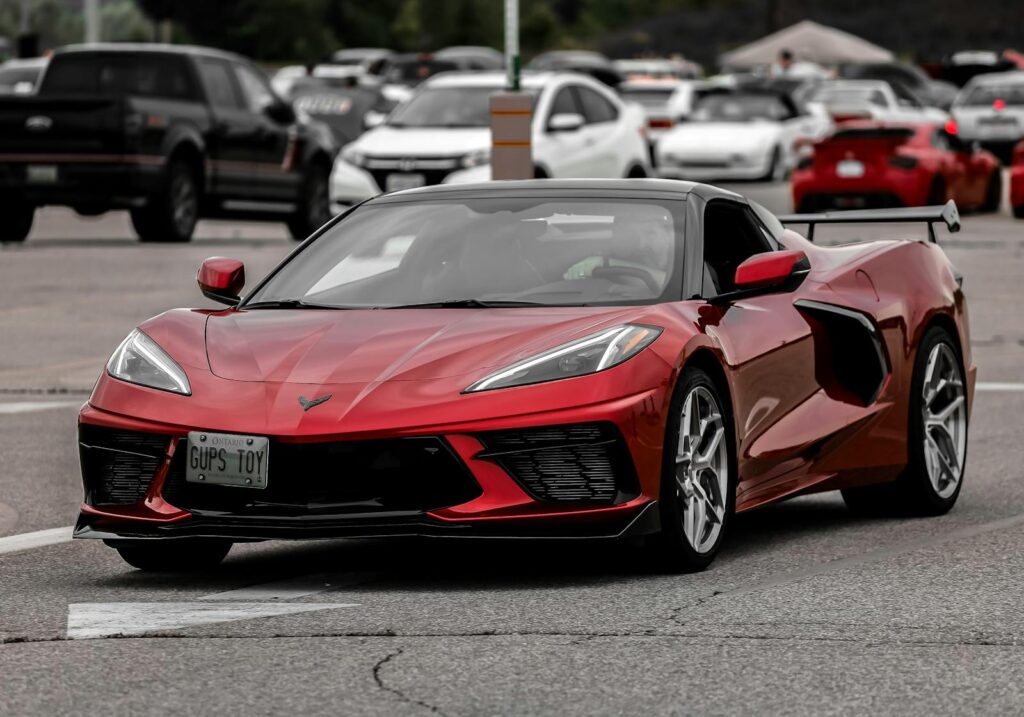
Surprisingly fast, today’s Corvette feels nothing like the older models. Because of the C8 shift, power sits behind the driver – this tweak rewires how it corners. Suddenly, German icons have real competition from America. Balance defines it: quick without being harsh, sharp yet livable. Performance slips neatly into daily driving without fuss.
Performance evolution and advanced variant highlights:
- Mid engine C8 generation transformation
- Performance that matches a supercar arrives with a new kind of movement
- Hybrid all wheel drive E-Ray system
- Over 1000 horsepower ZR1 variant
- Advanced American performance engineering
Now there’s more than one kind of Corvette each built for a specific kind of intensity. Power meets grip in the E-Ray, where electric boost pairs with all-terrain traction, yet the classic V remains untouched at its core. Meanwhile, raw force defines the ZR1, unleashing fury well past 1,000 horses without asking permission. Suddenly, this American name stands shoulder to shoulder with elite global machines. Every model speaks a distinct dialect of speed, shaped by precision that doesn’t mimic it answers only to itself.
Surprisingly, it’s not the stats that stand out but the new sense of self. Instead of chasing speed alone, the Corvette redefines what it means to be iconic. Through its journey, it trades modest roots for bold statements in metal and motion. Around every curve, evidence of growth pulses stronger, smarter, more deliberate. On race tracks and city streets alike, it quietly declares how vision shapes machines.
2. What Was Left Behind
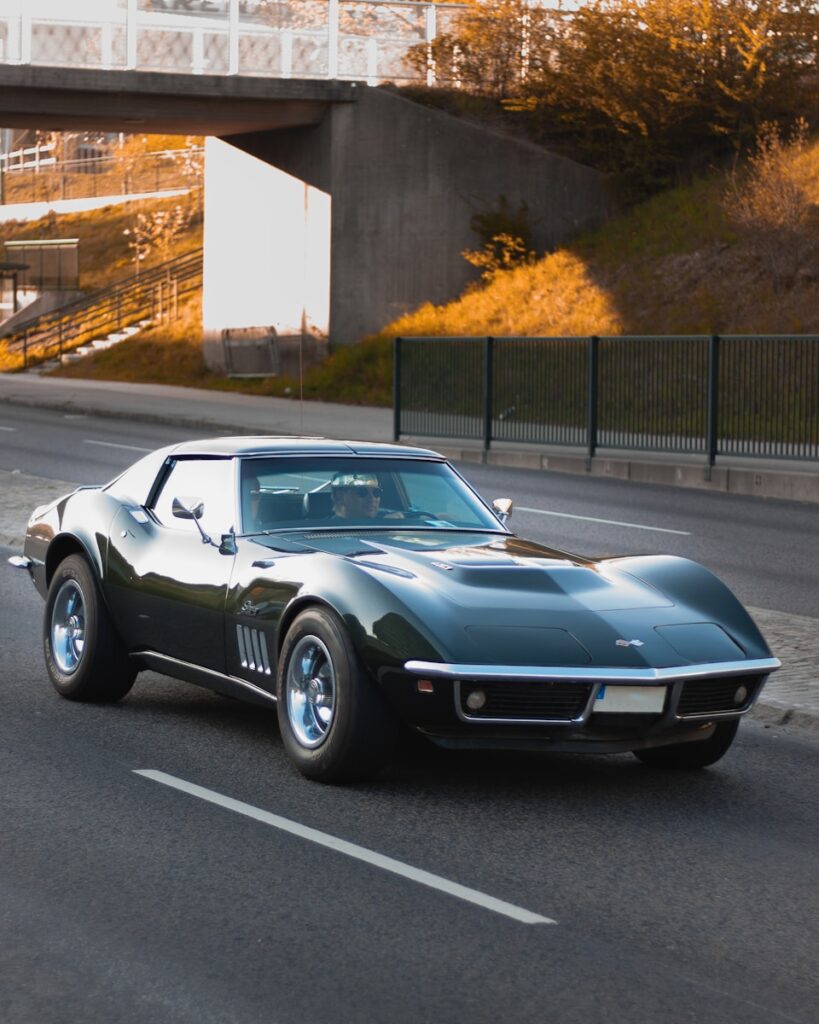
Now gone, that stretched front end once made the Corvette stand out without trying. Though newer models boast sharper tech and quicker speed, something feels different under the skin. Because of where the engine now sits, the profile had to change. Instead of stretching far ahead of you, the hood pulls back like it’s retreating. For years, that long nose wasn’t just about looks it spoke of who the car was. Drivers recognized it from half a block away. Memory ties tightly to that form, even if few admit it. What used to signal tradition now makes room for new logic.
Design heritage emotional identity:
- Classic long hood silhouette removal
- Front engine proportion identity loss
- Back-heavy look gives the interior a bold attitude
- Traditional American muscle visual language
- Generational Corvette design evolution shift
To plenty of fans, the way the engine sat up front wasn’t only about looks it carried soul and feeling. That long hood stretching ahead, the cockpit tucked toward the back, broad shoulders gripping the road each piece added weight and story. Over decades, this shape shaped what people came to expect from U.S.-built muscle machines. It built an image sharp enough to stand out in a crowd, bold without trying too hard. Even now, those who’ve followed it since the start measure new models against that old standard.
Surprisingly smooth, today’s Corvette looks nothing like its older self. Instead of loud curves, you get clean lines shaped by wind tunnel tests. Because every curve fights air resistance, form follows function here. Yet something gets lost soul, maybe in swapping flamboyance for precision. Performance climbs, sure, though the vibe feels less wild, more calculated. Even the engine hum sounds smarter now, not louder. Styling nods vanish one by one, replaced by science-backed shapes.
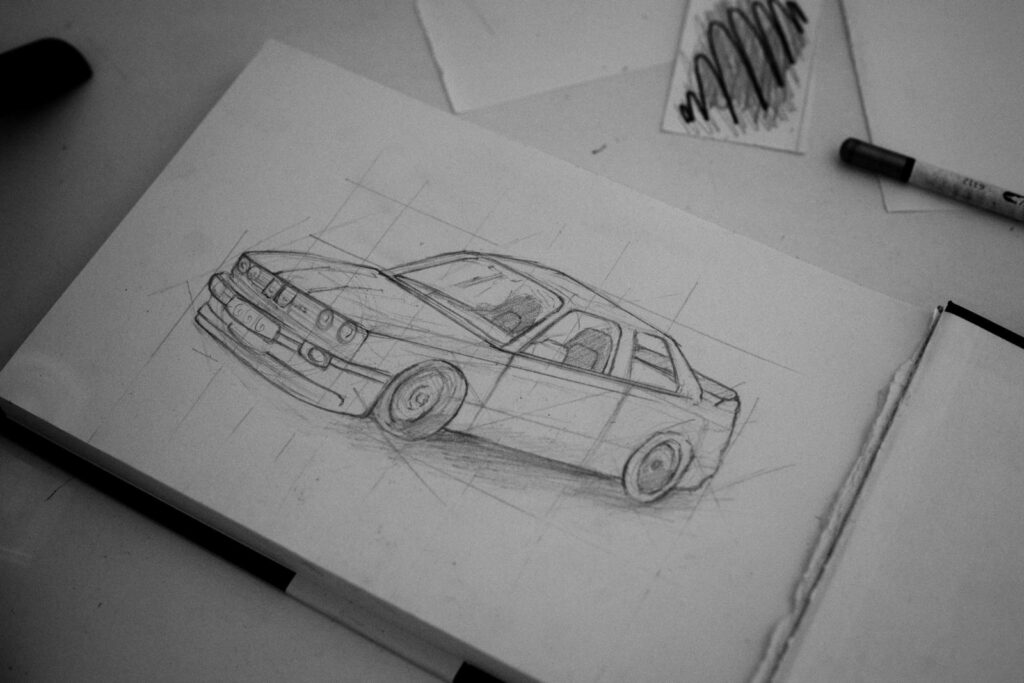
3. A Designer’s Tribute From Nowhere Special
From Mumbai, Maitreya Dhanak shapes how we see the Corvette’s changing look through a personal lens. Having helped define current car styles at Mercedes-Benz, his background runs deep in today’s visual rules. Yet what drives him creatively leans into memory, emotion, softer echoes of older times. Cars, for him, are less about tomorrow’s edge and more about yesterday’s heartbeat. Because of this mix, his ideas sit quietly between eras neither chasing nostalgia nor ignoring it.
Nostalgic Design Meets Creative Vision:
- Mumbai based automotive visualization designer
- Mercedes Benz professional design experience
- Corvette C2 C3 inspired revival concept
- Emotional heritage driven design approach
- Modern digital reinterpretation styling method
Out of nostalgia comes something familiar yet different. Drawing heavily from the Corvette’s peak years, this idea called the Stingray Homage turns away from flashy futurism. Shaped by the bold lines of the C2 and C3 models, its form speaks without shouting. Through digital tools, old-world charm gets new breath. Emotion drives the look, not just memory. Time doesn’t pin it down it floats somewhere between then and now.
Not aiming to swap out today’s Corvette look, this idea stands apart. A nod to the past shapes its purpose, honoring what made the car matter emotionally. Classic lines gain new strength through current methods, even if old at heart. Generations of thinking about form find common ground here, linked without force. What once was becomes relevant again, not by accident but by careful rethink.
4. Exterior Design and Proportions
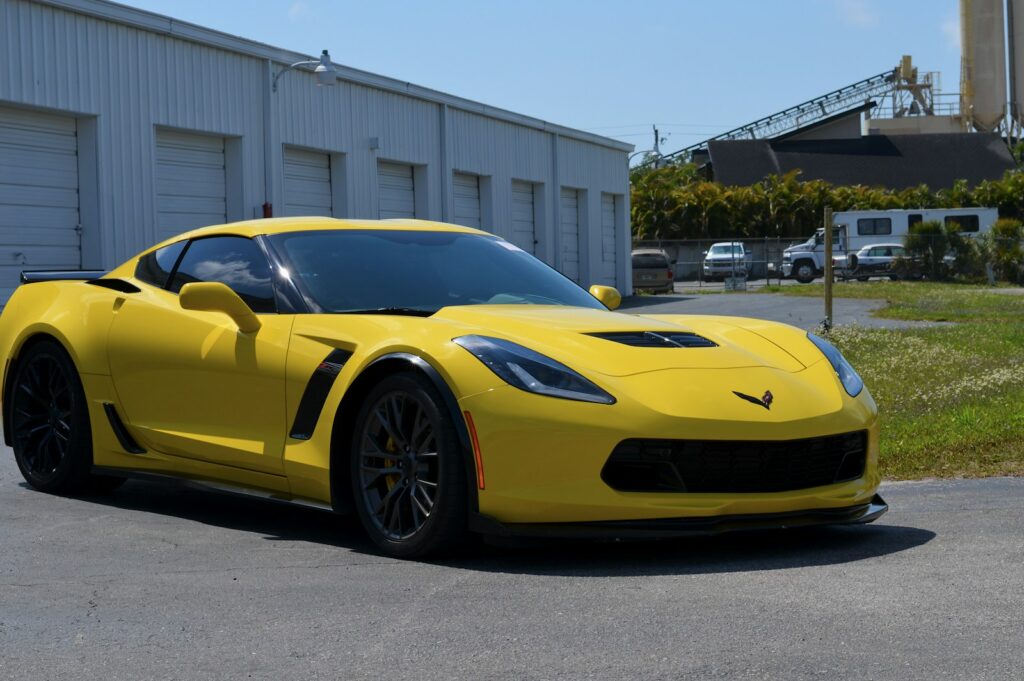
Out of nowhere, the Stingray Home shows up loud, shaped big and sharp like old Corvettes used to be. That deep nose takes over the profile long, lean, almost stretching toward the horizon. Because it sits so far forward, the whole thing looks rooted in how muscle cars once were: engine-heavy, driver-first. Close to the ground it crouches, ready, built for grip and speed instead of comfort. Seen together, those lines pull memories straight from past decades without trying too hard.
Retro Performance Proportions and Styling Highlights:
- Long hood classic Corvette silhouette
- Low aggressive stance performance identity
- Shark nose inspired front design language
- Slim quad LED headlight detailing system
- Wide fender muscular body proportions
Up front, you see a pointed shape like a shark’s snout, framed by narrow four-part LED lights. Because of these touches, the face looks alert and precise but keeps a nostalgic feel alive. Further back, the long hood reaches deep into the interior space. That setup echoes how older Corvettes balanced their form with function. Even so, the whole look ties past charm to today’s sharper craftsmanship.
From the front, sweeping curves stretch into broad wheel arches, while turbine-inspired rims bring a sharpness that cuts through the profile. Out back, exhaust pipes mounted along the flank give off a raw, purposeful vibe echoing old-school American speed machines. Shape by shape, each panel feels intentional, blending smooth lines with a hint of tension. Drama shows up quietly, held tight within every edge and contour. Classic roots show clearly, yet everything speaks in today’s design language.
5. Rear Design and Heritage Details
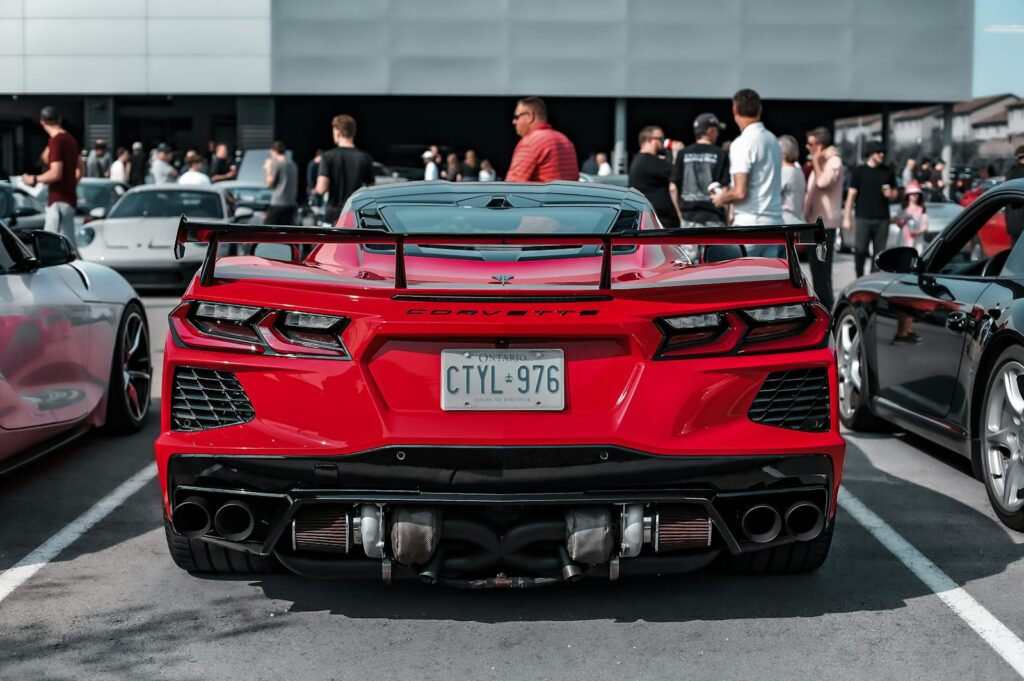
From the back, the Stingray Homage carries forward that mix of old-school vibe and today’s car-making precision. Sweeping fender lines glide right into a tidy, uncluttered rear end simple on purpose, yet sharp in result. Nothing feels forced here; each shape connects without fuss or distraction. View it head-on, from above, sideways it holds together like pieces meant to be paired. That sense of rootedness? It shows clearly when you take it all in at once.
Classic Corvette rear design features:
- Minimalist clean rear design approach
- Quad oval signature taillight design
- Back glass splits open, nods to classic design cues
- 1963 Stingray inspired design cue
- Central spine structural roof detail
From the back, small square lights give the car a quiet standout look clean, lasting. Not loud but noticed. Because they fit just right within the shape, nothing fights for attention. Think of the rear window, cut into two parts like an old favorite. That piece? A nod to the ’63 Stingray, muscle etched in memory. History lives here, pulled forward without shouting about it. Recognition comes easy when roots run deep.
A line along the top stretches from end to end, slicing between panes of glass while giving the car a clear frame-like backbone. From nose to tail, it pulls the eye forward without breaking rhythm. With its sharp presence, it builds subtle drama against broad shoulders and flowing curves. That balance shapes the back section into something precise yet calm. In the end, old-school signals meet clean new forms without tipping too far either way.

6. Thinking About The Idea
Not built for top speed stats or track times. Emotion leads here, expression shapes the form. Imagine a Corvette that stands out not by numbers but by soul. Feel matters more than specs every time. What it stirs inside counts above measured outcomes. Art guides its shape, people anchor its purpose.
Emotional design philosophy layout highlights:
- Emotion focused design development approach
- Front mid engine layout configuration idea
- Driving force moves through the back wheels, just like old-school cars used to work
- Grand touring comfort oriented vision
- Experience driven design identity concept
Picture a car where the engine sits up front but leans toward the middle, sending power only to the back wheels. That choice keeps the classic look long nose, sleek profile without hurting how it handles. Unlike today’s Corvette with its center-mounted engine, this one takes another path. Instead of chasing new trends, it holds on to what made Corvettes feel like Corvettes. Think of it as old-school shape meeting quiet upgrades under the skin.
Out front, the idea isn’t about lap times but bringing back the Corvette as something you’d want to drive cross-country. Not built just for corners, instead shaped around feeling involved mile after mile. Looks matter here not flashy, but bold enough to be noticed without screaming. Comfort plays a lead role, right alongside how it makes you feel behind the wheel. Performance numbers take a backseat; what counts is how the car talks to you. Timelessness sneaks in by avoiding trends, letting shape speak louder than specs. Emotion stands equal to mechanics, giving it a character most miss.
7. The Corvette’s Changing Performance Over Time
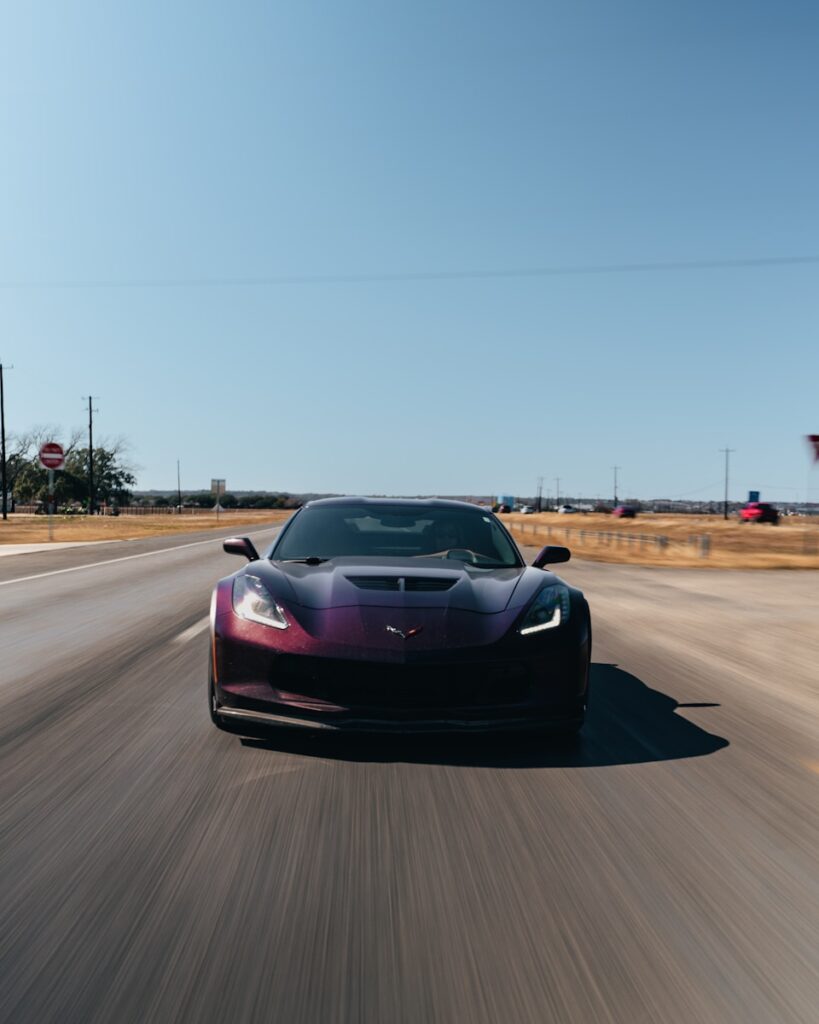
Truth is, today’s Corvette doesn’t just meet old benchmarks it leaves them behind. Hitting 60 miles per hour in less than three seconds? That happens with the right upgrades on current Stingrays. Speed like that, yet you can still drive it daily without hassle that shift changed everything about how people see Corvettes. Now these cars stand where only high-end European brands used to belong. Fast development work pushed Chevrolet into new territory, quietly but completely.
Corvette models and performance updates:
- Stingray sub three second acceleration capability
- Z06 flat plane crank V8 performance focus
- Track oriented precision driving engineering
- ZR1 twin turbo 1000 horsepower output
- Hypercar level speed and acceleration figures
Out front, the Corvette Z06 runs on a naturally aspirated flat-plane V8 no turbochargers, just raw engine breath. Revs climb fast because the design lives for speed at the upper edge. With sharp throttle reactions and peak strength coming late in the rpm band, the feel behind the wheel turns intense. Drivers after connection through machine rather than comfort will find their match here. Track logic shapes nearly every part of how it moves, stops, and responds. Extreme? Maybe. But true to a lineage built around racing intent.
Right up front, power defines what the ZR1 really is raw engineering taken to extremes. A twin-turbo V8 blasts out more than 1,000 horses, launching speed forward like few others can match. Hypercar territory? Reached easily through sheer force under the hood. Among Chevys rolling off assembly lines, nothing else comes close in muscle. Every version before it carved new ground, yet each step feels linked by purpose. Over time, gains stacked quietly until now the car speaks louder than any past model ever did.
8. Emotion Versus Engineering
From the start, the Stingray Home concept feels alive with feeling, unlike the sharp logic of the finished Corvette. Instead, its shape speaks through echoes of past models, drawing lines that remember older times. Meanwhile, the model you can buy leans hard into exactness, built around numbers, speed records, and new tech. Even so, both wear the same badge without confusion. Somehow, they manage to belong to one family while saying very different things. One breathes like art, the other moves like machinery.
Heritage Feeling Against Modern Design:
- Emotion driven heritage design approach
- Precision performance engineering focus
- Visual storytelling concept philosophy
- Modern aerodynamic efficiency priority
- Nostalgia versus innovation balance
Out of nostalgia comes something shaped by old instincts, yet built for today. Not through specs but silhouette does it speak to what came before. Where others calculate, this one suggests lines flowing like remembered sketches. A nod here, a curve there, pulling from the past without copying it. Emotion drives its form more than numbers ever could. Recognition lives in its stance, familiar even if you cannot name why. Time passes, still it fits.
Still, the built C8 points where Corvette heads next built around skill, pace, strong tech. Faster it moves, keener its edge, smoother its feel than older versions ever had. Shaped to cut air clean, its look serves function first. Side by side, these paths prove one brand lives dual lives. Nostalgia stays guarded in one lane. In another, change pushes hard ahead.