

Too Much, Too Soon: 9 Cars With More Power Than Sense
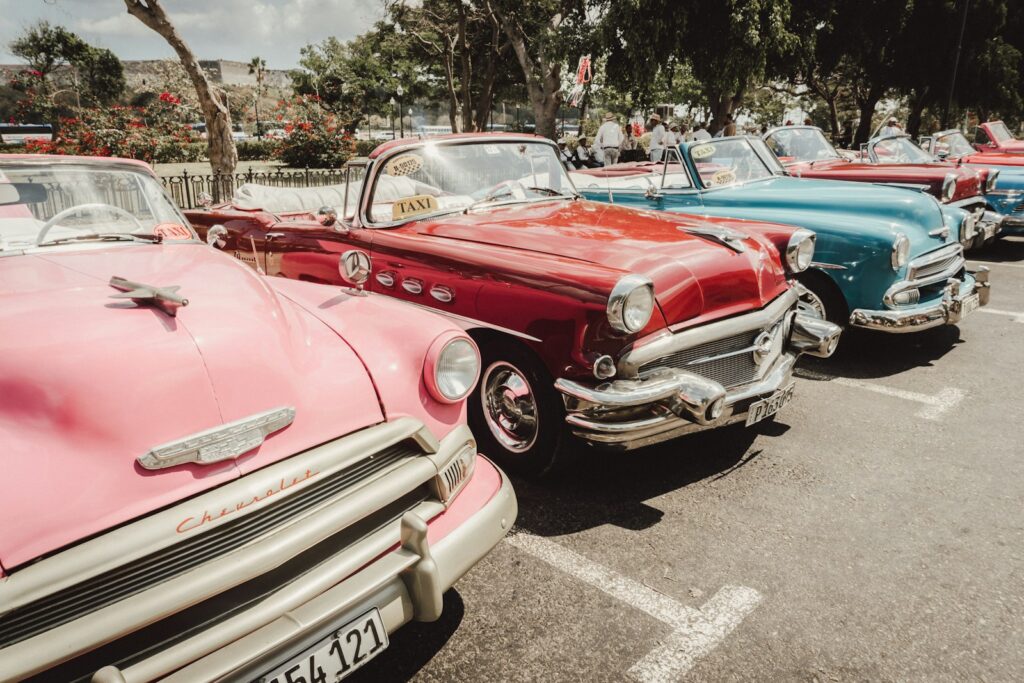
It never gets old, how some cars just ignore reason completely. Not meant for ease, space, or smooth rides just raw force packed into metal frames. Driven by one thought only: crushing every limit on speed and strength. Over decades, makers sometimes chased victory, pride, or shock value so hard they birthed engines too wild for their own bodies. Tires screeched under loads they weren’t made for. Brakes strained like overloaded ropes. Yet these beasts became icons not because they were balanced, but because they dared imbalance at full throttle. Driving them felt less like control, more like negotiation with chaos.
Back then, most of these machines showed up right in the middle of the muscle car boom, while American automakers battled fiercely over engine strength. Instead of balancing speed with handling, designers focused almost entirely on brute acceleration leaving brakes, tires, and chassis behind. Today’s fast cars rely on smart software, precise damping, and grip-focused aids to manage their output smoothly. These older models belonged to an age where sheer engine punch regularly outmatched what tires or steering could actually handle.
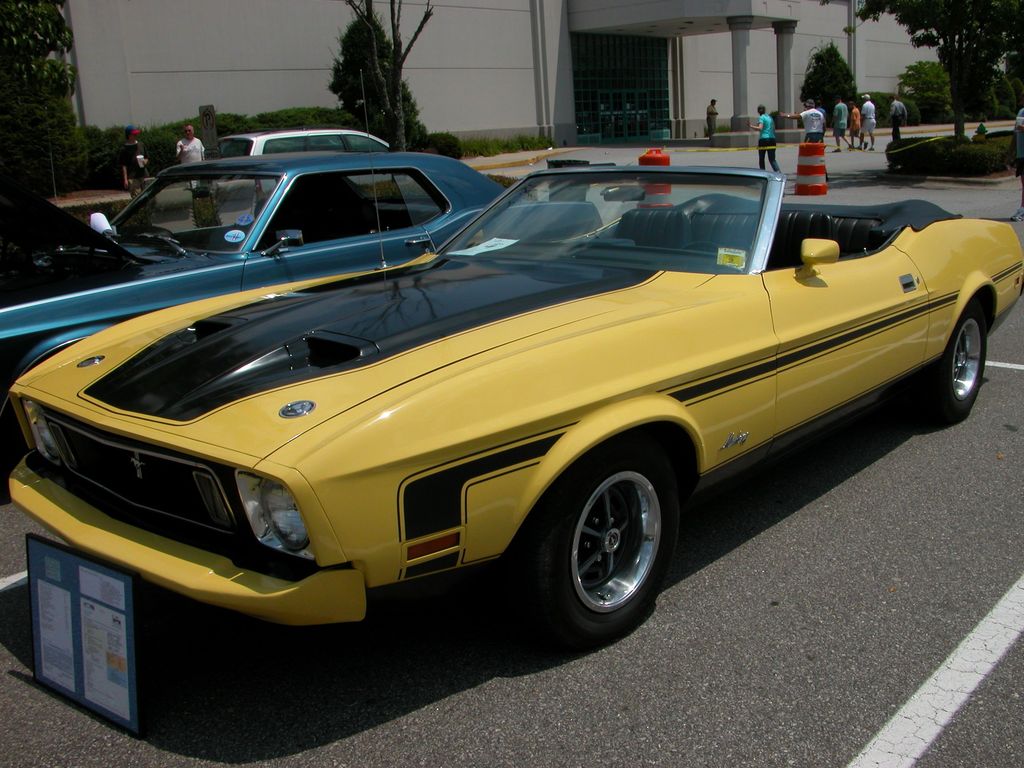
Something sticks around long after you’ve turned off the engine. Danger lived inside every corner of them, wild energy waiting just beneath the surface. Tough to tame, hard to trust some even backed away at first try but that rough edge carved a name forever. Nine machines built when raw force outpaced everything meant to control it.
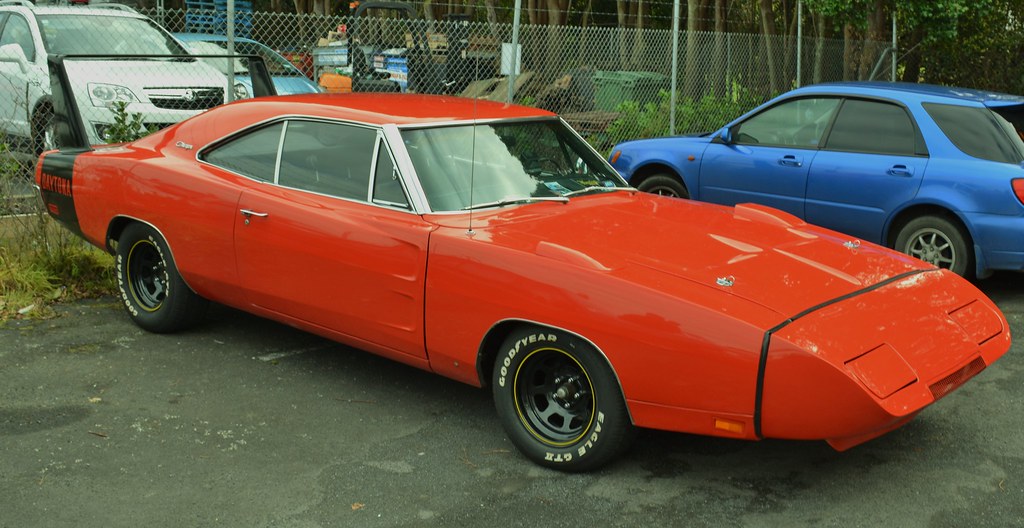
1. 1969 Dodge Charger Daytona and Plymouth Superbird
Out there on the roads, the Dodge Charger Daytona plus the Plymouth Superbird look nothing like regular sedans. Built for a single purpose to win at NASCAR they wore long front noses and huge tail fins nobody else dared copy. Because they looked so wild, folks often doubted these beasts could even be driven legally off track. Fast forward years, still they scream of a time when carmakers ignored rules in design just to go faster.
Key Features:
- NASCAR-focused aerodynamic body design
- Massive rear wing setup
- Extended nose cone profile
- Street-legal race car appearance
- Highly distinctive muscle car styling
From deep under the hood roared the famed 426 Hemi V8, a motor known to outperform its paper numbers by wide margins. Official specs claimed 425 horsepower, though countless drivers were convinced it made much more. When pushed, well over 500 horses surged forward, launching these machines into realms of speed few road cars could touch back then. Blistering acceleration and sky-high top ends gave them a raw edge once reserved only for track-focused builds. Almost unthinkable in the late Sixties, their sprint down open stretches defied what most thought possible.
Even with their raw strength, the parts around them could barely cope. That stretched-out front end turned tight spaces into a hassle, yet stopping power and rubber back then just lagged behind what engines could deliver. Higher speeds brought shaky feedback drivers said handling grew sharp, unpredictable. Winning came easily at NASCAR events, still regular streets showed how hard it was to tame that force using 1950s tech.
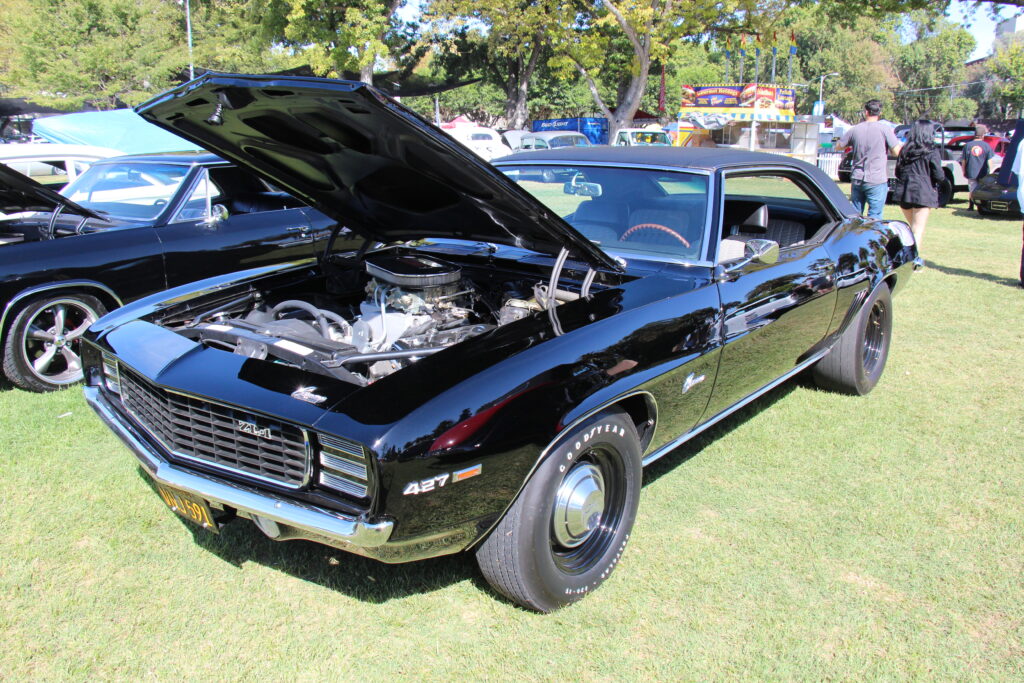
2. 1969 Chevrolet Camaro ZL1
One of the boldest moves in automotive history showed up as the Chevrolet Camaro ZL1. Built using Chevy’s special COPO program, this uncommon beast paired a slim frame with a track-tuned powerplant built purely for raw sprinting ability. Comfortable rides were not part of the plan neither was quiet elegance. Rather than soften edges, each piece of the ZL1 aimed at blistering takeoffs, forcing boundaries beyond what regular factory cars dared do.
Performance Highlights:
- Race-bred aluminum V8 engine
- Exceptional straight-line acceleration capability
- Limited-production performance model
- Aggressive and uncompromising character
- Built for maximum speed
Deep inside the ZL1 lived a lightweight 427 cubic-inch V8 made entirely of aluminum, pumping out muscle beyond what numbers showed. Though Chevy claimed 430 horses, insiders often said it really pushed past 500. This motor didn’t whisper; it growled at stoplights, shaking slightly, never letting you forget where it came from. Because of its hunger for top-grade gas and frequent checks, treating it right took real effort. Instead of smooth cruising, each drive played out like prepping for a track day raw, intense, nothing gentle about it.
Power delivery was tricky, no matter how strong the motor ran. Through slick tires back then, grip stayed poor wheels would break loose too easily, especially when pushing forward fast. The frame did keep up okay for that time, yet somehow always seemed outmatched by what lurked behind the grille. Cost piled on top of raw intensity, making ownership tough; scarcity followed naturally. Because of this mix, few were built, which now leaves the ZL1 standing apart from nearly every other American muscle machine.
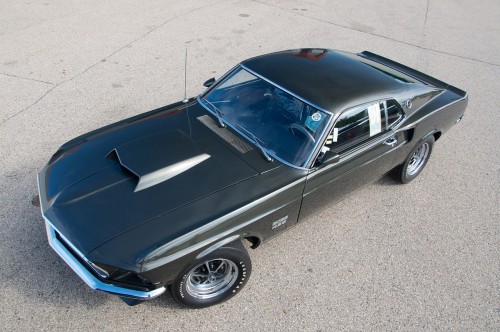
3. 1969 Ford Mustang Boss 429
Out of necessity, not desire, came the Ford Mustang Boss 429 built just to meet NASCAR rules. Instead of tuning balance, engineers shoved a giant race motor into the chassis. That choice? It bent the limits of what the body could handle. Power ruled every compromise. Unusual from the start, it became something rare among muscle cars.
Engineering Challenges:
- Massive NASCAR-inspired racing engine
- Extensive factory modifications required
- Specialized high-performance cylinder heads
- Built around horsepower goals
- Unique production engineering process
Out front, the big deal was a massive 429 cubic-inch V8, fitted with high-end cylinder heads and parts borrowed from racing setups. It said 375 horsepower on paper, yet plenty thought it pushed out way more under real conditions. Fitting that kind of motor meant hacking up the engine compartment and reworking how the car sat on its wheels. Changes ran deep enough that skilled outsiders stepped in to handle chunks of putting each one together.
Physics still refused to be pushed aside, no matter the improvements. Up front, the big engine loaded one end too much, which twisted how the car behaved on turns. Many who drove it struggled with how it resisted steering inputs, especially when roads curved tightly. Pushing hard revealed sharp edges, making regular commutes feel more like work than fun. All that muscle under the hood drew stares and praise, true enough. Yet what it gained in raw force, it lost in balance a trade few talked about but everyone felt behind the wheel.
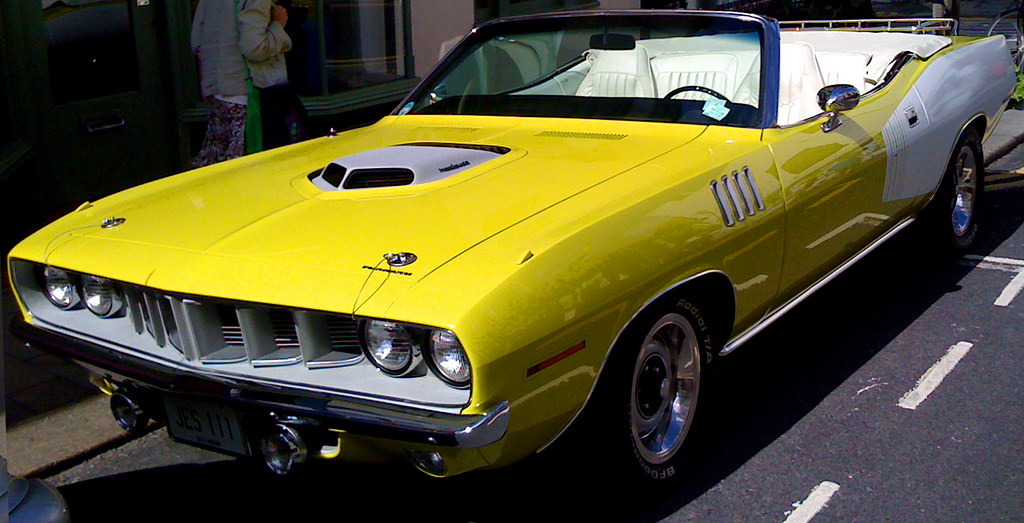
4. 1971 Plymouth Hemi Cuda
Near the end of the golden age of muscle cars, the Plymouth Hemi ‘Cuda roared onto the scene like a final burst before silence. When new rules started reshaping what cars could be, Plymouth answered with brute strength unapologetically. Not just loud but legendary, it stood out through sheer intensity. Though times were shifting fast, this machine carved its name into history by refusing to hold back.
Muscle Car Legacy:
- Legendary 426 Hemi power
- Exceptional power-to-weight ratio
- Street-legal drag racing feel
- Iconic end-of-era performance
- Fearsome acceleration reputation
Out on the road, the 426 Hemi V8 proved far stronger than the numbers suggested. While factory specs played it safe, most drivers believed actual power soared past 500 horses. That kind of strength transformed each launch into something fierce and sudden. With every push of the gas pedal came raw shove – more like a strip burner than a street-legal machine. Because of how wildly fast it behaved, people still talk about it like myth.
Backed by brute strength, it also brought real headaches. Burning through gas happened fast, tune-ups were frequent, while grip vanished if you pushed too hard. Often, the frame just could not keep up with what that monster under the hood delivered handling demanded patience and sharp reflexes. Yet those flaws somehow made the Hemi ‘Cuda feel even more fearsome, a raw standout among its peers.
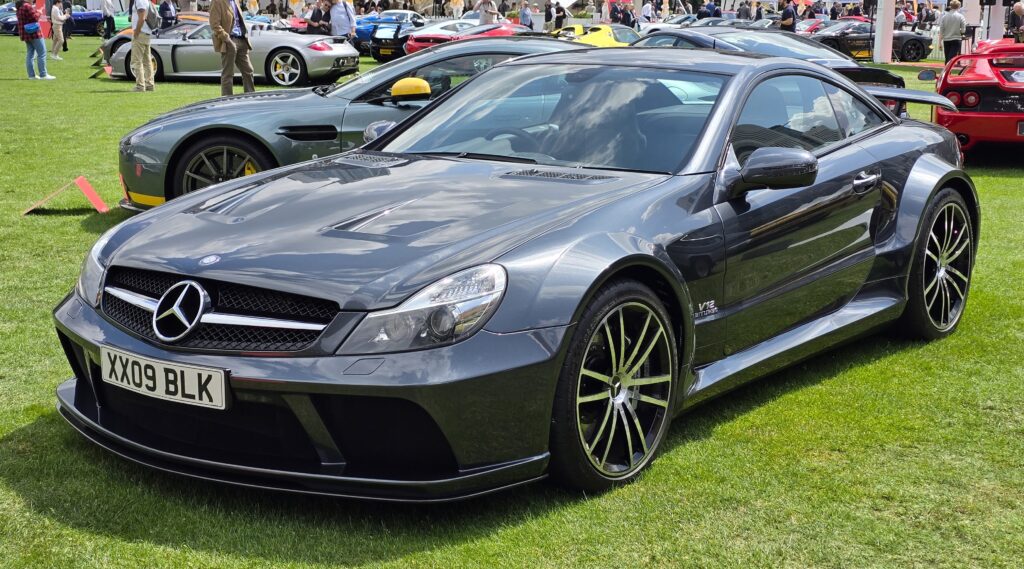
5. 2009 Mercedes Benz SL65 AMG
Out of Germany came a machine showing brute force wasn’t just a Detroit habit. Luxury wrapped around high tech, while speed arrived with little warning. A soft-top built for long runs moved like something meant for tracks only. Smoothness rode alongside wild acceleration, making it feel classy yet wildly over the top. Elegance sat close to madness under one sleek hood.
Luxury Meets Power:
- Twin-turbocharged V12 performance
- Heavy pulling power at every engine speed
- High-speed grand touring capability
- Advanced luxury engineering package
- Effortless yet explosive acceleration
From deep within the hood roared a twin-turbo V12, unleashing 604 horses and a staggering 738 pound-feet of twist. That raw force turned the plush open-top into something fierce, alive. Movement surged forward without strain, as if pulled by invisible hands. A flood of shove waited at any revs, making each push on the pedal feel surreal. Not many cars back then balanced soft rides with such urgency.
Out of nowhere, powerful engines would push past their limits despite careful design. When pressed too hard, especially when moving slowly, the back wheels often lost grip as drivers noted again and again. Without warning, a rush of speed made everyone inside aware of what lay under the smooth surface. Still today, few machines mix high-end comfort with raw strength like the SL65 AMG does.
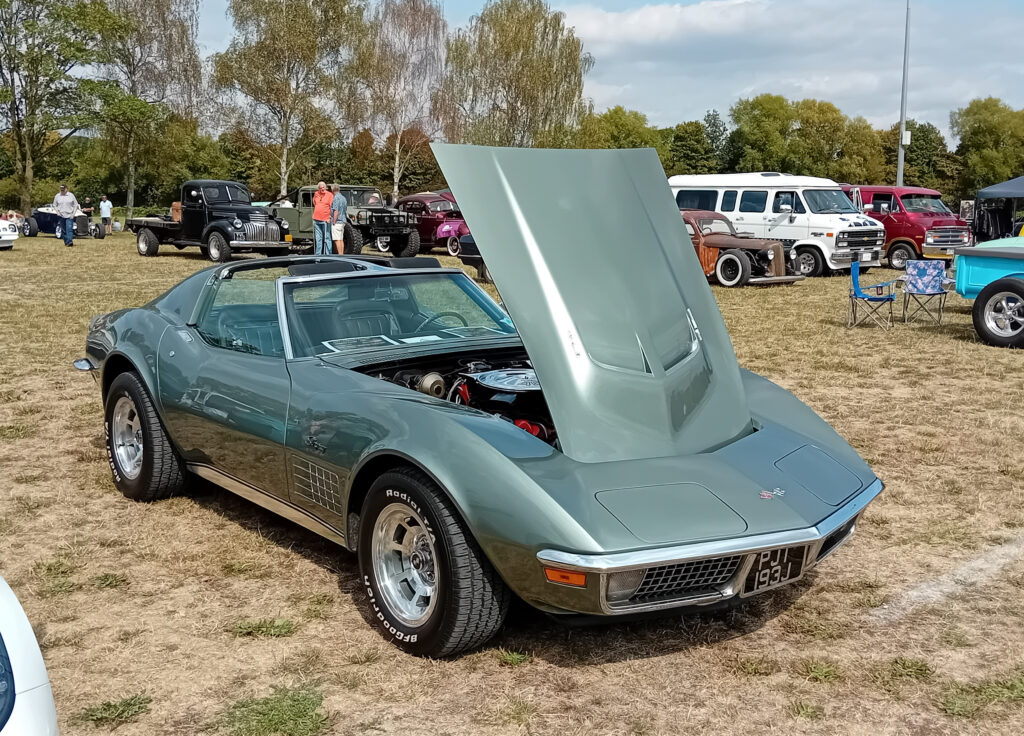
6. 1971 Chevrolet Corvette LS6
When the loud roar of classic American muscle was fading, Chevy rolled out a bold farewell the Corvette LS6. Not long after rules tightened on fumes and gas mileage started steering car design, this machine roared against the shift. Power took center stage here, unfiltered. One of the final bursts of pure punch before everything changed followed close behind. A moment near the edge became legend.
Raw Performance Traits:
- High-output big-block V8
- Built for pure speed
- Driver-focused mechanical experience
- Some small trade-offs in speed were allowed
- Classic American muscle character
Power came fast each push on the gas pedal unleashed raw force without warning. Though rated at 425 horsepower, plenty thought the LS6 made more behind closed doors. Modifications? A few tweaks here and there might have revealed deeper reserves, some claimed. Zora Arkus-Duntov, a key Corvette mind, once hinted at hidden potential just beneath the surface. Speed ruled everything the car didn’t care about soft rides or quiet cabins.
Back then, the LS6 stood out because raw strength clashed with old-school frame design. Modern drivers might find the steering vague, since twists in the car’s structure show up when pushed hard keeping it steady on fast stretches takes real focus. Still, these quirks brought a sense of connection, like every bump and turn spoke straight to your hands. Confidence behind the wheel got repaid with sharp responses, leaving impressions that haven’t faded even after years passed.
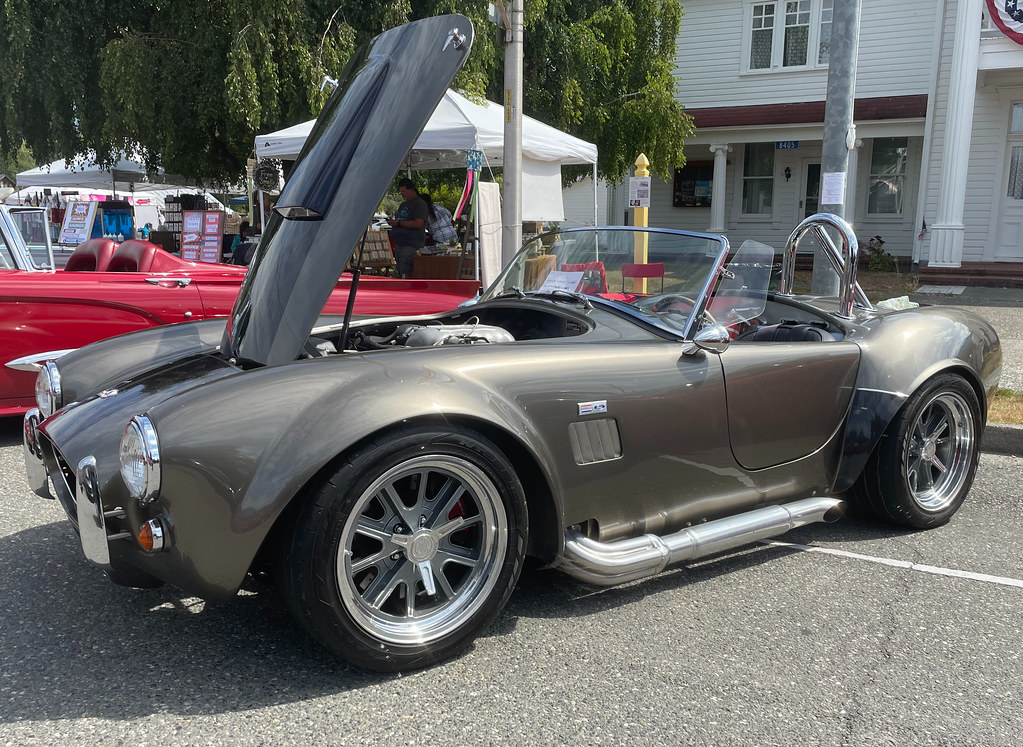
7. 1965 Shelby 427 Cobra
Out of nowhere came a beast Shelby’s 427 Cobra not just fast, yet almost wild in its power delivery. Instead of sticking to smaller engines, they shoved in one massive American V8, turning clever balance into raw dominance. Light frame plus huge motor meant speed arrived too quickly for comfort most times. Driving it felt less like control, more like negotiation with momentum at every turn.
Lightweight Power Formula:
- Massive V8 in compact chassis
- Exceptional power-to-weight ratio
- Strengthened performance-focused structure
- Explosive acceleration characteristics
- Constant driver focus required
Shelby had to strengthen the frame just to handle the bigger engine, then stretched the body outward for fit. A beefy 427 cubic-inch V8 took residence under the hood good for about 485 horses. Light at only 2,500 pounds, the car carried that muscle with startling balance. From a stop, speed built so fast it turned ordinary streets into something demanding full attention.
Harder to handle than it looked, the Cobra stayed tricky even after upgrades. Power surged through a frame so light that any slip meant trouble focus had to be total at all times. A twitch too much on acceleration? Recovery was rarely clean. This is how the 427 gained fame: heart-racing speed matched by raw unpredictability.
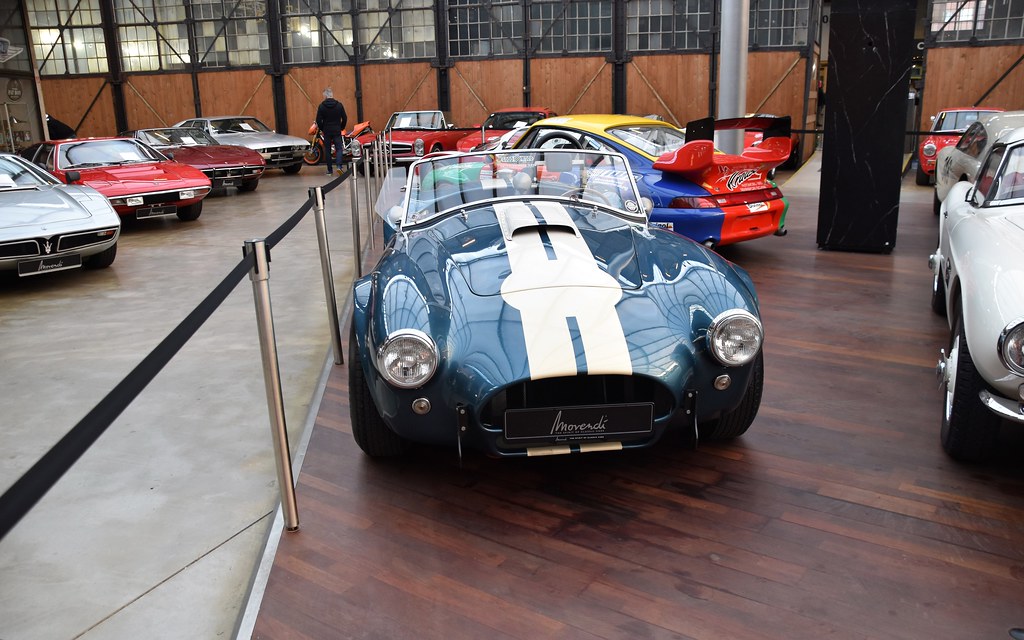
8. 1963 Shelby 289 Cobra
Out of nowhere, the Shelby 289 Cobra set things in motion long before anyone heard of the 427 model. A small British frame – the AC Ace became something entirely different when given a large American heart. Instead of sticking to tradition, Shelby dropped a roaring V8 where much tamer engines once lived. Simple? Yes. But it changed everything without warning. Performance jumped sharply, wrapped in raw noise and sudden speed.
Early Cobra Success:
- Lightweight roadster performance design
- Powerful American V8 integration
- Strong racing-inspired heritage
- Speed stood out back then
- Engaging and lively handling
Back then, few cars matched its pickup once the engine roared to life. Though built light, the frame hadn’t been made for such strong output from the start. Some versions pushed past 300 horses, depending on how they were set up. Because of the low weight, any sudden push on the gas sent the back wheels sliding loose. Behind the wheel, most found that gentle pressure was often too much.
Even with proven speed on track, real-world use showed where the Cobra fell short. Thin rubber on the road, paired with a basic frame underneath, meant drivers stayed busy steering it straight. Instead of smooth moves, each corner or gear change brought sharp reactions thrilling but never quite tamed. Yet that mix one moment tense, the next joyful is what carved its name deep into car lore.
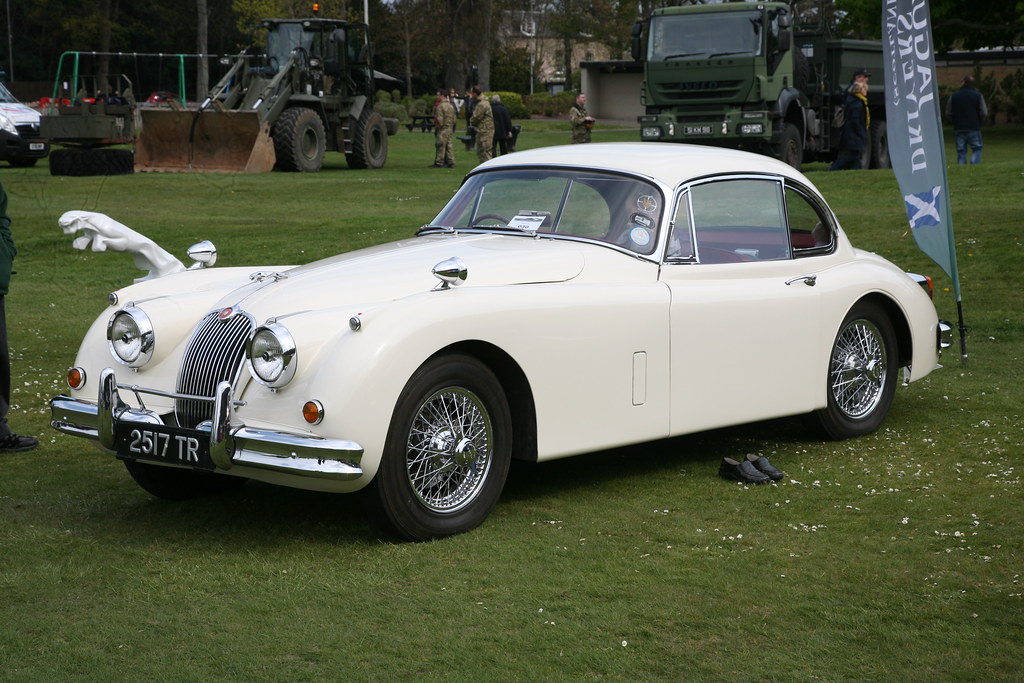
9. 1959 Jaguar XK150 S
Back then, Jaguar wasn’t just about comfort and long-distance ease. Instead, raw speed shaped its reputation most. This car arrived when tarmac felt more like a track than a route. Power slid through the chassis like something built for circuits first. Drivers noticed how little it needed to prove itself fast. Not every model from that time dared push limits so openly. It moved with urgency few others matched back then.
Classic Performance Excellence:
- High-output inline-six engine
- Advanced speed for period
- Race-inspired driving character
- Challenging traction limitations
- Memorable vintage sports car
Back then, a 265-horsepower output from a 3.8-liter straight-six was something few expected. Pushed hard, the motor came alive, delivering sharp pickups and strong bursts down open roads. Still, tires of that era couldn’t keep up with such energy underfoot. Often, the car broke loose before full strength could be used. Grip gave way too soon, leaving even steady hands second-guessing their next move.
Patience shaped every moment behind the wheel of the Jaguar, along with sharp reflexes and knowing just where it might falter. Slim tires paired with sudden bursts of speed made for moments few drivers saw coming rainy roads only sharpened the edge. Still, these quirks are what made the machine stick in memory. Beauty lived in its lines, yes but also in how it demanded respect each time you turned the key.