





Inside GM’s 6.2L V8 Recall and Its Catastrophic Failure
Heavy-duty pickups and high-end SUVs sell on three things: steady function, ease while driving, better-than-average strength. People who spend big want V8-powered machines that run well year after year without sudden breakdowns. This trust grows deeper if the car wears an elite label, promoted as the top model in its maker’s range. Trouble inside these vehicles hits harder than just fixing parts. It shakes faith in ownership, tarnishes how others see the nameplate, lowers what owners feel their machine is worth.
Out of nowhere, General Motors had to deal with growing concerns tied to problems in its 6.2-liter L87 V8 engine. Drivers started sharing stories engines cutting out mid-drive, no clear signs beforehand. At first just a few voices, yet those murmurs grew louder until regulators took notice. Before long, what seemed minor spiraled into one of the largest vehicle comebacks in recent memory, covering big trucks and SUVs across multiple models.
Inside every recalled engine lies more than just broken parts. What really matters emerges when metal fails under pressure revealing cracks where none should be. Instead of smooth operation, chaos takes over as pieces break loose without warning. One flaw spread through the block like a silent fault line. Hundreds of thousands share this hidden risk because small errors multiply across production lines. When the announcement comes, drivers face questions with no quick answers. Taking apart one of these engines shows exactly where things go wrong the damaged areas tell a clear story. Suddenly, vague warnings become visible scars on twisted components.
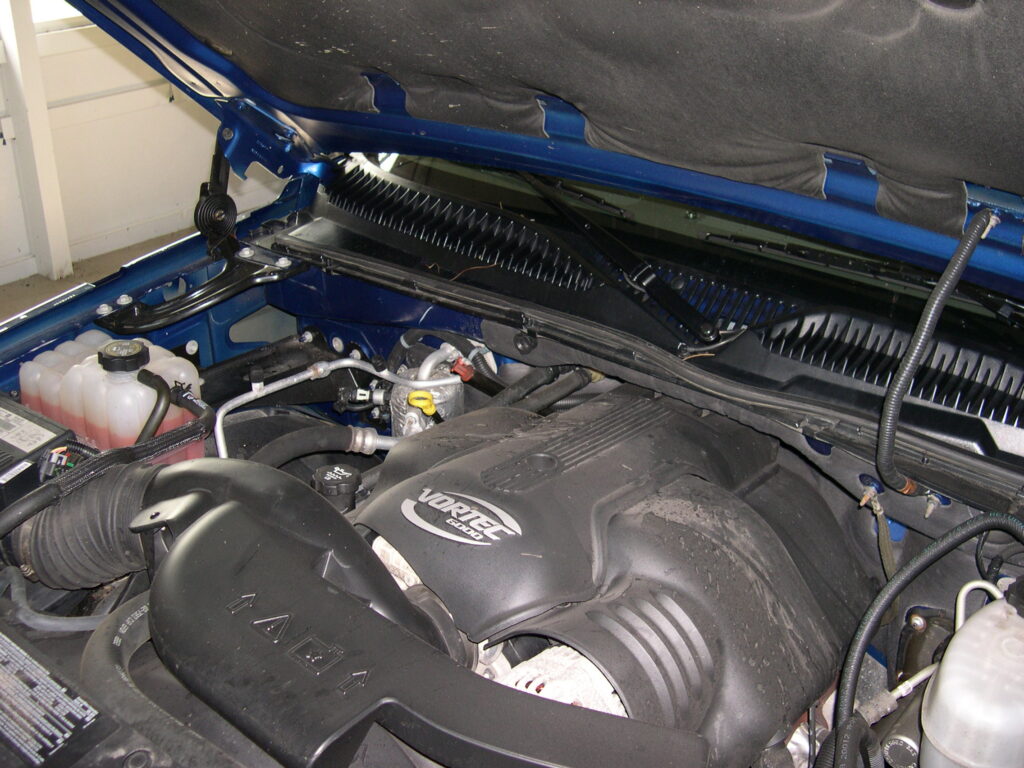
1. A High-End Engine at The Core of The Issue
Sitting right in the middle of GM’s engine choices is the 6.2-liter L87 V8. With 420 horses under the hood and 460 pounds of twist on tap, it pulls ahead as the strongest non-turbo eight-cylinder you’ll find in plenty of big trucks and SUVs from the brand. Born from the latest batch of small-block engines Gen V it mixes old-school muscle with new tricks meant to save fuel, ride smoother, plus feel more polished day to day. Folks who want grunt without giving up comfort often land here when picking their rig.
Engine Overview:
- Powerful Naturally Aspirated V8.
- Premium Vehicle Powertrain.
- Advanced Engine Technology.
- Luxury Performance Focus.
- High Customer Expectations.
Most high-end versions of trucks and SUVs get this engine first. You will see it under the hood of cars like the Chevrolet Silverado High Country, GMC Sierra Denali, or Cadillac Escalade. What makes them cost more? A mix of strong performance, smooth ride, smart features, and rich interior finishes. Some people pick these top models instead of others mainly because of the L87 powerplant inside.
High up on GM’s list, this engine carries big hopes for lasting quality. Dependable service over many years is what drivers assume, given its standing. Trouble stories started circulating fast, shaking trust among car fans everywhere. The worry grew sharper since the fault touched models that bring in serious profit and pride. When a star performer stumbles, ripple effects hit far past single fixes.

2. Federal Investigators Step In
Early in 2025, stories about failing engines began piling up enough to catch Washington’s eye. Over at the NHTSA, officials opened an inquiry into the L87 model once messages flooded in describing cars losing thrust without warning. Though many affected models hadn’t even reached high mile counts, they still sputtered out mid-drive. That odd pattern pointed fingers not at aging parts but possibly flawed builds right off the assembly line.
Investigation Highlights:
- Federal Investigation Begins.
- Massive Recall Scope.
- Low-Mileage Failure Reports.
- Growing Safety Concerns.
- Stop-Sale Order Issued.
Out into view came a wider look at what was being checked. Close to 877,710 cars made between 2021 and 2024 landed in that zone. Sitting inside were names many know well Chevrolet Silverado 1500, Tahoe, Suburban, GMC Sierra 1500, Yukon, Yukon XL, Cadillac Escalade, along with the Escalade ESV. That spread showed just how far it might stretch among high-end trucks and SUVs built by GM.
Engine trouble sparked growing worries among drivers. When power drops without warning, risks rise fast more so on busy roads where others might not see it coming. With more reports piling up, GM stepped in, pulling the plug on new sales while calling back impacted models. The move signalled urgency, showing how critical fixes had become.
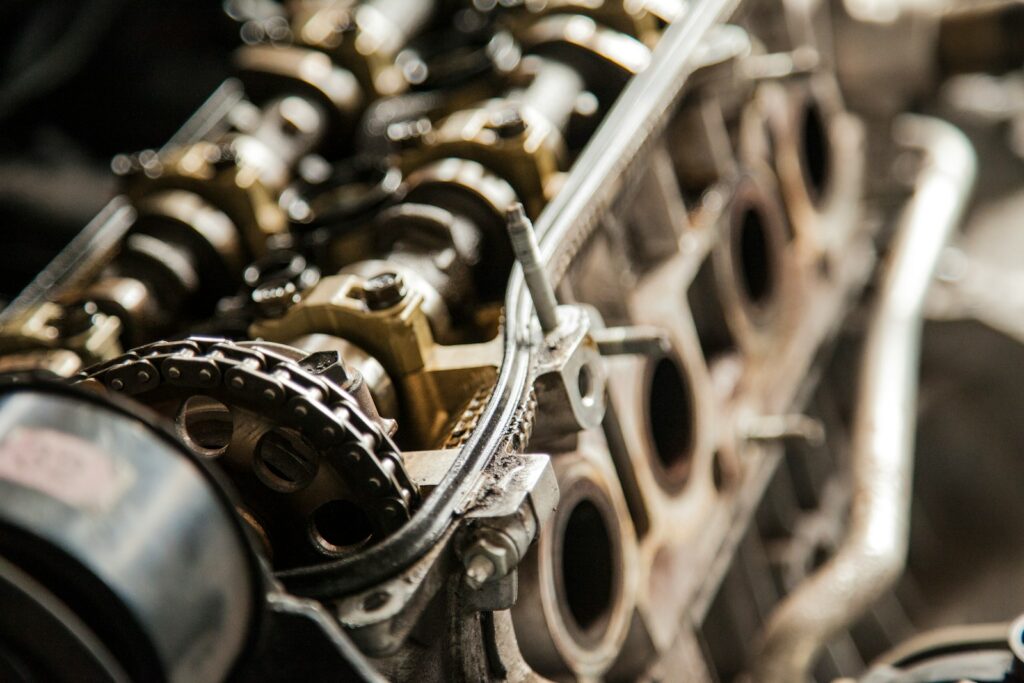
3. A Closer Look Showed What Was Really There
What do official recall papers really show? Mostly jargon-filled explanations that skip what actually breaks inside an engine. Seeing it up close isn’t something those reports give you. That changed when Eric, from the channel I Do Cars, took apart one of these troubled motors himself. Out of a 2022 GMC Yukon Denali it came, revealing exactly how deep the damage runs in such cases.
Teardown Findings:
- Detailed Engine Examination.
- Hidden Damage Uncovered.
- Yukon Denali Case.
- Early Repair Evidence.
- Failure Analysis Insights.
Out of nowhere, the first look inside showed clear hints the engine wasn’t untouched. Someone had swapped the oil pan pointing toward past fixes or a close check. Even though it supposedly failed, you could still spin the crankshaft manually when taking things apart. That small detail felt like a quiet win since locked-up motors typically refuse to budge.
Nowhere near intact, the engine revealed its state only after pieces started coming off. At first glance, traces of oil looked ordinary in spots, suggesting maybe some bits inside could survive. Yet every new look changed that idea, piece by piece. What lay underneath wasn’t just wear it was destruction, far worse than anyone thought at the start.
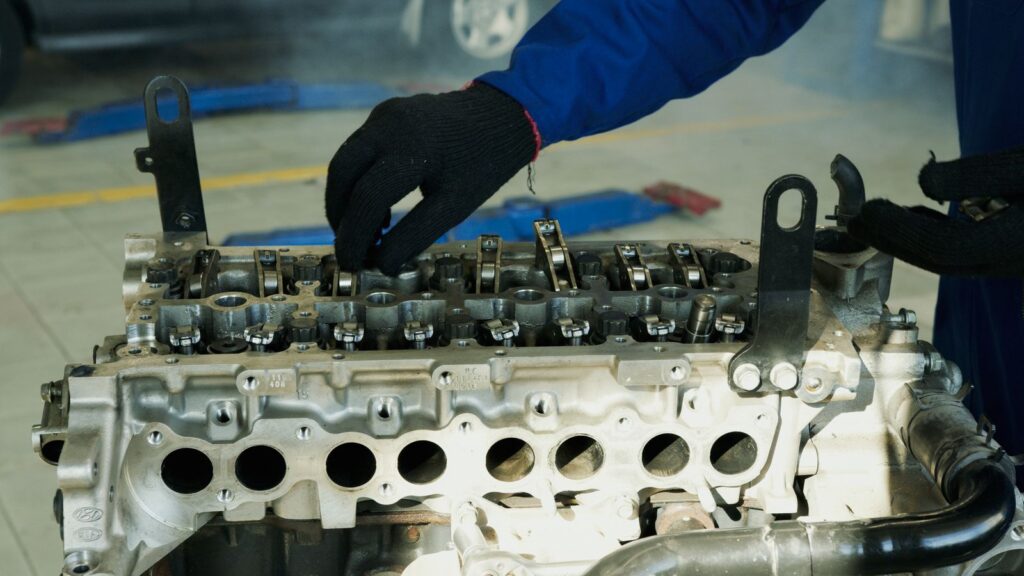
4. Warning Signs Hidden in the Engine
Out of nowhere, signs of trouble showed up when they checked the engine’s pushrods. Odd wear marks covered several pieces, hinting that something inside was running rough. While worn pushrods might not spell disaster on their own, problems like these usually mean other valvetrain parts are getting hammered too hard, too fast. Then again, it’s rarely just one thing acting up at once.
Early Indicators:
- Abnormal Pushrod Wear.
- Damaged Engine Lifters.
- Internal Debris Contamination.
- Progressive Mechanical Damage.
- Valvetrain Stress Indicators.
Out of nowhere, focus landed on the lifters parts often talked about by drivers of newer GM V8s. Not one had fully caved in, yet many carried grime and scrapes from junk moving inside the motor. A closer look revealed one in rough shape: its roller piece partly gone, proof something serious played out under the hood.
Something was off. The trouble didn’t start fast it grew slow, like rust on metal left too long outside. Not one single blow caused the failure; instead, small signs built up across parts meant to move cleanly together. Every piece pulled out showed more proof of wear, not shock. Hidden inside, beneath layers where eyes couldn’t see at first glance, something bigger had been breaking down quietly. Investigators began looking further in, past surface cracks.
5. The Moment All Damage Came into View
Out came the oil pan and right then, everything changed. Not like the rest of the fluid inside, what sat at the base looked nothing alike. Gone was any hint of clear oil; in its place, a heavy black goop filled the space. Heat had clearly been building up for months, maybe years. That gunk? Proof the oil had given out long before anyone noticed.
Damage Assessment:
- Severe Oil Degradation.
- Sludge-Filled Oil Pan.
- Lubrication System Failure.
- Signs Of Seizure.
- Extensive Internal Wear.
Oil keeps an engine running just like blood does in a body. Not only does it cut down on rubbing between parts, yet it carries away heat from pieces that move constantly. Once dirt gets into the oil or temperatures rise too high, what protection it offers fades fast. Thick gunk packed deep within the motor showed how poorly the oil was working by then.
Something worse showed up when they took things apart. The engine likely locked up sometime earlier, hints from inside told that story. Crankshaft bolts were found loose not tight like factory so the engine could turn by hand later on. That looseness meant big trouble started way before it ever got to the shop.
6. Rotating Assembly Fails Completely
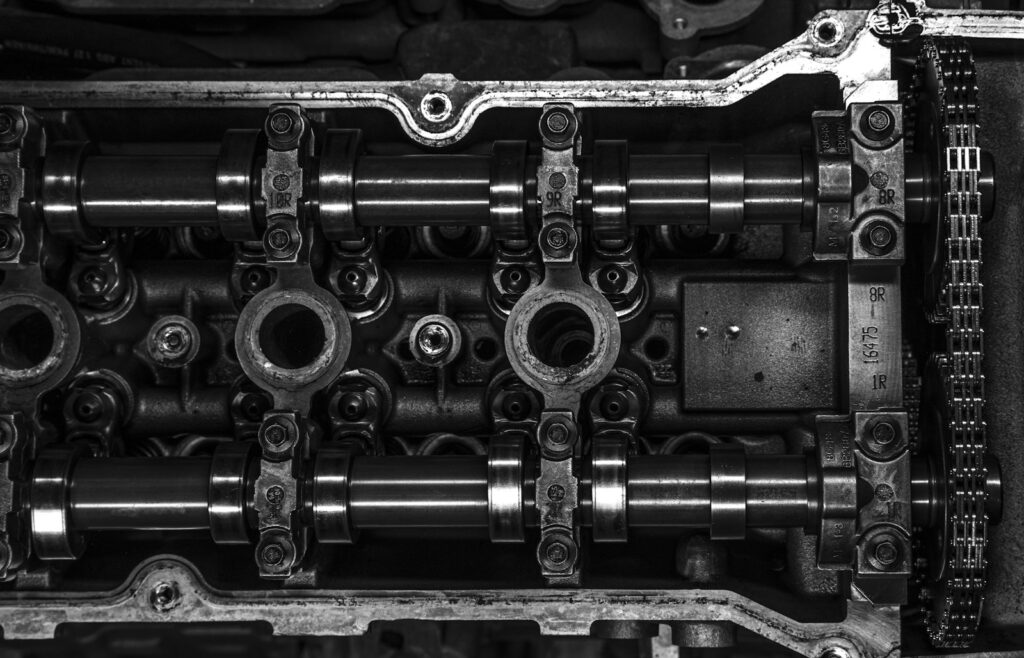
Deep inside, once the oil pan came off, what wrecked the engine stared back without hiding. Not just worn but torn apart every single one of those eight-cylinder rod bearing gave proof. Smooth motion used to happen there, where crankshafts met rods through thin films of oil. Instead, metal scraped metal long enough for ruin to take hold.
Critical Failures:
- Widespread Bearing Damage.
- Severe Lubrication Stress.
- Rotating Assembly Failure.
- Engine Block Scoring.
- Catastrophic Internal Destruction.
Out past the bearings, harm reached further than first thought. Inside the spinning parts, deep wearing showed up along the engine’s bottom half. Built tough to handle crushing loads and endless turning so breakdowns here raise real worry. If several pieces in that system start weakening at once, disaster inside the motor looms close.
Inside the engine block, signs of harm showed up one after another. A chunk missing from a camshaft lobe stood out right away. Marks near the front hinted at metal scraping against metal something that does not happen when things run smoothly. Even though the car wasn’t old, what lay under the surface looked like something seen in much older machines. That mismatch sparked doubt about how it really happened.
7. What Might Have Gone Wrong
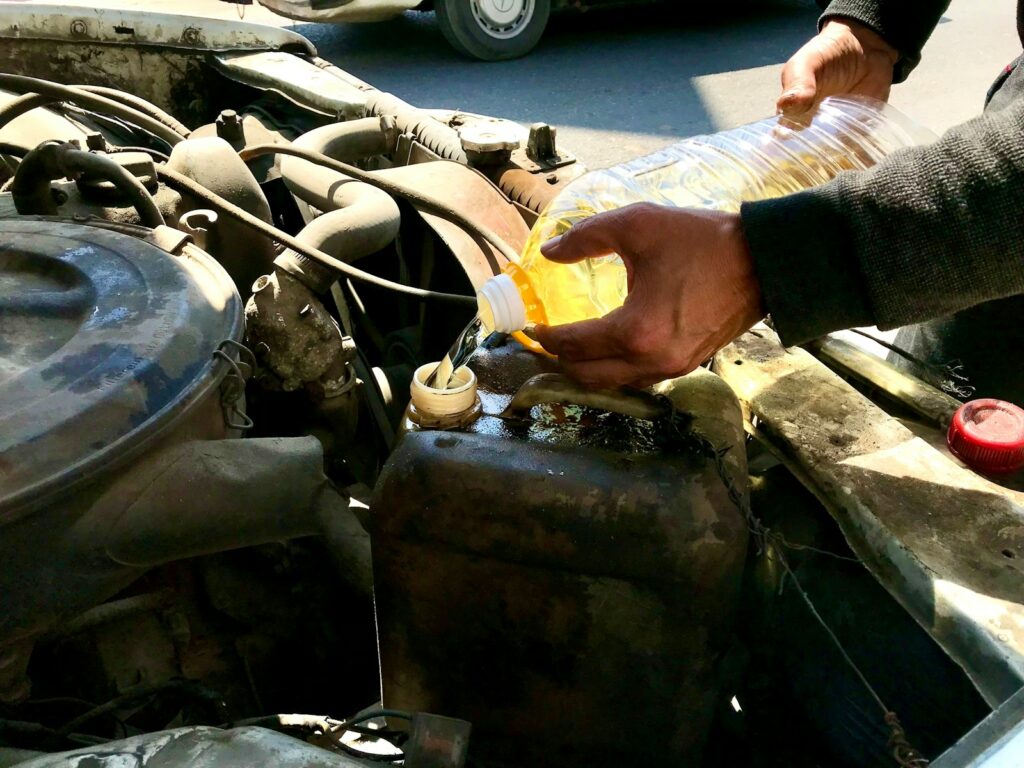
Something went wrong slowly, then suddenly snapped apart. Heat grew too high because moving parts did not get enough slippery coat of oil. That slick layer faded as things warmed up, leaving metal bare. Without guardrails, gunk began forming where it should not be. Parts cooked longer until they could hold together no more.
Possible Causes:
- Insufficient Lubrication Suspected.
- Excessive Heat Build-up.
- Oil Breakdown Progression.
- Bearing Wear Development.
- Gradual Failure Process.
Heat issues tend to feed right into poor lubrication. Friction climbs when oil flow drops, creating higher temperatures. Rising warmth breaks down the fluid, leaving it weaker than before. Eventually, gunk forms on surfaces, bearings erode fast, particles spread, and parts inside suffer harm. What showed up after disassembly dark sludge and chewed-up components fit that pattern exactly.
It might always stay unclear just how things unfolded, yet clues pointed to red flags showing up well before everything broke down. Strange sounds or slipping efficiency possibly crept in while harm built slowly underneath. When inspectors finally took the motor apart, its state revealed decay too deep for regular upkeep to ever fix by then.

8. GM’s findings on Manufacturing Defects
Out of the teardown came details that matched what General Motors found on its own. Federal reports showed flaws tied to how things were built, not design choices. Problems seen in cars on roads traced straight back to slips at the assembly plants.
Official Findings:
- Manufacturing Defects Identified.
- Contaminated Oil Passages.
- Connecting Rod Concerns.
- Crankshaft Specification Issues.
- Production Quality Problems.
Trouble often shows up where dirt sneaks into places it should not be like inside rods linking parts or channels feeding oil to moving pieces. A speck, tiny as it seems, blocks paths meant for smooth oil movement, making friction worse over time. When machines depend on steady streams of pure oil, any foreign matter slipped in while building them raises risks fast. Parts start failing sooner than expected if what they need most gets polluted early.
Out in the open, a different problem showed up crankshafts built too wide or too narrow, their outer layers rough when they should have been smooth. Precision isn’t just preferred these days; it’s locked into every step, since tiny flaws mess with oil flow, wear down supports faster, and shorten how long things last. Evidence piled up inside broken motors: chewed-up bearings, scratched metal trails, spinning parts snapped apart all tracing back to mistakes made before assembly ever finished.
9. Two Different Issues Mistakenly Seen as One
What trips people up here? How these engine problems got tangled together when they talk about it. The recall itself targets flaws in parts that spin inside the motor things like bearings, crankshafts, oil channels all tucked into the bottom half. Trouble shows up fast: engines locking up or cutting out without warning.
Important Distinctions:
- Recall Targets Rotating Assembly.
- Separate Lifter-Related Issues.
- Different Failure Mechanisms.
- Unique Repair Procedures.
- Important Owner Distinction.
While plenty of GM V8 drivers know about issues tied to Dynamic Fuel Management, similar worries follow Active Fuel Management too. Running on fewer cylinders, when possible, aims to save gas during light driving loads. Yet down the road, a number of these engines begin showing lifter problems. When lifters fail, parts inside the valve system often get harmed repair bills pile up fast after that.
Even when two issues show up in identical motors, their roots trace back to unrelated breakdown patterns, so fixes must differ too. Someone wrestling with collapsed lifters faces a challenge distinct from another driver whose motor has a recalled crankshaft flaw. Knowing which problem strikes matters what counts for warranty claims, whether the factory will step in, what repairs make sense all shifts based on that core difference.
10. The Recall Repair Strategy and What Owners Think
Fixing the problem began with General Motors rolling out a step-by-step repair method for impacted cars. When inspectors spot engine trouble, those units usually get swapped out new long-block engines go in instead. Swapping entire assemblies beats patching up worn pieces, cutting through uncertainty. Major parts renewed means skipping half measures on compromised systems.
Repair Approach:
- Two-Stage Repair Strategy.
- Long-Block Engine Replacement.
- Thicker Oil Recommendation.
- Ongoing Reliability Questions.
- Owner Concerns Remain.
Thicker 0W-40 oil goes into vehicles after they clear inspection. Instead of the original 0W-20, this swap happens under factory guidance. Protection for delicate internals improves because of it. A stronger lubrication film forms, thanks to the higher viscosity. Engineers favour this move since it eases strain on key engine areas. Less wear becomes possible down the road, simply due to this adjustment.
Some owners remain unconvinced by this fix. They argue that adjusting oil thickness won’t repair flawed parts made wrong at the factory. Doubts linger around how well engines will hold up over time, what warranties actually cover, and whether mileage might suffer. These concerns keep discussions alive between drivers and experts watching closely. Even though the recall shows serious intent to correct problems, plenty still wonder if their cars are truly dependable going ahead. For now, trust hasn’t caught up with action.