








10 Reliable Car Engines Engineered for Exceptional Longevity and High Mileage
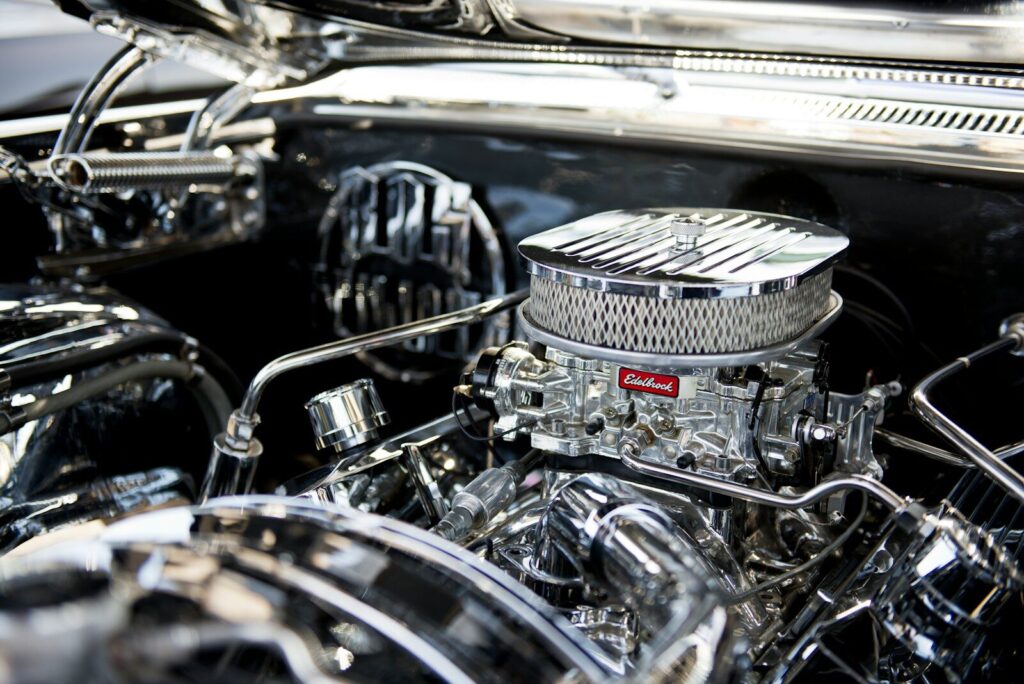
The Motorists’ Top Priority In a world of fast-moving automotive tech, having an internal combustion engine, when supported with care, that is capable of passing the 200,000-300,000 and even 400,000-mile mark without falling apart is a major selling point. A car’s doors, suspension bits and pieces and cabin trim may all age or need replacing at some point, but the car’s engine is often at the core of its value and personality. The best engines offer owners smooth operation and tolerable repairs, so they can have more years behind the wheel.
Great engines don’t happen by accident. They tend to result from conservative design, hard-wearing materials, quality manufacturing and maintenance over a vehicle’s life. To run for hundreds of thousands of miles, cylinder heads, valve-trains, piston-rings, gaskets and seals all need to wear harmoniously and handle engines that may operate at pressure, temperature and revs that push their limits. These 10 engines have a reputation for durability and longevity, whether they’re heavy-duty V8s, old-school diesels or four-cylinder petrol commuters.
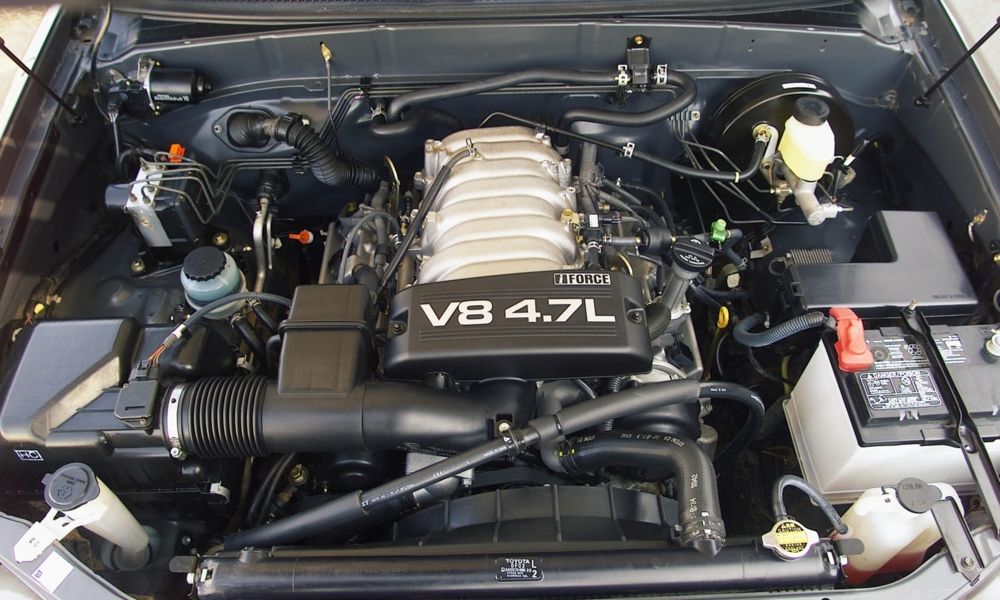
1. Toyota 2UZ-FE 4.7L V8
Commonly known as a rugged work horse, Toyota’s 2UZ-FE 4.7-liter V8 provides plenty of rugged capability over time. Between 1998 and 2011, the Land Cruiser, Sequoia, and Tundra offered a powerplant that was governed by a cast-iron cylinder block and a somewhat tame configuration. Models ranged from around 228 horsepower to around 271 horsepower; however, rather than trying to produce the king of engines, Toyota simply wanted a reliable source of power for large SUVs and pickup trucks. The timing belt system on the 2UZ-FE V8 is in need of scheduled service and replacement, but follow that service schedule and you shouldn’t have any issues.
Why the Toyota 2UZ-FE Stands Out:
- Strong cast-iron cylinder block
- Used in rugged Toyota vehicles
- Output of 228–271 horsepower
- Designed for sustained heavy-duty use
- Timing belt requires scheduled replacement
The 2UZ-FE became synonymous with its huge, heavy build and the fact it was able to live on the edge of reliability for routine use without being regularly hammered. These features recommended it for use in tow vehicles, long haul applications and on punishing roads. Exemplars with high mileage highlight its possible life, if the owner maintains the cooling system, keeps the fluids changed regularly and responds to minor issues before they turn into major failures. Every engine suffers wear but the 2UZ-FE is a good example of Toyota’s focus on mechanical strength.
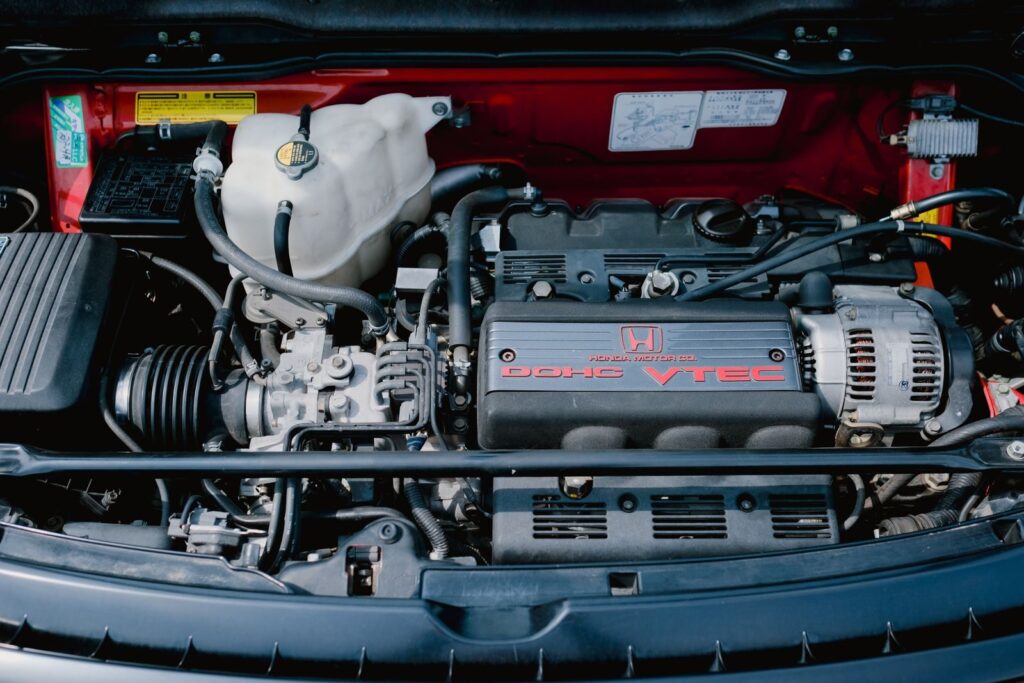
2. Honda K20/K24 Series
Honda’s K-series engines have been used in a variety of Honda models and applications since 2001, when the engine first made its debut in the Civic Si, Accord, and CR-V. These naturally aspirated four-cylinder engines are available in 2.0-and 2.4-liter variants, and strike a good balance between relatively responsive performance and everyday usability. Depending on the specific application and vehicle, they produce roughly 150-220 horsepower, and are noted for their robust internal components, VTEC valve control system, and broad aftermarket support. This versatility and reliability makes the Honda K-series one of Honda’s most recognizable modern engine families.
Key Strengths of Honda’s K-Series:
- Available in 2.0L and 2.4L
- Produces up to 220 horsepower
- Features Honda VTEC technology
- Balances performance and fuel efficiency
- Benefits from widespread parts support
The K20 and K24 models show that longevity isn’t necessarily about big engines or a sophisticated arrangement. Their design supports decently powered driving and decent daily driving while also being able to handle the long haul. Regular oil and filter changes, ensuring sufficient oil and coolant levels, and keeping an eye on the cooling system and replacement schedules will be much appreciated, the latter particularly since parts support is so vast and the right buyer base is very well-informed about routine servicing. Properly serviced and cared for, these engines will undoubtedly outlast many runs of the average commuter engine.
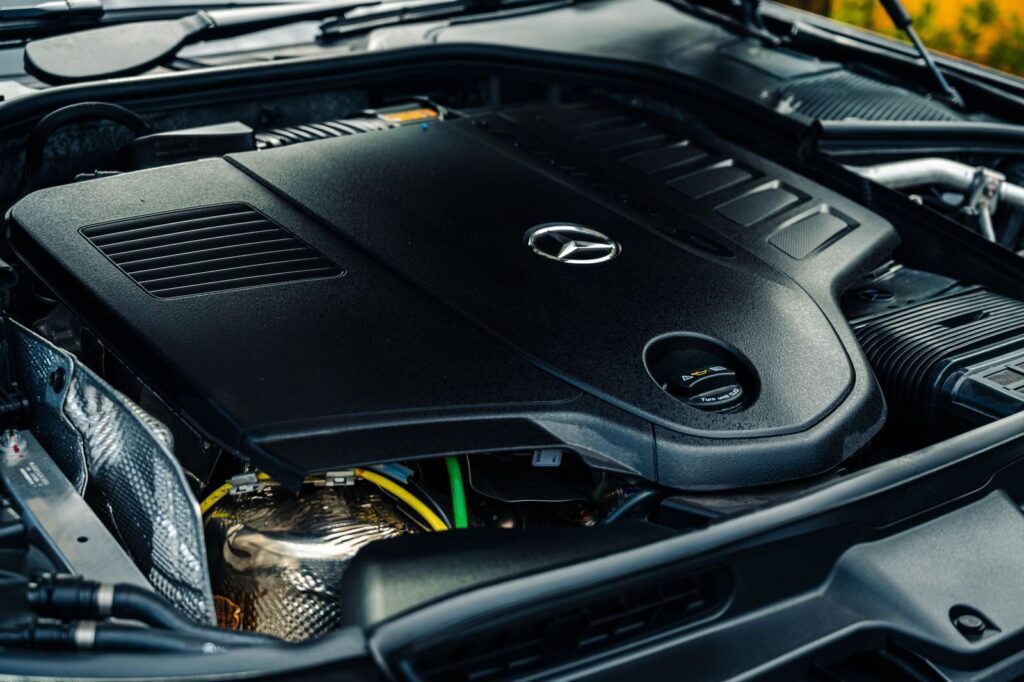
3. Mercedes-Benz OM617 3.0L Diesel
Mercedes-Benz OM617 Engine Overview By period, the Mercedes-Benz OM617 engine was a 5-cylinder 3.0-liter engine manufactured from the late 70s to the early 80s up to the period of 1978 to 1985. The final power figures weren’t great for today’s standards, spanning from 77 to 123 hp depending on the version. The “OM” in the name indicates that the engine was considered as durable, rather than high performance, and the cast-iron engine body combined with a fairly simple mechanical design meant that it was built to last for years of basic use in Mercedes-Benz vehicles.
What Makes the OM617 Remarkable:
- Five-cylinder diesel configuration
- Displacement of approximately 3.0 liters
- Modest output focused on durability
- Heavy-duty cast-iron construction
- Comparatively simple mechanical systems
Where the OM617 gets its legacy its simple design and a more measured approach to power application. While newer diesels are heavily reliant on complex electronic control systems and computer modules, this old diesel has a different, more mechanical way of approaching many functions. That simplicity can be a blessing for capable technicians, though age and wear still factor into performance. Many owners have accumulated jaw-dropping mileage records to back up the reputation: one million miles isn’t outside the realm of possibility, though they’ve been known to be quite rare. Nonetheless, they go a long way toward explaining the hype.
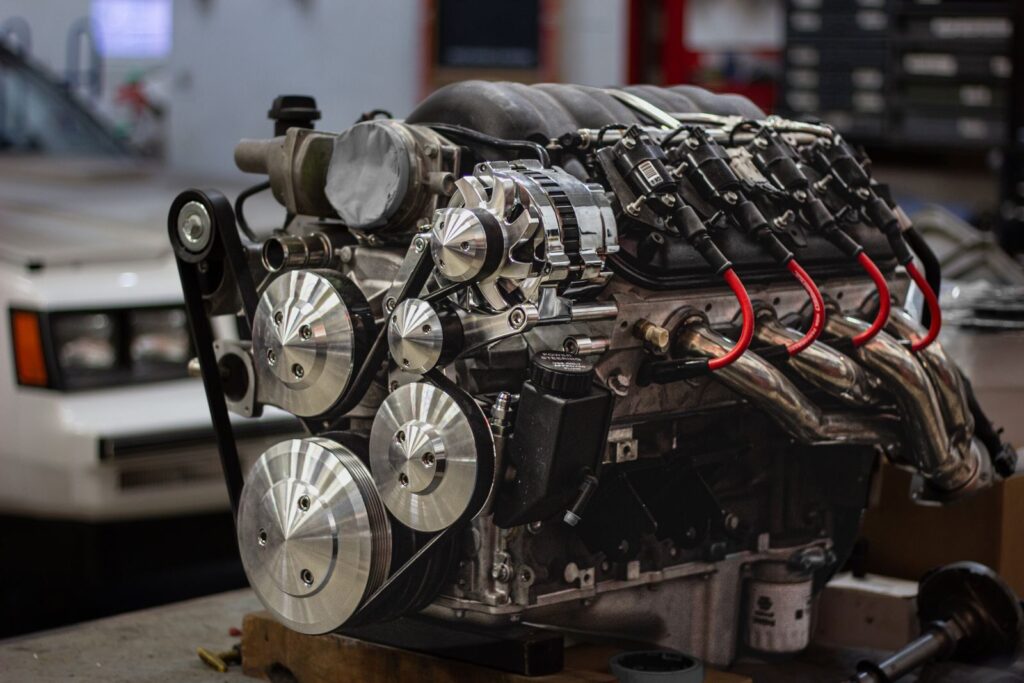
4. GM LS V8 Series
In 1997, General Motors launched the LS small-block family of V8 engines, which became a well-respected engine design and platform, renowned for its performance, small packaging, and robust design. Displacements across the entire family range from around 5.3 liters to more than 7.0 liters, with variations of around 270 to over 505 horsepower in the versions shown here. The pushrod valve-train keeps the overall engine package relatively simple, while its widespread use in multiple vehicles has led to excellent parts availability and a wealth of servicing knowledge available. The LS1 and LS3 engines are among the most popular with performance car owners and enthusiasts who want a reliable, flexible V8.
Why the GM LS Family Remains Popular:
- Pushrod V8 design architecture
- Multiple displacement options available
- Strong aftermarket parts availability
- Power output across varied applications
- Suitable for performance and daily use
The LS family’s appeal is more than just engine speed. The architecture lends itself to many different kinds of vehicle, and parts, experts, and servicing spare you some of the headaches in ownership. Proper lubrication, oil changes, radiator maintenance, and watchful eyes on leaks help keep the engine happy as the miles tick on. Specific models have specific needs and maintenance to consider, and the reliability of the LS family will vary by engine and its owner, but among traditionalists who desire V8 you’ll find a lot of happy drivers.
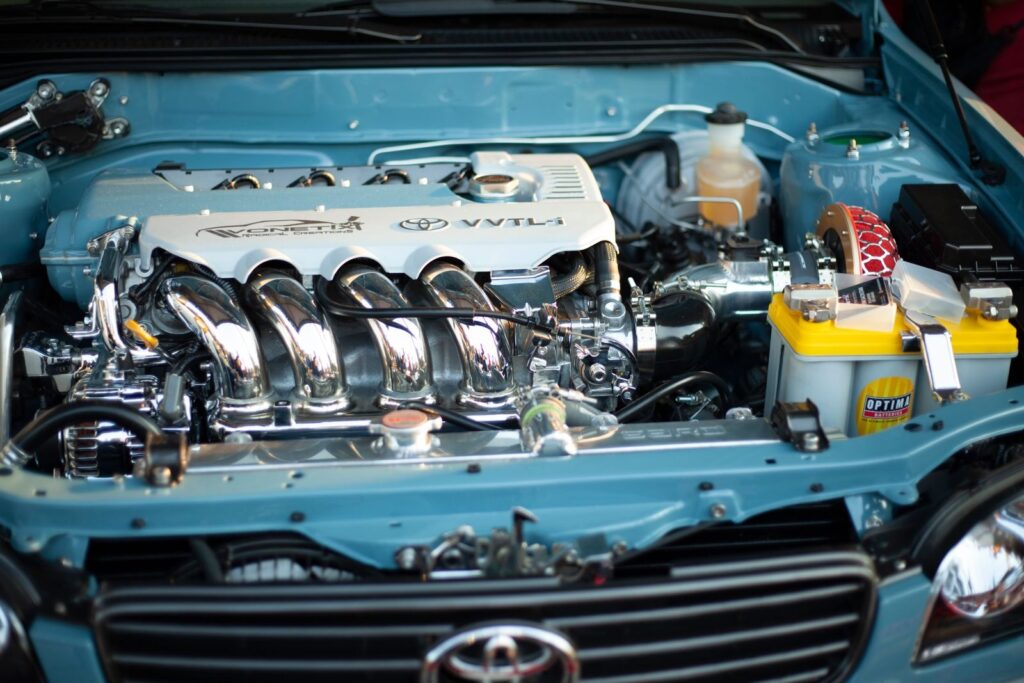
5. Toyota 1ZZ-FE 1.8L
The small all-aluminum 1.8-liter 1ZZ-FE-inline four powered Toyota’s compact models such as the Corolla, Celica and Matrix, from the late 1990s into the 2000s. Deliveries were in the vicinity of 120-140 horsepower, depending on the application. The engine’s aluminum cylinder block keeps it relatively light in weight, while a scheduled timing-belt system (which other engines of its era may have used) is replaced by a timing chain. The 1ZZ-FE was intended for everyday, practical use providing performance that was acceptable, operating costs that were reasonable, and all the benefits of being easily installed in a compact passenger car; it may not be a big V8, but it’s a reliable tool for getting from A to B.
Everyday Strengths of the 1ZZ-FE:
- Compact 1.8-liter inline-four design
- Approximately 120–140 horsepower
- Aluminum cylinder block construction
- Timing chain drive system
- Designed for practical daily driving
This is how a relatively small engine may bring added appeal in the long term. And while its relatively modest 1.8-litre capacity makes the 1ZZ-FE more than capable of handling the daily grind, extended commutes or long-distance motorway runs without the need for a high-performance powertrain, this was one 1.8-litre that sometimes gained a reputation for oil-consumption problems, so not every example is entirely trouble-free. An oil-check once in a while and a maintenance schedule fitted to an older engine’s needs is sure to make any 1ZZ-FE an even more reliable companion for many years to come.
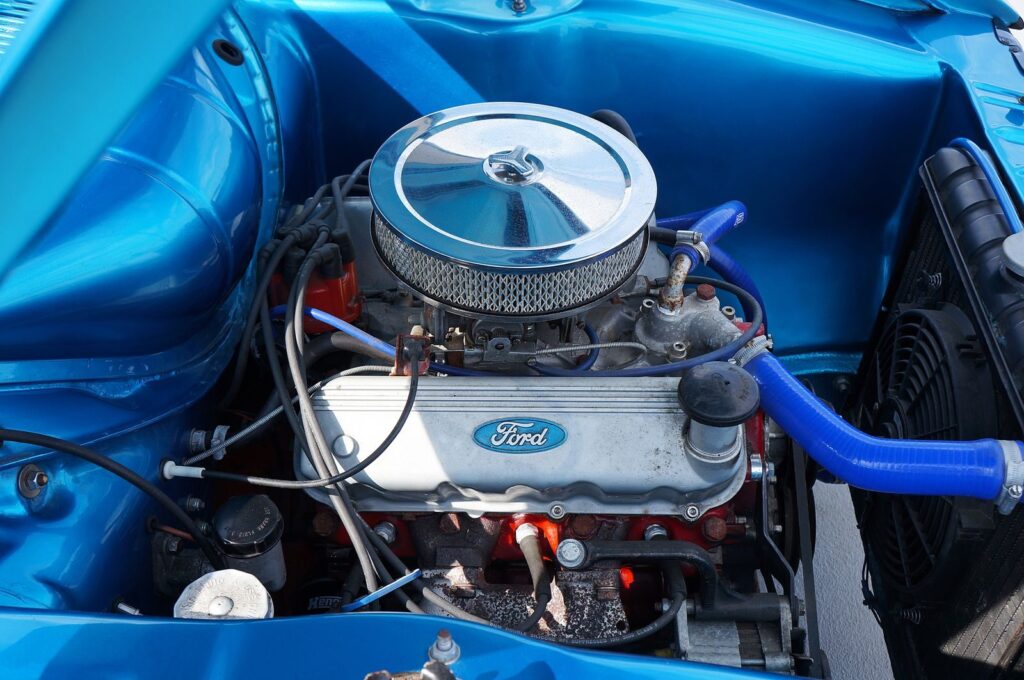
6. Ford 4.9L Inline-6
The BOB, the 4.9-liter (300 cubic inch) inline-six was used to power the F-Series pickup trucks from 1965 to 1996. The BOB produced from about 105 to 150 horsepower, but it didn’t produce power through high engine speeds. Instead it was built for running at the lower rpm range in applications that demanded hauling, towing, and everyday use. A heavy cast-iron block and head with a fairly simple mechanical layout made the BOB engine a trusty performer for trucks across North America and the lengthy run of time makes it a common repair for many mechanics.
Why Ford’s 300 Inline-6 Earned Its Reputation:
- 4.9-liter inline-six configuration
- Used in Ford F-Series trucks
- Strong low-speed torque delivery
- Heavy-duty cast-iron construction
- Straightforward servicing and repairs
The best thing about the Ford 300 is that it is not designed for high-rev performance, but instead is aimed at working a low-revving power band. Its torque at very low speeds makes it very well adapted to the needs of even older pickup trucks, and its less-complex design can potentially allow much easier maintenance. The engine still requires regular oil changes and cooling-system maintenance and, as the engine ages, requires ignition and fuel-system servicing, as well. Failure to do so can impact engine lifespan just as it can with any other power source, but under correct service the 300 Inline-6 has been known to get years of punishing use behind it, often longer than the truck’s body or other major components will last.
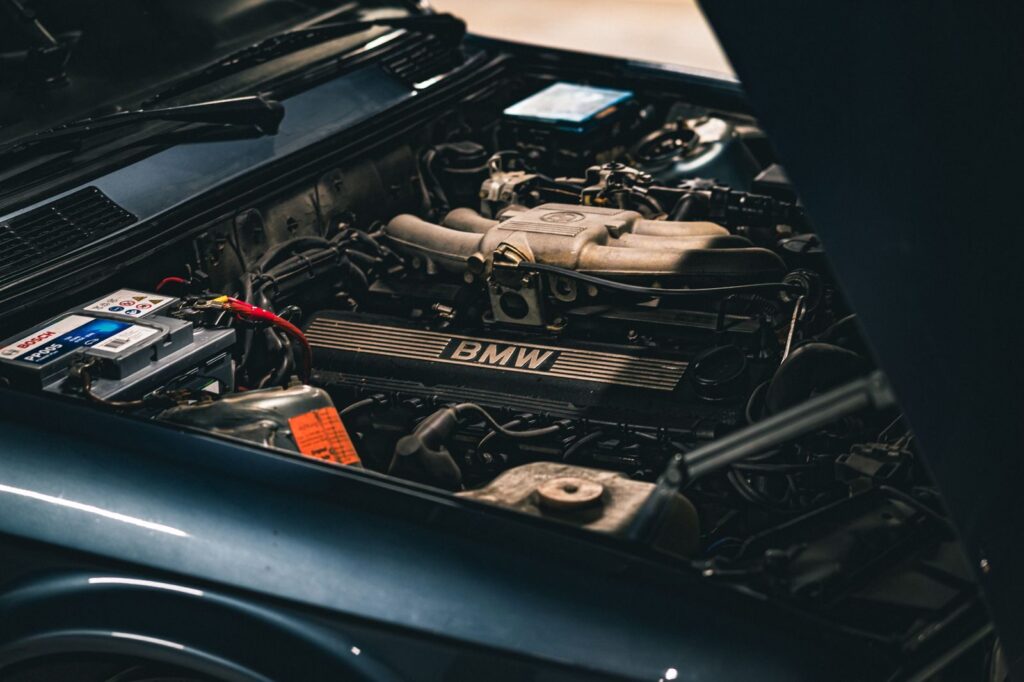
7. BMW M54 Inline Six
The M54 was designed by BMW from 2000 to 2006 as a naturally aspirated, inline 6-cylinder that delivers a smooth power curve and responsive performance. This naturally aspirated engine was produced in the E46 3 Series, Z3 and X5, producing varying displacements and power outputs depending on the application. The 2.5-liter M54 produces about 184 hp, while others range up to 225 hp. The inline engine design provides a balanced power flow for those who want a refined experience while still getting a hit of the power. It is a standard name for the BMW line-up through that era, where all of the engines are naturally aspirated inline sixes.
M54 Engine Characteristics:
- Naturally aspirated inline-six design
- Produced from 2000 to 2006
- Smooth and balanced power delivery
- Used across several BMW models
- Rewards consistent preventive maintenance
Much of the M54’s ultimate reliability will be determined by the conscientious maintenance of the supporting systems, in particular oil changes. Cooling system parts especially need to be replaced proactively as the cars get older, to help prevent overheating that could lead to costly engine damage. Check for leaks and other aging issues that are common to the M54, which needs to be taken with a grain of salt and not blindly trusted to run trouble free thanks to the reputation of BMW motors. With due diligence, the M54 can be expected to last and keep pace with the euphonious, responsive qualities that helped make the BMW I6 famous.
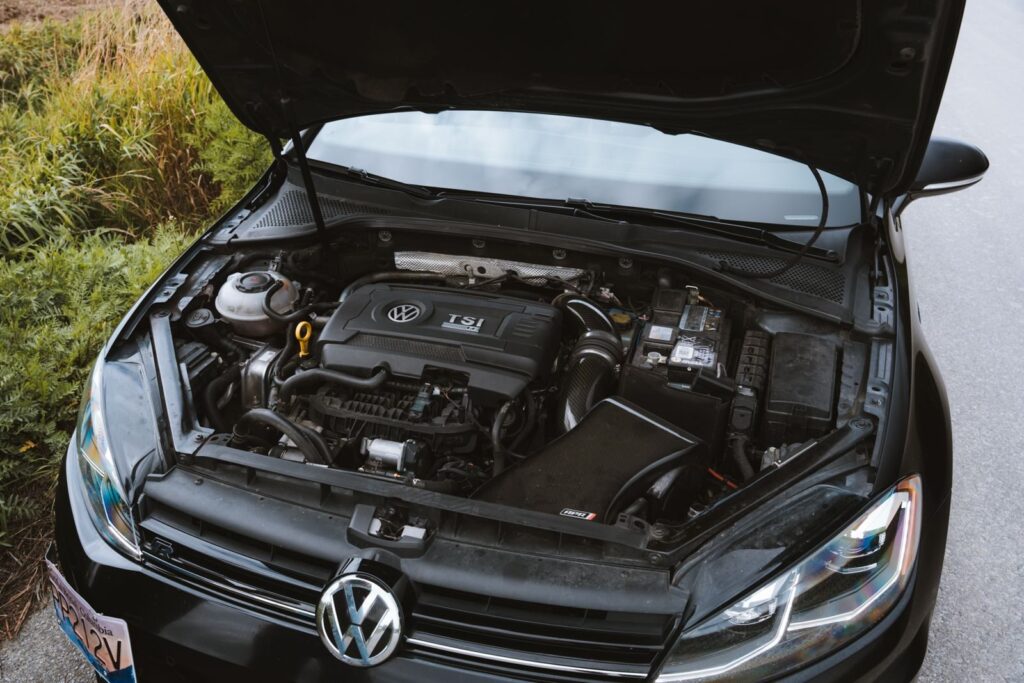
8. Volkswagen 1.9L TDI (ALH)
Released from 1999 to 2006, the VW 1.9-liter ALH TDI diesel engine gained popularity among dieselphiles in Europe and North America. Designed to be both practical and reliable, the engine produced between 90 and 110 horsepower depending on application and emphasized low-end power and fuel economy. Practical and efficient, the size of this engine and proven mechanical design brought a loyal following to owners seeking lower-cost, durable transportation over time. With extensive owner experience and some technical knowledge of maintenance, communities such as TDIClub have chronicled the longevity of these engines that can surpass high miles and still have a way with consumers.
Why the ALH TDI Is Highly Regarded:
- Compact 1.9-liter diesel engine
- Approximately 90–110 horsepower
- Designed for strong fuel economy
- Large and knowledgeable owner community
- Known for high-mileage potential
The ALH is valued because it is an economical, (relatively) easy-to-service motor that has well-established mechanics and vast communities of aficionados. If an owner chooses to follow maintenance recommendations, and to be cautious about timing-belt replacement, proper lubrication, fuel system quality, and cooling needs, then an engine can reach impressive high-mileages. Like all older-model diesels, the car engine can encounter problems as it ages and no amount of luck or hope can substitute for regular maintenance. Though some have reportedly reached one million miles, that does not necessarily mean that a motor will go that distance without significant service or repair work.
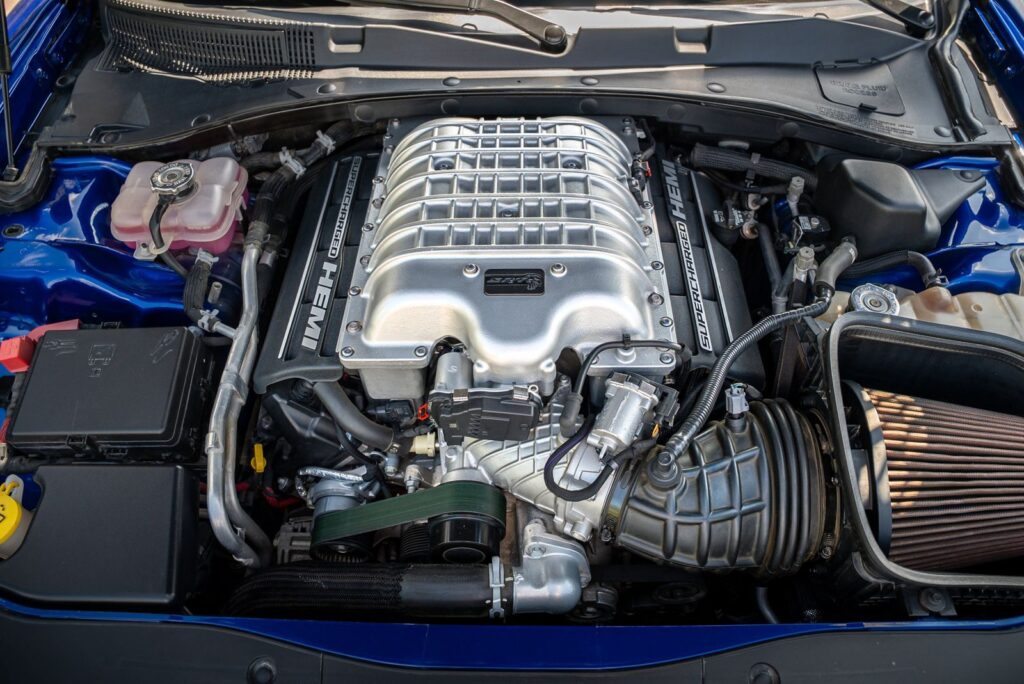
9. Chrysler 3.6L Pentastar V6
Chrysler’s 3.6-liter Pentastar V6 engine was introduced in 2011 and has seen widespread use in Jeep, Dodge and Chrysler vehicles. Though various tunes have been used to make several different applications more or less powerful, Chrysler has typically rated the engine at about 283 to 305 horsepower, depending on the vehicle. This engine was built as a modern 6-cylinder, intended to strike a solid balance between power, efficiency and packaging in everything from small passenger cars to midsize SUVs, although some early versions had issues with the cylinder heads and oil cooler that somewhat sullied its reputation in those vehicles. Subsequent revisions and ongoing development improved performance and maintained reasonable prices for daily drivers.
Important Pentastar V6 Features:
- 3.6-liter V6 engine configuration
- Approximately 283–305 horsepower
- Used in Jeep and Dodge models
- Early versions had known problem areas
- Later revisions addressed some concerns
The Pentastar demonstrates how an engine family can evolve during its product life from lessons learned through production and engineering refinement. Upgraded parts and re-engineered features can minimize the potential for a repeat experience but not entirely prevent the need for preventive maintenance. Owners need to monitor things like the condition of the oil-cooler, cooling-system performance, strange engine noises, and the particular service intervals for your vehicle’s model year. Later versions can strike a nice balance of everyday performance and practicality if a vehicle is well-maintained. As with any high-volume engine, know which iteration you’re buying and confirm the maintenance history.
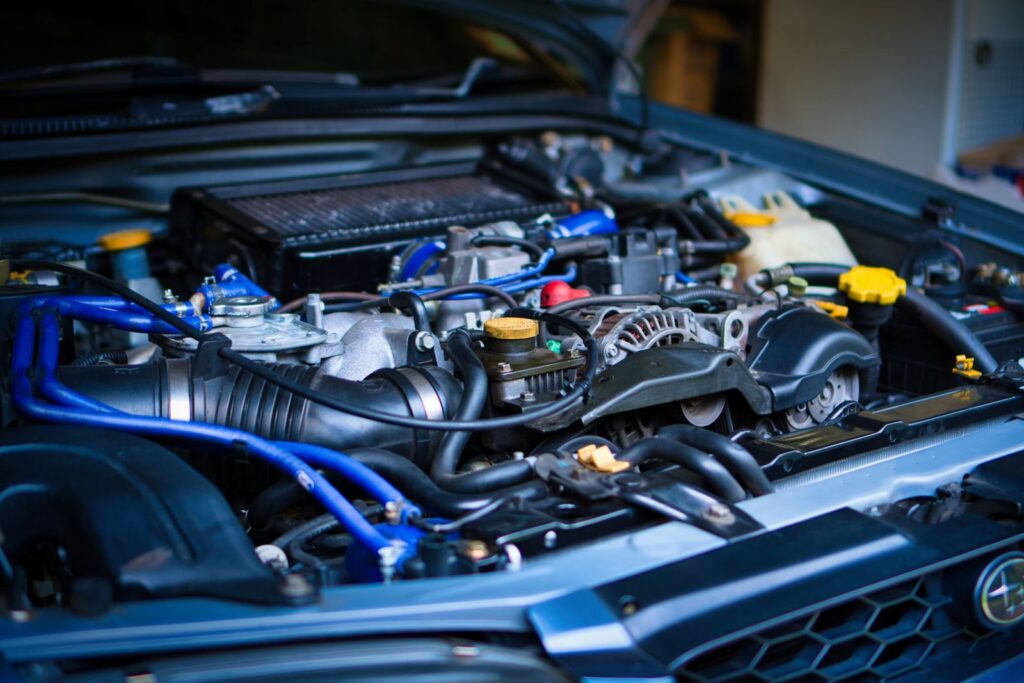
10. Subaru EJ25 (Non-Turbo)
Subaru Naturally Aspirated 2.5-Liter Engine The Subaru EJ25 is a boxer engine that has been produced with naturally aspirated and turbocharged models from 1996 to 2021. The freely aspirating versions produce anywhere from 165 to 175 units of horsepower based on the end use of the power plant, and unlike the turbocharged versions, it can be found in any application with a more casual and less arduous power output. Located in the Boxer position, which has been a Subaru hallmark, this engine has also been found in Subarus used for commuting, rural excursions, or on outdoor pursuits.
Key Features of the Non-Turbo EJ25:
- Naturally aspirated 2.5-liter boxer engine
- Approximately 165–175 horsepower
- Horizontally opposed cylinder layout
- Used in various Subaru models
- Suited to everyday and rural driving
The reputation of the EJ25 needs some qualification, however, as reliability depends to an extent on the engine version, year, and maintenance history. Some versions have head-gasket issues, so do not assume that the naturally aspirated version is exempt from major repairs. An oil-and-cooling system changeover and checking for leaks or overheating are wise during long-term ownership. As long as they are properly maintained, the non-turbo engine provides solid service in conditions demanding versatility from its road surfaces, with real-world power and Subaru’s characteristic boxer engine configuration combining to provide style, substance, and the desire to drive in all weather.


