





The Real Reason Millions of Modern Engines Are Being Recalled
The automotive industry is facing an issue of large-scale engine recalls that far outweighs normal mechanical failures. Millions-in fact, over five million-engines from General Motors, Toyota, Honda, Stellantis, and Hyundai are either under recall or are under a federal investigation in the United States; each of these recalls costs tremendous amounts of repair dollars and further strains the resources of dealers, repair centers, and the entire engineering and manufacturing community.
The more worrying aspect here is that it is not isolated to just one manufacturer, nor one design of engine. Automakers are suffering bearing and crankshaft failure, connecting rods, piston rings and connecting rod bolts are failing all over. Yet, in many instances these differing problems have a link. They lie in part with the very tight engineering tolerances within an internal combustion engine.
In the drive to increase fuel efficiency and power, engines are constructed in a more demanding way. Manufacturers have adopted smaller engines, turbo-charging, thin viscosity oils, and incredibly precise internal clearances. This technology offers fantastic power and economy; however it allows very little margin for error during construction. With such tight tolerances, even minuscule amounts of contamination or defects created during the manufacturing process can cause catastrophic damage that a simpler engine may well have ignored.
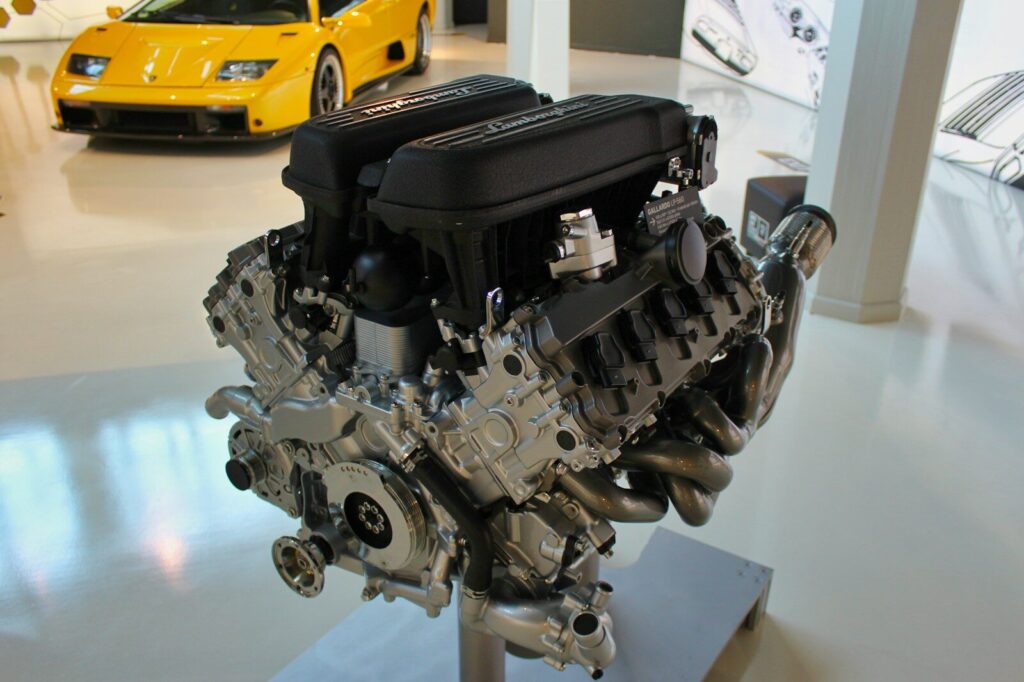
1. Modern Engine Design Leaves Little Room for Error
Focus on improved efficiency of automobiles has evolved and changed modern internal combustion engines. In pursuit of reducing displacement Automakers have been trying for decades while trying not to compromise on expected performance. Small engines can have increased fuel efficiency in specific situations but engineers must substitute displacement on demand for higher performance hence technologies like turbocharging becoming the current standard.
Key Factors Behind Modern Engine Precision:
- Smaller engines demand stronger performance solutions
- Turbocharging helps compensate for displacement
- Low-viscosity oils reduce internal friction
- Precise components leave little tolerance
- Manufacturing mistakes can become severe
This efficiency objective has also trickled down into engine lubrication. While in previous decades motor oil formulations could be higher viscosity oils to handle the internal friction they were combating; modern high-efficiency engines can often run on low-viscosity oils like 0W-16 and 0W-20. Lower friction of internal engine parts may improve manufacturers’ capabilities in their efforts to obtain ever-tighter fuel economy numbers while providing buyers the driving performance of cars from the 21st century.
The flip-side to all of this, though, is that the engines can perform on very fine lubrication clearances. Internal parts are built to extremely close tolerances, and are designed for virtually no fault in them. If a manufacturing process goes exactly as planned and every component is perfect, then you get a highly efficient, high performing engine; on the other hand if a manufacturing problem arises, the precision can take that to a whole new level as well.
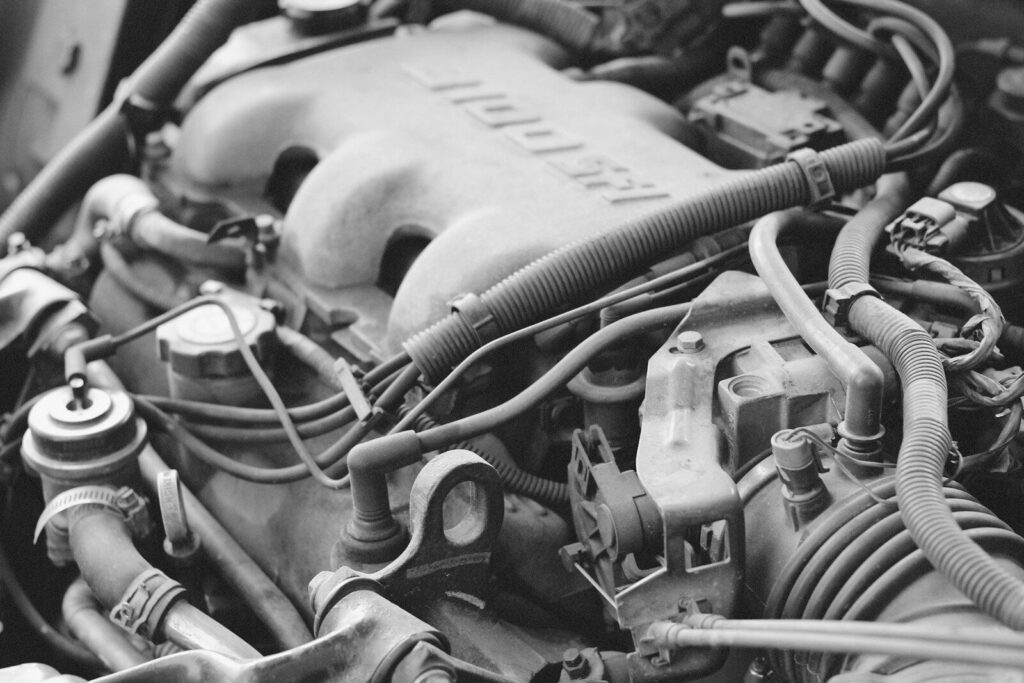
2. Tiny Manufacturing Debris Can Create Major Failures
One of the most common factors leading to a lot of these recalls is that it could have contamination left over from manufacturing. Older engines were often more tolerant of larger clearances between some moving parts, giving some room to leave slight machining imperfections or small amounts of dirt. Modern engines tend to be less lenient in this respect, since there may be only minute clearances between the components.
How Small Debris Creates Serious Problems:
- Manufacturing debris can enter lubrication systems
- Modern engines have extremely tight clearances
- Metal chips can obstruct oil supply
- Bearings may experience premature internal wear
- Quality control becomes especially important
Machining chips, metal shavings, and the like pose hazards when introduced to an engine’s lubrication system. Rather than merely passing through harmlessly, such pieces may prevent sufficient lubrication from reaching parts requiring it in large quantities. The bearings and heavily stressed components can prematurely wear.
This makes quality control especially critical in modern engine manufacturing. A small bit of machining scrap, on its own a minor item, inside a precise engine may be the agent of much internal damage. These recent recalls indicate what can become, from a manufacturing standpoint, a major issue as it unfolds from a small defect to a mass market defect.
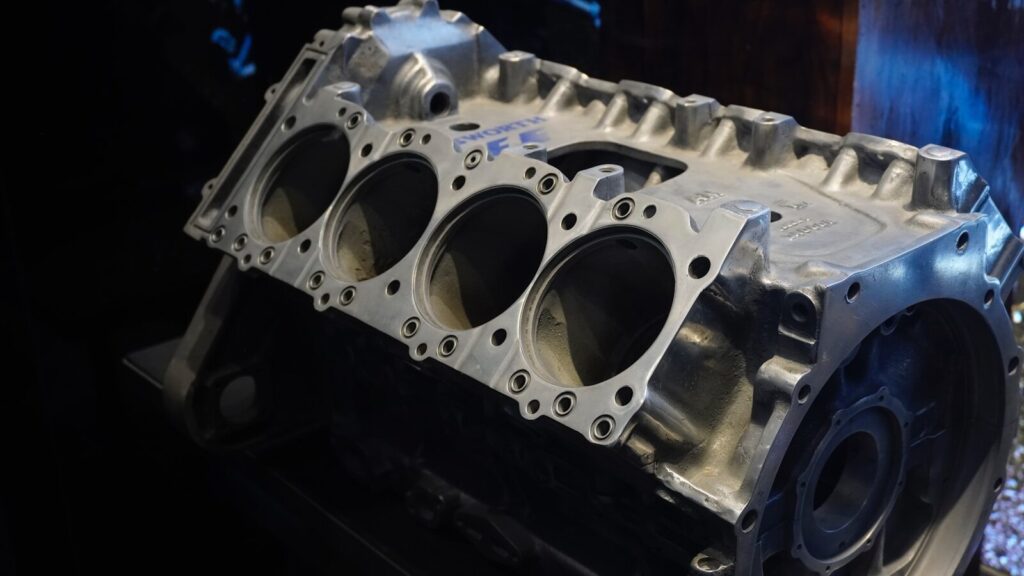
3. GM’s 6.2-Liter V8 Recall Shows the Cost
Perhaps the most noticeable case of this problem has to do with General Motors and its 6.2-liter V8 engines, for which the manufacturer is recalling about 721,000 motors following a study that found, among other things, bearing wear, crankshaft defects, and metal swarf within the lubrication channels of the motors, and metal swarf consists of microscopic slivers and filings created while cutting metal.
Major Costs From GM’s V8 Recall:
- Approximately 721,000 engines were recalled
- Bearing wear created serious concerns
- Crankshaft defects affected engine reliability
- Metal swarf contaminated lubrication passages
- Engine replacements require extensive labor
This magnitude, and especially the amount of labor needed, has become somewhat of a revelation, since the task itself of replacing just one of these engines takes as many as eighteen hours and thus represents a substantial workload both for dealerships and service facilities, also affecting the amount of time a customer may have their vehicle tied up in the service centers. GM themselves have spent over $1 billion fixing this problem for customers who were affected; it is clear the situation is costly, and that work is certainly abundant.
What is described is a case study on the cost of a manufacturing error, at scale. The initial problem, say a very small bit of pollution or one bad part could eventually result in hundreds of thousands of cars being refitted. To accomplish this you need engineers, mechanics, parts, transportation, dealer space, money, etc. As problems like this grow-and quickly!-the costs just continue to escalate.
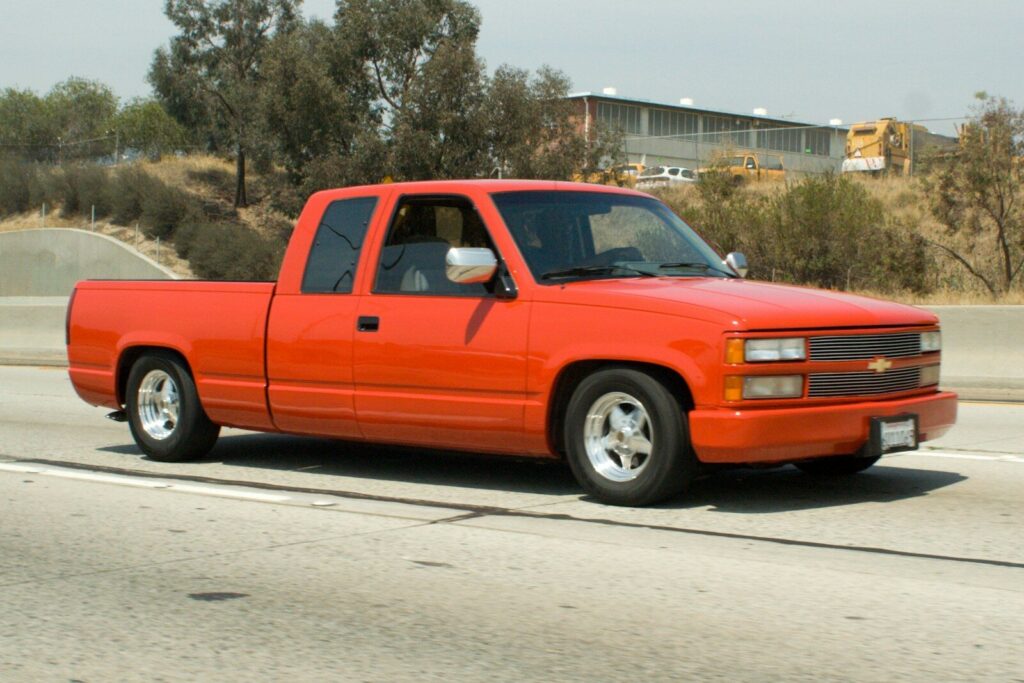
4. Another GM V8 Recall Adds to the Pressure
GM also recalled 600,000 additional L87 V8-powered full size pickup trucks and SUVs for manufacturing process defects. This defect could result in the failure of the engine while the vehicle is running. Such failure could result in a loss of propulsion while the vehicle is in motion, making this a rather critical safety concern for drivers. A loss of propulsion in traffic may not leave you much time in which to react.
Vehicles Included in GM’s Second Recall:
- More than 600,000 vehicles affected
- L87 V8 engines contain manufacturing defects
- Engine failure could cause propulsion loss
- Major trucks and SUVs are included
- Legal concerns have also emerged
Some of GM’s flagship vehicles appear to be affected as part of the recalls. The 2021-2024 Cadillac Escalade and Chevrolet Silverado 1500 and GMC Yukon are all involved. These are integral models in GM’s full-size truck and SUV line and a vital piece to GM’s business model; thus many customers are likely to own models subject to this recall. Their involvement is indicative of a wide ranging problem.
Meanwhile the issue has escalated further, crossing the boundary from engineering recall to the courtroom. In February, a class-action suit was filed against GM stating that although engineers knew about the faulty engine years ago, customers were not properly informed of the issue. Even if that is eventually proven not to be the case, the debate highlights that it takes much longer for mechanical failure to affect consumer trust in a maker-sometimes by many years.
5. Toyota’s Reliability Reputation Faces a Tough Test
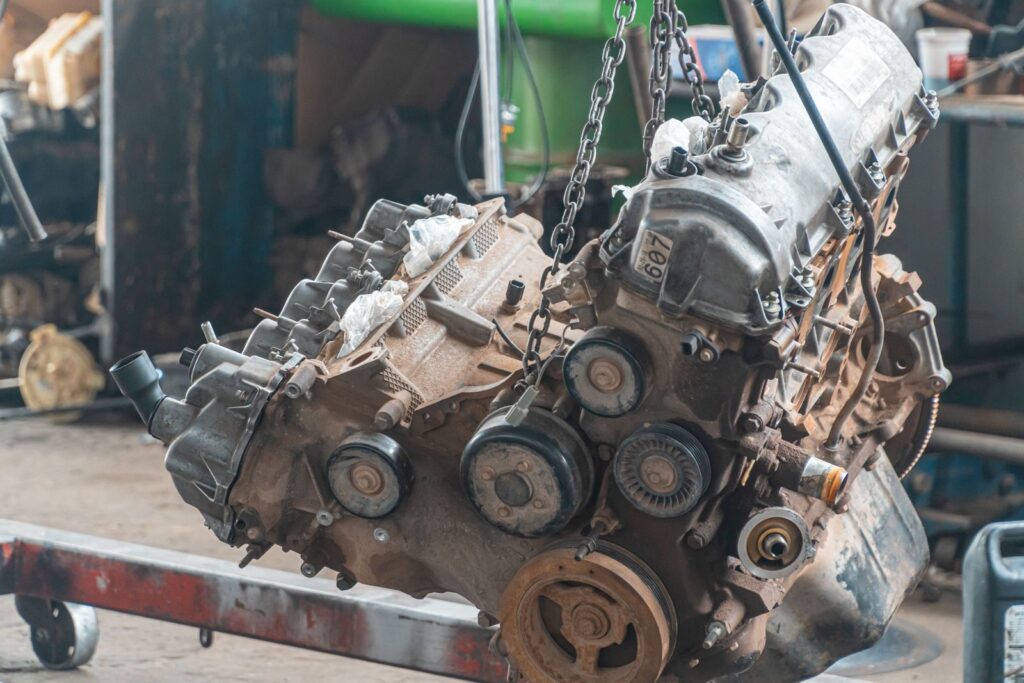
Although Toyota has gained recognition throughout the years for reliability, the automaker has also been troubled by significant engine defects. There are more than 102,000 V35A twin-turbo V6 engines that have been recalled following discoveries by researchers that machining debris can contaminate engine crankcases in this particular engine, leading to severe potential mechanical issues. Affected engines are primarily sold in the Toyota Tundra pickup. It would likely seem like an extreme situation to have to take that many engines off the road.
Toyota’s Expanding V35A Engine Recall:
- More than 102,000 engines initially recalled
- Machining debris contaminated affected crankcases
- V35A engines power Tundra pickups
- Another 127,000 engines were added
- Total affected vehicles exceeded 229,000
When Toyota decided to expand the recalls to another 127,000 engines-the total affected reached over 229,000 engines. This proved that the possible manufacturing problem was further reaching than anyone thought and how continued inquiry could lead to identification of further engines even after the recall notice had been issued. These factors add considerable impetus to the safety campaign.
It is beneficial that Toyota is the victim because it proves that you can’t override a manufacturing risk simply with a solid image. Every manufacturer producing reliable vehicles needs to manage the process of building thousands of intricate parts with immense precision. If an anomaly in production is not detected then the potential reach is vast.
6. Honda and Stellantis Face Their Own Engine Problems
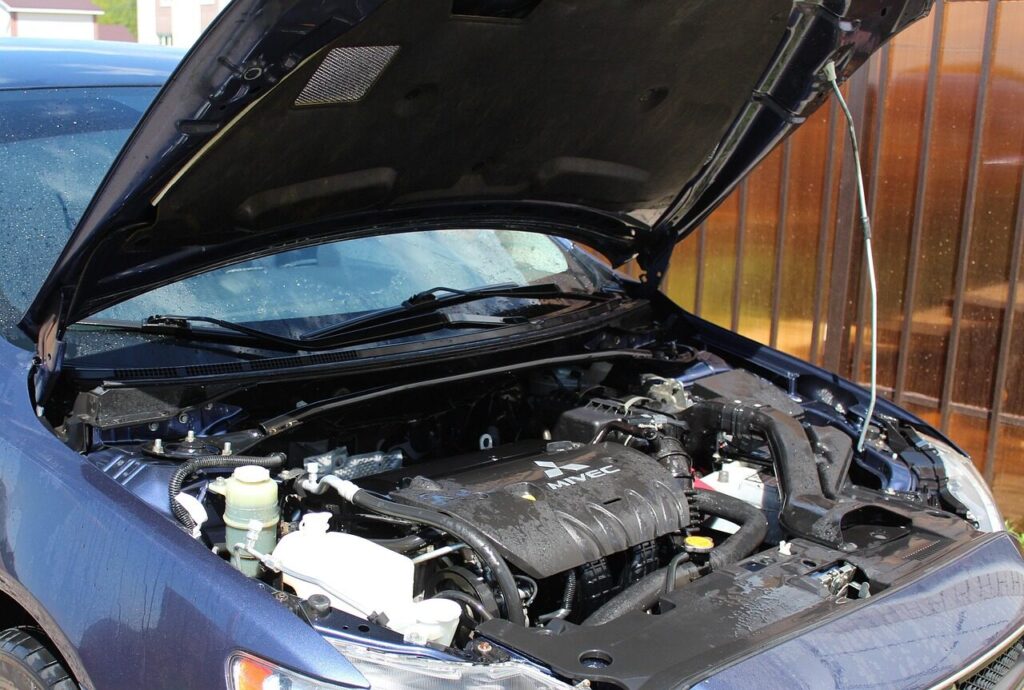
Additionally, Honda is addressing a large engine recall on approximately 250,000 V6 engines. This issue involves engine bearings and connecting rods that are part of highly stressed engines. Bearings and connecting rods depend on good lubrication to operate correctly and remain undamaged under the duress of a mechanically intensive environment. Internal tolerances and delivery of lubricant are issues that these parts are susceptible to and may impact engine life and performance.
Engine Issues Affect Multiple Automakers:
- Honda recalled nearly 250,000 V6 engines
- Bearings and rods face heavy stress
- Poor lubrication can accelerate component wear
- Continued damage may cause engine seizure
- Stellantis recalled turbocharged four-cylinder engines
Bad bearings or a connecting rod are not serious as they may continue to get worse. Over time this may add excess wear to other engine parts and can lead to total failure where the engine ceases itself to failure. If the engine has failure while it is driving the vehicle could run out of acceleration (on the highway, on going uphill etc) at any time the consequences could be severe.
Another, though associated, manufacturing issue has affected Stellantis with 112,589 turbocharged four-cylinder engines. Stellantis stated they would need to recall the engines produced with sand residue on them from the production process and casing process. Sand, though seeming harmless, is devastating inside the sensitive components of a running engine.
7. Hyundai’s Recall Highlights the Scale of the Problem
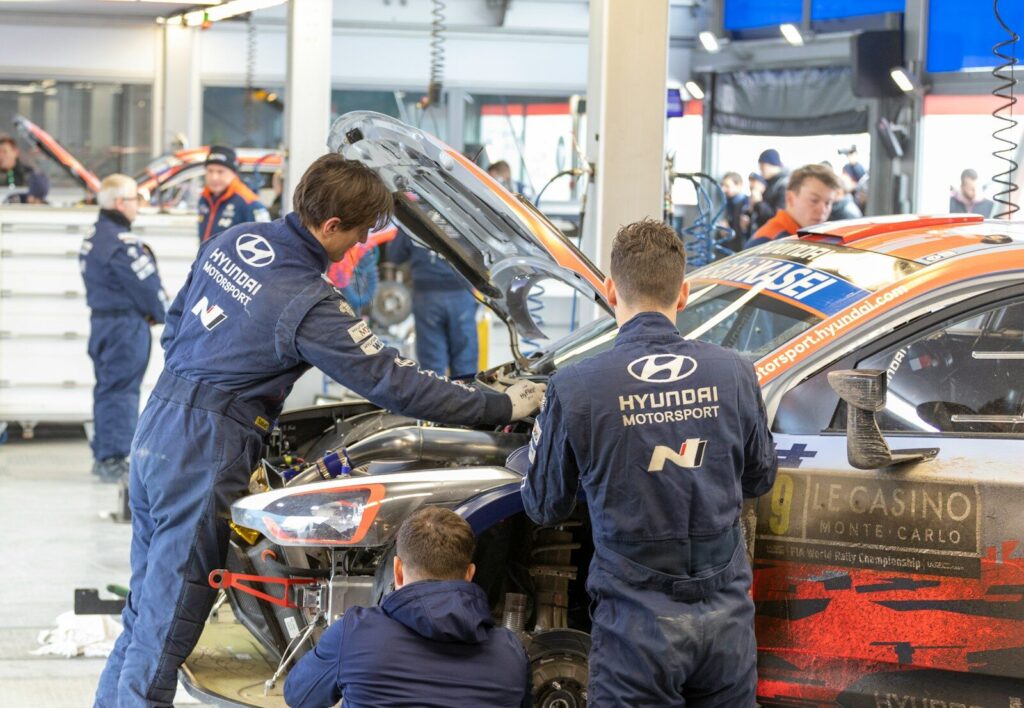
With the case of Hyundai, their recalls span 3.3 million engines with potential costs to be over $5 billion. The problems stated were metal debris within engines, poorly made rod bolts and incorrectly put piston rings. These mechanical parts that are affected are within the heart of the engine and in one of these cases it resulted in major engine failure. Given the nature of the defects, it made this recall one of the most widespread and most costly engine recall mentioned in the text.
Hyundai Faces Billions In Recall Costs:
- Approximately 3.3 million engines involved
- Expected costs exceed five billion dollars
- Metal debris affected engine components
- Defective rod bolts created concerns
- Improper piston rings added risks
The role each of these parts has been described, it is each of these roles that are crucial in the engine functioning. Connecting rods secure the most critical connecting members of the engine and piston rings retain the gases to ensure combustion is held and the amount of oil entering the combustion process is regulated. So each problem within any one of the manufacturing/ assembly aspects could damage the life of the engine severely.
What Hyundai has faced reflects the tremendous challenge of managing a colossal factory with undeviating quality control. An operation building millions of engines goes through literally millions of process-machining, casting, assembly, testing, transport. One bad assembly of one engine can result in a customer’s car breaking down. The sheer size of the Hyundai recall explains why the problems become so expensive in a matter of billions.
8. The Financial Damage Extends Beyond Repairs
The financial cost of all these failures are huge, the amount stated within this article suggesting that a total loss of greater than $8 billion for manufacturers. This is not just based on a cost per engine replacement/repair issue as such as this sum more relates to the total cost of fixing each problem as it occurs across a large proportion of vehicles. As well as engine replacement and repair costs they may also incur costs for inspection, customer support and recall.
Recall Costs Go Beyond Engine Replacement:
- Combined manufacturer impact exceeds eight billion
- Dealerships must manage repair logistics
- Technician schedules can create backlogs
- Owners may lose vehicle access
- Consumer confidence can suffer significantly
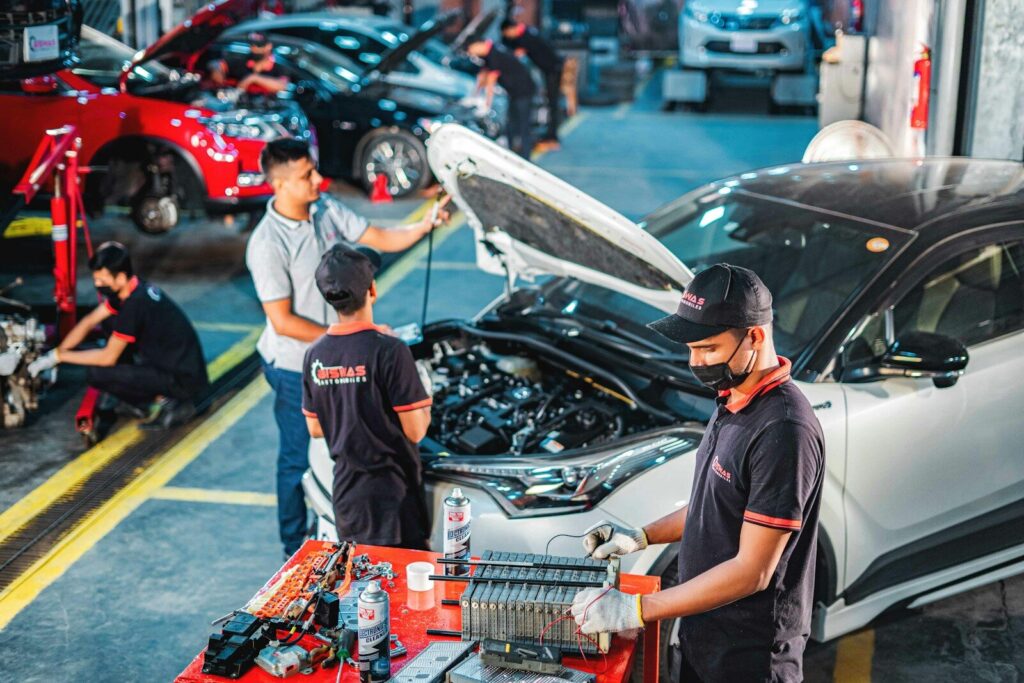
Dealerships also carry out checks, procure parts, schedule technician’s diary, communicate with owners and are the location where vehicles are kept during repair. As service departments struggle to catch up, the engine replacement would naturally require a large amount of labour and subsequently the owner is deprived of their car for an unreasonable amount of time.
Damage to the consumer’s faith may be even more difficult to quantify. Most drivers buy cars assuming major engine trouble won’t happen to them, especially with major manufacturers known for their reliability. But when widespread recalls on vital engine components surface, not just that particular engine, but the entire vehicle’s production quality can be viewed in a negative light.

9. Engine Problems Are Part of a Larger Recall Wave
Whileengine recallsare a real problem receiving significant attention; they are not the only reason cars are being brought back. Recalls cover issues beyond the engines with millions of vehicles recalled for software problems, instrument panel failures, safety equipment issues and more. These issues span a great range as well; some are just glitches, while others relate to critical safety components in cars. The array of recall items show that vehicle safety concerns are not just limited to mechanics failing.
Modern Recalls Include Many Other Defects:
- Software problems affect vehicle functions
- Instrument-panel failures can hide information
- Safety equipment defects create concerns
- Ford issued numerous recall campaigns
- Millions of vehicles faced different issues
For instance, Ford had already issued a total of 143 individual recall campaigns mid-December, for the year this article is talking about. The total of 1,448,655 Ford and Lincoln automobiles was affected by one large recall campaign that affected the camera display in reverse. This software defect was “capable of showing a fragmented, intermittent, or blank image”, which ultimately hinders the vision behind the car when backing up. Though not engine- related like the previous software flaw previously mentioned, it still presents a significant safety flaw that can, or may, damage an automobile greatly.
Toyota also recalled 591,000+ of its vehicles due to an instrument-panel issue where certain critical information, like the vehicle’s speed, may not display properly. Hyundai has initiated a recall of 568,580 of their 2020-2025 Palisades due to the possibility of an incorrectly installed seat-belt buckle assembly. While these examples highlight a new era of car recalls that seem to be tied both to mechanical elements and sophisticated computer software, many traditional reasons for recalls persist.

10. What These Recalls Mean for Drivers
Recalls are given because manufacturers are offered the chance to rectify safety issues before it has more severe consequences. For drivers this security only exists if recall notices are treated seriously; an engine- related recall must never be treated like any other paperwork, as failures may occur-the car would fail to proceed; stalled motor would lack power or other dangerous circumstances would occur.
Steps Drivers Should Take After Recalls:
- Check whether your vehicle is affected
- Arrange recall repairs as quickly
- Treat engine recalls as safety concerns
- Use NHTSA’s vehicle search tools
- Authorized dealers provide recall repairs
Owners should visit to verify if their cars are subject to the recall and have the defects repaired promptly after receiving recall notification. Vehicle year, make, model and VIN can be utilized as search elements on the National Highway Traffic Safety Administration’s website. The recalls must be repaired by an authorized dealer at no charge to the owner.
But equally clear is the larger lesson that the automakers should take. Modern engines produce incredible amounts of horsepower, efficient fuel economy and great power on demanding roads due to the ultimate level of perfection to which manufacturing has reached. That perfection, however, provides virtually no latitude for contaminants and/or human error when the parts come together, and it is engineering perfected which will drive not just the engine of the future, but its continued reliability. But for us car drivers, being aware of a recall notice is as simple a measure to take to ensure our safety, and the safety of those around us, as any other.