








Unpacking the High-Performance L78 396 Option in Chevrolet Chevelle SS History
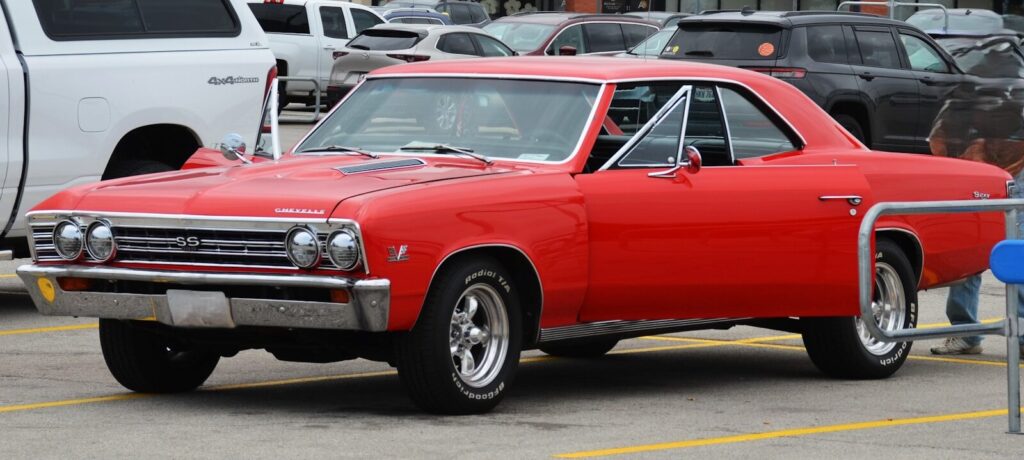
Chevrolet Chevelle SS When the Chevelle SS was introduced in 1964, it became a serious contender in the emerging muscle car market in America. Using the 115-inch wheelbase on the A-body platform and offering uncompromising styling, formidable V8 engines and an accessible price point, the Chevelle became an icon. The Super Sport was not a distinct vehicle in its day but a performance package that could be added to the Malibu or Chevelle 300 along with heavier-duty suspension components, special SS emblems, optional features such as a hood-mounted tech and access to more powerful Chevrolet engines.
With the muscle car rivalry heating up in the late ’60s, Chevrolet had to race against GM’s internal guidelines. Known as the Gentleman’s Agreement, GM’s mid-sized cars couldn’t be equipped with engines bigger than 400 ci. It was a tough pill to swallow for Chevrolet, at a time when shoppers were hungry for street performance. Chevrolet’s racing-focused attitude had always been closely linked to sellable cars that achieved glory on the drag strip and other competition venues-a notion that became more problematic as government safety guidelines and insurance premiums made high-performance vehicles less palatable.
Chevrolet played a subtle game with its most serious performance hardware. Instead of showing-off each high-horsepower engine in standard dealer advertising, salesmen and hot-dodders in the field depended upon informal word-of-mouth clues to fire up a racing-minded clientele. It was sort of an underground performance “network”: stock dealers would be able to order specific combinations of three- or four-cylinder race parts that were not available in every-other-car stock applications, allowing Chevy to carry serious race hardware in its product line without having to advertise it that way to the every man customer.
1. The Chevelle SS Enters the Muscle Car Era
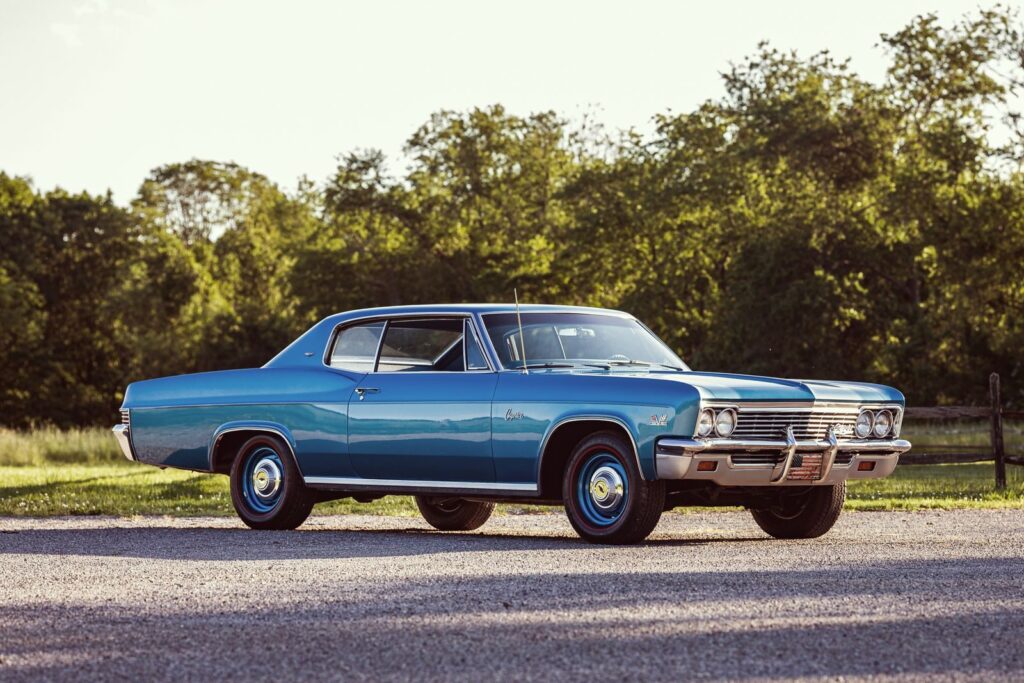
Early Chevelle SS cars (1964-1967) featured everything from the 250-cubic-inch inline-six to a 325-horsepower 396-cubic-inch big block V8. That offered maximum breadth and variety, from pragmatic performance cars to serious competitors to other American muscle cars. The debut of the SS 396 for 1966 and 1967 validated the Chevelle’s status as a big block musclecar, offering American enthusiasts the middle ground of big-block power and intermediate-car proportions.
Early Chevelle SS Performance Range:
- Engines ranged from six-cylinder to big-block
- Big-block power strengthened the SS reputation
- SS 396 arrived during the muscle era
- Intermediate size complemented large-engine performance
- Buyers could choose varying performance levels
But off-stage, there were engine combinations being devised that far exceeded what one might normally expect in the usual short-run, glossy print advertising that is intended to attract the general buying public. Chevrolet’s dealer ordering system could offer the knowledgeable enthusiast a way to turn an otherwise fairly well-equipped Chevelle into something altogether more serious. These special combinations provided the enthusiast with a package that was not immediately obvious to the average buyer, turning the Chevelle into a much more highly focused performance machine.
2. Chevrolet’s Quiet Performance Strategy
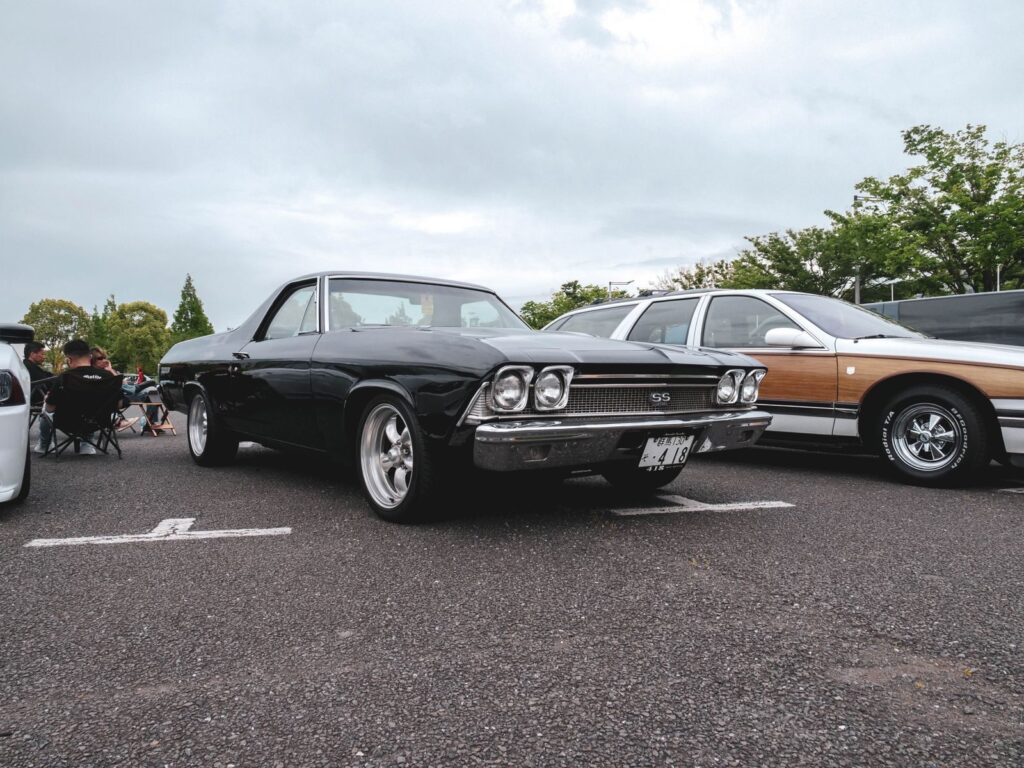
GM’s Gentlemen’s Agreement put Chevrolet into a tough spot. The company was anxious to participate in what became the ever-escalating battle of the muscle cars, but the intermediate cars could not be officially sold with any engines larger than GM’s very conservative 400-cubic-inch limit. The only solution for Chevrolet was to find out how to get performance under the radar. Rather than advertise every high-performance option, GM could offer it through special orders.
Chevrolet’s Specialized Performance Approach:
- Corporate limits restricted larger engine options
- Dealer ordering provided greater performance flexibility
- Specialized combinations remained relatively discreet
- Experienced buyers understood factory ordering procedures
- Drag racers sought increasingly aggressive equipment
This made for a particularly appealing ordering system to drag racers and performance buffs. People who could keep the engine suffix code straight, knew what transmissions and axle ratios existed, and understood what could be ordered could actually build a car that was quite a bit more aggressive than an ordinary customer might expect to see walk into a Chevelle dealership. The approach enabled Chevrolet to compete effectively and maintain a separate offerings without making each specific performance option a target of media advertising.
3. The L78 396 Changes the Formula
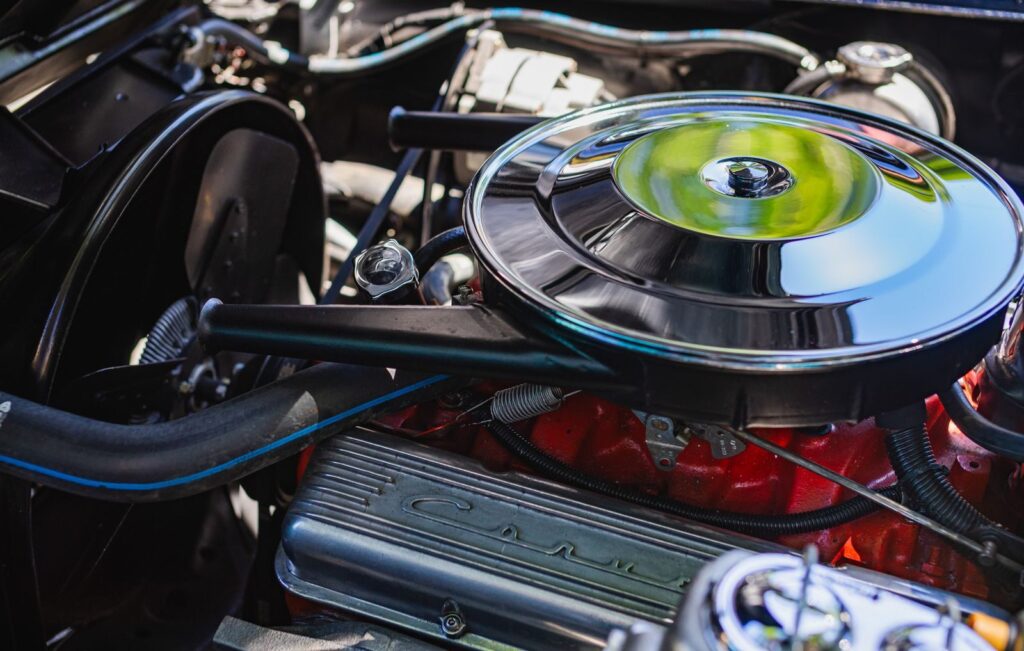
The main piece of this custom performance puzzle was the L78 option code. This 396-cubic-inch V8 was quite a bit different from the more street-friendly big-block engines intended for more usable daily smooth operation. Where other big-block engines used hydraulic lifters, the L78 had solid mechanical lifters. Additionally, it employed large rectangle-port cylinder heads and a high-performance mechanical flat-tappet camshaft to move vastly more air and breathe at high RPMs.
Key L78 Performance Characteristics:
- Solid mechanical lifters supported high-RPM operation
- Rectangle-port heads improved engine breathing
- Aggressive camshaft emphasized high-speed performance
- L78 featured a 6,500 RPM redline
- Engine focused heavily on acceleration
More essentially, the L78’s ability to rev toward the 6,500 RPM redline made the Chevelle feel very unlike a standard street big-block. The engine was more performance-oriented than simply fast, and that’s what made it particularly appealing to “hardcore” performance enthusiasts looking for factory-installed gear with a real, racing pedigree. Chevrolet built the L78 using all components designed to operate at higher engine speeds than the standard 396/402, and that combination made it one of the more potent factory performance engine packages ever offered for a Chevelle.
4. Inside the High-Output 396
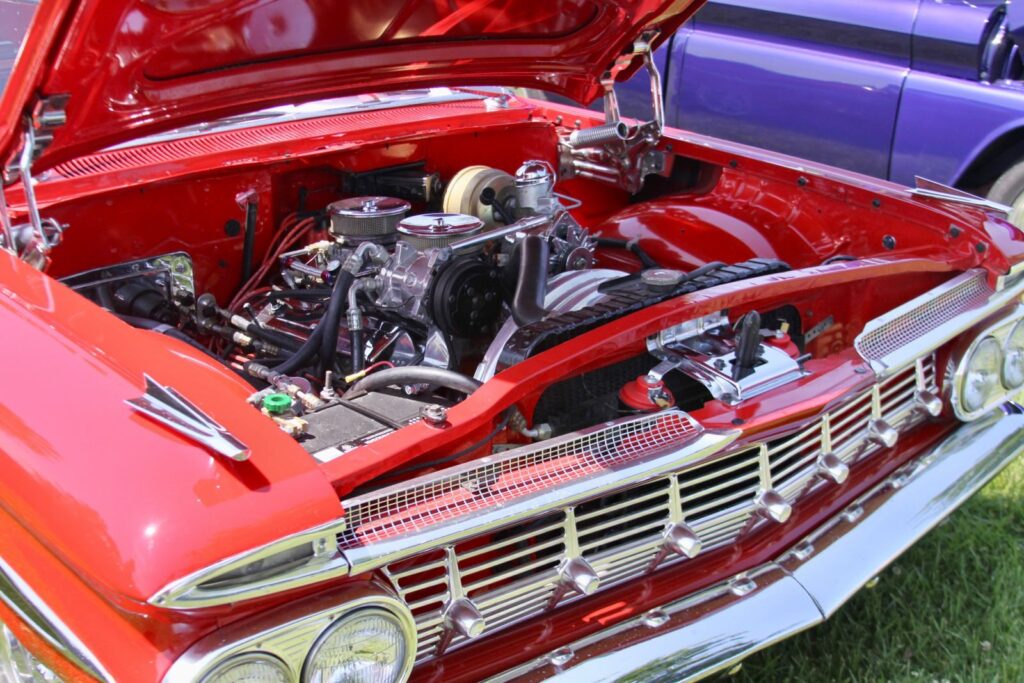
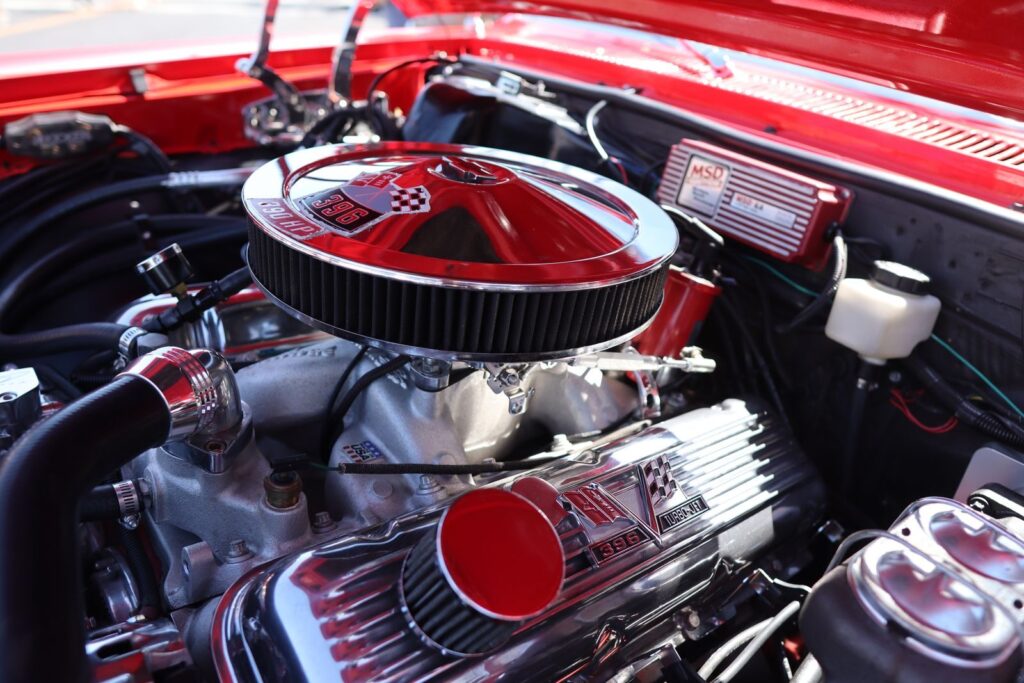
The 370-ci L78 was just too much for Chevy to continue to act as if it was an add-on, so we find a smaller 1/ 8-inch-thick, 10-inch-square steel plate, with a raised perimeter to mimic the notch in the block, welded onto the face of the block. The specs on the L78 indicated it was no token “add-on,” with 11:1 compression, an aluminum intake, and a large 780 cfm four-barrel carb. Chevrolet nominally rated the engine at 375 h.p., although most hot rodders felt that figure was a little conservative.
High-Output L78 Engine Specifications:
- 11:1 compression ratio increased performance
- Aluminum intake manifold reduced engine weight
- Holley 780 CFM carburetor supplied substantial airflow
- Factory rating reached 375 horsepower
- Aggressive internals supported serious performance
There was a price for all that performance. The mechanical valvetrain required periodic manual valve adjustments, making the L78 considerably more demanding than a typical street engine. Owners who wanted to keep the engine operating properly needed to understand its mechanical requirements rather than simply treating it like an ordinary commuter-car powerplant. The L78 therefore demanded more attention from its owner than a conventional big-block. Its high-performance hardware delivered substantial capability, but maintaining that capability required proper servicing and an understanding of the engine’s mechanical characteristics.
5. The Drivetrain Built for L78 Power
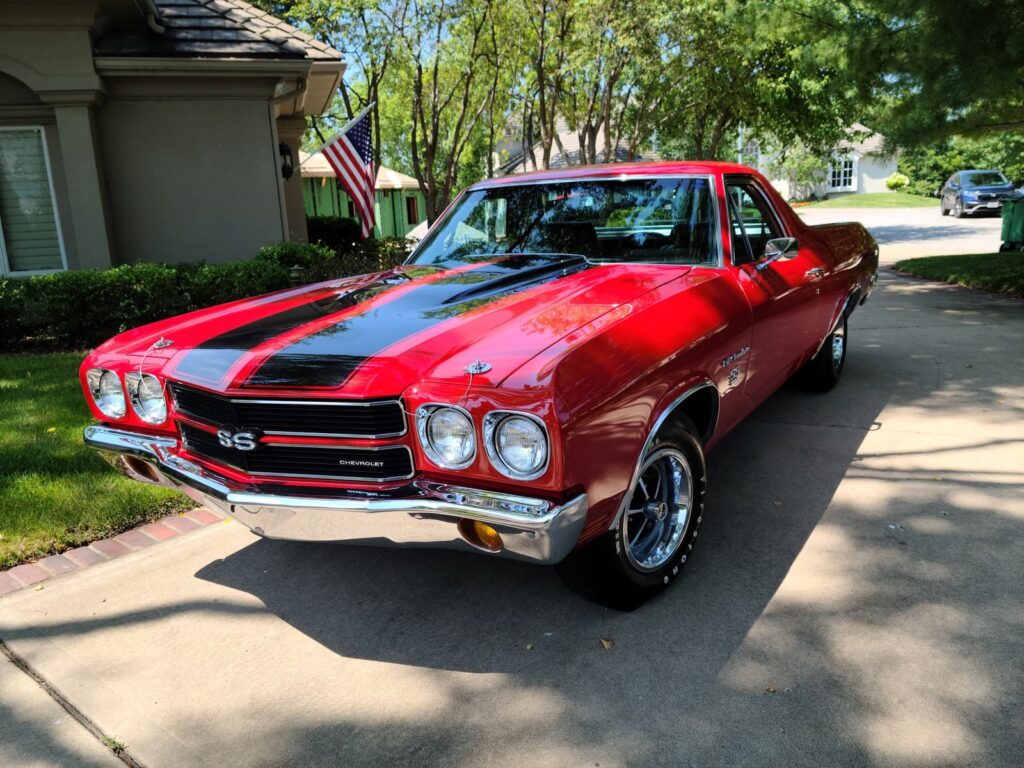
Getting the powerful engines to the pavement was only part of the equation. Chevrolet had to ensure the entire car could support the added power and abuse of hard acceleration that the L78 provided. Standard was the close-ratio Muncie M21 four-speed manual transmission, though the option list also included the legendary M22 “Rock Crusher” four-speed transmission, a transmission that had become synonymous with performance Chevy muscle cars.
Heavy-Duty L78 Drivetrain Components:
- Close-ratio Muncie M21 came standard
- M22 Rock Crusher offered another option
- Heavy-duty 12-bolt differential handled power
- Positraction improved power delivery
- F41 suspension supported aggressive driving
Power was sent through a tough 12-bolt Positraction rear differential with aggressive gearing, which translated to quick acceleration off the line. When married with the F41 heavy duty suspension, the L78 package Chevelle was able to make quite a run on the drag strip and left the showroom floor as a very serious performance rig. So, the drivetrain was an integral component of the L78 package rather than a convenience, making sure the 350 could deliver the goods.
6. Why Factory L78 Chevelles Are So Rare
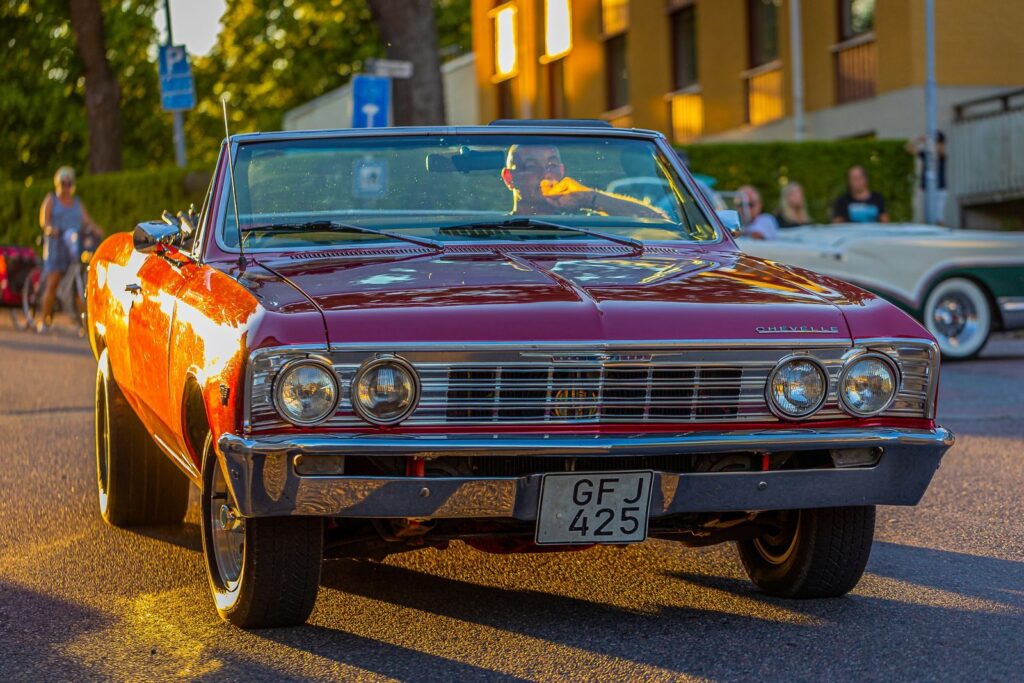
Production of the Chevelle SS was well over 300,000 cars across the various model years, but only a miniscule few of those cars were fitted with the high compression engine. This is a key reason the cars are so sought after among muscle car enthusiasts. In 1969, Chevrolet made over 86,000 cars, with less than 9500 of these making it out of the factory with the high compression engine, and the convertible versions are even more scarce with only 19 L78 convertibles said to have been made.
Production Numbers Explain L78 Rarity:
- Only a small percentage received L78
- Thousands of L78 examples were produced
- Convertible versions were exceptionally uncommon
- Production totals vary significantly by configuration
- Limited supply drives collector interest
Another 112 Chevelle SS cars had this very special package with rare factory paint combinations and other interior features. This series is compounded by the fact that many L78 Chevelles were used for drag racing purposes making the original numbers (63) even more special to some collector club members. Because of the availability for many of the L78 Chevelles being used for racing purposes, the resulting number of factory new cars remaining in the collector market are limited, making any documented factory-built cars very desirable for the Chevrolet muscle car enthusiast.
7. Racing Took a Heavy Toll on Survivors
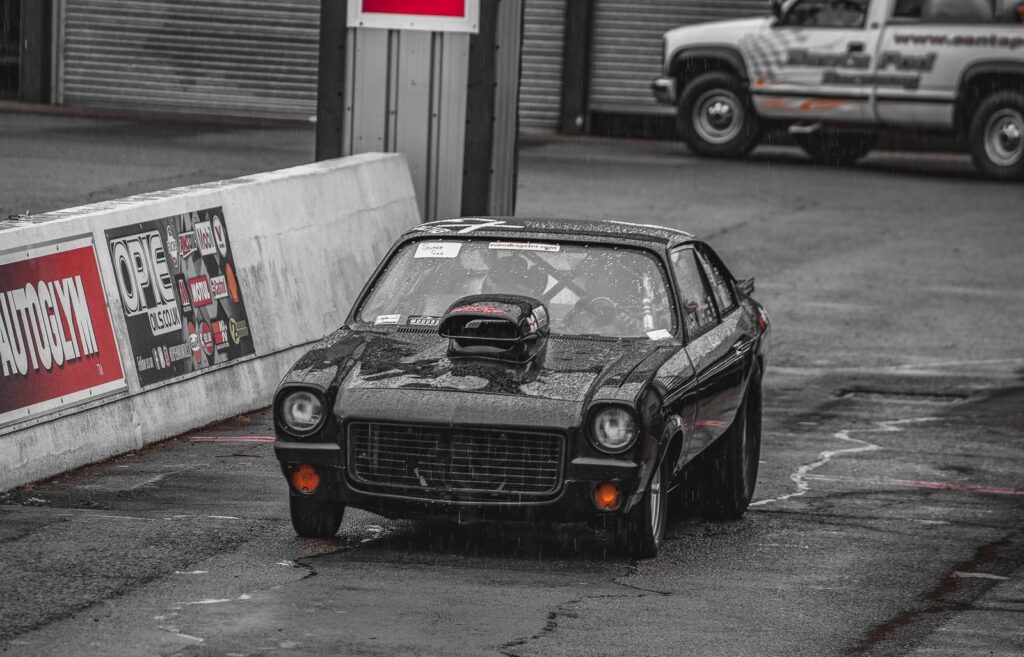
In fact, the very features which attracted performance fans to the L78 Chevelle also contributed to its eventual demise. For the most part, these cars were not purchased as investments or collectibles, but rather as performance vehicles for driving and using the way they were meant to be used. Though many were street-driven and abused on a daily basis, others were taken to the drag strip to race, and some even received additional performance upgrades that took the engines well above their factory rated output.Still others were in accidents or suffered mechanical failure after years of extreme use.Very few L78 Chevelles remain today in the condition they left the factory, which has greatly enhanced the value of preserved examples.
Drag Racing Reduced Original Survivors:
- Many L78 cars saw regular track use
- Owners modified engines for greater power
- Hard use increased mechanical failures
- Accidents removed some cars from circulation
- Original components were often replaced
Original powerplants could be swapped, factory-installed parts could vanish, bodywork could be modified throughout decades of ownership. So that is what makes the existence of a preserved L78 Chevelle in factory-original condition such a significant event among collectors. A vehicle that maintains its original powertrain, documentation and correct components is far more than a vintage muscle car. It safeguards an exclusive segment of Chevrolet performance history and offers a direct link to the time when factory muscle cars were used as authentic competitors.
8. Proving an L78 Chevelle Is Genuine
Is it authentic? The most historic of any rare Chevelle, authentic numbers-matching model is so much more important than a Chevelle that has been converted, no matter how well, to look like an SS. Worthy documentation would include the original factory build sheet, the broadcast sheet and the Protect-O-Plate, which give a record of how the car was originally ordered, and may verify performance options are what they’re supposed to be when the vehicle left the factory.
Documentation Helps Establish Authenticity:
- Factory build sheets reveal original equipment
- Broadcast sheets provide configuration information
- Protect-O-Plate supports historical verification
- Cowl tags provide important identification details
- Original paperwork strengthens collector confidence
Collectors and inspectors look at more than just the appearance. Elements like the cowl trim tag, factory SS optional codes such as Z25 or Z15, and date codes stamped on the big components of the drivetrain, like the engine and transmission and rear end, can shed a great deal of light on a car’s true identity. The more the evidence crosses the engine, transmission, rear end, body, and paperwork, the more the picture of what was really there, originally, becomes clear particularly in separating a real factory L78 from a fresh conversion.
9. The Problem With Chevelle SS Clones
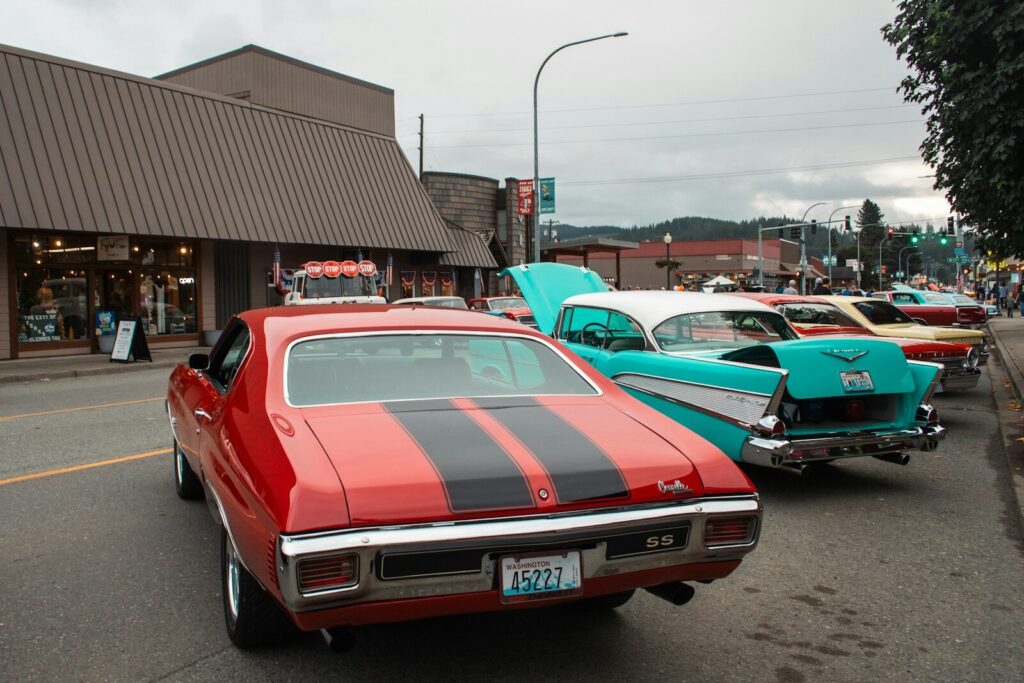
Since SS clones and replicas are numerous, one needs to be cautious when examining a Chevelle that has the characteristics of an original SS. The Malibu and other Chevelles had the same basic intermediate A-body underpinnings, the same size body and several identifying characteristics. This commonality enables a skillful restorer to turn out a very convincing SS clone.In addition, the components needed to build the look of an SS are available from reproduction-parts sources, such as badges, trim, wheels, interior parts and so on.In short, a collector cannot rely on appearance alone; an examination of factory documentation, the VIN, engine numbers and other period correctness data must be scrutinized before declaring an L78 Chevelle as a real thing.
Common SS Clone Identification Concerns:
- Chevelle variants shared basic A-body architecture
- Reproduction parts can mimic factory equipment
- SS hoods can alter exterior appearance
- Badging can create convincing visual replicas
- Mechanical upgrades may not prove originality
Some of the items that could be ordered to make an in-stock Chevelle look like a real deal were aggressive hoods, badging, SS-specific insignia, and heavy-duty suspension pieces. The problem is that the use of these items to make a regular Chevrolet look like an original one creates a cost nightmare for buyers. A builder could spend between $15,000 and $25,000 to make an SS-worthy car and then attempt to flip it for between $40,000 and $80,000. For people looking for a high dollar L78, a professional who specializes in GM A-bodies, can decode all of the components, and conduct an actual physical inspection of the sheet metal is an absolute necessity.
10. The L78’s Place in Today’s Collector Market
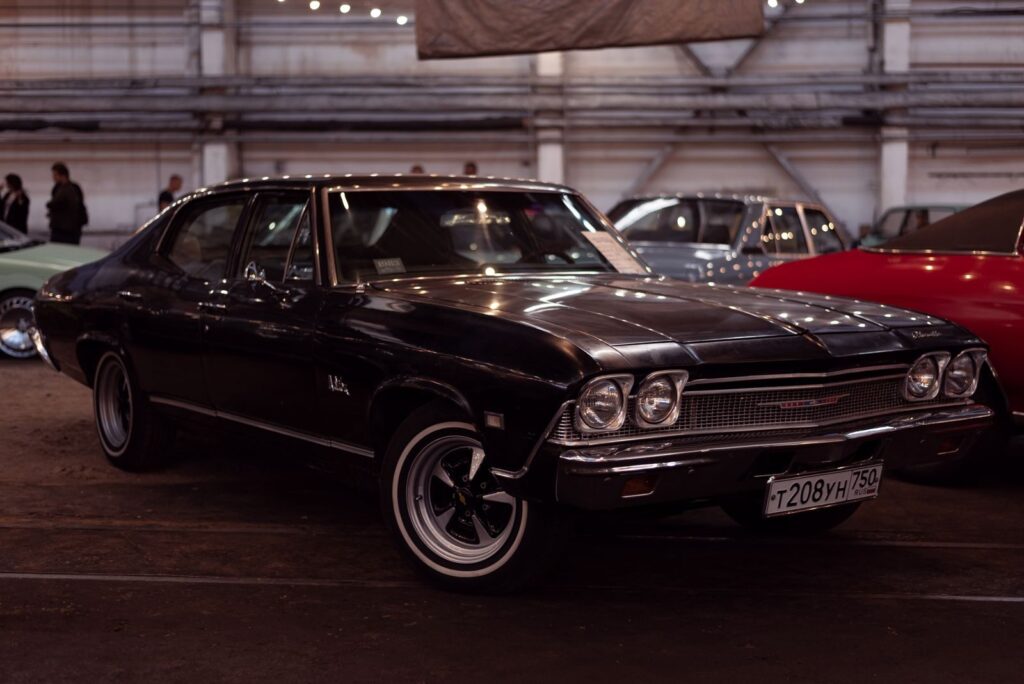
Due to their low production totals and high performance origins, low production L78 Chevelles continue to sell for high prices in the collector car market today. Most standard SS 396 Chevelles will generally bring between $55,000 and $70,000, depending on condition and authenticity, while an original, original-appearing, well-documented L78 Sport Coupe can range from roughly $45,000 to over $100,000. Original equipment, factory-installed components, the condition of the car, how well documented it is, whether it has matching numbers, and the desirability of particular options can greatly influence a car’s final value.Original cars that have not been modified and have well-documented ownership histories are especially popular with serious collector car buyers.
Factors That Influence L78 Collector Values:
- Originality strongly affects market desirability
- Documentation can increase collector confidence
- Convertible examples command greater attention
- Rare factory options can raise values
- Condition remains critical to final pricing
Well documented L78 convertibles have fetched in the range of $85,000 to $145,000 at major collector auctions, with exceptional examples of cars with odd and highly sought after factory options combinations capable of going higher. Vehicles which have been thoroughly maintained and/or correctly restored garner strong appeal provided that the documentation and N.O.S. conditions are present. Introduced as a performance specialty option that was unobtrusively available for astute buyers who knew how Chevrolet’s options system worked; that unique combination of rarity, engineering, racing heritage, and authenticity has established the L78 Chevelle as one of the most significant chapters in American muscle car history.


