




Chevrolet’s Forbidden Muscle: The 1969 COPO Camaro Story
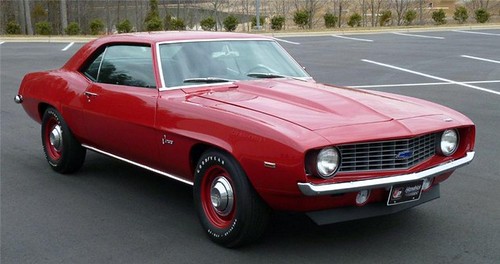
By the late 1960s the American automotive scene was a lot more intense than ever again and since. Speed was not merely an attribute, but was a whole persona. Showroom competitors turned into race track, drag strip, and street corner opponents, and it was from these battle grounds that some of the country’s most known icons were produced, such as the Chevrolet Camaro.
While the aggressive looks and racing wins were a reality, there was an even more significant internal struggle that determined the actual capabilities of the car. Corporate decisions, design constraints and the internal hierarchy structure all quietly regulated the ultimate potential of this specific Chevrolet. The advertising and brochures only reflected a piece of the overall picture.
This battle between design limits and technological innovation ultimately brought forth an unusual result: rather than curbing development, the problem spurred designers and a specific dealers to work outside of the corporate structure in a resourceful way and it ultimately lead to some of the most powerful, factory built muscle cars ever produced, but never mentioned or advertised that way.
1. The Height of the Muscle Car Revolution
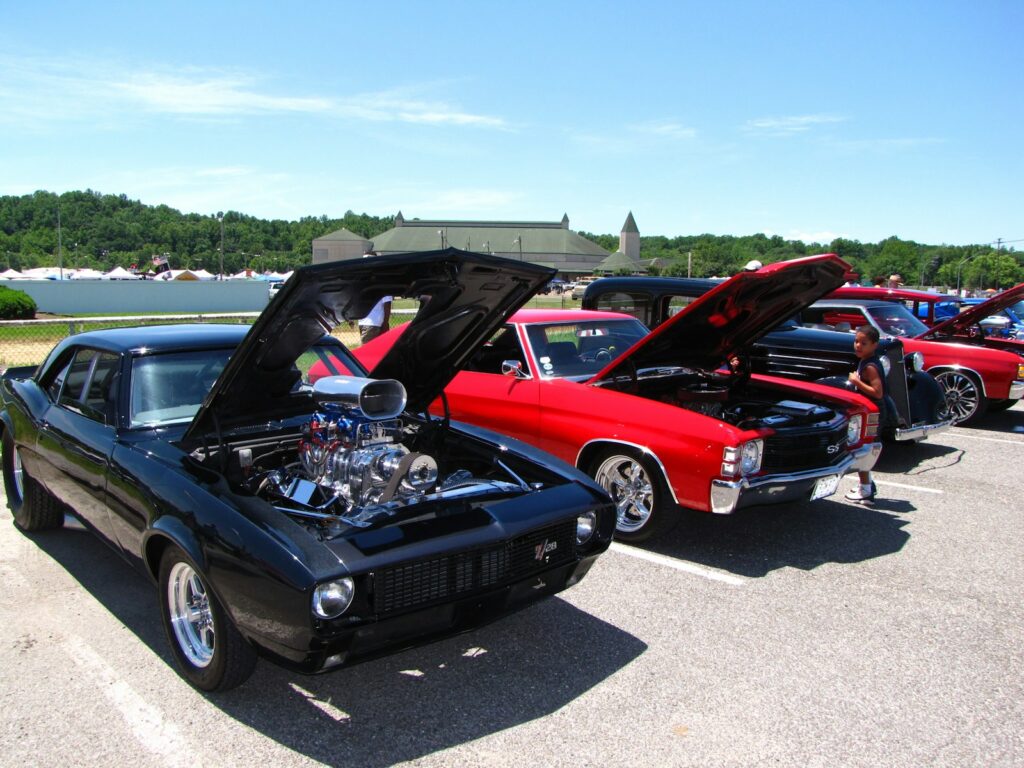
The age of the American Muscle Car had already peaked at its extreme level by 1969: the muscle cars of the era consisted of brutal looks, massive V8 displacement and the complete adoration of the straight-line acceleration race. All American automakers were engaged in fierce rivalry to conquer street and drag strip performance. Numbers and Horsepower figures were points of pride, comparing each new year model against the rest. This was the finest hour for no holds barred automotive performance.
Muscle Car Era and Performance Culture Highlights:
- Peak American muscle car competition era
- Large displacement V8 engine dominance
- Straight line speed performance focus
- Camaro versus Mustang rivalry growth
- Cultural importance of horsepower figures
The Chevrolet Camaro would stand at the forefront of this performance battle, directly competing with Ford’s established pony car leader, the Mustang. Through generations, each and every model would strive to become more powerful, handle better and appear more aggressive, ultimately driving forward each marque in the rivalry while creating their muscular identities. The muscle car rivalry was both technical and emotional, driving customer loyalty, defining enthusiast culture, and leading both models into becoming muscle car icons of American automotive history.
This time was driven as much by emotion as by any of the mechanical marvels produced. Muscle cars were not just about the horsepower output but the experience of mechanical mastery that came with owning and driving a big-block V8 as its sound echoed its powerful heart. It created a bond between man and machine unlike any other of the time and solidified cars as far more than a mode of transportation-rather a symbol of personal expression.
2. The Corporate Limit That Changed Everything
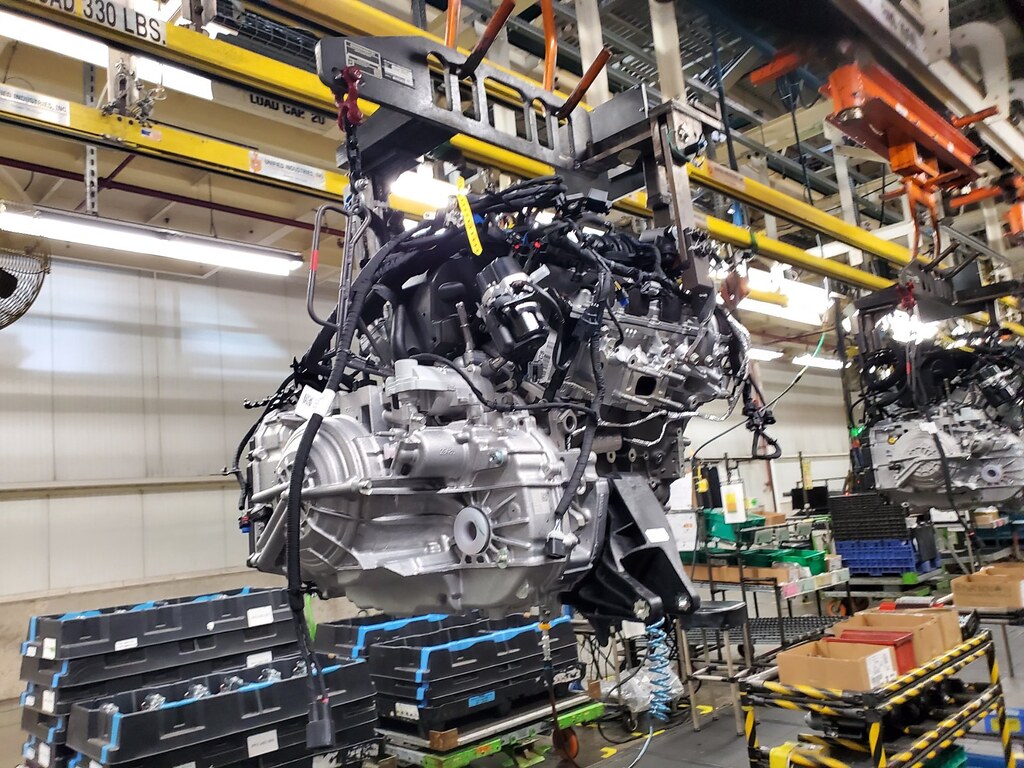
Although the race for market dominance outside of GM had heated up, within the walls of General Motors, something was brewing which was going to create a completely different destiny for its performance divisions. A new corporate mandate was implemented whereby engines placed in the smaller platforms of vehicles were limited to 400 ci maximum. The reason behind this was to avoid cannibalization of the multiple brands of General Motors and create internal structure. This essentially gave its performance divisions little flexibility. This directive had quite a profound effect on where muscle cars were heading.
GM Engine Policy and Restriction Highlights:
- Engine size limitation policy enforcement
- 400 cubic inch displacement cap rule
- Internal brand competition control system
- Factory performance output restriction
- Camaro power limitation framework
This limit was one of the big limitations of performance with the Chevrolet Camaro, as although a strong platform and good engineering were present it did not really take advantage of the engineering available, as factory options were well below the requirements and desires of most buyers. This meant that it was difficult for a Chevrolet Camaro to really achieve what people believed its platform was truly capable of because of policy decisions in boardrooms. These feelings and limitations drove much of the initial identity of the Chevrolet Camaro.
It was not just customers who felt frustrated, dealerships did too as they faced pressure from the market for greater engine capacity. As the thirst for bigger engines continued and official capacities remained low, many dealers opted to fit larger engines, such as the 427 cubic inch engine, without manufacturer approval and not to any particular standard, which made the vehicles significantly more expensive.
3. The Hidden Path Called COPO
To circumvent internal restrictions, Chevrolet used a poorly known system called Central Office Production Order, better known as COPO. Although originally designed for fleet needs and specialized builds (taxis, police cruisers, business use modifications), the system was not initially designed to facilitate performance enhancements and personal endeavors. Nevertheless, an odd niche opened up in the production structure. The significance was to play a pivotal role in the Camaro lineage.
COPO System and Special Order Highlights:
- Central Office Production Order system use
- Fleet vehicle special order framework
- Non standard production configuration method
- Factory bypass for engine restrictions
- Hidden high performance build pathway
Eventually the performance oriented dealers stumbled across COPO as a means to “cheat” factory build constraints. By using the system to submit unique orders the dealers could spec options on Camaros that normally wouldn’t be available for production builds, such as unusual engine combinations exceeding the normal GM limits on displacements. This became a clandestine route to more performance oriented vehicles and had the indirect effect of altering the development path of some Camaros without making official announcements about the capabilities.
Though not intentionally designed with performance in mind, COPO also unintentionally allowed some of the highest performance Camaros of the period to be built. Chevrolet had the ability to insert factory race parts without officially touting them and giving these cars official performance designations. As these cars weren’t advertised, they were rare and in high demand, and became a hidden means to overcome corporate restrictions to meet enthusiast needs and an important exception in muscle car lore.
4. COPO 9561: The Street-Oriented Monster
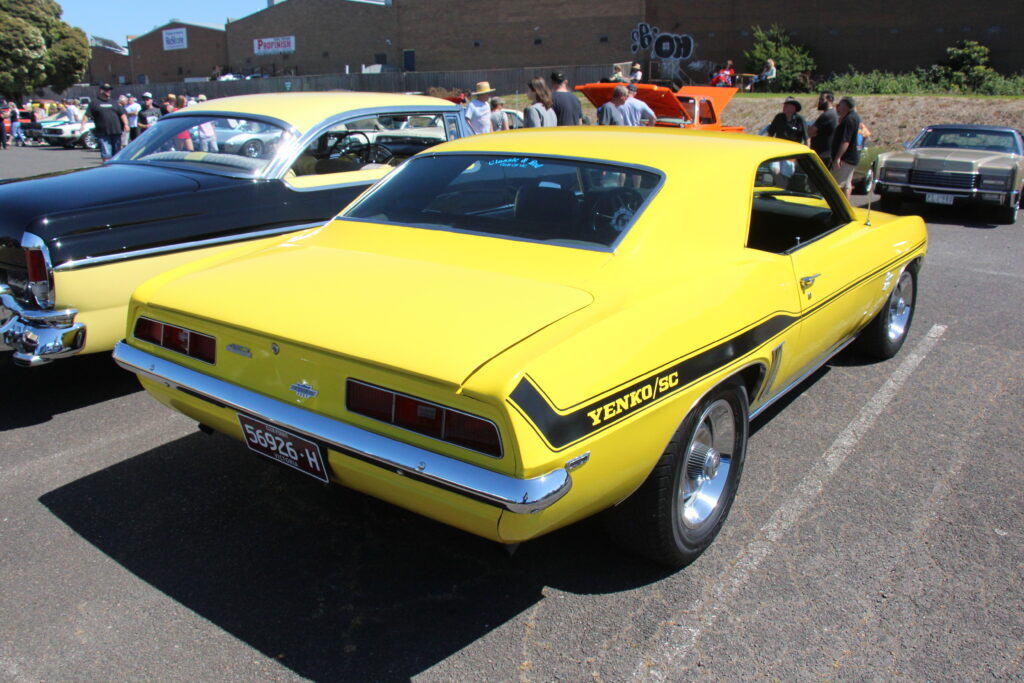
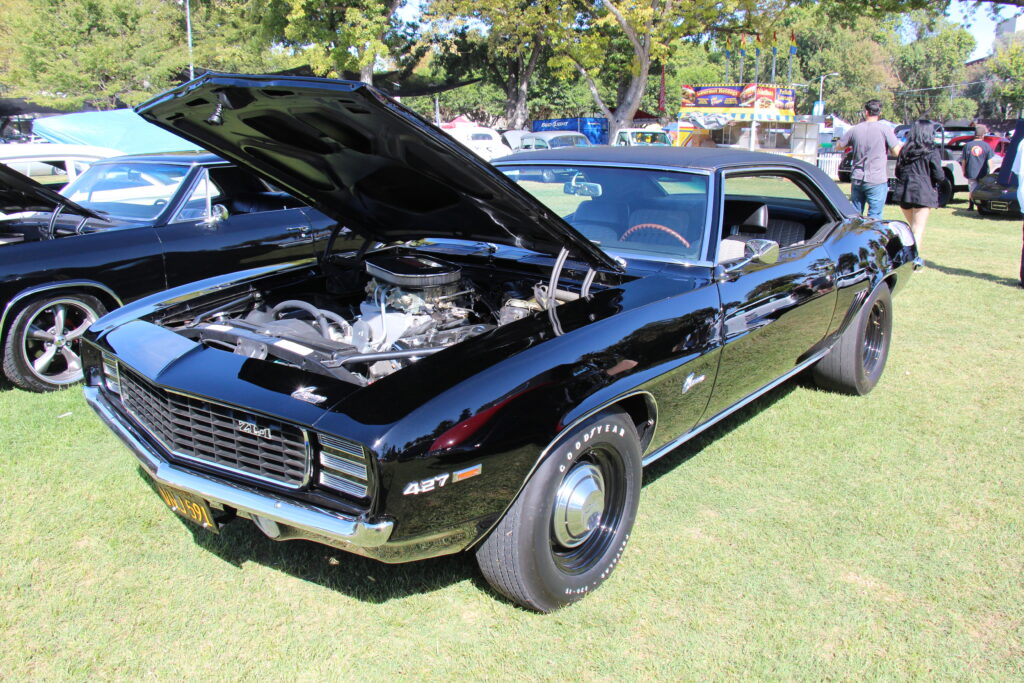
The COPO 9561 package was one of the more popular aspects of Chevrolet’s secret performance operation. L72 427-cu in big-block V8 made the power. Built from iron, this powerhouse was built tough and pushed out an official rating of 425 hp and 460 lb-ft torque. The 427 was quite the leap from your typical production model Camaro and set this vehicle as a pure performance street car.
COPO 9561 Performance and Engine Highlights:
- L72 427 big block V8 engine core
- 425 horsepower factory rated output
- 460 lb-ft torque high strength power
- Factory installed performance package build
- Heavy duty cast iron engine design
This engine transformed the Camaro to a downright mean performance machine; it was never conceived with either luxury refinement or comfort in mind. Acceleration and torque became top priority, to provide instant and lasting power. The overall driving experience with the motor was not smoothness, but raw velocity, torque, and pure mechanical vigor; in turn providing a true, pure street performance machine.
In all, 1000 were built and it was not something totally unheard of. Soon, owners were respected for what these cars proved factory engineering could achieve, as there were no aftermarket parts on them and no exterior tuning was performed to them at all. In essence, they became true, factory built legends.
5. COPO 9560: The Pure Drag Strip Machine
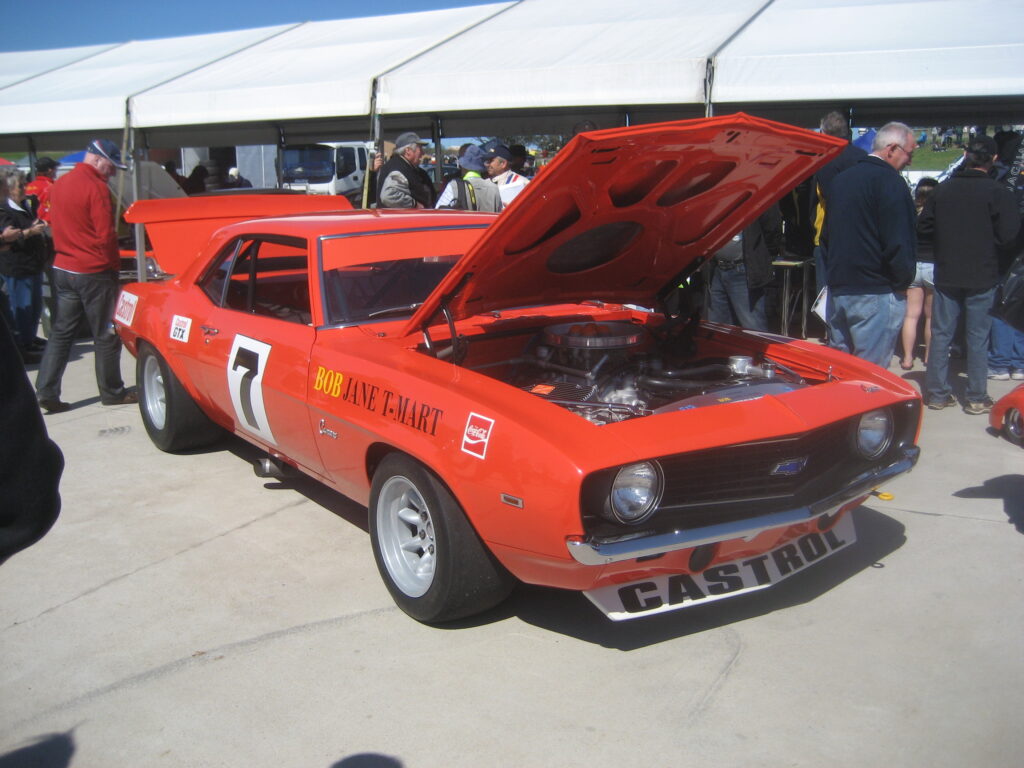
The COPO 9560 was the peak of Chevy’s secret performance program. In reality the COPO 9560 was essentially an extremely stripped down ZL-1 427 motor. The ZL-1 was an all-aluminum V8 born out of racing, it was extremely lightweight compared to an iron-block motor but still packed serious power. It was engineering aimed at the race track so it’s considered one of the most extreme versions of a Camaro ever built.
COPO 9560 Race Engineering Highlights:
- ZL-1 427 all aluminum V8 engine
- Lightweight high performance construction
- Racing derived engine development base
- Drag strip focused performance design
- Extreme factory competition setup
It’s obvious from how crude a package it was the 9560 wasn’t built for normal street driving like the COPO 9561 was it was designed for drag strip duty where weight and acceleration was everything, comfort, luxury and drivability were nowhere on the priority list. This was a race car, it was set up for straight line speed and nothing else from the factory.
This was the ultimate performance statement of the period from Chevrolet it was more of a race car then production car. This setup was the highest form of Chevrolet racing technology they used to equip their vehicles from the factory, it had very few counterparts to compare it to factory vehicles it was a special machine. In fact it was one of the boldest performance options to ever come from Chevrolet and it remains so to this day.
6. Extreme Rarity and Collector Status
As only 69 of these incredibly special cars were ever built, the COPO 9560 ZL-1 Camaro quickly became, and remains, one of America’s rarest muscle cars. A combination of it being very scarce as it was always meant for a specific purpose of engineered high-performance, this instantly increased its worth and desirability for both performance enthusiasts and collectors alike, something that eventually cemented its place as the icon that it became for the collector car market.
COPO Rarity and Collector Value Highlights:
- Only 69 COPO 9560 ZL-1 units built
- Extremely limited factory production run
- High collector demand and value status
- COPO 9561 comparatively low volume
- Historical significance in muscle era
While far from a common Camaro, compared to the ZL-1 variation, production of the COPO 9561 was still fairly limited. Together these two interpretations, combined with their “under the radar” factory performance engineering (as compared to a regular production Camaro), set a standard that would be highly coveted and culturally respected. Because the COPO Camaro, and its ZL-1 counterpart, were hidden from plain view from most consumers, this created long-term collectible appeal, and placed them in their own class of performance car.
Their status as “rare” eventually evolved these cars to an art form. Today, they are more of an “engineering artifact” that captures a clandestine and experimental era in Chevrolet’s history. Their true appeal is less about horsepower, or quarter mile speeds, and more about the decision-making and manufacturing strategy that went into building them. As collectors have grown, their appeal has taken on increased value due to both performance, and historic collectability, establishing the COPO Camaro as arguably the most desirable muscle car of all time.
7. Powertrain Choices and Mechanical Depth
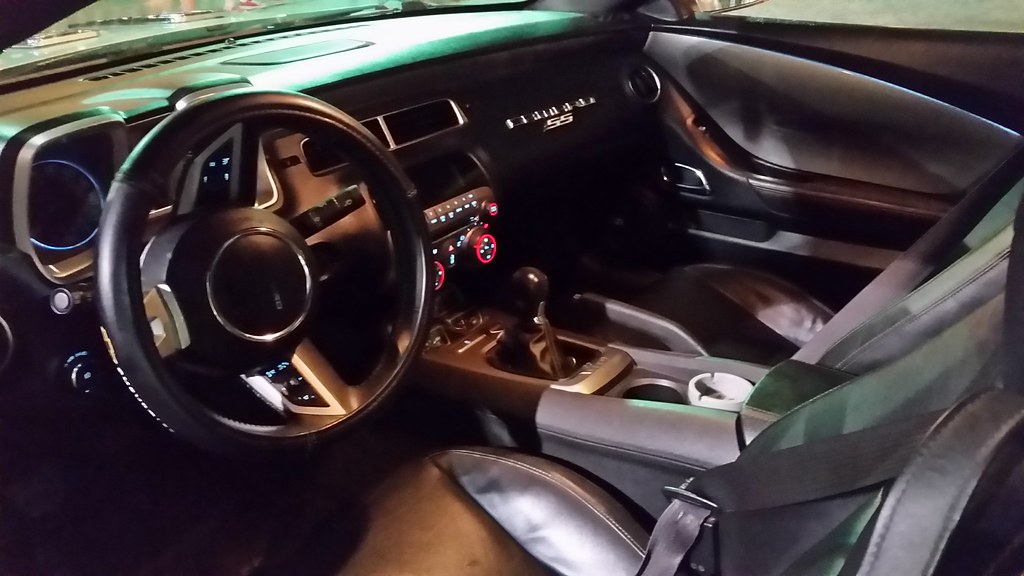
Both models of the COPO Camaro had true performance-oriented transmissions that could withstand high amounts of torque. Drivers had the option of a TH400 automatic transmission, or a Muncie 4 speed. Either one was chosen by driver’s preference, but both were meant to withstand load without a catastrophic failure and give consistent operation under extreme conditions.
COPO Transmission and Drivetrain Highlights:
- TH400 heavy duty automatic transmission option
- Muncie four speed manual gearbox selection
- M20 wide ratio performance configuration
- M22 Rock Crusher racing transmission unit
- 4.11 rear axle acceleration focused setup
Standard on the COPO 9561 was the wide ratio manual transmission known as the M20. It allowed the power to be built progressively as well as offering decent but not blistering performance. Higher tunes allowed closer gear ratios that improved acceleration. More performance and closer ratios were added to the COPO 9560 where the rock crusher transmission or M22 would typically fit. It was a strong and very durable gearbox which could cope well in racing circumstances when subjected to repetitive strain. It was a vital part of the COPO performance package.
From both power options, the drive was sent through a robust 4.11:1 rear axle set-up tuned for accelerated performance. Such a set-up offers good acceleration but not great fuel economy nor highway cruising capability. All of the drivetrain components were chosen to deliver performance with reliability and as always, comfort and refinement were placed far down the priority list.
8. Chassis Engineering and Stability
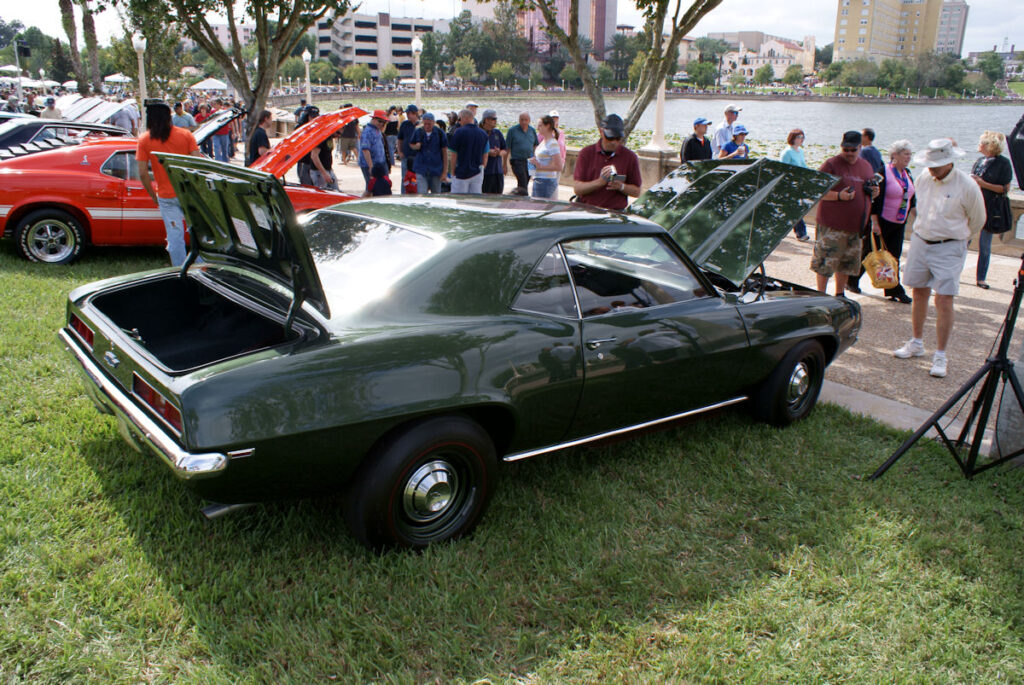
In order to cope with the extreme power output of COPO engines Chevrolet added a lot of strength to the underlying chassis and supporting systems of the Camaro. They strengthened the structure so that repeated high launches and abuse of the drivetrain wouldn’t have an effect on stability, and installed a much larger cooling system to deal with the extreme amount of heat generated during heavy-duty drag use. Basically they designed a chassis capable of dealing with all of the power.
COPO Chassis and Stability Engineering Highlights:
- Reinforced Camaro body structure support
- Heavy duty engine cooling system upgrade
- Transistorized ignition reliability system
- F41 heavy duty suspension package
- Drag racing stability focused setup
Transistorized ignition systems was developed for reliability and the ability to have a consistent spark under high-load. This system was very effective for making sure the engine wouldn’t miss at full throttle; the addition of this helps maintain constant combustion at high R.P.M. Making the engine more reliable under high stress racing, and this adds a bit more dependability to the entire system. The F41 heavy-duty suspension package was put on both COPO versions for added control and stability.
This was achieved by use of the stronger front coil springs and reinforced rear leaf spring setup, capable of handling violent launches. This provided more control for aggressive acceleration and fast runs. Performance over ride comfort was prioritized. The upgrades of the chassis make sure that the Camaro can efficiently use all of its power.
9. Performance on the Street and Strip
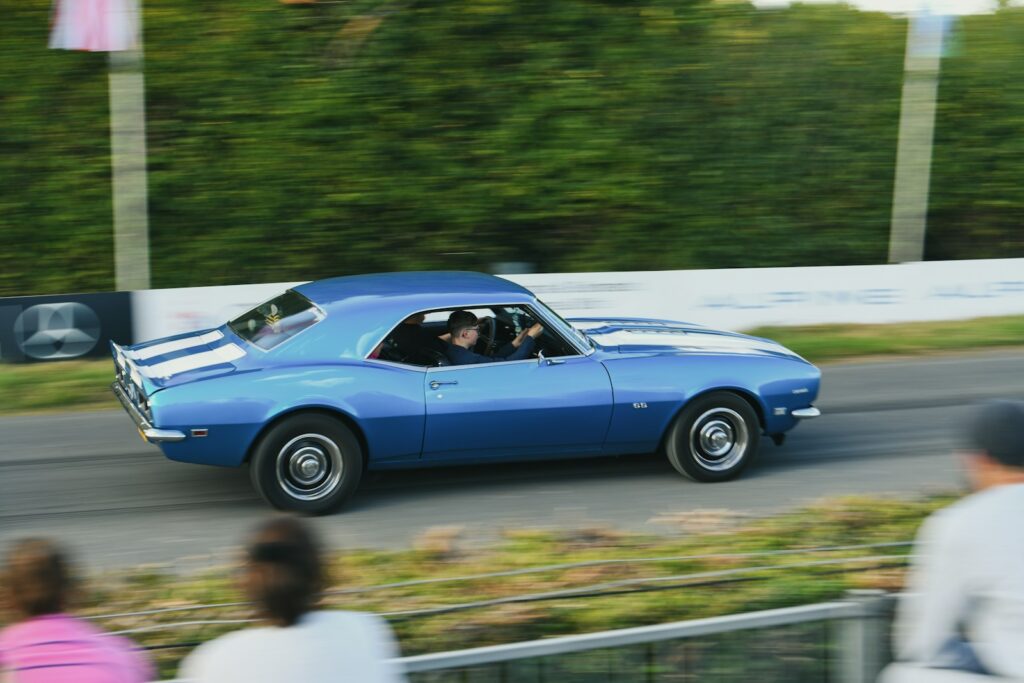
Performance out on the road was exceptional for the COPO 9561, placing it on par with the best factory muscle cars for the day. Zero to 60 took around 5.5 seconds, and the quarter mile was turned in in about 13.3 seconds at approximately 108 mph. These figures were all that was needed to show what the L72 427 could do on the road and put its power to use; it was all about the straight line and the continuing pull of the engine, and had demonstrated that a factory-built Camaro was capable of tremendous performance.
COPO Performance Results and Acceleration Highlights:
- 0 to 60 mph around 5.5 seconds
- Quarter mile near 13.3 seconds
- Trap speed approximately 108 mph
- Strong L72 427 power delivery
- Factory built drag performance focus
This even lighter COPO 9560 possessed even greater speed thanks to its lightweight, aluminum construction, utilizing the ZL-1 engine. The weight reduction and sharper throttle response contributed to 60 mph times of under 5.3 seconds, and the quarter mile time jumped to under 13.16 seconds at well over 111 mph. These improvements showed the benefits of light weight in a car built primarily for racing, and make the 9560 the quicker of the two COPOs, and much more of a specialized racing car.
The two COPO Camaros represented some of the quickest cars the factory had ever turned out, and proved that Chevrolet could in fact build an actual high performance machine without having to put a different motor and racing parts on it. Both cars were the equals of specialized drag cars and other special performance models, but more importantly, they solidified Chevrolet as a top flight engineering outfit of the muscle car era. Eventually the program developed into something that represents the true ultimate in factory speed.
10. Legacy and Modern Revival
After its original time frame the COPO program disappeared from the public scene for years quietly and un-noticed, but its impact on the performance car culture would not die out, however, enthusiasts and collectors preserved the cars keeping the COPO Camaro as arguably the first ‘sleeper’ factory performance engineering vehicle, and the concept of custom order performance builds became integral in the muscle car lifestyle. Over time the COPO became more than a production loop-hole and developed into a cultural statement. The COPO was ultimately the high-point of factory experimental muscle car performance building.
COPO Legacy and Cultural Impact Highlights:
- Long term influence on performance culture
- Factory hidden performance concept legacy
- Collector and enthusiast historical value
- Inspiration for modern drag programs
- Evolution of factory racing identity
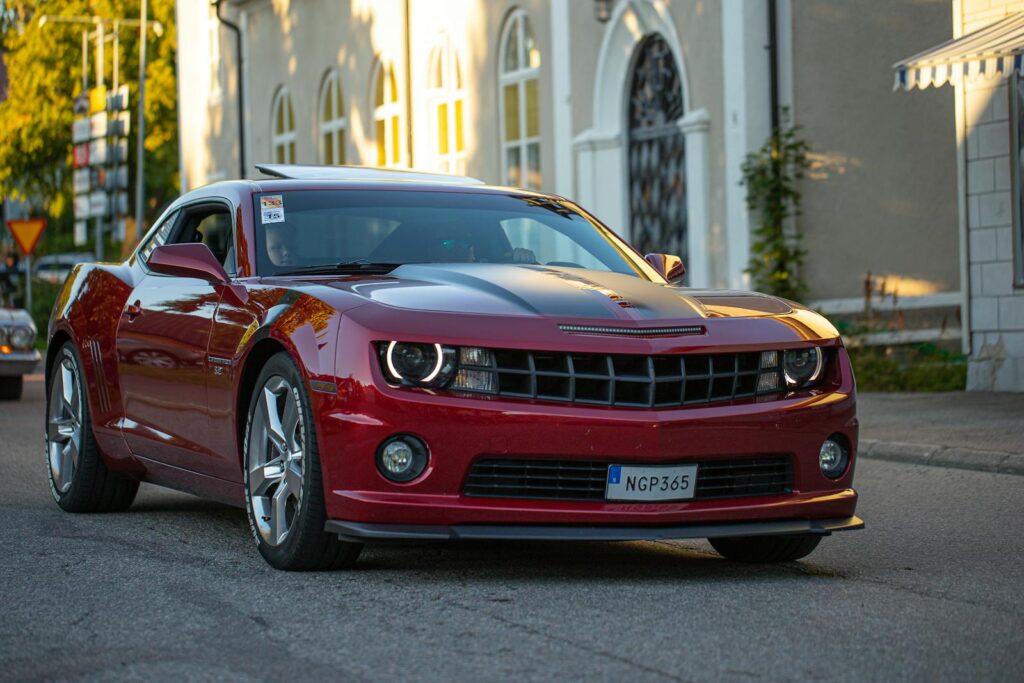
In 2011 Chevrolet brought back the COPO with this set of brand new drag focused Camaros exclusively intended for racing use and street illegality that emphasized their pure speed intentions. These cars didn’t shy away from the motorsport image in contrast to their ancestors, bridging past clandestine factory operations with contemporary performance visibility. This new COPO Camaro represents a new beginning for the name.
The story continued and eventually climaxed when it produced a 632ci over 1000 hp modern COPO Camaro-an almost ludicrous example of the furthest factory backed extreme drag performance engineering. It truly came full circle from secretive factory orders to an open race car and the development of Chevrolet’s perception of a true performance car. COPO turned out to be an all out symbol of both heritage and an evolution of the contemporary engineering performance philosophy.