


The GMC Muscle Car That History Completely Forgot
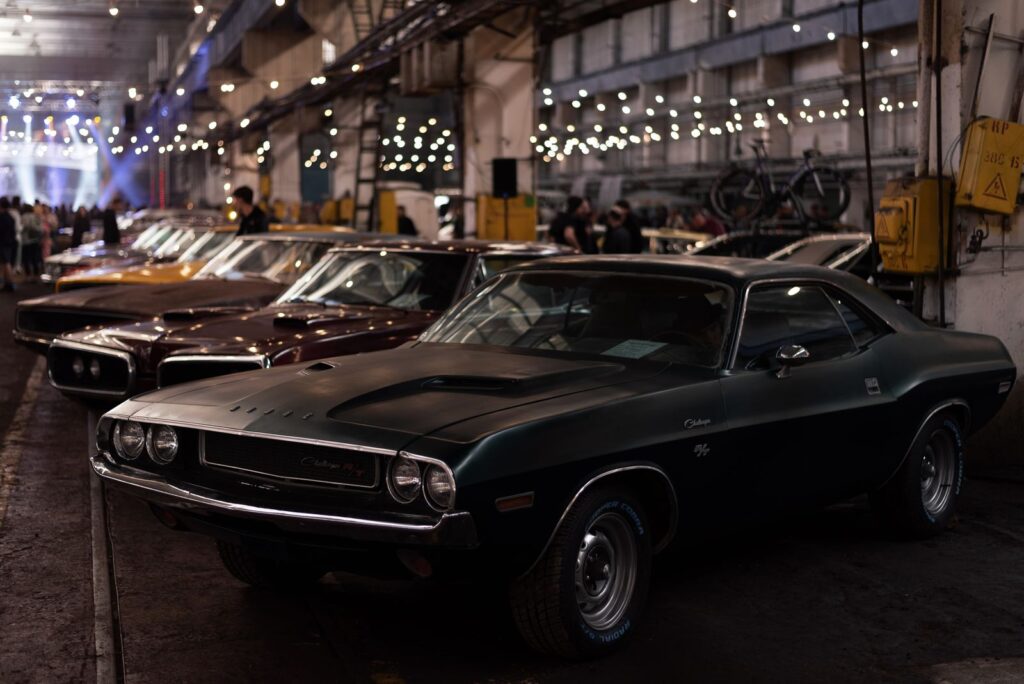
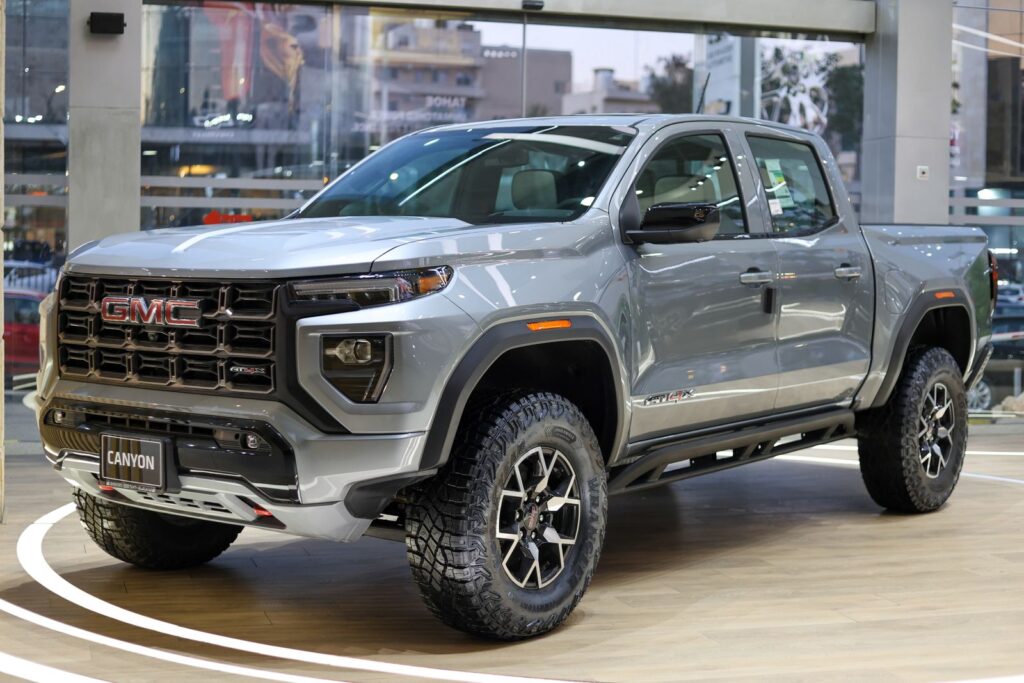
Most folks know GMC for tough pickups first. Rugged SUVs come to mind too-those made for pulling heavy loads. Commercial trucks that get dirty on job sites? Yep, those as well. Decades shaped this image: solid gear you can count on every day. Work-ready machines dominate how people see the brand. Muscle cars almost never pop up in these talks. Flashy speed isn’t part of their story. Strength matters more than quick sprints off the line. Reliability stands out louder than roaring engines.
One thing stands out clearly when you look closer. Right in the middle of America’s muscle car boom, GMC built something unusual without much fanfare. Built on the same roots as famous Detroit speed machines, it moved differently than most expected. Power came large, yet space stayed practical, blending two worlds rarely seen together. What rolled out was the Sprint SP 454-a pickup many forget, though it carried serious strength under the hood.
Out of sight, yet far from ordinary, the Sprint SP 454 had everything-muscle, speed, engine strength-but fame slipped through its fingers. Now, time has tucked it away, a quiet name known only to those who dig deep into old-school rides and still whisper about its rare spark.
1. The Origins of the GMC Sprint
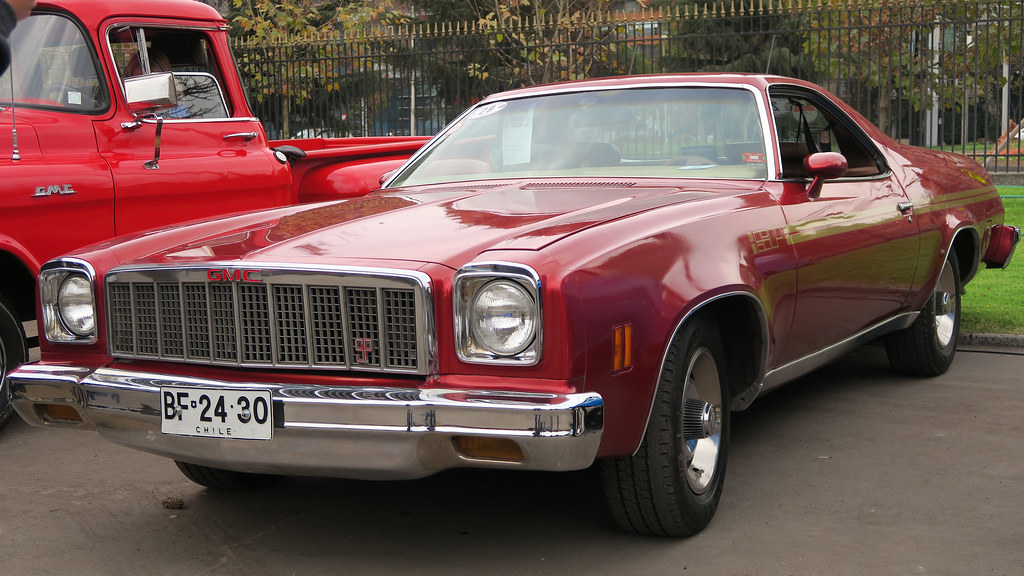
Coupe utilities started gaining traction with U.S. drivers, setting the stage for the GMC Sprint. Comfortable like sedans yet able to haul gear like pickups-that mix caught on fast. Instead of following blindly, GMC saw an opening after Chevrolet proved the idea could sell with the El Camino. Buyers liked having both utility and ride quality, something the Sprint aimed to match. Built for dealers needing a similar model, it arrived as a balanced take-practical but styled right. Function met form without pretending to be flashy or revolutionary.
Key Characteristics:
- Passenger-car comfort and convenience
- Pickup-truck practicality and versatility
- Inspired by El Camino success
- Designed for everyday usability
- Balanced work and leisure
Right away, the Sprint focused on being useful. A smooth drive came through, along with looks that caught eyes and a bare-back space ready for loads of job-site gear. Because of this mix, people grabbed it when they wanted extra function beyond what regular cars offered-yet didn’t need something as large as a big rig truck. The way it held itself together, let it do many jobs while never seeming too narrow in purpose.
Surprise hit hard when the SP 454 roared onto the scene. Built for chores, most Sprints leaned into function, not speed. Folks who needed space and ease chose them, ignoring raw power. That everyday image made the beast under the hood feel like a twist no one saw coming. Turning a workhorse into something wild marked a strange, bold turn in what people expected from GMC.
2. The SP Performance Package Arrives
Suddenly, the SP package rewrote what the GMC Sprint stood for. Not just cosmetic touches like stripes or emblems anymore-it shifted everything underneath. Instead of looking fast, it started feeling fast. Power took center stage where style once ruled alone. Performance became its new voice, loud and unapologetic. Muscle car rivals now had real competition in a truck-based body. What seemed like a minor trim at first turned out to be a declaration. GMC stepped off the sidelines into raw horsepower territory. Identity no longer meant hauling things-it meant moving quickly through space. A brand known for work suddenly spoke fluent speed.
Performance Package Highlights:
- Not just about looks
- Serious muscle car credentials
- Shared performance-focused foundation
- Built to handle more demanding tasks
- Expanded vehicle personality dramatically
What helped shape the Sprint SP most? Its connection to the Chevrolet Chevelle through a shared base. Built on GM’s trusted A-body setup rear drive, built tough-it handled big V8 power without issue. Because that structure already carried muscle across GM models, parts were ready, tested, familiar. Strength came naturally. So did adaptability. Turning a work-focused truck into something sharper suddenly made sense.
Hidden under a quiet look, the Sprint SP carried parts and design choices that put it right alongside muscle cars. Though it did not shout for attention like others on the road, what happened when you drove it changed everything. Instead of blending into daily routines, the SP version pushed the Sprint into sharper territory-where useful space met quick moves and sharp handling.
3. Large Engine Power Beneath the Hood
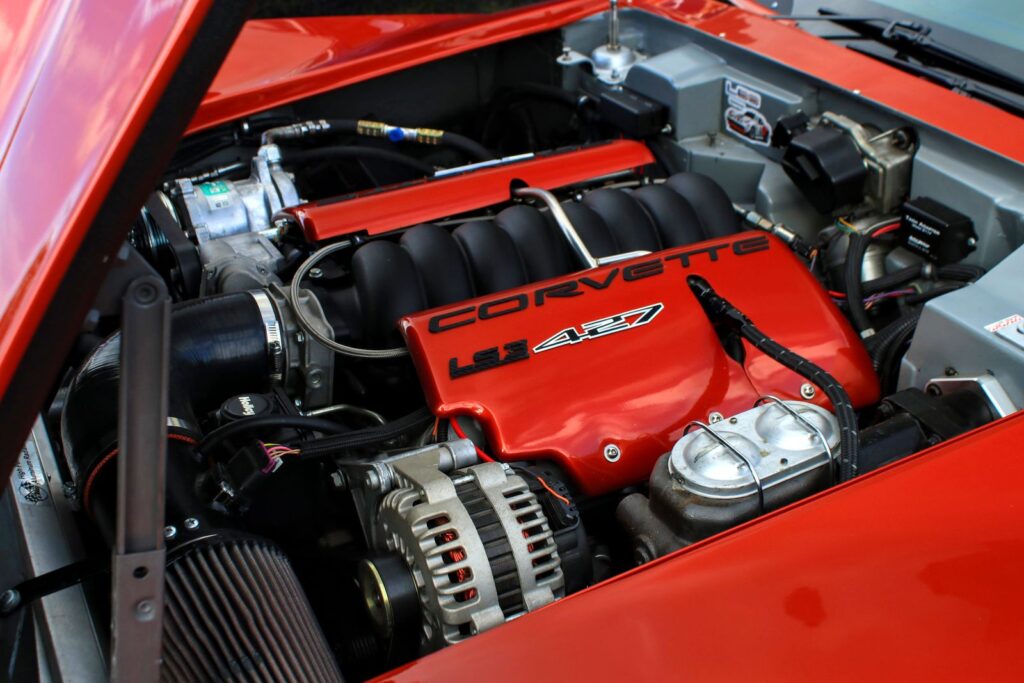
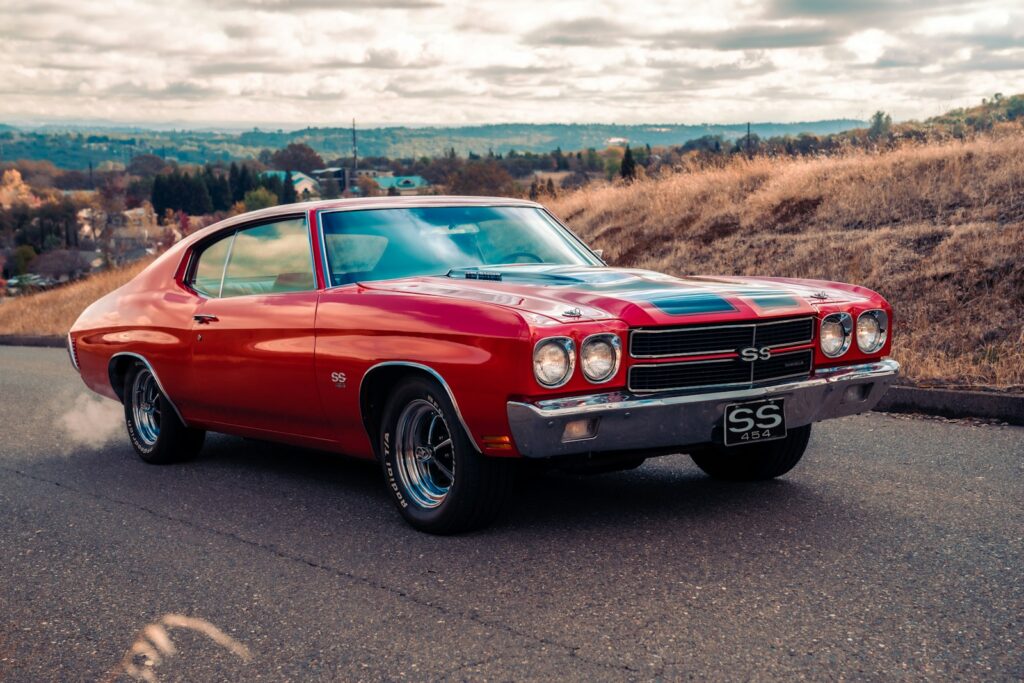
Right in the middle of the Sprint SP 454 lived a true GM icon-the big-block 454-cubic-inch LS5 V8. That motor had already built its name under the hood of the Chevrolet Chevelle SS 454, a raw muscle machine famous for brute strength and deep-pulling power. Sliding that same beast into a work-focused rig turned the Sprint into something surprising. Suddenly it moved like cars meant only for speed, not chores.
Engine Performance Features:
- Massive 454-cubic-inch displacement
- Legendary LS5 V8 power
- Impressive horsepower and torque
- Strong acceleration across ranges
- Muscle car driving excitement
Heavy pulling power shaped how the car actually felt on the road, even though numbers focused on speed. Right from idle, the Sprint moved forward with urgency when asked. Official papers listed 365 horsepower that year, yet what stood out was the 465 lb-ft twisting force. Step into the gas, and response came without delay. From a stop, muscle showed up fast, making everyday motion seem sharp. Despite being built for real-world use, it never dragged behind.
Out on the road, raw power met heavy-duty pulling strength in a way that made the Sprint SP 454 stand out. Open-air hauling didn’t mean giving up quick bursts or thrilling speed once thought possible only in classic high-octane coupes. During those years, hardly any model mixed daily usefulness with track-ready force so boldly-this truck stood apart inside GM’s family of machines.
4. Hardware That Keeps Up
Just having a strong engine wasn’t enough for real performance, GMC knew that well. Built to manage serious horsepower, the Sprint SP 454 got tough parts made for hard work. Because of these changes, it stayed solid under pressure, yet still worked fine day to day. The muscle from the large V8 ran without breaking things, thanks to smart engineering behind the scenes.
Supporting Performance Components:
- Heavy-duty drivetrain engineering
- Durable transmission configuration
- Robust rear axle design
- Strength-focused mechanical upgrades
- Built for sustained performance
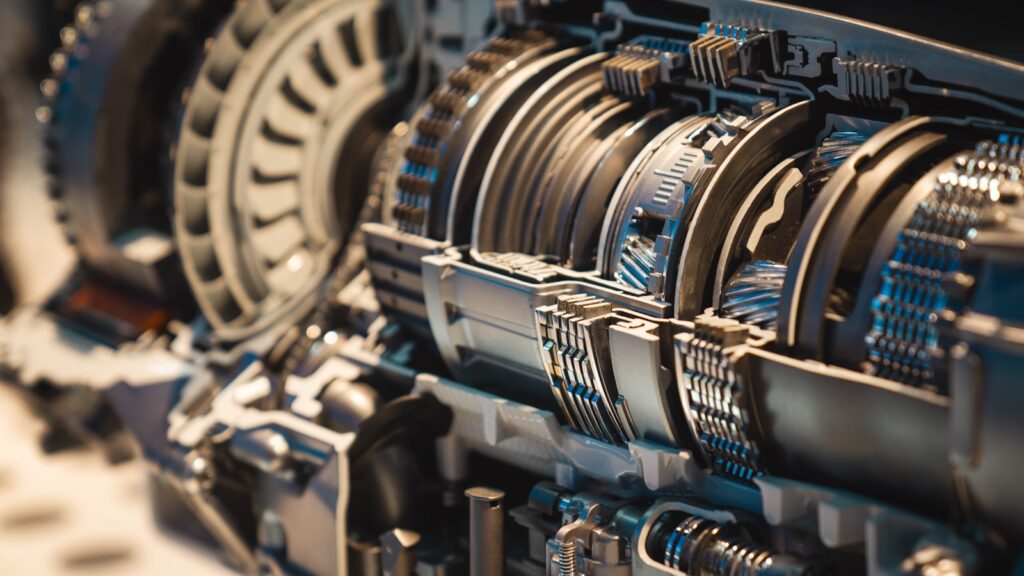
Heavy-duty parts made the car tough under pressure. From the start, engineers leaned on General Motors’ trusted Turbo Hydramatic 400-tough enough to take hard shifts day after day. That three-speed setup? It stayed solid even when loads of power surged through. Built alongside a rock-solid rear axle and time-tested driveline bits, everything held firm. So when that big LS5 engine twisted hard, the Sprint stood strong, never cracking under strain.
Weekdays found the Sprint moving cargo without fuss, steady and ready. Yet when night fell, something shifted-its engine humming sharper notes down empty roads. A quick change like that few trucks managed so smoothly. Instead of just power, it offered two clear sides: one patient, one restless. Most muscle machines stuck to loud bravado; this one listened first, then answered fast. That balance-the everyday grit paired with sudden spark-set it apart.
5. A Sleeper Like None Before
Hidden power lives quiet. While others shouted with loud colors and big wings, the Sprint SP 454 stayed calm. Hood scoops? Missing. Flashy stripes? Nowhere to be seen. Instead, it moved through streets like any ordinary car-except under the skin things roared. Most people walked right past without noticing what waited beneath. Performance didn’t need banners here. Strength wore plain clothes. Most folks overlooked the Sprint SP’s speed hidden behind calm looks. Without knowing the details under paper, it seemed just another sharp-looking work rig.
Sleeper Vehicle Advantages:
- Understated exterior appearance
- Minimal visual performance cues
- Surprising hidden capability
- Practical work vehicle image
- Distinctive dual-purpose identity
Hardly anything outside gave away the giant V8 crouched up front, ready to surge forward at a moment’s notice. Power hid beneath its ordinary look, shaping what people came to expect from this model. Not flashy yet fierce, it delivered muscle-car speed inside a truck that seemed built only for tasks. The Sprint SP 454 pulled off a rare mix-tough when needed, thrilling when wanted. Most machines stumble trying to be two things at once; this one didn’t blink. Attention slipped past it quietly, which suited many drivers just fine.
6. Why Only a Few Were Built
That odd little Sprint SP 454 still hides in plain sight, even with its bold specs and quirky charm. Not many know it existed, mainly because so few rolled off the line. Just 249 were built in 1971, a tiny batch compared to others roaring through that era. Rarity like that doesn’t come around often, especially among muscle cars chasing speed and noise. Back then, spotting a Sprint SP 454 wasn’t something most fans got to do, not even when it was new.
Why Production Is Low:
- Extremely low production numbers
- Higher purchase price point
- Niche customer appeal segment
- Limited market demand overall
- Rare General Motors offering
While other muscle machines showed up everywhere, this one stayed scarce-on streets, at dealerships, just about anywhere. Right out of the gate, it flew under the radar, missed by many who loved performance cars. Only a few people could afford the extra price that came with the performance upgrade. That steep cost made it harder for most shoppers to see the value, especially in a truck built for work. Priced high and wanted by few, it turned into something uncommon -a large-engine model GM hardly ever sold.

7. The Identity Crisis That Damaged Its Success
Surprisingly few saw the Sprint SP 454 for what it could be. Since GMC placed it in truck showrooms, buyers who craved speed rarely crossed paths with it. Odd placement, really-meant those wanting power overlooked it entirely. Without a proper home among sports models, it just drifted, unseen. Some folks who liked fast cars would head straight to Chevrolet spots looking for models like the Chevelle SS, the Camaro, or the Corvette.
Marketing Identity Challenges:
- Sold through truck dealerships
- Missed performance-focused shoppers
- Confused target customer groups
- Difficult market positioning strategy
- Limited audience engagement
Meanwhile, people walking into GMC stores usually wanted work-focused pickups or delivery rigs, not speed monsters. Because of that gap, the Sprint just floated between crowds, never really sticking with one. Somehow between categories, the machine never found its crowd. Not rugged enough for hardline pickup fans, while also lacking the raw edge muscle loyalists wanted. Caught in that gap, the Sprint SP 454 stayed under the radar. Other GM models rose higher, leaving it behind.
8. Limited Marketing Exposure
It wasn’t flashy ads that faded the Sprint SP 454 from minds-it was silence. Behind the scenes, GMC talked up toughness, work-life balance, built-to-last bones. Performance? That story stayed quiet. Because of this tilt in messaging, interest crept slowly downward. Buyers heard strength, saw hauling power-but missed the spark under the hood. What set it apart slipped through the cracks. Few ever got why it stood out. Most iconic muscle cars raced hard. The Sprint did not join them there.
Exposure and Promotion Limits:
- Utility-focused advertising approach
- Minimal performance-focused campaigns
- Lack of racing involvement
- Only a small amount of attention shown by news outlets
- Reduced public awareness overall
Racing glory passed it by, leaving little mark on competition history. Magazines barely mentioned its name compared to rivals. Coverage was thin, scattered, often skipped entirely. Publicity slipped through its fingers like sand. Enthusiasts found little reason to celebrate it loudly. Recognition came slow, if at all. Identity faded before it could form. Out of sight, out of mind-that’s where the Sprint SP 454 landed, thanks to zero fanfare behind it. Though it could run neck-and-neck with famous muscle models, most fans never even knew it was on the road. Word didn’t spread. Silence around it grew louder than its engine ever did.
9. Bad Timing in a Time of Change
Just as the Sprint SP 454 hit the roads, car culture entered a rough patch. Into the 1970s, muscle cars saw their peak slip away because of new rules and tighter budgets. Even though drivers admired what the Sprint offered, heavier taxes and fuel worries quietly pushed power machines aside. Heavier costs hit drivers of high-powered cars as insurers raised rates, adding pressure on those looking to buy.
How Industry Shifts Impact Sales:
- Rising insurance costs rapidly
- Fuel efficiency worries on the rise
- New rules on pollution limits took effect
- Declining muscle car demand
- Shifting automotive market priorities
Gas got pricier, which stirred unease among everyday users. Rules around pollution pushed automakers to dial back horsepower just about everywhere. All of it piled up right when muscle cars needed room to grow. Just as things started getting tough, the Sprint SP 454 showed up. It had the kind of power and attitude people once loved in American muscle cars. Yet by then, buyers wanted something else entirely, shaped by shifting trends and new rules. Even with strong performance under the hood, its moment had already passed before it could really be seen.
10. Overshadowed by Its Own Family
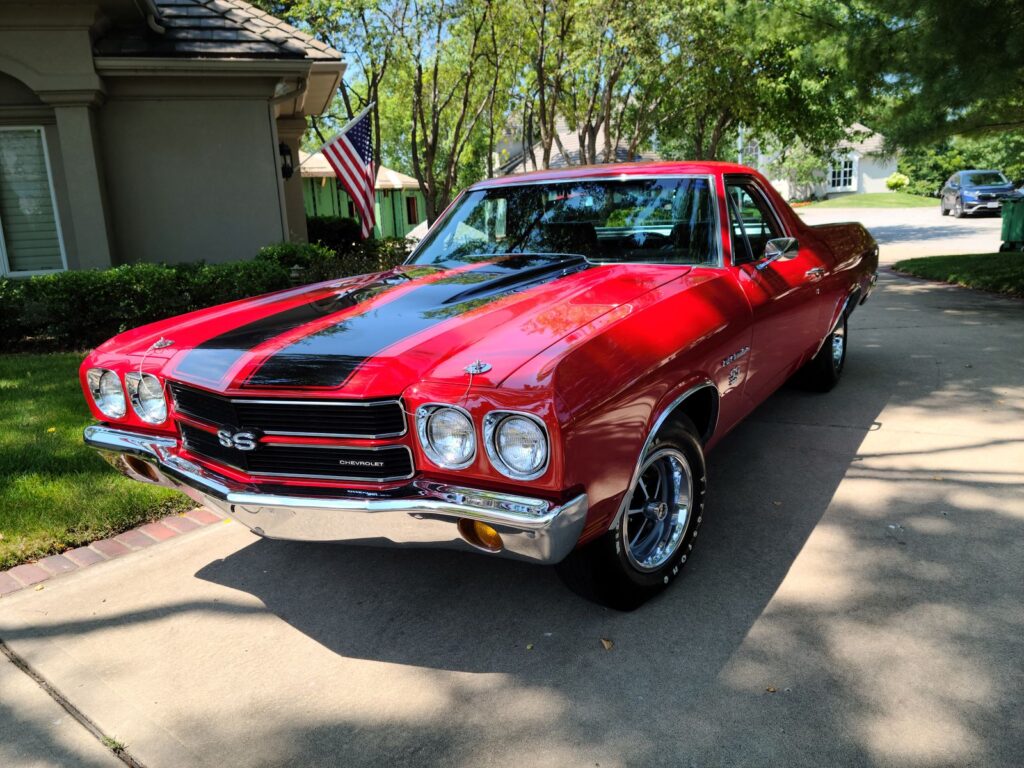
Out of nowhere, the Sprint SP 454 found itself overshadowed by its own family. Though it matched the El Camino SS 454 in power, that Chevy name carried more weight with muscle fans. Because of this sibling clash, the GMC version struggled to stand out. Instead of shining on its own, it faded into the background. Heavier costs hit drivers of high-powered cars as insurers raised rates, adding pressure on those looking to buy.
Internal Competition Factors:
- Strong Chevrolet brand recognition
- Similar El Camino performance
- Greater marketing support available
- Easier consumer purchase decision
- Hidden behind the scenes at General Motors
Looking at both options, most people saw the Chevrolet as the go-to pick. Not only did it feel like a known quantity, but it also had a rep for getting things done on the road. Public awareness leaned heavily toward Chevy, thanks partly to ads showing up everywhere. Because of that visibility, picking the El Camino just seemed to make sense. The GMC version? It simply didn’t stand out in the same way. Now tucked away from the spotlight, the Sprint SP 454 lived most of its life behind a bigger name. Instead of fame, it got silence-while the El Camino took center stage in muscle car lore. Even with matching power and grit, the Sprint slipped through memory gaps. These days, that very invisibility pulls interest from those drawn to forgotten speed machines.