








Peak Atmospheric Performance: Unpacking the Highest Horsepower Naturally Aspirated Engines Ever Built
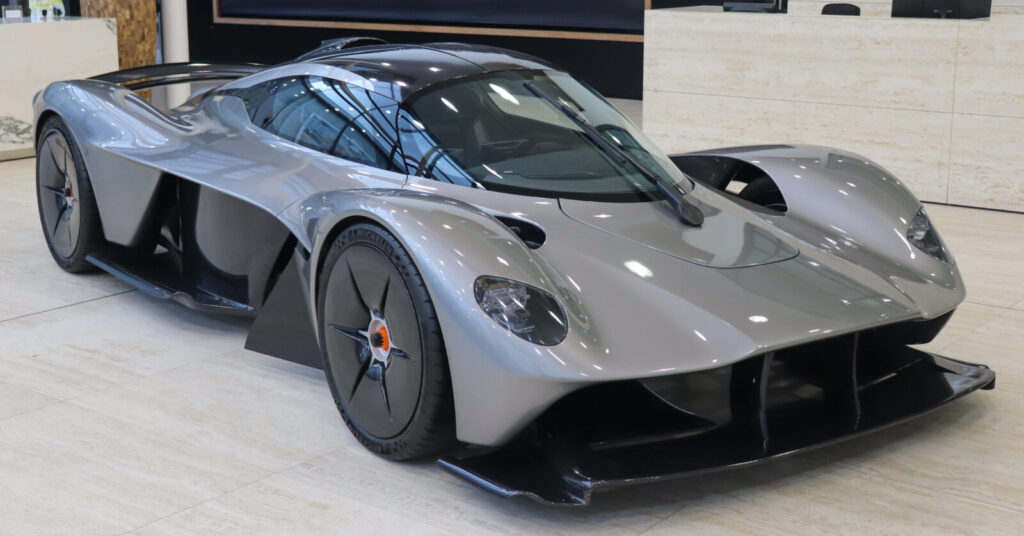
Every new performance car continues to push the envelope, arriving with ever more shocking power levels to put the proverbial rubber on the road. Not so long ago, the best cars hit a mere 400-500hp, which was achieved easily enough with turbo and supercharger technology, but not so much today when a Nissan GT-R or McLaren 720s is turbocharged, supercharged, and pushing 8-10 cylinders. But every now and then, it’s amazing to see a free-breathing engine, creating godlike power without the help of boost. Maintaining high RPM and producing high power naturally with internal combustion engines requires careful management of flow, materials, and motion in all of the right places, in a tiny mechanical package.
Photographer: Underhood You can’t talk about incredible V8s or V10s without mentioning the Porsche Carrera GT, the Lamborghini Huracn, the Dodge Viper, and the Chevrolet Corvette Z06. But for our money, the best of the best naturally aspirated engines belong to a dozen or so 12-cylinder wonders. Attendees on the list from Gordon Murray Automotive, Aston Martin, Ferrari, Lamborghini, and Pagani show to what lengths engineers will go to in the fight to post atmospheric performance. From the 663-horsepower V12 pulling an eye-watering 12,100 rpm to the mysterious 1,001-hp output of the internal-combustion engine in the Aston Martin Valkyrie, they’re all pretty mind-blowing.
1. Naturally Aspirated Power Is Becoming Increasingly Rare
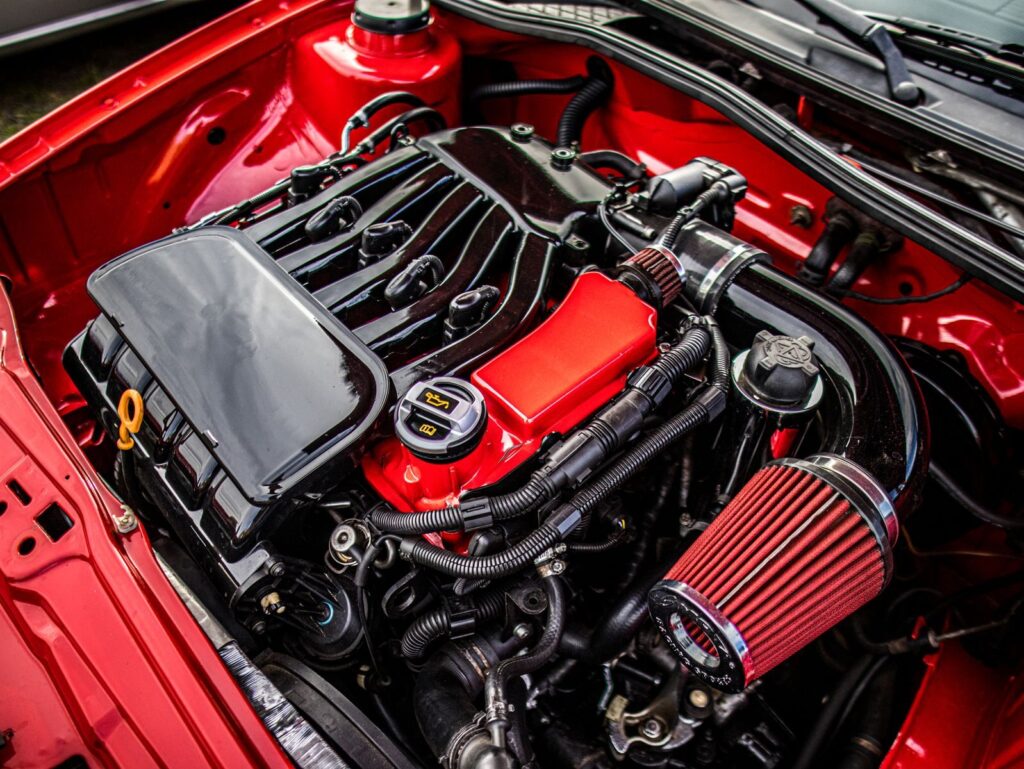
Modern feats of horsepower-production are becoming so crazy that much of the evolution has centered on forcing air into engines to the point of boosting performance-be it with turbocharging or supercharging. Electric motors and hybrid technology are also in the game now, offering yet another way to reach mammoth levels of power. But what makes so-called naturally aspirated motors-motors that breathe on their own without forced induction-so incredible is that they do so without that assistance. For an engine to generate gobs of power naturally aspirated, engineers have to work at maximum efficiency within a compact package-optimizing airflow, valve timing, internal rotating assembly, and so on-thus achieving a different kind of horsepower, high-revving performance.
The Challenge of Atmospheric Power:
- No turbocharger or supercharger assistance
- Extreme airflow optimization becomes essential
- Valve timing demands careful engineering
- Internal assemblies withstand huge speeds
- Compact engines deliver monumental power
It’s partly the mechanical nature of the engines that makes them so attractive. A naturally aspirated engine can’t just have a turbo slapped on it to inflate the horsepower number, they also have to coax the engine to pull exceptional numbers out of its basic design. This led to naturally aspirated V8 and V10 engines making more than 600 horsepower which proved atmospheric combustion engines were still competitive, but those engines were eventually trumped by twelve-cylinder engines that achieved even more absurd horsepower numbers. The evolution from traditional high-performance engines toward those high-revving V12s show how far engineers pushed the technology of internal combustion engines.
2. Porsche Carrera GT Turned a Formula 1 Idea Into 603 Horsepower
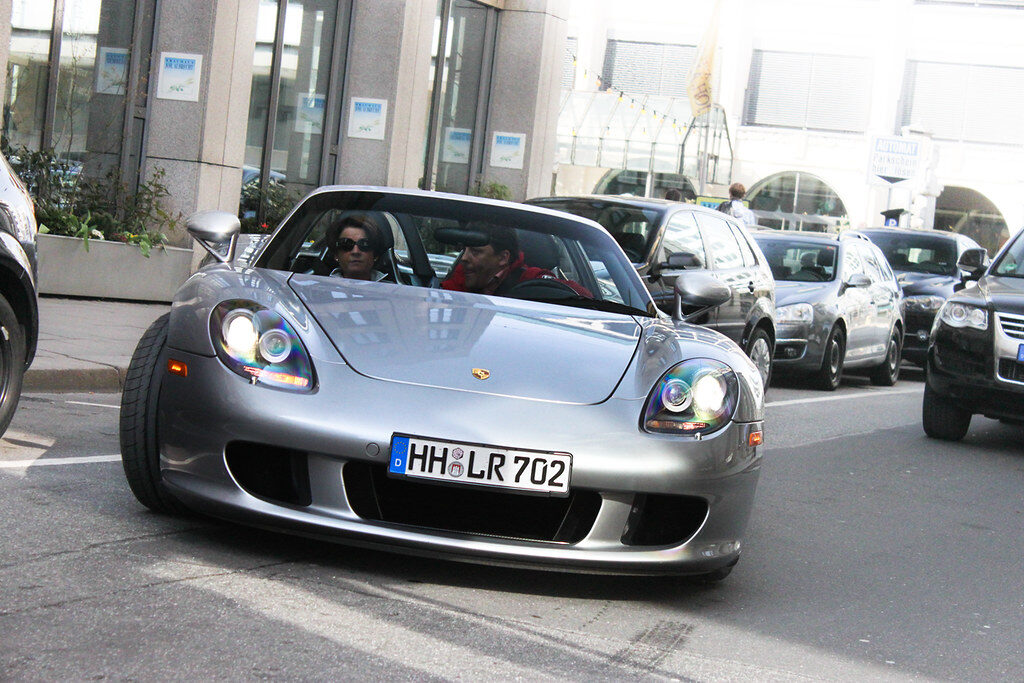
Porsche illustrated the potential of naturally aspirated engineering when the company debuted the 2004 Carrera GT. The carbon-fiber supersports car featured an analog approach to high-performance with a manual gearshift and a traditional 5.7-liter V10 powertrain with a 68-degree cylinder-bank angle. The engine had a mysterious past that stretched back to the manufacturer’s 1992 Formula 1 project and a later LeMans prototype, each of which was canceled before the revenue from a Porsche-branded SUV allowed the company to revisit the concept. Once revived, the engine became the core of the single-most interesting sports car ever built by Porsche, with dual camshafts, variable valve timing, 20 individual valves, nickel and silicon cylinder linings for longevity, and unique intake and exhaust systems for each bank of cylinders to create a unique mechanical sound.
Carrera GT Engineering Highlights:
- Introduced as a 2004 supercar
- Used a 5.7-liter V10
- Engine featured 68-degree angle
- Produced 603 naturally aspirated horsepower
- Origins traced to Formula 1
The Carrera GT shows what happens to a canceled racing-engined concept. Ford’s engine was not just big or powerful it used technology derived from a far more exacting engineering context. The dual cam and variable timing that helped to dial in that engine, the nickel and silicon cylinder walls that helped to prolong its life, the decoupled exhaust systems for each bank that made its signature sound and character, none of these things were going to make the engine a better race engine, but each of them ultimately made the engine a more distinctive road engine. The V10 just made 603 horsepower without the benefit of forced induction and was among a select few atmospheric engines that proved the scope of what was possible.
3. Lamborghini’s V10 Combined Compact Packaging With 631 Horsepower
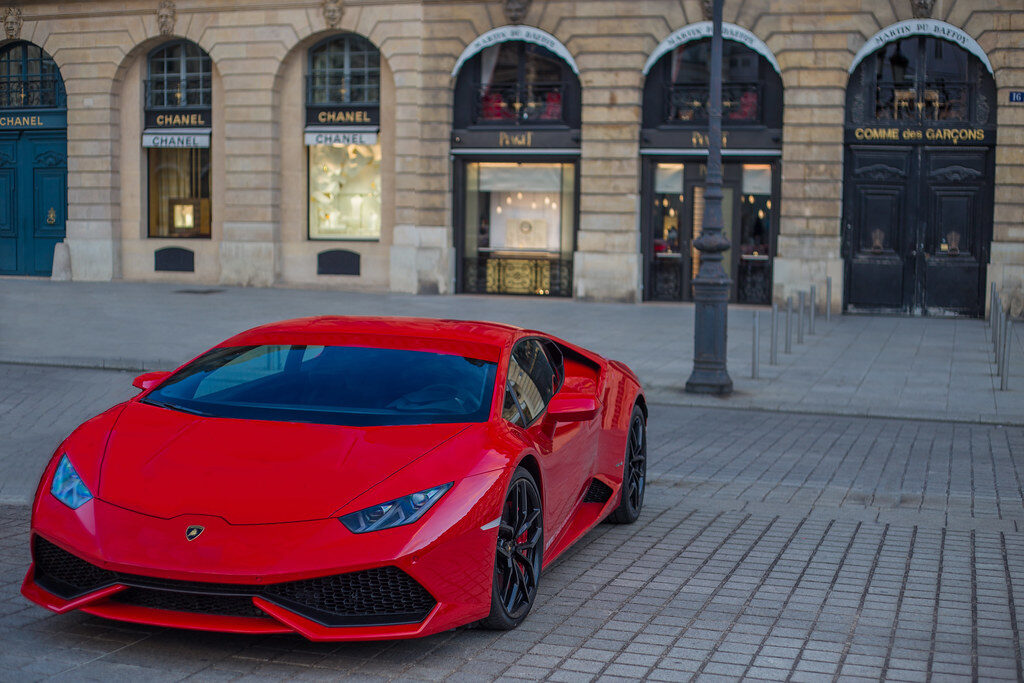
Lamborghini’s ten-cylinder legend was born a little after its parent company Volkswagen bought the brand, but it was tasked to produce a compact V10 that sat behind the driver and became the basis of a smaller model hierarchy. Lamborghini’s V10 was installed in the Gallardo, and carried over to the Huracn. Displacing 5.2-litres, it was able to inhabit tighter spaces in part due to its outrageously narrow 90-degree spread. It packs dual-camshafts with four valves per bank and variable timing, and more modern iterations combine direct and indirect injection for perfect fuel delivery across the engine’s entire operating range. The end result is a compact little power package that delivers the goods as a high-revving naturally aspirated engine, too. In the Huracn EVO, the V10 generates 631hp, versus the 601hp of its 2014 release.
Lamborghini V10 Performance Details:
- Engine displacement measured 5.2 liters
- V10 used narrow 90-degree angle
- Twin cams controlled four valves
- Variable timing optimized engine operation
- Huracán EVO reached 631 horsepower
The V10 from the Huracan is also the engine that Lamborghini was using to share some technology with the supercar company Audi in the Lamborghini R8. The V10’s development was focused on generating high naturally aspirated power while maintaining a compact engine for a very constrained mount space behind the seats. Four valves per cylinder, twin camshafts, variable timing, and advanced fuel injection helped the V10 generate power all through the RPM range, from 601 (it debuted in the Huracan in 2014) to 631 (as in the Huracan EVO). Lamborghini’s evolution of the atmospheric V10 without resorting to forced induction is a big part of its experience.
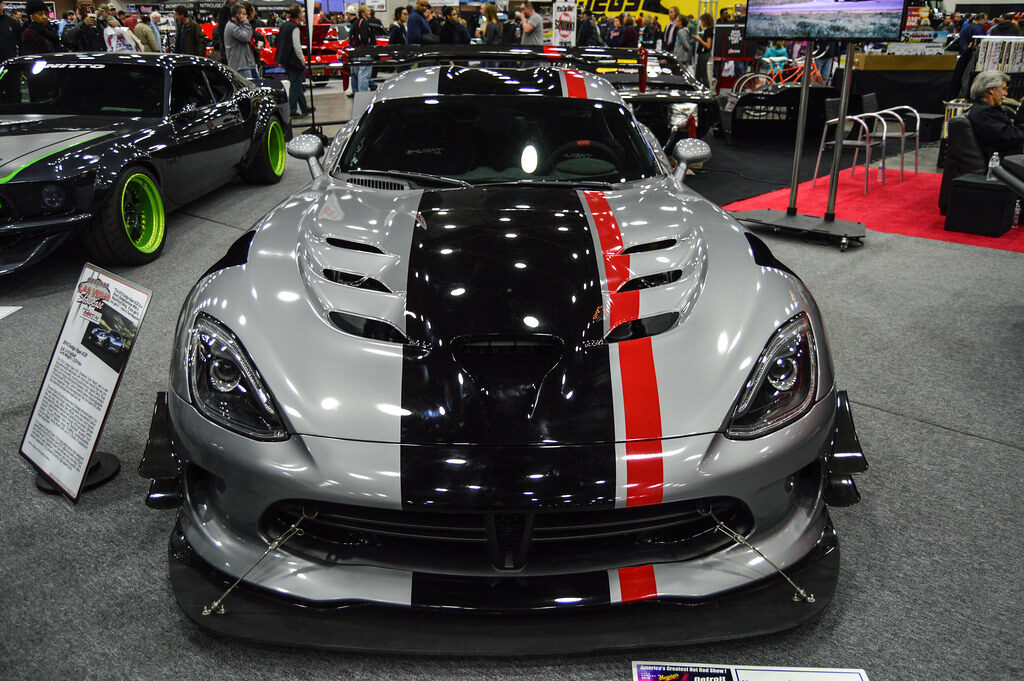
4. The Dodge Viper Proved Displacement Could Create Serious Power
When mid-engine layouts became common in American performance cars, the Dodge Viper proved that an American manufacturer could build one hell of a machine that could give European exotics a run for their money. The Viper was born at a time when 300 horsepower was considered a lot of power, though Dodge was about to take a very different way to performance. Rather than early forced induction, Vipers used prodigious displacement, and the first-generation 8.0L V10 just so happened to be the first American engine with more than eight cylinders since the last V12s wore out in Cadillac and Lincoln sedans during the late 1930s. The Viper engine maintained an overhead-valve design using two-valves-per-cylinder heads, a cam-in-block, and a pushrod.
Viper’s Massive Mechanical Formula:
- Original displacement reached 8.0 liters
- V10 debuted during 1991
- Engine used overhead valves
- Pushrods operated two valves
- Final ACR reached 645 horsepower
This was a surprisingly un-technical approach-relatively ancient overhead valves, lots of displacement. The engine really couldn’t be more opposite to the smaller, more advanced engines in Europe’s supercars. And yet the Viper’s approach would pay off; by the time the Viper ACR was finished, it had 8.4 liters and 645 horsepower-and it was, by a long shot, the biggest V8 piston engine for road use on the planet. So the Viper really became the benchmark for a natural aspirated engine based on the simple principle of very large displacement-here, displacement was the one defining feature of the Viper’s naturally aspirated engine.
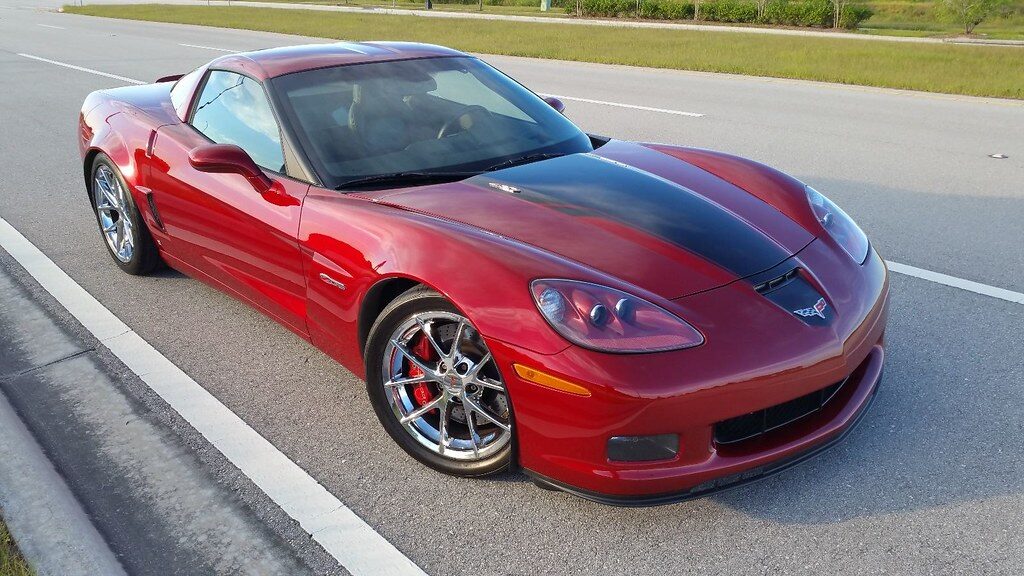
5. Corvette Z06 Pushed a Naturally Aspirated V8 to 670 Horsepower
Chevrolet raised naturally aspirated performance to a whole new level with the mid-engine Z06 The performance Corvettes before it, such as the Z51 performance package, employed a supercharger; the base 2020 model, which also uses a pushrod engine, made 495 horsepower. The Z06, however, went in a different direction altogether, resulting in a naturally aspirated engine that wasn’t supercharged. A new, 5.5-liter V8 was in the works with a pair of overhead cams and flat-plane crankshaft, incorporating four valves per cylinder, forged aluminum pistons, forged titanium connecting rods and an active twin-throttle body air intake for maximum airflow and fueling. That added up to a very high-revving 670-horsepower engine.
Z06’s High-Revving V8 Hardware:
- Bespoke 5.5-liter V8 engine
- Dual overhead camshafts included
- Flat-plane crankshaft enhanced character
- Forged titanium connecting rods
- Output reached 670 horsepower
The Corvette Z06 has no forced induction. Chevrolet not only increased the size of the engine, but it eschewed the traditional pushrod architecture, actively employing dual overhead cams, a flat-plane crank, four valves per cylinder, forged internals, and heavyweight intake components. The active split air intake with twin throttle bodies is engineered to channel huge volumes of fuel and air into the engine. The resulting naturally aspirated 5.5-liter V8 cranks out an incredible 670 horsepower, giving you a high-revving true-blue American performance powerplant that delivers the goods without a turbocharger in sight.
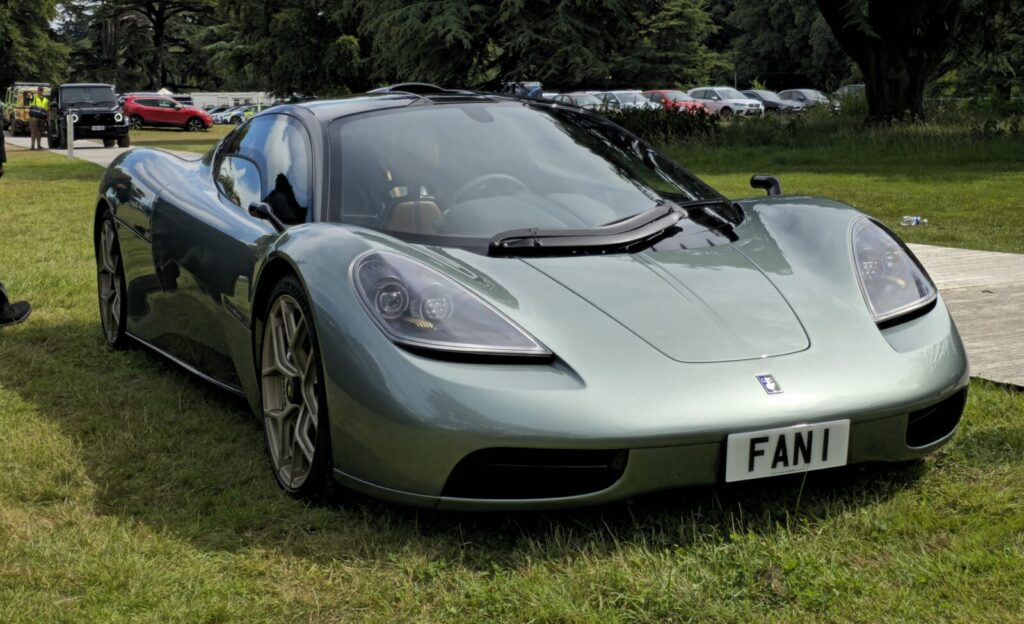
6. Gordon Murray’s T.50 Took the V12 to 12,100 RPM
Another step in this golden path was stepping from the V8 and V10s into the realm of twelve cylinders. Once again, Gordon Murray-the godfather of the McLaren F1-had a plan to make another naturally aspirated engine that would be great. Gordon Murray Automotive, in conjunction with Cosworth-the engineering company that built the original engines for the McLaren F1-had created a clean-sheet 4.0-liter V12 capable of 663 hp all on its own. This was a naturally aspirated, light engine (under 400 pounds), sitting in a car that was very light (2,174 pounds), with a redline of 12,100 rpm.
T.50’s Lightweight V12 Formula:
- Bespoke Cosworth 4.0-liter V12
- Naturally aspirated 663 horsepower
- Engine weighed under 400 pounds
- Car weighed just 2,174 pounds
- Redline reached 12,100 rpm
For atmospheric performance, the T.50 is about as focused as you can get. The 4.0-liter V12 engine’s relatively modest capacity (by modern standards) of produces power through extremely high engine speed and all up weight through lightweight design. More than 400 pounds lighter than the vehicle it powers, the engine’s redline of 12,100rpm gives you an idea of just how high-revving the engine gets. Power is delivered in a naturally aspirated form with 663hp generated by an all-mechanical package that is a demonstration in high-revving engineering for its multi-million dollar car purchaser.
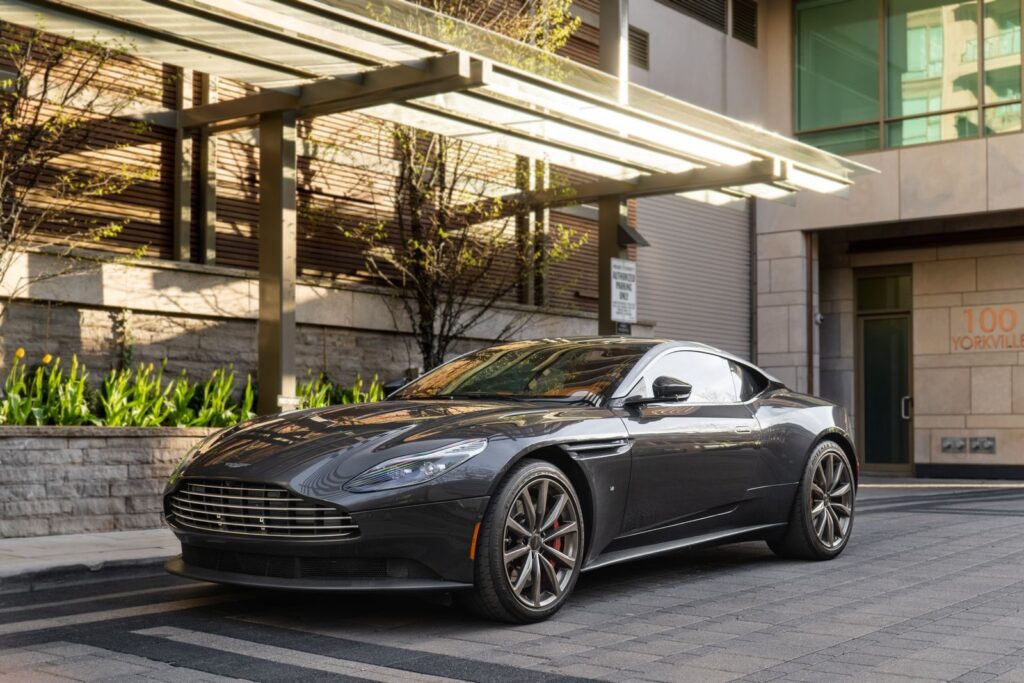
7. Aston Martin One-77 Used Cosworth Engineering for 750 Horsepower
The British brand also enlisted the help of Cosworth in the development of the super-exclusive One-77 grand touring sportscar. First shown in 2009, and carrying a 1,000,000 price tag, the One-77 was powered by a front-mid-mounted 7.3 liter V12 pushing out an incredible 750 horsepower through 48 valves. The One-77 used the 5.9-liter engine of the V8 variant, yet managed to shed 25-percent of the weight by using ultra-lightweight materials, and a low-friction coating rather than traditional cylinder liners. With an all-aluminum construction and an ultra-light crankshaft, this naturally aspirated engine was significantly lighter and more efficient than traditional internal combustion engines, and was capable of catapulting the One-77 from 0-60 mph in a scant 3.5 seconds.
One-77’s Exclusive Engine Package:
- Front-mid-mounted 7.3-liter V12
- Produced 750 naturally aspirated horsepower
- Used 48 valves
- Engine weight reduced 25 percent
- Only 77 examples were built
The One-77 showcases yet another way to get to atmospheric power: combine big displacement with modern lightweight construction. Cosworth already had the 7.3-liter V12 to work with, but in this engine development program that engine was optimized for low weight and high mechanical efficiency. Compared to Aston Martin’s more diminutive 5.9-liter engine, the 7.3-liter engine was 25-percent lighter, thanks to a combination of exotic lightweight materials and a low-friction coating rather than traditional cylinder liners. They also achieved the horsepower (750) needed to make that 77-car, 3.5-second-to-60-mph hypermachine a production reality.
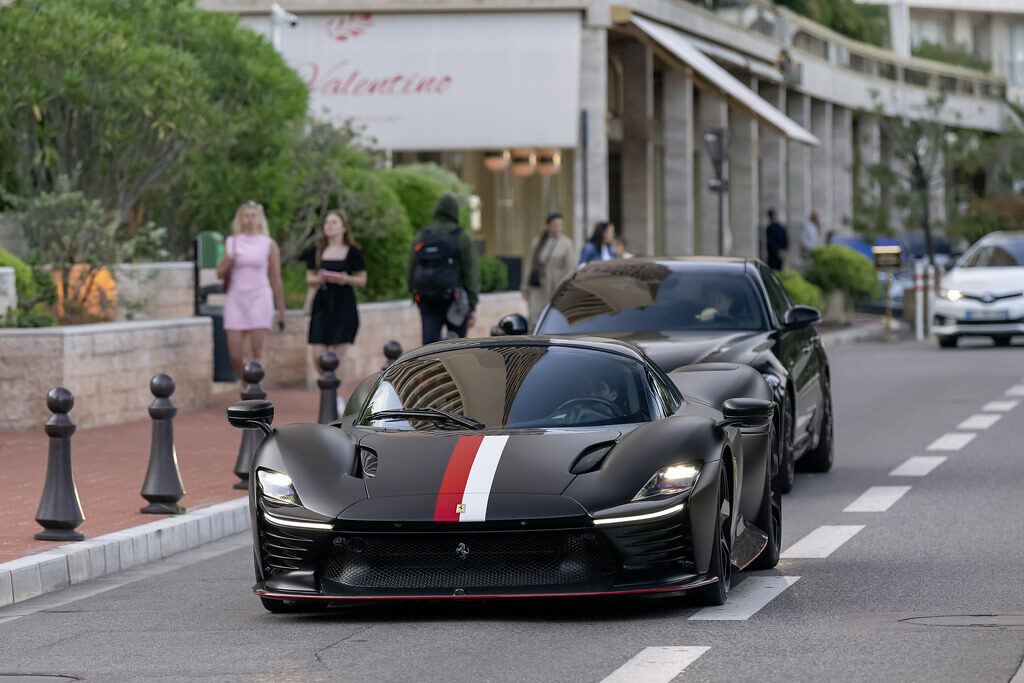
8. Ferrari’s Daytona SP3 Reached 828 Horsepower Naturally
Ferrari has taken this approach by preserving the essence of internal combustion while also using technologies that are gaining ground in the industry. The 2023 Daytona SP3 exemplifies this approach with its naturally aspirated 6.5-liter V12. Even when it generates a mindboggling 828 horsepower, it is still the most powerful naturally aspirated road engine Ferrari has ever produced – with the engineers behind it getting an additional eight horsepower that was not available in the 812 Superfast. Instead of abandoning the V12, the engineers there worked on the engine and added additional power. Ferrari CTO Michael Leiters said the V12 family is very important to Ferrari because of its uniqueness, and the Daytona SP3 fulfills that statement.
Ferrari’s Atmospheric V12 Achievement:
- Daytona SP3 arrived in 2023
- Engine displacement measured 6.5 liters
- Naturally aspirated output reached 828 horsepower
- Eight horsepower gained over 812
- V12 remains a Ferrari pillar
What makes the Daytona SP3 special is Ferrari’s ability to squeeze even more performance out of a tried-and-true naturally aspirated architecture. The 6.5-liter V12 had debuted in the 812 Superfast, but engineers were able to find an additional eight horsepower for the Daytona SP3.
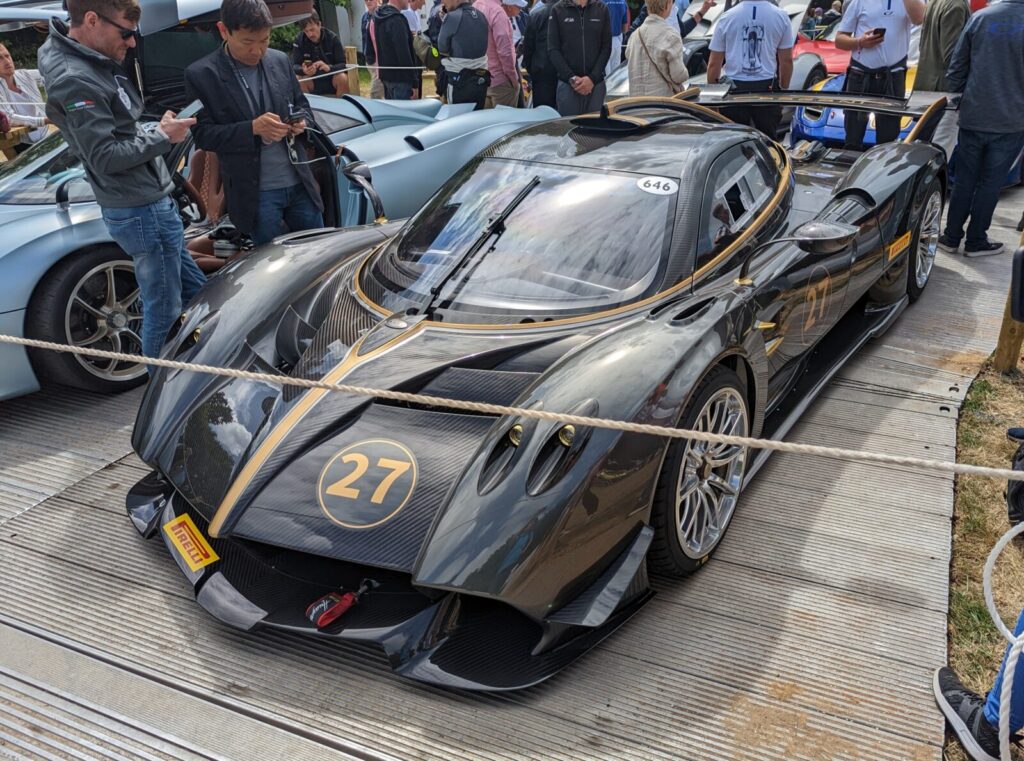
9. Lamborghini and Pagani Took V12 Performance Beyond 830 Horsepower
Pagani set the bar even higher with the Huayra R, boasting a custom 6.0-liter V12 from HWA AG that cranks out 838 horsepower at 8,250 rpm. Lamborghini ensured that naturally aspirated V12 performance was tuned for the track with the Essenza SCV12, a purebred strip lighting powerhouse limited to just 40 examples with a €2.6 million price tag. This V12 punches out 830 horsepower from a 6.5-liter engine and features a specially designed exhaust that tames back pressure in order to free up atmospheric horsepower. It is the most powerful Lamborghini ever made without a turbocharger.
Track-Bred V12 Engineering:
- Essenza SCV12 produces 830 horsepower
- Huayra R reaches 838 horsepower
- Both use naturally aspirated V12s
- Special exhaust reduces back pressure
- Huayra R uses lightweight alloys
Designed by Horacio Pagani in San Cesario sul Panaro, Huayra R incorporated its engine as part of the carbon-fiber chassis’s load-bearing structure. The V12 was equipped with direct injection and dry-sump lubrication, high-performance alloys, and a high-Rev limiter of 9,000 rpm. Production was limited to 30 units, and each car was more than $3 million. The Huayra R and Essenza SCV12 show how far a naturally aspirated V12 can be taken in a very limited production, track-oriented vehicle.
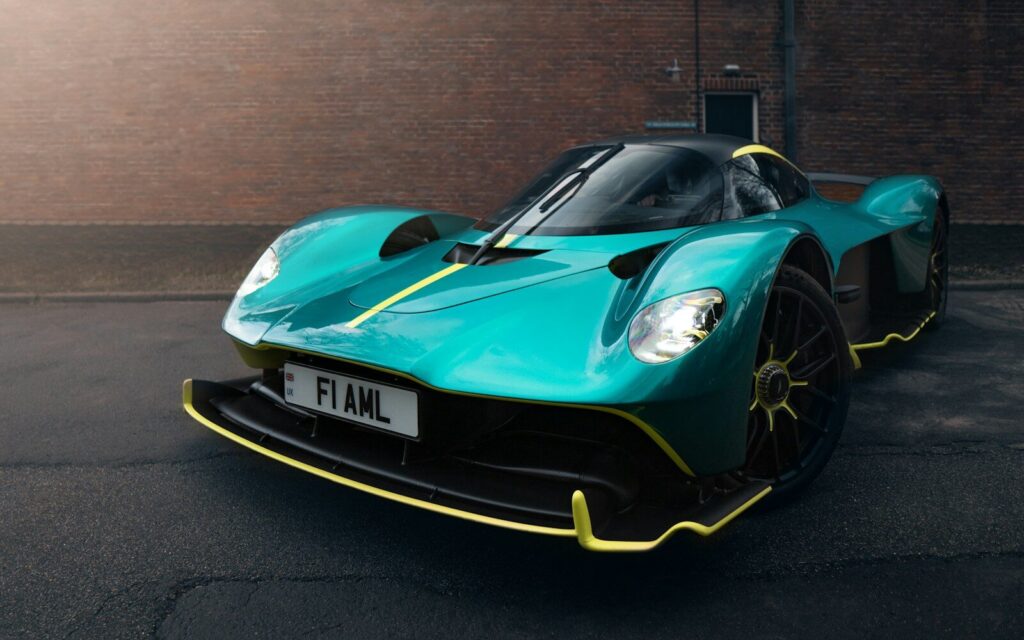
10. Aston Martin Valkyrie Became the Undisputed King of Atmospheric Horsepower
At the very top of our list of atmospheric horsepower stands the mind-blowing Aston Martin Valkyrie. Aston Martin and Cosworth teamed up to develop a 6.5-liter V12 that generates a jaw-dropping 1,001 horsepower on gasoline alone. It only gets more insane from there, as the hybrid electric motor adds another 138 horsepower, but that still leaves a whopping 1,001 horsepower on the table without any turbocharging or supercharging to speak of. This mid-engine rocket can sprint from 0-60 mph in just 2.3 seconds.
Valkyrie’s Four-Figure Achievement:
- 6.5-liter naturally aspirated V12
- 1,001 horsepower from combustion
- 1,139 horsepower with hybrid
- 2.3-second zero-to-60 acceleration
- Initial target reached 950 horsepower
How did engineers reach this incredible figure? By shrinking down air flow restrictions, lowering internal friction and employing lightweight, high-strength alloys throughout the rotating assembly. Originally targeting 950hp, months of dedicated testing, experimentation and detailed calculations contributed towards the engine’s achieving a four-figure boost. What Cosworth and Aston Martin achieved can be summed up as the absolute peak of mechanical enthusiasm and precision engineering, with the Valkyrie a screeching wake-up call to both nature and internal combustion’s very limits.


