


Red Light Confusion: Decoding the Rules Most Drivers Get Wrong
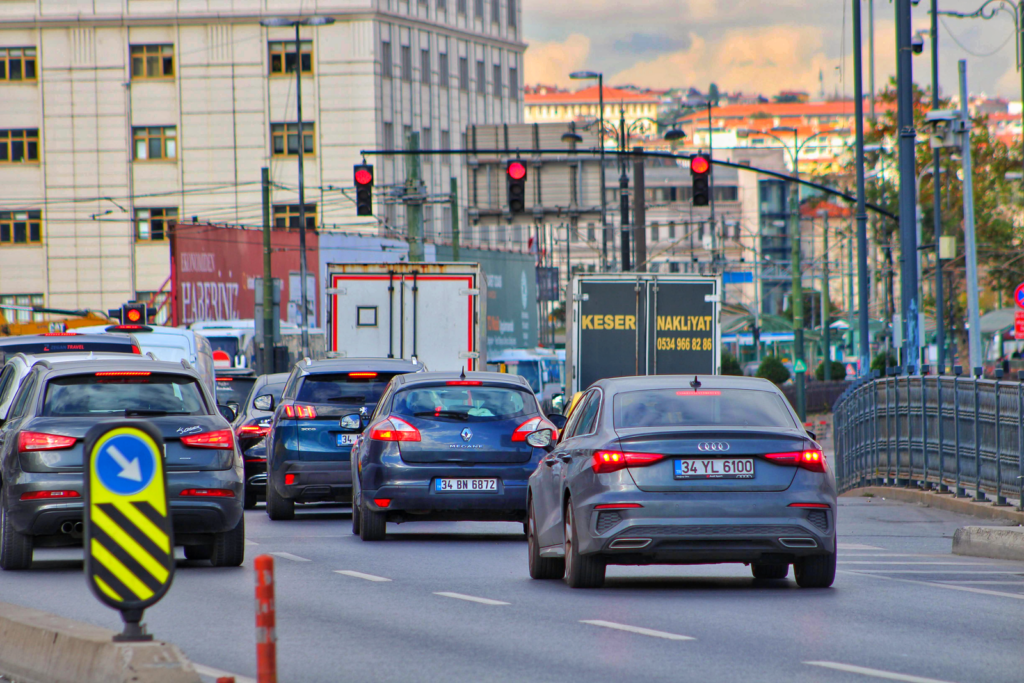
As drivers, most of us encounter red lights on nearly a daily basis. While these instances are often ordinary, you have likely been at a red light more than once and found yourself confused. You may begin questioning if you can turn, if the car beside you expects to turn, or if the traffic light even works correctly. This confusion often causes many of us to become anxious when we approach the next unfamiliar red light; however, through the close-call stories you see on your social feeds and conversations with other drivers on the roadway, you’ve come to learn that these laws often have far more understanding than intention.
These red light rules are for your knowledge to keep the confusion to a minimum at your next stop: Although most people think they know all there is to know when it comes to the stop signal since they’ve been driving for some time; there are actually a few exceptions in place that can really make the rules not so simple. The rules behind right turns on reds, left turns on reds, flashes, arrows, motorcycles, bikes and even funeral processions make the common red light more difficult to comprehend.
These easy-to-misunderstand situations can easily add up to a ticket or a dangerous accident. Learn More: 5 Ways to Improve your Parking Job When learning how to properly navigate and operate your vehicle; everyone knows to observe the stop light as well as pay attention to how the light system helps all the vehicles and bikers work in order.
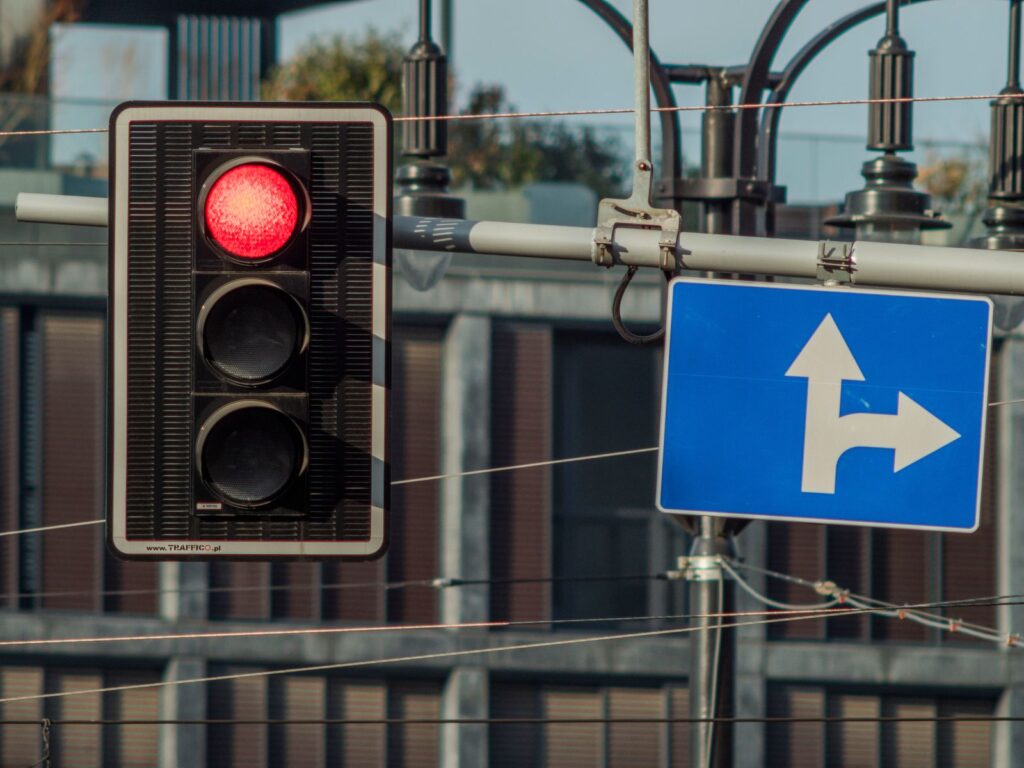
1. Understanding the Right Turn on Red
Many drivers may misunderstand, for instance, one of the easiest rules on our roadways, the right-on-red, or ROR. This rule allowing a driver to turn right from a stopped red light under a given set of conditions requires the full and undivided attention of the driver of that vehicle and their patience. It is not an unconditional privilege to enter the intersection as quickly as the driver desires, convenience should always follow caution.
Safe Steps Before Turning:
- Complete full stop
- Check for pedestrians
- Watch approaching cyclists
- Yield to traffic
- Obey posted signs
There should be a full stop not a rolling stop. Look to see pedestrians in crosswalks, bicycles approaching intersections or vehicles that have right of way. Only proceed with turn when intersection is totally clear and there are no hazards. If visibility is poor, or you aren’t certain as to traffic, be patient and wait until the green. The observation you practice may just keep you out of one unnecessary accident.
Pay heed to “No Turn on Red” signs that prohibit this maneuver. They are there to avoid accidents with pedestrians and cyclists. If there are no vehicles in view, do not turn on a red light. Some people drive aggressively and there may be pressure to turn immediately. Better a few seconds extra in safety then causing injury to other people, vehicles or the road surface.
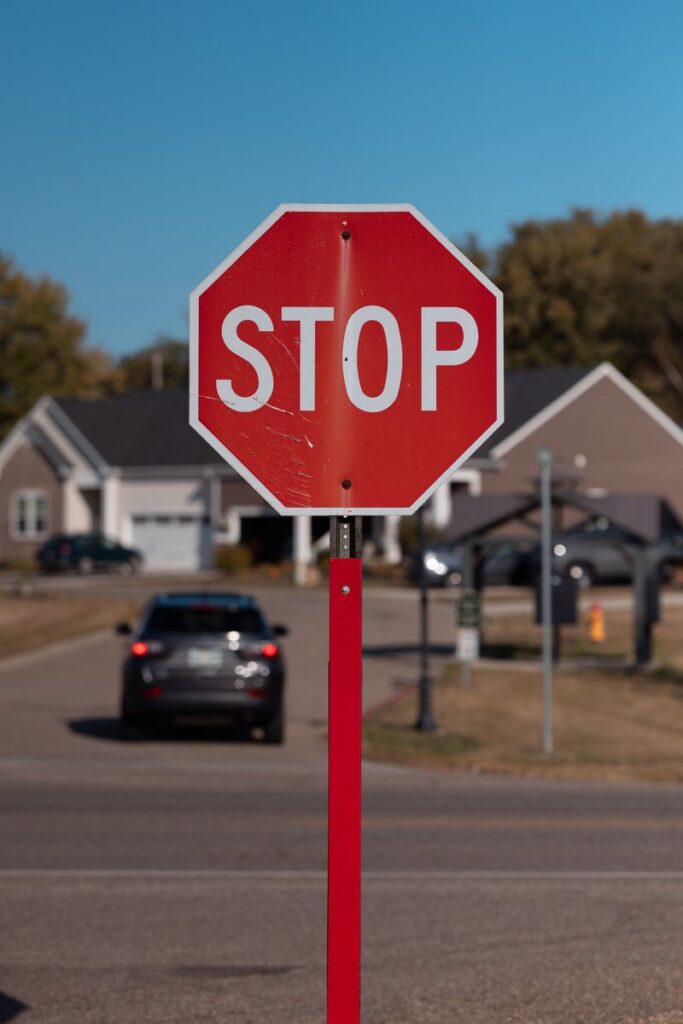
2. Why a Complete Stop Matters
Some of the most common traffic infractions result from a misinterpretation of the action that must be taken at an intersection. Stopping the car down but not the entire way down will not do when a driver may be issued a ticket. They need to completely stop their wheels so they may check to be sure that it is not dangerous. Drivers will learn where any danger may lie.
Benefits of a Complete Stop:
- Improve traffic awareness
- Spot hidden hazards
- Protect pedestrians safely
- Yield before turning
- Make safer decisions
A full stop makes pedestrians, cyclists, and other users that are harder to see when moving more noticeable. Having that extra second to look in all directions increases a driver’s visibility and their awareness of people who could step in front of their vehicle. This quick check at the intersection allows drivers to react better when an obstacle is unexpected. Watching will help avoid easily preventable crashes. Safety always starts with caution. A complete stop also provides time to consider instead of reacting immediately.
Even if other cars are trying to rush you along, take the time you need before proceeding into the intersection. Trying to hurry through an intersection significantly increases the likelihood of getting into an accident, being ticketed, or other unfortunate circumstances. Just those few seconds can have a massive impact on the safety of everyone on the road.
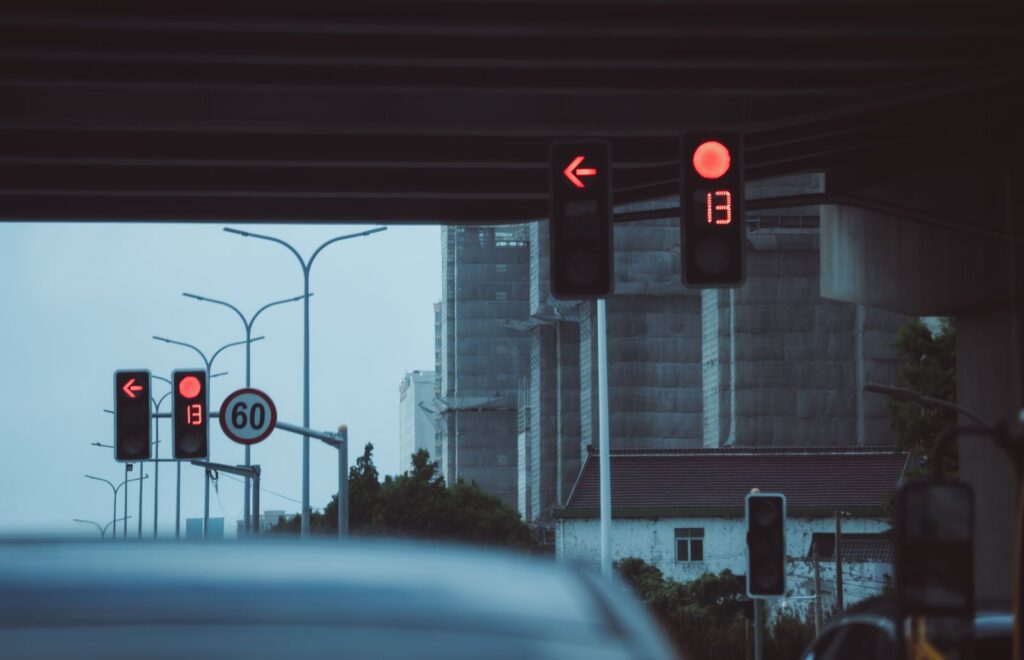
3. When a Left Turn on Red Is Allowed
Did you know it’s legal to turn left at a red light in some circumstances? It can be, at least in a limited context where left turns from a one-way street to a different one-way street are allowed. Because this regulation is not as frequently used as turning right on red, confusion surrounding it can be quite common among drivers.
Conditions for a Legal Left Turn:
- Complete full stop
- One-way to one-way
- Yield to traffic
- Check posted signs
- Confirm road is clear
Similar to any other right-hand turns, drivers must fully stop the vehicle before proceeding with the maneuver. At the point of stop, drivers are to fully look for oncoming traffic including cyclists and pedestrians and ensure they stop if the oncoming traffic is crossing the intersection on the green light. The turn can be performed only if there are no posted signs indicating that right turns on red are not permitted and that the intersection geometry and traffic control meet the law (note that local regulations may vary). Thorough observation is necessary before any movement is made.
This law may be effective in promoting smoother traffic movement, but it should never be an inducement for imprudent maneuvers and careless driving decisions. Drivers should attempt the right turn on red only if they have a positive knowledge that the intersection is safe and legally permissible to do so. If there is any uncertainty in legal permit to proceed, it is advisable to wait for green. Safe driving involves more patience to protect the others, even though it costs a few seconds.
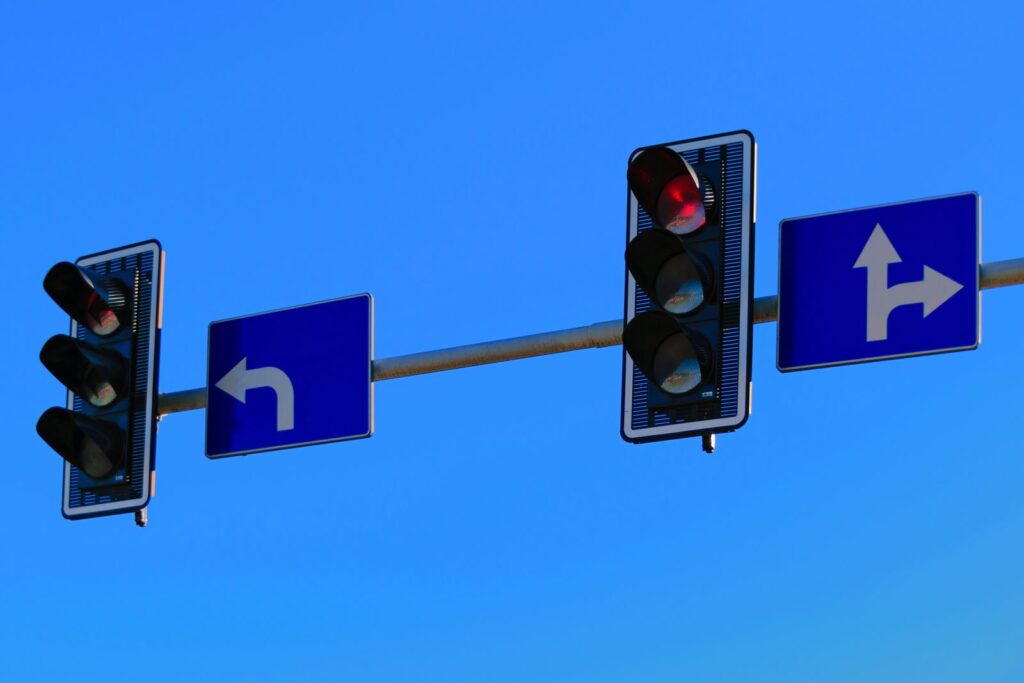
4. Flashing Red Lights Mean Stop
Many drivers misunderstand the purpose of a flashing red light and can mistake it as a caution sign. However, when approaching this type of traffic signal, drivers should view it as a stop sign, and all drivers are required to come to a full stop prior to proceeding. Driving through the intersection without stopping creates hazards as all other traffic will assume that you are going to stop prior to driving through. Drive cautiously.
Steps at a Flashing Red Light:
- Come to complete stop
- Check all directions
- Yield right of way
- Watch for pedestrians
- Proceed when safe
Drivers should do this after stopping by paying attention to all four directions for all traffic movements before proceeding into the intersection. In order to stop at this signal, attention should be paid to pedestrians using a marked crosswalk, as well as bicycles being ridden in proximity to the road and traffic that already have a legal right to use the intersection. Do not proceed in the intersection unless it is certain that it is clear and safe to do so. Drivers will find that patiently pausing and scanning is an easy precaution to take to avoid serious accidents.
Many flashing red signal operations occur when there is an absence of conventional signals or additional cautionary measures needed, Flashing red lights can be handled the same way as stop signs, and this will help provide traffic some sense of the appropriate path that the various elements of the flow have decided to take, thus enabling drivers to predict others behaviors. Driving properly in flashing red light situations makes the intersection safer for those that proceed cautiously.
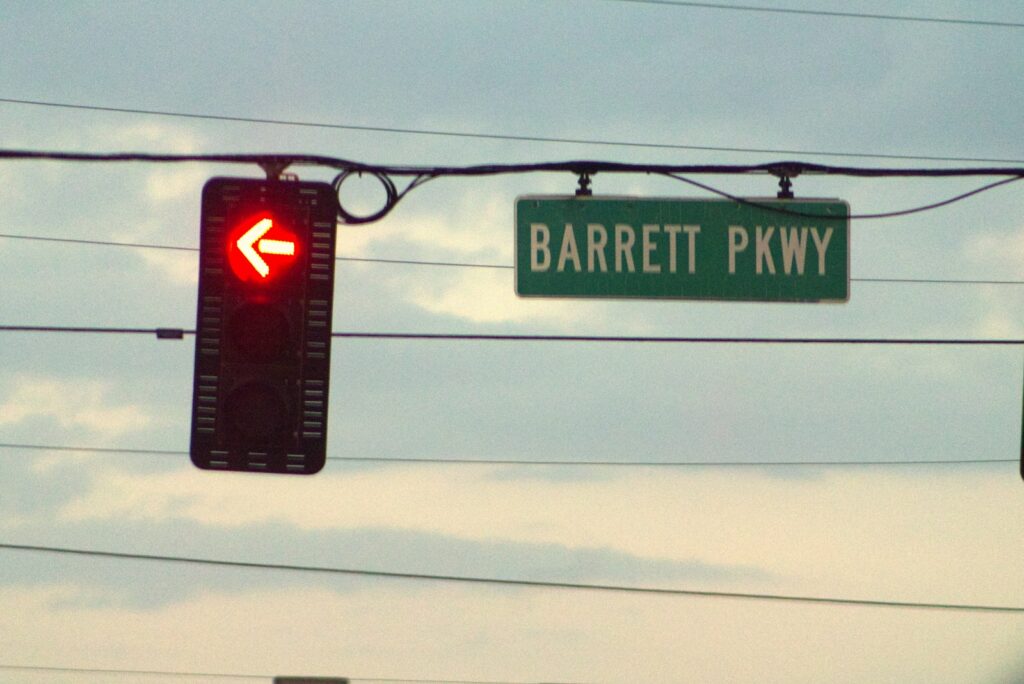
5. The Difference Between a Red Light and a Red Arrow
Although a red arrow and a common red light can appear to be identical, this is not always the case. If local regulations allow, you may be permitted to make a turn in certain situations on a steady red traffic signal. When viewing a red arrow traffic signal, on the other hand, you should stop your vehicle until it turns green. You should understand the distinction to assist prevent traffic violations and confusion while driving.
Key Signal Differences:
- Regular red light
- Solid red arrow
- Follow posted rules
- Wait for permission
- Avoid unsafe turns
If a solid red arrow signals your direction, do not turn under any circumstances until you are given permission, whether that be from a green arrow, the normal green traffic light, or any other signal giving you the option to proceed. Some drivers disregard a red arrow, seeing that no other cars or pedestrians are in the way, assuming that no other drivers can be harmed or inconvenienced. These lights exist for a reason; red arrows control your movement and guide you through complex or dangerous areas. Always wait for a green arrow or green light before turning under any direction of a red arrow.
Familiarize yourself with traffic signal differences If drivers learn to recognize and differentiate a red light from a red arrow, this helps streamline their experience when navigating a city or even just driving around town. Forgetting what you have seen and learned at intersections from your driving career and actually paying attention to the present traffic light and arrows is much more effective.
6. Special Situations That Can Affect Red Light Rules
Everyone is aware of fundamental driving rules at intersections of roads, but there are situations when these regulations will be enforced differently. There are several exceptions the law permits for exceptional conditions at intersections and that will still ensure safety for all drivers. These situations is precisely explained in the following text and these exceptional condition must never be generalized or used instead of the established law.
Common Special Traffic Situations:
- Dead-red signal
- Motorcycle detection issues
- Bicycle signal exception
- Funeral procession rules
- Follow local laws
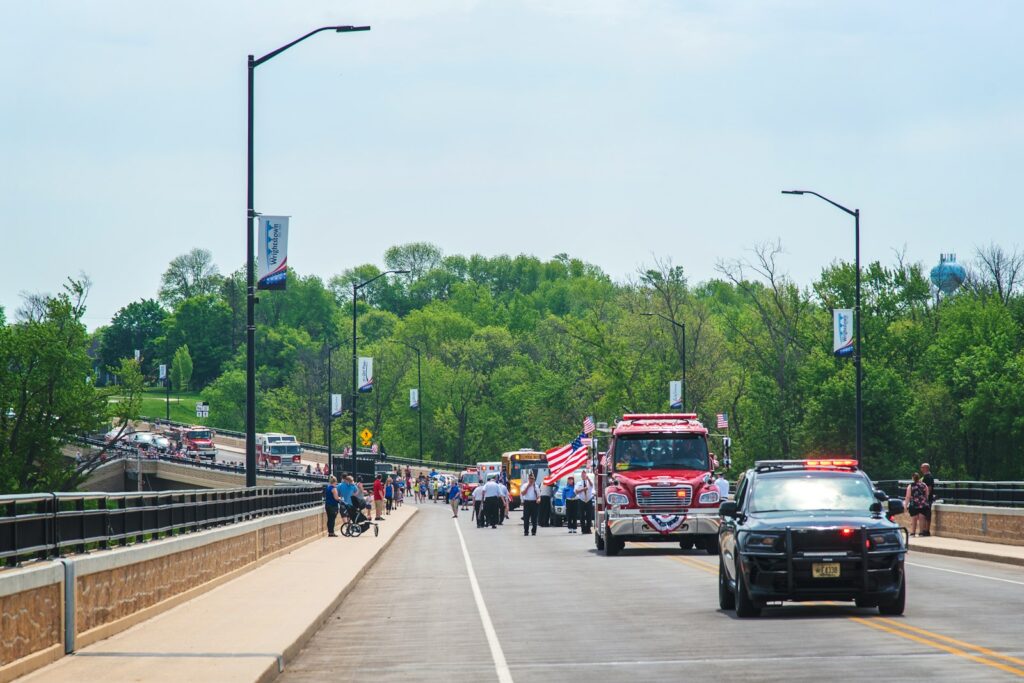
“Dead-red” is a great example; cyclists and motorcyclists might not set off a traffic signal because they are too light to activate the sensor. Riders may proceed through the red signal if the light has been red for a period of time and not changed in some states. There can be exceptions for funeral processions, depending on the law. However, most states still expect every car driver to stop at a red light. Because exceptions can differ from state to state, drivers cannot assume they are applicable everywhere. Common sense is required.
The existence of these special cases demonstrates that traffic laws are balanced between practicality and safety. Nevertheless, exceptions are generally very minimal, and drivers cannot expect to ignore traffic signals on a regular basis. Awareness of unique cases can prevent ambiguity for drivers; always use discretion because a clear right-of-way always supersedes individual interpretation. For drivers that do not know whether their local traffic law differs for specific cases, stopping for the red light will always be the safer option.
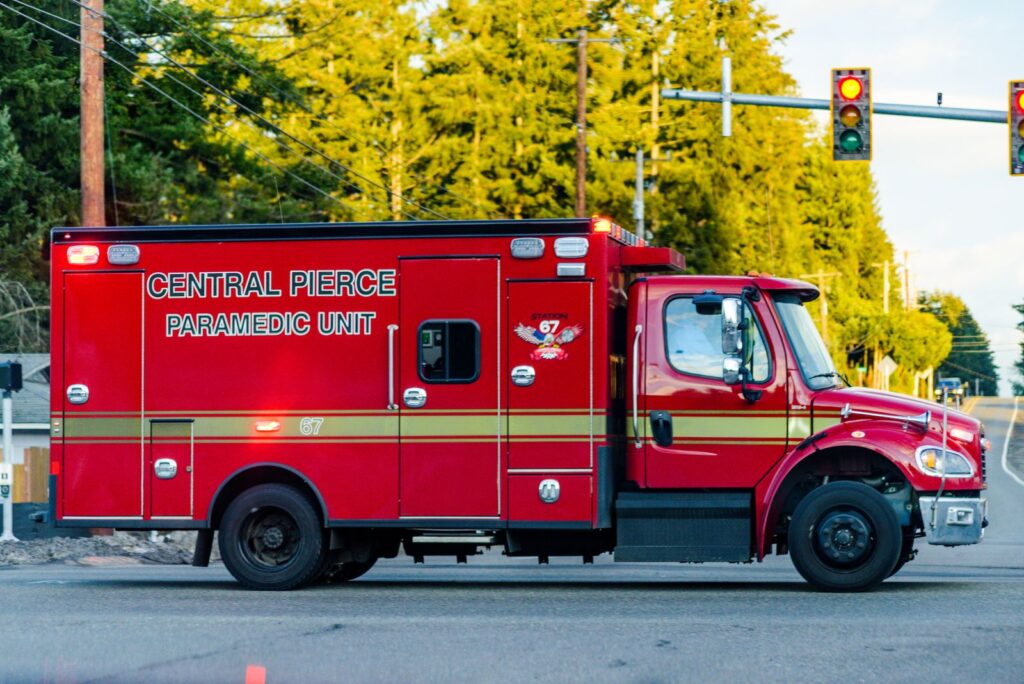
7. How Emergency Vehicles Handle Red Lights
Police cars, ambulances and fire trucks follow different traffic rules because in an emergency, every second counts. Despite the obvious need to reach a dangerous situation as quickly as possible, these drivers aren’t permitted to simply ignore traffic control devices without regard. Even though police vehicles may speed to a scene, emergency vehicle drivers are responsible for driving safely and avoiding any action that would endanger other road users. Drivers can blow a light and be allowed due to an emergency, but the law stresses caution at any intersection.
Emergency Vehicle Safety Rules:
- Slow before intersection
- Use lights and sirens
- Check traffic carefully
- Protect all road users
- Proceed when safe
When an emergency vehicle approaches a red light before proceeding through it, drivers operating the emergency vehicles must typically decelerate and come to a full stop, after stopping the vehicle fully at it is safe for him/her to cross. Operators are to hurry efficiently without undue peril to pedestrians or property of other vehicles, while still keeping the motoring public out of harm’s way, using the lights and sirens as a guide when it comes to directing other motorists. “Always driven with care on any response”.
When an emergency vehicle with lights and siren approaches other motorists are not to panic and stop short; instead, other motorists should yield and safely move aside for a place of convenience to safely allow emergency vehicle to pass. Educating others about this information regarding emergency vehicle can prevent future misunderstandings and assure safety for the rest of motoring public. Drivers and vehicle operators should always be alert and give room for any approaching emergency vehicle.
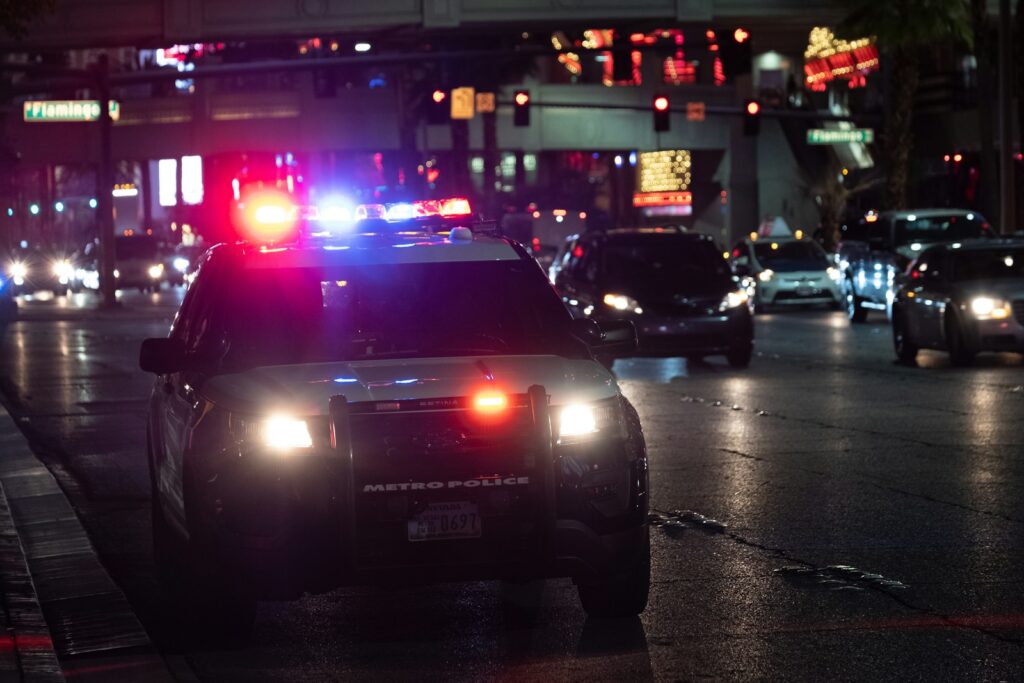
8. Why Red and Blue Lights Are Restricted
Police, fire, EMS vehicles all use flashing red and blue lights in emergency situations to get from point A to point B. The lights tell other people how important the situation is, or at least they should. If you give permission for everyone and their vehicle to have a flashing light on their dash for the same cause, they can then merge anywhere, make other drivers slam on there brakes and in turn endanger themselves and the others people on the road.
Reasons for Light Restrictions:
- Identify emergency vehicles
- Prevent driver confusion
- Improve road safety
- Protect emergency response
- Follow traffic laws
Although many drivers may be tempted to dress up their vehicles with elaborate decorative light kits, flashing red and blue lights are prohibited from being used in public roadways by traffic laws. Unlawful use of these colors may result in a citation because of the confusion it will bring to other drivers who may recognize your car as one from law enforcement. The resulting confusion would also impede the arriving of official emergency vehicles and further complicate a potentially fatal situation for an officer of the peace.
Observing the lighting ordinances not only protect against citation and is generally to the benefit of every safe driver on our roadways. It is also quite important for individuals to correctly identify where the emergency aid comes from during an actual incident or emergency. We have designated reds and blues so when an individual traveling is signaling the public, one is able to instantly know when one should yield or to pull over. Forcing one to disregard those markings and wait would just prove to be dangerous to both public personnel who are trying to help you or yourself.

9. Vehicle Lighting Standards Every Driver Should Know
Vehicle lighting follows a standardized system that helps drivers communicate clearly without speaking. Different light colors and positions allow motorists to quickly recognize another vehicle’s actions and direction. This consistent system reduces confusion and improves safety, especially during nighttime driving or poor weather conditions. Every driver benefits from understanding these basic lighting standards. Clear visual signals make roads safer for everyone.
Standard Vehicle Light Colors:
- Red rear lights
- Amber turn signals
- White headlights
- White reverse lights
- Clear safety communication
In most vehicles, red lights are located at the rear to indicate braking and tail lighting, while amber lights are commonly used for turn signals and warning functions. White lights are reserved for headlights and reverse lights, making it easy for drivers to identify the front and rear of a vehicle. These familiar color patterns help motorists quickly understand the actions of surrounding traffic. Consistent lighting improves awareness and reduces misunderstandings. Following these standards supports safer driving.
Although these lighting rules may seem simple, they play an essential role in everyday road safety. Drivers rely on these signals to anticipate braking, turning, lane changes, and reversing before reacting to the vehicle itself. Proper vehicle lighting creates clear communication between road users and helps traffic flow more smoothly. Following approved lighting standards protects both drivers and pedestrians. Safe roads depend on clear and predictable vehicle signals.
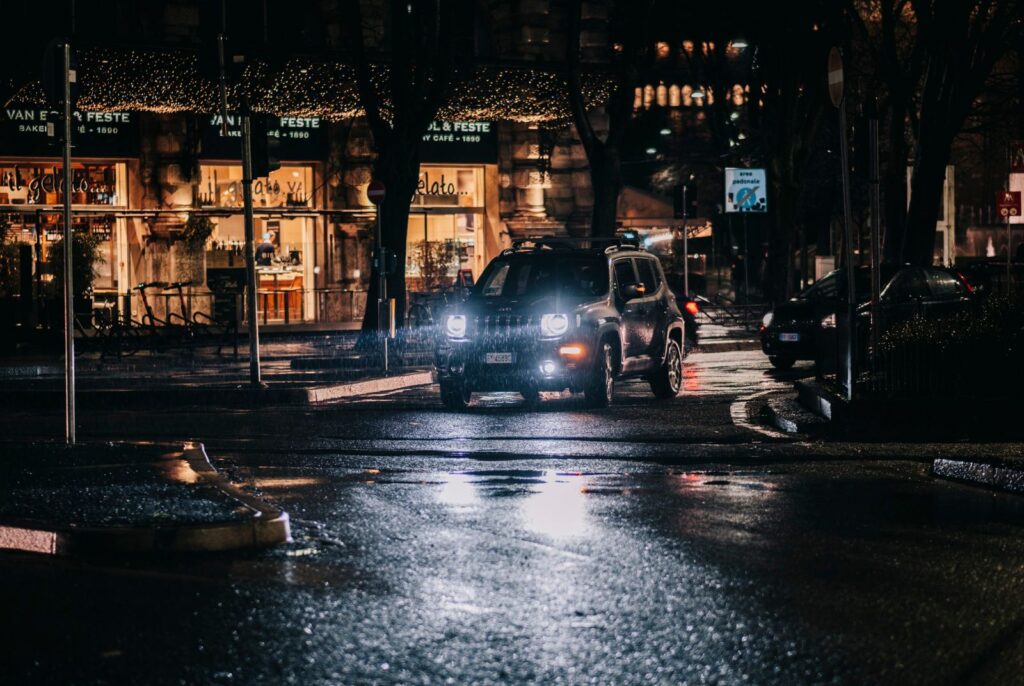
10. The Growing Concern Over Bright Headlights
Many drivers believe nighttime driving has become more difficult because modern vehicle headlights are much brighter than older systems. Advances in lighting technology improve visibility for the driver using them, but they can also create glare for oncoming traffic. Modern LED headlights are often mistaken for high beams, even when low beams are in use. This has increased concerns about comfort and road safety. Finding the right balance remains an important goal.
Night Driving Safety Tips:
- Avoid direct headlight glare
- Keep windshield clean
- Adjust mirrors properly
- Maintain safe distance
- Focus on road edge
Excessive headlight glare can temporarily reduce a driver’s ability to see the road clearly. It may become more difficult to notice pedestrians, lane markings, traffic signs, or unexpected hazards ahead. Some motorists even avoid driving at night because the glare feels uncomfortable or distracting. Improving nighttime visibility while reducing glare is an ongoing focus for road safety experts. Better driving habits can also help reduce these challenges.
Drivers can improve nighttime safety by looking slightly toward the right edge of the roadway instead of directly into approaching headlights. Keeping the windshield clean, adjusting mirrors correctly, and maintaining a safe following distance also improve visibility. These simple habits make driving more comfortable while helping drivers stay aware of their surroundings. Practicing safe nighttime driving reduces risks for everyone on the road. Careful preparation and attention are key to safer travel after dark.