



A Payloader of Hope: A Car Dealer’s Blizzard Rescue Mission
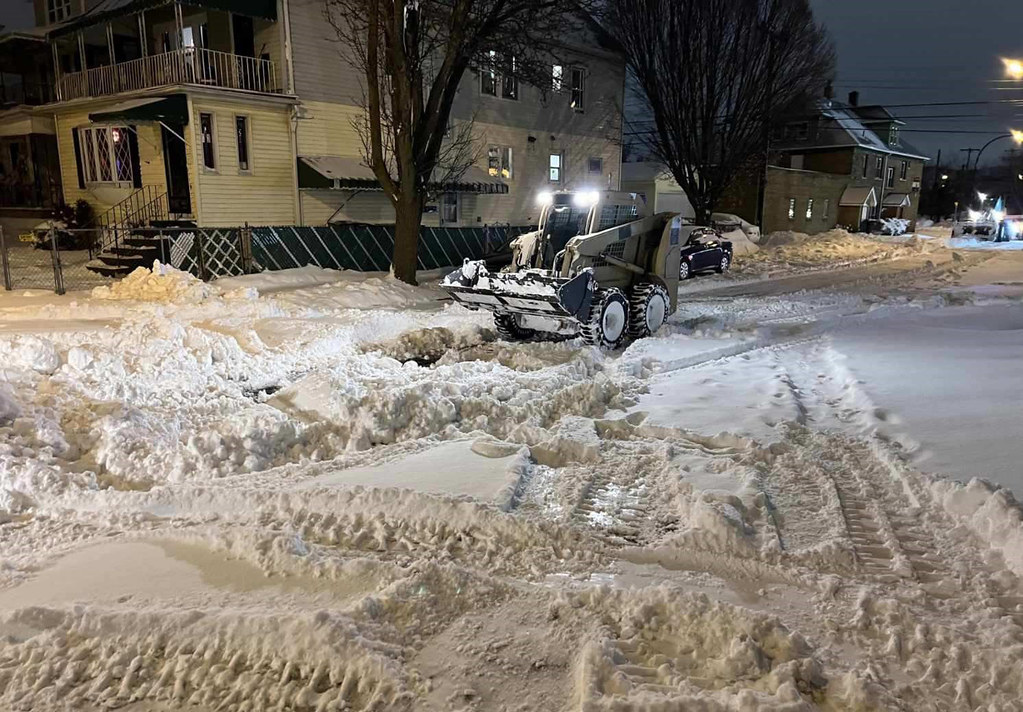
Buffalo, New York got buried under a wall of snow and super strong winds during one of its worst winter storms ever. The blizzard hit with a lot of force bringing freezing air into streets that were soon impossible to see. The wind blew hard it was almost as strong as a hurricane pushing snow sideways and making it impossible to see anything. Whole neighborhoods lost sight of everything in a few minutes and cars were slowly covered by rising snowdrifts. For thousands of people living there the storm was really dangerous. For those at the Vive Shelter it became a matter of life and death.
The Vive Shelter was home to people who had come from parts of the world many of whom had already gone through really tough times like war, poverty, violence or personal tragedy before getting to the United States. The shelter was a place, warm and stable during uncertain times. Just a few hours after the storm got worse the shelter lost power completely. The heating stopped working temperatures started dropping and over 150 people found themselves stuck in a freezing building while emergency services across the city were struggling to help those in need.
What happened in the few hours was an amazing story of people being strong, caring and resilient. When official help systems were overwhelmed by the blizzard a small group of regular people didn’t give up. They helped make one of the memorable rescue missions of the storm happen, where a big machine carrying a generator slowly made its way through huge snowdrifts to bring warmth and light back, to a shelter full of families who were really vulnerable. This rescue wasn’t part of any government plan. It was just people not wanting to leave others in a time of crisis.
1. Buffalo Disappears Under Snowstorm
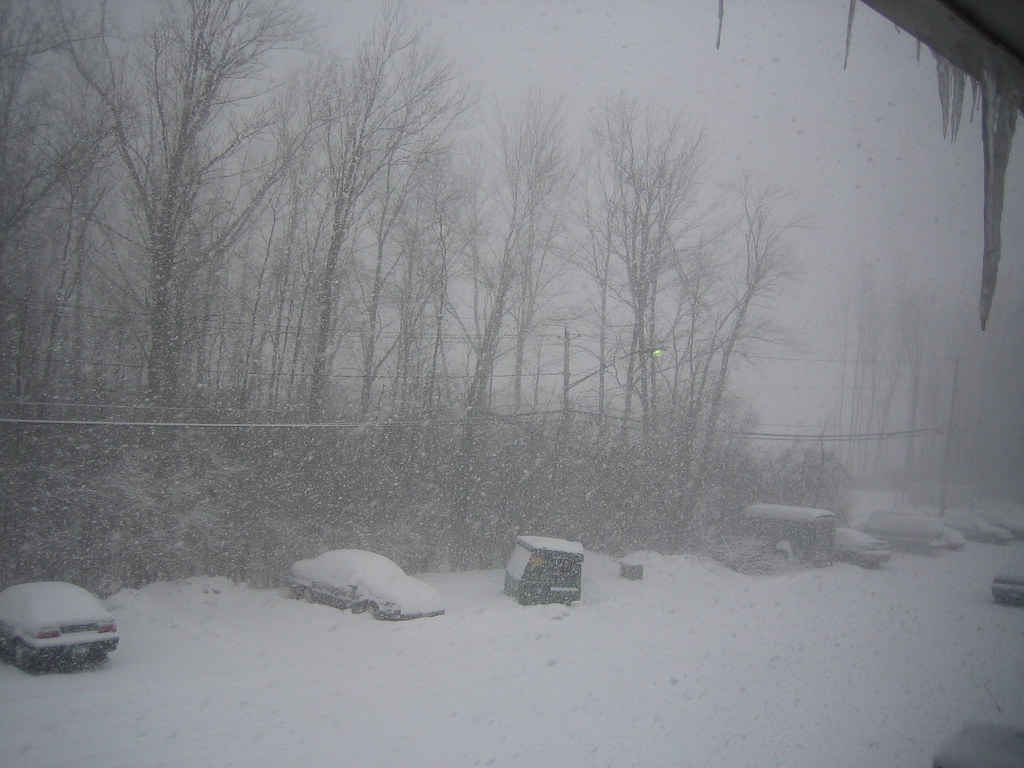
Out of nowhere, Buffalo froze under tons of snow when fierce winds slammed the region hard. Snow piled high enough to swallow roads whole, while gusts nearly hitting 80 miles per hour wiped out what little could be seen. Highways turned into parking lots for cars stuck fast just hours after it began. Folks who’ve lived there decades said they’d never seen anything quite like this before.
Blizzard Emergency Worsens:
- White stuff piling up, blocking every path
- Near-zero visibility across city areas
- Powerful 80-mile-per-hour wind gusts
- Vehicles trapped throughout Buffalo streets
- Dangerous freezing temperatures spreading rapidly
As cold crept deeper into walls, people huddled at home watching news reports grow grimmer. With each hour, the chill pressed harder against windows and doors. Officials spoke on loudspeakers, their voices asking everyone to stay inside even as lights blinked off block by block. Blankets piled high over shoulders, bodies close near any warmth that lingered. Outside, wind drove snow sideways, piling drifts where sidewalks used to be. The city sank quieter, muffled under layers no one could stop.
Midnight cold crept through Buffalo’s shelters just as the lights blinked out. When heaters stopped working, thin blankets did almost nothing against the drop. Hours crawled by while backup generators failed one after another. A snowstorm that felt routine at first now trapped hundreds indoors without warmth. Help was slow to arrive where it mattered most.
2. Darkness Falls at Vive Shelter
Lights blinked once, then everything at Vive Shelter fell into blackness without warning. Inside were people men, women, children from nearly fifteen nations, each with long paths behind them. Cold crept in fast beyond the walls, sharp and unrelenting. Darkness pressed down where routines broke apart mid-step. Voices trembled, not knowing what came next when systems failed.
Emergency Shelters Facing Growing Crises:
- Sudden building-wide power outage
- Freezing temperatures inside shelter rooms
- Vulnerable families facing dangerous conditions
- Staff supporting frightened residents continuously
- Limited communication with outside assistance
When the power went out, cold air rushed into the shelter because the boiler failed right away. Right after that, staff began checking on kids, older people, and families who needed extra help as it got colder. Communication stayed possible only through phones, which held messages from emergency services. Even though worry grew stronger, those running the place worked quietly to comfort everyone inside.
Before the storm hit, those running the shelter got things ready stacking up food, meds, blankets, along with gear for emergencies. Still, nobody thought the lights would stay off this long. Time moved forward, each update online claiming power was coming back shortly, yet instead everything kept slipping deeper into trouble. In the end, they saw clearly they were mostly alone dealing with what came next.
3. A City That Can’t React
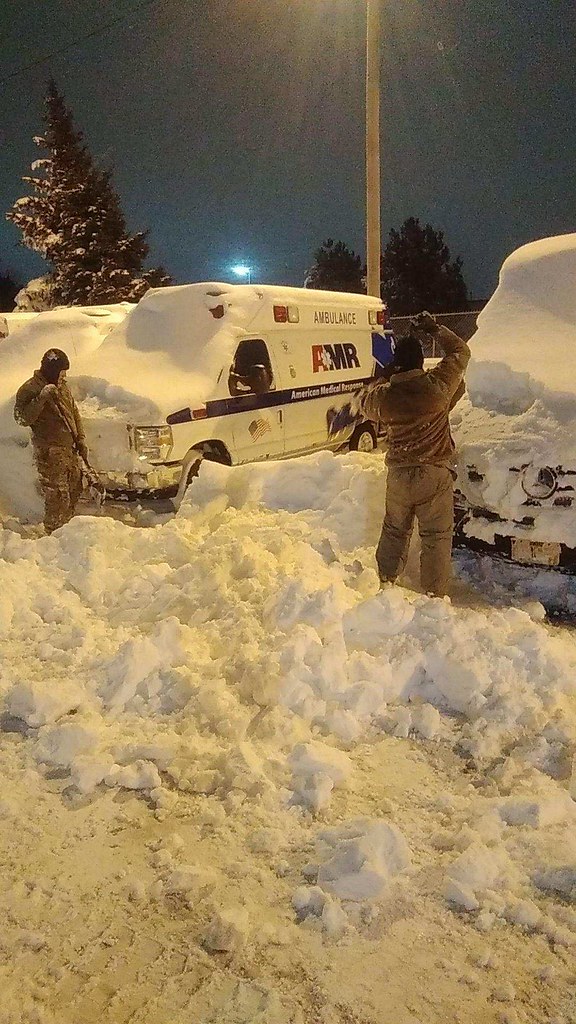
Blizzards don’t wait for warnings Buffalo’s emergency teams were already stretched thin when streets vanished under thick layers of snow. Through whiteout winds, ambulances crawled forward while sirens faded into silence. Police rigs slipped sideways; fire engines stalled mid-block, frozen by drifts taller than doors. Calls poured into dispatch like water through a cracked pipe one after another after another. Some voices never got answers because tires couldn’t grip what wasn’t visible.
Emergency Response System Fails:
- Roads blocked by deep snow
- Emergency vehicles trapped across city
- Thousands of urgent rescue calls
- Dangerous delays in emergency response
- Severe citywide communication challenges
Stuck in their cars, people across Buffalo waited cold houses around them, help nowhere near. Weather getting worse meant ambulances took longer each hour. More than a day passed before certain distress calls got answers, officials admitted afterward. Too many problems came at once, stretching the city past what it could handle.
Cold crept through the walls of the Vive Shelter, slowing taking what little warmth remained. Not long after sundown, it became clear help from beyond wasn’t coming fast enough if at all. People huddled in corners and hallways, bodies pressed close just to stay functional. With each hour, hope thinned like fog burned off by a weak morning sun. Workers moved room to room, checking supplies, eyes heavy with worry they didn’t voice aloud.
4. Struggling to Provide Assistance
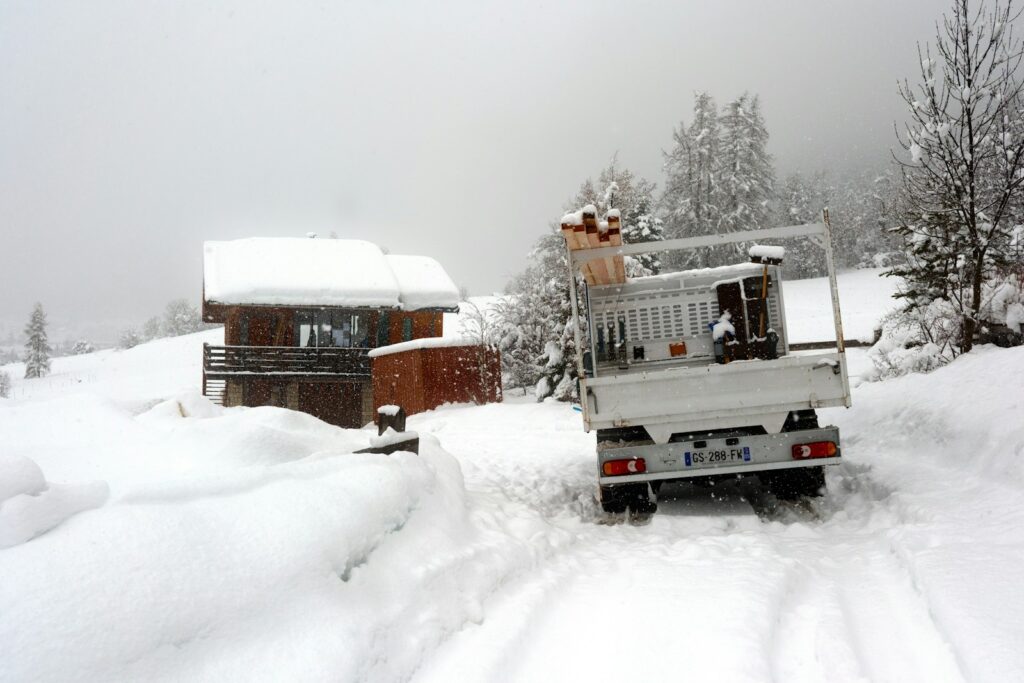
Midstorm, some folks tried hauling generators to the shelter by truck and SUV. Each time, though, deep drifts shut down every road across town. Cars left behind piled up, turning tricky paths into dead ends. Most who set out had to reverse course long before getting close.
Emergency Rescue Attempts Unsuccessful:
- Snowdrifts blocking major city roads
- Rescue vehicles unable to advance
- Emergency generator delivery attempts failed
- Abandoned cars creating dangerous obstacles
- Volunteers risking severe storm conditions
Some volunteers gave up their own generators. Others offered cars they used daily just to help families stuck in the cold. People wanted badly for those in the shelter to make it through alive. You could see it in how hard everyone tried. Still, wanting something did not stop snow piling on roads. Wind ripped through towns making any kind of trip almost impossible. Rescue groups got turned back again and again by whiteouts. No matter how strong the will, nature simply would not let them pass.
Hours ticked by, while tension inside the shelter climbed higher each minute. Workers kept their voices steady around the people staying there, though eyes told the truth danger was closing in. Cold air stopped being just a nuisance; it started biting deeper, like something that could kill. Another dark evening without warmth made thoughts drift toward worst-case outcomes.
5. One Phone Call Changes Everything
Out in the cold, Myron Glick boss at Jericho Road Community Health Center saw things getting worse fast. With nowhere else to turn, he reached out to Scott Bieler, who runs West Herr Automotive Group, thinking maybe car dealers had supplies others didn’t. Inside the building, people shivered, heaters dead, lights flickering if they came on at all. Each hour passed like a countdown, pressing down hard on those least able to cope.
Critical Emergency Rescue Turning Point:
- Right now, Myron Glick needs help right away
- Scott Bieler responds without hesitation
- Initial rescue plan fails completely
- Blizzard blocks normal vehicle access
- When everything else fails, heavy machines step in
Out of nowhere, Bieler set electricians into motion while setting up a run to get a generator through to the shelter. Still, the storm wasn’t having it roads vanished under heaps of wind-blown snow. Through all that white chaos, seeing anything at all stayed near hopeless, so moving anywhere turned risky, no matter how skilled someone was behind the wheel. Just when things seemed stuck again, with help fading like a bad signal, the whole effort teetered on collapse.
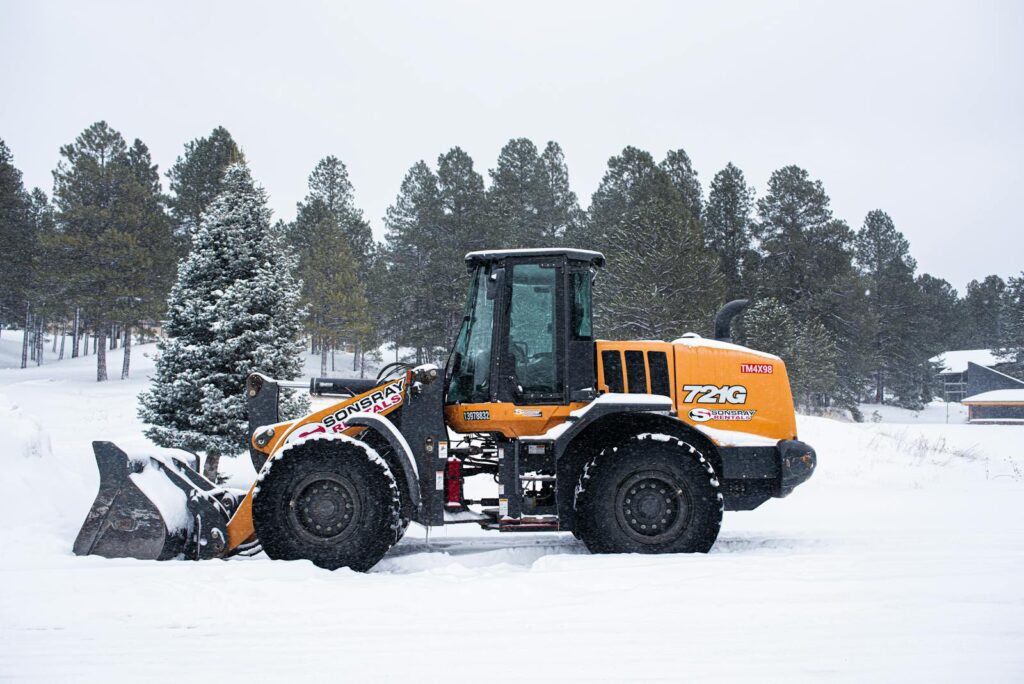
Out of options but not out of ideas, Bieler kept looking for a way to get to the isolated structure. A machine turned up later a payloader, built tough enough to handle thick snow and uneven ground. Regular cars and trucks stood no chance getting close without risk, so this hunk of metal shifted into focus as the only real path forward. Help arrived on treads instead of tires that day.
6. The Payloader Starts Moving
Out there, Bieler’s crew got the payloader ready this wild ride through Buffalo wasn’t just risky, it felt almost unreal. Behind the hulking machine, a generator rattled along, strapped tight. Fuel cans, thick with diesel, sat packed beside gear meant for worst-case moments. Fifteen miles stretched toward the shelter, a long crawl, yet nobody blinked at the number. Cold seeped into that building, people trapped inside, so moving fast made sense even when fear crept in.
Blizzard Rescue Underway:
- Generator attached behind heavy payloader
- Fifteen-mile emergency rescue route
- Massive snowdrifts blocking city streets
- Abandoned vehicles creating narrow pathways
- Four-hour journey through brutal conditions
Out there in Buffalo, the payloader crept forward, snow piling high like walls on both sides. Through those frozen tunnels it pushed, guided by a crew watching closely for gaps between wrecked vehicles stuck in place. Wind slammed sideways, hurling powder so thick the sky turned white. Progress? One slow lurch after another, each stretch draining strength and focus alike.
Out in the snow, what should’ve taken minutes stretched into hours under skies gone wild with wind and white. Not even that stopped them cold biting every inch, they kept going anyway. Inside, bodies huddled together, breath visible, time running thin for those stuck without heat or hope. The team moved like shadows through storm-lit dark, knowing each step counted.
7. Heat and Light Return to the Shelter
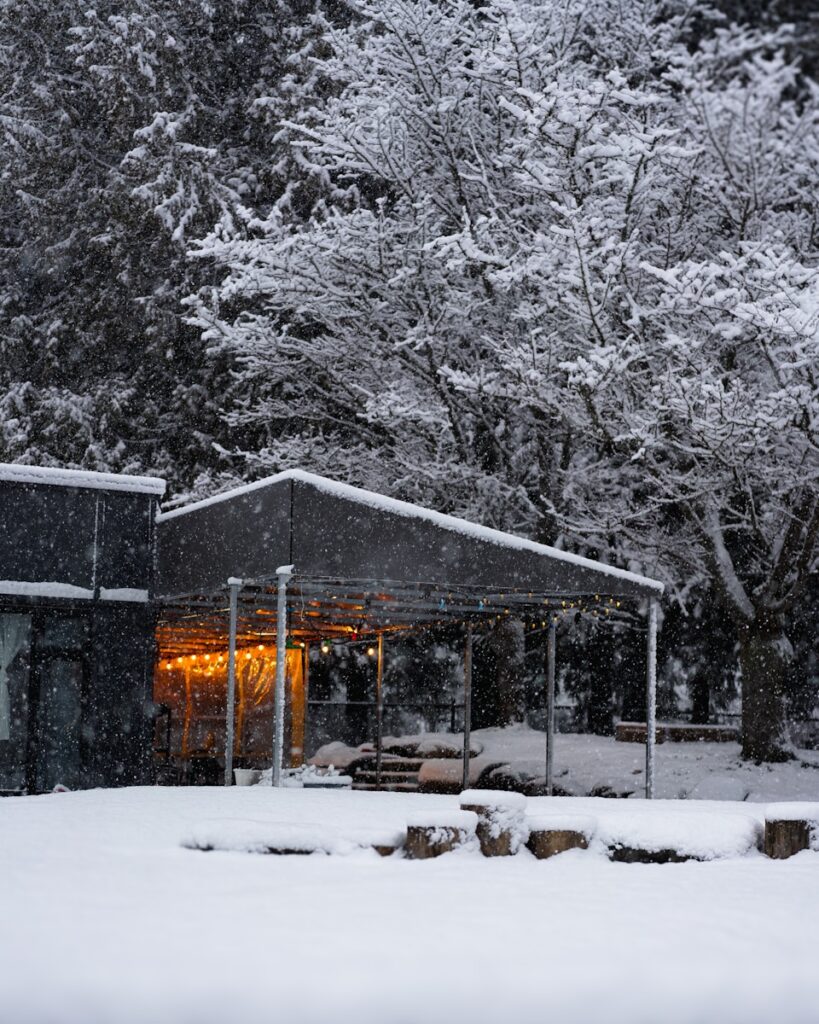
Out in the biting wind, the payloader rolled up to the Vive Shelter, bringing a rush of hope through every room. People inside stared out windows, seeing rescuers wrestle gear into place beneath skies gone pale with cold. The machines groaned under frostbite temperatures each turn stiff, each step slow. Power lines refused to cooperate, frozen midair like brittle wire. Yet boots kept stomping snow, hands kept tightening bolts, long past when most would’ve quit. Only when lights blinked on did shoulders drop, breaths fogging less now.
Generator Rescue Saves Lives:
- Emergency generator reaches frozen shelter
- Lights restored after long outage
- Heating systems begin working again
- Families finally regain sense of hope
- Vulnerable residents protected from danger
Power surged through the shelter as the generator sputtered awake. Light returned room by room, shaky at first, then steady. Heat crept back into walls that had been cold since yesterday morning. People uncurled from their blanket nests, breath easing. Darkness no longer held the kids tight; sleep found them again.
Later on, when the city’s electric power finally came back, it hardly mattered. Inside the shelter, everything had already shifted because of the generator. Without it, people would’ve faced another night where the cold cut deep, with no warmth or lights. But then something rumbled up behind a payloader. That machine didn’t just bring fuel and wires. For elders, kids, those barely hanging on, it meant breath in their lungs past morning. Survival showed up covered in mud. Hope did too.
8. The Human Toll of the Blizzard
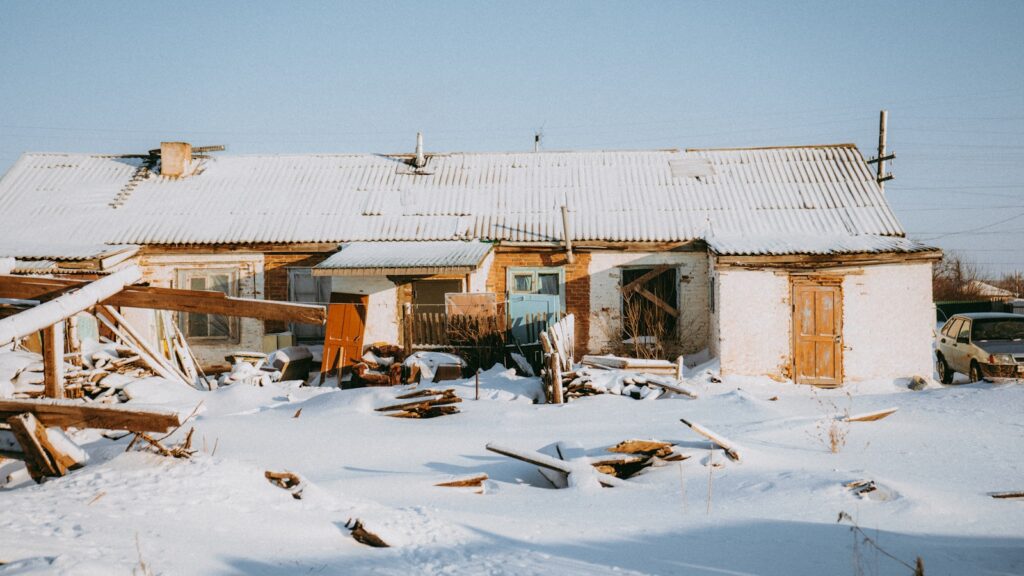
Winter’s fury hit hard when a brutal blizzard buried Buffalo and Erie County under ice and wind. Freezing cold froze everything it touched, stopping life in its tracks. Lives ended too many counted after the fact, each name marking time stopped too soon. Some survived but carried wounds, health breaking down amid stalled help and blacked-out grids. Streets vanished, muffled by towering drifts that made walking impossible. Homes clustered silently, cut off like islands on maps no one could read anymore. This wasn’t just snowfall it turned into something darker, deeper. History now marks it among the worst icy disasters the area has ever seen.
Blizzard Hits Buffalo Hard:
- Dozens of storm-related fatalities reported
- Emergency systems overwhelmed by conditions
- Neighborhoods isolated without outside access
- Widespread power and transportation failures
- Vulnerable families facing severe hardship
Snow kept piling up until roads vanished beneath drifts taller than cars. Power went out at fire halls just when help was needed most. Instead of sirens, silence settled across neighborhoods where trucks could not pass. Walking outside meant vanishing into white air within seconds. Assistance failed to arrive because routes turned impassable overnight. Days passed with people waiting behind locked doors, unsure if anyone knew they were there. Even close-by aid took hours sometimes longer to appear. Systems built for normal winters simply cracked under what came next.
When the storm hit, gaps in who had help and who did not became impossible to ignore. Not everyone could leave fast some had no car, no network to call, nothing waiting if things went wrong. Those just getting by before found themselves deeper in risk when lights went out and roads closed off. What shook the ground most was how little it takes for hardship to grow, given the right push.
9. Refugees Searching for Safety
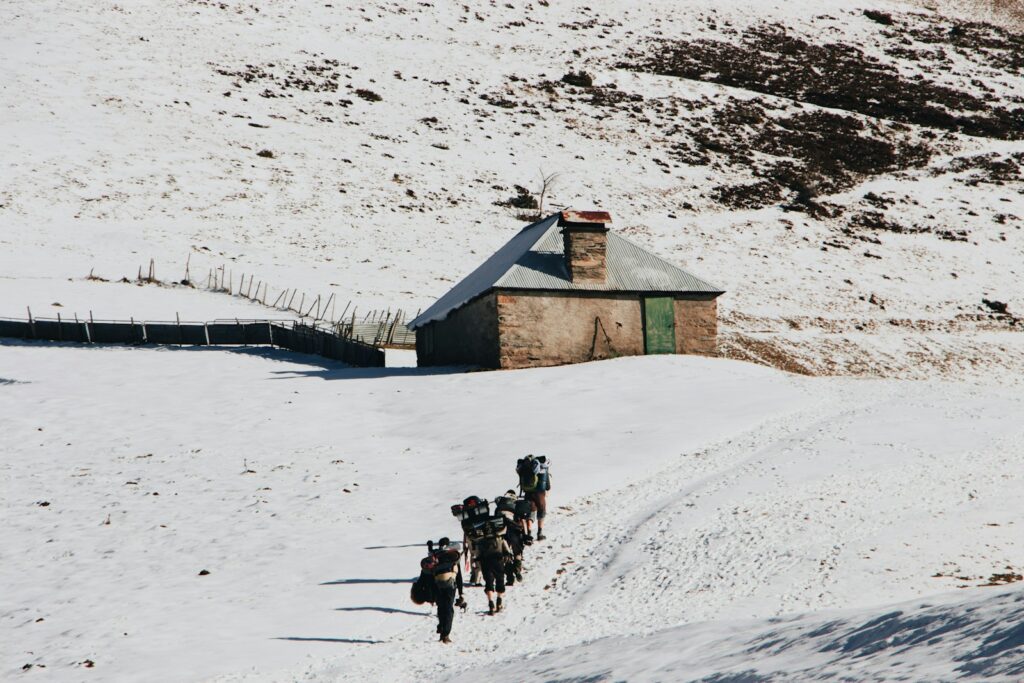
The story became even more emotional because many of the people inside the Vive Shelter were refugees and asylum seekers searching for safety and stability. Several residents had already survived violence, political instability, or dangerous journeys before arriving in the United States. Others hoped to reunite with family members and create safer futures for their children. For these families, the shelter represented far more than temporary housing.
Families Seeking Safety and Hope:
- Refugees escaping violence and instability
- Families searching for safer futures
- Shelter operating beyond normal capacity
- Additional residents arriving during storm
- Community support during dangerous conditions
During the blizzard, the shelter was already overcrowded because many residents became trapped after roads closed across Buffalo. At the same time, additional families arrived seeking warmth and protection from the severe weather conditions outside. Despite limited resources and growing challenges, shelter staff continued welcoming people who had nowhere else to go. Their efforts reflected a strong commitment to compassion and community support during the crisis.
For many residents, the shelter provided the first true feeling of safety they had experienced in a very long time. Losing heat and electricity during such a dangerous storm threatened that fragile sense of security and stability. The eventual arrival of the payloader and generator brought more than physical warmth back to the building. It reminded everyone inside that kindness, humanity, and hope still existed even during the darkest moments of the storm.
10. A Story People Will Never Forget
Scott Bieler never described himself as a hero during Buffalo’s historic blizzard. He simply recognized that people were trapped in dangerous conditions and refused to stop searching for a solution. That determination ultimately became one of the most powerful and inspiring stories to emerge from the disaster. His actions showed how persistence and compassion can save lives even when normal systems fail completely.
A Powerful Symbol of Human Compassion:
- Determination during overwhelming disaster conditions
- Community members refusing to give up
- Rescue mission organized through compassion
- Hope delivered during extreme crisis
- Powerful example of human resilience
What made the rescue mission especially meaningful was how ordinary people came together to make an extraordinary difference. No official system organized the operation from the beginning, and no government order forced anyone to act. Instead, a group of individuals simply decided that abandoning families trapped in freezing conditions was unacceptable. Their willingness to continue despite repeated failures became the heart of the story.
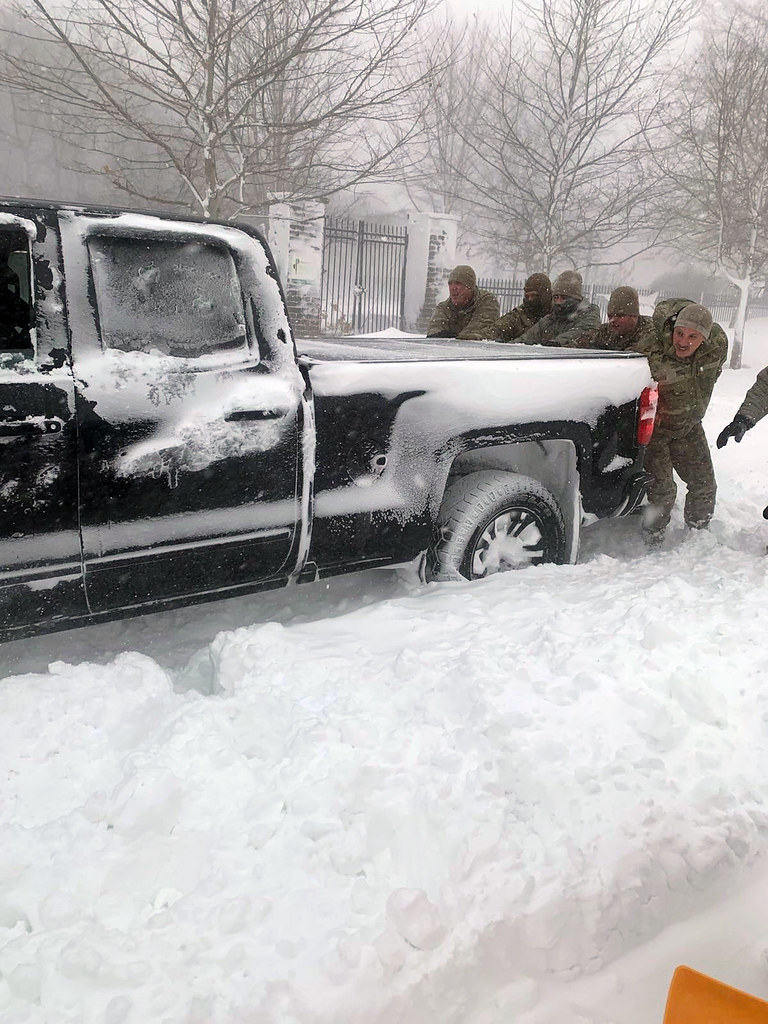
Long after the snow melted and Buffalo slowly recovered, the image of a payloader pulling a generator through towering snowdrifts remained unforgettable. It became a symbol of resilience, humanity, and the refusal to leave vulnerable people behind during moments of crisis. In the middle of one of the worst storms in Buffalo’s history, a single act of determination carried warmth, light, and hope exactly where it was needed most.