




Engineering Failures at Sea: The Royal Navy’s 9 Worst Aircraft
The Royal Navy can be considered the first to have conceived the idea of aircraft carriers but its aviation history is not as perfect or always as successful as that. Throughout the decades, it used aircraft that were slow, unreliable or just not up to the demanding environment of naval warfare. There were bad designs that had bad timing and bad ones that had bad engineering that left a mixed legacy of both innovative and poorly calculated designs.
Major Problems in the Navy Aircraft
- Tradeoffs between speed and durability and carrier compatibility
- The modification of airplanes to seawater
- Dealing with constrained development schedules in wartime
- Safety of pilots in severe naval conditions
- Adapting to fast changing aviation technology
These errors provide a good lesson about the hard work that carrier aviation can be even to professional engineers and military planners. Planning the design of an aircraft to be used in the sea requires trade-offs that can reveal latent flaws in the long run. Some aircrafts were a success, whereas others were warning signals. The following list includes some of the most memorable failures-machines that are remembered more because of their failure, danger, and untapped possibilities than success.
1. Parnall Peto
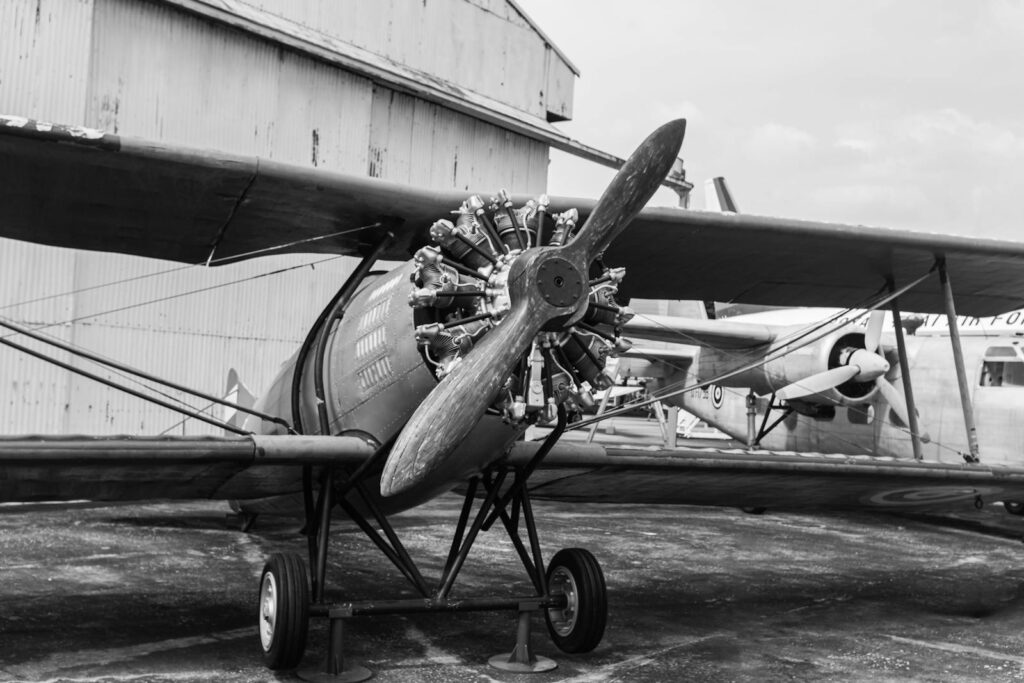
The Parnall Peto is a bold but essentially flawed concept which failed to make the conceptual leap toward reality. It was created as a submarine reconnaissance plane in order to increase the search distance of the submerged ships without leaving them exposed. The idea had been cleverly designed with folding wings and a small storage footprint, but in practice, was not a viable idea, was dangerous, and most importantly, would not work in the real world.
Reasons the Concept was a failure
- Forced submarines to the surface, putting them at risk
- Complicated launch and recovery process
- Poor range of operation and utility
- Extremely high risk at deployment
- Depended greatly on ideal timing and circumstances
Nevertheless, with its unique design and engineering creativity, tragedy overcame the submarine that carried the aircraft when it began to sink in a hasty launch. When the hangar was flooded, the vessel and the crew were washed to the sea bottom due to the fact that the procedures were done too fast. It was not the aircraft that failed but the idea behind it. It is still a chastening lesson that even such well-built machines are unable to offset the faulty ideas of operations.
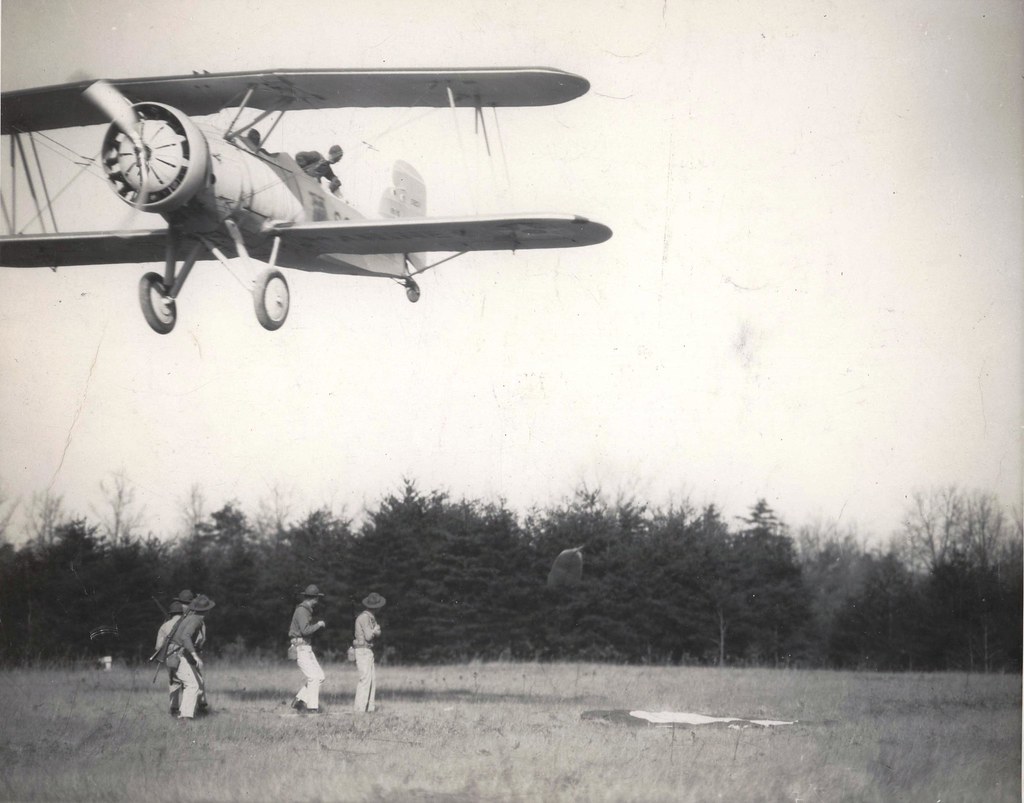
2. Curtiss Seamew
One of the most troublesome aircrafts of the Royal Navy in the war operations is the Curtiss SO3C Seamew. First provided by the United States, it was to be a dependable observation and reconnaissance aircraft. Rather, it soon acquired a reputation of incompetence, erratic behaviour and unsafe handling characteristics that caused it to be unpopular among the pilots.
Major Drawbacks
- Extremely limited takeoff capability with full fuel
- Untrustworthy engine that is likely to malfunction
- Poor flight stability and control
- Poorer performance than alternatives
- Early rejected by Royal Navy pilots
The problems with the Seamew were not just inconvenience; they rendered it literally unsafe under a variety of conditions during flights. According to pilots, in some cases, it was almost impossible to recover some flight attitudes, which made it more likely to have a fatal accident. It was unsafe to use even with a running engine due to its design. Finally, it was superseded by superior options by the Royal Navy, which is a definite slip in the choice of aircraft and the purchase of equipment.
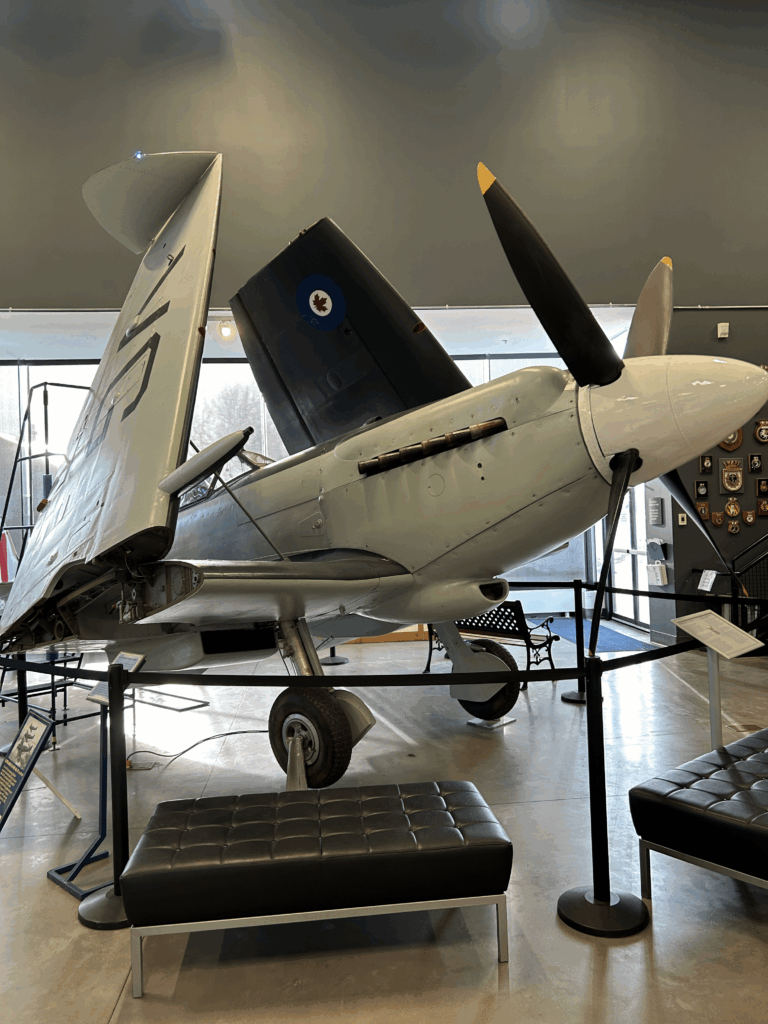
3. Supermarine Seafire Mk XV
The Supermarine sea fire took with it high expectations and a good reputation of the legendary Supermarine Spitfire to the sea. Although it still made a good airplane, it became a carrier in the air and was found wanting in many aspects. The aircraft’s delicate structure, originally designed for land use, struggled to cope with the harsh and unforgiving conditions of naval service.
Key Operational Issues
- Weak landing gears that cannot be used in landings on carriers
- High torque with unsafe take off straight jacking
- Accidents and crashes on the deck
- Damage to propellers on landings
- Limited life span in certain navies
The Seafire, though a favourite among pilots due to its agility and responsiveness, was not very reliable in the carrier decks where accuracy and reliability were paramount. Its high-powered engine caused it to be hard to handle, especially when it was on takeoff on a small deck space. Together with weak design of the undercarriage, it was prone to bouncing or crashing during landings. It was soon substituted by other navies, which underscores the fact that even great aircraft may not perform well in the wrong setting.
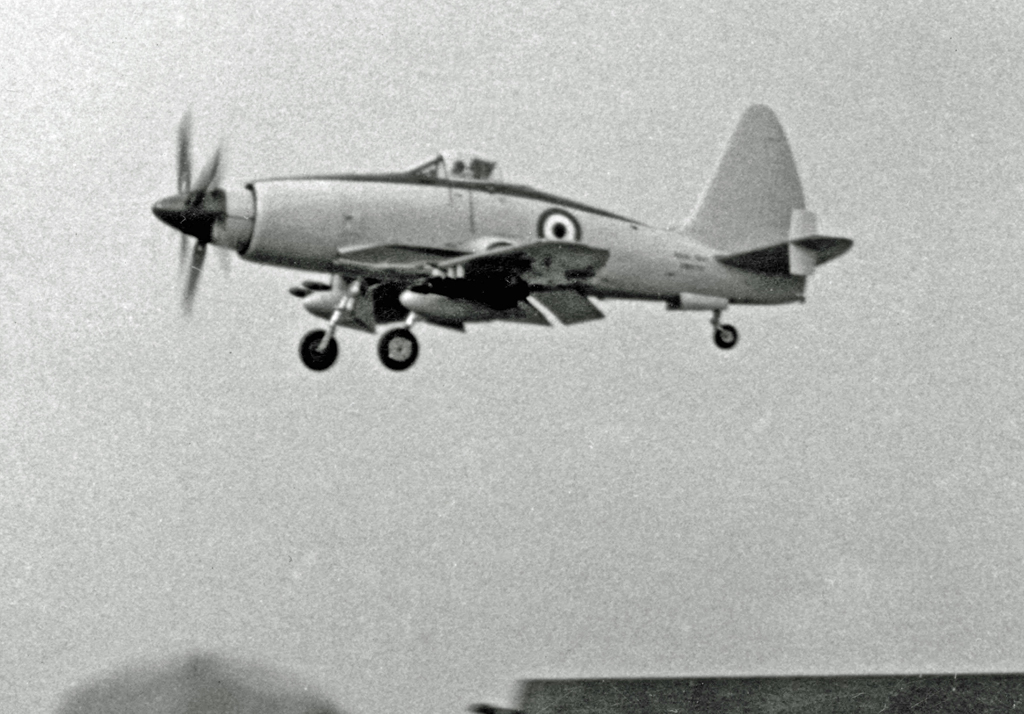
4. Westland Wyvern
The Westland Wyvern is said to be almost good, showing how it was frustrating in its potential and failure. It was in service long before newer aircraft and therefore was out of date. Originally planned to have a huge piston engine, it was repeatedly canceled and modified to use a less-appropriate turboprop engine, which never satisfactorily met the requirements of operation.
Design and Performance Issues
- Unrealistically long development period
- Engine not carrier-suited
- Reduced acceleration when performing important maneuvers
- High accident rate
- Heavy and difficult to handle
The engine of the Wyvern was having some problems with providing reliable and responsive performance particularly in landing and takeoff where accuracy is most important. Its slow acceleration also posed a serious danger to pilots who had to manoeuvre in tight spaces since it could be very dangerous. Though of an impressive size and ambitious design, it never achieved its full potential. Rather it became another illustration of delays and necessitated compromises derailing even the most promising aircraft projects.
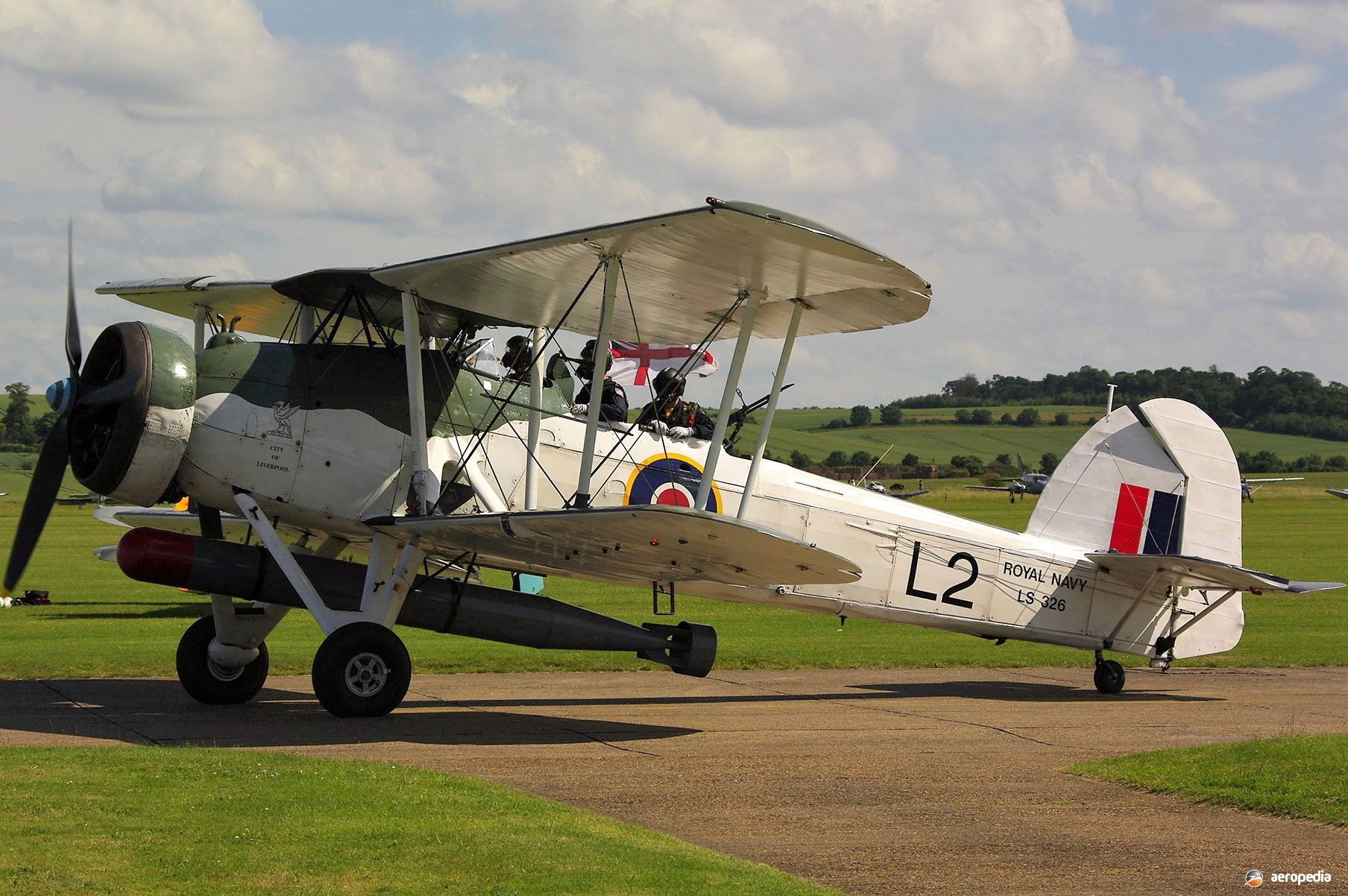
5. Fairey Swordfish
One of the most intriguing contradictions in the history of aviation is the Fairey Swordfish, a combination of old design and impressive success in the battlefield. Although it was outdated according to the modern standards even at the beginning of the World War II, it demonstrates unbelievable results in major naval actions. Its triumphs were not the result of high-tech equipment but of simply a good strategy, favourable circumstances, and pilot prowess.
Strengths and Weaknesses
- Extremely slow compared to modern aircraft
- Very exposed to the enemy warriors.
- Easy and effective design.
- Works well in low-threat environments.
- Relied on tactical advantage.
The Swordfish was successful on such missions as the Battle of Taranto and the chase of the German battleship Bismarck. But against well-defended positions and opposition by strong fighters, it met its doom in disastrous defeats. Its history demonstrates that in many cases, victory in a war is not so much a matter of technology as it is a matter of tactics, timing, and the ability of human.
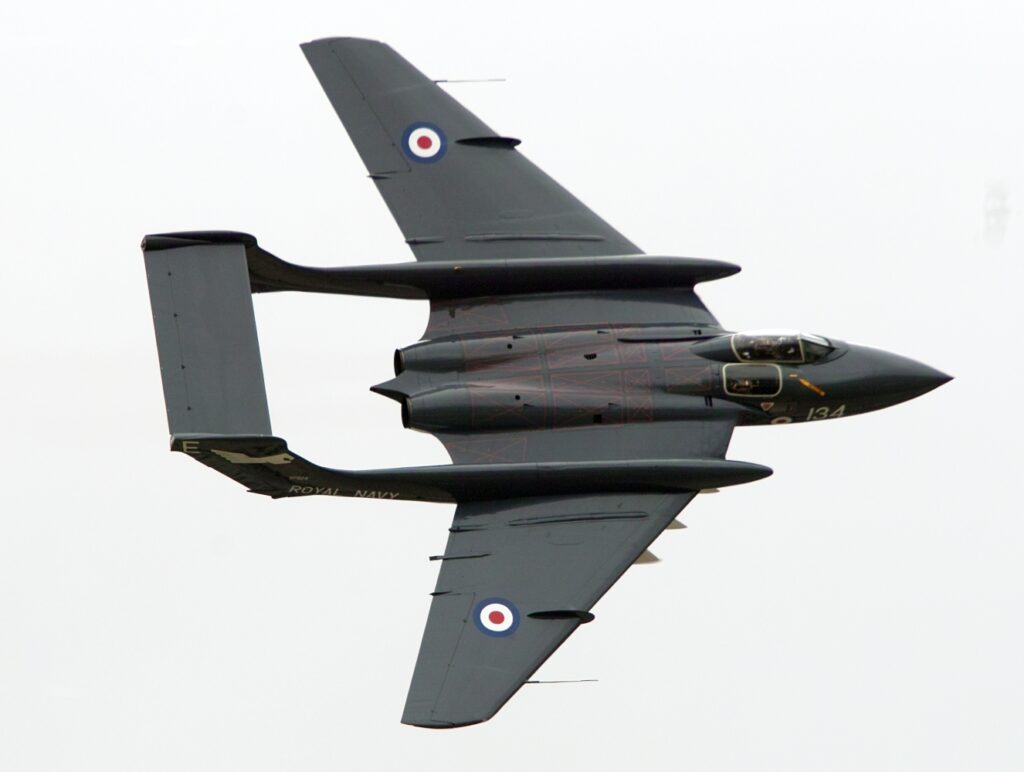
6. de Havilland Sea Vixen
The de Havilland Sea Vixen could have been a very useful aircraft, but the delays that were long enough to cripple its efficiency. By the time it actually came into service, it was already obsolete to other faster and more advanced jets. This bad timing transformed what could have been a success to a troublesome addition to the fleet.
Critical Failures
- Very high rate of accident
- Long development delays
- At a disadvantage to modern aircraft
- Subsonic in supersonic times
- Unsafe history of pilots
The Sea Vixen had a terrible reputation among its airmen, with an appalling crash record during its existence. A lot of these accidents proved to be fatal, and thus provided the aircraft with a sad and unforgettable image. It was late and therefore could not compete with such planes as Vought F-8 Crusader. It has continued to be an illustration of how timing can make a difference between success and failure in the field of aviation.
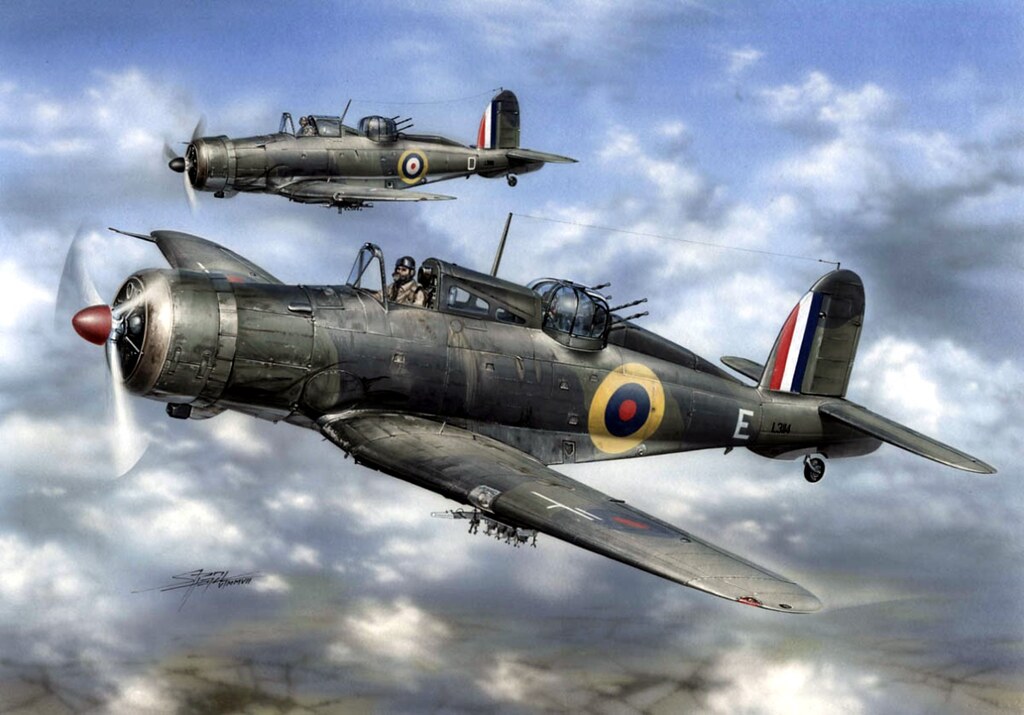
7. Blackburn Roc
The Blackburn Roc was constructed on an ambitious but unsound idea that theory should have been the foremost consideration instead of practicality. It did not use the conventional forward-firing guns but depended on a rotating turret to shoot at the enemy aircraft. Although it was innovative in theory, this design grossly undermined its performance and effectiveness in the field.
Why It Struggled
- Slow turret decreased movement and agility
- No forward firing guns to the pilot
- Very sluggish in comparison to enemy fighters
- Poor manoeuvrability
- Limited combat effectiveness
The design of the Roc rendered it inappropriate in the rapid and extremely challenging scenario of air fighting. It had a very low speed compared with the speed of several of the bombers that it was supposed to meet, and it was at a great disadvantage. It was later relegated to secondary tasks in which performance was not so crucial. Its relative failure shows the dangers of adopting the experimental ideas without having a clear view of the practical consequences.
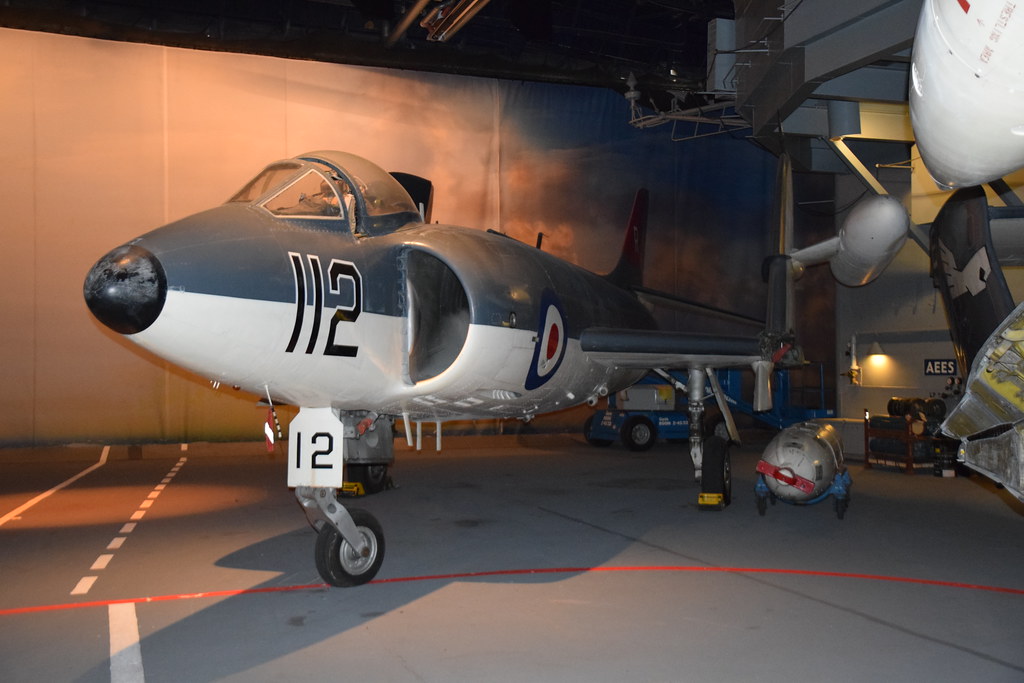
8. Supermarine Scimitar
The Supermarine Scimitar was a bold effort to leap ahead into jet age, but failed to live up to the hype. Although it was powerful and visually spectacular, it had severe safety problems and difficulties in operation which eclipsed its advantages. It had a long history of accidents and dependability issues in its career.
Major Concerns
- Extremely high crash rate
- Difficult maintenance requirements
- Weak performance relative to others
- Design trade-offs due to obsolete requirements
- Dangerous operational history
The Scimitar was still entrusted with important missions, including the transport of nuclear weapons, despite its shortcomings, so it is indicative of the urgency of the period. Its high rate of accidents meant that it put a lot of pressure on pilots and maintenance crews. Finally, the airplane has shown that ambition does not suffice to design a successful plane, it must be balanced, refined and tested to make sure that it is reliable and safe.
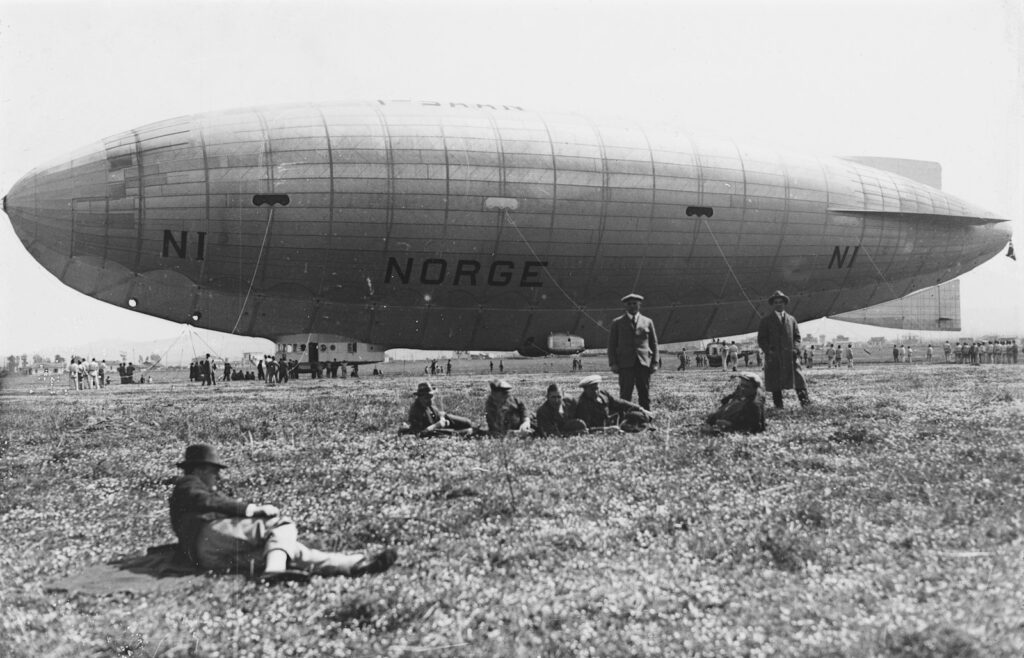
9. His Majesty’s Airship No.1 ‘Mayfly’
The Mayfly airship is one of the first and most bizarre losses in the history of British naval aviation. Constructed with high hopes, it was supposed to compete with the advanced German airships, and show technological superiority. Nevertheless, it proved ineffective, as some basic design weaknesses did not allow it to ever fulfill its goal.
What Went Wrong
- Overweight could not fly
- Ineffective design changes undermined structure
- Removal of critical support elements
- Ignored expert warnings
- Failure of the structure at testing
When it was performing a routine movement test, the gigantic airship split apart even before it could take off, and its career was ended before it started. Luckily, there were no casualties. The failure of the Mayfly underscores the nature of early aviation endeavors where experimentation and risk were commonplace. It reminds us that technological advancements can be made in many cases based on the experience of failure.