

Dodge Realigns Charger Lineup, Halting Entry-Level EV
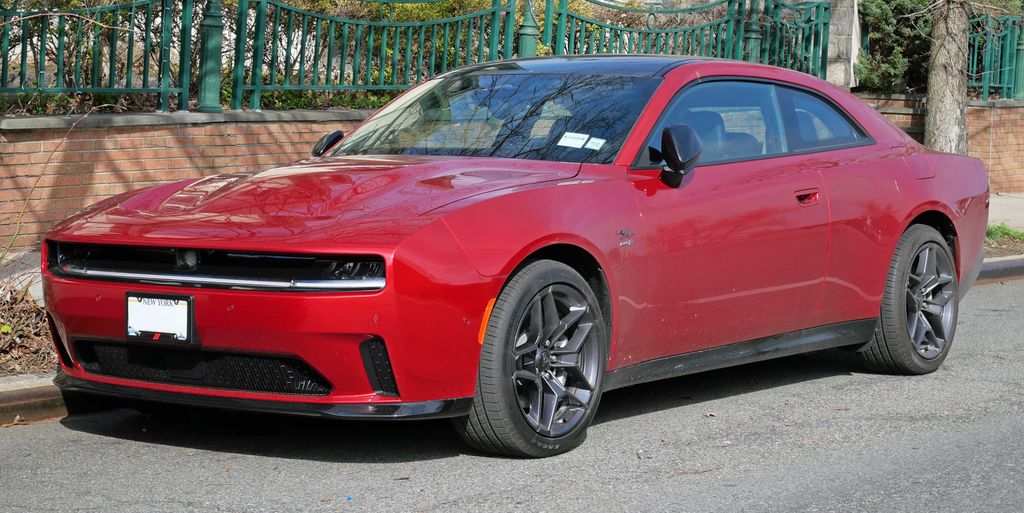
The car industry is changing a lot and brands that make high-performance cars are feeling a lot of pressure. Dodge is one of them. People think of Dodge as a brand that makes American cars. Now Dodge is trying to balance its gas-powered cars with electric cars. The changes to the Charger lineup show this struggle. The company’s strategy is being influenced by how people react to cars what the government is saying and what buyers want.
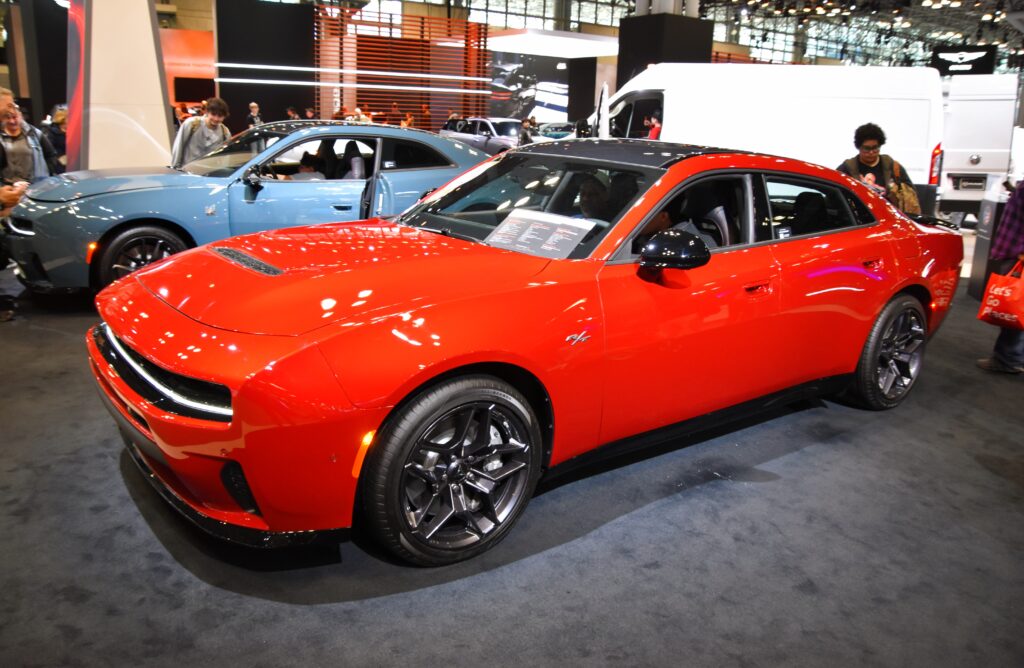
Dodge decided to delay the Charger Daytona R/T. This is not a one-time decision. It’s part of a change in how Dodge and its parent company, Stellantis are approaching electric cars. Of replacing all gas-powered cars with electric ones right away Dodge is focusing on electric performance cars. At the time the company is keeping some strong gas-powered options available. This approach shows that Dodge is being careful and flexible.
The main question is about what makes Dodge special. The Charger is more than a car. It’s about the sound, the power and the excitement of driving. As Dodge starts making cars the challenge is not just about technology, but also about culture. Dodge needs to redefine what “muscle” means in a world where electric cars can be just as powerful as gas-powered ones. The Dodge Charger is, about muscle. Muscle cars are loud and powerful. Electric cars can be loud and powerful too. Dodge is trying to make electric muscle cars.
1. Dodge Charger Lineup Realignment Strategy
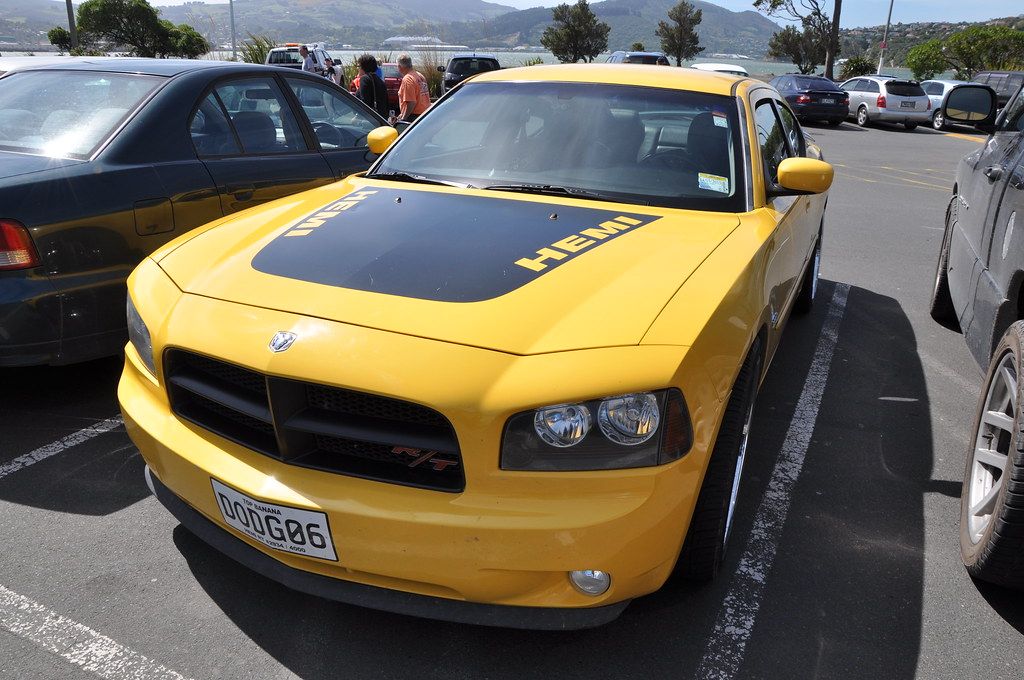
Now comes a different move from Dodge, steering the Charger path in a fresh way. Not rushing to flood the market with basic electric versions, the plan takes slower steps. Performance stands ahead of volume, shaping what comes next. Power matters more than pace in this version of progress. Tradition rides alongside new tech, without one outweighing the other.
Why Dodge Made Its Move:
- EV entry-level delay strategy focus
- High performance model prioritization shift
- Muscle car identity preservation approach
- Controlled electric rollout planning method
- Performance-first brand positioning change
Now Dodge gets what its fans really want raw power, loud engines, intense feel behind the wheel. Focusing on bold models right away pulls buyers in fast. Weak basic versions could disappoint, so they are skipping those. A tougher image grows from launching strong machines first.
Now here’s how it works: STLA Large isn’t stuck on one type of engine. Instead, it opens doors for either electric motors or gas-powered ones. Because of that shift, Dodge watches what buyers do then moves where needed. No more betting everything on just one path forward. Over months, even years, the Charger changes without force, simply by following real signals.

2. Market Demand and Consumer Reaction
Right off the bat, Dodge thought fans would rush to grab the new electric Charger Daytona they didn’t. First wave sales came in softer than anyone hoped, especially when lined up against how well gas powered Challengers used to move. Some folks who love loud engines and tailpipes might just not trust silent speed yet. That space between what sold before and now? It speaks volumes. Change is happening, sure, but not at full throttle like some believed it would.
Consumer Reactions in Market:
- Lower initial EV sales performance trend
- Challenger comparison demand decline gap
- Traditional buyer hesitation toward EVs
- Pricing pressure in dealership networks
- Misalignment between price and value
Out there, dealerships in various areas show similar patterns. Big price cuts on fresh Charger Daytona models hint at early costs missing what buyers were ready to pay. Sometimes those drops go past twenty thousand dollars rare ground for a brand-new muscle vehicle. Moves like these aim to get more people interested. They also point to doubts about how well this version fits what drivers actually want.
Truth sits somewhere between what’s advertised and what people actually want. Electric muscle cars might sound fresh, yet feelings around them haven’t quite caught up. Old-school fans keep measuring against roaring gas engines instead. Because of that, uptake drags behind forecasts forcing the company to rethink its rhythm.

3. Tariffs and Production Cost Pressure
Out here, Dodge isn’t just chasing what buyers want bigger money forces tug at their plans too. Built across the border in Canada, the Charger Daytona bumps into U.S. import taxes every time it crosses. That extra hit shows up fast in the final price tag. Suddenly, matching rivals on value gets harder, even with strong specs. Balancing profit while staying visible on dealer lots? Not as straightforward as it looks.
Cost and Tariff Influences:
- Canada production tariff exposure
- Entry-level margin pressure increase
- Pricing strategy complexity rise
- Profitability reduction risk concern
- Trade policy dependency influence
When profits are slim, extra costs hit harder especially on basic models. A slight rise in fees tied to imports might push prices up at stores. Higher tags often scare off buyers who watch every dollar. That shrinking interest makes it tougher to stand out when selling cheaper versions. Staying affordable while covering expenses takes careful moves behind the scenes.
Trade issues reveal how factory choices depend on worldwide rules. Not even fast cars escape border economics. Planning ahead gets shaky when prices might shift. Automakers such as Dodge tweak plans often just to keep up. Change is constant, so staying steady means moving with it.
4. Focus on Charger Daytona Scat Pack EV
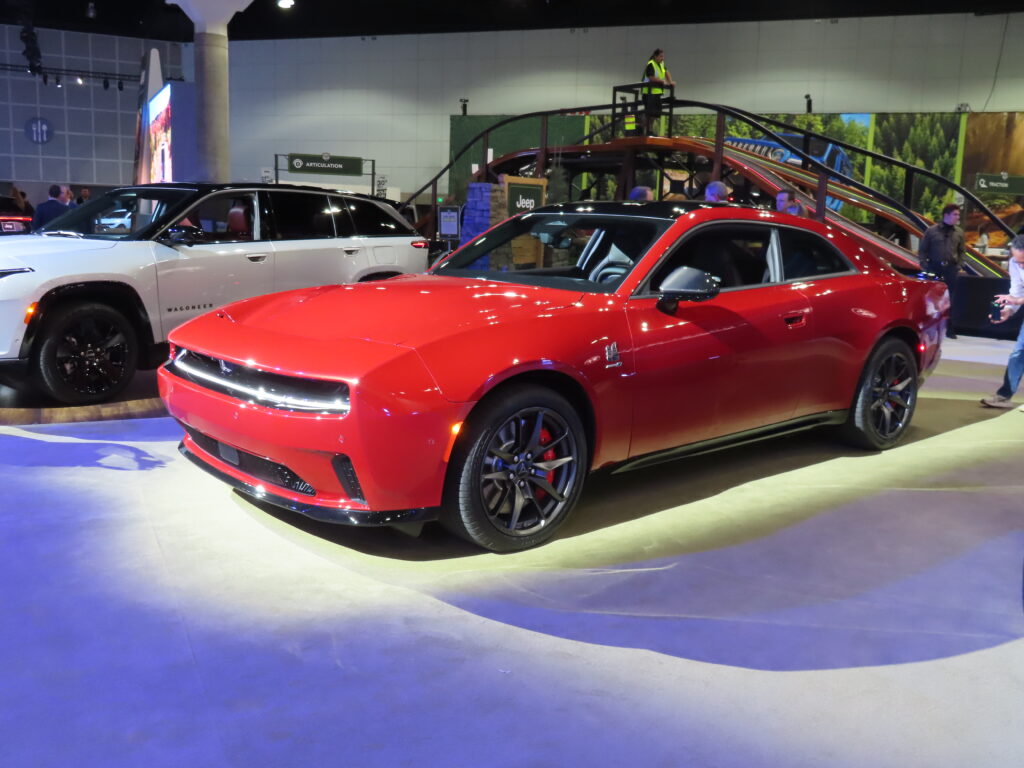
Dodge stops chasing every corner of the electric market. Now the spotlight lands squarely on one machine the Charger Daytona Scat Pack. Not just another version, but built to be the loudest roar in their EV garage. This car carries more weight than any other plug-in move they’ve made so far. Power matters most here, not mass appeal. What you get is electricity shaped like raw speed, nothing diluted.
Scat Pack EV performance highlights:
- 670 horsepower output capability
- 627 lb-ft torque delivery strength
- Dual motor AWD performance system
- Instant acceleration driving response
- Top model runs on electricity, shifts posture like human muscles do
Out front, the Charger Daytona Scat Pack uses two motors powering all four wheels for serious grip and speed. Pushing out 670 horses along with 627 pounds of twisting force, it leaps forward without warning. Instead of softening things, the engineering sharpens the edge found in classic Dodge power machines. Even though it runs on electricity, the sensation behind the wheel stays raw, alive. Performance isn’t just measured here it’s felt deep in your chest.
Dodge’s entire electric vehicle plan now takes a different shape. Rather than chasing buyers at every price level, attention shifts sharply toward high-end speed machines. Emotion drives the mission more than wide-scale sales ever could. Identity grows sharper when performance leads the way. At the heart of this shift stands the Scat Pack loud, proud, fully charged.
5. Expansion of Charger Body Styles
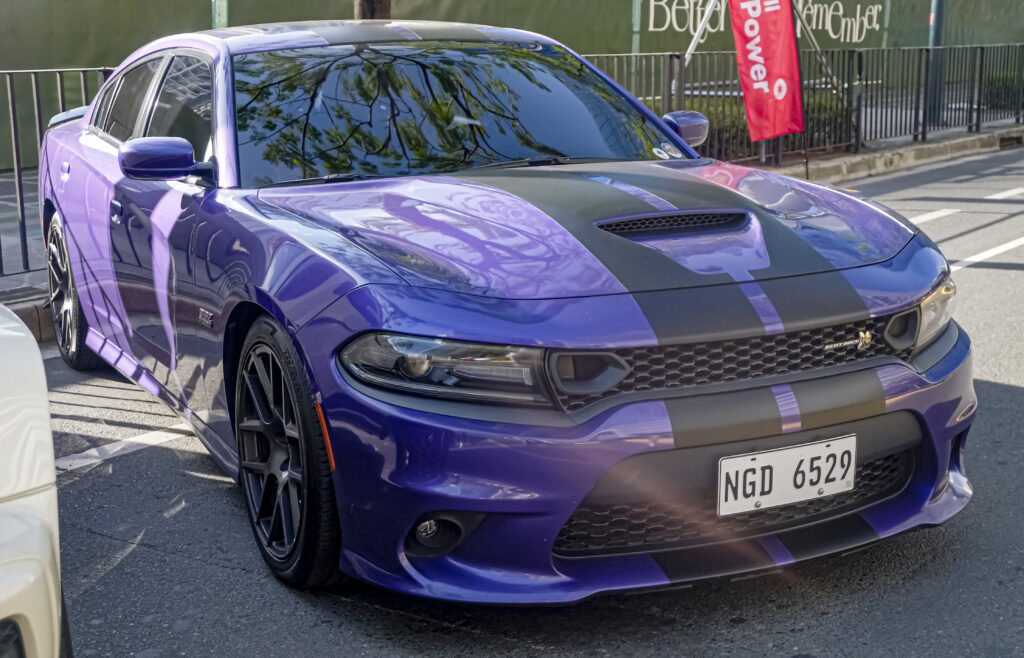
Dodge isn’t just tweaking for speed it’s stretching what the Charger can do. Coming in 2026, an electric four-door version steps into the mix, opening up new options. Life doesn’t always fit into two doors, so this change makes sense. Power meets space, somehow without compromise. The brand stays true while reaching further.
Body Style Expansion Features:
- Four-door EV variant introduction plan
- 2026 model year expansion timeline
- Improved everyday usability focus shift
- Retained aggressive design language
- Balanced performance and practicality approach
Looks like the new four-door Charger EV will still punch hard with its bold look. Even so, it fits more people, plus handles everyday trips better. Still carries that raw feel behind the wheel, though. Yet manages to appeal beyond just muscle car fans. Dodge tweaks the shape, but never lets go of what makes it theirs.
Dodge tosses in different body types to widen the Charger’s reach. Performance fans might show up, so could those needing space and ease. Muscle cars now shift toward flexibility, not just speed. The goal sits quietly blend daily use with raw power without losing edge.
6. Return of Internal Combustion with Charger Sixpack
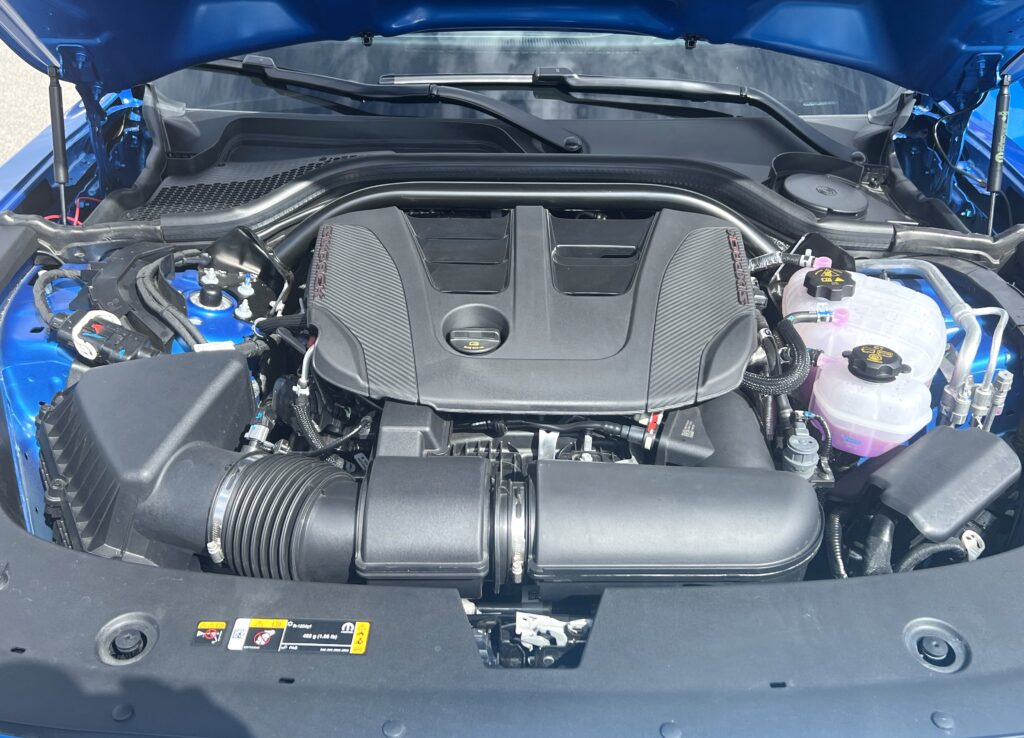
Now arriving earlier than first announced, the Charger Sixpack signals Dodge’s ongoing commitment to gas-powered engines. Even as the brand moves toward electric models, this shift suggests a deliberate pause, not a full retreat from combustion technology. Shifting gears without losing momentum, the automaker places muscle cars back on the near-term map. Not gone but repositioned, these vehicles appear alongside future EVs rather than being replaced by them outright. Balance not replacement shapes the path ahead.
Key Charger Sixpack Revival Highlights:
- Accelerated launch timeline advancement
- Internal combustion powertrain return focus
- Heritage inspired driving experience emphasis
- Enthusiast demand retention strategy
- EV and ICE dual lineup balance
Not many cars mix old-school growl with new-age smarts quite like this one. Built for those who care about throttle response and gear shifts you can actually feel. A rumble underfoot matters here just as much as what’s under the hood. Even so, fresh electronics slip in without stealing the show. Driving it feels familiar yet somehow sharper than before. Emotion drives it forward literally and otherwise.
One reason Dodge keeps pushing this model? Gas-powered speed still sells. Fans who’ve stuck around expect it so staying visible matters. Even as electric cars rise, holding ground feels necessary. Surprisingly, the Sixpack becomes a bridge, not just an engine.
7. Hurricane Engine and Performance Variants
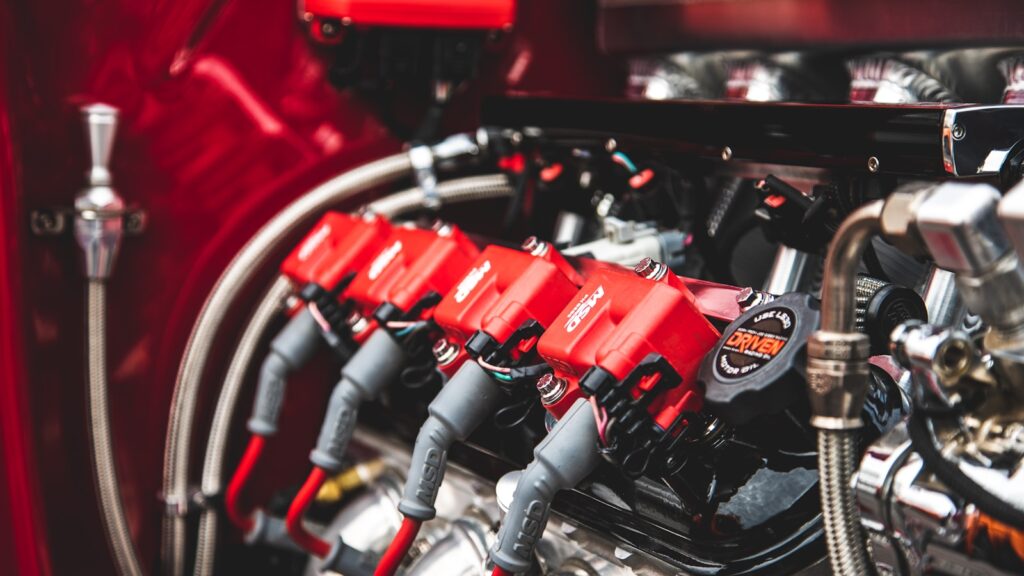
Right in the middle sits the Charger Sixpack’s 3.0-liter twin-turbo Hurricane straight-six motor. Built for punch without wasting fuel, it steps ahead of past V8s that guzzled more. Muscle cars now think differently under the hood. Smoothness matters just as much as raw force here. That shift? It speaks volumes about where high-octane thinking stands today.
Key Hurricane Engine Performance Options:
- 3.0L twin turbo inline six engine
- 420 horsepower base configuration
- 550 horsepower high output variant
- Efficiency improved over V8 engines
- Scalable turbocharged performance system
One version of the Hurricane engine makes roughly 420 horsepower, another hits nearly 550. Not everyone drives the same, so having two levels makes sense. Because of this split, some get strong power without excess. Still others can choose fierce output when wanted. Same basic engine fits different needs, just adjusted inside. Dodge reaches more kinds of drivers now, not just one type. Offering options like this pulls interest from multiple directions.
This time around, performance isn’t measured just by big engines or old-school V8 pride. Dodge leans into turbocharged flexibility rather than sticking to past formulas. Engineering today shapes what power feels like in new ways. So the Hurricane motor points toward something adjustable, built for what comes next.
8. Stellantis-Wide Strategic Adjustment
Now things at Dodge tie into wider shifts happening within Stellantis. Some electric vehicle plans, especially around trucks, got slowed down or changed direction. That suggests the team is thinking harder about how fast they move on EVs. Instead of sticking rigidly to old timelines, there’s a lean toward staying nimble. All of this points to deeper changes in how the business sets its course.
Stellantis Strategic Shift Drivers:
- EV program delay and restructuring trend
- Multi-energy approach adoption expansion
- ICE hybrid EV parallel development paths
- Reduced full EV transition urgency
- Platform-based flexibility utilization increase
Now comes a shift, clear in how Stellantis handles its future vehicles. Power sources once thought to fade like gasoline motors are still getting attention alongside newer forms. Not everything bets on electricity alone; some models keep older tech alive while others explore change. Because regions want different things, one path won’t fit all. Uncertainty around what buyers will choose plays a role too. Flexibility grows stronger as choices multiply under one plan.
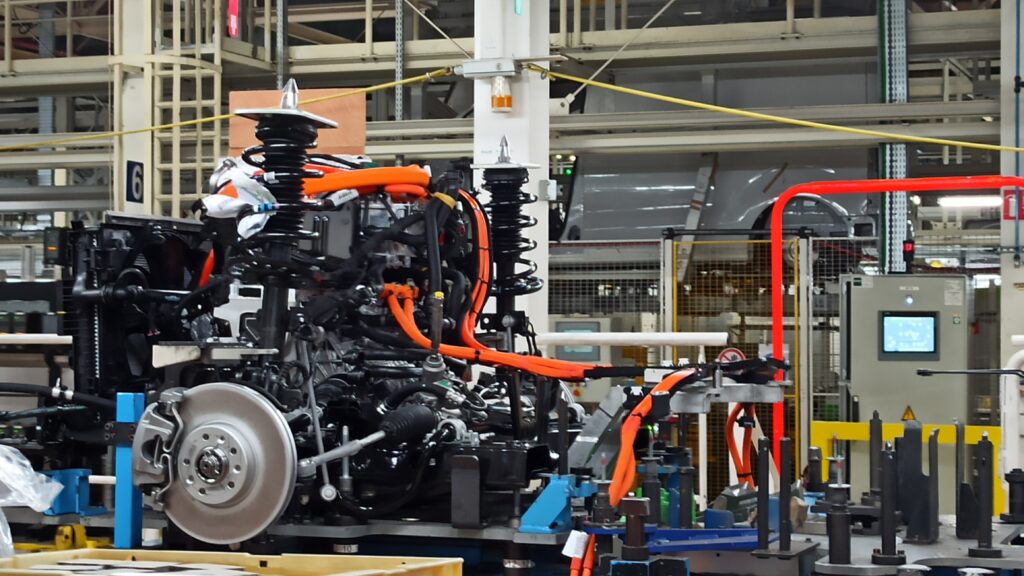
Built on common bases such as STLA Large, different energy types come together naturally. Because one platform fits many drivetrains, companies skip rebuilding whole cars each time. That cuts down effort when creating models and organizing assembly lines. Changes based on what buyers want now happen faster. So Stellantis reshapes its car offerings smoothly, depending on where people are.
9. Redefining the Muscle Car Identity
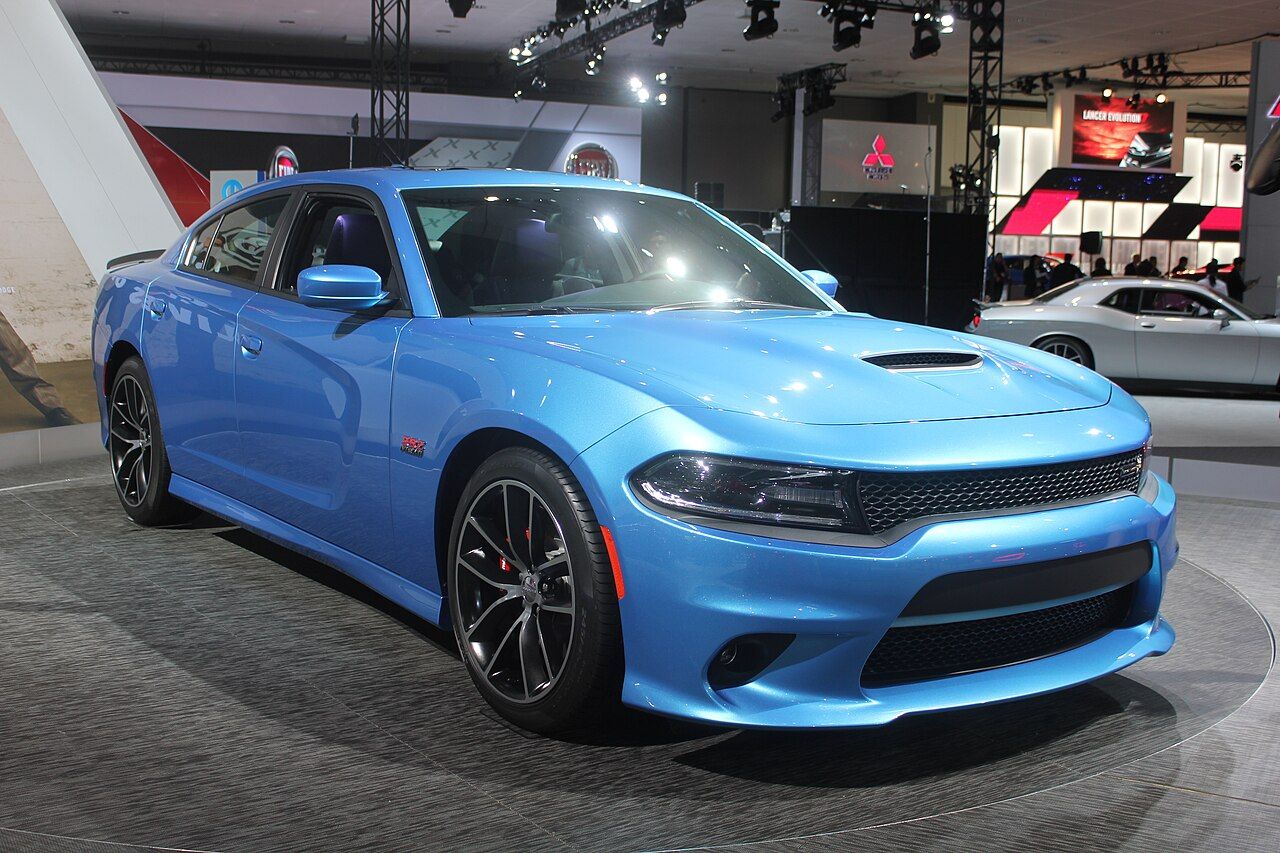
The rise of electric muscle cars has forced a fundamental reevaluation of what truly defines performance heritage. Traditional muscle cars have always been associated with engine sound, vibration, and mechanical presence. In contrast, electric vehicles deliver instant torque and silent acceleration. This contrast has created a major identity shift for the segment. Overall, it is reshaping the meaning of modern muscle performance.
Key Muscle Car Identity Evolution Factors:
- Shift from mechanical to electric performance
- Loss of traditional engine sound experience
- Instant torque replacing gear-based feel
- Attempted digital feedback simulation features
- Dual identity performance structure emergence
Dodge initially tried to bridge the emotional gap between ICE and EV performance using simulated engine sound and feedback systems. However, consumer response has shown that true emotional authenticity is difficult to replicate digitally. Many enthusiasts still associate performance with mechanical sensation rather than artificial enhancement. This has created a challenge in EV acceptance. As a result, expectations around muscle car experience remain deeply rooted in tradition.
Because of this, Dodge is now adopting a layered strategy for its lineup. Electric models are positioned at the top as the future of performance, while combustion engines continue to preserve the traditional driving feel. This dual approach allows the brand to serve both innovation-driven and heritage-focused buyers. Ultimately, it is shaping a new hybrid identity for the muscle car era, where both technologies coexist rather than replace each other.
10. Future Direction of the Charger Lineup
Looking ahead, the Dodge Charger lineup is evolving into a more diversified structure that includes electric models, hybrid-like flexibility, and traditional combustion-powered variants. This multi-path approach ensures that different customer preferences are addressed at the same time. Instead of focusing on a single powertrain direction, Dodge is expanding its product flexibility. The strategy reflects a more adaptive mindset. Overall, it prepares the Charger for a broader performance future.
Key Future Charger Strategy Elements:
- Multi powertrain lineup diversification plan
- Electric and ICE coexistence strategy model
- Hybrid like flexibility development direction
- Market driven product evolution approach
- Expanded performance interpretation framework
Rather than forcing a strict transition to one technology, Dodge is allowing market demand to guide the Charger’s evolution. This makes the product strategy more responsive to real-world customer behavior. It also reduces risk in uncertain global automotive conditions. By staying flexible, the brand can adjust its offerings over time. This approach ensures long-term relevance in a changing industry.
The future of the Charger is no longer tied to a single power source or fixed identity. Instead, it is becoming a platform that supports multiple interpretations of performance. Both traditional combustion and modern electric systems are expected to coexist within the lineup. This balance between heritage and innovation defines the next phase of its development. Ultimately, the Charger is shifting toward a continuously evolving performance ecosystem.