



Toyota’s Maverick Rival Is Confirmed, But This Tiny Roadster Is Pure Joy
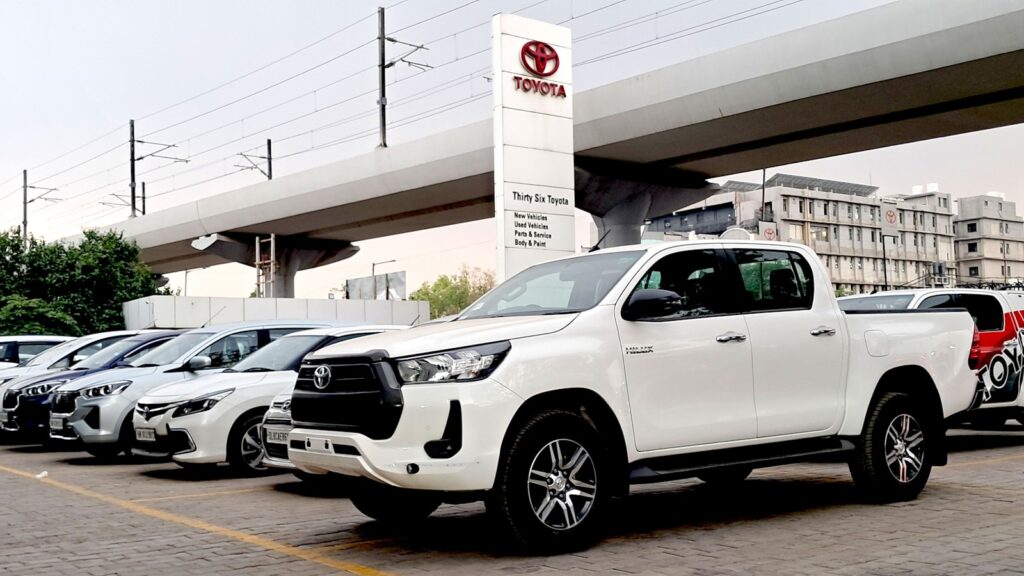
Toyota has listened to whispers and suggestions about one particular topic for what feels like a lifetime whether the Japanese automaker would ever make another comeback in the compact pickup truck world. Although rival automakers have had decent luck with smaller, more affordable pickup truck offerings, Toyota has continued to concentrate on its growing stable of larger vehicles and spent fortunes on developing a slew of hybrid, electric and other “alternative-fuel” vehicles. It now looks as though the days of anticipation are nearly behind us; because company executives have let us know there’s more to the story.
The news from the company comes at a time when consumers have shown a strong desire for highly utilitarian vehicles with improved fuel efficiency, versatility and a lower MSRP.
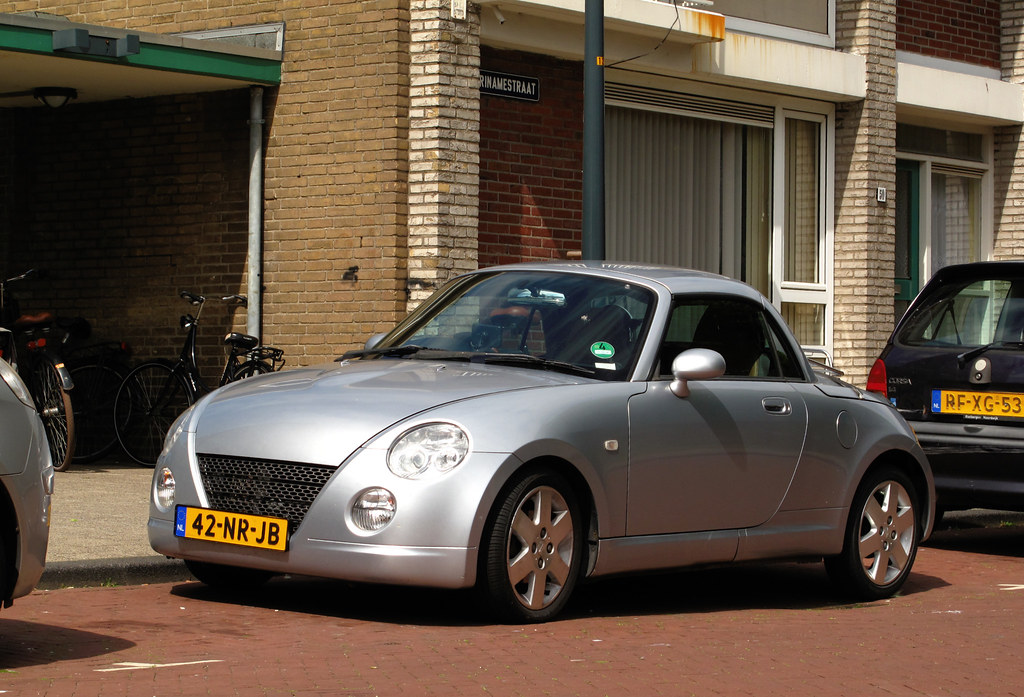
Large pickup trucks just keep getting larger (and more expensive), and consumers have to find alternatives that fit their lifestyle while not breaking the bank. Fortunately, we here at Auto Cheat Sheet see those desires being perfectly met by a compact pickup truck. Meanwhile, the anticipation for Toyota’s potential new truck also took an unforeseen, very unrelated form: Students at Nihon Automobile College in Japan developed a one-off GR Supra-inspired roadster using a pint-sized Daihatsu Copen chassis, and while the truck/roadster resemblance might be slim to none, it captured Toyota’s desired spirit of budget-friendly automotive delight perfectly.
1. A Student Project That Captured Attention
One of the most interesting automotive creations in recent years comes courtesy of the students at the Nihon Automobile College and their NATS C91 Spider. Built from a Daihatsu Copen, the students completely reworked the tiny roadster into a scaled-down tribute to the Toyota GR Supra and the result is an immediately striking vehicle thanks to its proportion and familiar look.
What Makes the NATS C91 Spider Special:
- Based on a Daihatsu Copen
- Inspired by the Toyota GR Supra
- Student-designed and built
- Custom bodywork and aerodynamics
- Lightweight and affordable performance
While many of those are cosmetic, the C91 Spider takes that a step further, with Supra-style headlights and taillights, an angry bodykit, a swan-neck rear wing and motorsport graphics giving it the look of a miniature monster. There’s no denying a surprising level of detail and craftsmanship has gone into the student build. The way every part seems deliberately and lovingly placed gives the C91 Spider a look beyond that of a school project, giving it a rather polished look even at this tiny scale.
The beauty of the C91 Spider lies not in its performance there’s no big, noisy turbo bolted to its small but punchy engine to extract silly horsepower and make the front-wheel-drive layout about as usable as trying to balance a whale on a pencil but in the pure joy of driving.
2. Toyota Finally Commits to a Compact Pickup
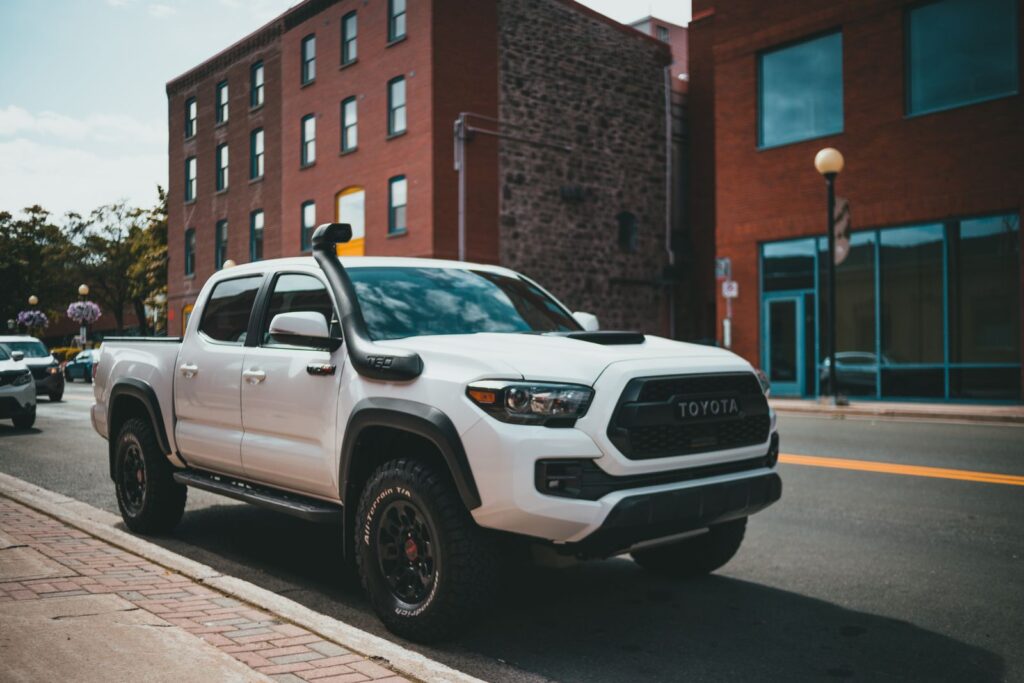
Although such ventures such as the NATS C91 Spider command attention from hobbyists, even more interest has been created with the announcement from Toyota that the company has a compact pickup plan underway. After much speculation and whispers, top Toyota executives have let slip that plans are definitely in the works for a smaller truck.
Why Toyota’s Decision Matters:
- Growing demand for compact trucks
- More affordable alternative to full-size pickups
- Better fuel efficiency potential
- Everyday practicality and utility
- Strong customer and dealer interest
The Executives of Toyota Motor North America have commented to press, about how Toyota would like the chance to explore such a marketplace, even though at the start the market does seem quite small. However bigger size and bigger costs will inevitably force consumers to try and consider alternatives in form of vehicles that provide convenience for less of an investment or without as much sophistication. This has already been demonstrated by success in smaller pickup segment showing how people are still looking for versatility along with comfort and economy in less of a shell.
As this announcement seems so relevant especially considering their past experiences with small, fuel efficient pickups Toyota trucks gained many fans through their sheer dependability, long lasting nature and their bargain pricing they have now the opportunity to relive past glories and come back in a more modern, tech savvy iteration.
3. The Stout Name Continues to Generate Buzz
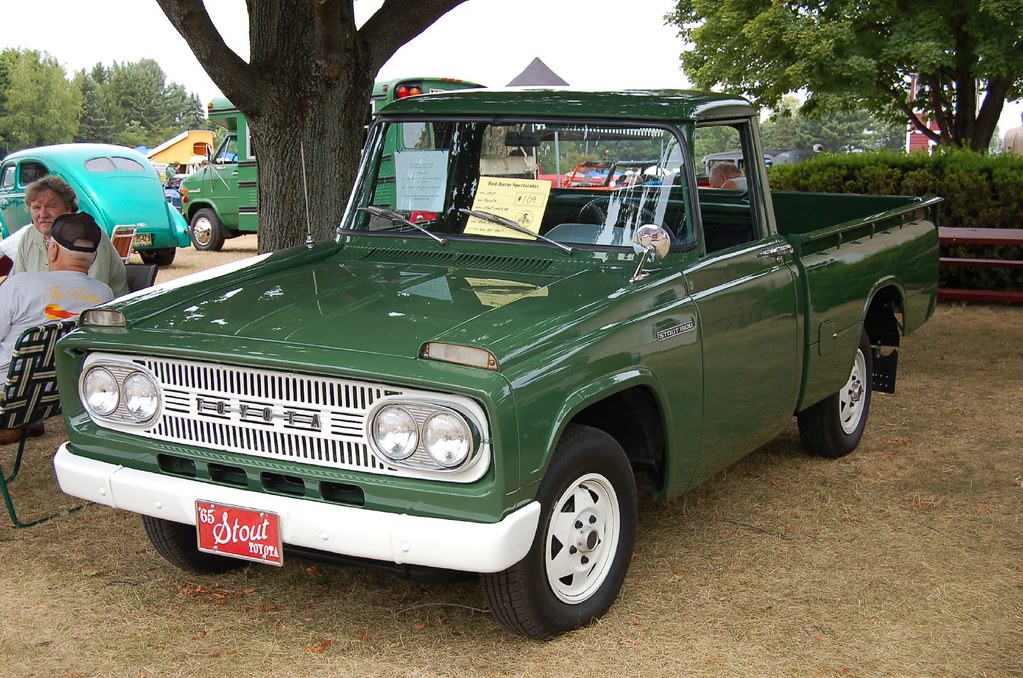
Of all the chatter surrounding Toyota’s impending tiny truck project, the one name that keeps coming up is the Toyota Stout. It was used once on a small Toyota and has unofficially became the moniker associated with the upcoming rig among us, the eager fan boys and gear heads. This has caused excitement as many anticipate a comeback from the iconic moniker.
Why the Stout Name Generates Interest:
- Strong historical significance
- Connection to Toyota’s truck heritage
- Popular among enthusiasts
- Symbol of durability and practicality
- Frequently linked to the new pickup
Toyota Motor Corporation, meanwhile, has yet to officially reveal any plans related to a badge. Instead, the company’s engineers are remaining tight-lipped, with spokespeople saying that focus is being placed on vehicle development, not name badges. The final decision on what badges adorn the production truck, then, remains entirely in the open, and that means even more fuel will likely be tossed onto the already raging fire of rumors and speculation.
The mission of the truck, however, is starting to become clearer. Toyota wants to give consumers a worthy contender in the crowded compact pickup market that also represents all that the company holds dear when it comes to reliable and useable transportation. Whether the truck comes with Stout badging or something completely different, we have little doubt that it will see Toyota returning to this highly relevant niche. The badge is a question mark for now, but the goal of the truck makes increasing sense.

4. Built for Everyday Drivers
Instead of the Toyota Tacoma and Tundra which are both constructed using a traditional body-on-frame design, it’s likely the Toyota compact pickup will feature unibody construction (a construction method prevalent in crossovers and passenger cars) that results in better road manners and ride comfort than body-on-frame counterparts.
Benefits of a Unibody Platform:
- More comfortable daily driving
- Improved ride quality
- Better fuel efficiency potential
- Easier maneuverability
- Car-like handling characteristics
For many potential buyers, this strategy makes a lot of sense. It is estimated that the average compact truck buyer spends more time on paved roads for commuting, going to the mall, or the gym than in demanding off-road environments. By offering comfort, quiet operation, and efficiency, a unibody vehicle has the potential to appeal to car-buyers that seek a light truck, but don’t necessarily use it for heavy loads.
This strategy allows Toyota to brand its compact as more of a lifestyle truck that can function at work or with a growing family, rather than a tough, heavy-duty truck. They will still maintain decent cargo carrying abilities and can still carry loads or a modest trailer, but the ride and handling of a unibody will be more suited for a daily driven vehicle. This blend of utilitarian functionality with everyday ride comfort could very well be a key feature for many owners that look to purchase a compact pickup in the future.
5. TNGA-K Could Be the Perfect Foundation
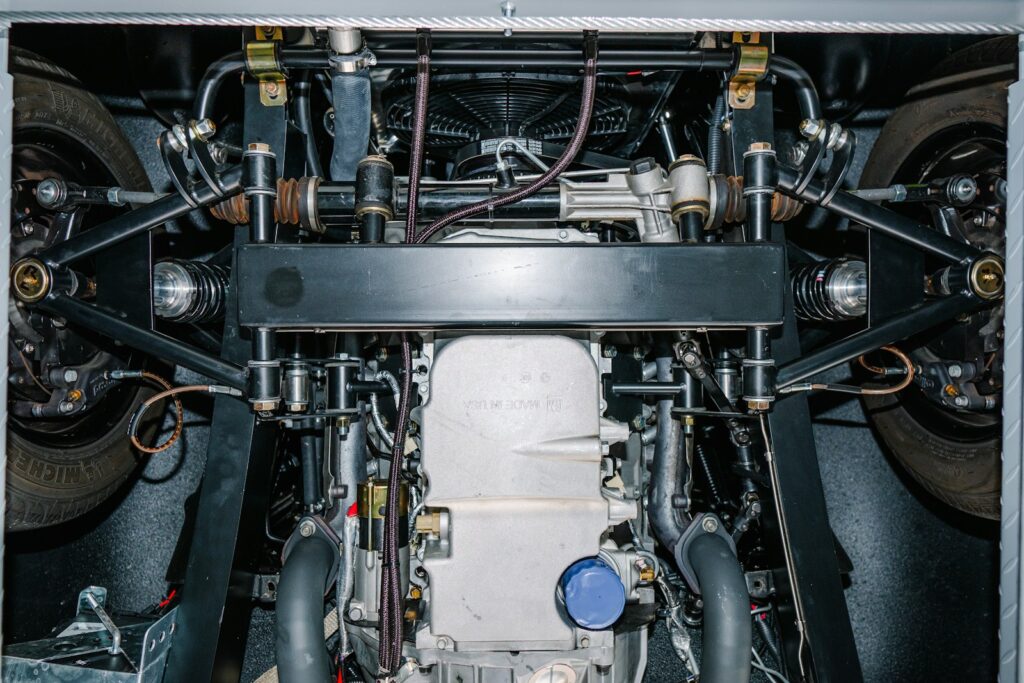
It is widely expected by the industry that the forthcoming small pickup will also use the TNGA-K Platform to underpin its chassis. Some of the world’s top Toyota vehicle’s like the RAV4, and Toyota Camry use this platform so that there will likely be many lessons learned for this little truck from that framework.
Why TNGA-K Makes Sense:
- Proven engineering platform
- Reduced development costs
- Streamlined production process
- Comfortable on-road driving dynamics
- Strong reliability record
Reusing existing architecture brings significant benefits for Toyota. The automaker can reduce costs and development time and leverage a platform that already has extensive engineering history. Toyota already shares its architecture for a wide variety of vehicles, and a small pickup would be a logical candidate for a shared structure, allowing Toyota to concentrate on tailoring unique styling cues for the truck.
Sharing architecture with a RAV4-based vehicle would enable it to offer a more carlike and comfortable experience than truck-buyers have come to expect from rivals while providing truck owners with an open bed for hauling gear. Such a marriage of comfortable car styling and cargo hauling capability was extremely successful in other recent compact trucks.
6. Hybrid Power Is Expected to Lead the Lineup
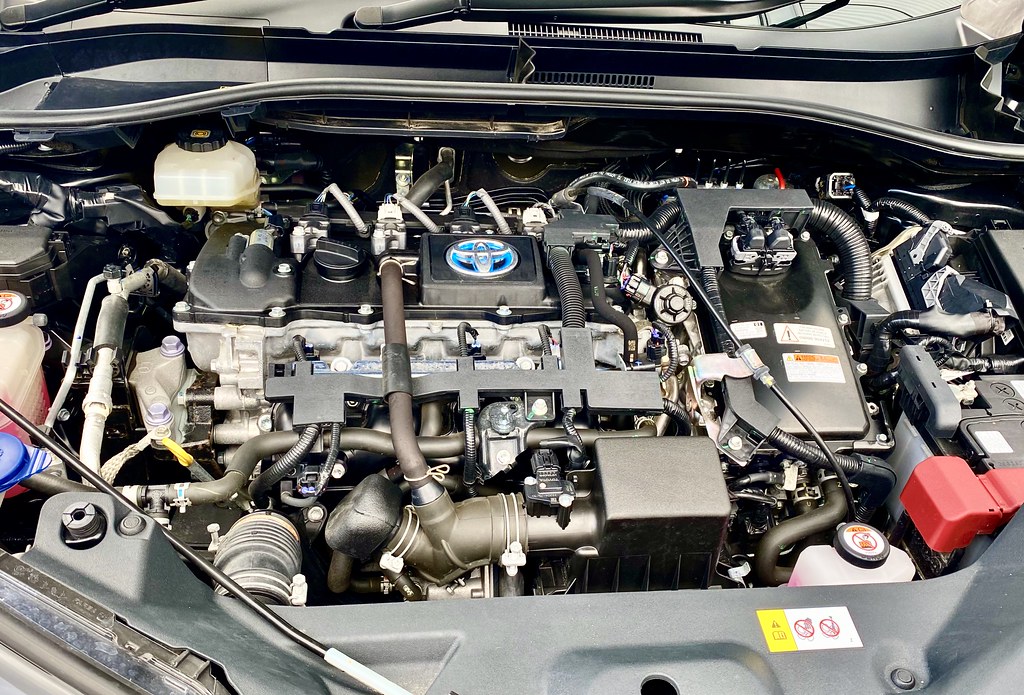
Because of its reputation for hybrids, electrification is almost sure to be present in the vehicle. Many sources suggest that the compact pickup truck from the automaker will be powered by a version of Toyota’s 2.5-liter hybrid powertrain. That hybrid engine is featured in several other Toyotas, proving itself as a powerful but efficient source of power for most of the Toyota lineup.
Why a Hybrid Powertrain Makes Sense:
- Improved fuel efficiency
- Lower operating costs
- Strong everyday performance
- Reduced emissions
- Proven reliability
If they went with a hybrid configuration you should see a pretty good balance between power and fuel efficiency. Based on estimated numbers the truck would be pretty competitive among the small pickups and deliver the type of mileage efficiency that a lot of customers look for. That would be particularly true for families, commuters and typical users of a light-duty vehicle.
Basically it would be a truck that you could actually utilize. That technology also fits well into Toyota’s long term multi-path strategy to electrification. That’s also a case against buying exclusively BEV’s, because Toyota still puts a massive amount of development capital in place where.

7. A Performance-Oriented PHEV Could Change Everything
As I mentioned, my favorite possibility for Toyota’s new little compact pickup truck is the possibility of it becoming available as plug-in hybrid. According to a great deal of the automotive experts, Toyota could borrow the hybrid system technology utilized in the Toyota RAV4 Prime and craft a truck, that despite it’s smaller size, can deliver serious grunt combined with some seriously good mileage. This type of rig would, no doubt broaden the appeal of this model in particular and would definitely go to give Toyota something to really pull from that it wouldn’t with a regular old hybrid truck.
Benefits of a Plug-In Hybrid Pickup:
- Ability to drive short distances on electricity alone
- Reduced fuel consumption
- Extended driving range with gasoline backup
- Strong performance potential
- Greater versatility for different driving needs
A plug-in hybrid drivetrain would give many owners the ability to commute most days on electric power but would also provide the reassurance of a gasoline engine to handle longer journeys. That approach would significantly mitigate the range concerns associated with battery-electric vehicles. For consumers who prioritize lower running costs but don’t plan to adjust their daily routine, a PHEV would be a logical choice, and the ability to draw power from two sources would continue to be a primary appeal.
Performance is also shaping up to be another key attraction. If the engine offers performance comparable to that found in the RAV4 Prime, then the compact truck could wind up delivering well over 300 horsepower and one of the highest output figures among its class, ensuring swift acceleration.
8. Why Toyota Is Taking Its Time
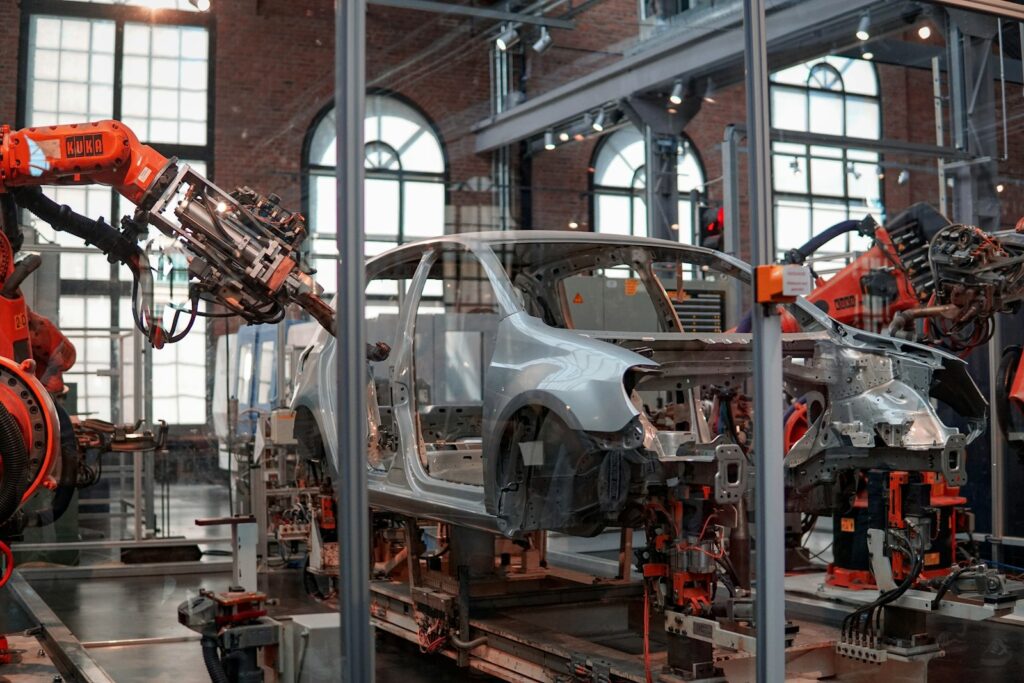
One aspect that seems curious in Toyota’s foray into a smaller pickup truck is what exactly has taken the company so long to move into such a seemingly hot segment. In a large part, the answer involves resource allocation and what else was being worked on concurrently. After all, you can’t plan a strategy with only half the story; the full story includes programs for hybrid, electric, hydrogen-based and traditional combustion engine-based vehicle types globally.
Factors Behind the Delay:
- Multiple vehicle programs in development
- Focus on hybrid and electrification strategies
- Limited engineering resources
- Global product planning priorities
- Desire to launch a competitive product
“Building entirely new model programs costs a huge amount of money,” says one Toyota supplier who’s asked not to be identified. “Toyota’s been busy with all their new model launches, redesigns and technology investments; they can’t do it all at once. The compact truck always looked good as a potential entry but there were other projects that were more pressing.
Development probably wasn’t their highest priority when it came to the list of things that needed to get done by corporate.” It’s possible the extra lead time also gives Toyota something. “Letting their competitors have at it before they weigh in, Toyota will have gotten to analyze what consumers want and don’t want from the competitors and their products as well.” “That gives Toyota an advantage of seeing what is the winning formula and where the opportunity is.”
9. What Buyers Can Expect Inside and Out
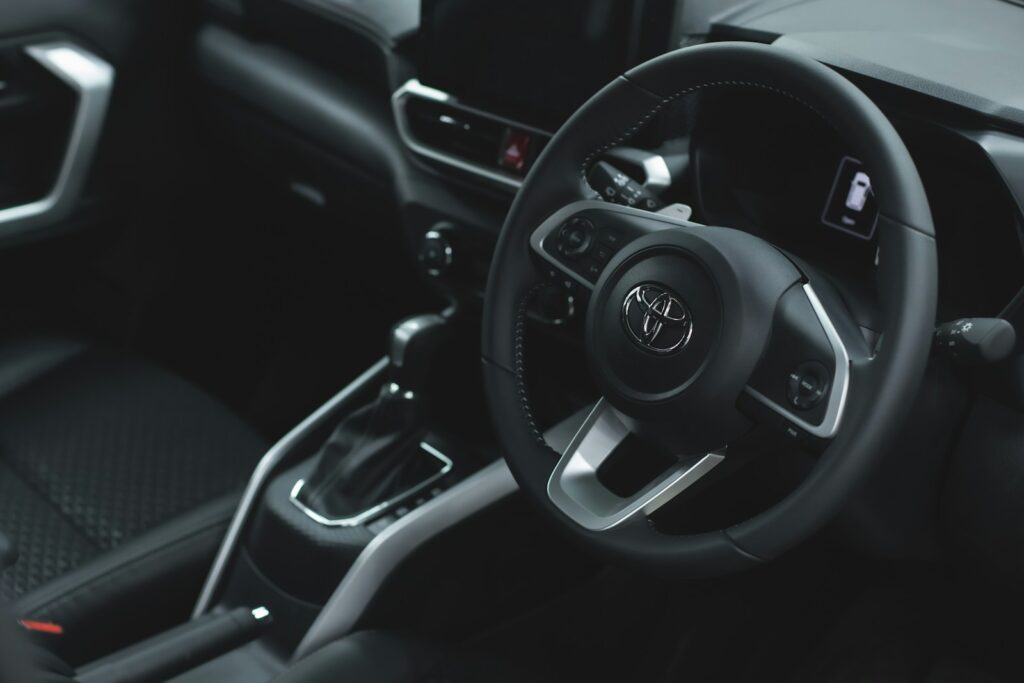
Toyota’s recent vehicles have adopted a bolder and more rugged design language, and the upcoming compact pickup is expected to continue that direction. Strong body lines, truck-inspired styling cues, and a confident stance should help it stand apart from traditional crossovers. The goal will likely be to create a vehicle that looks capable while maintaining the practicality expected from a compact truck. Visual appeal will be an important part of attracting new buyers.
Expected Exterior and Interior Highlights:
- Rugged truck-inspired styling
- Modern infotainment technology
- Flexible storage solutions
- Comfortable seating for daily use
- Advanced safety features
Inside the cabin, practicality and comfort are expected to be key priorities. Buyers will likely find supportive seats, useful storage compartments, user-friendly controls, and modern connectivity features. As many truck owners now use their vehicles for commuting and family transportation, Toyota is expected to emphasize everyday usability. The interior will likely balance functionality with the refinement consumers increasingly demand.
Safety will also be a major focus. Features from Toyota Safety Sense are expected to be standard or widely available across the lineup. Advanced driver-assistance technologies can help make the truck more appealing to families, commuters, and small-business owners alike. By combining modern safety systems with comfort and practicality, Toyota aims to create a compact pickup that feels easy to own and enjoyable to use every day.
10. A Return to Toyota’s Practical Roots
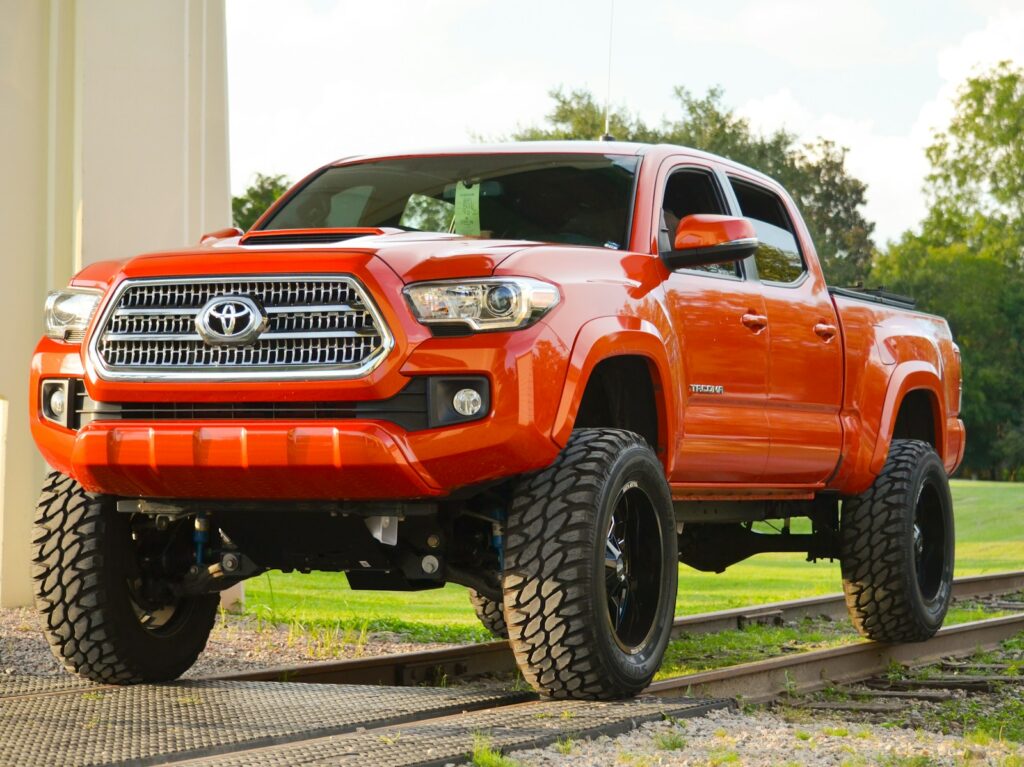
Affordability could become the most important factor in determining the success of Toyota’s upcoming compact pickup. As truck prices continue to rise across the industry, many buyers are finding larger models increasingly difficult to justify. A smaller, more efficient truck offers a practical alternative that addresses a growing gap in the market. This approach aligns closely with Toyota’s long-standing reputation for delivering value-focused vehicles.
Why the Compact Pickup Could Succeed:
- More affordable than larger trucks
- Strong focus on practicality
- Expected Toyota reliability
- Efficient powertrain options
- Broad appeal for everyday buyers
Industry expectations suggest pricing could start around the $30,000 range, allowing the truck to remain competitive against established rivals. If Toyota Motor Corporation can combine attractive pricing with its traditional strengths in durability, reliability, and resale value, the vehicle could appeal to a wide range of customers. Buyers looking for utility without the cost and size of a full-size pickup may find it especially attractive.
Interestingly, the philosophy behind Toyota’s future compact truck shares similarities with projects like the NATS C91 Spider. Both emphasize the idea that practicality, affordability, and driving enjoyment can coexist. The compact pickup has the potential to bring those qualities together in a package designed for modern lifestyles. If Toyota executes the formula successfully, it may do more than simply enter the segment it could become one of the category’s defining vehicles and reconnect the brand with its practical truck-building roots.