

Renault’s R5 Turbo 3E: The 540hp Electric Maniac Is Real
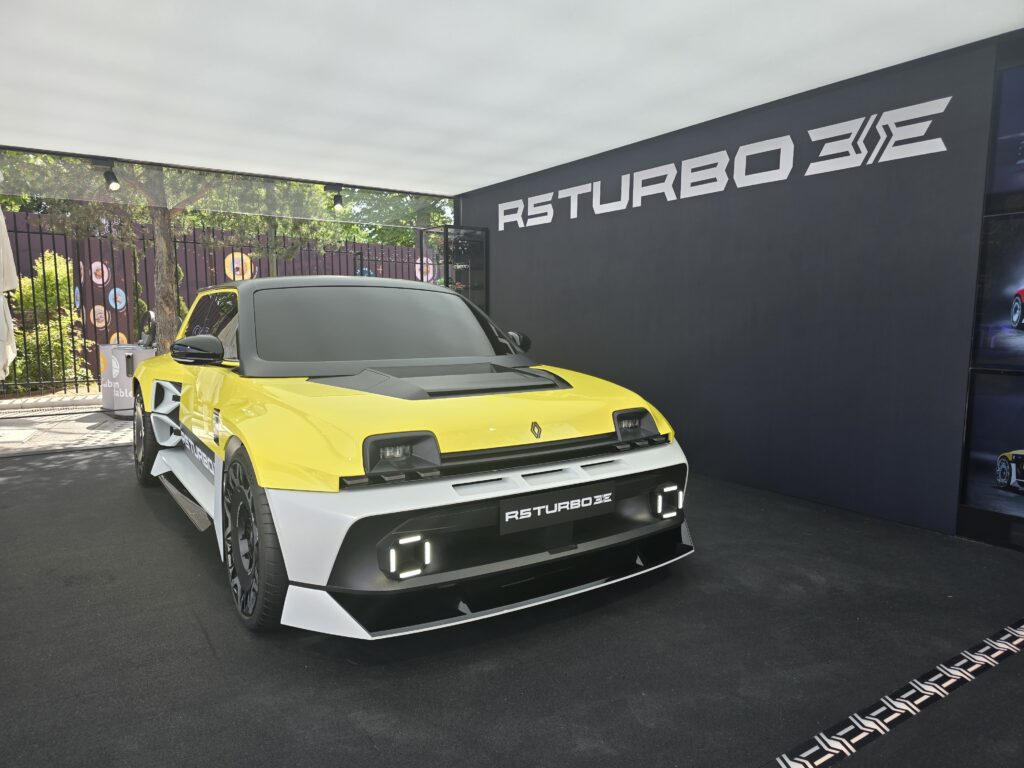
There are cars that quietly focus on efficiency, comfort and everyday usability. They are designed to make life easier and reduce emissions. These cars blend into traffic without much attention. Then there are machines like the Renault 5 Turbo 3E. It feels like it was built for a reason. This car does not try to be polite or hide in the background. It exists to provoke emotion and challenge expectations. The Renault 5 Turbo 3E aims to bring the excitement of driving. Many thought this kind of excitement had disappeared in the era.
The original Renault 5 Turbo from the 1980s was not a machine. It was loud and aggressive in design. Its performance was serious despite its hatchback shape. The Turbo 5 carried a sense of chaos. This made it unforgettable to enthusiasts. The Turbo 3E continues that legacy. It is not a replica. A reinterpretation for a new technological age. The Turbo 3E uses electric motors and high-voltage architecture. This recreates the sense of wild energy as the original.
What makes the modern version interesting is the intention behind it. Renault did not try to soften performance for the era. Instead it exaggerated it. The result is a car that feels like a statement. It combines motorsport attitude and futuristic engineering. The Turbo 3E has a connection to its rebellious past. It feels alive and unpredictable. The car is deeply engaging even before you consider its performance, on paper. The Renault 5 Turbo 3E is a car that Renault built to make a statement.
1. A Different Electric Car
Not your typical electric car, the Renault 5 Turbo 3E throws calm and comfort out. While most EVs chase silence and ease, this one leans hard into raw reaction. Built for punchy thrills, not errands, it trades routine usefulness for sharp instincts. Instead of blending in, it shouts presence through sudden bursts and fierce handling. Driving feels alive here-jagged edges included.
Built for Driving that Feels Alive:
- Extreme performance-focused EV setup
- Rear-mounted electric motors
- Instant torque delivery
- Compact “mini-supercar” philosophy
- Built to thrill behind the wheel, not coddle during daily trips
It moves like it was built for fun, not just getting around. With power sent mainly to the back wheels and full strength right away, every push on the pedal hits fast. Not slow then sudden just straight into motion, alive from the first moment. Most electric cars build pace step by step; this one jumps without warning. Quickness comes early, stays wild, stands out among quiet high-speed machines.
Surprisingly small, yet fiercely bold that’s how the car acts. It doesn’t aim to save energy or carry cargo; instead, it thrives on raw involvement behind the wheel. Rare these days, especially among electric speed machines. Calling it a “mini-supercar,” as Renault does, somehow just sticks.
2. The Original R5 Turbo’s Lasting Impact
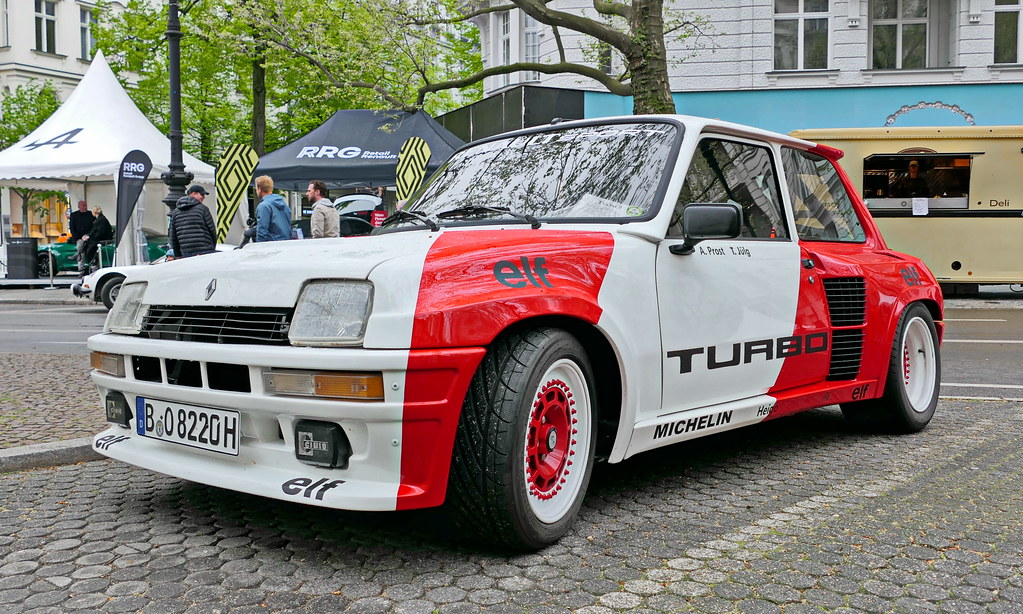
Back then, car makers loved playing with rally ideas on regular streets. The first Renault 5 Turbo took an ordinary small car and turned it into something wild squat fenders, engine behind the driver, almost nothing like the basic model. Without knowing that version, the new 5 Turbo 3E makes less sense. Hard to grasp where it comes from. This latest one builds on that strange past a quirky chapter most forget.
A Rally-Bred Icon that Redefined the Game:
- Mid-engine layout in a compact hatchback
- Built for Group B rally-inspired performance
- Extreme wide-body design
- Lightweight, aggressive, and raw driving character
- Minimal focus on comfort or refinement
Built for tough races like rallying, the first R5 Turbo needed power, toughness, and grip when roads turned rough. Its character came through sharp unpolished but full of presence compared to rivals at the time. Not smooth or quiet by any means; instead, it roared, pushed hard, sometimes startled its driver all traits that shaped who it really was.
Electric power wakes up where old engines once roared. This version swaps fuel burn for silent surge, yet keeps the spirit tight and alive. Digital cues step in where dials used to shout, guiding with calm accuracy. What feels wild still lives at its core raw thrill, sharp edge, moments that blur order and speed. History pulses through every turn, feeding what comes next.
3. Extreme Power and Acceleration
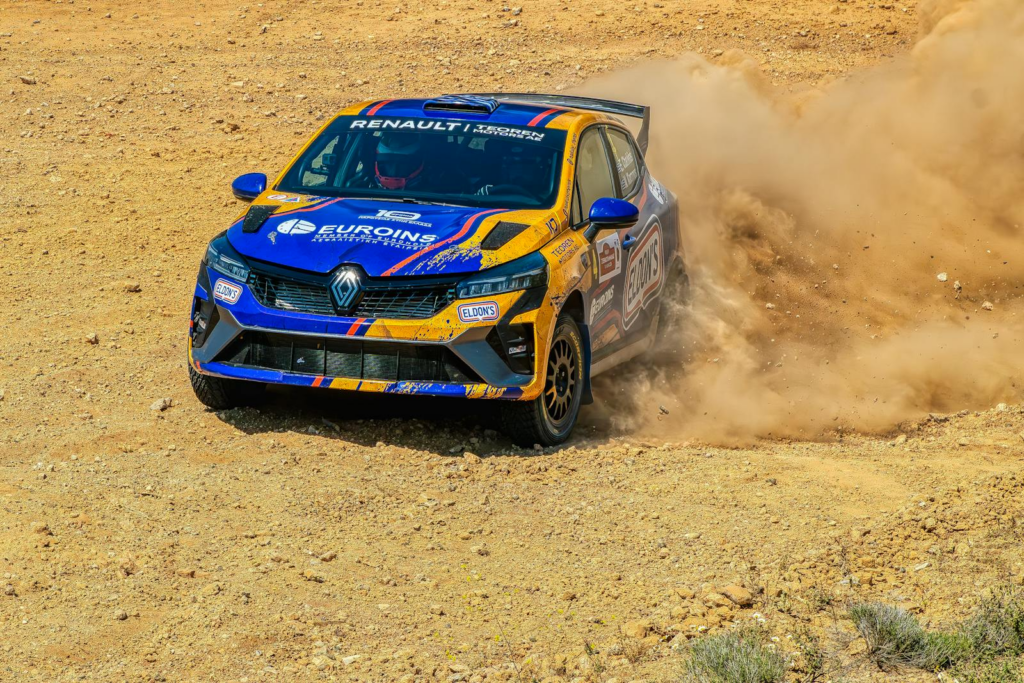
Out of nowhere, this little car hits like a proper supercar, even though it looks like a regular hatchback. Power comes fast because the body hides something wild underneath roughly 540 horses ready to rip forward. Depending on how they finish it, maybe a bit more could show up. Sudden? Absolutely. It does not ease into speed; instead, motion arrives hard and without warning.
Supercar-Level Electric Performance:
- Close to 540 horsepower, give or take a bit
- Twisting force hits around 4,800 newton meters, delivered through twin motors tucked inside the back wheels
- 0–62 mph in under 3.5 seconds
- Instant, gearless power delivery
- Rear-wheel torque-focused layout
Out on the road, the twist delivered hits an intense level close to 4,800 newton-meters all thanks to twin motors tucked in the rear wheels. Because of that layout, response to pedal movement feels immediate, almost like energy bursts out the moment you ask for it. Reaching 62 miles per hour in less than 3.5 seconds? That number isn’t just flashy it shows this vehicle means business.
Starts smooth, never stutters. Renault wipes out pauses once common no shifting delays, no waiting for boost. Right away, energy flows without breaks, steady at every push. Feels alive under hand, immediate each time you act. From the first move, response hits fast, clean, connected.
4. A Platform Designed for Speed
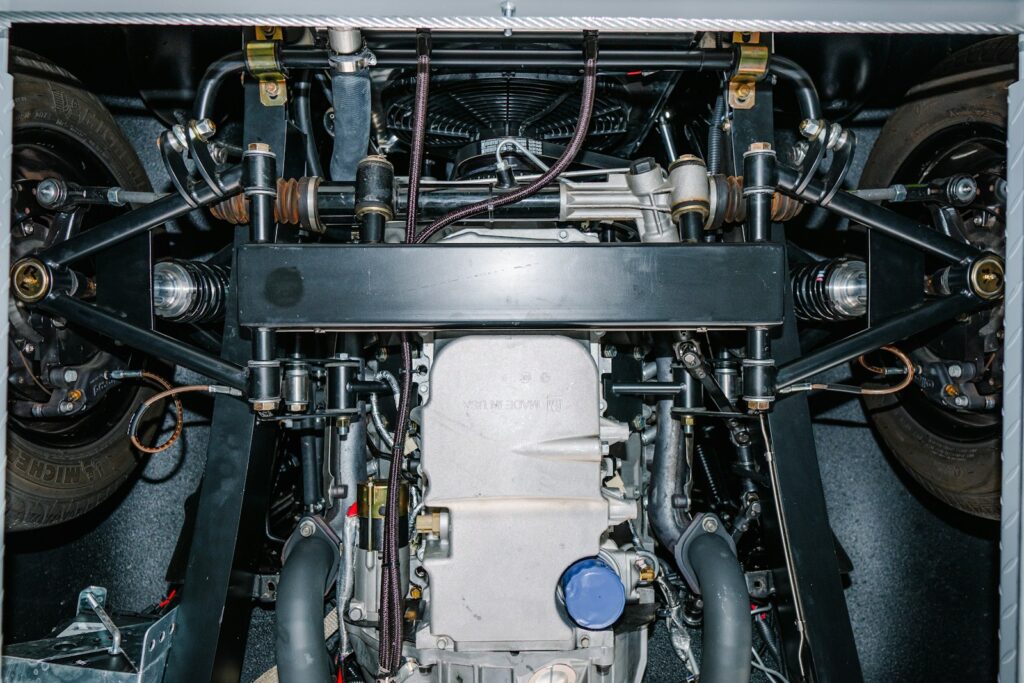
Starting fresh was key for the Renault 5 Turbo 3E no modified small car bones here. Built on its own high-performance frame, shaped closely with Alpine’s touch, it lets designers shape strength, poise, and sharp reactions right from day one.
Purpose Built Engineering for Extreme Performance:
- Dedicated performance EV architecture
- Lightweight carbon-fibre body construction
- Aluminium structural components
- High rigidity for track-level stability
- Wide stance for improved cornering control
Heavy use of carbon fibre cuts mass without sacrificing stiffness in the frame. Alongside it sits an aluminum skeleton built light but tough enough for sharp handling demands. From the first sketch, this car ignored old blueprints, starting fresh each step. Built only for one goal: handle wild power surges and hard cornering with ease.
From every angle, the shape tells you what it’s built for. Wide enough to stand firm, yet short in body, it sits like something ready to move. A solid presence on wheels this isn’t just how it looks, but how it holds itself when pushed hard through bends. When forces pull sideways at speed, that low-slung width keeps everything steady. Built this way, the frame stays grounded, sharp, and predictable, no matter how rough the drive gets.
5. Bold Design Built with Intent
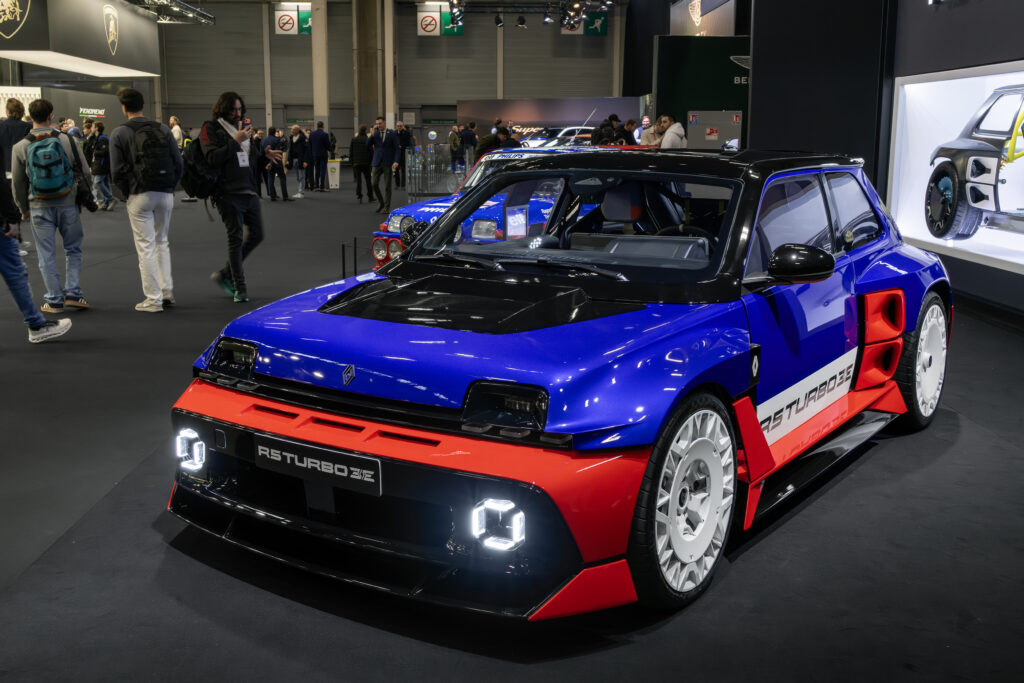
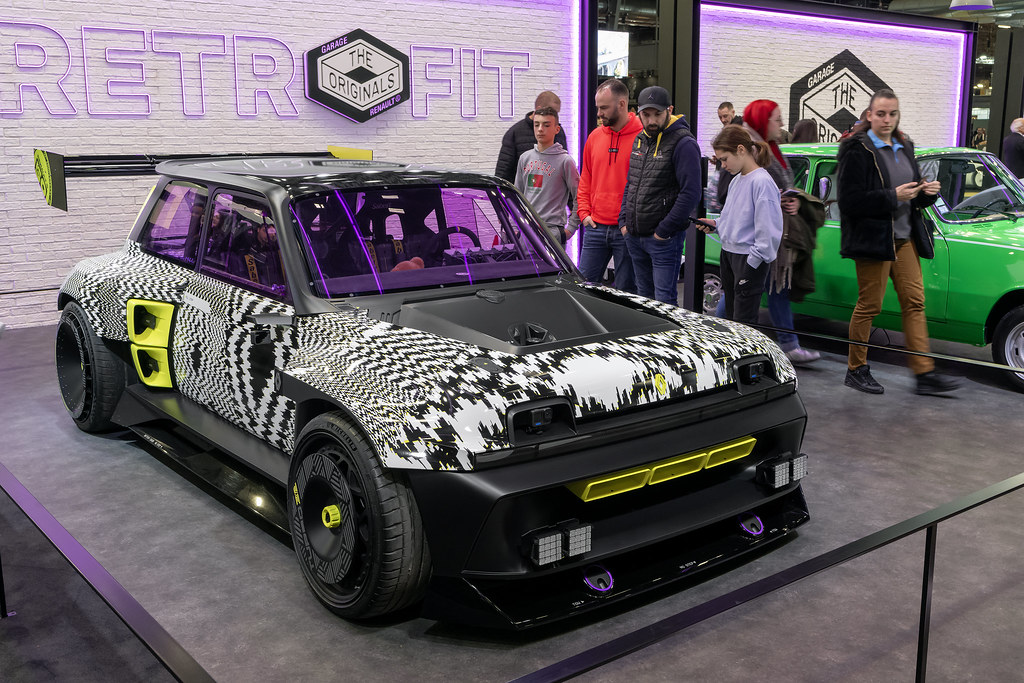
Out here, the Turbo 3E grabs eyes without trying. Each curve seems carved not for looks but because wind demanded it. Up front, a wide splitter slices through air pressure when moving fast. Hood vents let trapped chaos escape while pulling heat away. Shape follows speed every piece exists for one reason: going harder.
Key Functional Design Elements:
- Aerodynamic front splitter design
- Functional bonnet ventilation system
- Side air intake cooling system
- Integrated charging side scoops
- Dual-level rear spoiler stability
From the side, the Turbo 3E keeps that sharp, purposeful look. Air moves easier thanks to shapes carved into the surface. Scoops along the flank link old-school roots with new tech, including charge ports. Each curve fights wind resistance while helping cool key parts. That balance means smoother runs and steadier power delivery.
Back there, staying steady at speed matters most. Underneath, air gets sorted by a big diffuser that cuts down on lift. One part works with another the spoiler setup runs on two levels to pin the car to the road. Nothing here just looks good; each piece does actual work cutting through the air.
6. Battery Tech and Charging Power
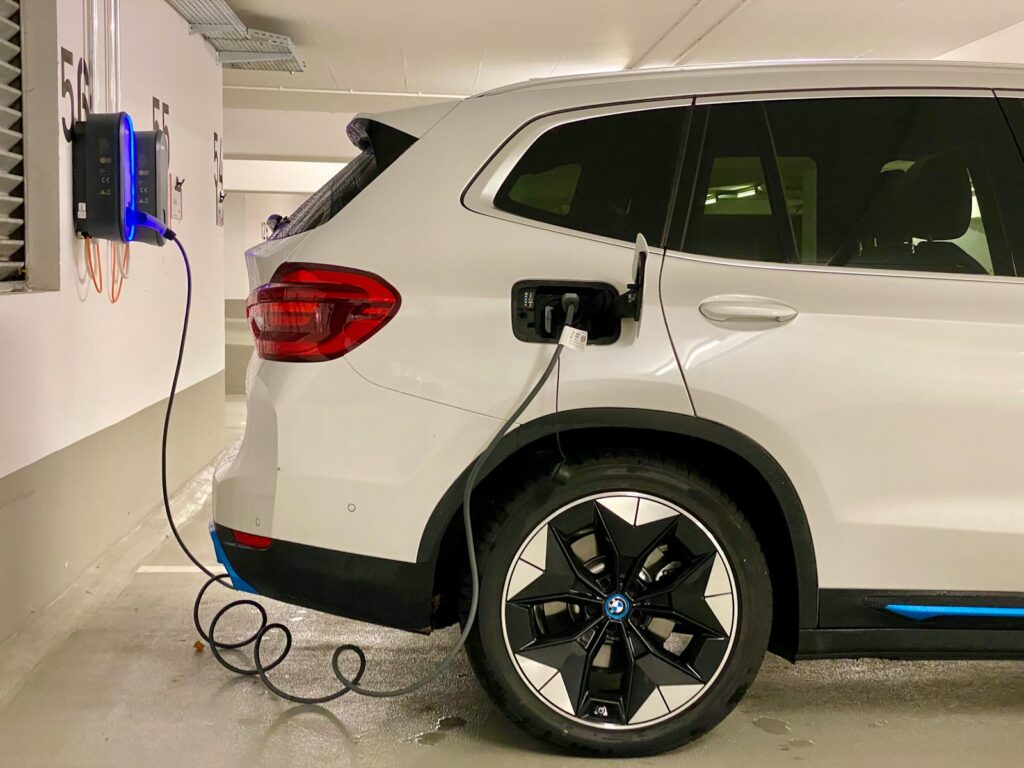
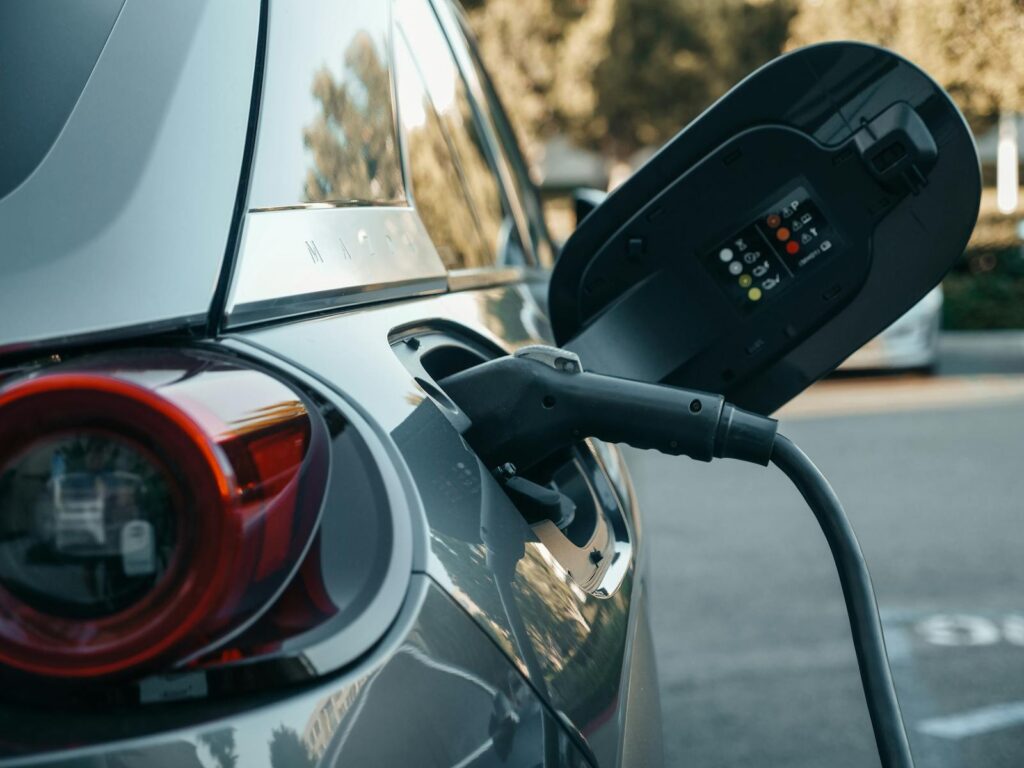
Starting with its core, the Turbo 3E runs on an 800-volt setup often found in top-tier electric cars. Fast power delivery comes next-fueling quick takeoffs along with swift recharging. What stands out is how it shapes the way the car feels: alert, eager, alive. Efficiency gets a quiet boost too, thanks to smarter energy use and heat control. When pushed hard, the machine holds steady without fading. Performance stays strong, even when things get intense.
Fast Charging and Power Network:
- 800-volt high-voltage architecture
- Ultra-fast energy transfer system
- 70 kWh performance battery pack
- 350 kW DC fast charging support
- Rapid track-ready energy recovery
Starting at 15%, that 70 kWh battery hits 80% in about a quarter of an hour when hooked to a strong 350 kW DC station. Less standing around, more moving ideal if you’re pushing limits often. Whether it’s highways or circuits calling, the charge speed answers. Time rolls forward while wheels stay turning instead of parked. Efficiency like this shapes what today’s electric cars aim to be.
Most days, the Turbo 3E covers more than 400 kilometers when fully charged. Not built just for cross-country trips, yet fits well into daily routines. Because of that, pushing limits doesn’t mean stressing about power. Speedy design mixed with decent distance opens up options. In the end, what stands out is how smoothly it joins quickness with ease.
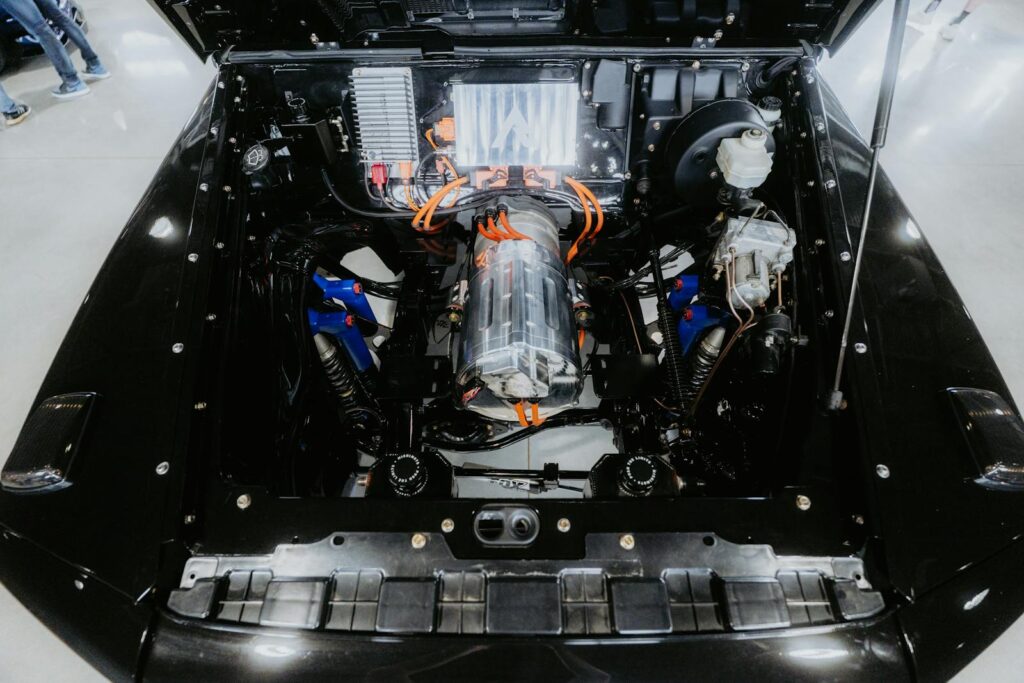
7. In Wheel Motors Change How Cars Handle
From the start, power flows differently here rear wheels each house their own motor right inside the hub. Without needing driveshafts or a differential, things get leaner under the skin. Precision takes charge when each wheel moves on its own terms. Instant by instant, twist lands exactly where it’s needed most. Simplicity meets sharp reactions through this stripped-down setup.
Independent Wheel Control Dynamics:
- Rear in-wheel motor configuration
- Independent torque wheel control
- Instant digital response system
- Advanced cornering stability control
- Precision drift management setup
Right away, the motor pushes strong power to the wheels, making pickup faster and steering sharper. When turning fast or moving at speed, it supports smarter ways to manage how the car behaves. Each wheel gets its own digital adjustment, depending on what the road feels like. Because of that, balance and traction get better across varied terrain. Performance stays lively, shifting smoothly with every move the driver makes.
From the start, heavier wheels bring certain design challenges. Still, quicker response times stand out clearly when you drive it. Packaging parts becomes easier, which helps free up space elsewhere under the hood. Instead of waiting, the car moves right away once asked. Driver commands meet immediate motion, making every turn feel alive. Unlike older systems, this one dances through corners with less delay. Precision takes center stage, changing how connected you feel behind the wheel.
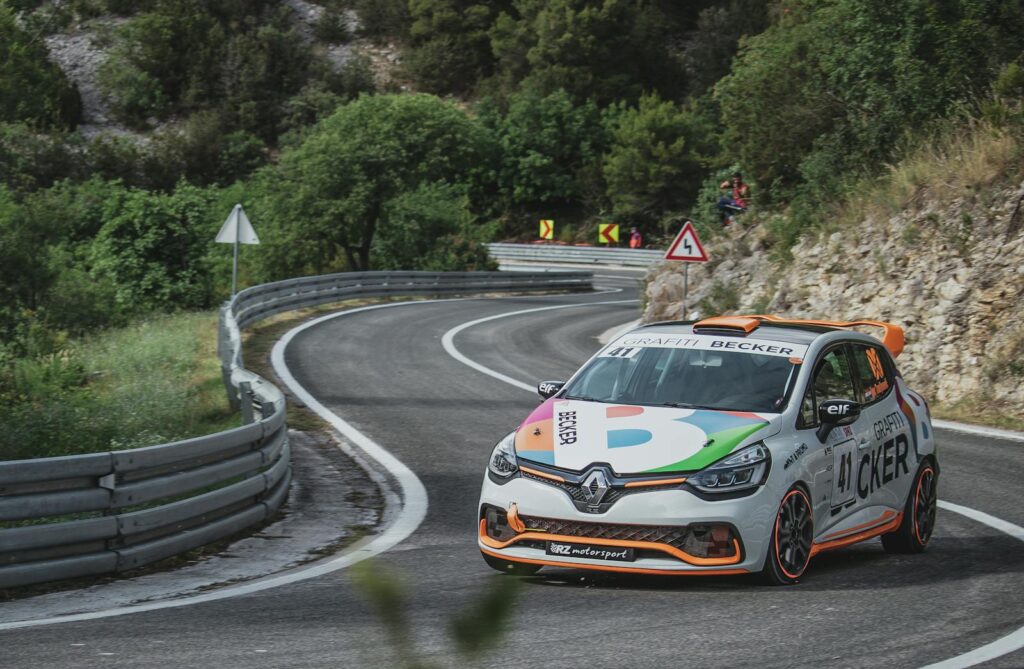
8. Driving Experience on Tough Roads
Out on twisty, bumpy tracks, the real nature of the Turbo 3E comes alive. When the road turns sharp and rough, it reacts fast full of spark, eager to pivot without delay. Its compact frame helps it dart through corners, staying light on its feet even when moving quick. Each move you make behind the wheel shows up right away in how it moves. That instant link gives it a bold, interactive feel behind the controls.
High-Intensity Driving Characteristics:
- Rapid directional response behavior
- Short wheelbase agility advantage
- Instant acceleration feedback system
- Driver-machine connection feel
- Active engagement driving dynamics
Right away, the Turbo 3E surges forward without hesitation. Throttle changes spark instant reaction-no lag, just motion. Because it answers so quickly, driving becomes a hands-on experience instead of passive travel. It behaves less like transport and more like equipment built for involvement. Each second at the controls holds weight, drawing focus through sheer liveliness.
Right from the first test, the car’s personality shows clearly. A touch of surprise hides in how it responds, yet that only adds thrill without shaking trust. Eager seems too weak a word this machine wants challenge, craves corners. When driven with skill, answers come instantly, like conversation between driver and road. Emotion runs high behind the wheel, nothing filtered or softened.
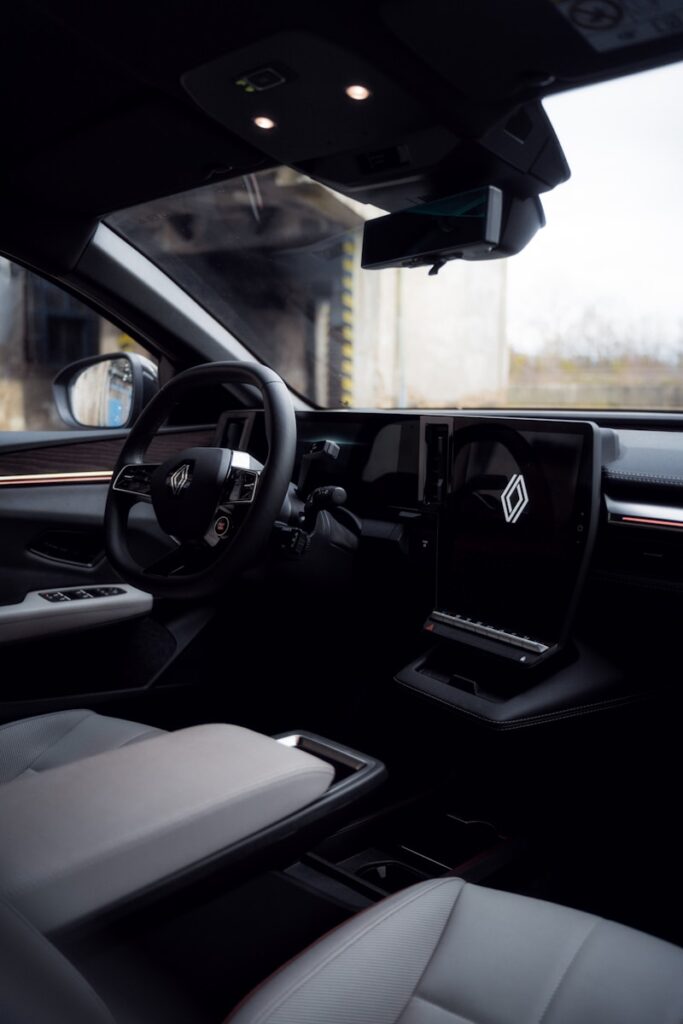
9. Interior Designed Around Driving
Not built for lazy rides, the Turbo 3E’s interior puts speed first. Buckets dug deep keep bodies locked when corners come fast. Harnesses like those in race cars underline its circuit mindset. From the moment you sit, it’s obvious ease takes a back seat to grip and accuracy. Nothing here distracts from sharp handling. Each piece plays a role in staying alert behind the wheel.
Driver-Centric Cabin Elements:
- Deep bucket seat support system
- Racing harness safety setup
- Dual digital driver displays
- Motorsport-inspired steering control
- Vertical drift handbrake system
Two screens show key driving stats along with system updates. Though sleek in look, the layout skips clutter, centering only what matters under pressure. Focus stays sharp on pace, control, and how the car moves. Clear intent shapes every part of the display. Entertainment takes a back seat when precision leads the way.
Heavy on grip, the tall handbrake gives sharper drift response along with better slowdown control. Right under your palms, the steering wheel feels tight, quick, alive like something pulled straight from racing circuits. Even so, tech stays present inside, tucked into corners where daily life demands it. That presence means more than speed shows; it works just fine running errands too. Inside, raw edge meets everyday ease without tipping too far either way.
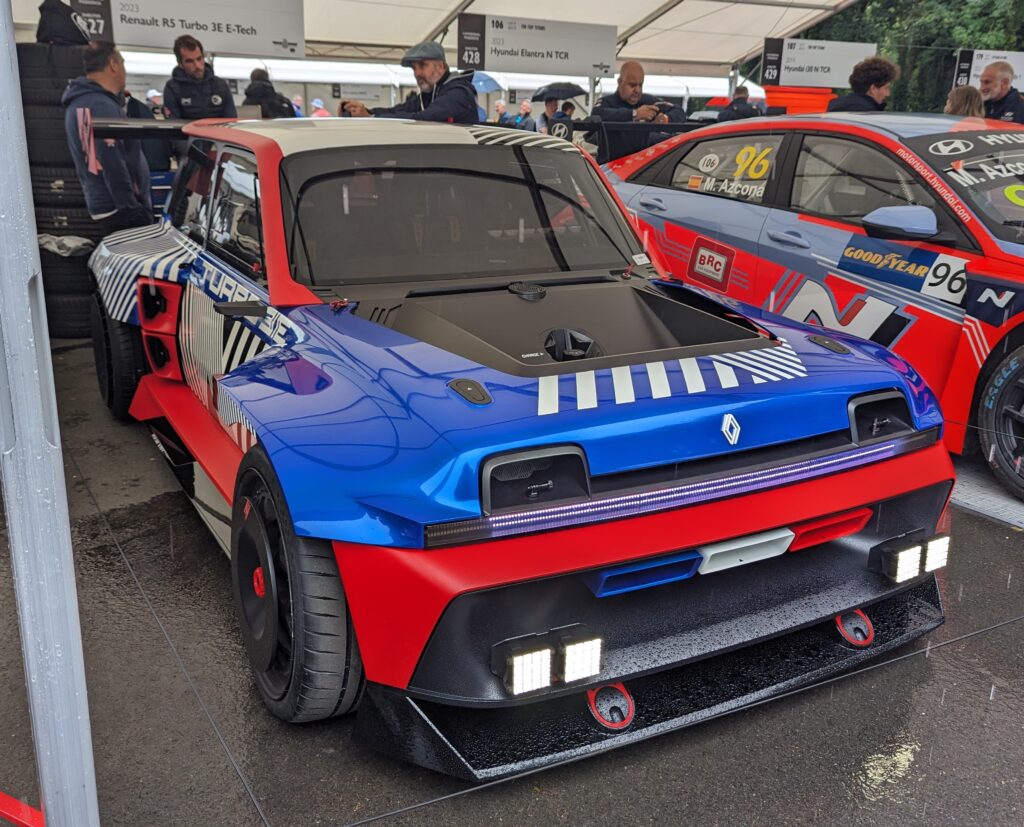
10. Exclusivity and Final Character
The Turbo 3E is produced in a strictly limited run of 1,980 units, directly referencing the original R5 Turbo era. This limited production enhances its exclusivity and positions it as a collector-focused performance machine. Each unit carries a sense of rarity that strengthens its desirability. The exclusivity also reinforces its identity as a modern tribute to a legendary heritage. Overall, it stands as a special and limited-performance creation.
Limited Edition Ownership Experience:
- Production limited to 1,980 units
- Individually numbered vehicle identity
- Heritage-inspired customization options
- Fully bespoke design configurations
- Collector-focused exclusivity appeal
Each Turbo 3E will be individually numbered, giving every car a unique identity within the production line. Buyers are offered extensive customization options to personalize their vehicle. These include heritage-inspired liveries as well as fully bespoke design choices. Despite customization freedom, the core identity and performance character remain consistent. This ensures every unit still reflects the original engineering vision.
This exclusivity elevates the Turbo 3E beyond a standard performance vehicle. It becomes a statement of design heritage, modern technology, and emotional value. The combination of electric performance and historical reference creates a strong identity. It appeals not only to driving enthusiasts but also to collectors. Ultimately, it represents a fusion of legacy and future-focused automotive innovation.