




Fisker’s Alaska EV: A Clever New Take on the Pickup Truck
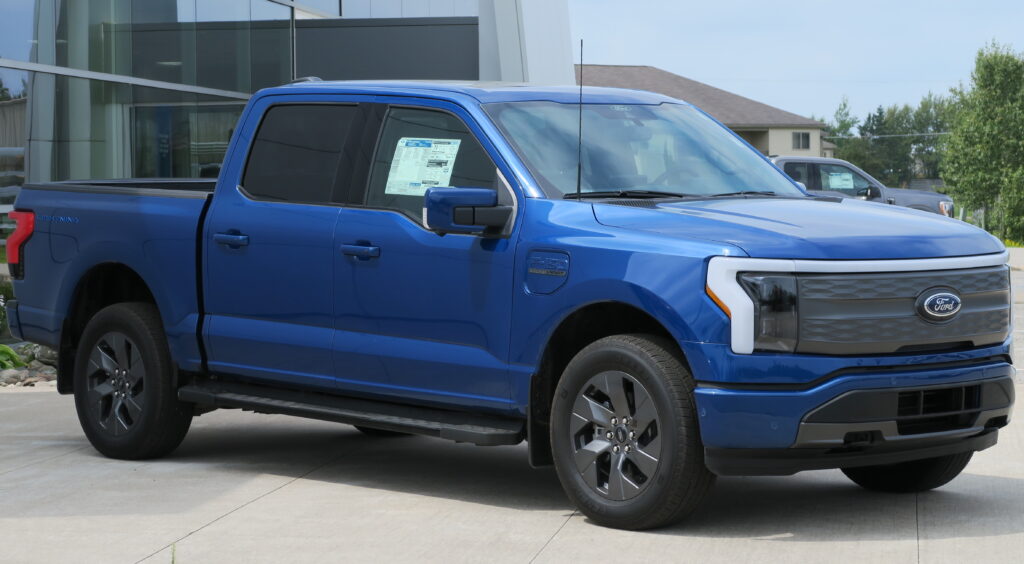
The electric pickup segment is changing fast and it is becoming one of the most competitive areas in the car world. Old car companies and new electric car companies are both trying hard to figure out what a modern truck should look like and how it should feel. People are talking about how powerful they’re how far they can go and how they look but nobody can agree on what is best. Every new electric pickup tries to stand out by being really fast or looking really cool.
Fisker is introducing the Alaska pickup and it is trying to be different from the others. Of just being big and powerful the Alaska is trying to be useful and smart. The idea is to make a pickup that is good for everyday use and still has good electric performance. This is what makes the Alaska different from electric pickups.
The Alaska electric pickup is not just trying to be part of the car trend it is trying to change what we think a pickup can do. It combines being useful looking good and being efficient in a way that tries to appeal to people who like lifestyle and people who buy trucks. This way of thinking makes the Alaska unique, in a segment where people usually just care about power.
1. A Crowded Electric Pickup Market
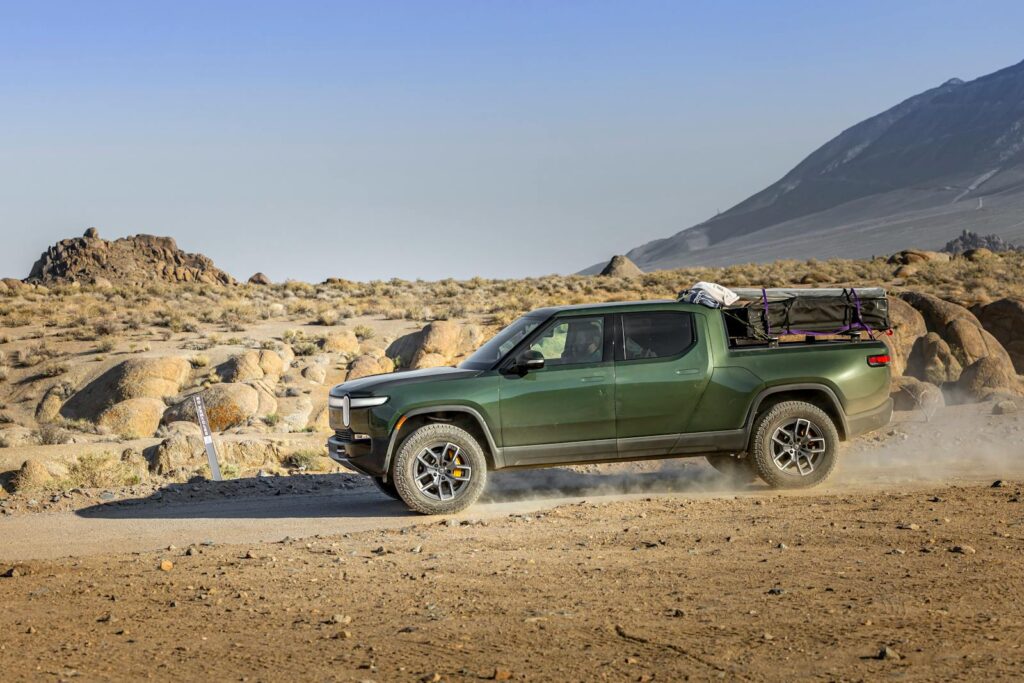
Out of nowhere, big car brands started plugging electric power into their favorite trucks. Meanwhile, startup builders arrived with wild concepts nobody saw coming. With each reveal, expectations climb further distance on a charge, heavier loads pulled fast. Innovation runs hard here, driven by never-ending upgrades across speed, strength, pull. Pressure builds quickly when everyone tries to outdo the last move. Right now, rivalry burns hotter than at any point before.
Market Pressure Drivers:
- Rapid electrification of pickup trucks
- Constant increase in performance benchmarks
- Heavy focus on battery and towing specs
- Growing entry of new EV brands
- Design convergence across models
Out of nowhere, one after another, these models pile up without really setting themselves apart. Even though each aims for bold looks plus everyday toughness, electric trucks start blending into the same mold. Hidden somewhere beneath numbers and feature lists? Actual new ideas. Buyers see choices that echo each other instead of breaking new ground. Standing out becomes harder when everything wears the same face.
Success isn’t only about big numbers when everyone else brings them too. What matters shifts once the room fills up with similar tech upgrades. Standing out means bringing a thought nobody expected something altering what usefulness even looks like. Charts fade behind meaning when daily life gets easier in quiet ways. Performance stats stop being the main story without context. Fresh angles beat harder specs if they change habits. Redefining value becomes possible through small revolutions. The Fisker Alaska steps into this role by reframing the conversation.
2. Fisker’s Bold Vision Behind Alaska
Starting off different, Henrik Fisker frames the Alaska as a pickup redefining standard ideas. Not just about function imagination matters here too. Instead of speed bragging rights, he points to a Ferrari-like spirit, hinting at boldness without claiming race stats. Emotion takes root where toughness usually rules alone. Design isn’t an afterthought; it steers everything from front to back. This thing moves because looks lead.
Design-Led Vision Principles:
- Emotion-driven pickup design approach
- Premium styling with practical usability
- Ferrari-inspired creative positioning idea
- Balance of elegance and toughness
- Urban-friendly utility vehicle concept
Surprisingly soft curves meet sharp angles where most trucks play it safe. Emotion shapes the body, not just function guiding every line. Where others stack toughness above all, this one slips elegance into the mix. Practicality stays strong even as luxury whispers through details. Modern means more than tech here it shows in how light dances on metal. Refinement sneaks in through fit, finish, quiet rides. Looks stand out without shouting, turning heads differently. Pickup expectations shift when feeling matters as much as hauling. What was once purely tool-like now carries personality. A different idea rises vehicles can mean something deeper.
Starting off, the Alaska aims to blend sleek looks with solid performance no extremes. Built for everyday jobs, yet fits right into city life without looking out of place. Because of that mix, people see it as useful but also full of character. Function meets flair, not one at the expense of the other. What stands out most? A fresh take on what electric trucks can be today.
3. Exterior Design with a Modern Edge
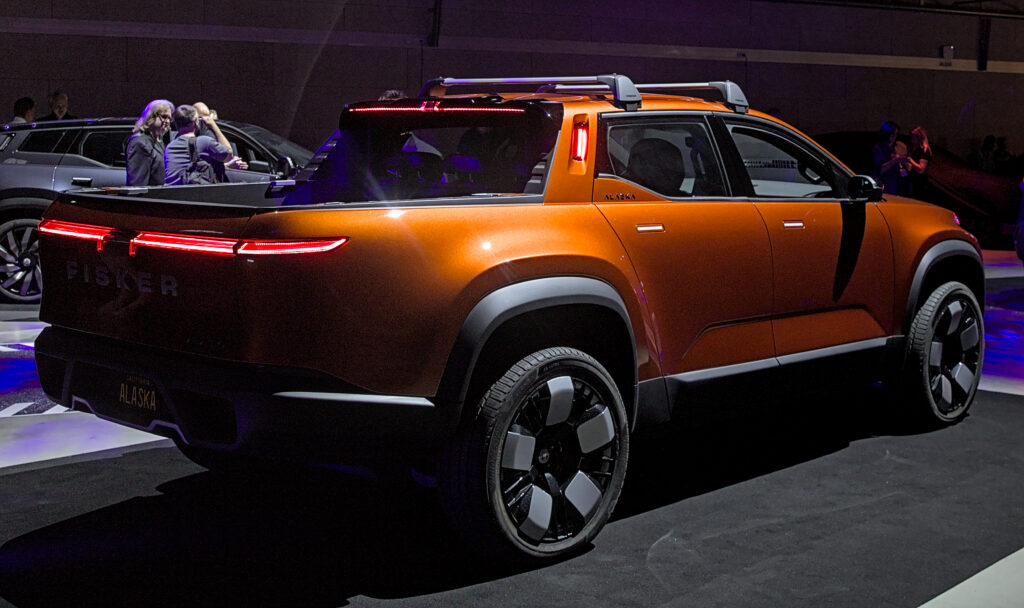
Away from old-school truck shapes, the Alaska takes a different path. Smoother lines replace sharp edges, leaning into a look that suggests motion even when still. Not built for flash, each curve serves function first. Clean faces meet tight gaps between panels nothing extra lingers. Purpose drives every angle, resulting in something sleek without trying too hard. Refined comes through not by polish but by restraint.
Modern Exterior Design Features:
- Smooth aerodynamic body surfaces
- Athletic performance-inspired stance
- Minimalist front design approach
- Slim LED lighting signature
- Clean EV styling identity
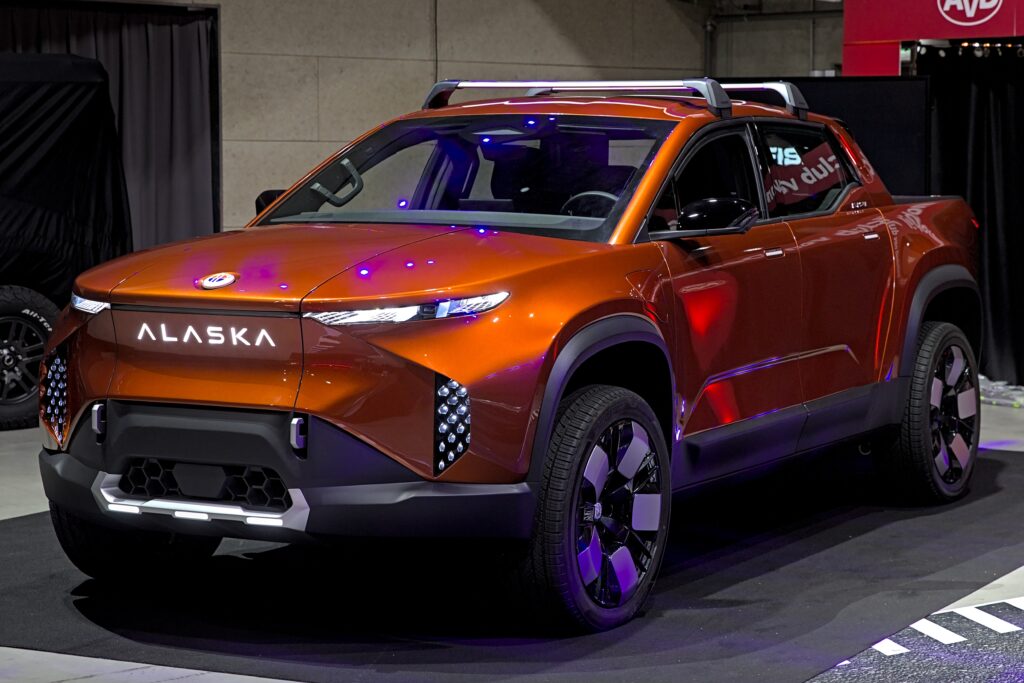
Up front, there’s no classic grille that alone tells you it runs on electricity. Thin lights take the place of heavy shapes, giving it a leaner, forward-looking look. The logo stands out clearly, cutting through any extra detail that isn’t needed. With less going on visually, the face stays crisp and up to date. Taken together, the layout points straight at how electric cars are now shaping car design.
Looks matter more than toughness here. Built to seem ready, yet friendly on regular streets. Because of that mix, city trips or job tasks fit just fine. Rough edges get left out for something useful and clear instead. In the end, what you see is how pickups might appear now electricity runs them.
4. Balanced Size and Road Presence
Among pickup trucks, the Alaska takes up space right where smaller models meet the bigger ones. Because of its spot in this range, city driving feels easier than with hulking standard rigs. Even so, it holds its ground when tasks demand strength and room. Designers shaped every dimension to fit daily life alongside tougher jobs. In the end, sizing leans on balance neither too bold nor too shy.
Balance of Proportion and Usability:
- Mid-size pickup category positioning
- Urban-friendly handling capability
- Practical cargo space balance
- Stable road presence design
- Sporty proportional stance
Out on the road, size plays out just right no matter the situation. Tight turns in busy neighborhoods? Not a problem at all. Still, it never seems underpowered when hauling gets serious. Sitting between extremes shapes how it works every day. Function stays solid even when space feels limited.
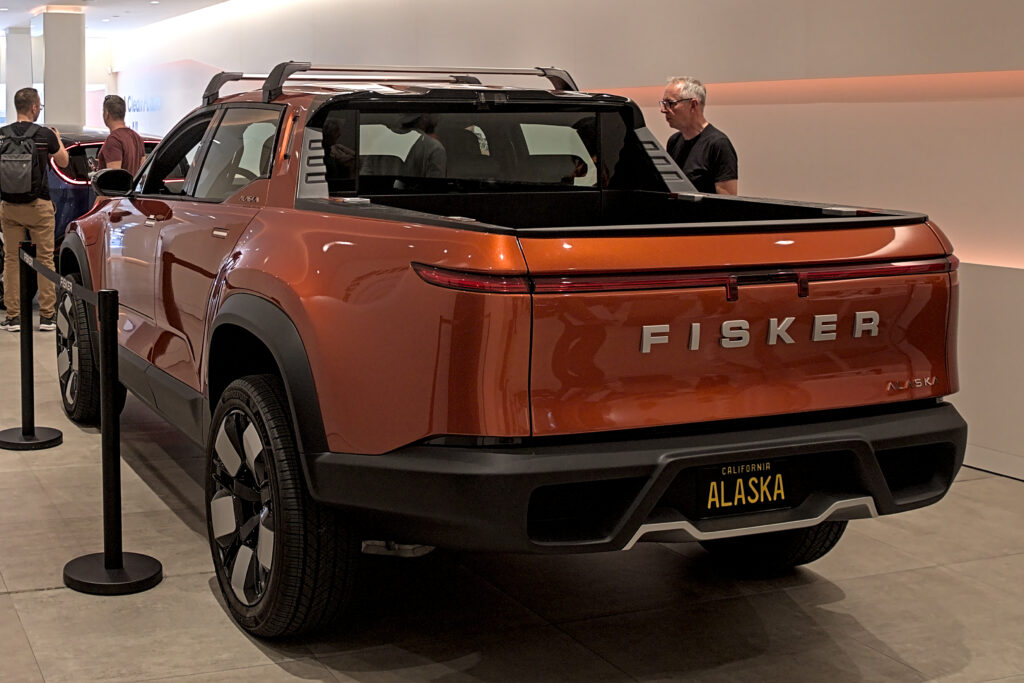
Stability shows in how it sits, broad and steady on the pavement. Looks ready even while standing still, like it knows where it belongs. Visual rhythm gets shaped by ratios that lean into motion, not noise. Instead of shouting for attention, it finds strength in calm lines. Function meets form without tipping too far either way.
5. The Houdini Partition Redesigned Simply
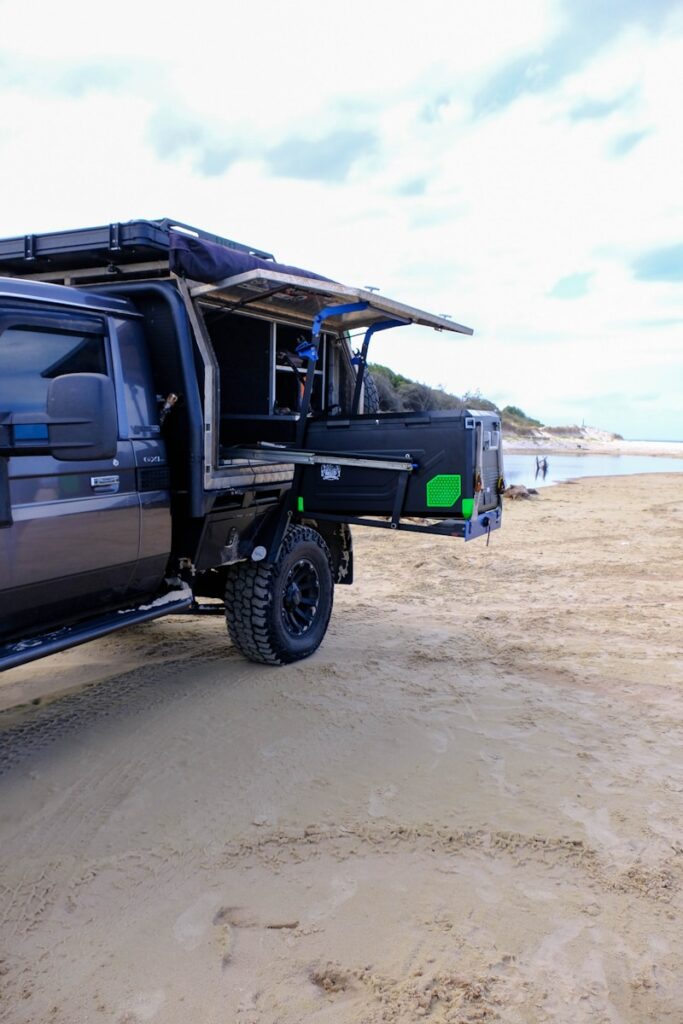
Hidden inside the Alaska hides a clever trick the Houdini partition. Sliding back, the rear window and wall vanish into the frame. Because of this move, the cab links openly to the bed. Space shifts shape depending on what’s needed. Inside blends with outside, quietly changing how room works. What you get is a pickup that reshapes itself without fuss.
Smart Cargo Expansion Features:
- Retractable rear cabin partition system
- Expandable truck bed functionality
- Button-controlled space transformation
- Flexible cabin-to-bed integration
- Innovative utility space engineering
Right away, the pickup’s cargo area looks like any regular one fine for common jobs around town. Yet when you press that switch, everything shifts. Hidden parts slide out, stretching room without awkward gaps. Suddenly, what seemed basic turns clever. Loads change fast, so the truck keeps up without fuss.
Not only does the idea go beyond looking different, but it also fixes an actual problem with loading items. Most trucks come stuck with unchangeable space you can’t modify. Instead of accepting that limit, the Houdini wall uses smart mechanics to break free. Day after day, it makes carrying things easier while adapting on the fly. Without doubt, this is inventive thinking built for real tasks, not just showy tricks.
6. Changing How Beds Use Space
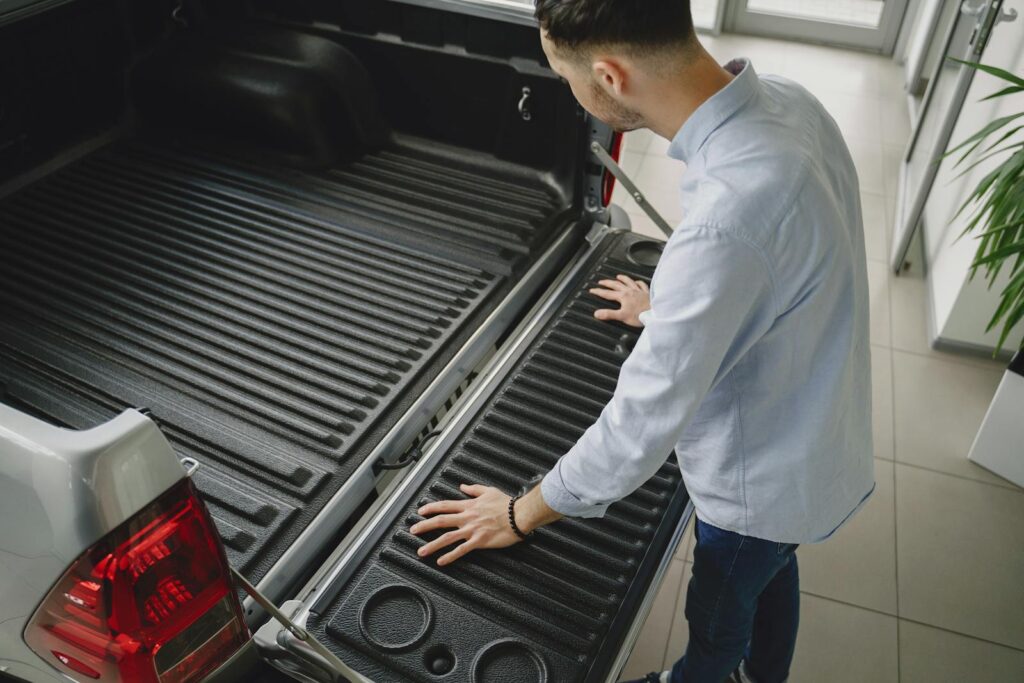
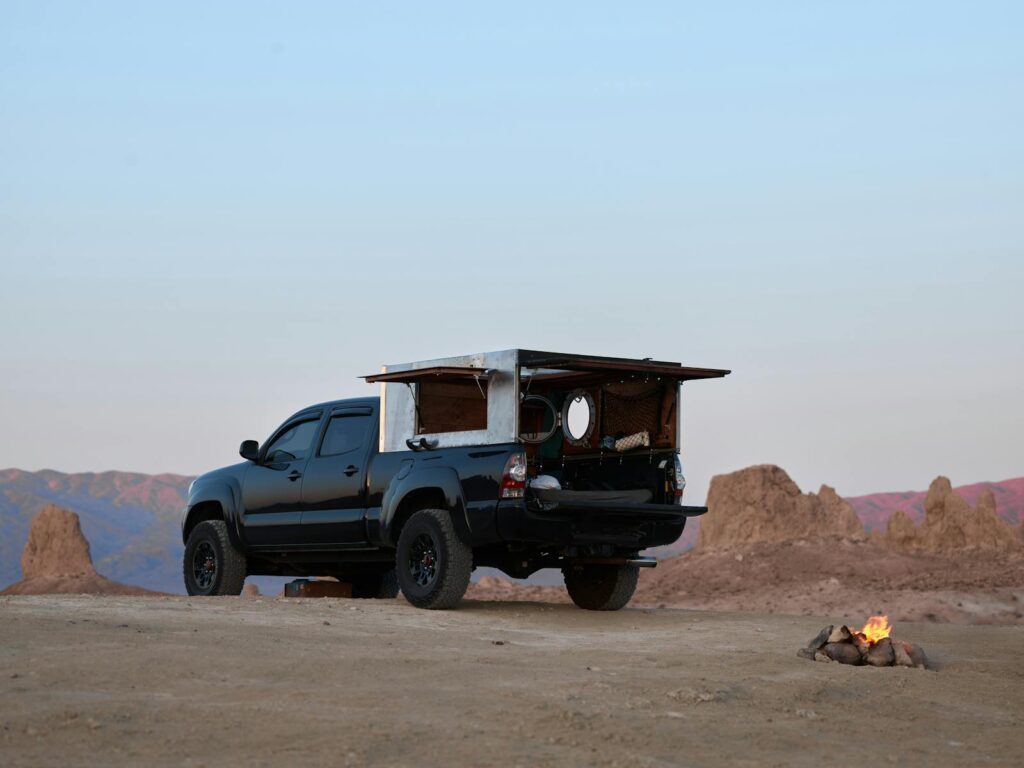
Out back, once the Houdini setup kicks in, the bed stretches out suddenly opening up extra space where there wasn’t any before. Longer gear? Awkward shapes? No problem now, since the Alaska handles loads that’d usually demand something bigger. Without fuss, everything slides into place quietly, built so anyone can manage it. Daily tasks get easier because of how naturally it fits into actual use. Suddenly, one truck does jobs you’d expect from several.
Expandable Cargo Features:
- Retractable rear cabin expansion system
- Increased bed length functionality
- Foldable space optimization components
- Multi-mode cargo configuration system
- Flexible utility platform design
When extra parts fold away, the storage space grows more. Because of this, the interior changes easily depending on what needs moving. Shifting from regular errands to tough jobs happens smoothly, almost without pause. With such flexibility, handling chores or job duties feels less complicated. Space gets used smarter, no matter the situation.
With its shifting layout, the Alaska breaks away from standard flatbed trucks. Not stuck with one setup, it offers room that changes as needs do. Because of this flexibility, people get more use out of the space when they need it. Function grows stronger while still keeping ride quality intact. What results is a fresh take on what truck beds can actually do.
7. Platform and Battery Options Vary
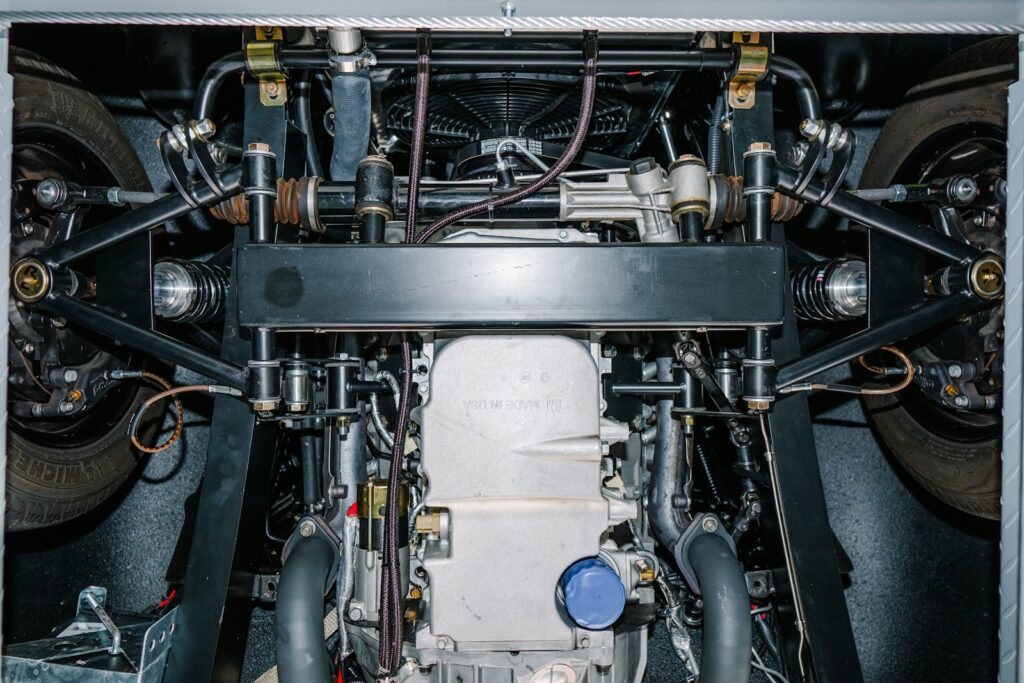
From under the skin, the Alaska grows out of a reworked base used across Fisker’s SUVs. Because it borrows that layout, shaping the truck moves faster yet room stays for changes needed just by pickups. Built tough, the frame holds together even when set up in various ways. Performance doesn’t slip, even as forms shift. Flexibility rides alongside strength here. So whether work demands change or terrain turns rough, the setup keeps pace.
Platform and Battery Setup Choices:
- Shared SUV-derived EV platform
- Dual battery pack availability
- Efficiency-focused smaller battery option
- Long-range larger battery option
- Energy-optimized driving architecture
A pair of battery sizes will likely appear, built for separate kinds of use. One leans toward saving power, fitting regular city trips well. Meanwhile, the bigger unit pushes farther between charges, ideal for distant routes. Offering two paths lets people match power supply to how they drive. That way, town errands and cross-state drives stay covered.
Driving smoothly? The system adjusts on its own, saving power no matter the road type. Highway miles stretch farther when speed stays constant, plus daily trips get easier. Smart design choices behind the scenes make real-world use more doable. City commutes handle just as well as cross-state runs. Flexibility comes through loud here, yet nothing dings the electric muscle.

8. Performance and Driving Feel
Most versions of the Alaska handle well, no matter which setup you pick. Starting at the bottom, power feels solid enough for regular commutes without hesitation. When options climb, so does punch; quicker reactions and higher speeds start feeling sharp, almost like a nimble coupe. Drivers with different needs find something that fits, whether calm or keen. The mix leans neither too soft nor too wild it stays useful while still stirring some thrill.
Driving Performance Modes and Behavior:
- Multi-mode driving performance system
- Efficiency-focused driving configuration
- Comfort-oriented ride tuning option
- High-performance acceleration mode
- Adaptive power delivery control
Most days, the Alaska shifts how it drives depending on what lies ahead. When roads turn rough, it adapts without needing a command. Efficiency takes center stage if distance matters most. A smoother ride emerges when calm cruising fits better. Power surges forward only when truly called for. Changes like these make each trip feel shaped just right. Driving this way, tasks never slow down fun plans. Even under load, it moves with confidence. Little adjustments add up behind the wheel. Suitability comes not from one trait but many small shifts.
Most of the time, you barely hear anything when moving off. Inside, vibrations almost disappear compared to gas trucks. That calmness makes each trip feel cleaner somehow. Long drives become easier without constant engine hum. City traffic feels less tiring too. In the end, power meets stillness in a way that just works.
9. Interior Design and Sustainable Focus
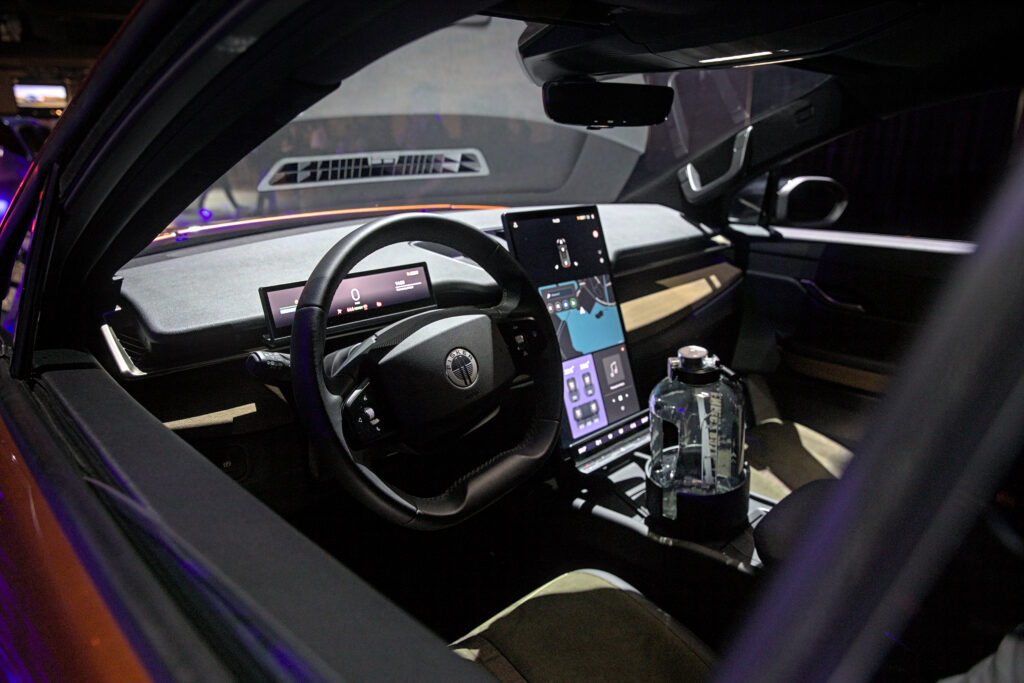
Inside the cabin, the Alaska follows a minimalist and modern design philosophy. A large central touchscreen dominates the dashboard, supported by a fully digital driver display for key information. The layout is clean, simple, and free from unnecessary clutter. This helps create a more focused and contemporary driving environment. Overall, the interior reflects a strong emphasis on usability and modern design.
Sustainable Cabin & Interior Features:
- Minimalist clean dashboard layout
- Large central touchscreen interface
- Fully digital driver display system
- Eco-friendly recycled cabin materials
- Practical daily-use storage solutions
Sustainability plays a central role in the interior design of the Alaska. Recycled and eco-friendly materials are used across different cabin surfaces to reduce environmental impact. This approach strengthens the vehicle’s identity as a modern, responsible electric pickup. It also adds to the overall premium yet conscious feel of the interior. The focus is on combining comfort with environmental awareness.
Practicality is also well integrated into the cabin design. Multiple storage spaces and thoughtful compartments improve everyday usability. The layout is designed to support both short city trips and long-distance journeys. Controls and interfaces are positioned for easy access and convenience. Ultimately, the interior blends simplicity, sustainability, and functionality in a balanced way.

10. Pricing, Market Position, and Challenges
The Alaska is positioned as a competitively priced electric pickup designed to undercut several established EV trucks in the market. With potential government incentives and tax benefits, it becomes even more accessible for a wider range of buyers. This pricing strategy strengthens its appeal in a rapidly expanding electric pickup segment. It is intended to offer strong value without compromising on innovation. Overall, it targets a cost-effective entry into the EV truck space.
Market Strategy & Positioning Factors:
- Competitive electric pickup pricing strategy
- Incentive-supported affordability advantage
- Mid-size pickup market positioning
- Dual lifestyle and work usability focus
- Innovation-driven value proposition approach
Its size and flexible design place it between compact and full-size electric pickups. This positioning allows it to serve a unique niche in the market. It appeals to users who want practical capability without the bulk of larger trucks. The focus is on balancing everyday usability with functional performance. This makes it suitable for both lifestyle and work-oriented drivers.
However, significant challenges remain in terms of production execution and real-world delivery. Like many emerging automotive projects, the success of the Alaska depends heavily on meeting promised specifications. Market acceptance will be shaped by reliability, availability, and long-term performance. Early expectations will need to be matched by real-world results. Ultimately, its success will depend on how well it transitions from concept to production reality.