

Row Your Own Off-Road: A Deep Dive into America’s Last Manual SUVs
It wasn’t so long ago that driving a manual transmission was an everyday experience. Whether you were driving a small commuting car, a hard working pickup truck or an adventure inspired SUV, you were always changing gear yourself. Now, thanks to technology improving all aspects of the modern automatic transmission to the point that they offer greater ease and better fuel efficiency. Consumers also began to take the easier option and the availability of manual cars has dwindled until we have a feature that is once a common requirement is now mostly found as a niche feature aimed at the driving enthusiast.
For the keen driver, there is something a modern automatic cannot quite replicate. The tactile nature of choosing a gear, holding an engine right in its power band and staying in control of everything. Each gear shift takes more control, it’s an exercise in driver skill that, even during mundane driving, really keeps you involved in what the car is doing and what it could do if you want it to. Although we may have technology making cars easier to drive, there are still plenty of people who still want the feel of changing gear manually with the assistance of the gear stick.
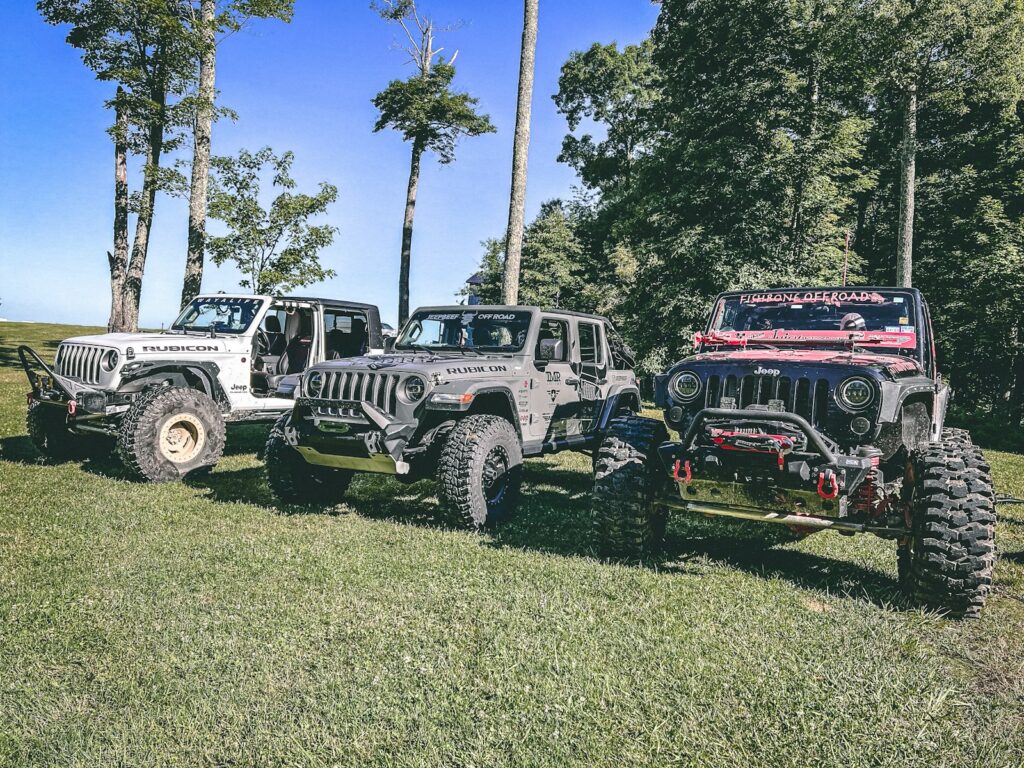
With this evolution of the car it has affected how SUVs are designed today. SUVs have always been about everyday driving for the family, it has always been about convenience and that makes a stick shift more difficult to justify. Despite this across the industry, two rugged American vehicles still offer a manual gearbox option. The Ford Bronco and Jeep Wrangler continue to be the sole exponents of the manual equipped SUV.
1. The Disappearance of Manual SUVs
The demise of the manual SUV did not happen overnight, rather it was a slow evolutionary process over many years as tastes of the buyer and car technology changed. With the improvement of the automatic gearbox it began to become smoother, more efficient and more convenient, leading more buyers to look at cars that would ‘change gear for them’. Therefore the car manufacturers began to focus on automatic and hybrid options instead of developing new manual gearboxes for a declining market sector.
Reasons Behind the Decline:
- Growing demand for automatics
- Improved transmission technology performance
- Reduced manual buyer interest
- Focus on hybrid powertrains
- Fewer manual SUV options
Over time, many once-familiar SUV models have also slowly shed their available manual transmission choices. Some simply phased out stick shifts with little fanfare; others managed to annoy purists who enjoyed the interaction and control of manual driving. As the years went by, fewer and fewer choices became available, leaving manual transmission SUVs disappearing from dealership lots.
The trend was perhaps most notable among off-road SUV manufacturers. Manual transmissions were once coveted among many off-roaders who preferred the feeling of greater control the gearbox afforded on the trails and rocks. The increased technological development of off-road capability and customer demand led many manufacturers to abandon the manual transmission, resulting in only a handful of present-day SUVs that offer the engaging manual transmission many customers have come to appreciate.
2. Why Driving Enthusiasts Still Love Manuals
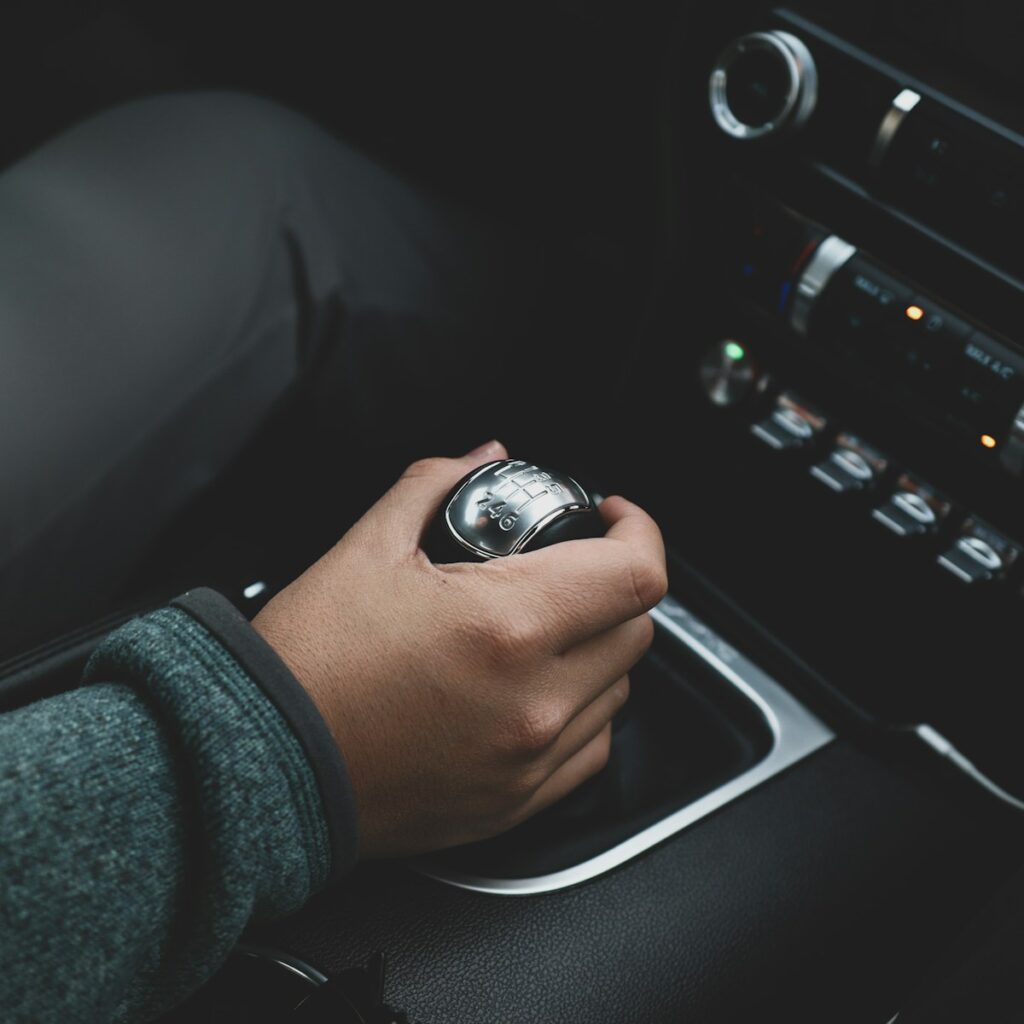
The appeal of a manual gearbox goes much further than just an excuse for nostalgic sentimentality; drivers love the connection they feel when using one. You are actively involved in the whole process, not just sat in the passenger seat watching the ECU perform all the gear changes for you; it makes every drive feel considered and much more alive.
Reasons Enthusiasts Prefer Manuals:
- Greater driver involvement experience
- Direct control over shifting
- Strong vehicle-driver connection
- Enhanced driving engagement levels
- Rewarding skill development process
One of the main appeal for enthusiast driver. By operating clutch and gear lever by hand, the driver determines exactly what and when he wants to change gear, how he wants to use engine power. Regardless of a traffic jam, a twisty road or a rough trail on off-road, a manual transmission will have full control over the engine speed and output. This kind of interaction feels a lot more engaging and rewarding for those who enjoy it.
Another crucial aspect for many driver is the learning curve. Mastering a fluid shift and understanding how a car performs in different driving scenarios need patience, time and practice. Mastering this element often generates a strong sense of achievement. A lot of people feels a manual car more rewarding or impressive than one that shifts automatically by a selectable drive mode.
3. Ford Bronco Keeps the Tradition Alive
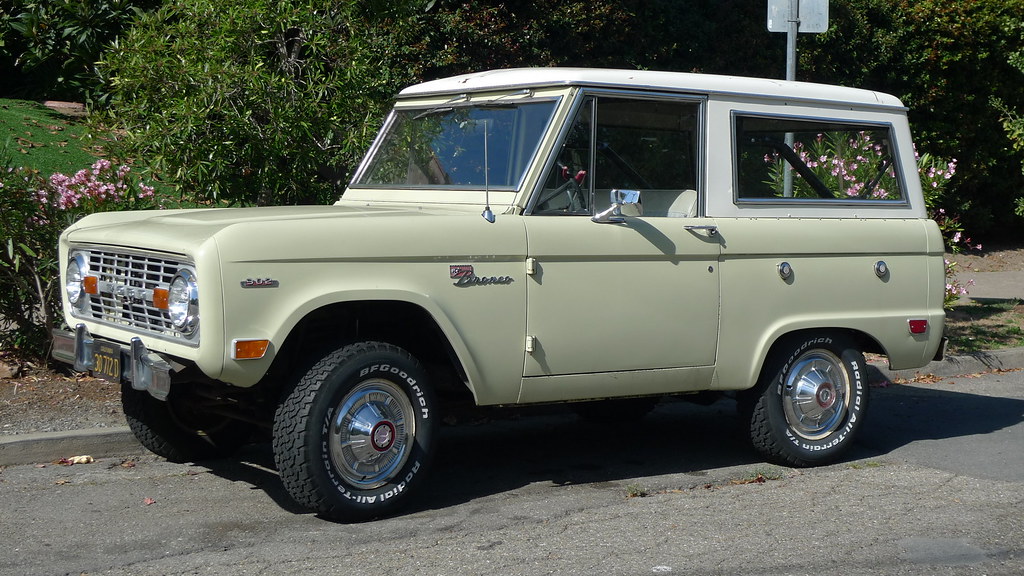
When it came time to relaunch the Ford Bronco, the Blue Oval made sure to pay tribute to its history with driving enthusiasts. In an age when a majority of automakers were axing the manual transmission from their lineup, Ford saw fit to retain it for the Bronco. This helps the Bronco to differentiate itself in an era when manual SUVs were quickly vanishing and still offers a rewarding driving experience for those who desire one.
Bronco Manual Transmission Highlights:
- Preserves enthusiast driving heritage
- Unique seven-speed gearbox design
- Dedicated off-road crawler gear
- Enhanced low-speed vehicle control
- Combines tradition and innovation
The Bronco’s manual transmission is no ordinary stick-shift setup. Ford has developed a custom seven-speed gear box that incorporates an extra-crawler gear, designed specifically for off-roading. This ultra-low gear allows the Bronco to travel at incredibly slow speeds, while maintaining full control. This is particularly useful when traversing steep inclines, rocky trails, or other treacherous terrain that requires extreme precision and slow driving.
This forward-thinking design is precisely how the Bronco should be. While some might offer a manual for the sake of having an option and for that unique mechanical feel, the Ford engineers have created a practical addition to its off-road capabilities. It provides an interesting blend of engineering and pure driver involvement to cater to both new and old school SUV enthusiasts alike.
4. The Bronco’s Performance and Capability
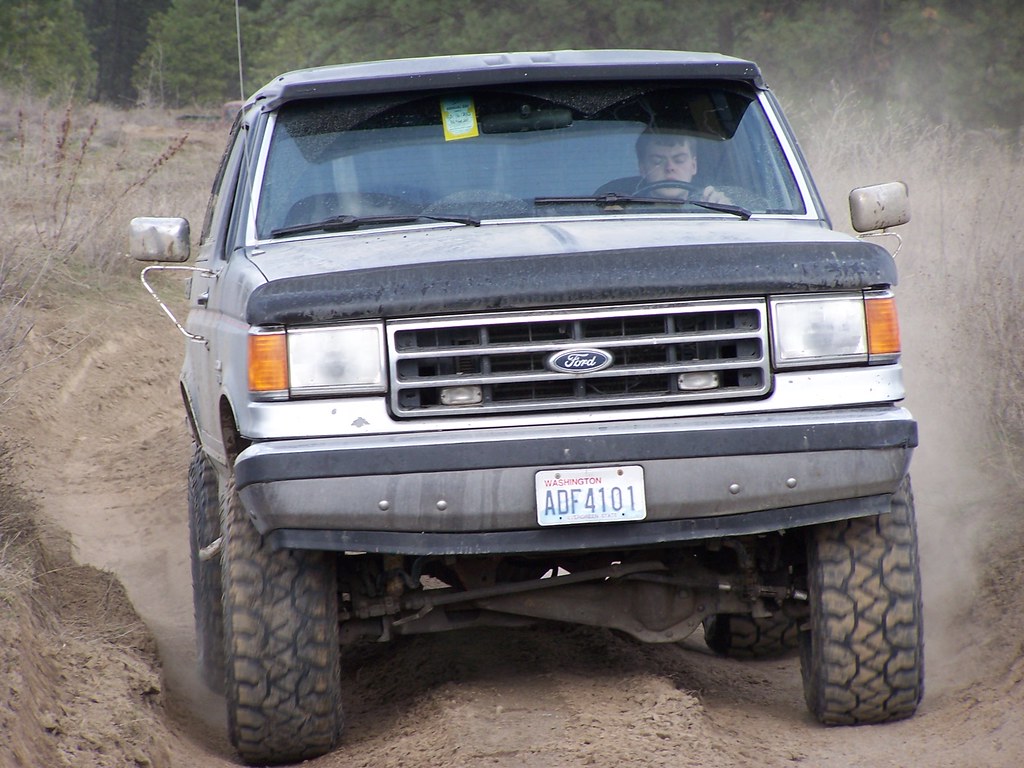
Modern engine tech and traditional driver involvement are put together by the Ford Bronco for driving enthusiasts and adventurous people alike. With that in mind, the engine is designed to deliver a combination of performance, responsiveness, and capability to provide the best possible driving experience, both on the road, and on the trails, for years to come.
Performance & Capability Highlights:
- Turbocharged engine delivers strong torque
- Responsive and engaging driving feel
- Manual gearbox enhances control
- Dedicated crawler gear advantage
- Excellent off-road capability support
The manual transmission is offered only with Ford’s 2.3 liter turbocharged 4 cylinder engine. This engine offers impressive acceleration with a good, usable torqueband, making the Bronco feel ready to pounce no matter what kind of driving is encountered. The forced induction nature of this engine makes power available wherever the tach is pointed, which gives the Bronco plenty of get up and go for both highway use and off-roading. The combination of manual and turbo gives the driver a highly engaging driving experience; the driver can make the car do exactly what they want it to do, because they are in direct control of every gear selection at any point along the powerband.
When it’s time for serious off-roading, the systems truly shines with the help of the dedicated crawler gear. This extremely low gear allows the driver to pick their way over rocks, hills, and other obstructions while putting less strain on the clutch, giving the driver an increased sense of confidence, control and stability.
5. Bronco Trim Choices and Limitations
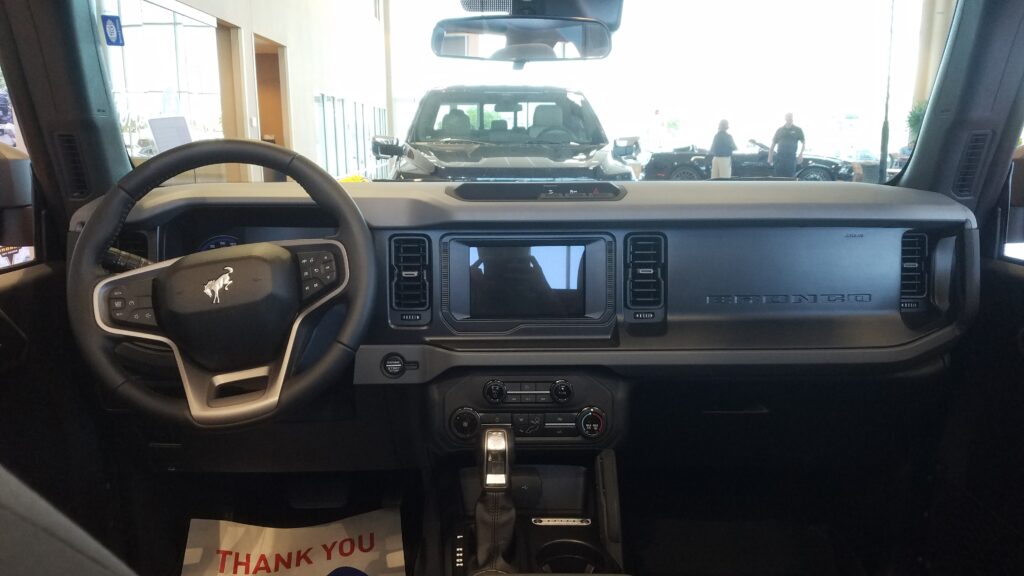
While the manual transmission in the Ford Bronco provides an engaging experience, opting for this transmission is not without its sacrifices. Potential buyers looking for the stick shift variant will need to be aware that it is not available for all Bronco models. This choice sacrifices certain upscale features for pure driving engagement.
Trim & Configuration Highlights:
- Manual transmission availability limited
- V6 engine not offered
- Certain trims exclude manuals
- Focus on off-road variants
- Requires careful model selection
The number one restriction in terms of limitations on this package: the manual transmission can only be equipped with the smaller 2.3 liter turbo charged Ford engine. There are V6 engines in the Bronco’s other trim packages that you simply cannot option with this seven-speed manual. That rules out some of the higher performing Bronco models to those who simply want a manual. Also: many of the luxury and comfort oriented trim levels do not even have a manual transmission available.
These models, as you would assume, have automatics only because that is how their consumers will most likely want them. There are a decent amount of capable off-road Bronco trim packages, with impressive amounts of technology, but the lack of the 2.3 liter engine in all but the highest performing models, takes away from a couple options.
6. Jeep Wrangler’s Long Manual Legacy
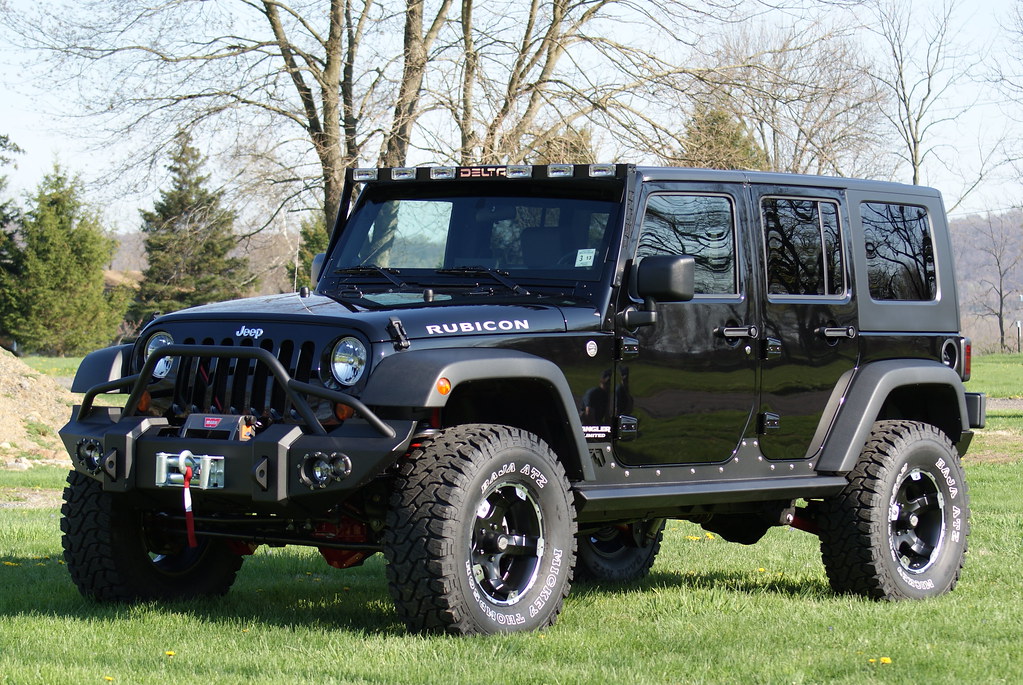
The Jeep Wrangler’s reputation over the last few decades have been built on the back of one of the most recognized off-roading vehicles. Ever since its inception, the manual gearbox has been intrinsically linked with it, creating a clear lineage from the rugged, utility-vehicle nature of the vehicles preceding the modern Jeep Wrangler to the one on the lot today, in part due to the dedicated following it has helped to nurture.
Wrangler Manual Heritage Highlights:
- Deep off-road driving roots
- Long history of manuals
- Traditional six-speed gearbox design
- Strong enthusiast community support
- Focus on driver involvement
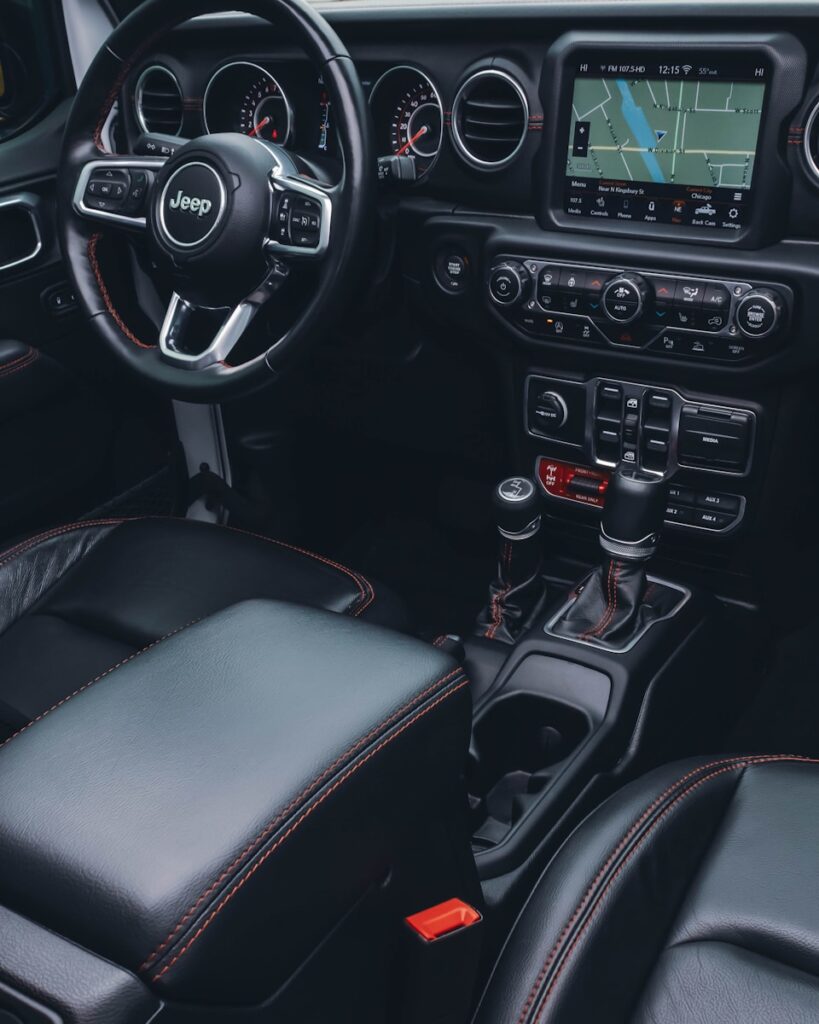
Unlike the seven speed transmission offered on the Ford Bronco, the Wrangler uses the older 6 speed manual transmission. Many buyers want a familiar and simple drive, and this more basic 6 speed does just that, providing drivers with total manual control over the transmission and an enjoyable and no-nonsense driving experience.
The traditional and simple transmission configuration makes the 6 speed manual appealing to enthusiasts and provides with an intimate experience of vehicle control both on and off the road. It’s important for us that there is still a manual transmission offered, and with most manufacturers discontinuing stick shifts; Jeep understands there are many enthusiasts who still seek the involvement and control that only a manual transmission can provide.
7. Wrangler Performance Characteristics
The manual Jeep Wrangler provides a raw, dependable, and user-friendly experience behind the wheel. Its powertrain setup is consistent with the Jeep’s established legacy in off-road driving, producing performance traits that emphasize straightforwardness and consistency over sophistication. This factor contributes significantly to the vehicle’s dedicated fan base, who appreciate its unpretentious driving nature.
Wrangler Performance Highlights:
- Reliable naturally aspirated engine
- Smooth and predictable power delivery
- Strong reputation for durability
- Traditional manual driving feel
- Direct mechanical driver connection
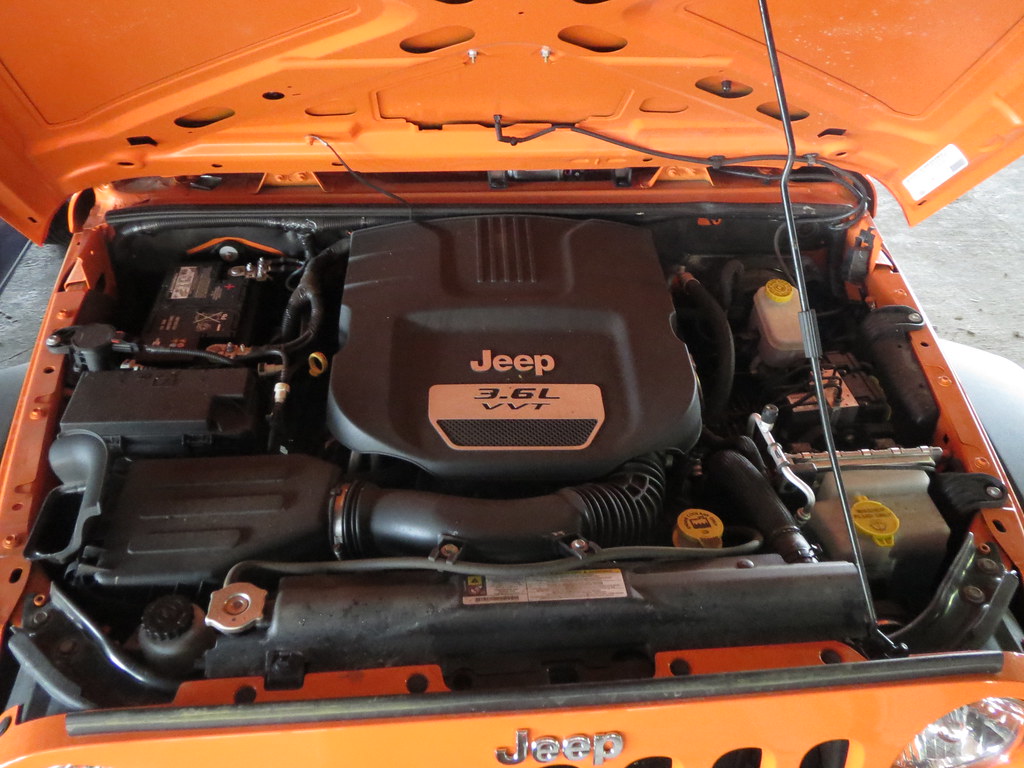
This manual transmission is mated to Jeep’s tried and true 3.6-liter Pentastar V6. As with other applications of the Pentastar V6, the power delivery is both reliable under varying conditions and feels smooth. Instead of the surge that one may feel from a turbocharged engine, this naturally aspirated engine produces power more linearly and progressively. This translates into very predictable and smooth acceleration, while allowing the driver to control their throttle input effectively during daily driving and off-road experiences.
This particular arrangement of the Pentastar V6 and 6-speed manual transmission creates a truly unique driving experience. Each gear change is actively engaged, thus increasing the feeling of interaction between man and machine. This setup is traditional and an increasingly unique combination in today’s increasingly automated and digitally interfaced automotive world.
8. Manual Transmission Beyond SUVs
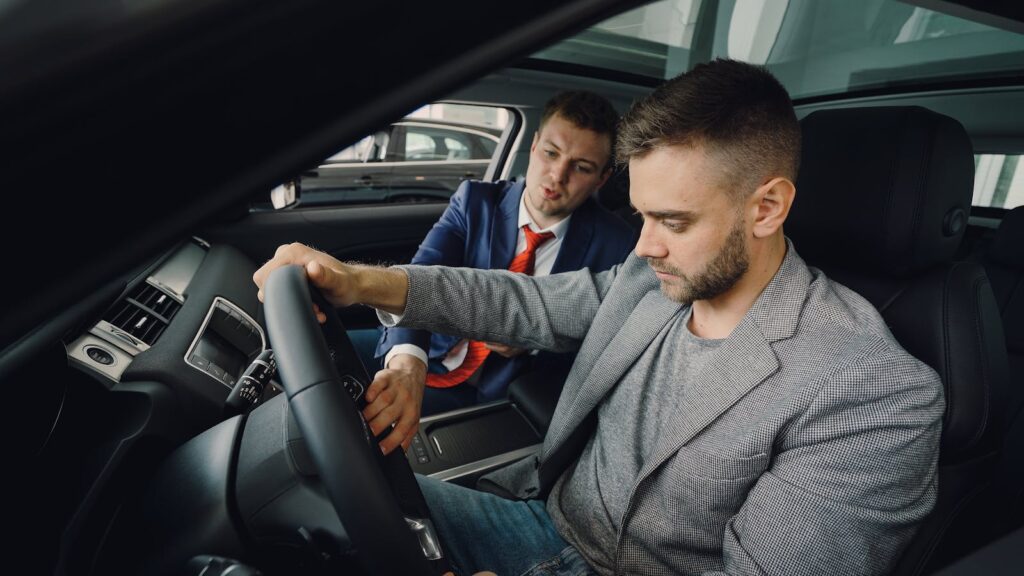
Though manual SUVs are becoming less common, manual transmissions can still be found elsewhere in the automotive market. Other market segments that still carry manual transmission options include enthusiast-oriented vehicles, such as sports cars, sports sedans, and hot hatchbacks, which remain viable options for enthusiasts who desire a mechanical connection to the vehicle’s operation.
Manual Transmission Market Presence:
- Popular among driving enthusiasts
- Common in performance vehicles
- Enhances driver engagement levels
- Preserves traditional driving skills
- Remains culturally significant
Car makers understand that a certain type of buyer interested in performance still likes to be involved with their car; the operation of a clutch pedal and gearstick is not less enjoyable to these enthusiasts than straight-line acceleration, engine output or high-tech gadgets. It involves them more in what the car is doing and lets them connect with their vehicle more.
Indeed, several well-known performance models still offer manual transmissions as an essential part of their character. Their persistence and success demonstrate that manual transmissions still have their place, even if automatic gearboxes now account for the vast majority of sales.
9. Global Automakers Supporting Manual Enthusiasts
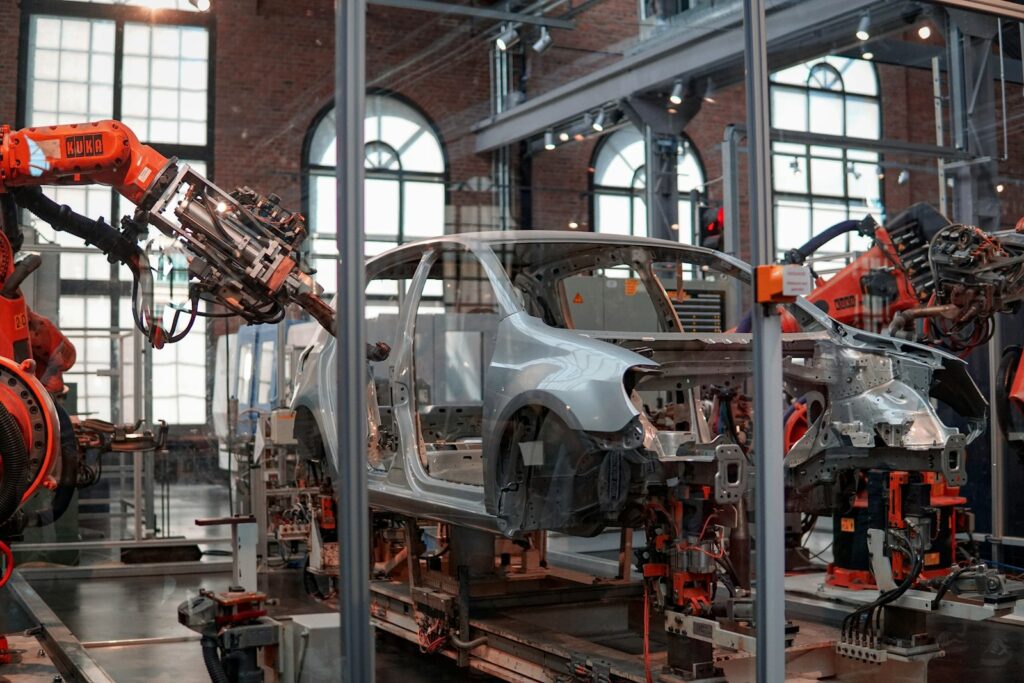
Though automatic gearboxes are increasing in popularity, a considerable number of manufacturers worldwide continue to cater to drivers who are devoted to using the manual gearshift. These companies recognize that there is a community of keen enthusiasts that appreciates the involvement, control and the rewarding feeling of driving a car with a manual transmission. To keep the manual gearshift an option for ardent drivers, manufacturers continue to develop transmissions that make this a viable choice.
Support for Manual Enthusiasts:
- Continued investment in manuals
- Strong enthusiast community demand
- Focus on driving engagement
- Preserving traditional driving experiences
- Commitment across global markets
One specific segment of the auto market in which the Europeans have particularly committed themselves to manual transmissions is performance cars. There are many high-performance vehicles that are offered with stick shifts simply because many people that buy these types of vehicles find it essential for a vehicle’s driving experience. No automated transmission can match the level of driver involvement offered when the person driving has direct control over each individual gear shift.
10. The Future of Manual SUVs
The future of manual SUVs remains uncertain as the automotive industry continues to embrace electrification, advanced driver assistance systems, and increasingly sophisticated automatic transmissions. Consumer preferences have shifted toward convenience and efficiency, leading many manufacturers to reduce or eliminate manual options from their vehicle lineups. As a result, manual transmissions are expected to become even less common in mainstream SUV segments over the coming years.
Future of Manual SUVs:
- Industry shifting toward electrification
- Fewer manual vehicle options
- Enthusiast demand still exists
- Preserving traditional driving engagement
- Icons of manual SUV culture
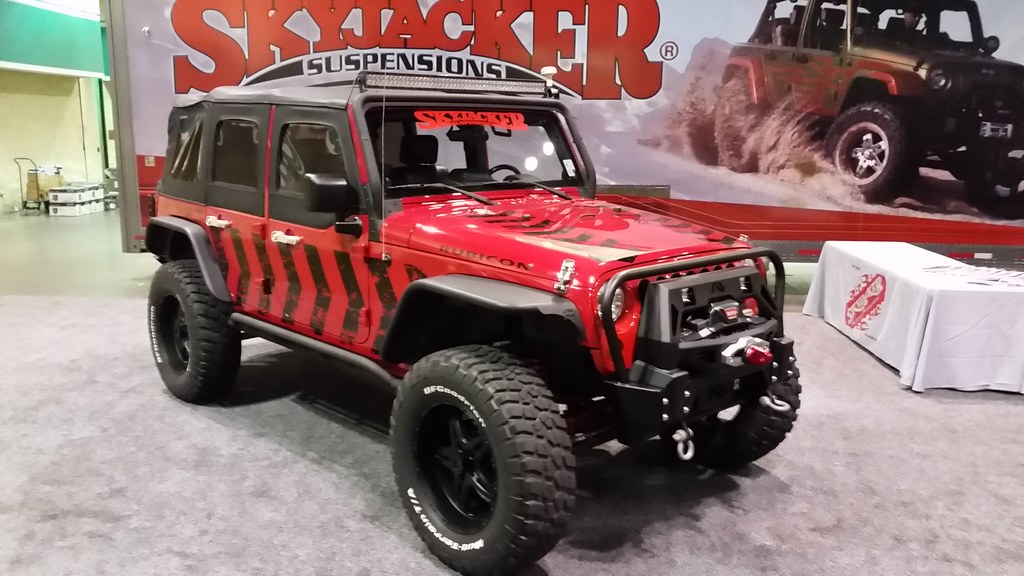
Despite these challenges, the continued availability of the Ford Bronco and Jeep Wrangler demonstrates that there is still a dedicated audience for manual transmissions. These vehicles serve drivers who value the hands-on experience of operating a clutch and selecting gears themselves. Their presence in the market proves that while manual SUVs may represent a small niche, they continue to attract enthusiasts who prioritize engagement and control over convenience alone.
More than simply serving as transportation, the Bronco and Wrangler have come to symbolize a unique driving philosophy. They represent an approach centered on skill, participation, and a deeper connection between driver and machine. For those who believe that driving should be an active and rewarding experience, these SUVs remain important symbols of a tradition that continues to endure. As the automotive landscape evolves, they stand as some of the last remaining examples of manual-equipped SUV culture, preserving a style of driving that many enthusiasts still cherish.