


Larson’s Chicago Hopes Dashed After Treacherous Turn 6 Wreck
The wet streets of Chicago turned what was supposed to be an event to show off to a matter of survival, accuracy and coolness. In the case of Kyle Larson, he started the race with a promise and control but at the end, he was split second against a wall of tires. Competing close to the front in the NASCAR Cup Series, he appeared every inch a contender before all went in a downward spiral. Scenes such as these make everyone in the viewing know that even the most skilled of drivers are working on the edge and that all the circumstances, equipment and instinct must work together perfectly.
The Grant Park 165 wasn’t just another race on the calendar. It was an intense pressure environment determined by tight streets, unforgiving obstacles and the ever-changing weather. In the case of Larson and Hendrick Motorsports, it was a day of strength and vulnerability. The performance prior to the crash was one full of pace, confidence, but the result showed how fast things could turn when even just one variable was in the wrong place.
The events that had taken place in Chicago were not limited to one event. It reflected the larger truth of contemporary NASCAR racing where drivers are forced to deal with technical complexity, unpredictable environments, and intense competition simultaneously. The crash of Larson did not merely terminate a race, it provoked the debates on the concept of control, safety and the changing nature of the sport.
1. Weather Had Made the Track a Challenge
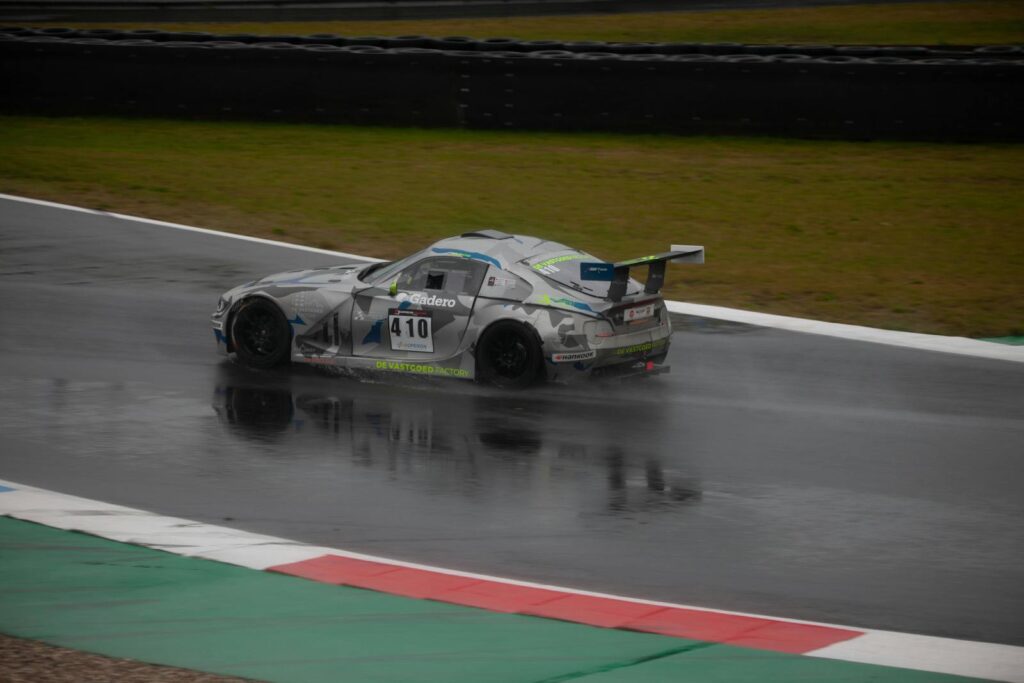
The race at NASCAR Chicago Street Race was greatly affected by the incessant rain that made the circuit to be an uncertain and ever changing surface. What started out as a technical street race soon turned into a matter of survival where the levels of grip varied in each corner. Braking areas accumulate water and even a normal area can be dangerous. The drivers had to improvise on the spot and read the track as a moving puzzle. The circumstances required not only skill, but consciousness and discipline.
Wet Track Challenges and Driving Adjustments:
- Rain decreased grip over whole circuit.
- The accumulation of water formed hazardous braking areas.
- There were constant changes in surface, which influenced rhythm of driving.
- Drivers operated throttle and braking a number of times.
- Minor mistakes resulted in significant outcomes.
Every lap the drivers had to reconsider their strategy, and strike a balance between aggression and caution. Even seasoned drivers failed to be consistent, with the circumstances not coming to any level. Even the tiniest mistake may result in the loss of control. Survival is a big factor in such situations, and outright speed is often a less important factor. Competitors who were left behind had been the slowest adapters, who were patient and yet pushed when opportunities arose.
2. Build-Up to a Good Run
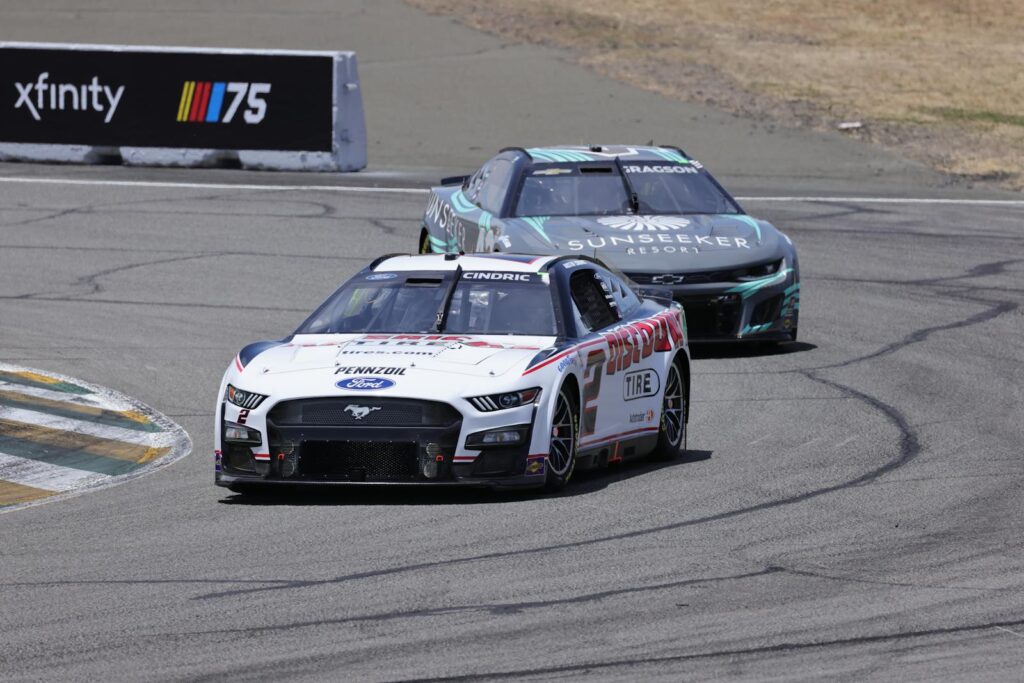
Prior to the crash, Kyle Larson was compiling a fine and competitive act. He had now thrown himself deep into the field, and been in the fray, not far out in front. His car was very responsive and fast, despite the harsh conditions. His confidence and control were reflected in his driving. All was geared towards a possible best finish.
Good Race Pace and Competitive Positioning:
- Maintained good position close to race leaders.
- Aggression balanced with controlled style of driving.
- In wet, car performance was also maintained.
- Gained momentum by doing laps consistently.
- Demonstrated ability to finish on podium.
Lap after lap, Larson proved to be an experienced man who knows when to push and when to stop. His rhythm indicated that he had discovered a viable balance in tricky circumstances. But racing is subject to change in a moment. The momentum may wipe out, and even a good run may end in a single moment, or mechanical problem.
3. Turn 6: The Moment Everything Changed
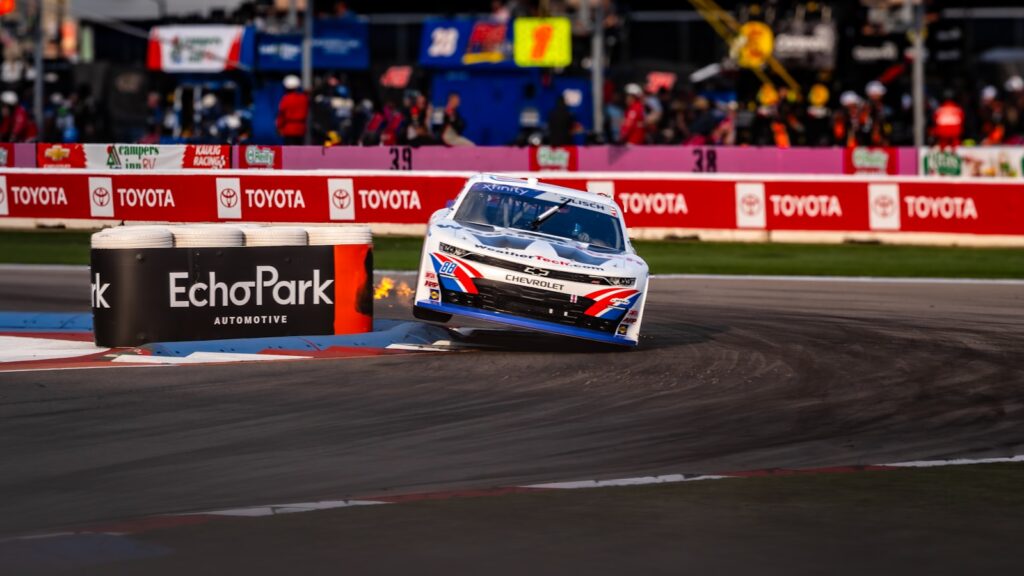
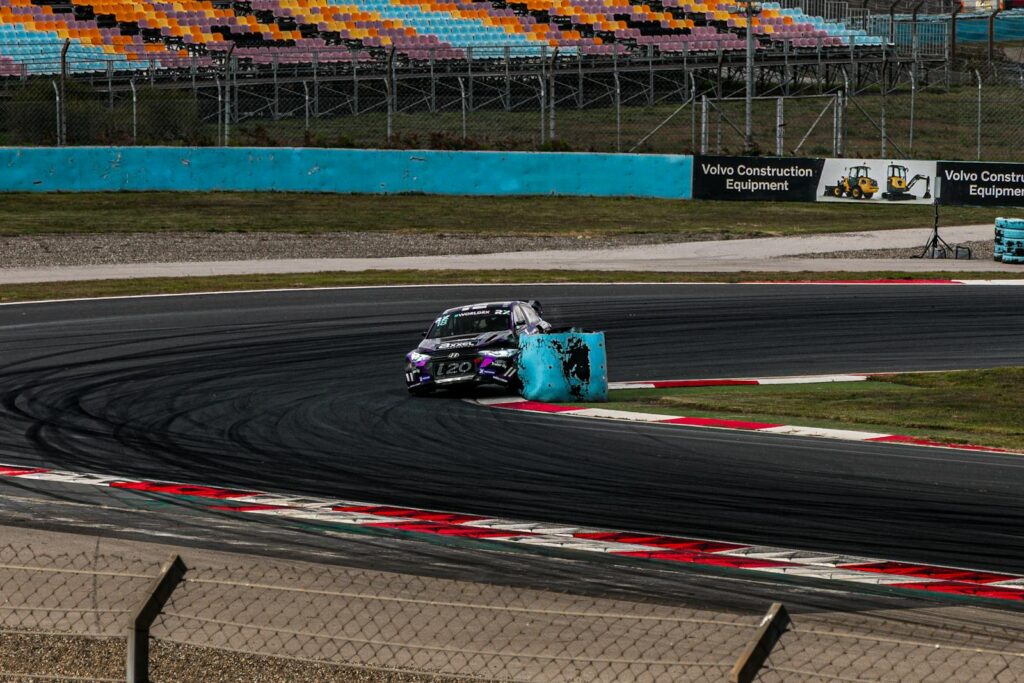
Lap 34 of the race was a dramatic moment at Turn 6. As Larson approached the braking zone, his No. 5 Chevrolet Camaro ZL1 NASCAR failed to slow as expected. The car went straight into the tire barrier with significant impact. In seconds, a promising race came to an abrupt end. The incident raised more questions than answers.
Crash Incident and Loss of Control:
- Brake response in Turn 6 entry.
- Car can not decelerate in wet weather.
- Blunt force against tire barrier took place.
- Race was over on the spot with Larson.
- Suspected of mechanical or grip problem.
Turn 6 already proved to be a tough section, but this experience helped to realize how unforgiving it might get. The risk was increased by the wet conditions and the technical layout. It was not only about the loss of control but it revealed how easily one can lose control. Under these trying circumstances, a small problem can turn into a race ending incident.
4. What Larson Felt in the Moment
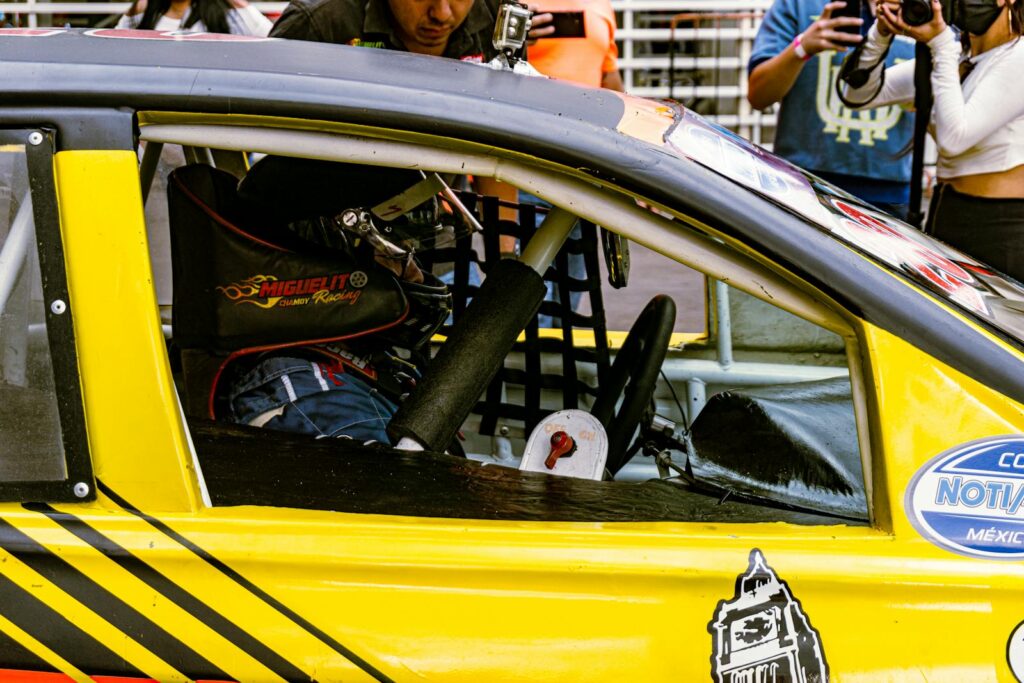
Following the incident, Kyle Larson said that the car failed to respond properly when he brakes as he had anticipated. No slow warning, no gradual notice that anything was amiss; just a sudden understanding that something was not right. These sequences run at an incredibly rapid pace inside the cockpit. There is minimal time that the drivers have to cause action before it is too late.
Experience of Drivers during Critical Failure:
- The brake failure was sudden thus posing immediate danger.
- There is no prior notice of loss of control.
- Cockpit reaction time extremely limited.
- It was just a matter of minutes before impact became inevitable.
- Driver was calm following the incident.
Every driver would know that feeling of powerlessness but would hope to never have to experience it. It puts into focus the narrow line between control and chaos when it comes to motorsport. Larson was still calm and focused even after the crash. He soon became preoccupied with the desire to understand the problem which is the mentality of a professional.
5. Pattern appears at Turn 6
The case involving Larson was not a unique case. Christopher Bell observed odd levels of gripping in the same corner and therefore it is possible that the surface itself may have been a contributory factor. Ryan Preece also did not do well in that part, which further raises the issue.
Many Drivers With similar Corner Problems:
- Turn 6 had uneven grip levels.
- Unusual surface behavior was reported by drivers.
- Several accidents were experienced in the same corner.
- There was loss of traction that affected the control and braking.
- Recommended track condition was key factor.
When a number of drivers share the same kind of troubles, it is almost always an indication of larger scale track conditions and not of individual errors. Turn 6 was one of the areas of concern during the race. This trend reflected how some sections of the circuit might be much more hazardous under a variety of weather conditions, particularly where grip is changing in an unpredictable way.
6. The Difficulty of Driving in the Rain
To race in wet conditions is an entirely new challenge to racers. Larson noted that braking could often be forgiven, but acceleration was much more of a gamble. This was an imbalance that caused it to be particularly hard to control the car. Each step of a corner demanded a varying degree of accuracy.
Wet Driving Challenges and Control Factors:
- Extreme precision was always needed in throttle control.
- Tire grip varied randomly between laps.
- The most dangerous times were corner exits.
- The braking was easier as compared to the control of acceleration.
- The need to constantly adapt to each section.
The drivers were not able to be consistent and had to keep on changing. Even minor throttle inputs may lead to loss of traction to a greater degree than when leaving corners. This continual necessity of adaptation augmented the possibility of errors. When added with race pressure, it made an atmosphere where even the best drivers went to their extremes.
7. Other People Caught in the Fray
Larson was not the only person to be impacted by the difficult conditions. Shane van Gisbergen caused his race to come to an end when he collided with Chase Briscoe. The crash propelled him off the wall and a promising run came to an end.
Several Incidents and Race Disturbances:
- Collision caused an early end of van Gisbergen race.
- The contacts were made in challenging conditions on the tracks.
- Car driven into wall by Crash.
- Guaranteed performance that has been lost as a result of incident.
- Elevated lack of predictability of wet racing.
Such incidences reveal the manner in which racing might be affected by factors that a driver cannot control. Even a good performance can be ruined by some unforeseen circumstances. In the case of teams, such moments symbolize missed opportunities and the necessity to promptly get back on track. The mess of wet racing tends to change the overall result of an incident.
8. Picture Still of Championship Picture Still Intact
Nevertheless, despite this hiccup, Kyle Larson is still in good position in the championship table. The solid buffer is given by his constant performances in the beginning of the season. A single bad performance does not constitute a complete campaign.
Season Consistency and Championship Stability:
- Good performance was based on foundation of previous seasons.
- A race setback that can be handled in general.
- Stability is still a determining factor to a championship.
- Team remains competitive in a variety of events.
- The emphasis is redirected towards improvement of the race in the future.
Racial consistency plays an essential role in motorsport championships. One poor performance can be compensated in the event that the overall performance is good. To Larson and his team, it is now time to recover and improve. Stability in the long run will be more significant than any one race outcome.
9. There is an Ongoing Debate on the Next-Gen Car
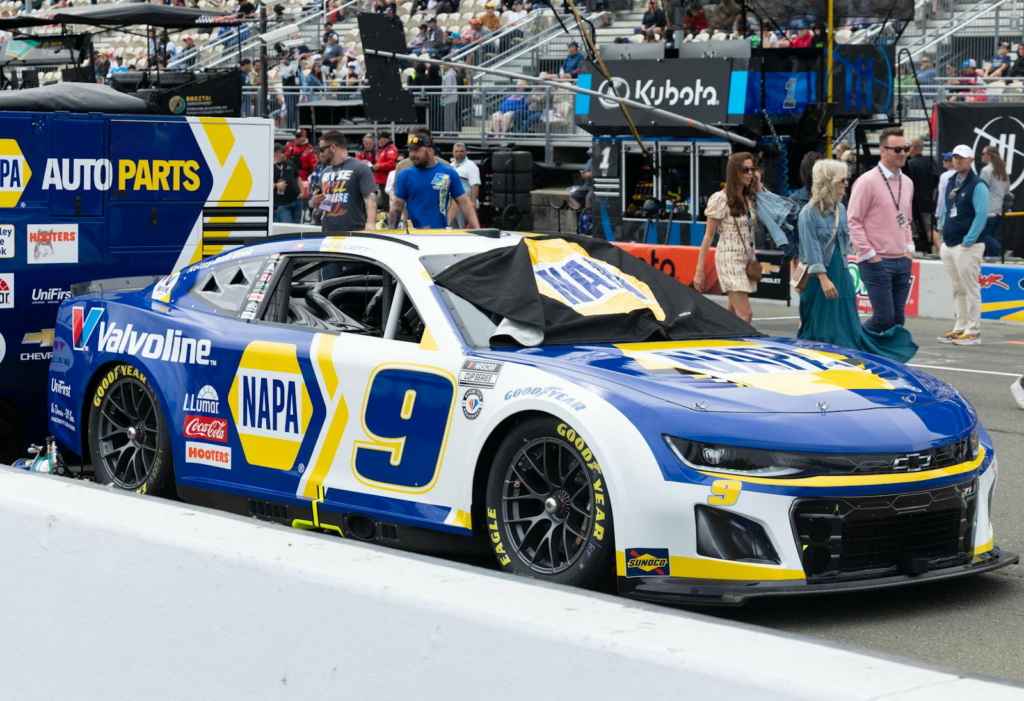
The race also sparked debates once again about the design of cars in NASCAR Cup Series. Larson has already cited the challenge of overtaking, especially when it comes to close racing. Denny Hamlin has also expressed some concerns in regard to the handling and responsiveness.
Next Gen Car Performance and Driver Concerns:
- Drivers complain that they find it hard to overtake competitors.
- Managing restrictions influence race.
- Flexibility is minimized by tight racing conditions.
- Feedback highlights need for improvements
- Controversy in the racing fraternity.
Most drivers believe that the existing arrangement is limiting them to enjoy their freedom to race. Such issues are still felt when it comes to debates concerning the future of the sport. There is still a challenge of balancing between competition, safety and entertainment. The discussion is continued and it contributes significantly to the development of the sport.
10. Larson Journey and Strength
In order to clearly understand the response of Larson, it is necessary to take into account his background. Kyle Larson acquired his talents in dirt tracks where flexibility is crucial. This background informed his style of driving and strength. It made him understand how to cope under uncertain circumstances.
Career Foundation and Resilient Mindset:
- Race experience gained at an early age developed great adaptability.
- Multiple racing fields of success attained.
- Learned instinctive driving in pressing circumstances.
- Adaptive to failures and difficulties and learns very fast.
- Stays committed to long term career development.
These are his attributes of his race. Failure is perceived as a process and not as a failure. The Chicago crash perhaps brought to a close his race, but it did not make his season. To Larson every difficulty is a chance to get better, adjust, and emerge even stronger.