








8 Ahead-of-Their-Time American Cars That Pioneered Future Automotive Innovations
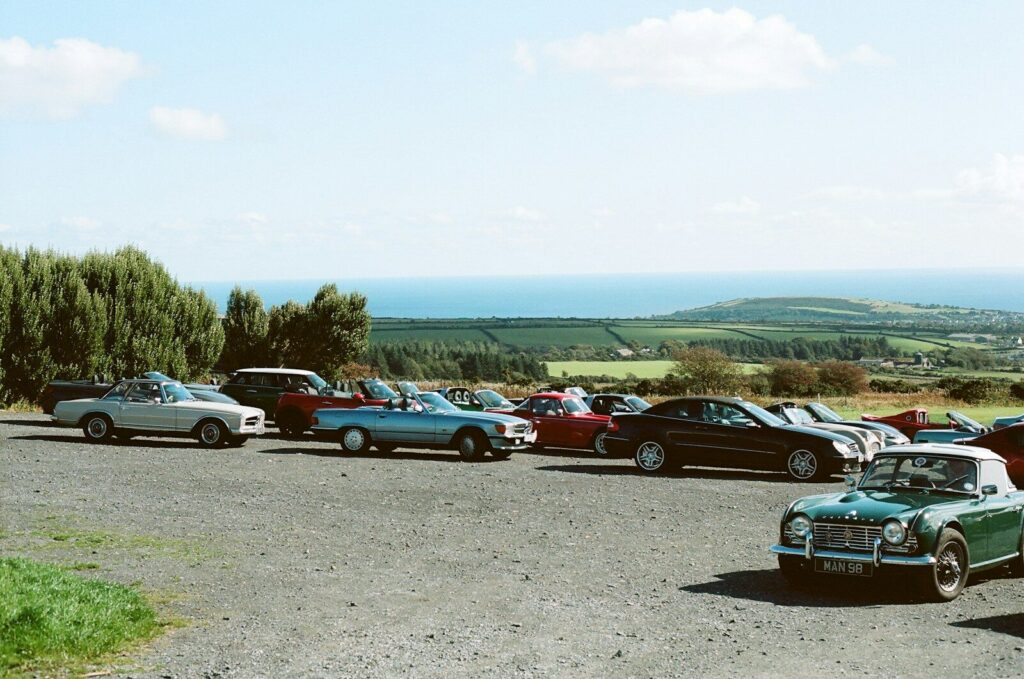
American automakers have produced the occasional time-ship. American motorists have long tolerated domestic companies crossing the line into the outside-the-box realm of designer novel cars. Sometimes the automaker unveiled technology that was novel and unsettling, sometimes the car challenged assumptions about size and horsepower and weight, and sometimes it just looked like it came from another century. A good number of these cars were too far ahead for their customers.
Interestingly, many of the pioneering vehicles of the past go unnoticed when new. And some ideas of the past didn’t just influence the industry they are commonplace today. While researching the innovative cars of the past, we came across eight ingenious cars that went the extra mile far ahead of the game from the Chrysler Airflow, to the Cord 810, to the Tucker 48 and Studebaker Avanti. So, we’re looking back at eight amazing vehicles which took innovation to a whole new level.
1. Chrysler Airflow
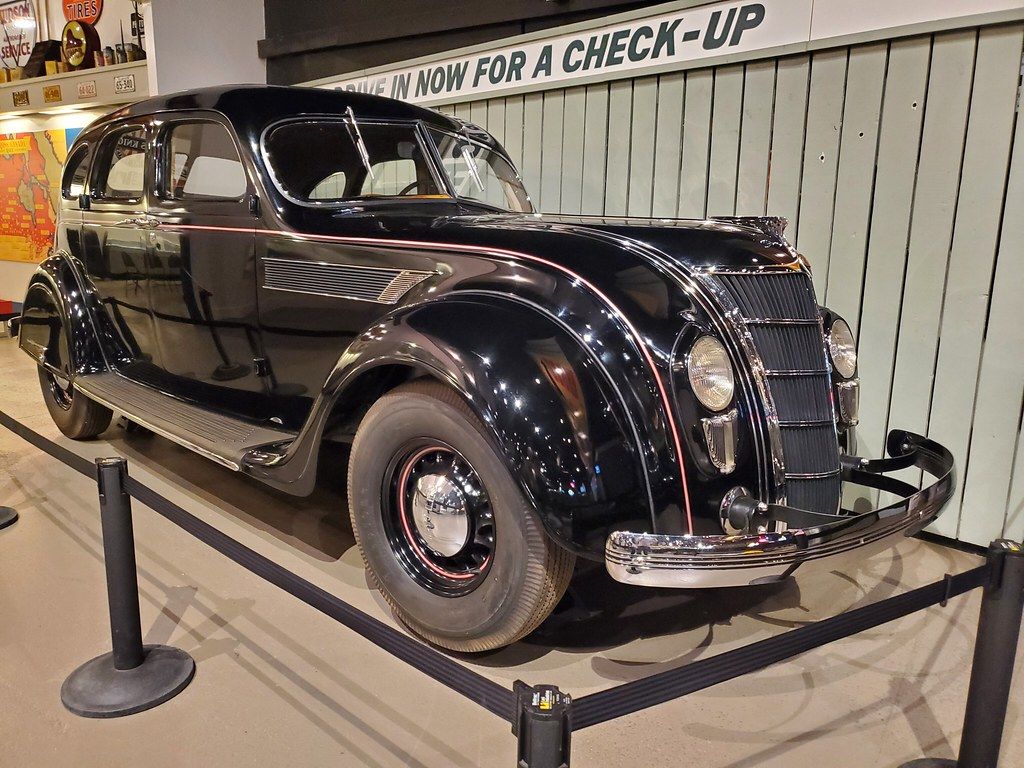
The Chrysler Airflow defied almost every styling norm of its time period. In a time when cars were boxy, upright vehicles with glaring ornamentation, the Airflow looked like nothing else on the market. Not only was the shape a complete break from the previous styling cues, but the shape of the body was built for aerodynamics instead of being decorative. Under the skin of the vehicle, engineering went through a similar transformation by shifting the driver’s cabin forward of the rest of the car for the additional space and weight balance that this configuration allowed. It really did stand-alone not only for its aesthetic characteristics, but for its innovation on every aspect of the interior comfort, balance, and usability.
Why the Airflow Was Ahead:
- Challenged every styling convention
- Streamlined, aerodynamic body
- Cabin moved forward
- Better space, weight distribution
- Influenced design for decades
Buyers weren’t quite yet prepared for such a revolutionary shift away from traditional car building. Although it never enjoyed commercial success in its day, the Airflow’s breakthrough aerodynamics and pioneering cabin packaging would be adopted by automotive designers for many years to come, confirming that these were the tools of the future. Its story is a common one among pioneering cars, where the idea is right but the timing is early. The Airflow still not, but it was the foreshadowing of what the industry would one day cling to. Today it has been so famous for its daring that it’s regarded as the great predeterminer of car shape and package.
2. Cord 810
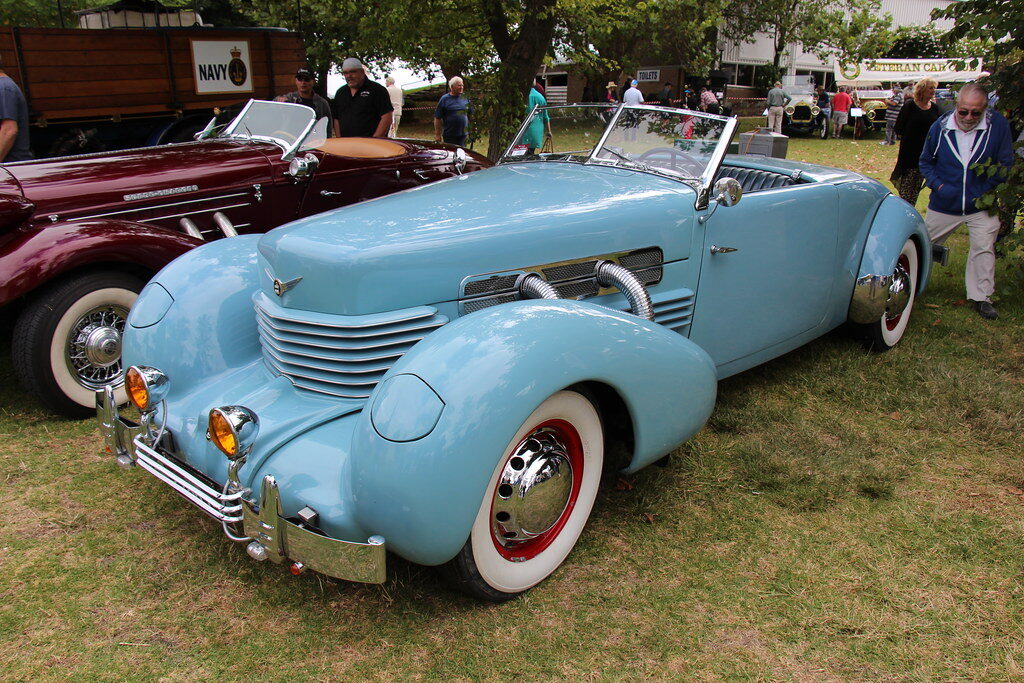
When it was revealed to the world, the Cord 810 looked more like concept car than an actual production vehicle. Introduced during the 1930s, this is one amazing car that immediately stood out from the crowd of more mundane domestic vehicles on offer with cutting edge styling that instantly wowed those lucky enough to see it. Its list of features was as breathtaking as the styling with a streamlined body, hidden headlights, front-wheel drive, and one impressive dashboard making it head and shoulders ahead of everything else in the 1930s. Combine those features with the coffin-nose grille and you get an eye-popping vehicle that seemed decades ahead of the ones on the streets with it.
Cord 810 Standout Features:
- Looked like a concept car
- Hidden headlights
- Front-wheel drive
- Innovative dashboard
- Famous coffin-nose grille
Unfortunately, mechanical issues tarnished its image among modern drivers, as well as how well it sold. Despite those technical flaws, the design was years ahead of many American cars, standing as an iconic example of pioneering styling and front-drive arrangements. The Cord illustrated that someone out there had “big ideas,” even if they were a little ahead of the curve, and it also showed us that even a beautiful design can suffer from early pitfalls. It continues to be praised, even 70 years after production ended, and remains one of the most notable examples of a forward-thinking American automobile.
3. Tucker 48
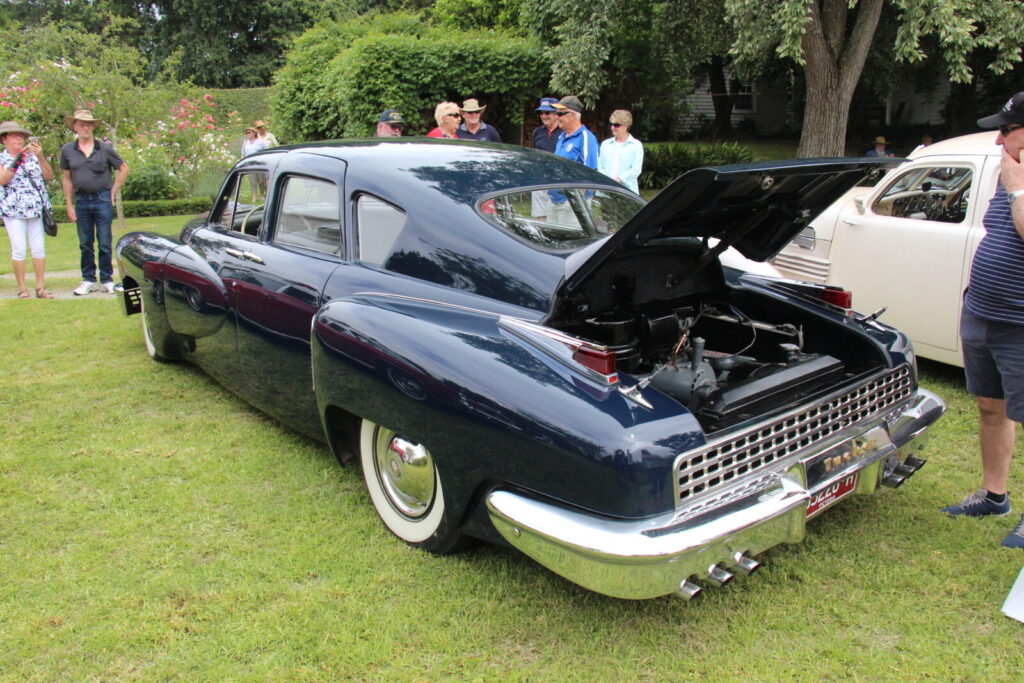
The car was conceived around safety and engineering ideas that were unthinkable in America at the time. Here was a stunning automobile that set the industry standard at a time when most cars just had a new body and most common layouts were rear drive, non-independent suspension cars, a padded and safe interior, all new innovative ideas for Preston Tucker with the rear engine, synchronized transmission, and a centrally mounted headlight. To Preston Tucker safety and engineering was the priority, and the Tucker 48 was not a rebody, it was an entirely different, new idea about what a car could be.
Tucker’s Safety-First Ideas:
- Safety-focused postwar design
- Rear-mounted engine
- Independent suspension
- Padded interior
- Centrally mounted headlight
Tragically, production ended almost immediately after it began, preventing the vehicle from achieving sustained marketplace distribution. It all ended too soon with the Tucker, though, and as one of the most remarkable what-ifs in American car history, the model has left its mark on the way people think about the automotive industry even though it was never produced in great numbers. The few that exist are known more for their innovation and engineering than for the vehicles’ overall sales volume. The Tucker is a testament to one man’s creative vision, and to the impact the right car can have on history.
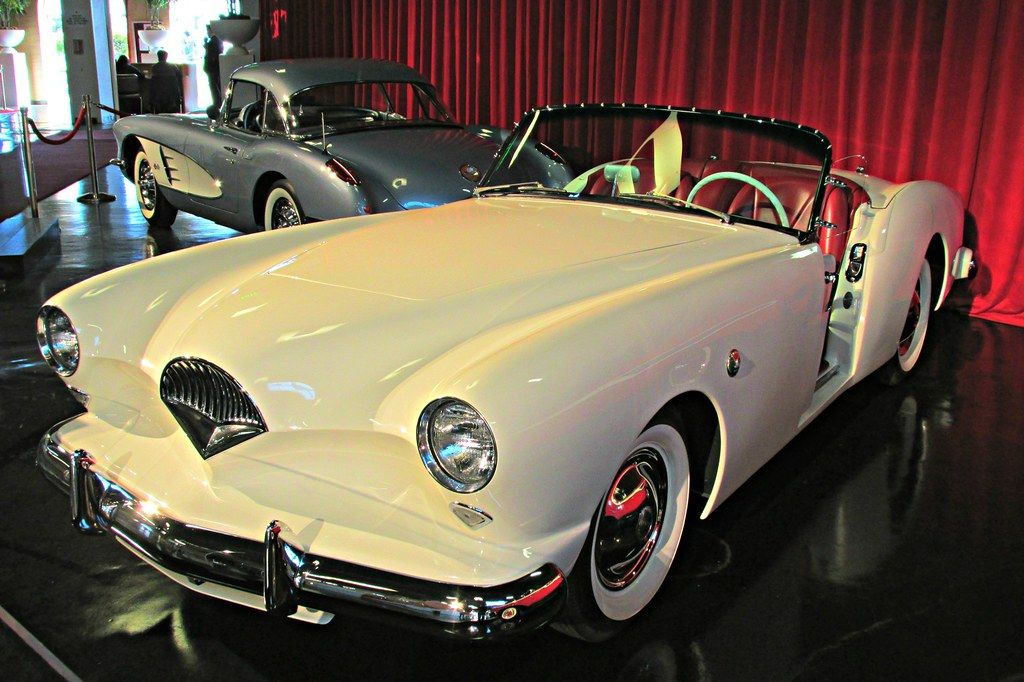
4. Kaiser Darrin
The Darrin was a fiberglass bodied sports car that arrived at the time when American auto makers were starting to experiment with other material for the bodies of vehicles. As a heavy steel bodied vehicle, it was a shining example of how the bodies of vehicles could be constructed from other materials. The unique selling feature of the Kaiser Darrin was the sliding doors which opened into the front fenders allowing the car to be driven with its doors wide open. Not only was this an unusual car, but the sliding doors were so odd that no other manufacturer put them on their cars, making the Darrin unique for sure!
Darrin’s Wild Design Tricks:
- Fiberglass-bodied sports car
- Alternative to heavy steel
- Doors slide into front fenders
- Stylish roadster
- Limited adoption
The Kaiser Darrin was undoubtedly stylish and innovative, showcasing remarkable creativity in vehicle access and bodywork. However, the market was not ready for another low-volume American sports car, resulting in limited adoption despite its forward-thinking approach to automotive design. Its fate shows that creativity alone does not guarantee success. Even so, the Darrin remains a fascinating example of what happens when designers are free to rethink even the simplest parts of a car, such as how a person gets in and out of it.
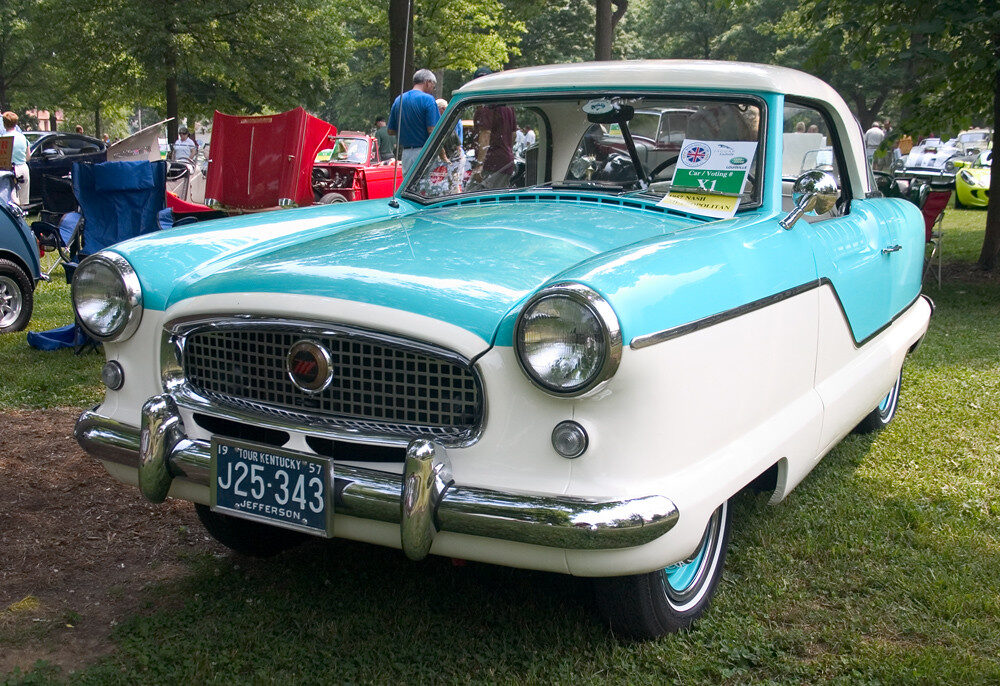
5. Nash Metropolitan
Compared to the huge American cars its tiny body seemed like a joke on the modern roadways. While American manufacturers kept offering giant chrome-clad monsters Nash dared to go another way by offering a surprisingly small car. Its modest size and rational design were remarkably ahead of the increasing demand for small cars as the price of fuel and city of congestion held appeal to the masses of everyday drivers. Refusing to follow established scaling conventions the Metropolitan showed that small cars for the individual could be both practical and attractive. In a culture obsessed with size here was one tiny car that quietly explained why.
Small Car, Big Vision:
- Tiny next to American cars
- Remarkably compact vehicle
- Anticipated demand for smaller cars
- Efficient approach
- Smart packaging
The Metropolitan was not a conventional American car, and that was precisely what made it so unusual for its time. It paved the way for future generations of urban compacts by proving that smart packaging could thrive in an era dominated by full-size cruisers. Its lasting lesson is that practicality and personality can come in a small package. As fuel costs and urban congestion grew more important, the thinking behind the Metropolitan looked wiser with every passing year, and it stands today as an early sign of where the market was heading.
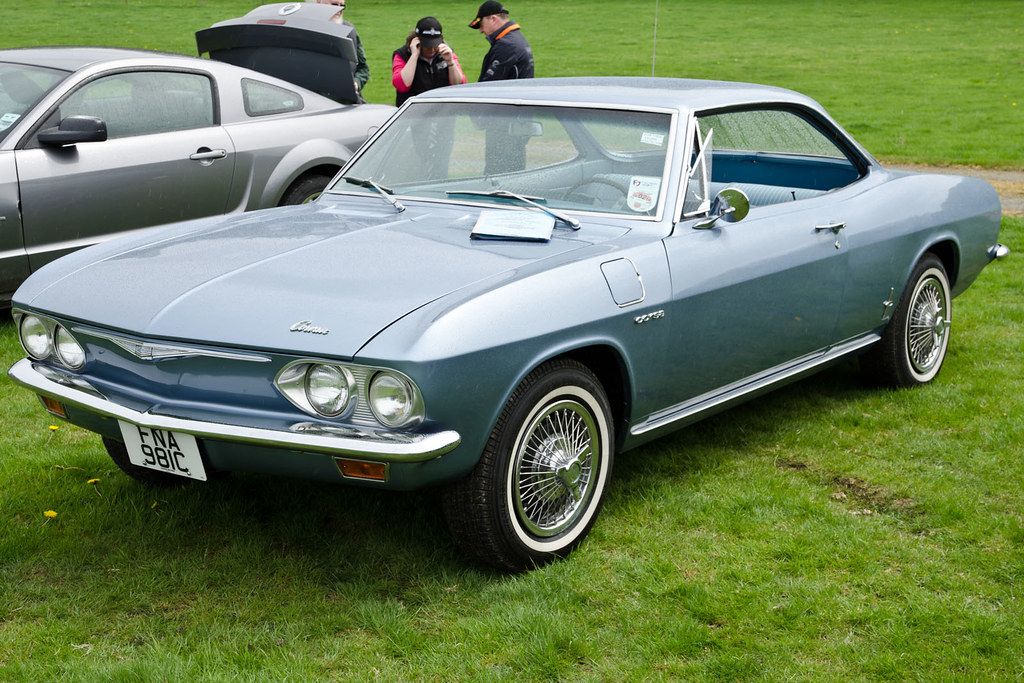
6. Chevrolet Corvair
The Chevrolet Corvair abandoned the premise that it was necessary to have a big engine mounted at the front of an American family car. By straying from what was considered standard Detroit practice, Chevrolet offered a car built on a radically different mechanical premise. Rear-mounted, air-cooled, flat six and relatively tiny package offered Chevrolet a radically different set of handling expectations and packaging advantages unlike anything else in mid-century America. Chevrolet proved it was willing to buck the trend and go in a totally different direction, and that made the Corvair one of the most fascinating cars of its era.
Corvair’s Bold Engineering:
- Challenged front-engine assumption
- Rear-mounted air-cooled flat-six
- Compact proportions
- Unique handling characteristics
- Influenced compact-car thinking
The design influenced later compact-car thinking, even though safety controversies eventually overshadowed many of its engineering innovations. It remains a fascinating benchmark of mechanical daring and innovative packaging. The Corvair’s story is a mix of creativity and controversy, yet its engineering ideas still deserve recognition. It stands as proof that a mainstream American automaker once took a real risk on a different mechanical layout, and that the risk left a mark on how compact cars were later imagined and designed.
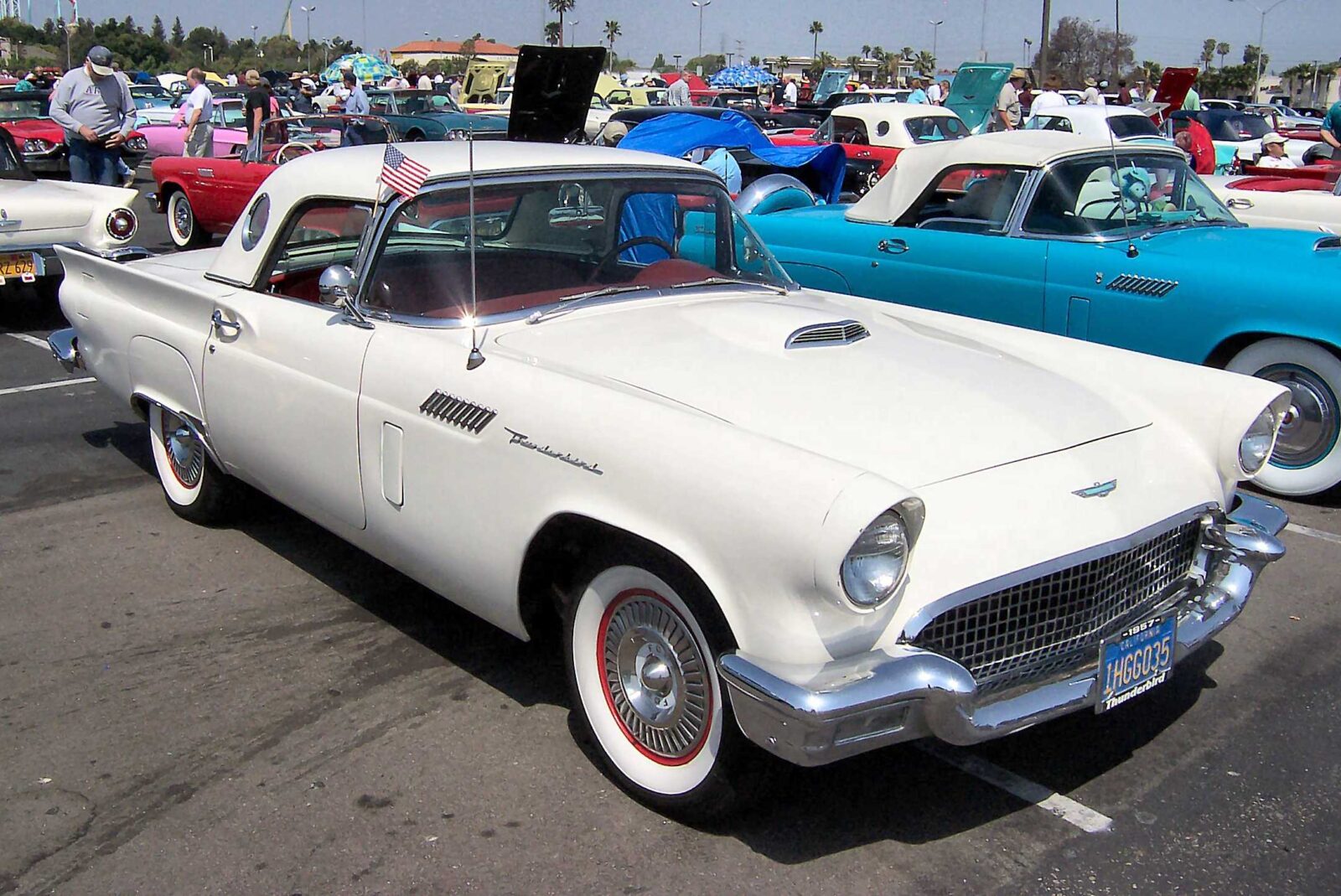
7. Ford Thunderbird
The first Thunderbird solidified the American personal luxury car while making a more compact second choice for those who wanted large cars. It brought smooth styling and plenty of adrenaline to a refined driver’s package. Its two-seater, retractable roof and punchy proportions created a new segment; it was the bridge between the brute sports cars and the titanic luxury cruisers. It provided something to those jaded with gargantuan sedans, and showed that comfort and sporty handling didn’t necessarily need to be mutually exclusive-home to a more personal automobile than you were used to, yet no less suave. That cocktail set the tone for the Thunderbird.
Birth of Personal Luxury:
- Established personal luxury car
- Compact alternative to full-size
- Two-seat configuration
- Removable hardtop
- Sporty proportions
Later Thunderbirds became much larger, but the first generation showed how American buyers could be persuaded to want something smaller and more personal. Its lasting impact laid the groundwork for decades of personal luxury coupes. The original car proved that there was room between raw sports cars and heavy cruisers, and that buyers would welcome something refined yet sporty. Its influence can still be traced in the coupes that followed, which borrowed the idea of a stylish, driver-focused car with a touch of luxury.
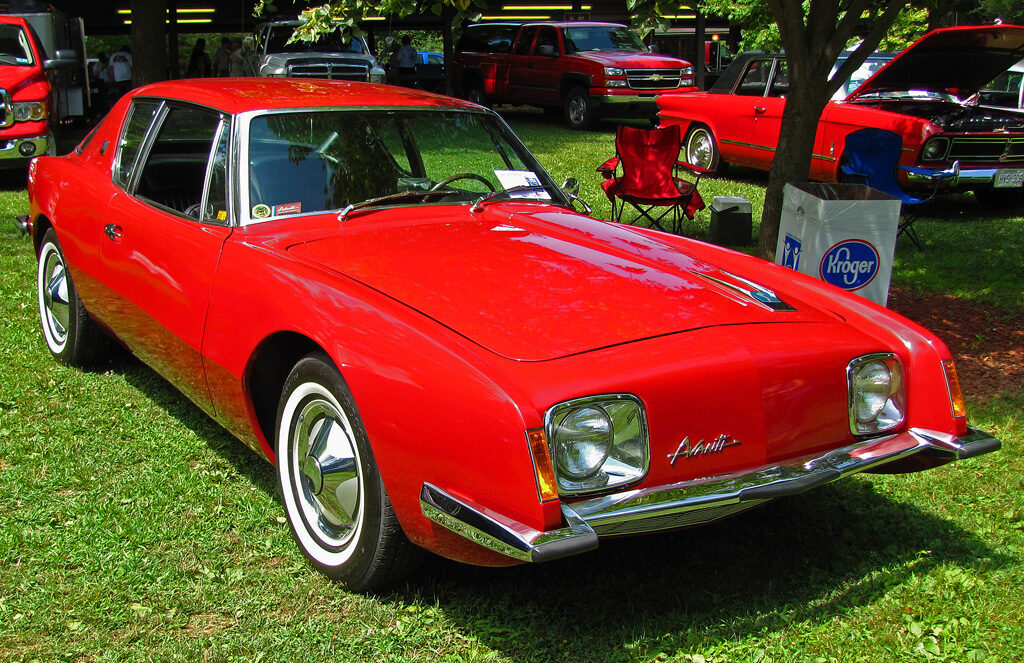
8. Studebaker Avanti
When the Avanti first arrived on the scene in the early ’60s it looked as if it was from a completely different era. The body styling was very simple with a minimal amount of chrome and it lacked the tail fins, which was totally opposite to what was the rage of the early ’60s. The front end of the fiberglass body and the simple shape of the car was also considerably more streamlined than the cars most competitors were offering. Not only was the design language different than any other car in its time, but the performance was too. As a market full of car decorated extravagance, it became apparent that the styling language of the car could be simple but sporty and perform well.
What Made Avanti Futuristic:
- Looked from another decade
- No excessive chrome or tailfins
- Fiberglass front end
- Clean, sleek silhouette
- Serious performance
It was the financial debacle at Studebaker, and not the design, that prevented the Avanti from being as influential as it might otherwise have been. That said, the Avanti is a worthy example of visionary design that didn’t conform to run-of-the-mill automotive norms and could be seen to be striding off into the future in the ideal American form. These futuristic American cars, the ones that truly pioneered a new approach to automobiles, took a while for the buying public to catch up with but they left an indelible mark on automobile design and manufacture, including the final Studebaker, the Avanti.


