




Forgotten Performance: 10 Underrated Pony Cars That Deserve a Second Look
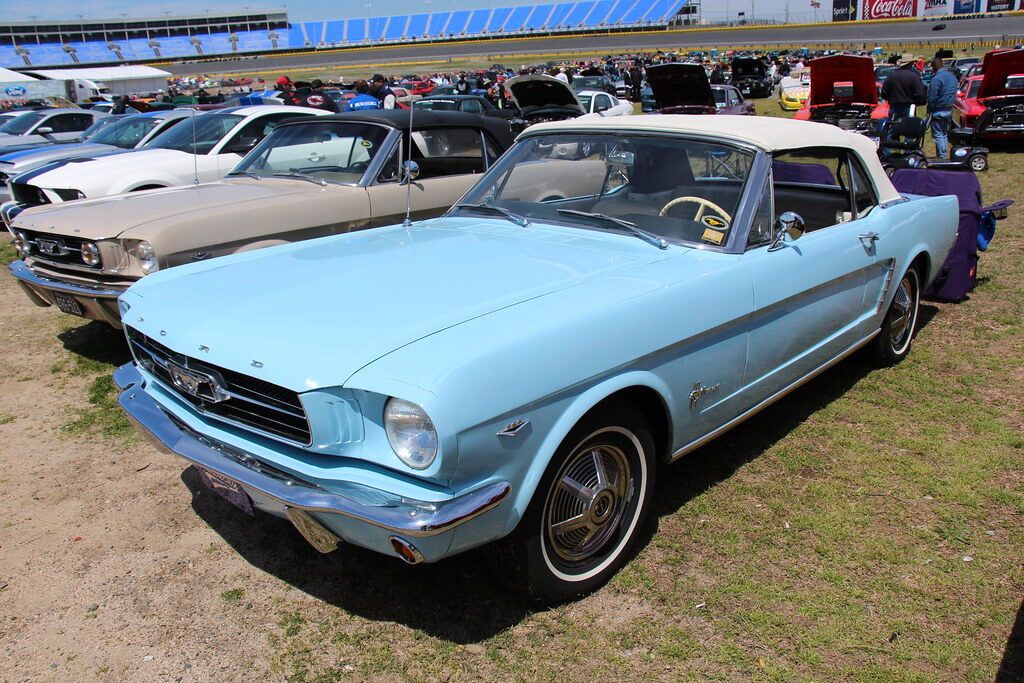
Forgotten pony cars give a fascinating snapshot of the wide diversity of styling, performance, and engineering that spanned America’s classic automotive golden age. While the Ford Mustang and Chevrolet Camaro surely dominated the market, other models had their own special personality, resulting from the power of a potent V8, an aggressive style, a lightweight body, and an interior that exuded comfort and class. The AMC Javelin SST gained notoriety on the track, the Mercury Cougar XR-7 combined performance with style, and the Dodge Dart GTS packed a potent punch in a small package. The Ford Maverick Grabber and Chevrolet Monza were small, affordable cars that managed to stand out with style. Each of these ten forgotten pony cars displayed a different aspect of America’s love affair with the performance car.
Although half of these fell behind their more celebrated competitors, each one of them has enough individual merits to warrant a second look. One was more comfort and luxury than speed, and others more speed and ease than comfort. Others focused on affordability, efficiency or racing, and a handful are examples of streetability and sportiness married together in an attractive package. Each of these low-mileage survivors were in their own way unique, and most have been lost to rust or little production to make the remaining cars especially interesting for a prospective collector. These ten forgotten muscle cars show the lengths engineers went to to make a cool car, and so how some of the companies went out of business.
1. AMC Javelin SST
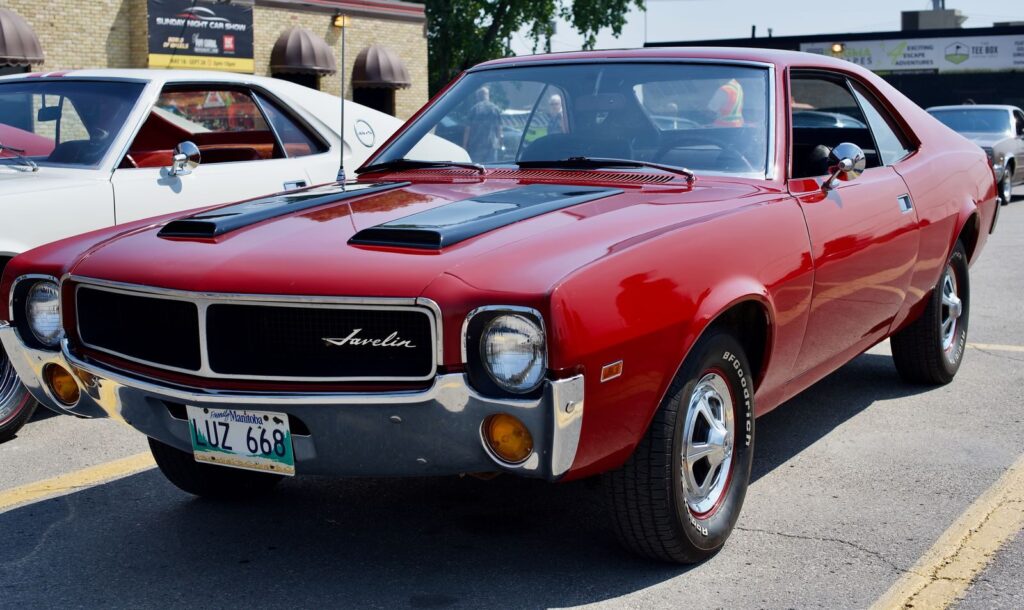
SST was introduced in 1968 with a striking appearance, small proportions and muscular V8 performance. With its twin-venturi aggressive front grille, concealed door handles and optional 390ci engine producing 325hp, the SST was a serious rival to Detroit’s Big Three offerings. Its light-weight sheet metal provided the performance and the styling allowed the Javelin to give the car a visual presence. Although the Javelin SST never claimed the popularity of the Mustang or Camaro, it was a unique entry into America’s pony-car world.
Javelin SST Performance Highlights:
- 1968 debut with distinctive styling
- Available 390 V8 engine
- Produced 325 horsepower
- Lightweight body delivered impressive performance
- Hidden door handles and aggressive grille
Off the pavement, the car achieved fame through an illustrious run in Trans-Am racing, with two consecutive drivers’ championships in 1971 and 1972 while campaigned by Penske Racing. A late-model 1971 redesign added wider fenders, extended its wheelbase, and incorporated a factory-installed rear wing further accentuating its sleek lines. Inside, bucket seats and simulated wood grain trim paid homage to its European styling while its underpinnings complemented it with American performance. The Javelin SST was also used as a Pace Car in NASCAR and as a police pursuit vehicle. Today, left-hand-drive survivor cars are treasured for their unique quirkiness.
2. Mercury Cougar XR-7
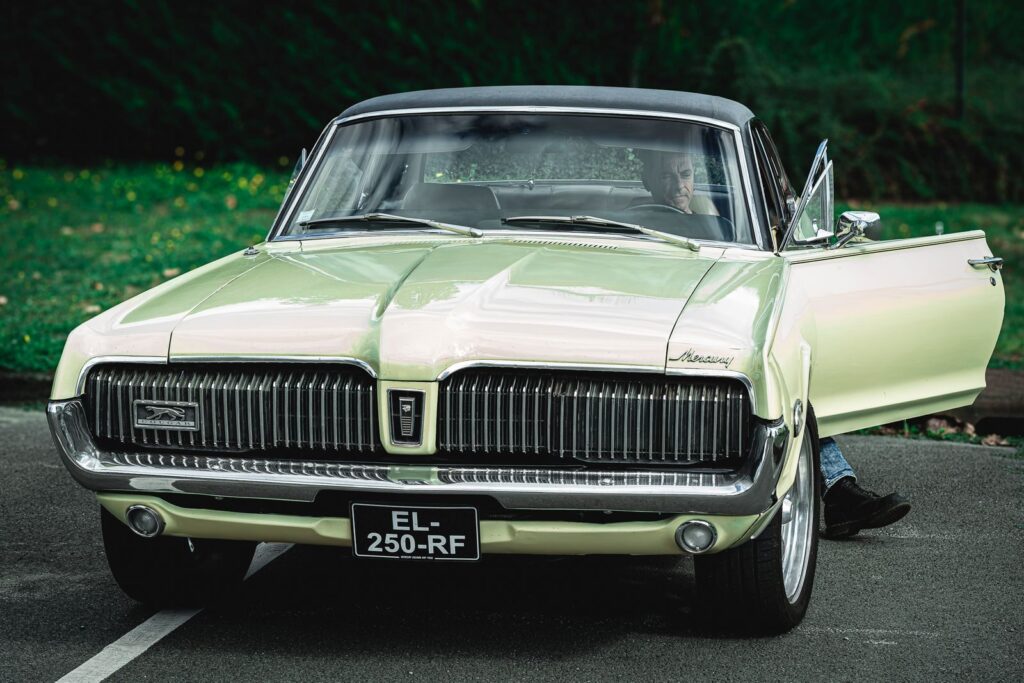
The ’67 Mercury Cougar was the car maker’s upscale spin on the pony-car concept. Based on the same platform as the Ford Mustang, the Cougar sold at the high end of the category, offering buyers a step-up in technology and luxury. The Cougar XR-7 upped the luxury ante with leather seats, a woodgrain dashboard, and a dainty analog clock. Its sporty, easy-on-the-eye shape and vintage, upscale appointments set it apart from more affordable muscle cars, giving the Cougar a unique edge in the rapidly expanding muscle-car marketplace.
Cougar XR-7 Design Highlights:
- Introduced during the 1967 model year
- Plush leather seats and woodgrain dashboard
- Hidden headlights and bold grille
- Sequential rear turn signals
- Available V8 engines and transmissions
The Cougar’s concealed headlights, intimidating grille and sequential turn signals at the back wasted no time in making an impression. The car was so well received that Motor Trend named it Car of the Year. Customers could specify V8 engines with a variety of robust manual and automatic transmissions, while Eliminator stripes and spoilers were available at Mercury from 1970 to bolster its muscle car credentials. Faced with the reality of federal restrictions on hulking bumpers in 1973, the XR-7’s looks changed as the market evolved but it never forgot its early refinement.
3. Plymouth Barracuda
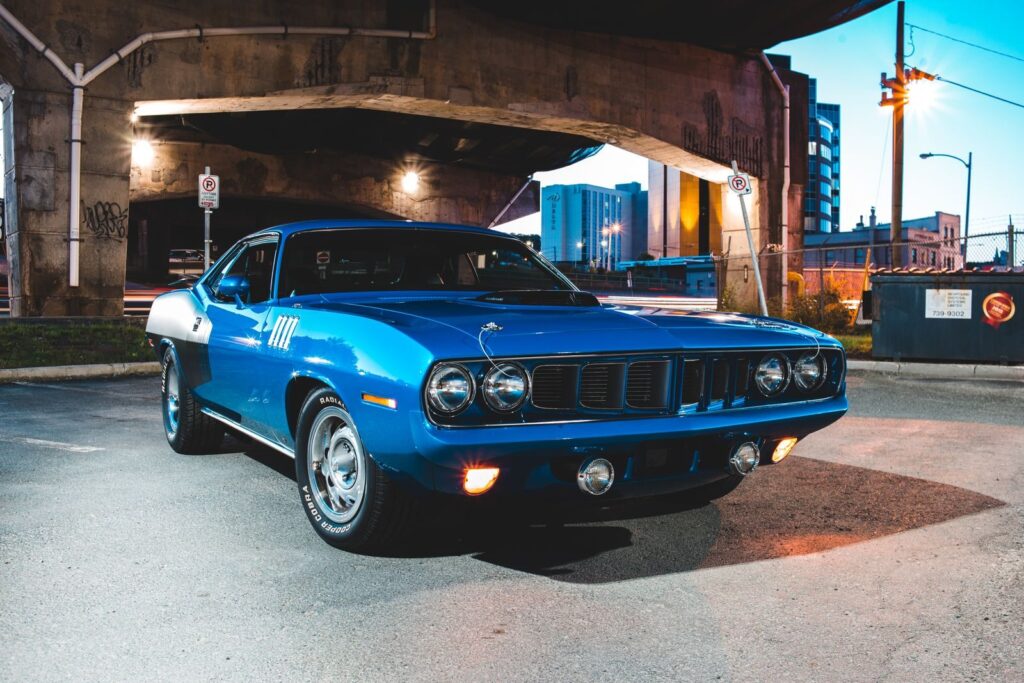
The Plymouth Barracuda arrived a tad ahead of the Ford Mustang and helped give us the beginning of the sporty pony-car segment in America. Early models were distinguished by their expressive fastback rear window, which added visual pop and was distinctive in a market saturated with large-engined muscle cars. Based on Chrysler’s compact design platform, the original Barracuda was more about light weight and agility than brute horsepower, and, thanks to its compact size, it became one of the first pony cars to help define a new segment.
Barracuda’s Early Performance Appeal:
- Arrived before the Ford Mustang
- Distinctive fastback rear-window design
- Built on Chrysler’s compact architecture
- Lightweight construction emphasized agility
- Later models offered powerful V8s
However as the pony-car horsepower wars raged on in the late 1960s, the Barracuda became more of a serious performance contender. The range of V8 engine options grew to include reasonably high-powered engines offering greater acceleration, complemented by aggressive styling updates. As a result these early fastback Barracudas can sometimes be eclipsed by the later, more muscle-fueled Barracuda offerings from Plymouth but they still played an important part in the history of Plymouth’s muscle car as they bore witness to Chrysler’s attempts to produce a sporty compact in the early years of pony cars. Today, they’re highly sought after by collectors.
4. Pontiac Firebird Esprit
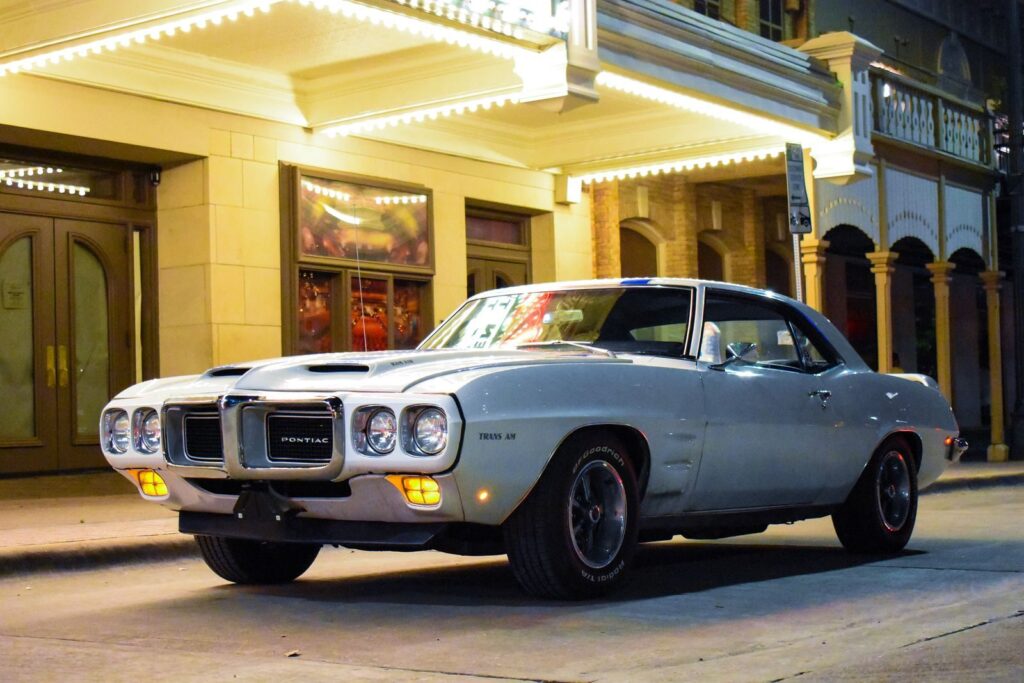
Performance-focused Pontiac Firebird Trans Am models may have made the headlines, but the Firebird Esprit took a different approach in the early 1970s. Created to be a daily driver and comfortably styled coupe, the Esprit used the common Firebird packaging but softened the edges and added discreet comfort features. With a long-hooded look, unadorned body but a well-cushioned interior, the Esprit was aimed at those who wanted that attractive coupe package, but with a little more comfort and refinement than more aggressive offerings from the lineup.
Firebird Esprit Comfort Features:
- Traditional Firebird exterior styling
- Sleek long-hood profile
- Available vinyl roof
- Plush interior trim
- Six-cylinder and 350-cubic-inch V8 choices
Pontiac stylishly dressed the Esprit with available vinyl roofs, soft interior trim, and subtle exterior treatments. Engine options included a thrifty inline-six or a muscular 350 cubic-inch V8, allowing consumers to select between practical budget-minded everyday duty and exciting muscle-bound performance. Options included a CB radio, a unique application of the smoky radio communication depicted by criminals in the movies. Because the attention of collectors has traditionally been directed toward the more powerful Firebird models, the Esprit was overlooked in secondary markets and many rusted away. Those that still exist provide another angle on Pontiac’s styling, comfort, and performance capabilities.
5. Dodge Dart GTS
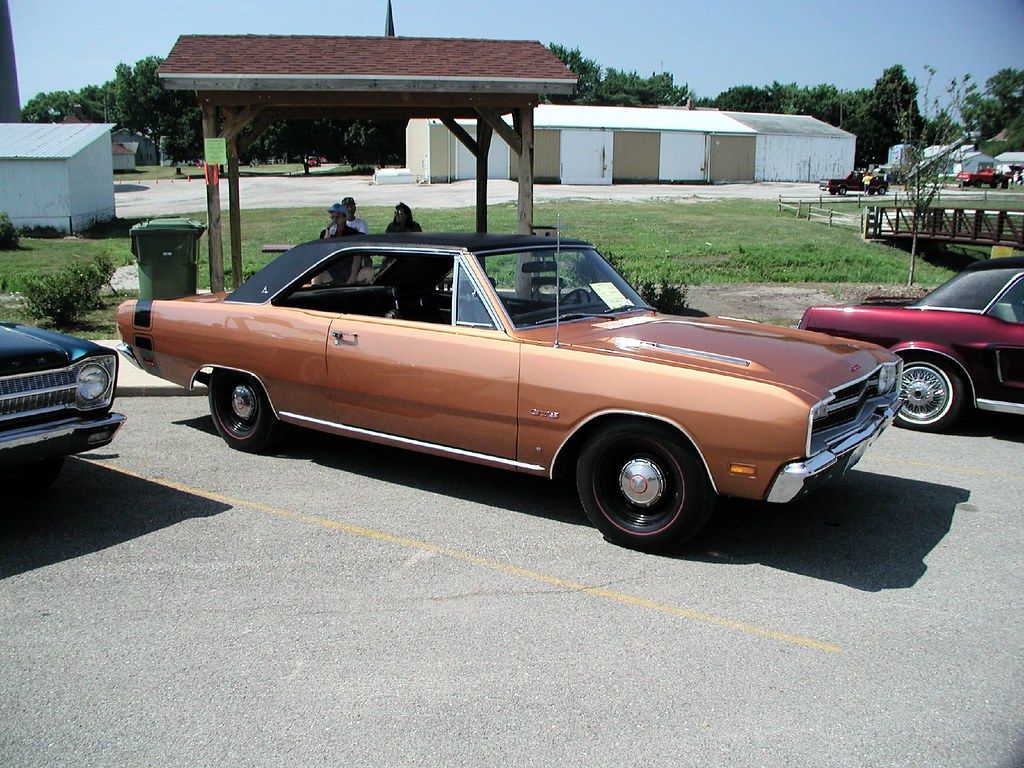
The Dart GTS, with a tight body shell and hefty V8 grunt, could give even much bigger muscle cars a run for the money. Downsizing the muscle car by shoehorning a high-horsepower engine into a smaller chassis, Dodge created a street performer with big acceleration and a unique disposition. Eye-popping graphics and special performance-oriented accents set the GTS apart from the run-of-the-mill Dart models. Plus, the Dart GTS’ size and V8 powertrain provided an enticing package for those who wanted big-time musclecar muscle in a more nimble package.
Dart GTS Performance Advantages:
- Compact body with powerful V8
- Bold exterior performance graphics
- Heavy-duty driveline components
- Impressive power-to-weight ratio
- Strong acceleration from a lightweight chassis
Drive inside, the Dart GTS even in the fresher form, with its distinctive stripe treatment and hoodscoop was more of a performance machine than a luxurious one. Heavy-duty drivetrain parts put it solidly in a good position to take the kind of torque it was about to put on the street, and its low curb weight meant that in terms of power-to-weight ratio, it had enough juice to make stoplight drags really worthwhile. It gained a strong reputation as one of Chrysler’s better compact performance packages, even if it was rarely exactly alone on the block (or on the street) against Dodge’s larger, more powerful muscle cars like the Charger.
6. Chevrolet Monza
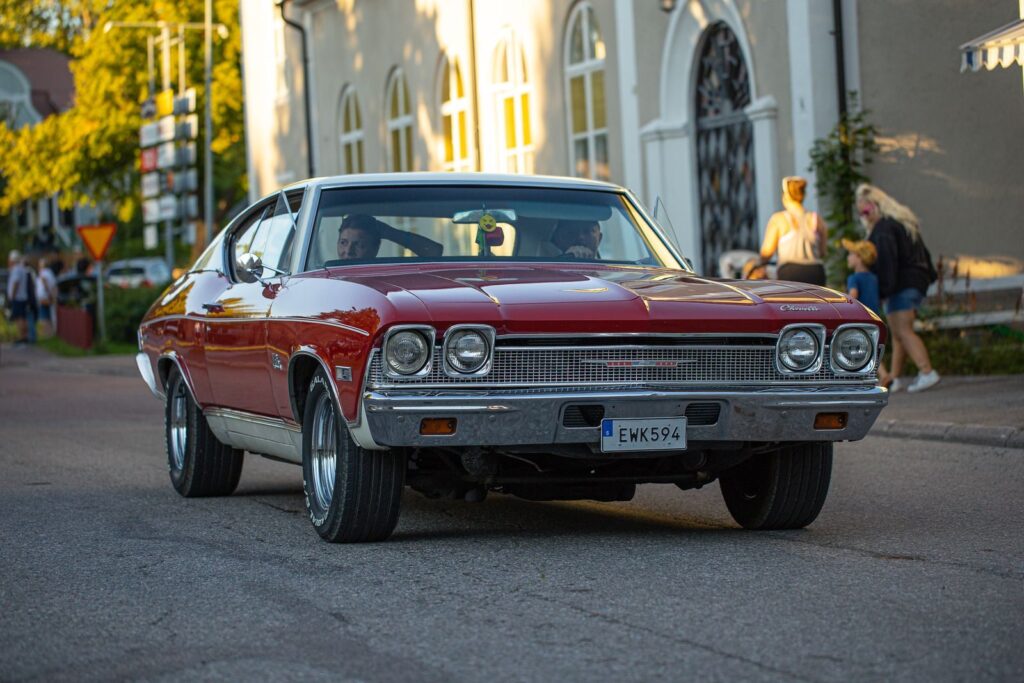
The Chevrolet Monza added a European flair to Chevrolet’s lineup in the 1970s. Its small size and light weight gave drivers a different choice from the other big American muscle cars available at the time, and the V8 available in the Monza provided American horsepower paired with modern styling that might have looked a little strange next to more traditional performance coupes, but still stood out from the crowd. The Monza did not go on to join the ranks of the most iconic Chevrolet performance cars, but it still offered a unique way to enjoy sporty driving.
Chevrolet Monza Design Highlights:
- European-inspired exterior styling
- Compact and lightweight dimensions
- Available V8 engine
- Different from traditional muscle cars
- Distinctive chapter in Chevrolet history
In a decade of American automakers struggling with the changing markets, the Monza offered the American car buyer something a little bit different. The styling set it apart from Chevrolet’s more mainstream muscle cars, while the optional V8 hinted at more capable performance than its size suggested. Unfortunately, it never achieved the sales success of other more venerable nameplates and thus has largely been forgotten by generations of muscle car fans. Today, found in limited numbers, the Chevrolet Monza offers something unique a compact and powerful machine that stands apart from the crowd.
7. Ford Maverick Grabber
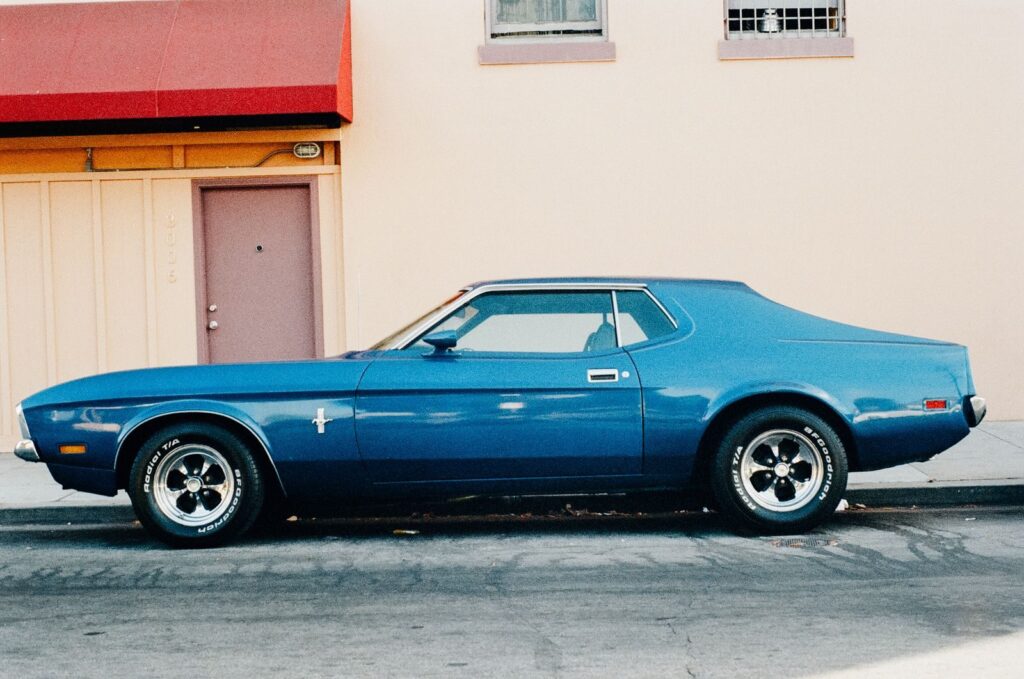
The Maverick Grabber hit the scene in 1970 as a less-expensive alternative to the Ford Mustang, sporty looking yet not as expensive as their larger muscle cars. The Grabber’s aggressive graphics, eye catching decals, rear spoiler, mag wheels, high back bucket seats with optional wood grain trim interior made it a desirable sporty package. Ford saw the Grabber as the perfect car for the younger demographics and those who just wanted a car with some “horsepower” and visual appeal but without all the cost of other muscle cars.
Maverick Grabber’s Sporty Features:
- Introduced in 1970
- Budget-friendly Mustang alternative
- Bold graphics and rear spoiler
- Available 302 V8 engine
- Blackout grille and optional hood scoops
Behind the grille, buyers could choose between a thrifty six-cylinder or a snarly 302 V8. Affordable and all style, the Maverick Grabber was a hit, outselling the Mustang in its first year of existence. For 1971, it was updated to be even more of a runner, with darkened grills and optional hood scoops. Ultimately, issues with rust sapped the Grabber’s momentum, and the model nameplate disappeared after 1975. Today, examples are gaining new popularity with classic-car collectors. Its simple style, wide-stance, and give-it-all-you-got attitude make it a solid choice for muscle car buyers who want something different than a typical American snarl.
8. Oldsmobile F-85 Cutlass
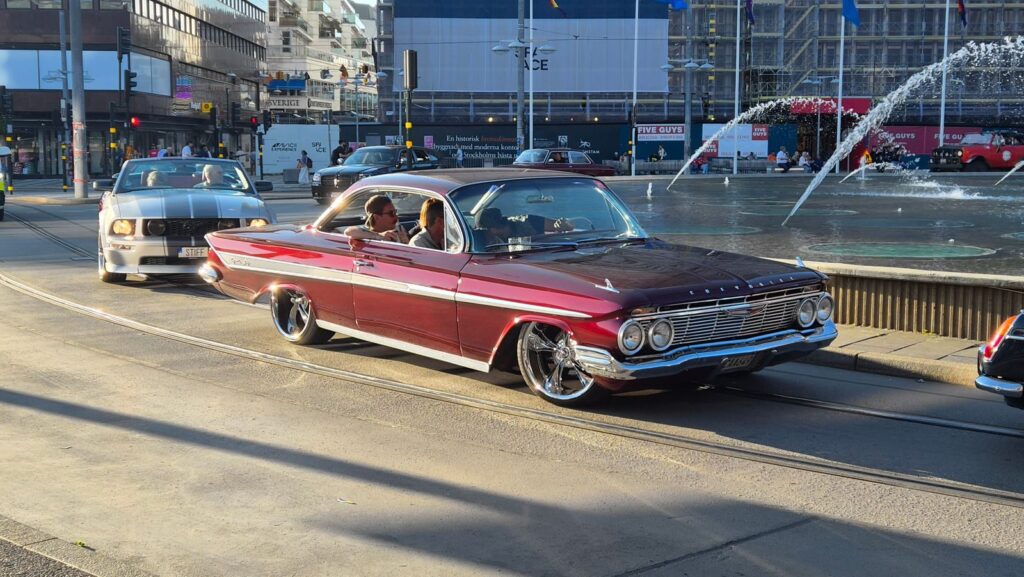
The Oldsmobile F-85 Cutlass illustrated that the sporty look and soft personal luxury could be combined in a small package. Instead of going the muscle car route, the F-85 Cutlass offered performance for drivers who wanted to enjoy the power of a V8 without giving up the practicality of a comfortable daily driver. Its proportions and features made it an attractive choice in an era when American automakers experimented with the concept of sporty cars, and the early F-85 Cutlass was Oldsmobile’s take on that idea.
F-85 Cutlass Key Characteristics:
- Compact and sporty package
- Available V8 engine power
- Refined personal comfort
- Practical everyday driving character
- Early model often overlooked today
As Oldsmobile’s automotive styling matured throughout the 1960s, subsequent versions of the Cutlass became more and more muscular and aggressive, gradually pushing the F-85 Cutlass further to the periphery of the American car world’s preoccupations. But the early F-85 Cutlass played an important role in Oldsmobile’s offerings as a mix of accessible everyday driving and performance, one that was clear in the use of a V8 without connoting (necessarily) high performance. It represents an important part of Oldsmobile’s history for those who are interested in lesser-known American car history.
9. Buick Skylark
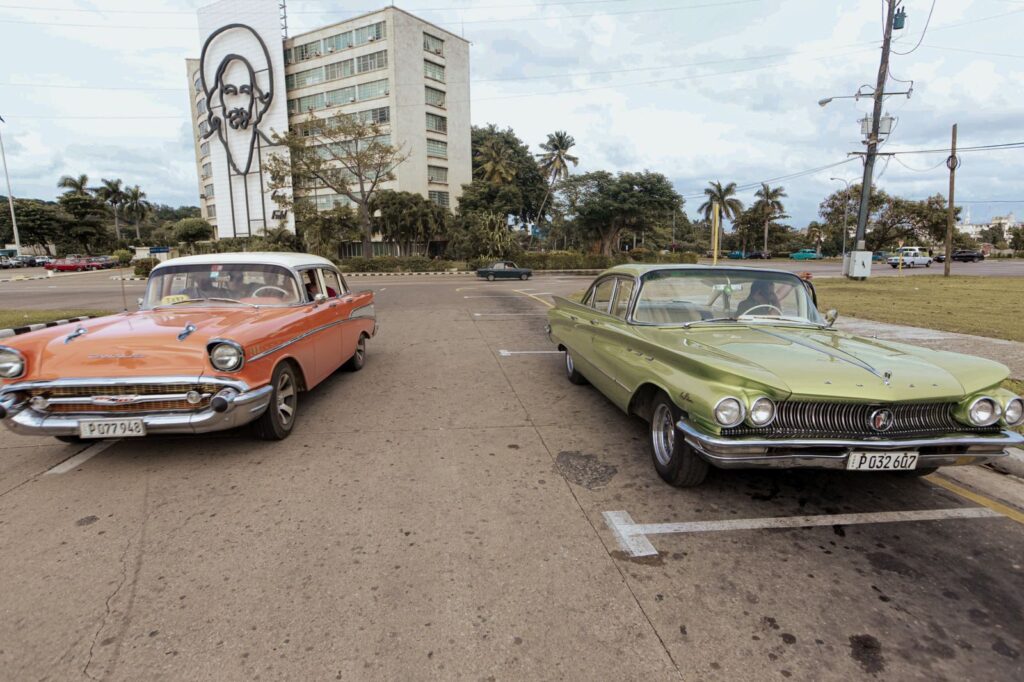
The Buick Skylark had athletic proportions, and balanced the overall styling with the plushness standard of the Buick brand. With a luxurious body style, the appearance was high end, but with the V8 engines, there was a lot more firepower than the appearance could imply. Buick could offer buyers a more muscular coupe that offered luxury that was still plush, but knew that buyers still wanted visual sophistication and style as well. During the high point of American cars, Buick demonstrated that Buick could offer some great performance to their everyday customers.
Skylark’s Performance and Style:
- Athletic proportions with premium styling
- Available V8 engine options
- Evolving muscle-oriented configurations
- Refined and comfortable driving character
- Important part of Buick history
Over the course of the 1960s, the Skylark became even more powerful variants, including some muscle-car-oriented versions. Even with such high performance, Buick is seldom the first names that come up when people discuss classic pony cars and American muscle cars. Yet the Skylark exemplifies the division’s capability for the compact class and the presence of muscle-car-like powertrain choices and styling to boot. Whether as luxury coupes or sporty coupes, early Skylarks set themselves apart from most other luxury models by their classy attitude and sporty presence, and when traded at an auction block today, they’re appreciated for those very traits.
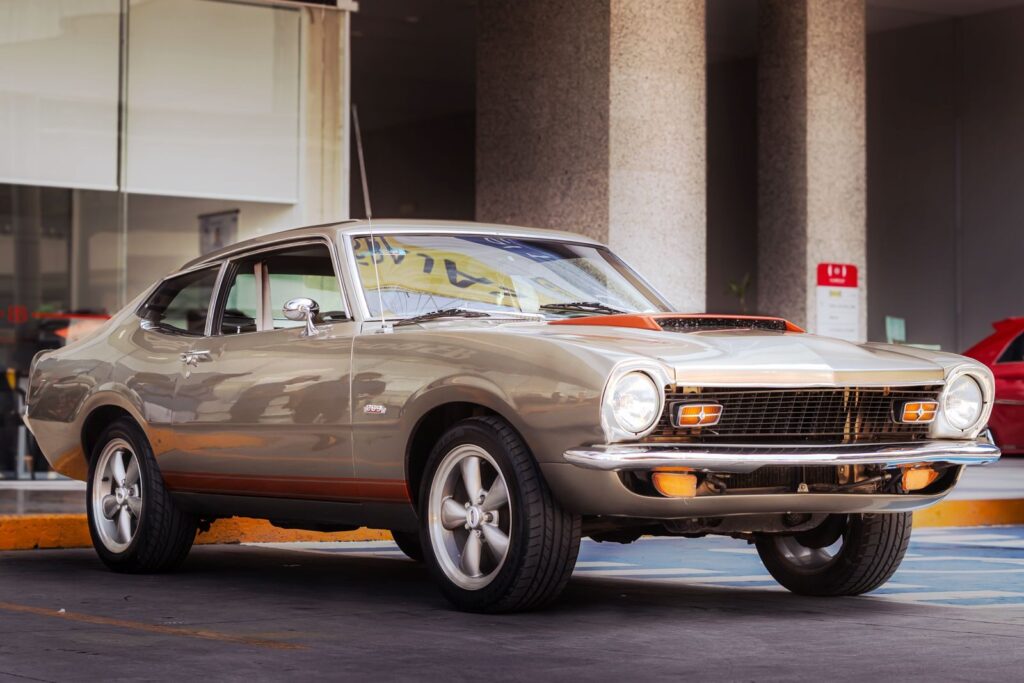
10. Mercury Comet Cyclone
The Mercury Comet Cyclone was the sporty, performance-oriented version of Mercury’s compact Comet platform. Available in hardtop or convertible two-door configurations, it melded the unique style of its exterior body with robust V8 powerplants and performance accessories that added up to true muscle car legitimacy and a unique appeal for enthusiasts who wanted an ordinary compact car with a little more zip. Sticking to the shared Ford-family 2-year run, the Comet eventually adopted several body styles, performance configurations, and a handful of unique features to earn a place of its own in the muscle car universe.
Comet Cyclone’s Distinctive Appeal:
- Compact Comet-based performance car
- Hardtop and convertible body styles
- Potent V8 engine options
- Production ended in 1971
- Roughly 400 examples reportedly survive
Subsequent iterations of the Comet Cyclone were a far more threatening look, yet the model did not quite eclipse the popularity of its sibling on the Mustang platform. Ford output around 12,000 Comet Cyclones by the time production ceased in 1971. Today, it’s thought that perhaps just 400 or so are still in existence more than enough to delight those interested in obscure performance models within the Ford family, although the few with a roof are considered especially collectible. Thanks to the Cyclone’s limited run, availability of a V8 engine and distinctive styling, the model is firmly stamped into the annals of America’s golden era of performance cars.