



Engineering Endurance: Understanding the Structural Superiority of GM’s 5.3-Liter Vortec V8
What is the best 5.3 Vortec? GM’s iconic 5.3-liter Vortec V8 is still widely recognized as one of the most reliable, smooth-running and flexible Chevrolet and GMC V8s ever produced. Available in a multitude of different variants, the 5.3-liter engine family features a rugged architecture with an integrated deep-skirt engine block, six-bolt main bearing caps, and heavy-duty timing parts. It was also one of the most popular small-block V8s ever produced, with many popular applications, like the venerable LM7, benefiting from cast-iron construction, solid performance and great longevity. Many 5.3-liter engines can deliver 200,000 to 300,000 miles with a little regular maintenance, and with such prolific numbers and a huge aftermarket industry, they’re also some of the best options for custom builds, restomods and performance applications.
That said, there are several variants in the Vortec 5300 family, and the specific improvements matter when considering long-term costs of ownership. Some newer engines gained Active Fuel Management, Dynamic Fuel Management and direct injection features, and while these advanced systems offer efficiency and performance benefits, some custom lifters have been known to fail, causing camshaft damage or excessive oil consumption. It’s important to tease out problems with the engine versus transmission issues such as torque-converter shudder. Regular oil changes, fluid checks, prompt attention to service parts replacements and diagnosis of odd engine sounds will help ensure long-term reliability. Knowing the engine code, maintenance history and work schedule of a particular truck will reveal why GM’s 5.3-liter V8 has been a top-selling engine.
1. GM’s 5.3-Liter Vortec V8 and Its Reputation for Durability
The 5.3-liter Vortec 5300 V8 from General Motors has a reputation for outstanding mechanical reliability in Chevrolet and GMC full-size trucks and SUVs from 1999-2014. This naturally aspirated overhead-valve engine was a key member of GM’s Generation III Small Block lineup. It earned a reputation for long-term reliability by being designed from the ground up to handle the stresses of high workload truck and SUV duty. Taking their cues from the guys and gals racing GM trucks, GM engineers built in a Vortec architecture meant to handle that mechanical stress with reliability. It’s not a complex design, but it is built on a dependable foundation.
The Foundations of Vortec Reliability:
- Generation III Small Block architecture
- Used in trucks and SUVs
- Naturally aspirated overhead-valve design
- Race-derived engineering principles
- Built for demanding workloads
The Vortec 5300 was based on a simple premise how well does its construction fit its daily operating needs? Its engine block was given deep skirts and robust six-bolt main bearing caps to provide a sturdy platform for the engine’s rotating assembly. A rugged timing chain was also made, capable of handling around 200,000 miles between replacements, and high-flow cylinder heads with large intake and exhaust valves supplied the airflow required to keep it within its limits. All of this amounted to a truck V8 capable of providing good truck horsepower and good mechanical endurance to back up that power, earning it a long life and loyal following from many truck enthusiasts.
2. Deep-Skirt Block Design and Heavy-Duty Internal Components
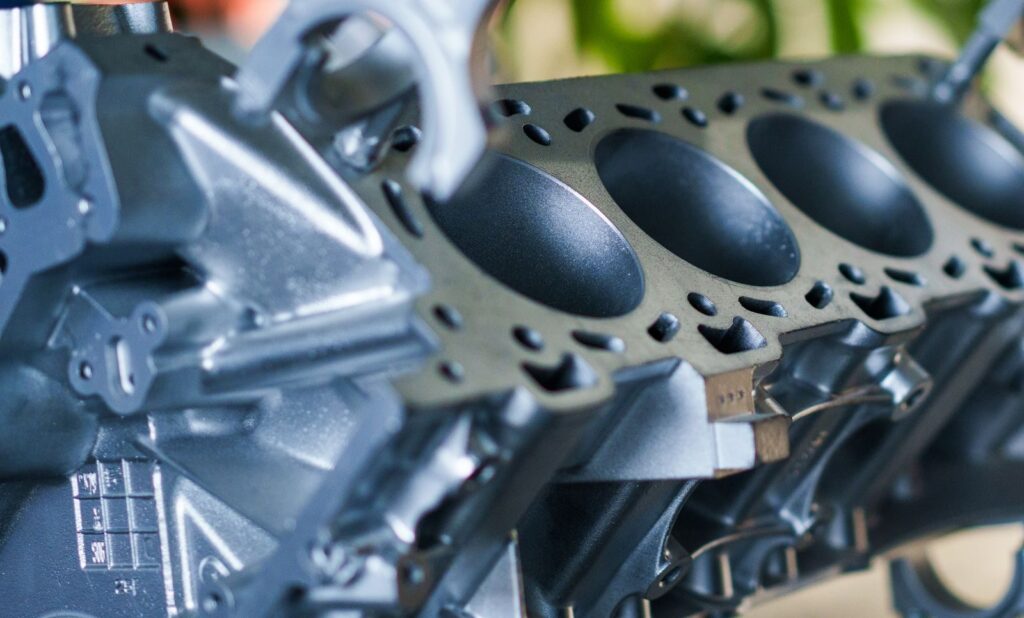
The 5300’s engine block also exemplifies GM’s focus on heavy-duty construction. Racing data was used to create deep skirts on the block and high-strength, six-bolt main bearing caps to enable the block to resist the effects of long-term, in-service mechanical loads. These come with a sturdy foundation for the crankshaft and the rest of the engine’s internals. The engine block also has a tough timing chain to ensure operation over nearly 200,000 miles. Its cylinder heads and intake ports feature high flow and large valves to complement the heavy-duty bottom end by providing excellent flow of air to the engine.
Structural Features Behind Its Strength:
- Deep-skirt engine block construction
- Six-bolt main bearing caps
- Heavy-duty timing chain design
- High-flow cylinder heads
- Large valves support airflow
More so than most V8 engines, the Vortec has significant strength to keep it from buckling under a heavy workload. Along with a stronger engine block and larger main bearing caps to support the rotating assemblies, the timing chain ensures a reliable valvetrain. Meanwhile, the cylinder heads and valves provide the airflow essential to the combustion process for strong power output. These factors combined but not necessarily as a bunch of disconnected advantages give the Vortec the ability to pull power down low, but still be strong enough to run hundreds of thousands of miles, and why the engine was popular with many of the carmakers when used as a truck engine and with gearheads later on.
3. LM7 Engine Architecture and Early Vortec Performance
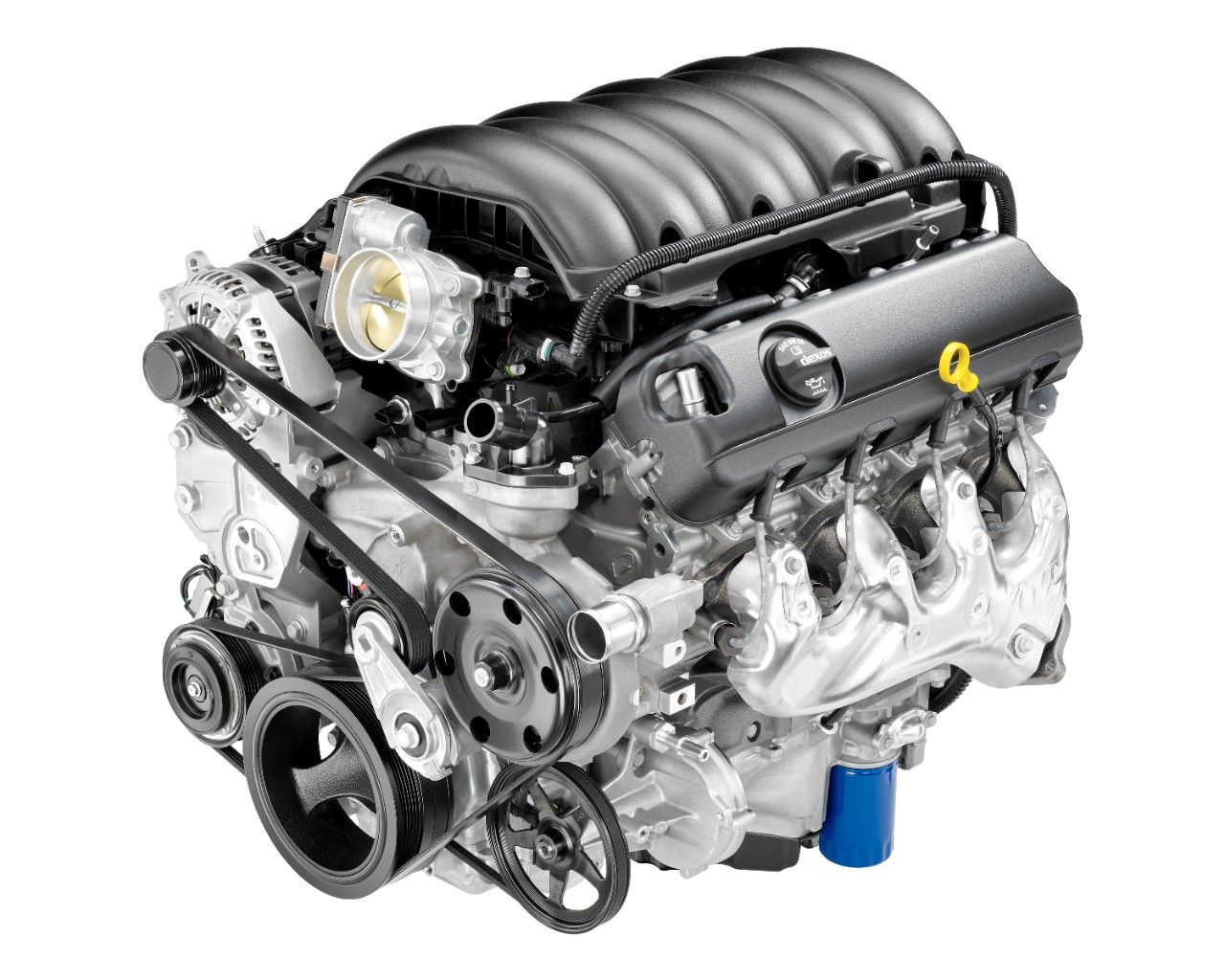
The Generation III LM7 was the primary iron block member of the Vortec 5300 engine family from 1999-2007. It shared the 96 mm bore with a 92 mm stroke, with a power output of 270-320 hp, depending on application. Like the other Vortec 5300 engines, it had two valves per cylinder, electronically controlled port fuel injection, oval exhaust ports, and cathedral shaped intake ports. Its cast-iron block was matched with aluminum cylinder heads, creating a strong lower engine and a lighter upper portion of the engine. These features contributed to the LM7’s reputation as a reliable powerplant for Chevrolet and GMC trucks and as an engine that appealed to builders of vehicles who wanted a solid V8 foundation.
LM7 Specifications and Design:
- Produced from 1999 to 2007
- Iron-block Generation III engine
- 96 mm bore and 92 mm stroke
- Output ranged from 270-320 horsepower
- Electronic port fuel injection
The LM7 became popular in part because it was a combination of easy-to-access replacement engine and capable outer shell. The cast-iron lower end was capable of handling the engine’s bottom end, and the aluminum cylinder heads enhanced flow potential while cutting weight. Intake and exhaust port configurations were defining characteristics of the engine’s architecture. In addition to powering the production trucks and SUVs, the LM7 found a second life in custom builds because its familiar design provided an accessible platform for performance modifications. The familiar architecture could be opened up with different camshafts, modified engine control calibration, or a turbo system while still maintaining the same basic block shape.
4. LM4, L59, and L33 Expand the Vortec Family
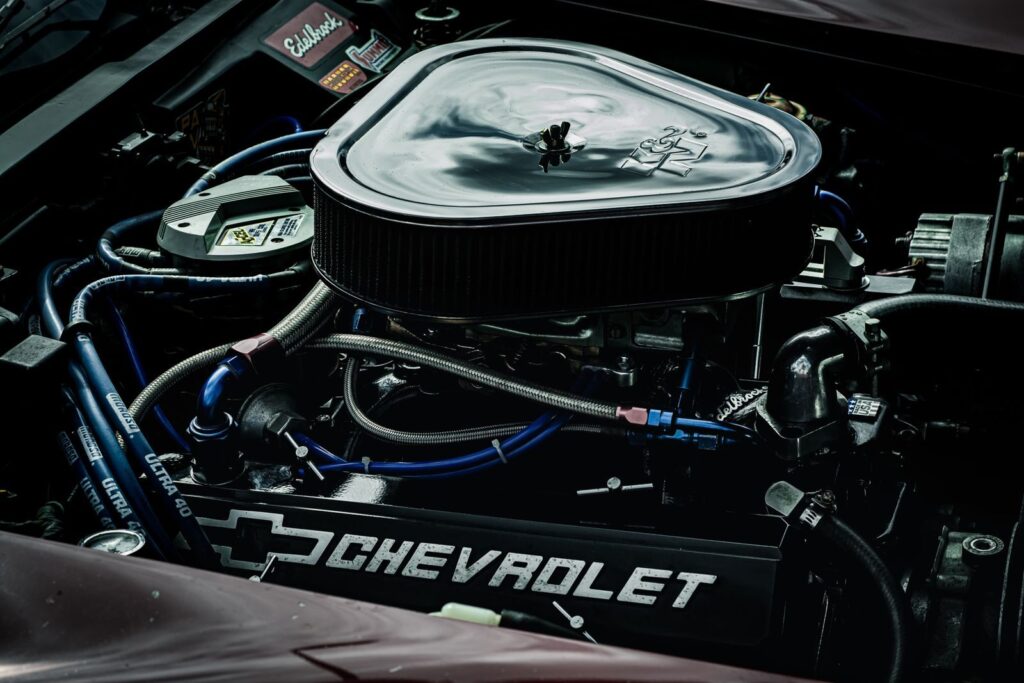
GM expanded the Vortec 5300 family of engines to accommodate the various vehicles, materials and fuel needs. The aluminum block with cast-in liners for the LM4 was featured in the Chevrolet SSR, Chevrolet Trail Blazer, and the GMC Envoy. In 2002, the iron block L59 brought E85 ethanol capability to the truck engine family. For 2002, the L33 was yet another variation available to consumers looking for factory-enhanced performance in the Generation III era. It employed an aluminum block and produced 310 horsepower, the maximum output for the early Vortec 5300 iterations according to the information provided.
Key Differences Across Vortec Variants:
- LM4 featured an aluminum block
- L59 introduced E85 fuel capability
- L33 delivered 310 horsepower
- LM4 used cast-in cylinder liners
- Variants supported different vehicle applications
These variations of the Vortec allowed GM to tailor weight, gasoline compatibility, and power without straying from the original engineering concepts of the family. The LMM, with its aluminum block, was suitable for a select few mid-size vehicles the L59 could use the ethanol-based E85 fuel the L33 was focused on more power (310 HP, in the case of its aluminum block). This is significant because the name Vortec 5300 refers to a family of engines rather than one specific, uniform unit. Once owners and fans understand which engine is being referred to, they’ll be better prepared to understand the block, the power output, and the application. Ultimately, all variations tend to reflect a truck-centric approach that balances useful performance and durable mechanical design.
5. Why the Vortec 5300 Remains Popular for Custom Builds
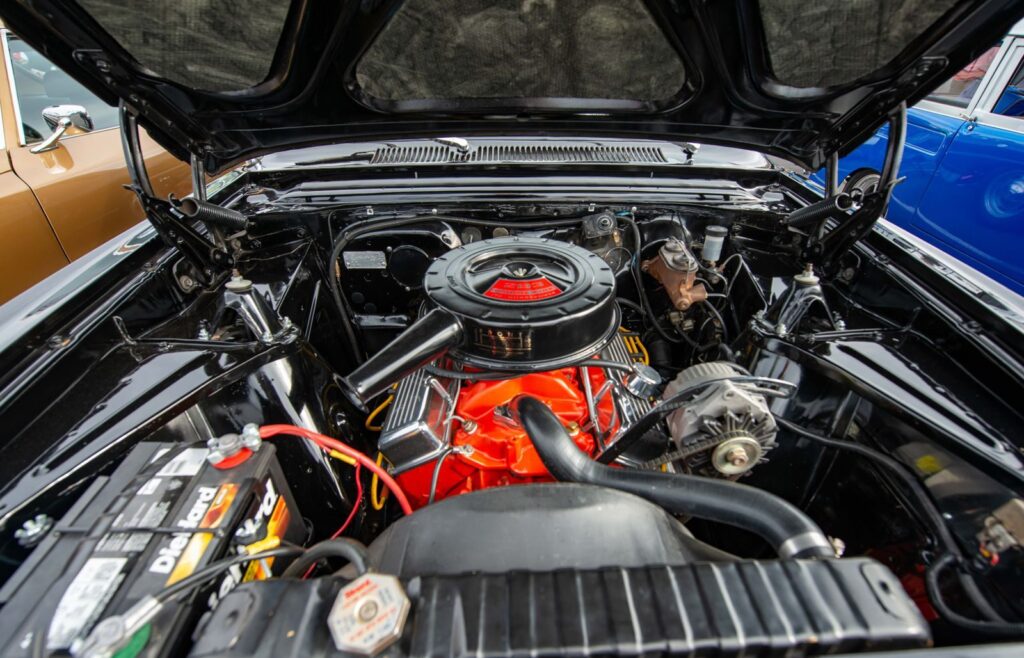
The Vortec 5300 engine family has gained a significant aftermarket following beyond its original purpose of powering Chevrolet Silverados, Tahoes, and Suburbans. Many of the applications that are now using Vortec engine blocks for restomods, drift cars, muscle cars, and off-road builds have engines such as the LM7 in mind. The Vortec family of powerplants is popular because of its relatively affordable price point and the fact that they’re still available for purchase. Plus, they have the ability to be tunes, internally modified with new camshafts and ecu calibration, or added to with a turbocharger setup to meet the goals of a project.
Why Builders Choose the Vortec:
- Widely available used engines
- Relatively low acquisition costs
- Strong iron-block foundation
- Supports aftermarket camshaft upgrades
- Suitable for diverse custom builds
The way we see it, the LM7’s popularity highlights the fact that an engine to use in everyday trucks can be worth more to performance enthusiasts. While the engine was originally designed to produce reliable power in production vehicles, the strength of the block as well as the fact that it is a relatively ubiquitous engine has attracted many enthusiasts to put it in their modified vehicles. Builders can upgrade them to produce just about any level of output they’re after without sacrificing engine response or drivability, with aftermarket camshafts, ECU tuning and turbocharging available as potential building blocks for whatever level of output one desires. Even with such a strong block, matching supporting hardware and maintenance to level of output is paramount for an enthusiast.
6. Real-World Longevity and Driving Habits
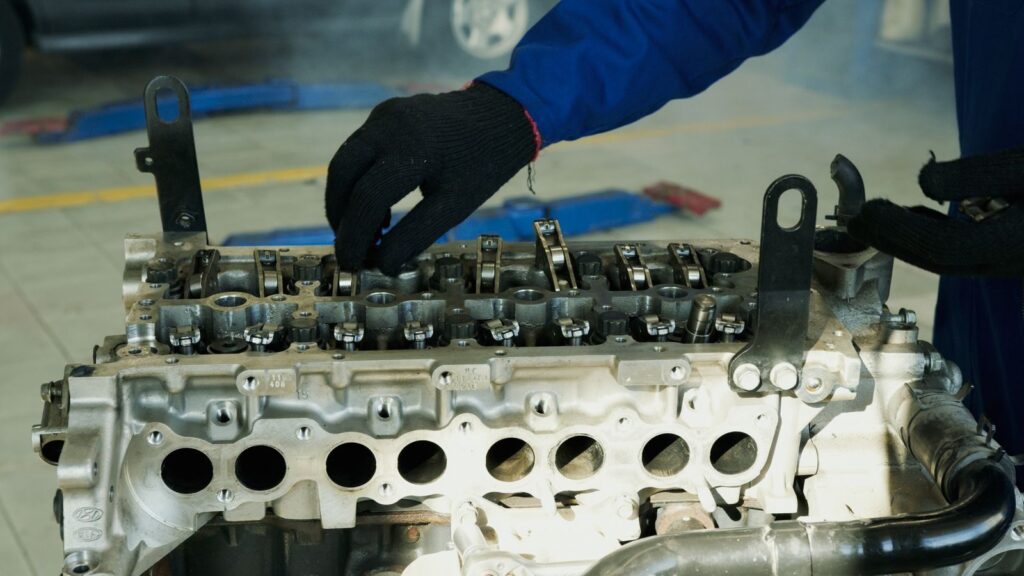
Most well-maintained Chevrolet 5.3-liter engines will run well past the 200,000 mile mark, and reach around 300,000 miles or more before needing an overhaul. However, this depends on the driver, the style of operation, and the operating conditions. Highway driving is less prone to demanding the repetitive stresses on the moving internal components than urban driving where frequent starting and stopping, as well as idling are common. Abandoning excessive throttle usage, staying below high-RPM motor operation for extended periods, and staying within the length limits of a factory-set maximum tow capacity will also help avoid excess build-up of heat to maximize longevity of the components such as crankshaft, main bearings and pistons.
Habits That Support Engine Longevity:
- Maintain regular oil change intervals
- Favor steady highway driving
- Avoid prolonged high-RPM operation
- Follow recommended towing capacities
- Address early mechanical warning signs
The length of Vortec engine life doesn’t mean that every engine will achieve that mileage. The age and condition of the truck and the wear and tear it has endured affect it, as does the way it is driven. Vehicles that are well maintained and have their oil changed regularly, their fluid levels checked, and are not subjected to excessive mechanical strain will generally have a greater lifespan. Vehicles that are subject to more stop-and-start driving styles or that work harder by pulling heavier loads will be operating in a different mode, but sensible driving will still help manage that load. Be sure the high mileage truck is checked for oil leaks, rough idling and noises when it is newer.
7. AFM and DFM Introduce Modern Fuel-Saving Complexity
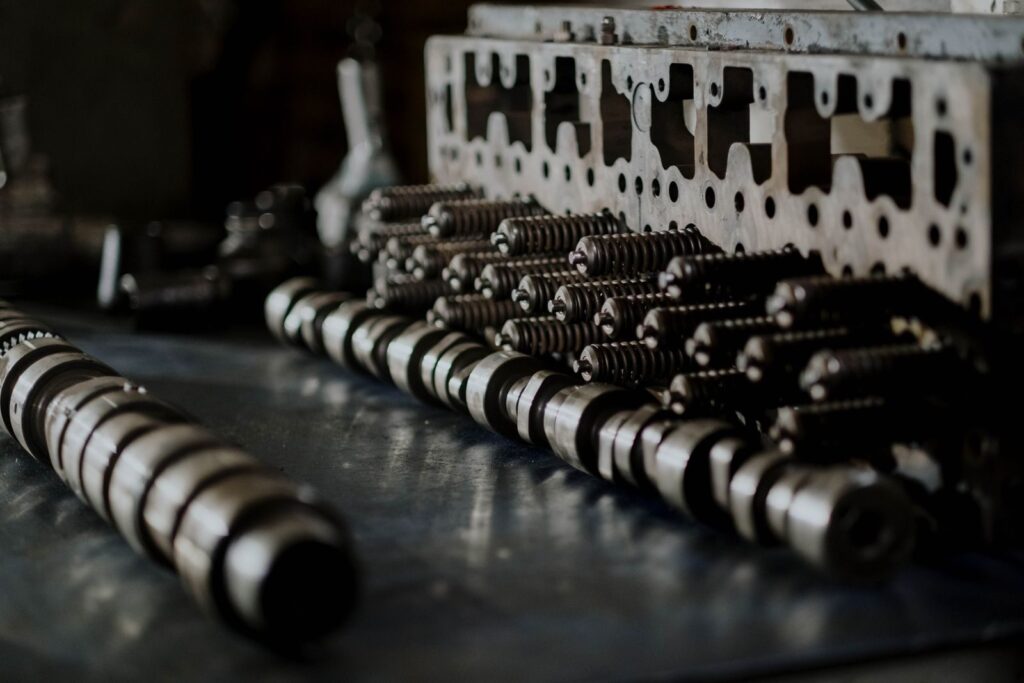
As GM entered the Generation IV and V engine families, 5.3-liter V8s were adapting to newer fuel-economy needs. GM Generation IV engines like the LMG added Active Fuel Management (AFM), which disables half the cylinders when engine load is low. Generation V engines like the L83 and L84 added direct injection, more airflow, and Dynamic Fuel Management (DFM), which can operate on 17 different cylinder combinations to produce up to 355 hp and 383 lb-ft of torque. DFM relies on a new type of hydraulic lifter that can deactivate when needed. Unfortunately, these lifters, or the engine’s intake valve train, can make noise or cause oil consumption if they wear out or if the oil is not properly maintained.
Understanding Modern V8 Technology:
- AFM deactivates cylinders under light loads
- DFM uses 17 cylinder patterns
- L83 and L84 use direct injection
- Output reaches 355 horsepower
- Lifter problems can damage camshafts
These newer fuel-saving features add mechanical complexity to the original, more basic Vortec engine designs. Cylinder deactivation can yield good fuel economy in the right conditions, but relies on special valvetrain components that can, over time, wear or become mis-lubricated resulting in a clicking or ticking noise from the engine or a collapsed lifter. Severe cases may even ruin a camshaft lobe and cause an engine to go in for valvetrain inspection or repair. Oil consumption can also become problematic, especially in high mileage engines. All these issues do not mean that all AFM or DFM-equipped engines are failures, but it does mean great care should be taken in maintaining these vehicles and to investigate engine noises quickly.
8. Separating 5.3-Liter Engine Issues From Other Problems
In online chatter, it can be difficult to distinguish V8-specific mechanical failures from issues that develop on other powertrains. It can be difficult to fully dissect issues from others posted online, since the above information identifies federal safety recall NHTSA 25V-274, involving connecting-rod and crankshaft failures, as applying to the 6.2-liter L87 V8, not the 5.3-liter L84. (That 5.3-liter L84 is specifically not covered by that recall). Another issue that frequently comes up in discussion is “Chevy shake,” and refers to vibration in the cabin of the vehicle between approximately 25 mph and 80 mph. In the above instance, the source was torque-converter clutch shudder in the 8L90 eight-speed automatic transmission, not an internal failure of the engine.
Important Problems to Distinguish:
- L87 recall concerns the 6.2-liter V8
- 5.3-liter L84 excluded from that recall
- Chevy shake involves transmission shudder
- Vibration may occur between 25-80 mph
- Transmission fluid service may resolve shudder
GM attributed this transmission shudder to factory Dexron HP fluid, which had absorbed moisture from the surrounding air. Technical service bulletins 18-NA-355 and 19-NA-219 resolved this problem with an extensive flush of fluid, not an engine rebuild. This is important to consider when diagnosing a truck that suddenly develops a vibration while traveling at highway speeds. A long-term engine concern such as a never-ending lifter tick certainly requires a different diagnostic than a torque-converter clutch problem. Before assuming a common issue applies to your unique rig, owners need to find out the exact engine and transmission configuration. Separating these problems from one another can save time, money, and heartache in the long run.
9. Routine Maintenance Helps Protect the 5.3-Liter V8
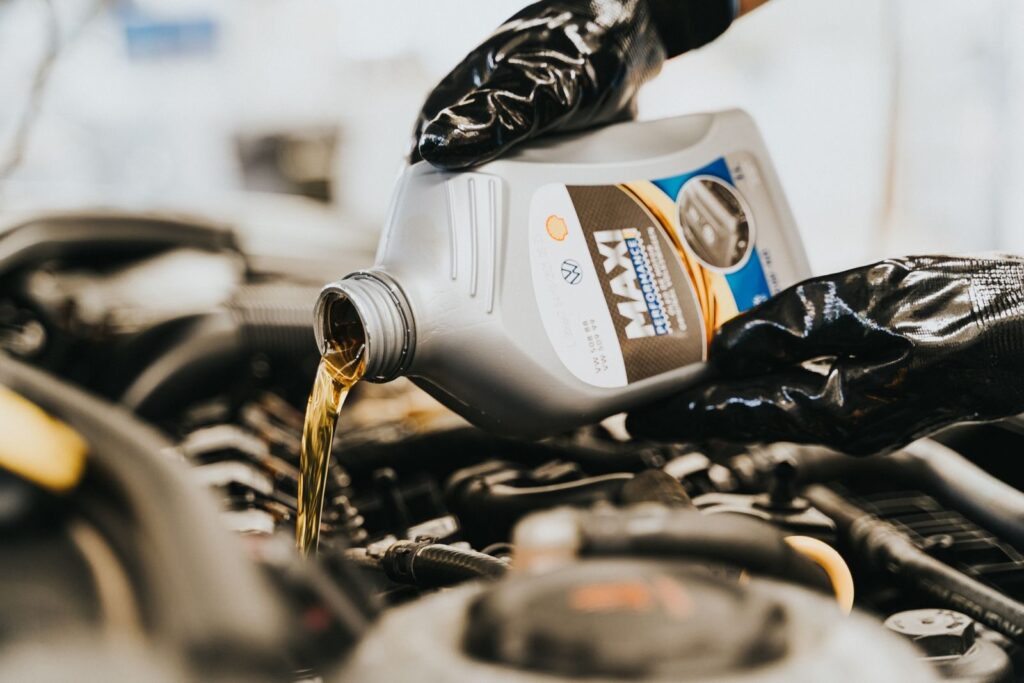
Regular maintenance is the key to getting the most out of your 5.3L Vortec. Recommended maintenance schedules instruct users to change the oil every 5,000 to 7,500 miles with a high grade synthetic oil to assist with oil control valve and valvetrain lubrication. Regularly check the coolant, oil, transmission and brake fluids to help mitigate problems caused by fluid degradation or excessive heat. Replacement of the fuel, oil and air filters can help with combustion efficiency and dirty, contaminated air or fuel. Minor coolant leaks, small idling problems and ticking noises should not be ignored as these can all be signs of an underlying mechanical issue.
Essential Maintenance Practices:
- Change oil every 5,000-7,500 miles
- Use high-quality synthetic engine oil
- Check coolant and transmission fluids
- Replace filters and spark plugs
- Investigate ticking noises promptly
As the truck nears the 100,000 mile mark and the proverbial hundred-thousand mile mark plus beyond, many will consider preventative servicing. Included in the recommendations are a number of items to examine for excessive wear including service items like water pumps and fuel injectors, when applicable, as well as oil leaks and filter integrity and condition. Regular fluid level and condition inspection can identify leaks or contamination before damage occurs to other engine components, as well as help maintain fuel economy and discharge engine vacuum. Regular fluid level and condition inspection can identify leaks or contamination before damage occurs to other engine components, as well as help maintain fuel economy and discharge engine vacuum.
10. Why GM’s 5.3-Liter V8 Remains an Enduring Workhorse
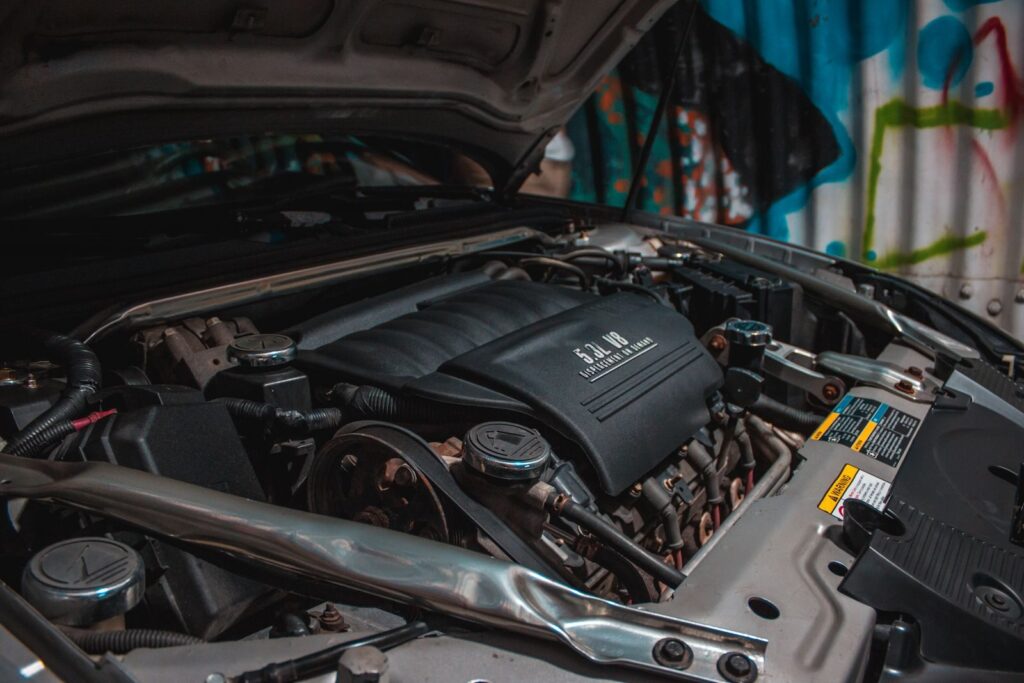
5.3 Vortec V8 The 5.3L Vortec is an example of how a capable mechanical design can support reliable long-term service. Some components, such as the deep-skirt block, six-bolt main bearing caps, heavy-duty timing gear and easy-to-flow intake design, contributed to the engine’s truck and SUV image. The more advanced components that came later added fuel-saving technology, while AFM/DFM gave the engine even more parts that need proper maintenance. Getting the most from long engine life involves regular synthetic oil changes, decent driving habits, proper fuel and knowing what to watch for, and many owners will have good results with this engine with no more effort. Its long history and modifiability have made it popular with work-in, work-out builders.
The Vortec’s Lasting Strengths:
- Robust cast-iron engine architecture
- Proven truck-focused power delivery
- Potential for 200,000-300,000 miles
- Broad aftermarket modification support
- Routine maintenance remains essential
Once it left the factory, the 5300 became a versatile platform, capable of handling daily work chores and enthusiast projects alike. Original equipment truck versions provided usable performance and good mileage at modest service intervals. Custom owners found a reasonably common stock engine with a solid iron block as an appealing power plant. The newer 5.3-liter engines have upgraded fuel management and more power, though they feature more complex valvetrain mechanisms that require attention. Long-term reliability depends on the engine version, maintenance history and operation, but GM’s 5.3-liter V8 is still a reliable workhorse long after the truck has gone into the junkyard.