


Toyota’s Twin-Turbo V6 Woes Worsen With Expanded Recall
In today’s world of automobiles, there isn’t really anything that can hold more value for a manufacturer than their reputation, and over the past several decades, Toyota has managed to make its mark on its industry for its legendary, long-lasting, dependability. People flock to the Toyota brand because it is often perceived as durable, well engineered and to keep on ticking for years with very few costly repairs. This reputation for durability is intertwined with the company’s public image, so as such, a large, wide reaching engine recall covering some of its new trucks and sport-utilities holds more meaning and potential significance than a typical issue with a motor vehicle. It calls into question the very standard that helps make Toyota a car manufacturer that most individuals trust.
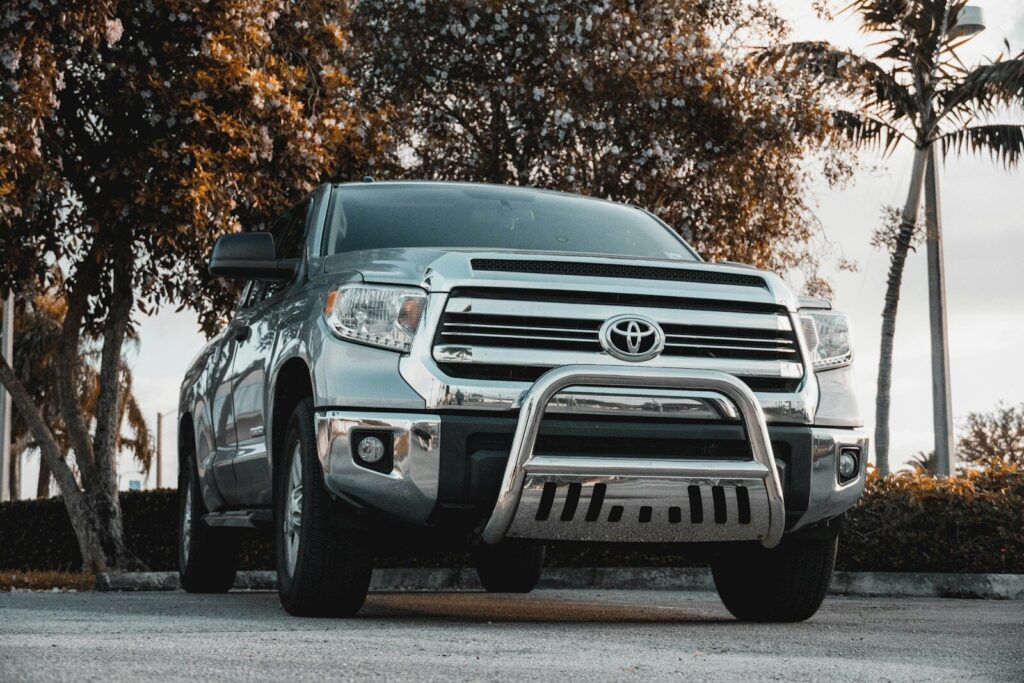
Toyota is expanding its already substantial recall of its newer generation 3.4-liter twin-turbo V6 engines as it now includes close to 127,000 more vehicles that it believes to be suffering from manufacturing defects that cause the engine to be in an appropriate candidate state of developing cataclysmic failures that ultimately result in an inoperable vehicle. What’s most troubling about this problem isn’t only the severe consequences, but the nature of the failure itself; this doesn’t appear to be an electronic flub, nor any kind of external, replaceable component-it’s a part deep inside the engine. The affected vehicles include the 2022 through 2024 model year of the Toyota Tundra pickup, along with both the 2022 through 2024 model year and finally, for the first time, its completely redesigned 2024 Lexus GX sport-utility vehicles. This tells us that manufacturing issues are possibly more prevalent in more vehicles that the Toyota Group has ever suspected.
The heart of this issue is that minute metallic machining remanents can become dislodged from the engine, then travel through the engine to get lodged in the main bearings (which support the rotating assembly on the bottom end of a V6 engine). If these bearing faces become damaged under constant load (as would occur while driving with an engine problem of this nature), it would seem to cause severe engine damage and potentially, an inoperable engine. This likely creates many owners to understandably become a little nervous as their dependable vehicle might just let them go at any given point in time. It also really adds weight to questions pertaining to manufacturing control over the vehicles, the quality put forth on such an engine as well as challenges with Ford’s and Toyota’s decision to implement much smaller more powerful turbocharged engines over tradition V-8’s for their vehicles.
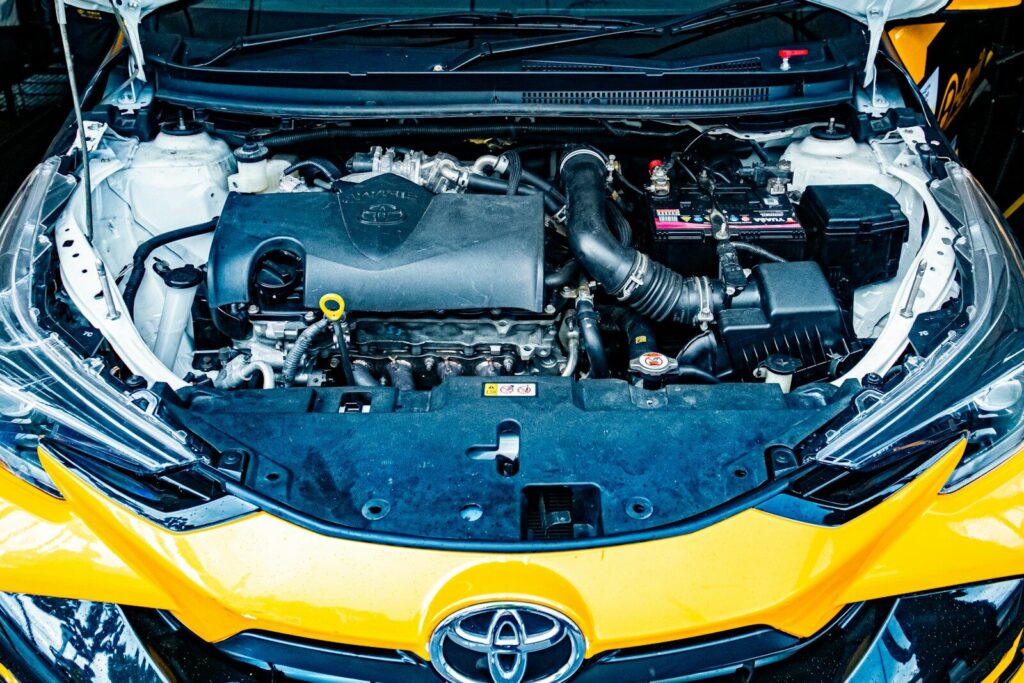
1. A Major Recall Involving Toyota’s Twin-Turbo V6
The latest recall centers on Toyota’s 3.4-liter twin-turbocharged V6, an engine that was introduced as an important replacement for the company’s long-running V8 powertrains. The engine was designed to deliver strong performance while improving efficiency and adapting Toyota’s body-on-frame trucks and SUVs to modern demands. Instead of relying on the naturally aspirated V8s that had earned strong reputations over many years, Toyota moved toward a smaller turbocharged engine capable of producing substantial power and torque. That transition represented an important change for the brand’s truck and SUV strategy.
Key Factors Behind the Recall:
- Twin-turbo V6 replaced traditional V8 engines
- Manufacturing debris remained inside engines
- Main bearings face potential internal damage
- Earlier recall involved the same issue
- Engine replacement may become necessary
Unfortunately, the engine has become associated with a serious manufacturing concern involving metal debris left behind during production. Toyota has determined that machining remnants can potentially enter the engine and reach the crankshaft’s main bearings. These bearings operate under significant loads and are essential to keeping the rotating assembly functioning correctly. If debris becomes embedded in the bearing surface and the engine continues operating under higher loads, the bearing can eventually fail. Because the affected component is located deep inside the engine, resolving the issue is far more complicated than replacing an easily accessible part.
The expanded action is especially significant because it follows an earlier recall involving the same fundamental problem. Toyota had already recalled more than 100,000 Tundra and Lexus LX vehicles in 2024 because of engine debris concerns. The previous remedy involved replacing complete engines in affected vehicles, demonstrating how serious the manufacturer considered the contamination problem. The arrival of another expanded recall suggests that the original production improvements did not fully eliminate the issue across every affected engine. For Toyota, the challenge is now not only determining the correct technical solution but also reassuring owners who expected exceptional reliability from these vehicles.
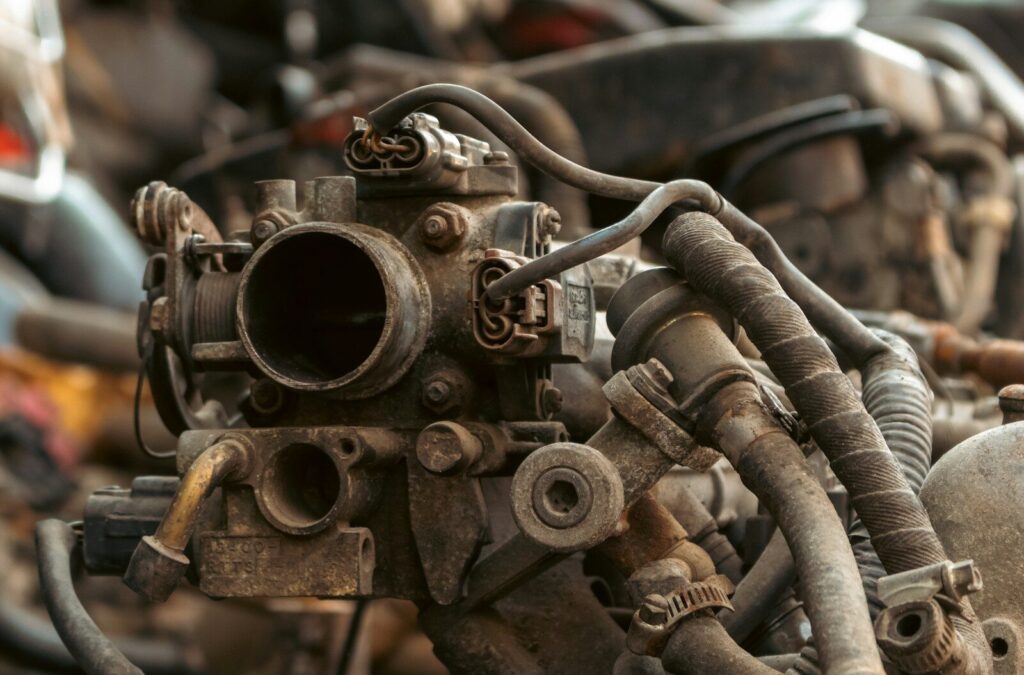
2. Metal Debris Creates the Core Mechanical Problem
The central problem can be traced to machining debris that was not completely removed from certain engines during manufacturing. In a modern engine, internal cleanliness is extremely important because components operate with very small clearances and rely on carefully controlled lubrication. Even small metal particles can become problematic when they move through passages or settle against precision-machined surfaces. In this case, the debris can become associated with the crankshaft’s main bearings, creating conditions that may eventually damage those critical components.
Mechanical Problems Created By Debris:
- Machining remnants can enter lubrication systems
- Debris may damage main bearing surfaces
- High loads can worsen internal damage
- Bearing failure can affect rotating components
- Severe damage may stop engine operation
Toyota’s explanation describes how pressure on the main bearings can become significant when debris adheres to them and the engine continues operating under high loads. For an ordinary driver, that technical explanation translates into a potentially severe mechanical failure. A damaged bearing can affect the engine’s rotating assembly and eventually prevent the powertrain from operating normally. Because the engine is responsible for producing the vehicle’s motive power, a major internal failure can leave the driver facing an unexpected loss of propulsion rather than simply dealing with a warning light or reduced convenience feature.
The seriousness of the problem also comes from the difficulty of detecting the debris before damage occurs. A driver cannot simply look under the hood and determine whether machining remnants are present inside the engine. The affected components are internal, and the early warning signs may vary depending on the severity of the developing problem. This makes preventative action especially important. Owners of affected vehicles need to pay attention to unusual mechanical noises, changes in engine behavior, rough operation, or unexpected stalling rather than assuming that a Toyota engine will continue operating normally simply because the vehicle has been well maintained.
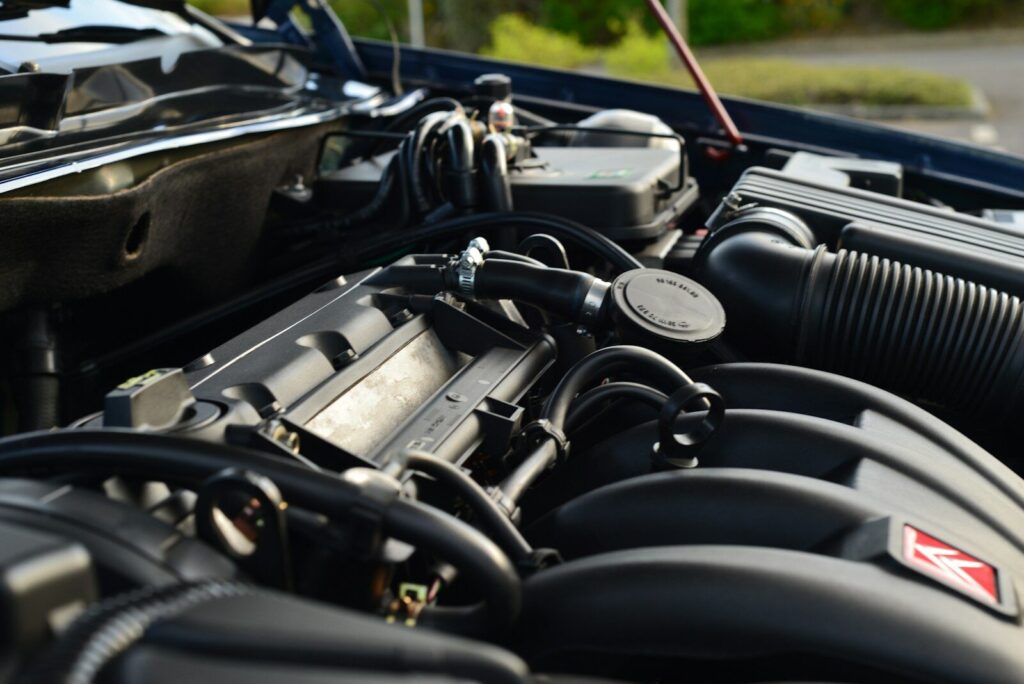
3. Engine Knocking and Potential Loss of Power
One of the most concerning aspects of the recall is the possibility of noticeable symptoms before complete engine failure occurs. Owners of affected vehicles may encounter pronounced engine knocking, rough or unstable operation, or unexpected stalling. In more severe cases, the engine may fail to start at all. These symptoms can indicate that internal components are no longer operating as intended and should not be ignored. While unusual engine noises can have several possible causes, a vehicle covered by this recall deserves particular attention when such warning signs appear.
Warning Signs Owners Should Watch For:
- Pronounced engine knocking may develop
- Rough running can indicate internal problems
- Unexpected stalling may occur
- Engine may eventually fail to start
- Sudden power loss creates driving risks
A complete loss of motive power is the most serious potential consequence because it can happen while a vehicle is being driven. Losing propulsion on a busy highway, in an intersection, or while towing can create a dangerous situation that leaves the driver with fewer options for avoiding traffic. The possibility is especially troubling for Tundra owners who may use their trucks for demanding work, towing, or long-distance travel. A mechanical failure that occurs during heavy operation can create circumstances far different from a simple breakdown occurring safely in a driveway.
For that reason, owners should treat unusual engine behavior seriously rather than continuing to drive normally in the hope that the symptoms will disappear. Knocking sounds, rough running, unexpected stalls, or significant performance changes deserve prompt attention from a qualified service department. The recall does not mean every affected vehicle will experience engine failure, but the potential consequences are serious enough that owners should remain informed about the manufacturer’s instructions. Staying aware of the symptoms can help drivers respond before a developing mechanical issue becomes a complete breakdown.
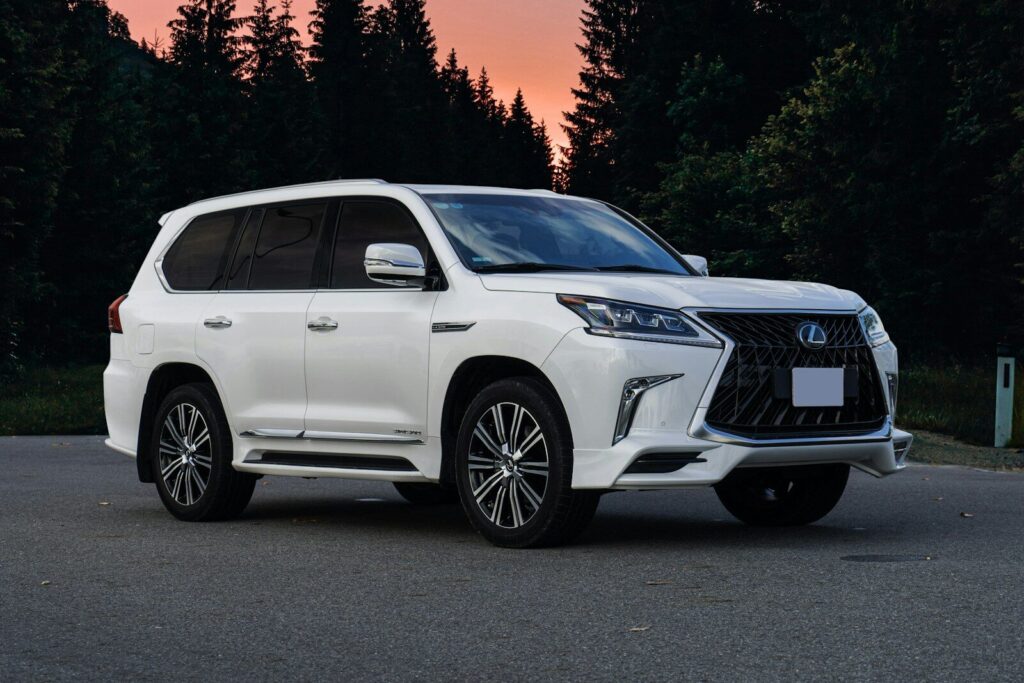
4. The Recall Covers Three Important Vehicle Lines
The expanded recall affects a substantial number of vehicles across Toyota and Lexus, demonstrating how widely the engine was used within the companies’ body-on-frame lineup. The largest portion consists of 113,079 Toyota Tundras manufactured between November 2021 and February 2024. Another 9,895 affected vehicles are Lexus LX models produced between February 2022 and April 2024. The 2024 Lexus GX is also included, with 3,717 vehicles manufactured between May 2023 and April 2024 now covered by the expanded action.
Vehicles Included In The Expanded Recall:
- 2022–2024 Toyota Tundra models affected
- 2022–2024 Lexus LX models affected
- 2024 Lexus GX models newly included
- More than 126,000 vehicles added
- Hybrid i-Force Max versions excluded
The addition of the Lexus GX is particularly notable because the model represents a newer generation of one of Lexus’s most recognizable off-road-oriented SUVs. Its inclusion demonstrates that the concern is not limited to an older vehicle design or a single truck production run. Instead, the same basic engine family was used across several important models, expanding the consequences of the manufacturing problem. For owners, that makes the recall more significant because it affects vehicles occupying different parts of Toyota and Lexus’s truck and SUV portfolios.
There is also an important distinction involving powertrain configuration. Vehicles equipped with the i-Force Max hybrid system are not included in this particular recall, providing some relief for owners of those versions. The difference highlights how specific manufacturing configurations can determine whether a vehicle is affected. Owners should therefore avoid assuming that every Tundra, LX, or GX is automatically covered simply because it uses the same model name. Checking the vehicle identification number remains the most reliable way to determine whether an individual vehicle is included in the recall.
5. Two Engine Plants Are Connected to the Issue
The manufacturing problem is more complicated because the affected engines were produced at two separate facilities. Toyota has identified engines from both its Tahara plant in Japan and its Toyota Alabama engine plant as being involved. When a manufacturing issue crosses more than one facility, investigating the exact cause and determining which production processes need to change can become considerably more complicated. Engineers have to examine production procedures, quality-control systems, machining operations, cleaning processes, and component handling to determine how debris remained inside engines that ultimately reached customers.
Manufacturing Factors Under Investigation:
- Two production facilities built affected engines
- Tahara plant produced some affected units
- Toyota Alabama also produced engines
- Improved processes were later introduced
- Main bearing improvements were implemented
Toyota has indicated that engines manufactured after the applicable recall cutoff dates were produced using improved manufacturing processes and remain under investigation. Some engines also received an improved main bearing. This suggests that Toyota has already taken steps to address the conditions that contributed to the original problem. However, the language surrounding the production changes also indicates that the company has been evaluating whether those improvements are sufficient across the affected engine population.
For customers, this uncertainty can be frustrating because the vehicle may appear completely normal while its production history determines whether it falls within a recall population. Manufacturing improvements can reduce the likelihood of future failures, but owners still need clear information about exactly which vehicles require inspection or repair. The situation demonstrates how even a sophisticated engine can be affected by something as fundamental as production cleanliness. Advanced engineering cannot fully protect a powertrain when basic manufacturing controls fail to prevent contamination from reaching critical internal components.
6. Toyota Has Not Yet Finalized the New Remedy
One of the biggest concerns for affected owners is that Toyota has not immediately announced a definitive remedy for the newly expanded recall. The company has stated that it is currently developing the appropriate fix, leaving many owners waiting for additional information. This creates an uncomfortable period in which drivers know their vehicles may contain a serious manufacturing defect but do not yet have a confirmed repair procedure available. The uncertainty can be particularly difficult for people who depend on their trucks or SUVs for daily transportation, work, towing, or family travel.
Potential Solutions Being Considered:
- Toyota is developing the final remedy
- Complete engine replacement remains possible
- Rebuilt short blocks offer another option
- Internal repairs could reduce replacement demands
- Large-scale repairs would challenge dealerships
The previous recall offers a possible indication of what could happen next. Toyota addressed the earlier engine debris issue with complete engine replacements for affected vehicles, making another round of replacement engines a logical possibility. A complete replacement would provide a comprehensive solution because it would remove the potentially contaminated engine rather than attempting to identify every internal component that may have been affected. However, replacing engines on such a large number of vehicles would create enormous logistical and financial demands for both Toyota and its dealer network.
There is also the possibility of using rebuilt short blocks or other internal engine repairs, depending on what Toyota ultimately determines to be appropriate. Earlier warranty repairs have reportedly included rebuilt short blocks containing major internal components such as the engine block, crankshaft, and pistons. With the combined number of vehicles from the earlier and expanded recalls reaching well beyond 200,000, Toyota faces a difficult balance between providing a thorough remedy and managing the immense scale of the repair operation. Owners will understandably want a solution that prioritizes long-term reliability rather than simply reducing short-term costs.
7. The Waiting Period Adds to Owner Anxiety
The recall timeline creates another layer of frustration because affected customers may have to wait for multiple communications from Toyota. The company indicated that an initial notification would reach owners before a later communication explaining the finalized remedy. That process means drivers could receive confirmation that their vehicle is involved without immediately being given the repair they need. For someone who has recently purchased an expensive truck or luxury SUV, that can be an unsettling experience, especially when the defect involves one of the most important components in the vehicle.
Concerns Created By The Recall Delay:
- Owners may wait for final instructions
- Repair procedures are not immediately available
- Long trips may create additional uncertainty
- Work vehicles face greater practical concerns
- Clear communication becomes increasingly important
Owners are consequently left with difficult decisions about how they should use their vehicles while waiting. Some may continue driving because their vehicles show no warning signs, while others may feel uncomfortable using a vehicle that has been identified as potentially vulnerable to engine failure. The appropriate response depends on the manufacturer’s guidance and the condition of the individual vehicle, but the uncertainty itself can undermine customer confidence. People who purchased these models expecting years of dependable service may suddenly find themselves questioning whether their vehicle is safe for long trips or demanding work.
Clear communication will be essential as Toyota moves toward the final remedy. Owners need timely information about eligibility, warning signs, repair procedures, parts availability, and expected service timelines. Dealerships also need sufficient resources to handle a potentially large number of engine-related repairs. The longer customers remain uncertain, the greater the potential damage to confidence in the brand. Toyota’s technical response will matter, but so will the company’s ability to communicate openly and efficiently with the people affected by the problem.
8. A Difficult Moment for Toyota’s New V6 Strategy
The recall carries significance beyond the individual vehicles because the 3.4-liter twin-turbo V6 represents an important part of Toyota’s modern powertrain strategy. The engine was developed to replace older V8 engines that had established strong reputations for durability among truck and SUV buyers. Moving from a large naturally aspirated V8 to a smaller turbocharged V6 was a major technological shift, allowing Toyota to pursue a combination of performance, torque, and efficiency suited to changing market requirements.
Challenges Facing Toyota’s V6 Strategy:
- New V6 replaced trusted V8 powertrains
- Turbocharging introduced a major technology shift
- Manufacturing issues damaged customer confidence
- Repeated recalls increased public attention
- Quality control became a central concern
Instead of becoming known primarily as an example of Toyota’s engineering progress, however, the V6 has faced unwanted attention because of repeated engine-related recalls. The irony is particularly striking because the underlying problem is not an exotic failure involving an experimental technology. The concern centers on manufacturing debris entering a precision engine and potentially damaging its bearings. A sophisticated turbocharged powertrain can therefore be undermined by something as basic as insufficient cleaning during production.
This does not mean the entire engine design should automatically be considered a failure. Modern powertrains are complex machines, and large-scale manufacturing inevitably requires extensive quality-control systems to maintain consistency. However, repeated recalls involving the same fundamental issue can influence how customers perceive a particular engine family. Toyota will need to demonstrate that the manufacturing problem has been fully understood and permanently addressed. Restoring confidence will depend heavily on whether the company can show that future engines are being built under more reliable and carefully controlled processes.
9. Other Recalls Are Adding to the Pressure
The engine recall arrives during a period when Toyota has faced several other significant quality-control challenges. One major action involved hundreds of thousands of Tacoma pickups because of concerns involving rear axle components that could potentially break. Another recall affected hundreds of thousands of Tundras, Sequoias, and Lexus LX vehicles because of transmission-related problems. The redesigned Tacoma has also encountered its own transmission-related recall, adding further pressure around one of Toyota’s most important product families.
Additional Quality Issues Increasing Pressure:
- Tacoma pickups faced rear axle concerns
- Tundra models experienced transmission-related problems
- Sequoia vehicles were also affected
- Lexus LX faced additional quality concerns
- Multiple recalls can weaken customer confidence
Each recall on its own may have a specific technical explanation and a defined solution, but customers often judge them collectively when considering a brand’s overall reliability. Toyota’s reputation was built partly on the perception that its vehicles could withstand years of use with relatively few serious mechanical problems. When several high-profile issues appear across popular models, that perception can become more difficult to maintain. The concern is particularly strong when recalls involve major mechanical systems rather than minor components.
Competitors can also benefit from shifts in customer confidence. Truck and SUV buyers have numerous alternatives, and reliability remains a major consideration for people purchasing expensive vehicles intended to serve for many years. Toyota therefore has a strong incentive to address these problems thoroughly and demonstrate that its quality-control standards remain exceptionally demanding. The company’s response to the V6 recall will be watched not only by current owners but also by prospective buyers deciding whether Toyota still deserves its long-standing reputation for dependability.
10. Toyota’s Reliability Reputation Is Being Tested
For generations, Toyota has been one of the first names mentioned when drivers discuss vehicles that can last for a very long time. That reputation helped distinguish the company from many competitors and became a major reason customers were willing to choose Toyota products year after year. The current engine recall does not erase decades of reliable vehicles, but it does challenge the assumption that Toyota is somehow immune to serious manufacturing problems. The repeated nature of the V6 issue makes the challenge particularly important because customers expect Toyota to maintain unusually high standards of quality control.
What Will Determine Toyota’s Response:
- Owners need clear recall information
- Effective repairs must restore confidence
- Manufacturing controls require greater scrutiny
- Dealers must manage large repair volumes
- Long-term reliability will shape perceptions
Owners of affected 2022–2024 Tundra models, 2022–2024 Lexus LX vehicles, and 2024 Lexus GX models should stay informed about the recall and check whether their individual vehicles are included. Drivers can use the National Highway Traffic Safety Administration’s recall resources and their vehicle identification number to confirm recall information. Toyota and Lexus customer support can also provide additional guidance. Paying attention to unusual engine noises, rough operation, unexpected stalling, or other signs of mechanical trouble is especially important while owners wait for further instructions from the manufacturer.
Ultimately, this expanding recall represents a critical moment for Toyota because the company is being asked to protect more than engines. It is being asked to protect the trust that has supported its reputation for decades. The technical challenge involves identifying affected vehicles, developing an effective remedy, supplying replacement components or engines, and completing repairs across a large customer base. The larger challenge is convincing owners that the underlying manufacturing problem has been understood and corrected. Toyota built its reputation around quality, durability, and dependability, and how it handles this latest issue will play a major role in determining how customers view that promise in the years ahead.