



The Saleen Mustang: How a Racer Forged a Performance Icon
Performance cars have been objects of fascination to enthusiasts throughout the world, and not many have as much mystique as the Mustang. In this family, there is an illustrious name of engineering genius and racing heritage: Saleen. Steve Saleen is a native of Inglewood, California, and his passion in cars at a tender age transformed to a brand that not only tuned Mustangs to achieve speed, but also transformed the way American enthusiasts thought about performance. Having seen a Porsche 356 owned by his father and working in the factory supplied him with an experience that not many could match. Combined with a business degree at USC, Saleen had the technical expertise, as well as the strategic outlook, to make a dream of competing in the race a reality.
The story behind the Saleen Mustang is special as it was created in the crucible of competition. Steve Saleen was not merely coming up with car designs but he was also putting cars to their limit, placing both machine and driver under severe conditions. His work as a driver in Formula Atlantic series cars to Trans Am series enabled him to have a first hand experience of how a vehicle handles, its dynamics and performance. These experiences would directly guide the modifications and tuning philosophy which would subsequently characterize Saleen Mustangs.
The philosophy of the Saleen was quite obvious: it was a fusion of performance and accuracy. All Saleen Mustangs were created to be power, handling and style balanced, and created a car capable of ruling on race track and the street. It was not about horsepower, but rather the experience of driving that was both confident, controlled and exciting. Saleen would also in the decades become a small, boutique racing outfit, then rise into a known innovator, and the identity of the American muscle car.

1. Racing roots: Porsche to Mustang
His early years in the automotive industry were characterized by a passion about racing by Steve Saleen. Beginning with a Porsche 356 and then driving a Shelby GT350 he had an experience of handling, balance and speed first hand. He competed in the Formula Atlantic Series and during 1980 he had been able to demonstrate not only his driving prowess but also his mechanical expertise by finishing the series in the third place overall. Revisiting the Trans Am series, Saleen made acquaintances with influential people in the industry and started to dream of a Mustang that would be aimed at the fans, and not just average performance.
Key Racing Lessons Learned:
- True performance is precision handling
- The driving control is shaped by suspension geometry
- The rigidity of the chassis improves the total stability
- High speed is enhanced by aerodynamics
- Street tuning is informed by track experience
This was not merely a success story of these initial racing experiences but a blueprint of engineering perfection. Saleen found that changes were not just about horsepower but that they had to improve control, responsiveness and predictability at the extreme conditions. Everything he learned in the track was a direct reflection in how the other Mustangs would act on the road, a combination of competitiveness and practicality.
In closing the divide between competition and street driving, Saleen created a new standard of automotive performance. All Mustang models that followed bore the genes of racing: sharp turning, sure braking, and predictable throttle action. These were not just fast cars, but represented a philosophy that perfection is attained when knowledge of racing is applied to real life driving.
2. The First Saleen Mustang: Kitchen Sketch to Reality
In 1984, the first Saleen Mustang was introduced, which was created out of a sketch on the kitchen wall and was inspired by the Fox Mustang of his sister. In contrast to most of the pioneer tuners, Saleen did not modify the 302 V-8 engine to meet the emissions laws and instead focused on making the car handle better. The car was designed with Racecraft-based suspension elements and Trans Am-themed bodywork, designed with both practical upgrades and a unique design. Initial production was only done on three cars but they formed the basis of the long-lived Saleen concentration on quality and performance.
Basic Characteristics of the original Mustang:
- V-8 engine was retained, stock 302
- Handling Racecraft suspension
- Trans Am-style of bodywork construction
- Limited production, only three cars
- Performance and style oriented
These early Mustangs showed that good smarts could turn an ordinary vehicle into something great. Saleen designed a car that had a precise cornering ability and responsive driving through optimization of aerodynamics, suspension, and chassis tuning. Speed was not the only thing enthusiasts sought–they wanted the car to react in a predictable and exciting way to each input. The philosophy touched even in small quantities, and preconditioned the fame of Saleen in the sphere of performance.
The initial Saleen Mustang also emphasized on personalization. This individuality of each car was presented by their performance and their stylistic decisions that added to the visual appeal. This was a trademark of the brand, and it proved that engineering perfection could exist alongside personalized styling and individuality.
3. Racing Success: Proving Ground Excellence
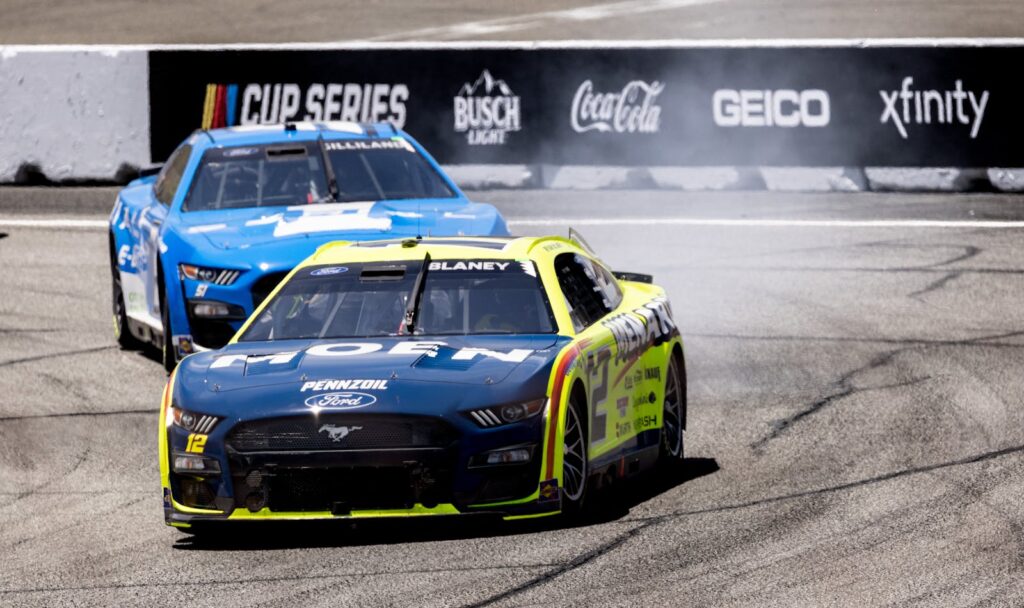
In the case of Steve Saleen, racing was not simply a promotional device but the supreme engineering challenge. Saleen-tuned Mustangs were also on display at the 24 Hours of Mosport. During the period of 1985-1988, Saleen Autosport won four races in a row and in 1988 there was a historic 1-2-3 finish by the Ford that had not been achieved by the company since the Shelby GT40 had won at Le Mans in 1966. These accomplishments established Saleen as a force to be reckoned with on the track.
Key Racing Achievements:
- Four straight Mosport wins
- Historic 1-2-3 finish 1988
- Data-driven engineering improvements
- SCCA Escort Endurance title 1987
- Street credibility is increased by track wins
The winning of tracks had a direct influence on the growth of street car. The data collected on racing was analyzed by engineers to maximize the settings of the suspension, brake, and engine response. The outcome was Mustangs that were highly impressive on the road and the circuit, and provided the enthusiast with an elegant and exciting driving experience. Performance was a respectable payoff to the philosophy of Saleen, which used racing as a yardstick.
The accolades that Saleen earned showed technical knowledge on top of the wins. The engineering decisions of every car were confirmed by such championships as the 1987 SCCA Escort Endurance championship. Racing against bigger manufacturers and winning proved that Saleen was not only an innovative engineering company, but also a serious participant in professional motorsports. These successes entrenched the brand as a superior brand.
4. The Saleen SSC: A Performance milestone
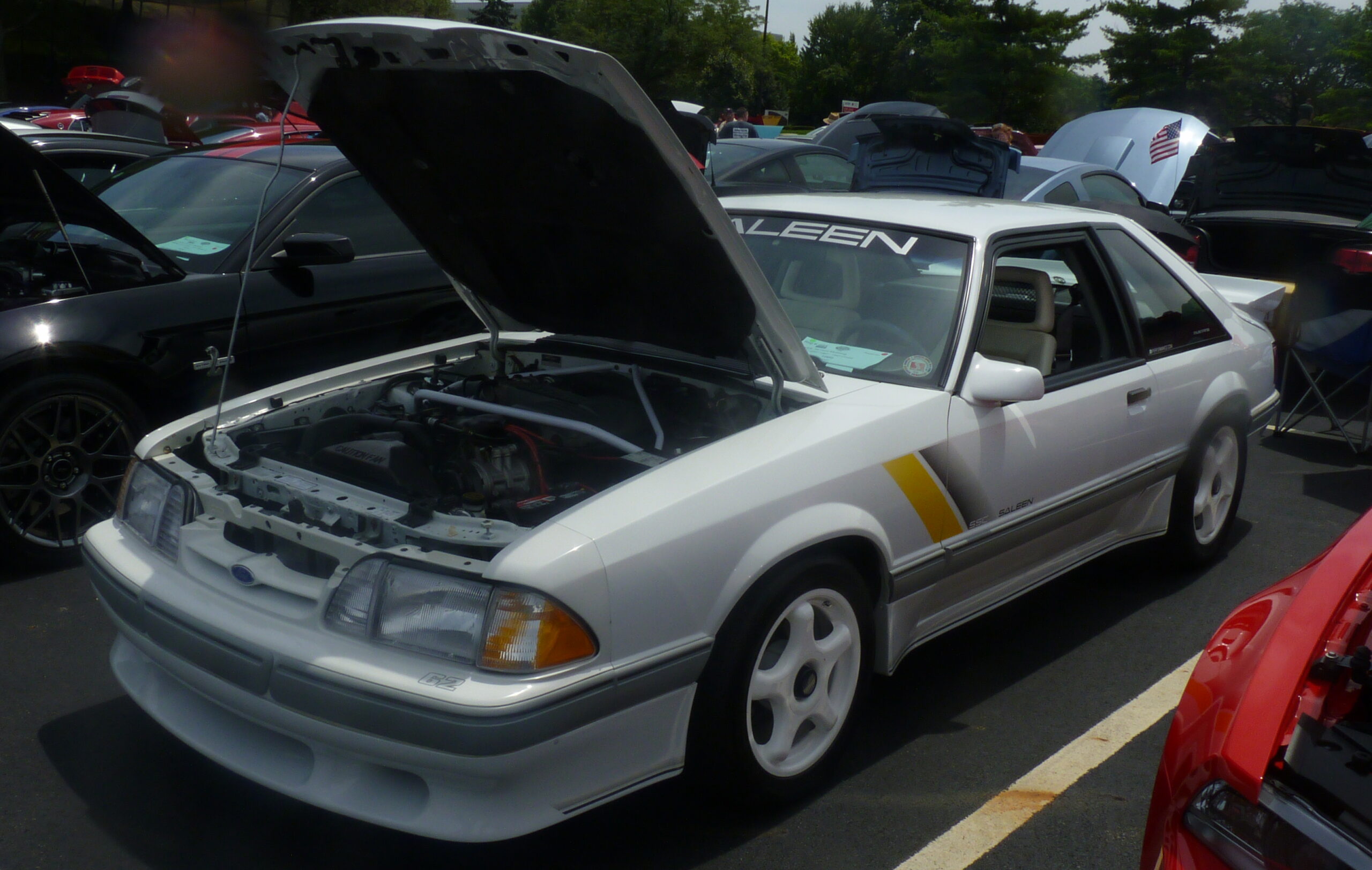
After five years of uninterrupted development, it was released in 1989 as the Saleen SSC, a special-edition not only celebrating the success of Saleen but also the 25th anniversary of the Mustang. Its output was just 161 units, but offered 292 horsepower and 325 lb-ft of torque with an emissions-compliant output. Significant improvements were made to a throttle body of 65mm, altered intake manifolds, ported heads with roller rockers, and an exhaust without restriction. It was suspended with Monroe Formula GP electronic shocks with Quadra Shock rear suspension which guaranteed unmatched precision in cornering.
The Best Things about the SSC:
- 292 horsepower and 325 torque
- Low volume, just 161 vehicles
- Premium intake and exhaust enhancements
- Monroe Formula GP suspension system
- Quadra Shock rear cornering accuracy
The SSC was an ideal representation of the Saleen philosophy of performance without compromise. All of the elements were thoroughly designed, based on the experience of years of racing. This model demonstrated that Saleen could make production cars that matched the handling and driving dynamics of European sports cars, establishing a new standard in the American production performance cars.
To this day, the SSC is praised due to its driver-oriented engineering and balance. In addition to the raw horsepower it also helped to highlight the role of chassis dynamics, suspension tuning, and overall vehicle harmony in bringing about a truly engaging driving experience. The SSC continues to be a milestone in the history of Saleen and a performance icon.
5. Excellence by Design: The SA-10
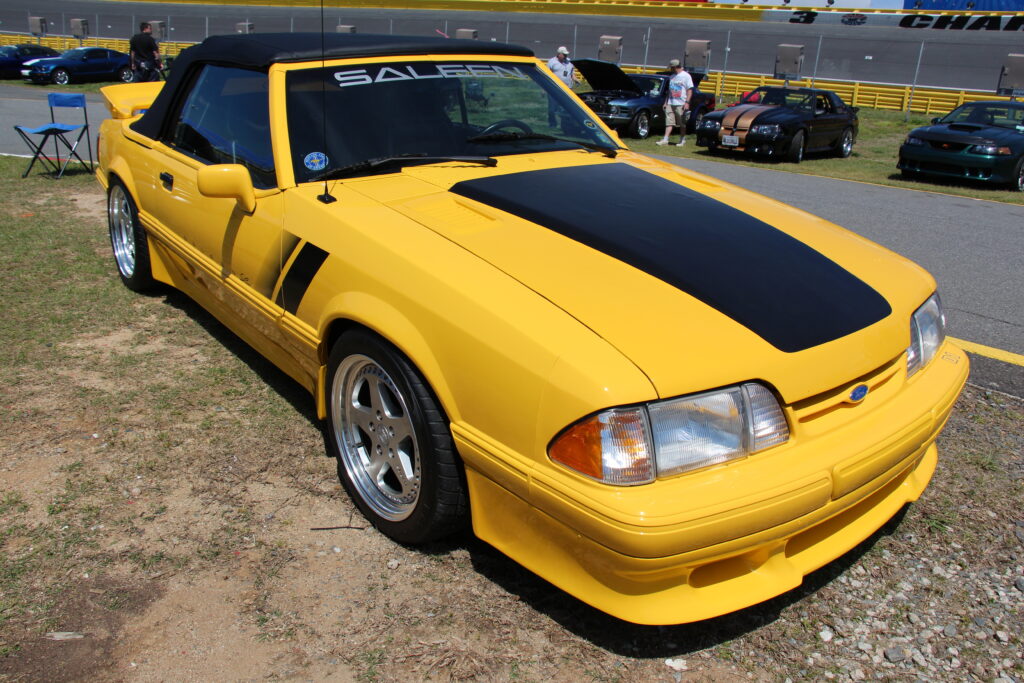
During the last years of the Fox-body, Saleen released the 1993 SA-10, a very small series of ten cars that were modeled with customization. Owners worked hand in hand with Steve Saleen who helped in the selection of performance upgrades, such as superchargers that had the capacity to increase the output to 450 horsepower. This customized strategy changed the brand, and it was proven that high performance could be combined with individual design without losing reliability or handling.
The main characteristics of the SA-10:
- Exclusive, ten cars only
- Custom performance options are available
- Superchargers boosting 450 horsepower
- Direct cooperation with Saleen
- Unique and extremely customized constructions
The SA-10 helped to solidify the notion that fans appreciated exclusivity and superior engineering. With personalized service and custom solutions, Saleen established a new benchmark in customer interaction, blending high-end craftsmanship with high-performance engineering.
The future of the brand was also influenced by this philosophy. Later Saleen Mustangs would still combine driver-oriented engineering with some personalization, with each car being unique in performance, appearance and experience, both on the road and the track.
6. SN95 Era: Drivetrain Innovation
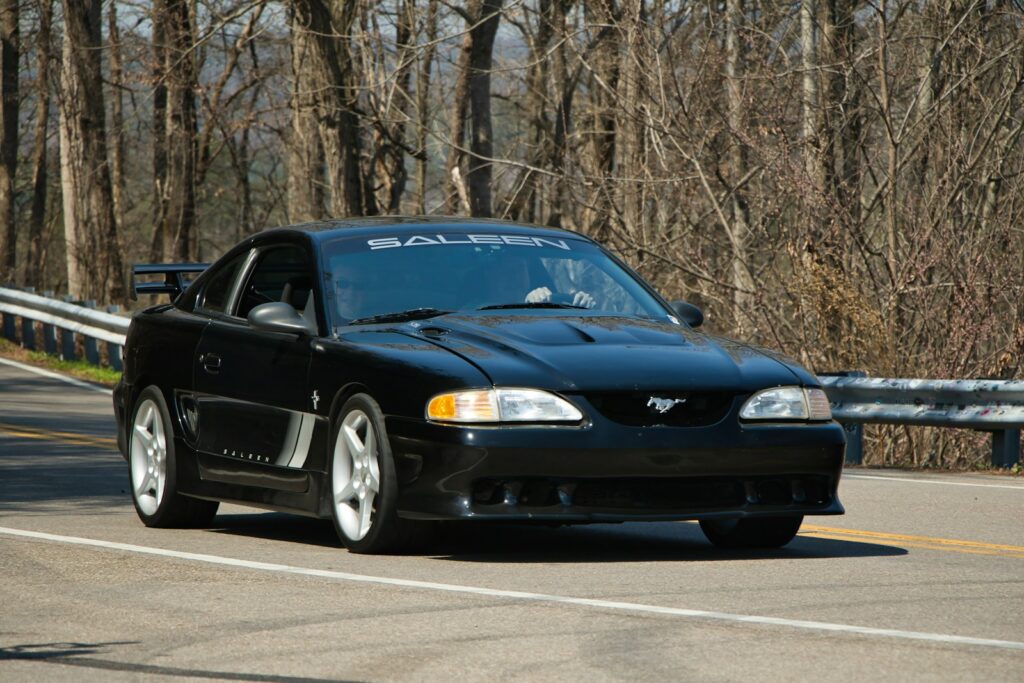
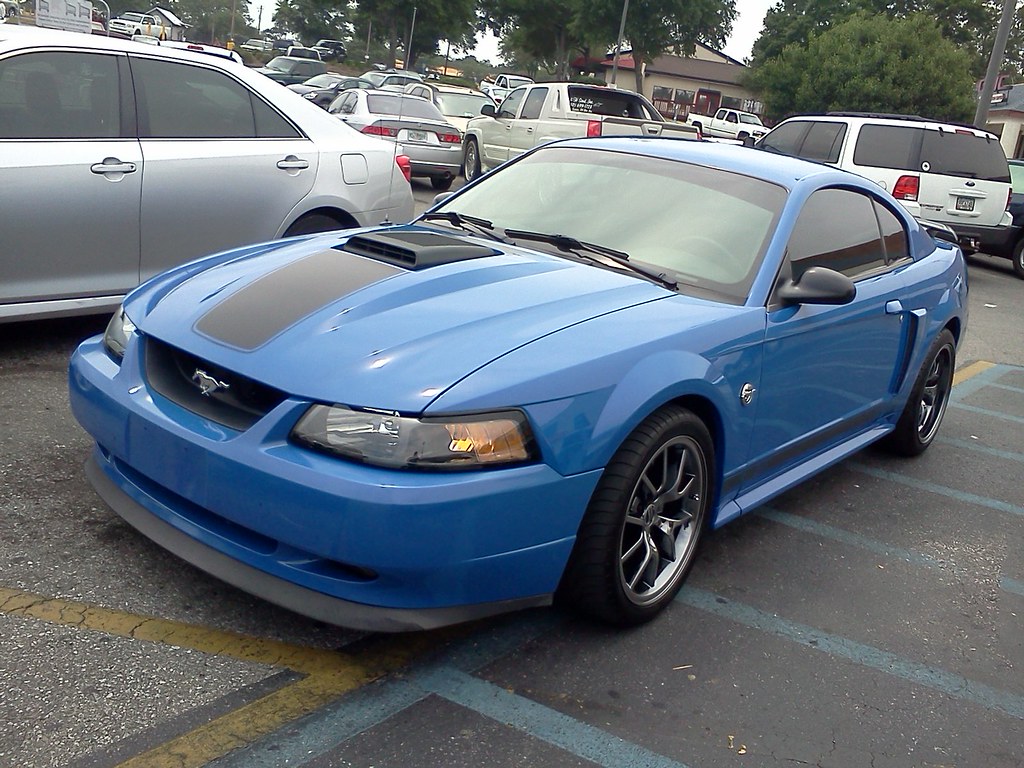
A significant evolution of Saleen was the 1994 SN95 Mustang. The company carried out a production-level swap of the driveshaft, the first time it had ever done so, fitting a 351 Windsor V-8 in a performance truck to make the S351. With 370 horsepower, this model demonstrated that Saleen was willing to take things a step further than conventional tuning. Shortly after, the Saleen SR, with its supercharged version, was introduced with a 480 horsepower, surpassing other vehicles with equal price tags and alleged performance.
Innovations of the SN95 Era:
- V-8 swap – 351 Windsor
- S351 producing 370 horsepower
- SR with supercharge has a 480 horsepower
- Daring design using non-stock parts
- Speed and performance in beating competitors
This era underscored how Saleen was committed to innovation. The lessons of the former platforms were combined with novel methods like the use of swaps with the drivetrains and modern supercharging by engineers. The resultant cars provided unmatched power with the handling accuracy that was synonymous with the brand.
With the SN95 models, Saleen cemented its reputation as a manufacturer of street-legal performance machines that could rival pricier sports cars. The driver had an ideal combination of performance, agility, and automotive perfection in a package available to amateurs.
7. S281 and Market Expansion
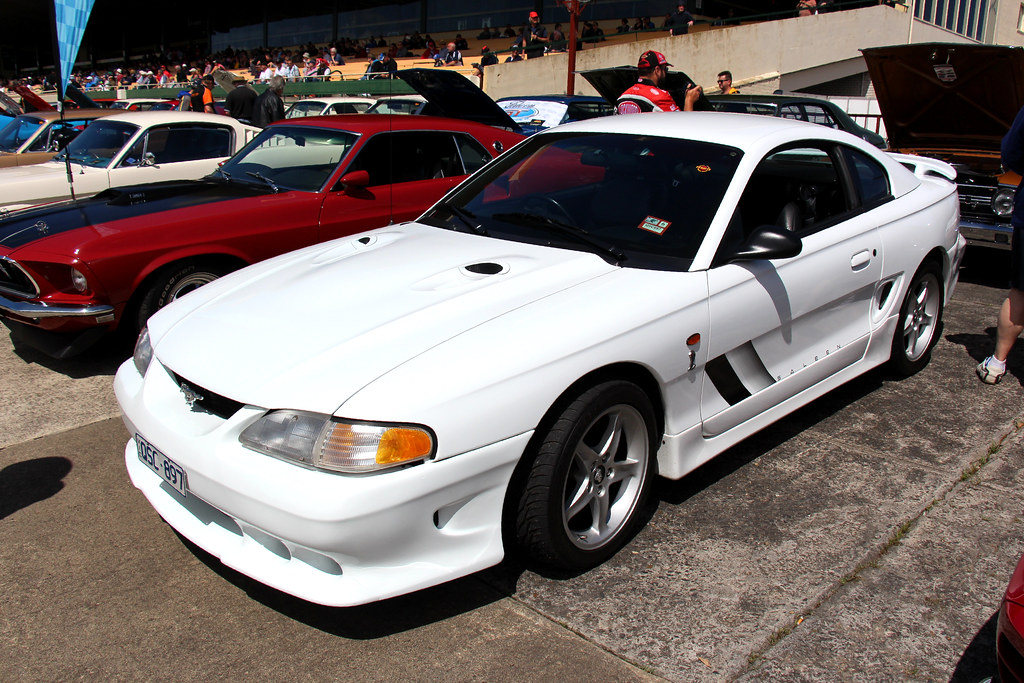
In 1996, Saleen introduced the S281 which used the 4.6 liter Ford Modular V-8. This model opened up the high performance Mustards but retained unique styling, suspension modifications, and a small increase in power. The marketing efforts and strategic alliances broadened the exposure of Saleen to a level where the brand was well known not only to the racing community but other people as well. The S281 was a breakthrough in the performance philosophy of Saleen that became accessible to more people.
S281 Highlights:
- 4.6 litter Modular V-8 engine
- Accessible high-performance Mustang
- Suspension and cosmetics
- Strategic alliances enhance publicity
- Wider market penetration realised
The S281 demonstrated that the performance and accessibility could exist together without being mutually exclusive. Although remaining competent on the road, it was more attractive to a wider audience of enthusiasts with Saleen-style handling, accuracy and engineering that put the driver first. The model was able to strike a balance between exclusivity and attractiveness in the market, which is the way Saleen will be over the next decade.
Anniversary editions such as the 1998 SA-15 which merged high performance with reminiscence of the changing design and engineering ethos of Saleen also formed part of the SN95 generation. These models strengthened the brand promise of innovation, and respecting its heritage.
8. New Edge Era: Finesse and Rapidity
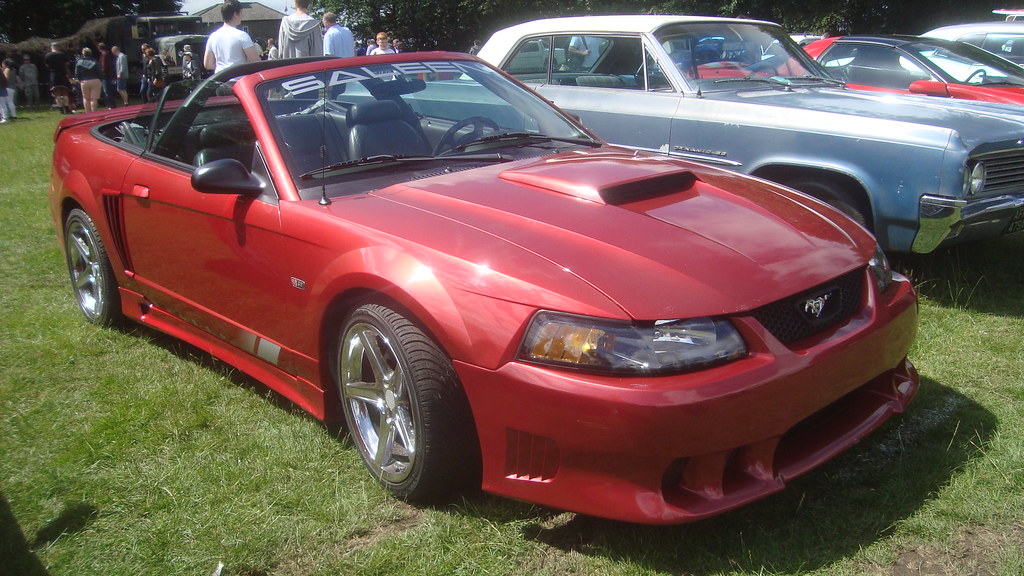
In 1999, the New Edge Mustang brought refinement and speed into the Saleen line. Street and race-oriented models, such as the supercharged S281C, had 350-horsepower and were more competent in handling and braking than their peers. The S351 was back with 495 horsepower, combining brute strength and accuracy in handling, bred over years of experience in the race circuit. This time was indicative of the commitment of Saleen to producing cars that would perform well in terms of performance and control.
The prominent characteristics of the New Edge Era:
- Supercharged S281C 350 horsepower
- With 495 horsepower, S351 comes back
- Track and street models
- Stasis and accuracy of control
- Racing lessons put into practice
The Saleen/Allen race team continued to refine, so that, track-tested knowledge was directly applied to street cars. Every car was in the right balance of exhilarating performance and predictable handling and offered a driving experience that was exciting and controlled.
This was the era that entrenched the reputation of Saleen as being innovative with real-life practicality. Not only were vehicles technically impressive, but enjoyable to drive as well, which showed the brand to be capable of combining racing pedigree with daily performance.
9. S281 Extreme and S197 Era
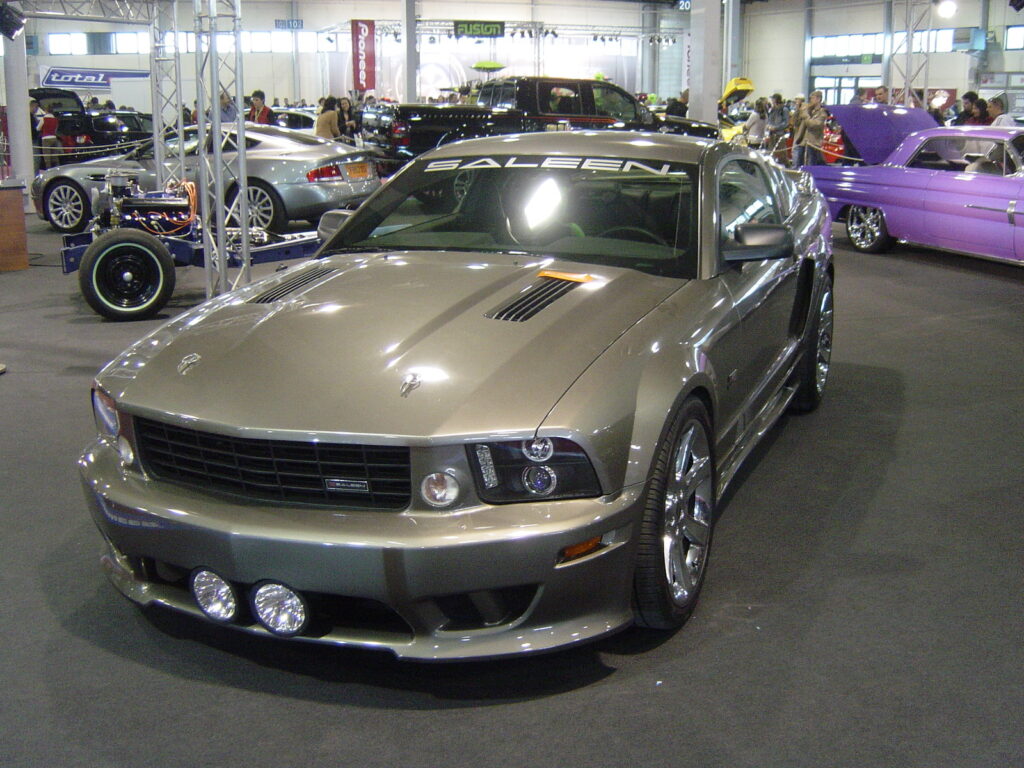
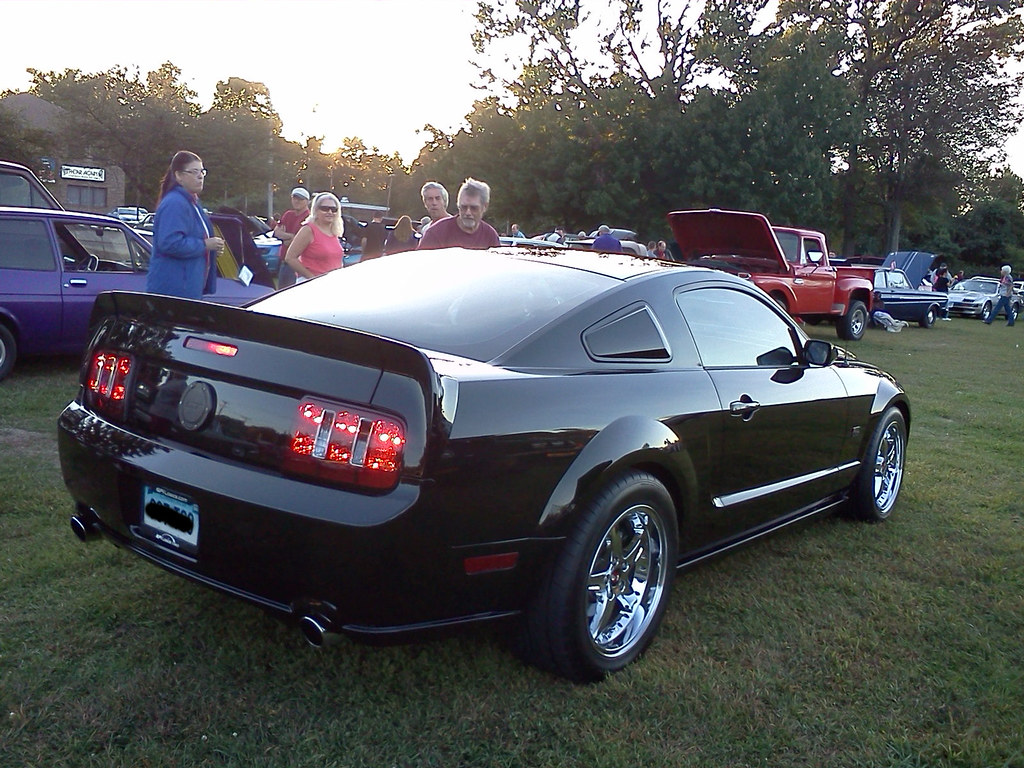
In the year 2000 Saleen came out with the S281 Extreme, which had a twin-screw supercharger on a Saleen-assembled 4.6-liter V-8 engine that produced 425 horsepower. When the 2005 S197 Mustang platform came out Saleen released the S281-3V, S281SC and S281E which produced 325, 400 and 500 horsepower respectively. The S197 Era also had some luxury features like the Scenic Glass Roof, which brought together performance and comfort.
Key Features of the S197 Era:
- Twin-screw supercharged 425 horsepower
- S281-3V, SC E with horsepower levels
- Scenic Glass Roof luxury feature
- Handling and performance that were tested on the track
- Ability to adapt to the Mustang platform
The S197 models showed that Saleen could innovate and stay true to what they do best. They kept the things like track-tested engineering, precise handling and strong performance even when the platform changed. Each S197 car had improvements from years of making cars. They used lessons from both the street and the track.
The S197 Era Saleen cars became some of the popular American performance cars of the 21st century. They had a mix of power, refinement and precision which is what Saleen is all, about. These Mustangs were exciting to drive, reliable and focused on the driver, which’s what Saleen wants for the S281 Extreme and the S197 Era.
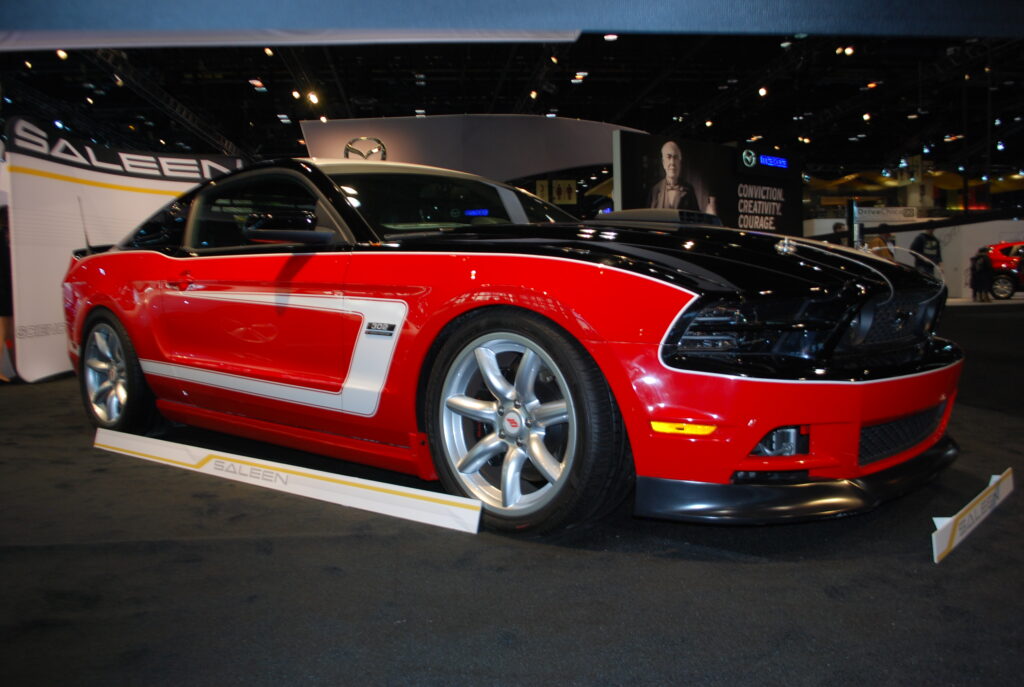
10. The Legacy of the Saleen Mustang
The Saleen Mustang started with a sketch in a kitchen and now we have the modern S281E. The Saleen Mustang has always combined racing experience with engineering that is ready for the street. Each new model is better than the one because it uses new ideas and pays close attention to how the car handles and performs. The Saleen Mustang is an example of what happens when people are passionate about cars and work hard to design them.
Core Principles of the Saleen Legacy:
- Racing experience informs street design
- Innovation drives each new model
- Driver-focused handling and precision
- Engineering excellence in every component
- Commitment to performance and quality
Steve Saleen believes that cars that are good on the track can also be good on the street. He makes cars that’re powerful and handle very well. The Saleen Mustang is an American car that sets the standard for how cars should be made.
Every part of the Saleen Mustang from the way it turns to the way it responds to the gas pedal shows that it was made by people who love racing. The Saleen Mustang reminds car fans that the best cars are made by people who have experience are willing to try things and always want to make the best car possible. This is the idea, behind the Saleen Mustang. It will continue to inspire the people who make Saleen cars.