





UK’s EV Mileage Tax Plan Stirs Fears of Industry Setback
The shift towards electric cars in the UK has been preparing to be a major transport revolution. Government policies, incentives and corporate investments have long been aligned to prompt a shift from the combustion engine to electric vehicles. The concept has been straightforward cut pollution, clean the air and move towards a greener future without stunting economic development.
But now this is in danger. The latest development, a proposed pay-per-mile tax on electric cars, has created a stir in the car industry. Automotive executives, manufacturers, and even consumers are starting to wonder if it might stymie the tenuous progress made over the past ten years.
The debate hinges on a delicate balance. It must ensure there is a revenue source as fuel taxes start to shrink, while also continuing to nurture the shift to greener transport. The balance between revenue needs and green goals is becoming more apparent, and the choices being made today may determine the future of British motoring.

1. A Policy That Changes the Direction
The new mileage tax is a significant change for electric vehicles in the UK. EVs have long enjoyed lower costs, promoting uptake, but now they will face a charge based on mileage. The proposal was first floated in the Autumn Budget, and reflects an evolving approach to future transport funding. Although the goal is to build a sustainable transport network, the timing is controversial.
Taxes based on usage:
- Shifts from rebates to recovery.
- Aims to recover costs of electric vehicle use.
- Policy set in Autumn Budget.
- Reflects changing fiscal priorities.
- Raises concerns about adoption slowdown.
This shift introduces a new way of thinking about vehicle ownership. Instead of focusing purely on savings, drivers may begin to weigh usage more carefully. It also signals that long-term sustainability may replace early-stage incentives. The policy direction suggests a gradual transition toward a more balanced system.
This proposal alters the view of owning an EV. The attractiveness of changing is now based not only on cost savings, but also on other factors. This changes the incentive for many. But it also raises a question how do governments respond to new technologies? The change reveals that the initial incentives could be replaced by sustainable practices.

2. The Budget Shortfall behind the Proposal
Financial pressures are quietly shaping many policy decisions in the background. As traditional tax systems weaken, governments are pushed to rethink how revenue is generated. The shift to electric vehicles exposes gaps that were not urgent before. Addressing these gaps has now become unavoidable. This proposal is driven by the revenue shortfall from existing taxes. Traditionally, fuel duty and vehicle excise duty have been a major source of revenue for the government. These revenues start declining as electric vehicles take over from combustion engines.
Drop in Fuel Taxes:
- Decline in fuel duty income.
- Lower vehicle excise duty.
- Increasing EV uptake reducing tax base.
- Potential multi-billion revenue shortfall.
- Pressure to find new funding.
These changes highlight how dependent existing systems were on fuel consumption. As that dependency fades, new models must take its place. The urgency of the issue continues to grow with EV adoption. Finding a stable alternative has become a key priority. The UK could potentially lose tens of billions in revenue. This places a demand on finding new funding options for infrastructure and services. Infrastructure needs to be maintained, regardless of the type of fuel used. The mileage tax can solve this problem. This system charges for road use and will continue to work in a world without fuel.
3. Explaining the Mileage Tax
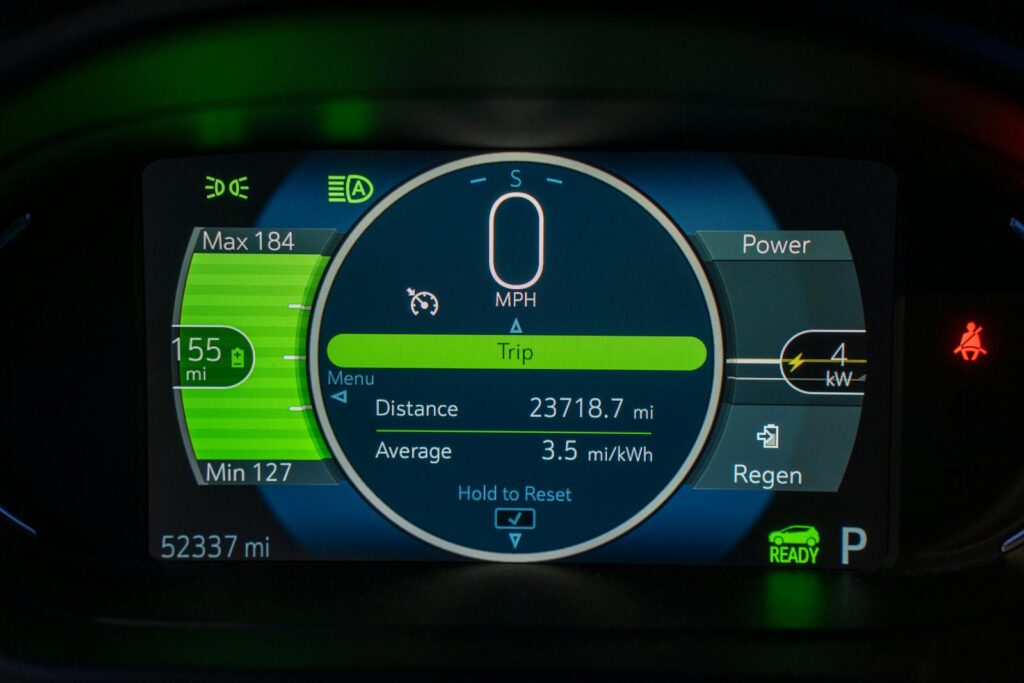
Understanding how the system works is key to evaluating its impact. The idea behind the tax is simple, but its execution will define its success. It shifts the focus from what powers a vehicle to how much it is used. This makes road usage the central factor in taxation. The plan calls for electric vehicle owners to pay a small fee for each mile they drive, with a reduced fee for plug-in hybrids. This approach is based on the notion that road use should be taxed, not fuel use. The approach is likely to develop over time, with rates rising.
Design of Mileage-Based Charge System:
- Estimated charge per mile introduced.
- Lower rate for hybrid vehicles.
- Charges increase with inflation.
- Added alongside existing taxes.
- Based on annual mileage reporting.
The structure appears simple on paper, but real-world application may vary. Ensuring accuracy in reporting will be essential for fairness. The system also depends on trust and effective monitoring. Over time, adjustments may be required to improve efficiency. The tax wouldn’t replace existing vehicle taxes but would be an additional cost. Mileage would be declared and audited by inspections, making the system relatively straightforward. But there are concerns about compliance. The idea is simple, but the devil will be in the details.

4. Effect on Driver’s Budget
For drivers, the financial impact is often the deciding factor when choosing a vehicle. Even small increases in cost can influence long-term decisions. Electric vehicles have been promoted as cost-efficient, which makes any added expense more noticeable. This shift changes how affordability is perceived. The Direct Impact on Drivers The most obvious impact to drivers is the financial one. For the average EV driver, their annual costs could increase considerably based on driving habits. This strikes at the heart of one of the key benefits of owning an electric vehicle cost of ownership.
Impact on Annual Driving Expenses:
- Increased yearly cost for drivers.
- Depends on total miles driven.
- Reduces perceived EV savings.
- Changes expectations of cost.
- Impacts purchase intentions.
This added cost introduces a new layer to financial planning for drivers. It may influence how often people drive or how they view long-term ownership. The perception of value becomes just as important as the actual numbers. These subtle shifts can shape buying behavior. The introduction of the usage fee alters perceptions of value even if EVs are still cheaper. The way new costs are perceived can be key. This could affect buyers. It adds a new element to what was once a simpler process.

5. Industry Opposition and Concerns
The automotive industry relies heavily on stability and clear direction. Sudden changes in policy can disrupt planning and investment strategies. At a time when manufacturers are already navigating a major transition, added uncertainty becomes a serious concern. This explains the strong response from industry leaders. The industry has voiced concerns about the proposal. The industry believes the extra costs may deter EV purchases at a critical time. They are already battling to meet aggressive electrification targets.
Automotive Industry Reaction and Fears:
- Fear of reduced EV demand.
- Conflicts with adoption targets.
- Increased pressure on manufacturers.
- Risk of slowing market growth.
- Calls for policy reconsideration.
These concerns reflect the fragile state of the transition. Manufacturers depend on consistent demand to justify investments. Any hesitation from buyers can ripple across the industry. Stability in policy is often seen as essential for long-term planning. Manufacturers have worked to make EVs appealing with price and incentives. A mileage tax may undermine these efforts. It is a source of confusion when certainty is key. Business leaders are concerned about conflicting signals. Promoting electric vehicle sales while increasing the cost sends mixed messages.

6. Market and Sales Targets
Growth in the EV market depends on consistent consumer demand. Manufacturers are working toward ambitious targets that require steady increases in adoption. Meeting these goals involves not just technology, but also pricing and public perception. Any disruption can affect this delicate balance. EVs are gaining traction in the UK, but need to continue to increase to reach targets. The pressure is growing for manufacturers to increase electric vehicle sales. This will require substantial investment.
Hitting EV Sales Targets:
- Increasing but still partial market conversion.
- Increasing sales targets for EVs.
- Heavy investment in new technology.
- Dependence on consumer adoption rates.
- Sensitivity to policy changes.
Meeting these targets depends on a stable environment. Even small policy changes can influence consumer confidence. The relationship between pricing and demand remains delicate. Any uncertainty can slow progress. Higher consumer acceptance has been achieved through pricing and alliances. This is to ensure growth and consumer appeal. The new tax adds to this uncertainty. Even minor changes in consumer behaviour can have significant impacts on target achievement.

7. Trade-Offs for Governments and the Economy
Balancing economic stability with environmental progress is a complex task. Governments must secure revenue while also encouraging cleaner technologies. These goals do not always align perfectly. The result is a series of difficult decisions with long-term consequences. In terms of policy, there are strong trade-offs between economic and environmental concerns. The government needs to continue delivering revenue while promoting sustainable transport. This can be a tricky balance.
Stability and Environmental Priorities:
- Need for stable government income.
- Shift upending legacy taxes.
- Environmental goals require incentives.
- Trade-offs between policy objectives.
- Long-term uncertainties.
A mileage tax is a potential answer but it is not without trade-offs. Promoting electric vehicle (EV) uptake and added costs conflict. Governments face short-term fiscal pressures and long-term sustainability goals. This uncertainty is reflected in forecasts. Some foresee lower EV sales, while others foresee a sustained increase regardless of the changes.

8. Public Response and Consumer Attitudes
Consumer trust plays a major role in large purchasing decisions. Changes in policy can influence how people feel about long-term investments like vehicles. Reactions are often shaped by both financial impact and perceived fairness. This makes public sentiment an important factor. There are mixed reactions to the proposal. Some consumers believe the move is punishing early adopters of electric vehicles. Others look at the bigger picture and are in favour of the shift.
Public Support for EV Taxation:
- Concerns from early EV adopters.
- View of changing government attitudes.
- Some accept practical cost adjustments.
- Emphasis on long-term savings.
- Uncertainty affecting buying decisions.
Uncertainty is an important component of sentiment. People do not want unexpected expenses when buying big-ticket items such as cars. Anything that complicates the process can delay the decision-making. This shows why policy certainty is important. Trust is important in promoting long-term use.

9. Equity and Feasibility
Fairness is a key concern in any tax system. Policies that affect people differently based on location or lifestyle can create resistance. Practical implementation also plays a role in how successful a system becomes. These factors make design and execution equally important. The proposed system has equity and practical concerns. The impact might be greater for rural drivers because of longer trips. This raises concerns about regional inequities.
Equity and Implementation Challenges:
- Higher burden on rural drivers.
- Few travel options without a car.
- Potential for mileage fraud.
- Potential compliance difficulties.
- Risk of overseas double taxation.
These concerns highlight the importance of thoughtful design. A system must be fair while remaining simple to use. Balancing these elements can be difficult. Long-term acceptance depends on how these challenges are handled. There are technical issues. A self-reported system depends on integrity and verification, which can be challenging. Fairness without complexity will be an issue. This emphasises the need for good design. What seems easy might turn out to be complex.
10. A Change for the Future
This proposal is part of a larger shift in how transportation may be funded. It reflects changing priorities as technology evolves. The focus is moving toward systems that remain effective regardless of fuel type. This could shape policies well beyond electric vehicles. The mileage-based tax signals a step change in road user charging. It represents a shift towards fuel-neutral systems. It could potentially impact all vehicles, not just electric vehicles.
Future of Road Usage Taxation Systems:
- Move to universal road pricing.
- Could be expanded beyond EVs.
- Reflects changing automotive landscape.
- Emphasises funding sustainability.
- Signals broader policy transformation.
This is not just a new policy. It’s the complexity of dealing with a technology, economic and environmental transition. Every choice has an impact on the future of transport. The policy’s development will impact the adoption of electric vehicles. It will help decide whether the UK can keep up with the transition to a greener and more sustainable transport system.