


How a 400-HP V8 Sleeper Became Cheaper Than a Civic
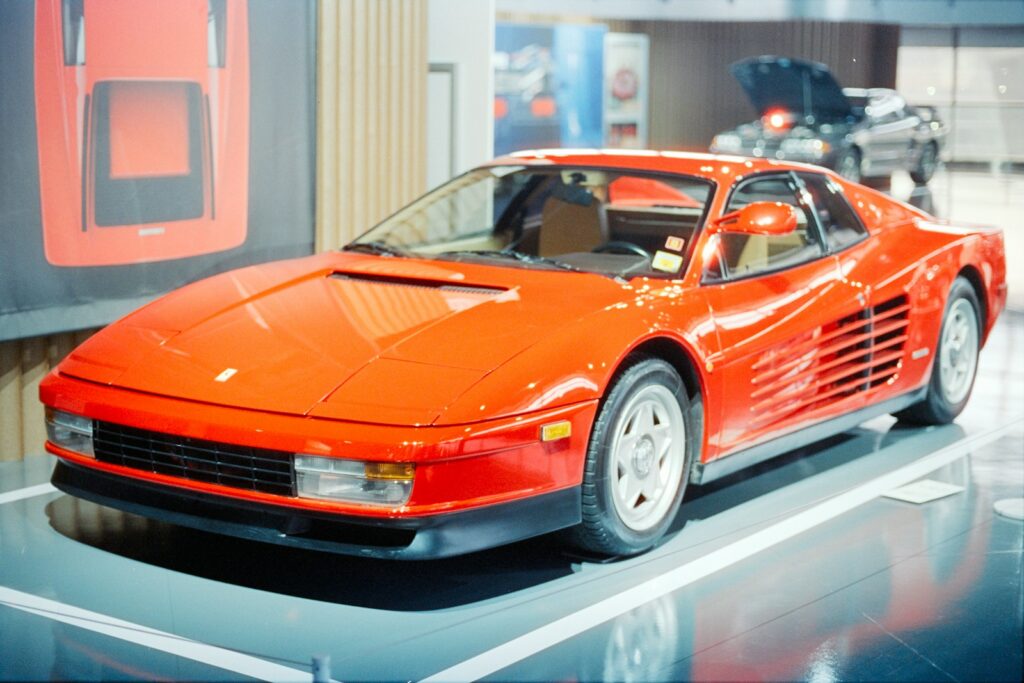
Most people had those flashy car pictures stuck to their walls when they were young, dreaming about owning something wild like a Ferrari Testarossa or a Porsche Carrera GT one day. The noise of that fantasy filled bedrooms fast engines, big plans, hearts racing just thinking about it. Life changes things, though. Grown-up duties pile up, money gets tighter, and suddenly you care less about how quickly a car can go and more about whether it fits your everyday routine. Just because the dream shifts shape does not kill the love for driving it only steers it somewhere else.
Most times, what matters turns out stranger than any shiny new sports car ever promised. A quiet thought creeps in: the sleeper build, fast but invisible. Flashy paint jobs do not matter here, nor loud emblems shouting for notice. Hidden under bland looks lives strong engines, able to outrun most things nearby. They slip through traffic like any other vehicle until moments later proving otherwise. This thrill shows up without announcement, felt deeply yet shared only if chosen.
Here’s what catches attention markets shift in ways few expect. Vehicles once sold at high prices rarely keep them long. As tastes evolve, so does worth, making yesterday’s unreachable models possible today. Spotting this change matters, since it shows why a roomy V8-powered sedan might now cost under a modest small car. Driving every drop in value? Nothing else but depreciation.

1. True Cost of Ownership Explained
Most folks picture gas, repairs, or coverage when tallying up car costs yet the steepest hit sneaks by unnoticed. That unseen drain? Value melting away right after purchase. What you hand over at the lot rarely matches what the machine fetches down the road. Step off the dealer’s ramp and the price already sinks. Mileage doesn’t stop that first plunge into used-car territory. Seconds matter more than miles early on. Little by little, this quiet fade colors every part of keeping a car.
Depreciation as Hidden Ownership Cost:
- Value drops immediately after purchase.
- Most people spend more on housing than anything else over time.
- Happens regardless of vehicle usage.
- Silent but continuous value decline.
- Impacts resale and trade-in value.
Time moves on, yet the gap between what you paid and what it’s worth now grows. Not something most notice day to day, though not until keys change hands. That sense of smart spending? It fades just like mileage adds up. Slow drops add up, even if they seem invisible at first. Most people overlook how things lose value over time, yet knowing this changes everything. Suddenly, price tags matter less than what happens down the road. The real story isn’t at purchase it unfolds years later.
2. The Sharp Drop in the Early Years
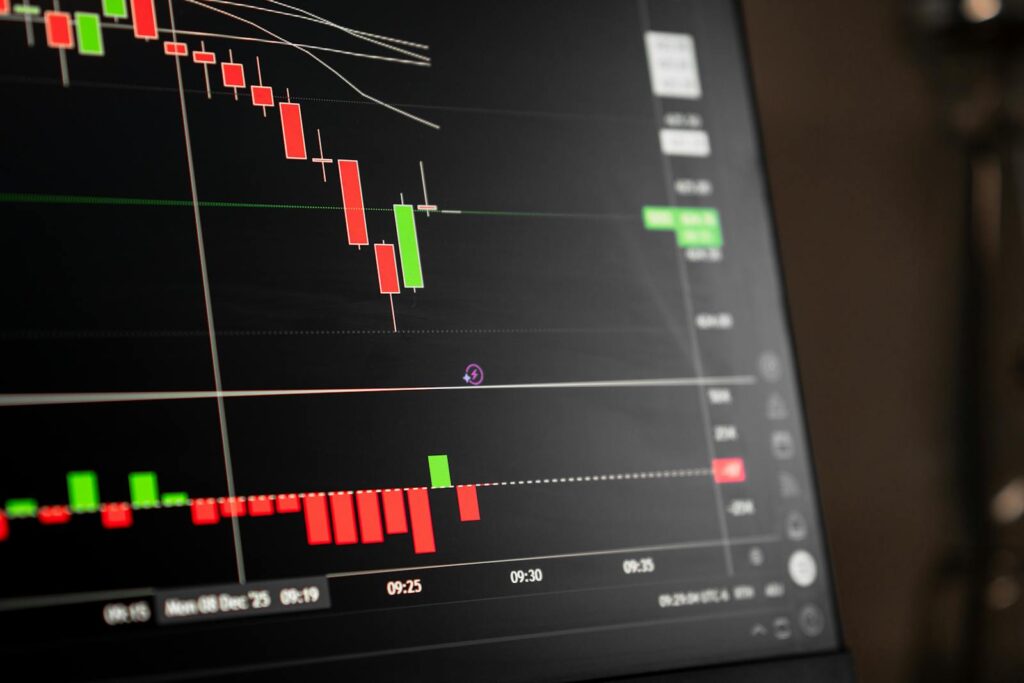
The beginning of a car’s life is where value changes happen the fastest. What feels like a stable purchase at first quickly shifts as market perception adjusts. That early phase sets the tone for everything that follows, making it one of the most important stages in a vehicle’s lifespan. This period often goes unnoticed until compared against resale figures. The difference between what was paid and what remains becomes clearer with time. For buyers entering later, that gap becomes the reason better deals start to appear.
Early Depreciation Curve Explained:
- Most of the drop happens right away in the first twelve months.
- Rapid decline during early ownership.
- Year three opens a wide difference in worth.
- The person who buys it first spends the most.
- Once it drops at first, depreciation eases up afterward.
Five years on, the drop in value gets harder to ignore. Cars once sold for top dollar start showing up at bargain levels. Here, the loss in worth shifts sides favoring those buying over those holding. Right now, stepping into the used car scene could work out well. Much of the price drop already happened, so getting more for your money is within reach.
3. Some Cars Keep Value More Than Others
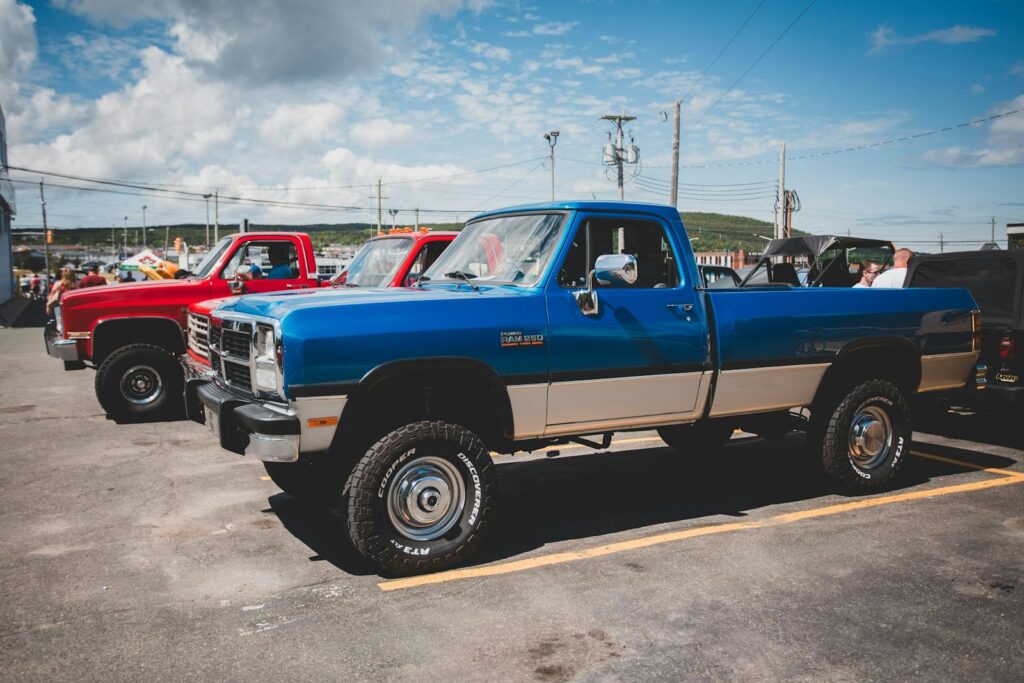
Most cars lose value differently. What keeps some worth more is how many people want them and how useful they are. Trucks? They tend to stay valuable. So do SUVs. These ride types work for lots of needs. A broad range of buyers finds them appealing. Because they can handle various tasks, secondhand shoppers keep coming back.
Factors Behind Strong Value Retention:
- High demand across multiple uses.
- Versatile design for various needs.
- Strong resale market interest.
- Practicality supports long-term value.
- Slower depreciation compared to others.
Even though they’re still handy in plenty of cases, their worth slips slower than most. Buyers who plan to keep a car for years find that steadiness appealing. Still, big discounts show up less often because of it. Because of this, big price drops happen only now and then. The way these items keep their worth means deep sales are uncommon. What stays valuable doesn’t often go on sale. Fewer markdowns appear when demand holds steady. Prices hold firm more than they tumble. A solid resale market slows down discounting. When something keeps its price over time, sellers skip heavy reductions. Steep cuts aren’t typical under such conditions. Retaining value shapes how low prices can go. Rarely do they slash costs much at all.
4. Where Depreciation Hurts Most
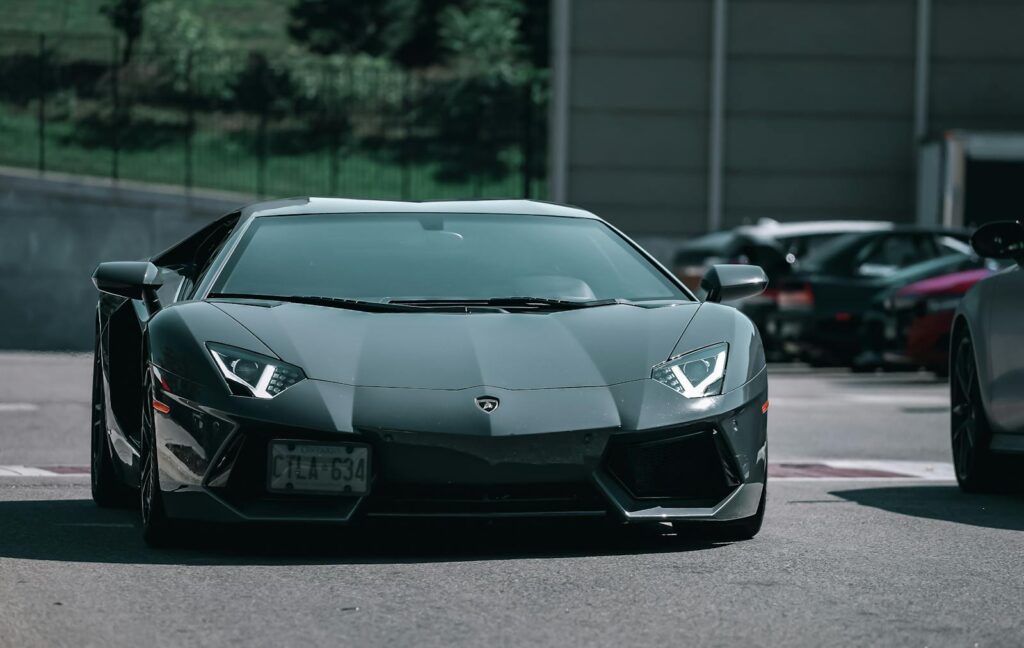
Most expensive cars drop in price faster than almost any others. Because they start so high, plus include advanced tech, buyers pay much less after a few years. Their steep fall makes them stand out across the auto industry. What once seemed unaffordable grows surprisingly reachable.
Luxury Cars and Rapid Depreciation:
- High initial purchase price.
- Expensive maintenance concerns arise.
- Lower demand in used market.
- Most high-end functions seem less worthwhile now.
- Faster depreciation than other segments.
Some people think twice about buying high-end gear because upkeep gets pricey. When fewer folks show interest, what you can sell it for goes down too. What once seemed like a fair price ends up looking nothing like its worth later on. Now prices have dropped, smart shoppers can grab high-end models cheaper than ever before. Some top-tier machines sell for less than half their starting price.
5. The Hidden Opportunity in Luxury Cars
Price goes down over time, yet the skill in making the car stays just as strong. Even when numbers fall, what matters how it drives, feels, runs does not fade. A smart moment opens up: good things become reachable without spending more.
Value Opportunity Through Depreciation:
- Performance remains despite price drop.
- Fancy tools cost less now.
- Engineering quality stays intact.
- Better value in used market.
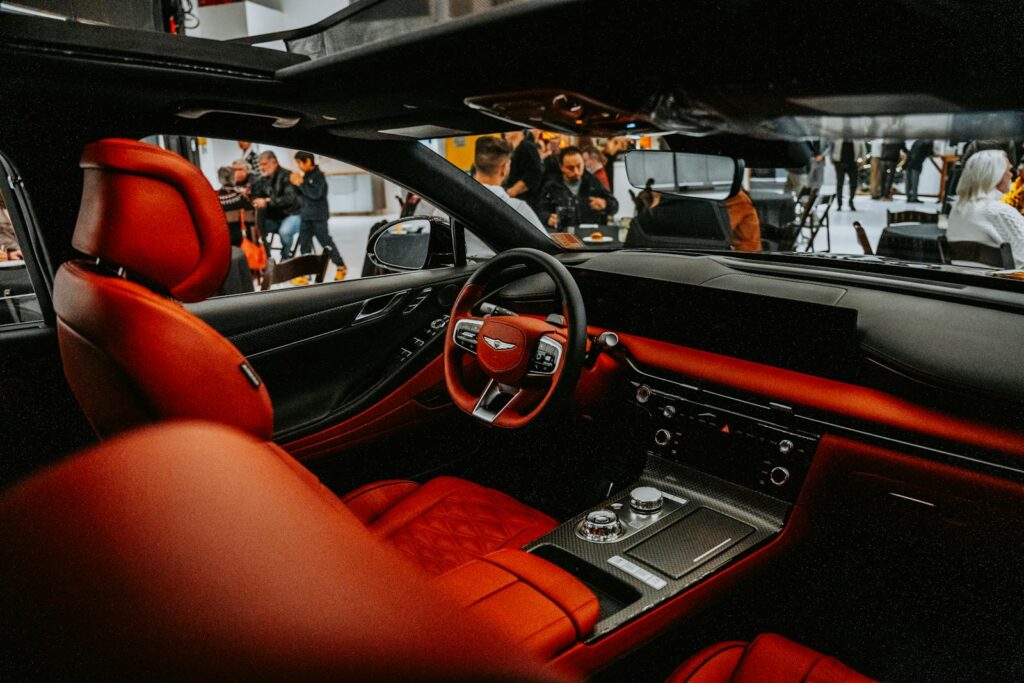
A doorway opens to quiet elegance. Inside, details speak without shouting. Comfort meets craftsmanship in stillness. Moments stretch into something richer here Out there, some folks checking out older models are finding surprises. These cars used to lead the pack when new. Now they’re within reach, without losing what made them fun to drive. Here’s something worth noticing what something costs doesn’t define its true worth. Getting it at the right moment can make all the difference in return.
6. Selecting an Appropriate Area to Investigate
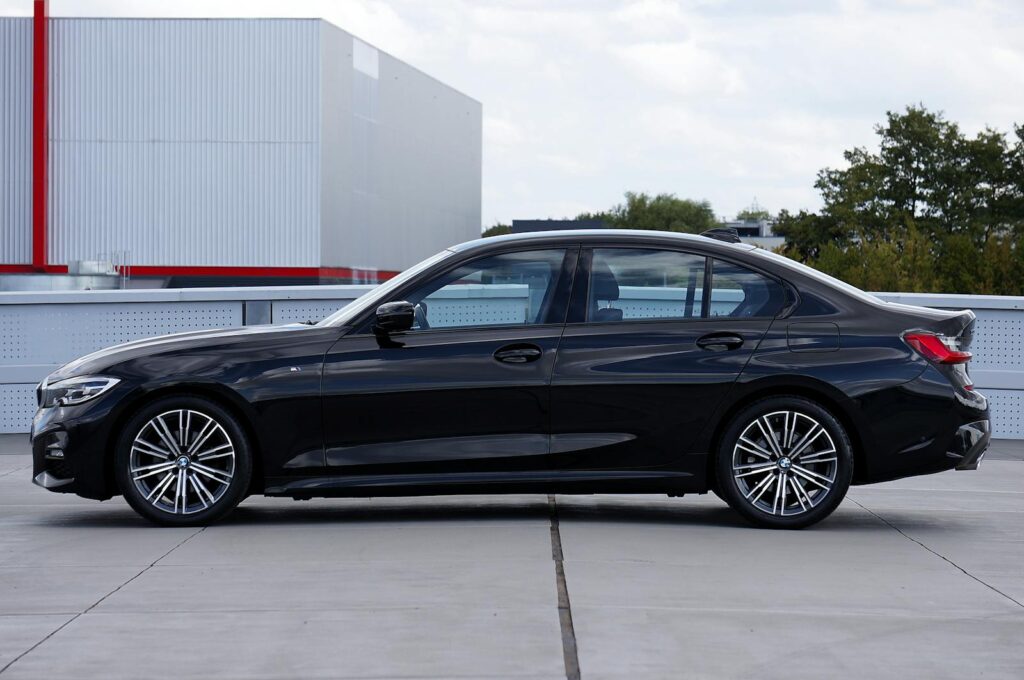
Most of the drop in value already happened with luxury sedans a few years past new. That sweet spot tends to show up after two or three model cycles. Performance still feels sharp, interiors hold their look, yet the cost is far below original. Comfort stays high without needing the latest badge. A quieter ride often comes with older models too. Smart picks usually wait until the first owners absorb the biggest hit.
Targeting High-Value Used Segments:
- Focus on depreciated luxury sedans.
- Ideal age range for best deals.
- Balance of cost and performance.
- Strong features at lower price.
- Hidden value in overlooked models.
Out of step what the car does versus its price tag. Therein lies why some call them sleepers. Quiet on the outside, fierce when pushed. Surprises wait inside these cars for those willing to dig deeper. Priced modestly, yet giving outsize value without fanfare.
7. Maintenance History Matters
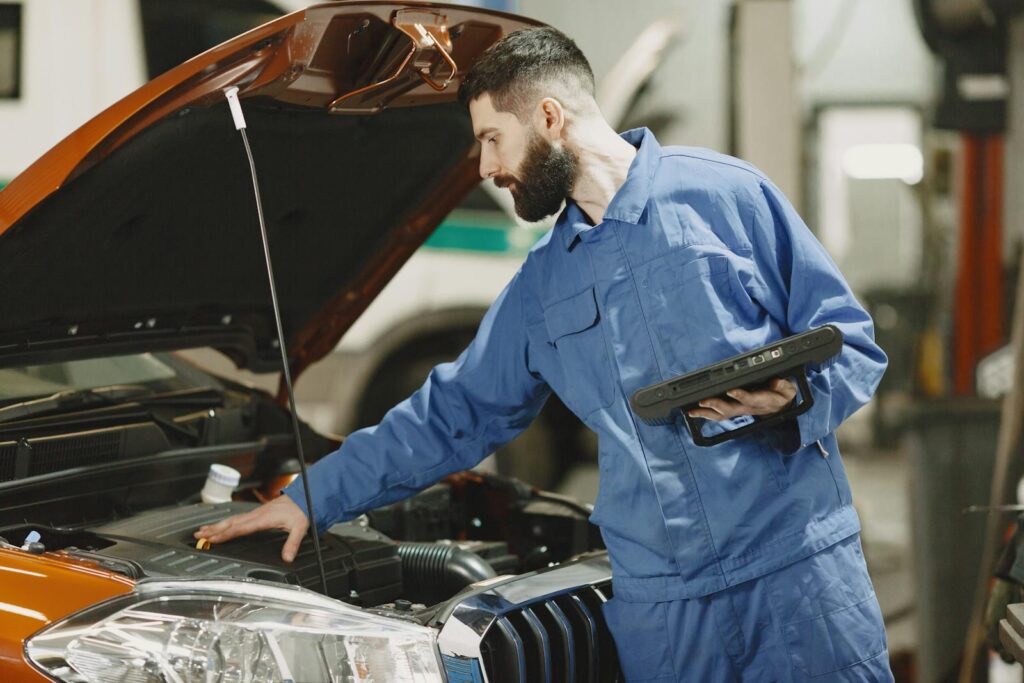
A vehicle’s condition is often a reflection of how consistently it has been cared for over time. Service history gives insight that goes beyond what’s visible on the surface. It helps connect the past use of the car with what a future owner can realistically expect. Maintenance history also reduces uncertainty during the buying process. Instead of relying on assumptions, buyers can look at documented evidence of how the car has been treated. That clarity makes decision-making more grounded and less risky, especially with complex vehicles.
Maintenance Records and Reliability Check:
- Service records that stay regular suggest attention was paid.
- Repair records provide transparency.
- Clean history builds buyer confidence.
- Helps avoid hidden mechanical issues.
- Key factor in purchase decisions.
History matters when it comes to who owned something before. Knowing what happened earlier cuts down guesswork later. Clear records help people decide without second-guessing themselves. Information like that shapes better outcomes than silence ever could. Pausing here makes a difference when it comes to spotting errors before they add up. What looks solid often stands out only after closer inspection.
8. Making Sense of Features and Options
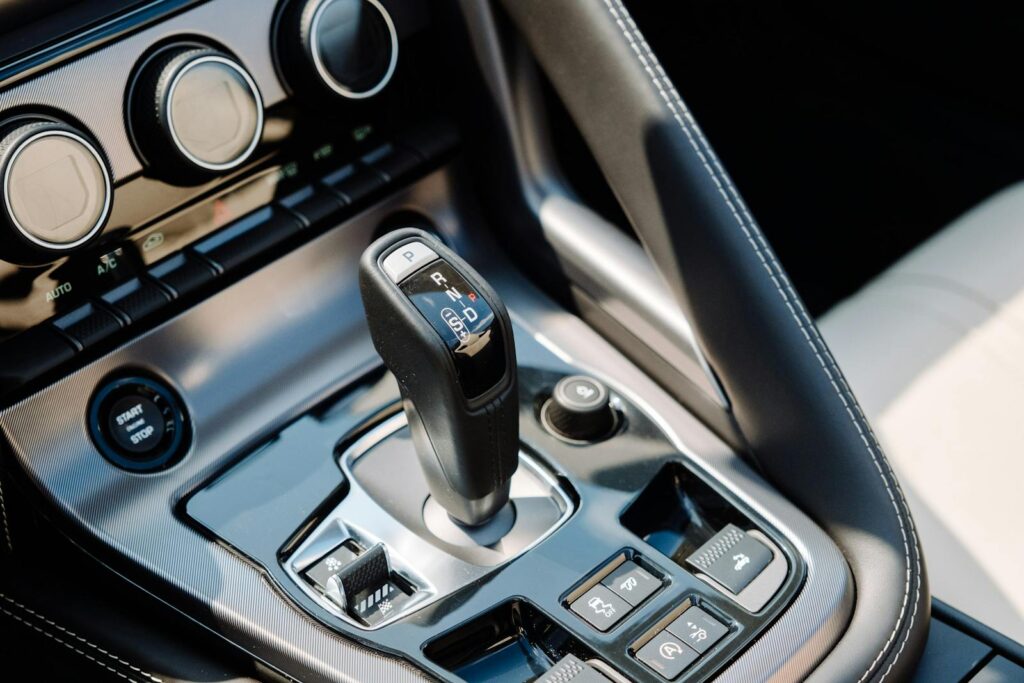
Features once seen as extras now show up standard on high-end cars. Over time, they lose their impact on price, yet they continue to improve the overall driving experience. For buyers stepping into the used market, this creates a quiet advantage where more value comes built in without increasing cost. It shifts the focus from what you pay to what you actually get behind the wheel. Features once seen as extras now show up standard on high-end cars. As years pass, they stop affecting price yet keep making drives better. Used car shoppers gain when luxury items become common.
Everyday Features That Matter:
- Premium features included at lower cost.
- Advanced technology becomes accessible.
- Comfort and convenience improvements.
- Last time, prices stayed flat for add-ons.
Bargain just got deeper. Worth more now than before. Package improves without costing extra. A smarter deal hides inside for those who want quality, skipping the big price tag doesn’t mean missing out. A smooth ride comes together with strong power under the hood, thanks to smarter choices. Owning it feels fuller, somehow less about cost, more about what matters day to day. A solid deal takes shape when costs drop but offerings grow. Features multiply while spending shrinks.
9. Evaluating Condition Beyond the Surface
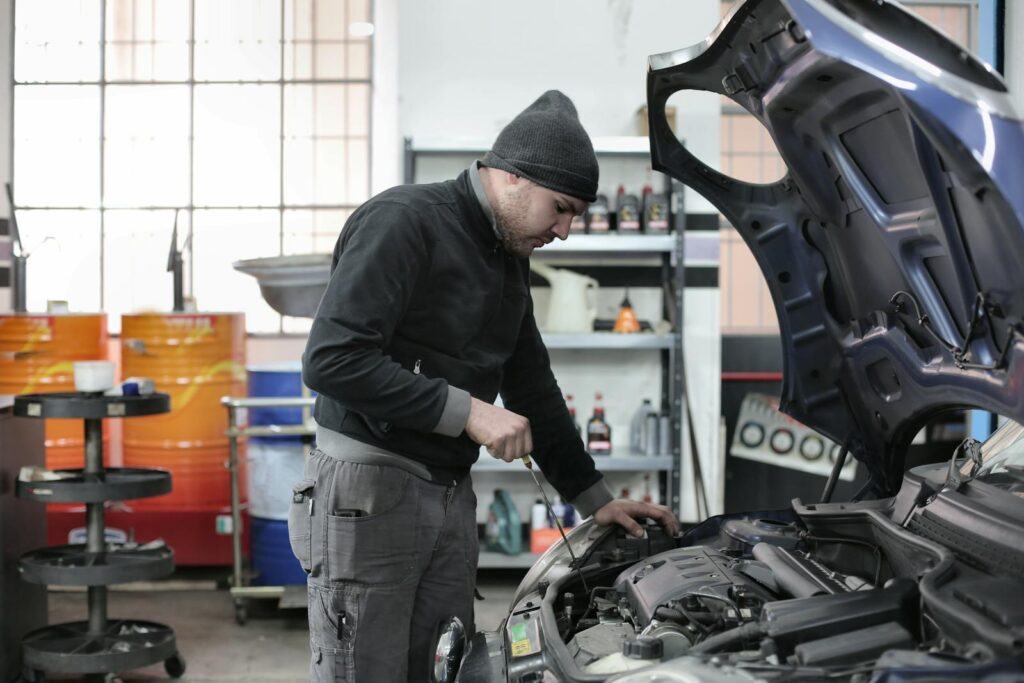
Out of sight, under the hood what you find tells a story. Dents here, clean fluids there; each part whispers something different. Sometimes it’s clear: care shows up in small ways. Other times neglect hides just beneath polished surfaces.
Visual Inspection and Condition Indicators:
- Clean exterior reflects proper care.
- Interior condition shows usage habits.
- Few little things show someone cares about what they own.
- Neglect may signal deeper issues.
- By checking things first, buyers face fewer surprises later.
A properly cared-for vehicle tends to run better while holding its worth over time. Yet worn details might hint at deeper issues under the hood. Taking a close look first makes setbacks less likely. Without doing this, buying feels like guessing. What lies under the surface matters just as much as what you see.
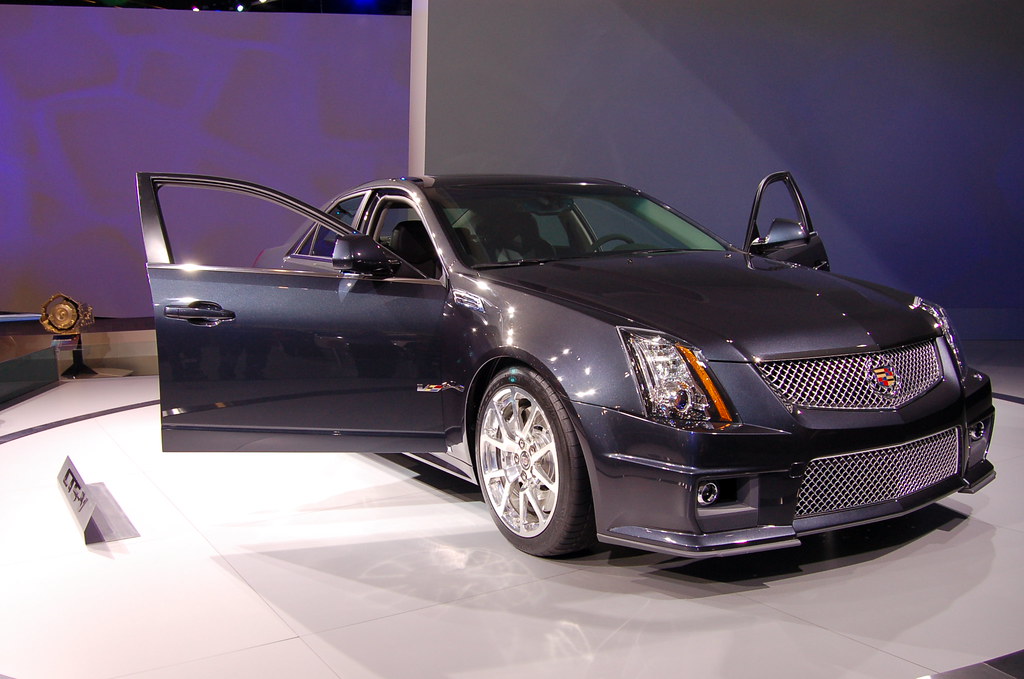
10. A Perfect Example of the Sleeper Formula
Starts fast, the Cadillac CTS-V stands out among muscle cars. Built to challenge top-tier sports sedans, it brought serious engine strength paired with clean styling. Years passed, values dropped hard, making once-luxury pricing now surprisingly low.
Sleeper Car Value in Action:
- High performance at lower cost.
- Strong depreciation creates opportunity.
- Retains power and luxury features.
- Premium opponents face a challenge here instead.
- One standout shows up when you dig through secondhand finds.
Still worth noticing, even after the price cut, every standout feature stays just as strong. What you get now shows exactly what hidden gems are about: big returns on small investments. Performance and ease come through, no high sticker needed. Some cars surprise you when time passes. A model like the CTS-V shows what happens when price drops meet strong performance. Slow choices plus waiting pay off in strange ways. What was once out of reach now sits within reason.