




Uncovering the Forgotten Plymouth Muscle Cars Beyond the Famous Mopar Legends
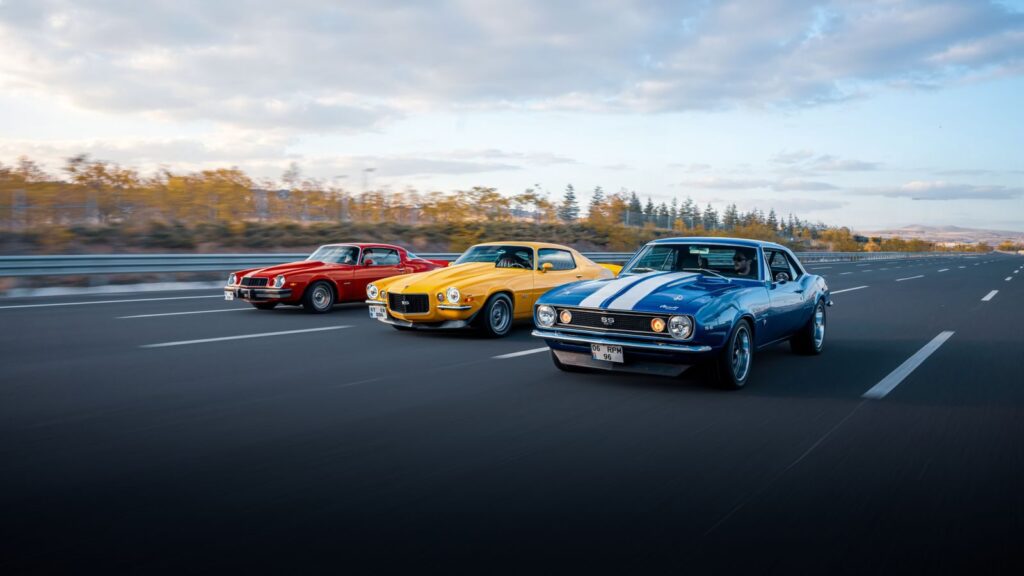
In discussions of classic American muscle cars, names such as Dodge, Chevrolet, Ford, and Pontiac are always top dog. While Plymouth definitely holds its own when considering its contributions-Road Runner, Barracuda, winged Superbird-most of its performance lineage largely gets overlooked. From big-block behemoths aimed at boulevard cruisin’ to compact-size street-stalkers, the Plymouth nameplate brandished some of the industry’s fastest machines of the muscle era, none of which couldn’t keep up with the more acclaimed members of the bunch, often on account of quiet marketing, subdued style, or simply being upstaged by cousin Dodges.
There was an impressively wide range in the Plymouth performance world, with choices between a smooth GTX featuring the basic 440 V8, an all-out Sport Fury GT; a light and fast Duster 340, and a hard-hitting dedicated 440 Hemi dragstrip machine-some offered room for the family with their performance; others cut down to the bare essential steel to eat up quarter miles. There can be little doubt there were other famous-names engines not as popular-there were indeed more to Plymouth’s muscles than the few readily recognized badges and brightly painted, mythic display room cars.
And the shifting tastes in car collectors have caused a number of overlooked Plymouths to become the subject of greatly increased desire in recent years. While “average” examples still can be had for less than their equivalent Chevrolet or Dodge brethren, Hemi models, particularly those that can be confirmed as legitimate “competition” specials, now fetch outrageous sums. However, the desirability goes beyond their investment potential; they hark back to a time when the manufacturers were truly exploring what was possible with displacement, aerodynamics, light weight and flamboyant styling. These ten groups show how Plymouth offered speed, value, style, and competitive performance.
1. Plymouth GTX
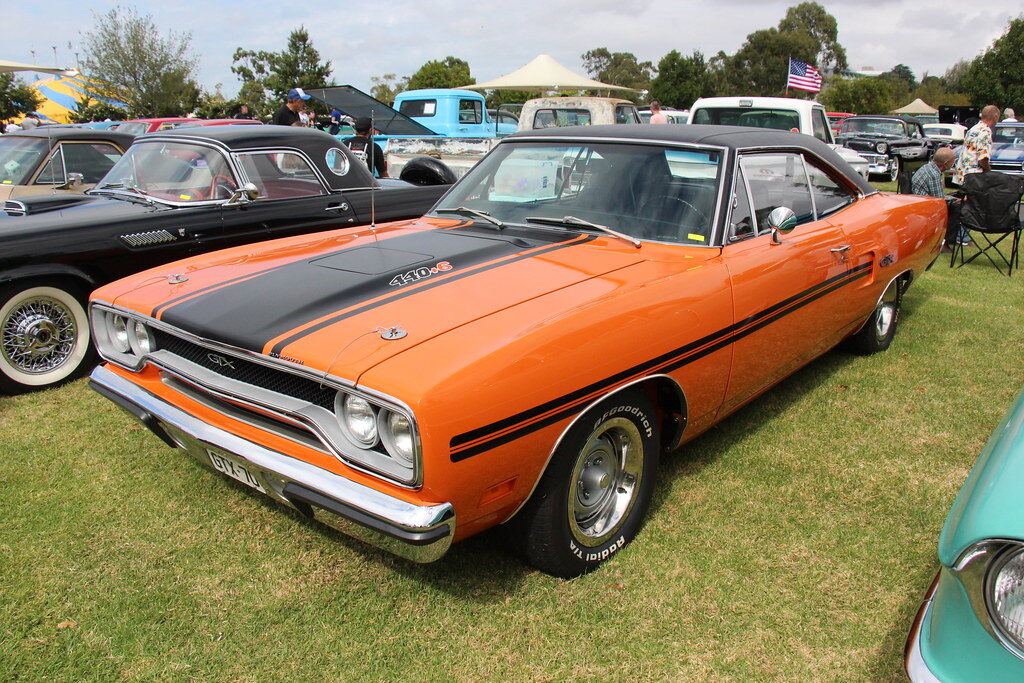
Plymouth introduced the GTX as a sophisticated alternative to the more affordable Road Runner. Marketed as the “gentleman’s muscle car,” it combined upscale trim and greater comfort with the mechanical strength expected from a serious performance model. A 440-cubic-inch V8 came as standard equipment, giving buyers substantial power without requiring an expensive engine upgrade. Customers seeking even greater performance could order the legendary 426 Hemi, turning the refined coupe into one of the most formidable factory-built machines of its era.
Qualities Defining the Plymouth GTX:
- Marketed as gentleman’s muscle car
- Included standard 440 V8 power
- Offered legendary 426 Hemi engine
- Combined luxury with serious performance
- Featured restrained confident exterior styling
A GTX equipped with the 440 engine could cover the quarter mile in the low 14-second range under suitable conditions. Hemi-powered versions were capable of moving into the 13-second bracket, placing them among the quickest production automobiles available at the time. The car’s appeal came from delivering this performance without abandoning road comfort or mature styling. Unlike models decorated with cartoon graphics and attention-grabbing details, the GTX communicated its capability through restrained confidence, broad proportions, and unmistakable big-block power.
Collector values vary dramatically according to year, condition, engine, transmission, and documentation. A fully restored 1971 Hemi GTX can exceed $200,000 at auction because of its rarity and historical importance. Cleaner standard examples in North America may remain available within the $40,000 to $60,000 range, making them more approachable than the rarest Hemi cars. The GTX deserves greater appreciation because it offered genuine muscle-car performance while presenting itself as a comfortable and carefully finished grand tourer.
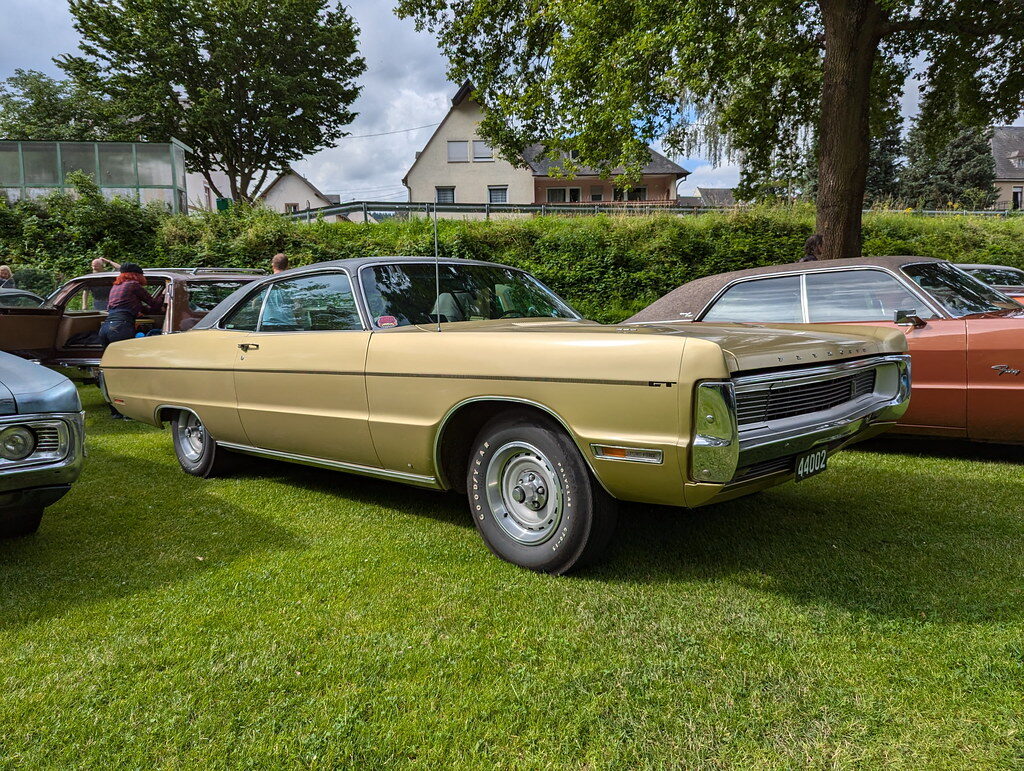
2. Plymouth Sport Fury GT
The Plymouth Sport Fury GT brought muscle-car performance to a full-size platform during the early 1970s. Its substantial dimensions, spacious cabin, and long-distance comfort separated it from smaller intermediate and compact performance cars. Buyers could order a 440 Six Barrel V8 producing approximately 390 horsepower, giving the large Plymouth serious acceleration. The combination created a distinctive kind of performance vehicle: a comfortable cruiser capable of carrying five adults while delivering the mechanical force normally associated with more focused street machines.
Strengths of the Sport Fury GT:
- Used full-size performance vehicle platform
- Offered spacious five-adult seating capacity
- Featured 440 Six Barrel power
- Produced approximately 390 engine horsepower
- Combined highway comfort with acceleration
Despite its considerable weight, the Sport Fury GT could complete the quarter mile in the mid-14-second range. That performance made it one of the hardest-hitting full-size automobiles in its class. The car was particularly effective as a highway machine, where its long wheelbase, broad stance, and abundant torque provided effortless passing power. It did not feel as light or aggressive as a Duster or Road Runner, but its ability to blend speed with space gave it a compelling personality.
Collector attention has often favored smaller muscle cars, leaving the Sport Fury GT outside the most competitive areas of the market. Solid examples have remained available for less than $30,000, although condition and originality can substantially influence the final price. Its relative affordability makes the model appealing to enthusiasts who want genuine big-block character without paying the premium attached to better-known nameplates. The Sport Fury GT proves that Plymouth understood performance could be both powerful and comfortably accommodating.
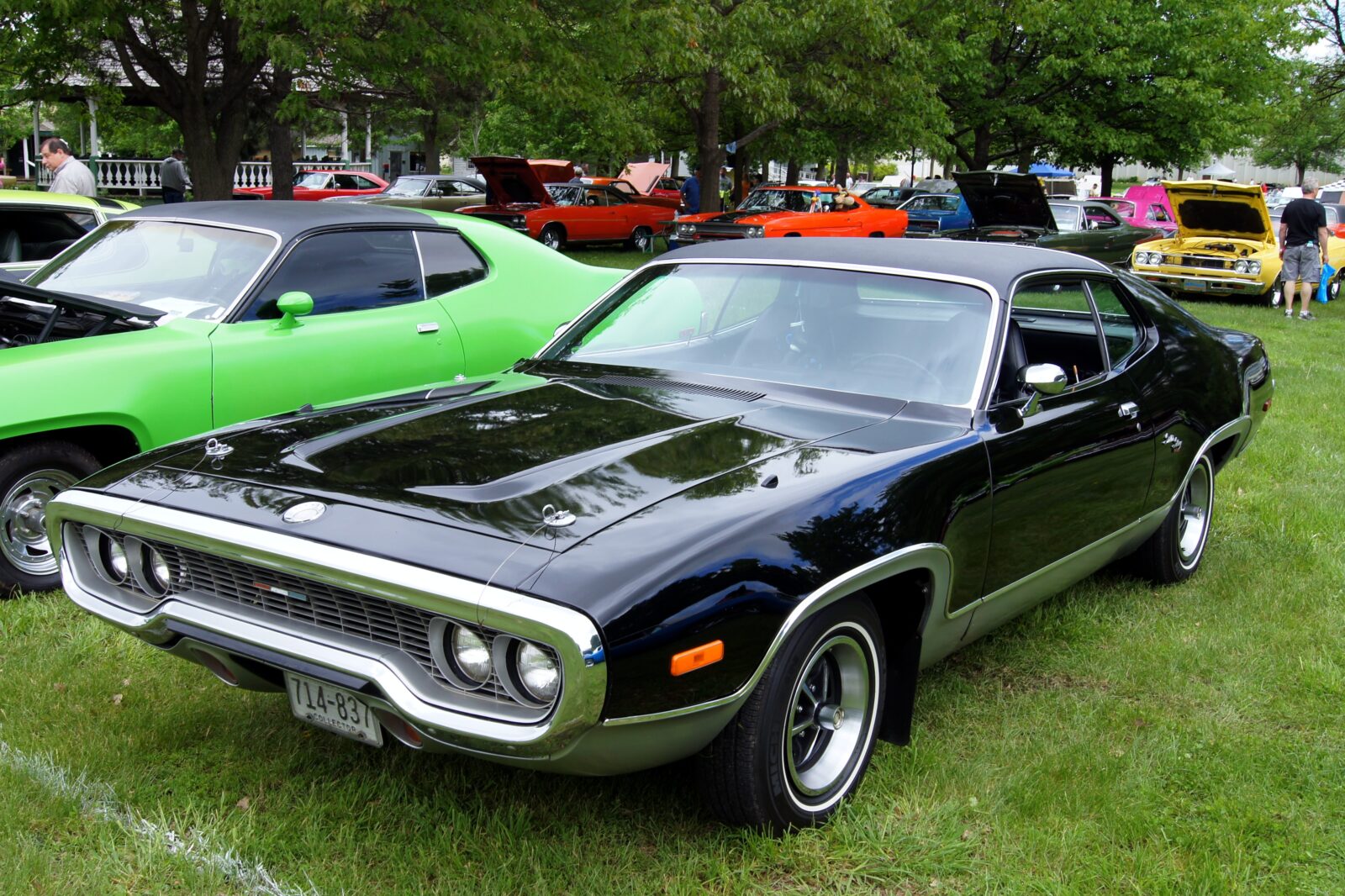
3. Plymouth Satellite Sebring Plus
The Satellite Sebring Plus offered a more refined interpretation of Plymouth’s intermediate performance platform. It shared important foundations with the Road Runner and GTX but placed greater emphasis on personal luxury, comfort, and handsome styling. Buyers could still select serious big-block power, including 400- and 440-cubic-inch V8 engines. That combination made the Sebring Plus an appealing choice for drivers who wanted strong acceleration without the harder-edged appearance or stripped-down personality associated with Plymouth’s most openly performance-focused models.
Features Supporting Refined Muscle-Car Performance:
- Shared Road Runner platform foundations
- Emphasized personal luxury and comfort
- Offered powerful big-block V8 engines
- Maintained restrained handsome exterior styling
- Delivered subtle high-performance road capability
Its marketing position ultimately contributed to the car being overlooked. The Sebring Plus was presented as a comfortable personal coupe rather than a drag-strip weapon, even though the available V8 engines gave it substantial capability. Its interior appointments and restrained exterior treatment made it feel more mature than a Road Runner. For buyers who preferred subtle performance, that discretion was part of the attraction. For later collectors seeking famous graphics and aggressive names, however, the same understated character reduced its visibility.
Clean Satellite examples can still appear below $20,000, making them attractive entry points into classic Mopar ownership. Prices naturally depend on engine configuration, originality, rust, restoration quality, and supporting records. A genuine big-block Sebring Plus offers the sound, torque, and road presence associated with the muscle era while remaining less financially demanding than many famous alternatives. Its combination of style, comfort, and available power makes it one of Plymouth’s most convincing hidden performance values.
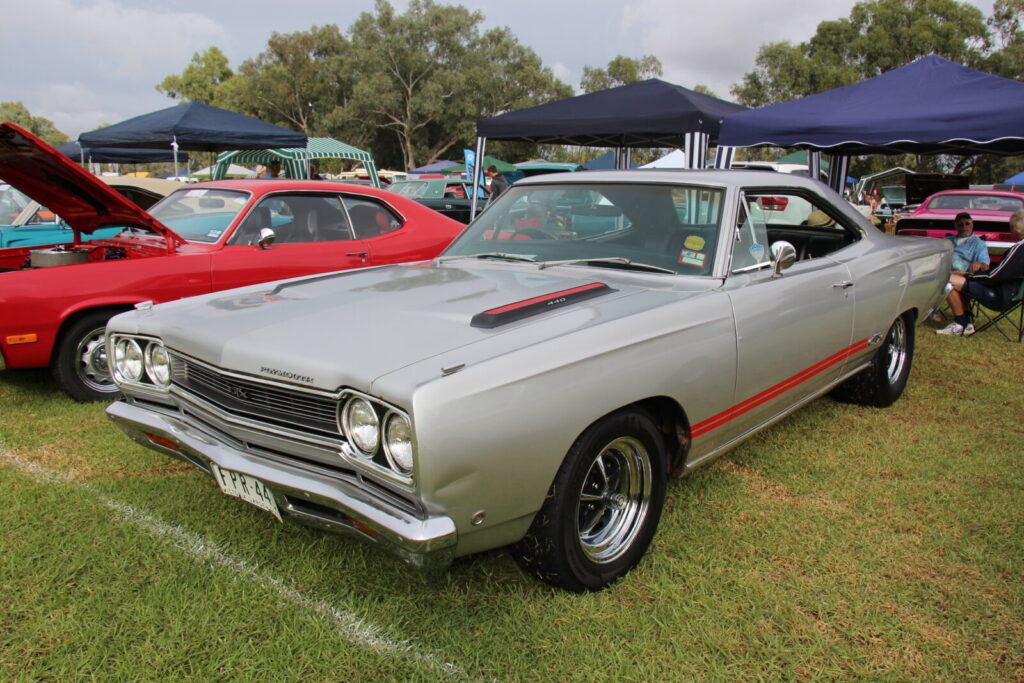
4. Plymouth Belvedere GTX Hemi
The Belvedere GTX equipped with the 426 Hemi represented an exceptional blend of restrained design and devastating straight-line performance. Although it carried the Belvedere name, the GTX package transformed the car into a premium high-output machine. Its Hemi engine was among the most respected powerplants of the muscle-car period, combining large displacement with a cylinder-head design developed for efficient high-speed breathing. The result was a Plymouth capable of challenging nearly any production car encountered on the street or drag strip.
Performance Qualities of the Belvedere GTX:
- Featured legendary 426 Hemi power
- Combined restrained styling with speed
- Delivered devastating straight-line acceleration
- Used efficient high-flow cylinder heads
- Created a distinctive sleeper personality
Properly prepared examples could complete the quarter mile in the low 13-second range, an extraordinary achievement for a showroom automobile of the period. The Hemi delivered immense high-rpm performance, while the GTX’s chassis and drivetrain were configured to withstand the engine’s output. Its styling remained comparatively formal, particularly beside later muscle cars covered with bright graphics and theatrical bodywork. That visual restraint helped create a sleeper-like personality, allowing the car’s mechanical capability to speak more loudly than its exterior decoration.
Dodge models such as the Charger and Coronet often received greater attention despite sharing access to the same legendary engine. Plymouth’s decision to position the Belvedere GTX as an upscale model further separated it from the loudest parts of muscle-car culture. Today, authentic Hemi examples are valuable, but the model still receives less widespread recognition than related Dodge vehicles. Its combination of rarity, performance, and quiet confidence makes it an essential part of Plymouth’s overlooked muscle legacy.
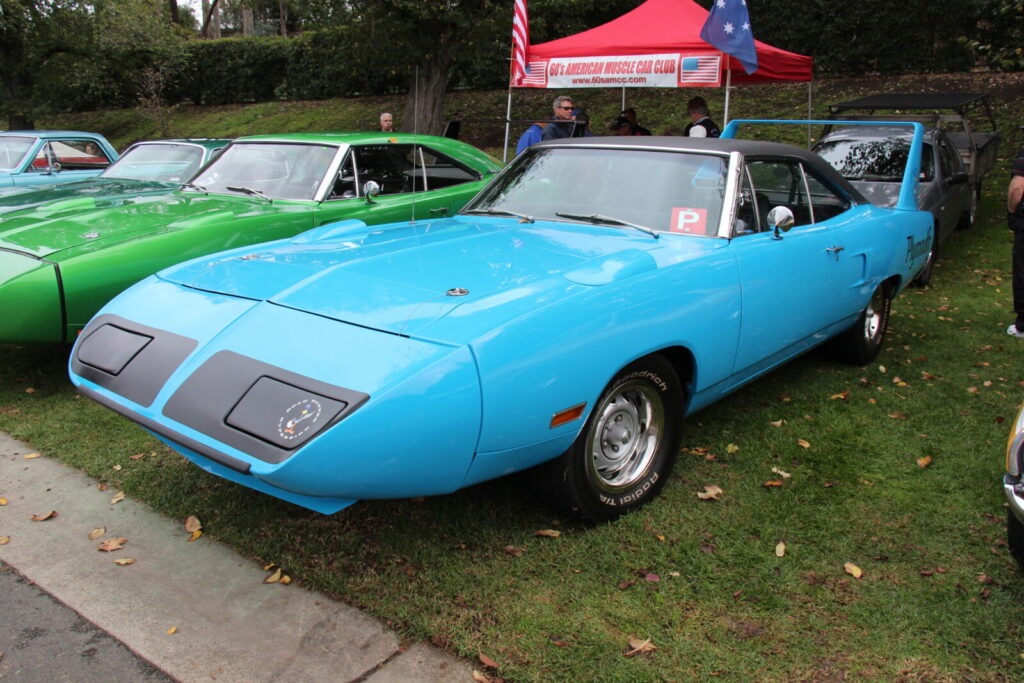
5. Plymouth Road Runner Superbird 440
The Plymouth Superbird is instantly recognizable because of its pointed nose cone, retractable headlights, and towering rear wing. Collector discussions often concentrate on the 426 Hemi version, even though only 135 examples reportedly received that engine. Most Superbirds were equipped with 440-cubic-inch V8s using either a four-barrel carburetor or the more powerful Six Barrel arrangement. These configurations delivered much of the car’s excitement while offering greater street usability than the rare and demanding Hemi-powered alternative.
Defining Elements of the Superbird 440:
- Featured pointed aerodynamic nose cone
- Used functional towering rear wing
- Offered multiple 440 V8 configurations
- Produced up to 390 horsepower
- Provided greater everyday street usability
Depending on configuration, the 440 engines produced approximately 375 to 390 horsepower. Their abundant torque gave the Superbird strong acceleration, with quarter-mile performance reaching the mid-14-second range. Plymouth developed the aerodynamic body using wind-tunnel research intended to improve high-speed NASCAR competitiveness. The extended nose and tall wing were therefore functional engineering solutions rather than decorative additions. On public roads, the 440 provided a flexible and comparatively manageable powertrain for enjoying one of America’s boldest homologation specials.
Hemi Superbirds command extraordinary prices, but 440-powered versions provide a comparatively accessible route into authentic aero-car ownership. They are still valuable collector machines, yet their larger production numbers make them more attainable than the rarest configurations. Buyers also receive the same dramatic silhouette, competition history, and unmistakable road presence. The 440 Superbird deserves recognition on its own merits because it combines effective aerodynamics, strong big-block performance, and greater practicality without sacrificing the character that made the model legendary.
6. Plymouth Duster 340
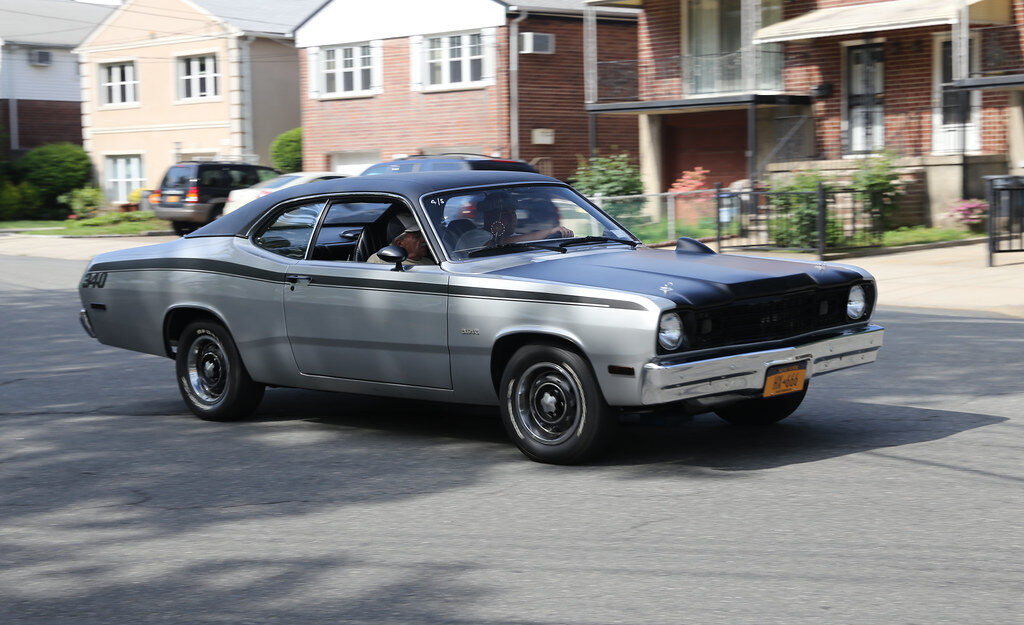
Built on the compact Valiant platform, the Plymouth Duster 340 demonstrated how effectively reduced weight could amplify moderate displacement. Produced during the early 1970s, the car weighed approximately 3,110 pounds and used a high-revving 340-cubic-inch small-block V8. Factory output was rated at 275 horsepower, although enthusiasts have long regarded that figure as conservative. The Duster competed with affordable compacts such as the Ford Maverick and AMC Hornet while delivering performance capable of embarrassing larger and more expensive muscle cars.
Reasons the Duster 340 Performed Strongly:
- Used lightweight compact Valiant platform
- Featured high-revving small-block V8 power
- Produced at least 275 horsepower
- Included upgraded performance suspension components
- Challenged larger expensive muscle cars
The Duster 340 could accelerate from zero to 60 mph in less than 6.5 seconds, reach approximately 128 mph, and complete the quarter mile in around 14.72 seconds. In 1971, its package included a four-barrel carburetor, forged crankshaft, dual exhaust, upgraded suspension, and 15-inch tires for roughly $2,547. These specifications created a balanced street machine that felt lighter and more responsive than big-block alternatives, without giving up the acceleration expected from a genuine muscle car.
Collectors initially overlooked the Duster because of its compact, economy-car origins. Historical values remained near the low-$30,000 range for years, although excellent examples have recently approached $62,000. Rising prices suggest enthusiasts are finally recognizing the model’s combination of low weight, durable power, affordability, and distinctive styling. The Duster 340 represents one of Plymouth’s smartest performance formulas, proving that a carefully prepared small-block engine in a light chassis could achieve more than sheer displacement alone.
7. Plymouth Scamp 340
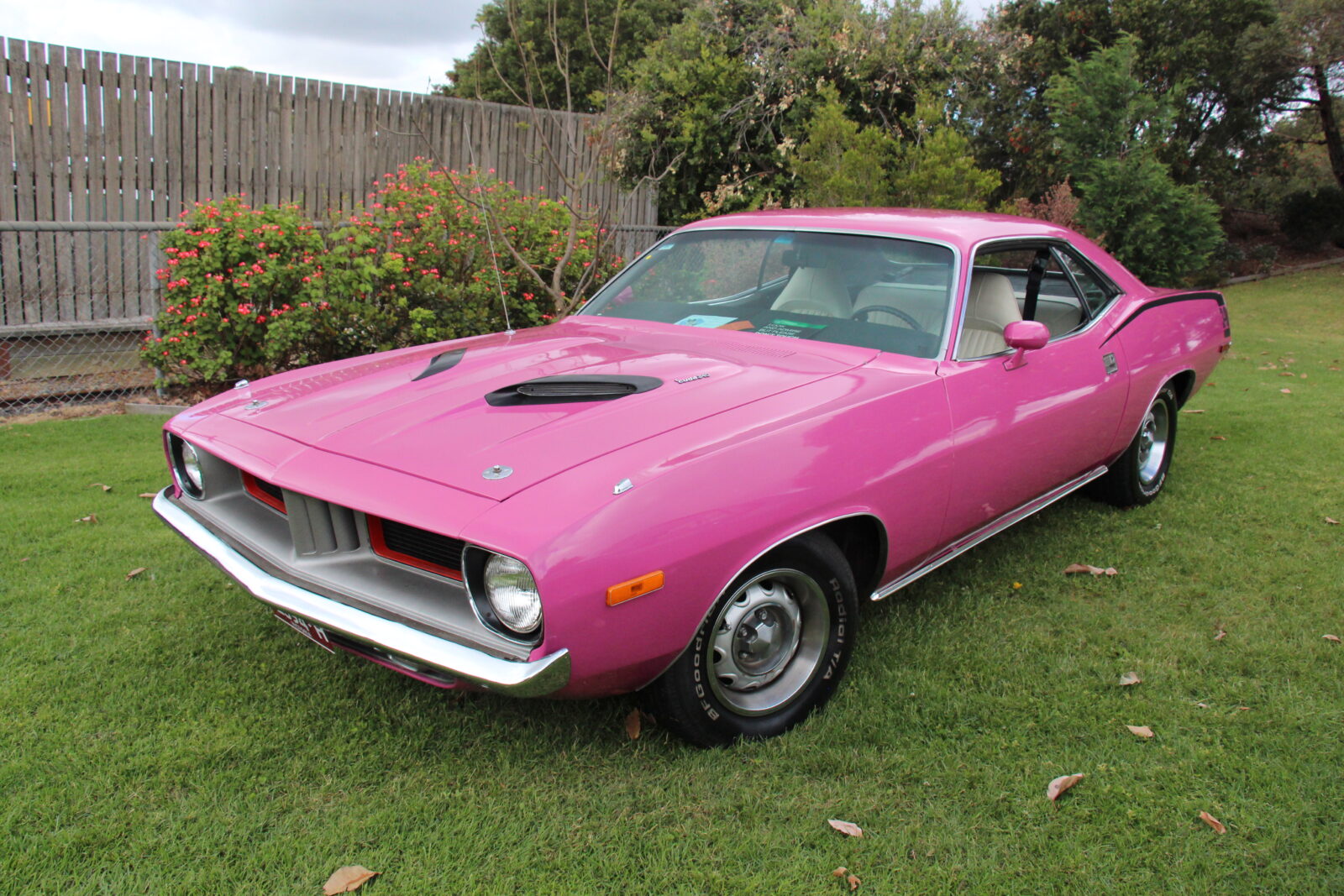
The Plymouth Scamp 340 applied a similar lightweight philosophy to another compact coupe. By placing the energetic 340-cubic-inch small-block V8 beneath the hood of the modest Scamp, Plymouth created a genuine street sleeper. Its clean lines and budget-oriented identity did not advertise the level of performance available to the driver. That discretion made the car particularly effective in informal street competition, where rivals could easily underestimate a compact Plymouth carrying considerably more power than its appearance suggested.
Characteristics Behind the Scamp’s Sleeper Appeal:
- Used energetic 340 small-block power
- Maintained modest compact exterior styling
- Offered balanced lightweight vehicle handling
- Delivered strong everyday street performance
- Concealed capability from unsuspecting rivals
The small-block engine delivered brisk acceleration without placing the heavy mass of a big-block V8 over the front wheels. This helped the Scamp retain more balanced handling while still providing the sound, response, and excitement enthusiasts wanted. Its relatively light structure allowed the engine to work efficiently, turning each unit of horsepower into meaningful forward motion. The car offered an approachable performance experience that suited daily use, weekend cruising, and occasional drag-strip activity without demanding the compromises associated with more extreme factory machines.
Because Plymouth marketed the Scamp as an affordable compact rather than a prestigious muscle car, it never gained the recognition attached to the Barracuda, GTX, or Road Runner. That history still benefits buyers searching for a less familiar classic. Good examples can sometimes be found below $20,000, while stronger driver-quality cars may approach $30,000. The Scamp 340 offers genuine period performance, sleeper appeal, and distinctive Mopar character at a price that remains comparatively reasonable within today’s collector market.
8. Early Plymouth Barracuda Formula S
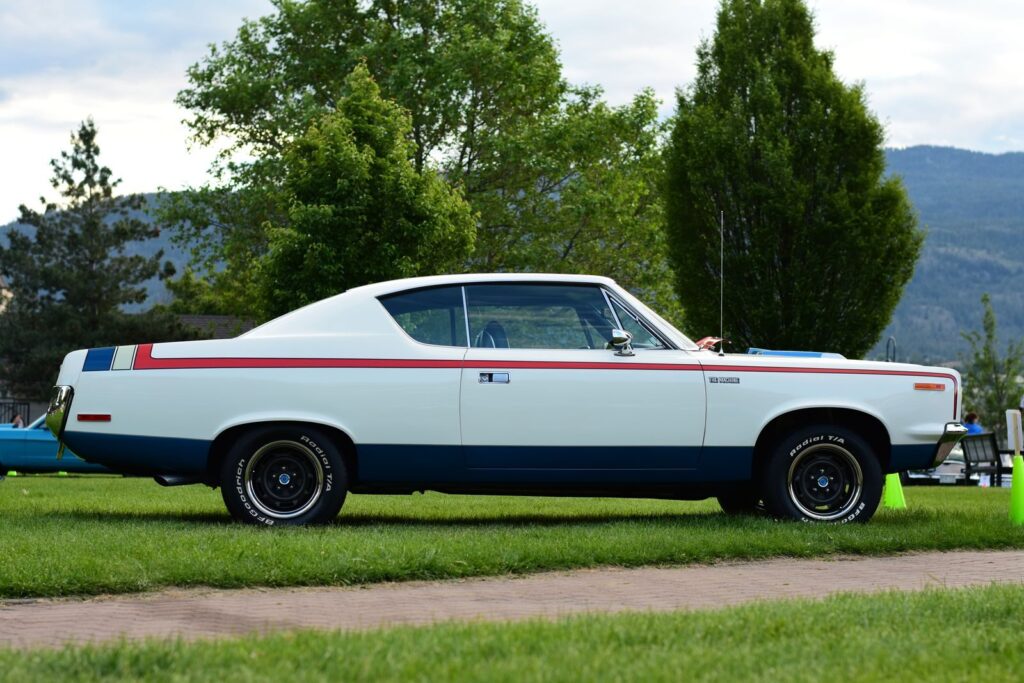
The Plymouth Barracuda debuted in 1964, years before the celebrated 1970 and 1971 E-body ’Cudas became muscle-car icons. Early models established genuine performance credentials through the Formula S package offered during the late 1960s. This option transformed the distinctive fastback into a more focused driver’s car by combining improved suspension, stronger braking, and upgraded engine choices. Its engineering showed that Plymouth was developing capable compact performance cars before oversized Hemi graphics and flamboyant styling dominated the public imagination.
Important Features of the Formula S:
- Introduced before famous E-body models
- Offered upgraded high-performance engine choices
- Included heavy-duty suspension equipment
- Added stronger improved braking systems
- Balanced handling with straight-line performance
Early Formula S cars initially used the high-output Commando 273 V8, giving the lightweight Barracuda responsive performance and a sporting character. Later versions gained access to more powerful 340 small-block and 383 big-block engines. Heavy-duty suspension components improved control, while upgraded brakes helped the car manage its additional speed. This broader balance distinguished the Formula S from vehicles developed only for straight-line acceleration, allowing it to deliver credible handling alongside brisk quarter-mile and street performance.
Because collectors often concentrate on later E-body models, early Barracudas remain comparatively attainable. Depending on year, engine, condition, and originality, examples may sell between approximately $25,000 and $40,000. These cars offer an opportunity to own a foundational part of Plymouth performance history without entering the extreme price range associated with Hemi ’Cudas. Their unusual styling, compact proportions, and well-rounded Formula S equipment make them rewarding choices for enthusiasts who appreciate the development of the muscle-car formula.
9. Plymouth Factory Drag Specials
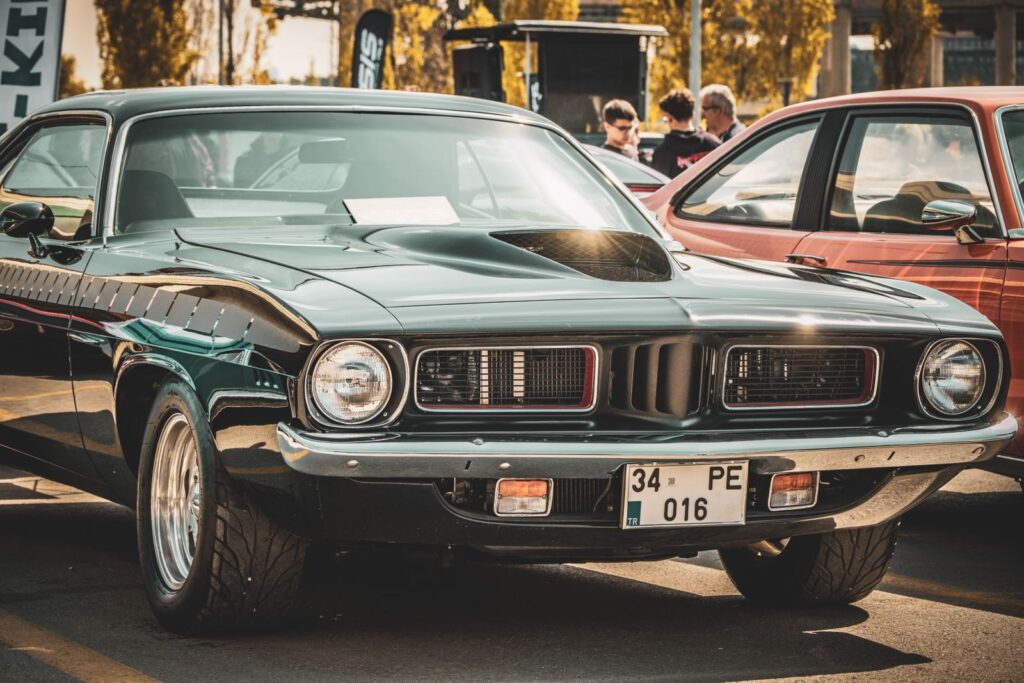
Plymouth pushed beyond conventional street performance by creating highly specialized factory drag cars. In 1968, the company worked with Hurst Performance to develop the Barracuda B29 Super Stock. Lightweight body components, reinforced rear suspension, and a competition-focused 426 Hemi transformed the compact coupe into a formidable quarter-mile machine. These vehicles were not softened for ordinary commuting because their purpose was to dominate organized drag racing. Under suitable conditions, they were capable of completing the quarter mile in the 10-second range.
Competition Features of Plymouth’s Drag Specials:
- Developed alongside Hurst Performance engineers
- Used lightweight specialized body components
- Featured competition-focused 426 Hemi engines
- Included reinforced rear suspension systems
- Achieved 10-second quarter-mile performance
Only about 50 to 70 B29 Super Stock Barracudas were reportedly constructed, making surviving examples extremely important to Mopar collectors. Their scarcity reflects the specialized nature of the program rather than limited market success. Plymouth built them to satisfy serious racers who needed a competitive platform directly from the manufacturer. Every weight-saving measure and mechanical adjustment supported faster launches, stronger traction, and improved acceleration, creating a factory machine that operated much closer to a professional racing car than a conventional production Barracuda.
Another mysterious competition model was the Plymouth RO23 drag special, engineered for NHRA Super Stock racing. Of 55 hardtops reportedly fitted with the 426 Street Hemi, only 17 received the A833 four-speed manual transmission. Its feared reputation on the strip helped inspire the “wonder worker” nickname. These rare cars demonstrate how deeply Plymouth participated in factory-supported drag racing. They also show that some of the company’s most important engineering achievements were developed for competition rather than ordinary showroom buyers.
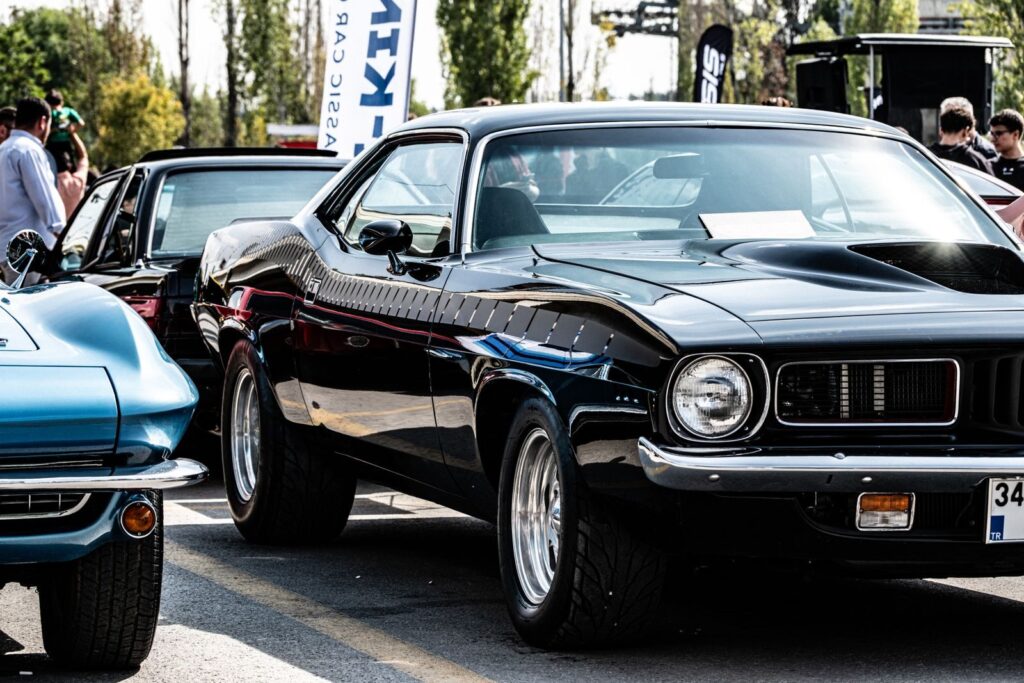
10. The Rarest Plymouth ’Cudas
The outer limits of Plymouth collectability are represented by vehicles such as the 1971 Hemi ’Cuda convertible. Only 12 examples were reportedly produced, with five exported outside the United States. This extraordinary scarcity has turned the model into one of the most valuable American muscle cars ever created. A bid of $4.8 million was rejected in 2021 because it did not meet expectations, illustrating how rarity, Hemi power, open-top styling, and documented history can produce almost unmatched collector demand.
Factors Creating Extraordinary ’Cuda Collector Value:
- Extremely limited original production numbers
- Combined Hemi power with convertibles
- Included exceptionally rare export examples
- Featured distinctive custom design provenance
- Commanded multimillion-dollar auction valuations
Another remarkable creation was the 1970 ’Cuda 440 Rapid Transit, designed by former Hot Wheels stylist Harry Bradley. Its custom appearance included a jet-inspired nose cone, an electronically actuated shaker hood, and a 440 Six Barrel V8. The vehicle blended show-car imagination with authentic big-block performance, making it far more than a standard production ’Cuda. One example sold for approximately $2.2 million in 2023, confirming the extraordinary value collectors place on distinctive provenance and one-off design.
These rare machines occupy a different market from affordable Satellites, Scamps, and standard GTX models, yet they complete Plymouth’s diverse performance story. The company produced refined cruisers, lightweight sleepers, aerodynamic road cars, factory drag specials, and multimillion-dollar collector legends. Across that range, Plymouth repeatedly combined daring engineering with memorable styling and serious power. Its overlooked models deserve renewed attention because they reveal a deeper muscle-car legacy than the familiar Road Runner, Barracuda, and Superbird names alone might suggest.