



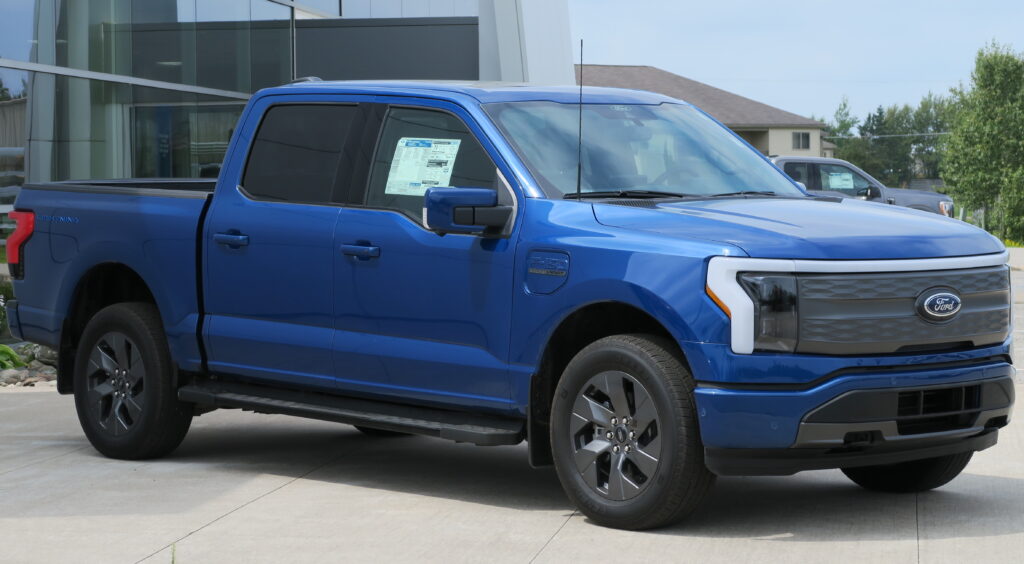
Ford’s Bold Vision for an Affordable Self-Driving EV Truck
It is early 2026, and the auto industry is abuzz with the news that Ford is attempting to find a balance in not only pushing the limits of electric innovation but also be keen to listen to the desires of the ordinary drivers. Jim Farley, the CEO has been making headlines with talk of a game changing affordable electric car that will supposedly shake up the truck market, though the company modifies their larger plans to include more hybrids and ingenious range-extending technology. It is not a corporate strategy talk but rather a talk about creating a vehicle that is practical, thrilling and one that is realistic in the contemporary world.
I have been keeping a close watch on such developments since like many of us, I am excited by the concept of cleaner driving and not being headbanged by range limitations or stupid prices. The announcements of Ford are full of massive ambition and contain certain pragmatic course adjustments, and it is intriguing how a long-running automaker such as Ford can cope with the high-paced EV environment. This post will explore the most important details including the most discussed project.

1. The Game-Changer: A New Electric Truck of $30,000
Jim Farley has referred to this new car as the Model T moment of Ford an actually affordable electric truck that would be marketed to the commoners instead of those seeking luxury. With a price of about 30,000, it is priced with the market in the middle where affordable vehicles meet practicality, which is lacking in the existing EV truck models.
The fact that it promises a combination of pickup and crossover comfort is what makes it unique. According to Farley, it is a new shape that provides more interior room than a top-seller crossover such as the Toyota RAV4, added to which is a frunk and a bed. It is designed to be attractive to families, commuters and weekend adventurers that require electric benefits without compromising usefulness.
Notable Differences between the Affordable EV and regular EV:
- Entry price of about 30,000 in order to be widely available.
- Has an exclusive new silhouette style.
- Has greater cabin space than trendy crossovers.
- Features frunk storage and conventional truck bed.
- Production on new platform to start 2027.

2. A Balance of Utility, Performance, and Driving Fun
This is a practical vehicle that is designed not only to be practical, but also to be really exciting to drive. Ford is also working on a rear-wheel-drive to improve sharp, sporty handling, and it will be very fast and really fun to drive, much like the fast acceleration of a Mustang EcoBoost.
The maneuverability of cars, the workhorse image of trucks and the large room in this model should introduce an entirely new category of purchasers who may have otherwise shunned conventional pickups in the past. It is the type of vehicle that can help to make electric driving not a compromise but an upgrade.
Important Key Performance and Design Features:
- Rear-wheel drive platform dynamic handling.
- Speed equal to Mustang EcoBoost models.
- Combines utility pick-up space and passengers in a crossover.
- Targets the non-conventional truck purchasers.
- Provides true driving pleasure in an EV.
3. Driving Autonomously: Hands-Free, Eyes-Off Driving
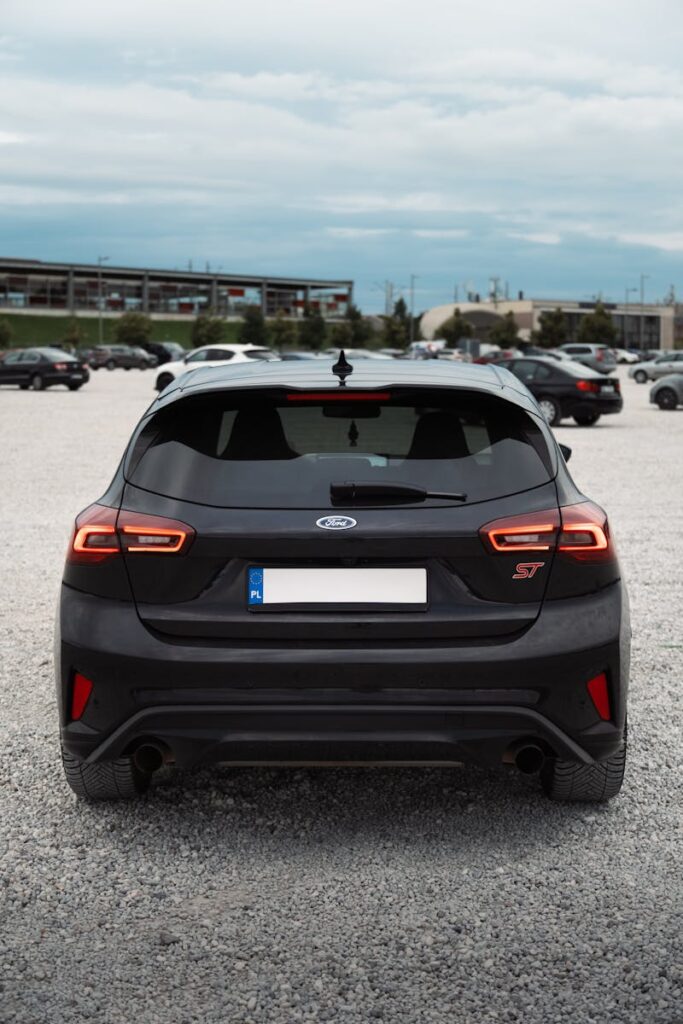
Jim Farley has shown a thrilling view of what driving will be like in the future particularly in long highways. He imagines that you can be in a truck and under the perfect conditions, such as a sunny day, you can really relax possibly take a small nap, a work call or even enjoy the scenery as the vehicle does all the work. This goes far beyond the current hands-free system by Ford, BlueCruise, which still requires you to be on your guard and have your eyes on the road.
The strategy will aim at SAE Level 3 autonomy (also referred to as eyes-off), of this low-cost EV truck, with a complete public-road ready status to be achieved in 2028, though the car actually debuts in 2027. It is a tentative yet promising move Ford is building this technology internally to retain cost and bring state-of-the-art opportunities to every customer as opposed to only to those who are buying luxury cars.
Critical Autonomy Characteristics Slated:
- Highway eyes-off on favorable conditions.
- Level 3 automation begins in 2028.
- Based on the current BlueCruise foundation.
- Affordability In-house software and sensors.
- Concentrate on the highway situations to develop trust over time.
4. A Nod to History: Ranchero possible Return
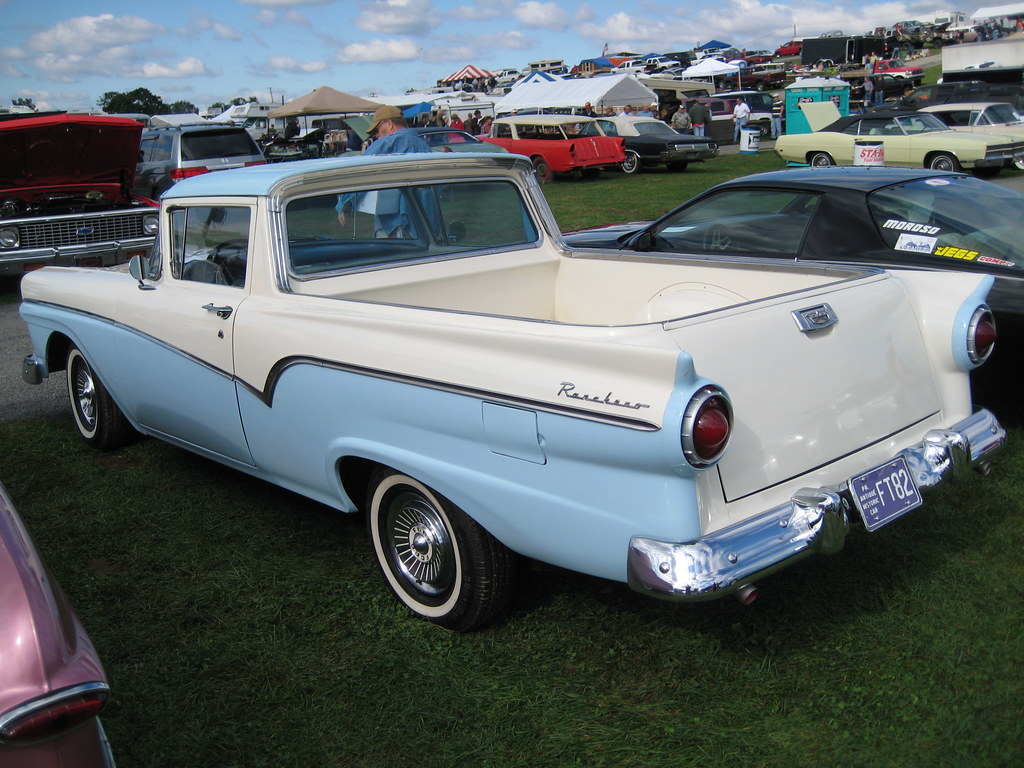
Perhaps the most interesting speculation regarding this project is the possibility of the revival of the old classic name, the Ranchero. As early as 2025, Ford secretly registered the trademark of the same that included electric pickups and associated vehicles. The original Ranchero was a one of a kind car-based truck of the late 1950s to the 1970s a couple with a built in bed that was both stylish and practical in a fashion that American roads had never really seen before or since.
The four-door electric version is a modern car and would fit the description of a new silhouette Farley describes as more than a regular pickup. It might rekindle the nostalgic value but provide new innovative design that is more practical to families but unique enough to be distinguished among other boxy trucks.
Key Points on the Ranchero Revival:
- Trademark filed in 2025 for electric trucks.
- Historical model was a car-truck hybrid (1957–1979).
- Could suit the described “new silhouette” perfectly.
- Four-door modern interpretation likely.
- Adds nostalgic branding to the affordable EV.
5. Revolutionizing Manufacturing: The Universal EV Platform
To make a $30,000 electric truck a reality without cutting corners on quality or features, Ford is completely rethinking how vehicles are built. The new Universal EV Platform isn’t just about the tech under the hood it’s paired with a groundbreaking production system at the Louisville Assembly Plant. This setup promises to slash complexity and costs dramatically while maintaining high standards.
The heart of the change is the shift from a traditional long assembly line to what Ford calls an “assembly tree.” Three major sub-assemblies (front, rear, and the structural battery/seat section) are built in parallel before coming together, using massive single-piece aluminum unicastings that replace dozens of smaller welded parts. This approach cuts parts by about 20%, uses fewer fasteners, reduces workstations significantly, and speeds up overall assembly by around 15%.
Key Manufacturing Innovations:
- “Assembly tree” with three parallel sub-lines.
- Large unicastings replace many smaller components.
- 20% fewer parts and 25% fewer fasteners overall.
- 40% reduction in workstations for efficiency.
- 15% faster assembly time to lower costs.
6. The High-Stakes Bet Against Chinese Competition
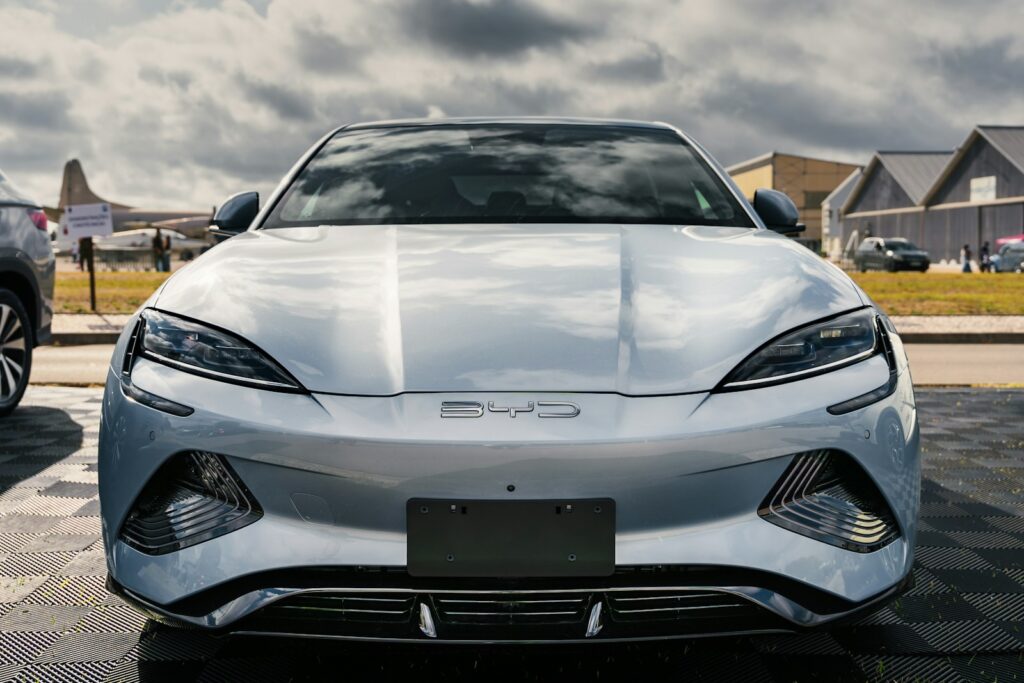
Jim Farley has been unusually open about the massive challenge Ford faces from Chinese EV makers, especially companies like BYD. He’s pointed out the sheer difference in scale BYD has over 120,000 powertrain engineers compared to Ford’s roughly 1,200. Their batteries are already cheaper, production is faster, and they’re flooding global markets with affordable, capable electric vehicles.
Instead of trying to match that volume head-on, Ford’s strategy is to win through smarter engineering and radical cost-cutting. Farley has called this approach the company’s best (and perhaps only) realistic path forward: out-innovate rather than out-spend. It’s a high-risk, high-reward play that puts everything on the table new platforms, new manufacturing methods, and bold promises of affordability.
Key Aspects of the Competitive Challenge:
- Chinese rivals have massive engineering and production scale.
- Their batteries cost significantly less than Western equivalents.
- Ford chooses innovation over matching volume.
- Goal is to compete through smarter, simpler design.
- Farley calls it a “bet” with real risk involved.
7. Smaller Batteries, Same Range: The Cost-Cutting Secret
One of the most clever moves in Ford’s plan to hit that $30,000 price target is rethinking the battery itself. Doug Field, Ford’s head of EV, digital, and design, explained that the next-generation vehicle will use a much smaller battery pack potentially a third smaller while still delivering competitive real-world range.
This isn’t about sacrificing capability; it’s about efficiency. By improving aerodynamics, reducing weight through smarter materials, optimizing the powertrain, and focusing energy use where it matters most (highway driving), Ford believes it can stretch every kilowatt further. It’s a practical engineering win that directly lowers the biggest expense in any electric vehicle: the battery.
Key Battery and Efficiency Strategies:
- Next-gen battery pack up to one-third smaller.
- Same or better real-world range through optimization.
- Improved aerodynamics and lighter overall structure.
- Focus on efficient power delivery for daily use.
- Major cost reduction without compromising usability.
8. The Big Strategic Pivot: Embracing Hybrids and Extended-Range EVs
While the affordable electric truck remains the long-term dream, Ford made a major announcement that shifted its entire North American strategy. The company now expects that by 2030, roughly half of its global sales will come from a mix of hybrids, extended-range electric vehicles (EREVs), and full battery EVs rather than going all-in on pure electric like some competitors.
This isn’t a retreat from electrification; it’s a realistic response to where customers are today. EV adoption has slowed in many markets, partly due to the phasing out of big federal tax credits and lingering concerns about charging and range. Ford decided to follow actual demand instead of forcing a single path, taking a $19.5 billion restructuring charge to realign its plans.
Key Elements of Ford’s Powertrain Pivot:
- 50% of 2030 sales expected to be hybrid/EREV/EV mix.
- Follows current customer demand, not future projections.
- $19.5 billion restructuring cost to adapt strategy.
- Keeps full electrification as a long-term goal.
- Offers buyers more choices in the near term.
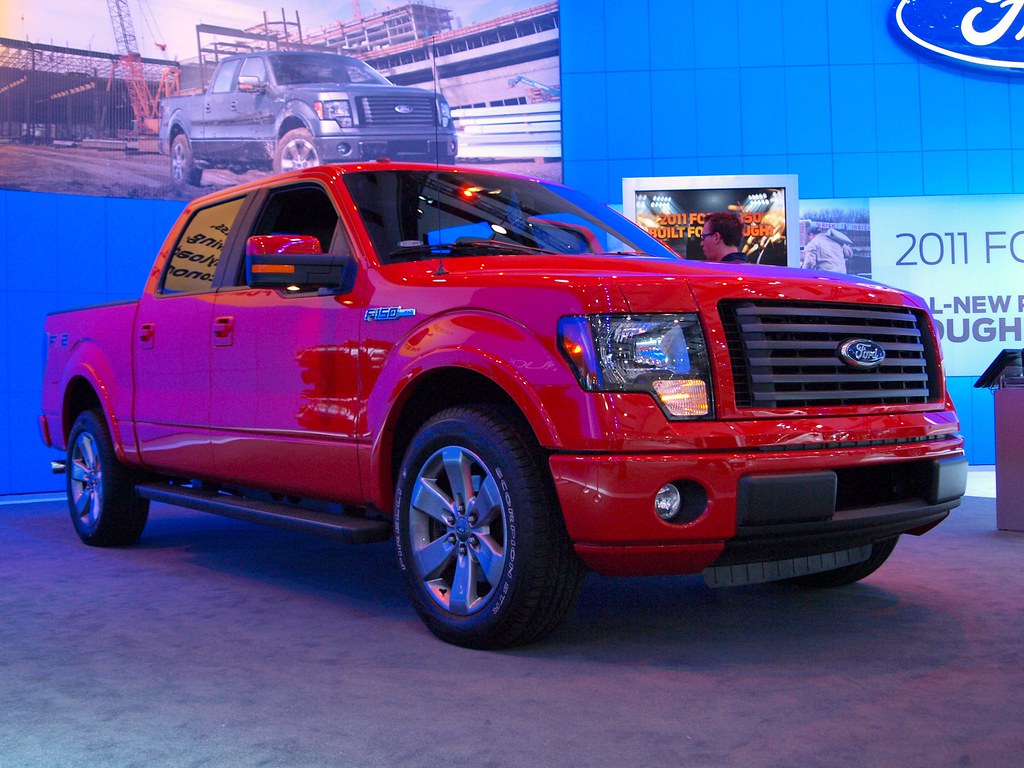
9. The Future of the F-150 Lightning: Extended-Range Electric Power
One of the biggest surprises in Ford’s recent announcements was the decision not to replace the current all-electric F-150 Lightning with a next-generation full battery EV. Instead, the iconic pickup is evolving into an Extended-Range Electric Vehicle (EREV) version. This means it keeps the smooth, instant-torque electric drive everyone loves, but adds a small onboard gasoline generator that recharges the battery on the go.
The result? An estimated total range of over 700 miles something that completely changes the conversation around range anxiety. Ford says most owners will be able to go nine to ten days using only electric power for typical daily driving before the generator ever needs to kick in. It’s still 100% electric propulsion, sub-5-second acceleration, and serious towing capability, just with a clever safety net for long trips.
Key Features of the Next-Gen Lightning EREV:
- Over 700 miles total estimated range.
- Onboard generator recharges battery while driving.
- 9–10 days of typical electric-only use.
- Retains instant acceleration and towing strength.
- Addresses range concerns without full hybrid complexity.

10. Reshaping the Factory Footprint and Opening New Business Lines
This major strategic shift isn’t just about vehicles it’s forcing Ford to rethink its entire North American manufacturing network. The BlueOval City campus in Tennessee, originally planned as the home for next-gen electric pickups, will now focus on building all-new gas-powered trucks. The Ohio Assembly Plant is being repositioned to produce gasoline and hybrid commercial vans, while the Dearborn Truck Plant is adding a third crew of 1,200 workers to ramp up production of the hugely popular gas and hybrid F-150 models.
At the same time, Ford is turning what could have been excess EV battery capacity into a brand-new revenue stream. The BlueOval SK Battery Park in Kentucky is being converted from EV battery production to large-scale battery energy storage systems for utilities, data centers, and grid operators. This pivot means some layoffs (around 1,600 jobs), but the company plans to hire even more people (about 2,100) for the new energy storage business, creating a more diversified and resilient operation overall.
Key Changes to Manufacturing and New Ventures:
- BlueOval City shifts to gas-powered truck production.
- Ohio Assembly Plant focuses on gas/hybrid commercial vans.
- Dearborn Truck Plant adds 1,200 workers for F-150s.
- Kentucky battery plant repurposed for energy storage systems.
- Net job gain expected despite some layoffs in transition.