


Tesla’s Profit Engine: Why It Won’t Mirror Apple’s Success
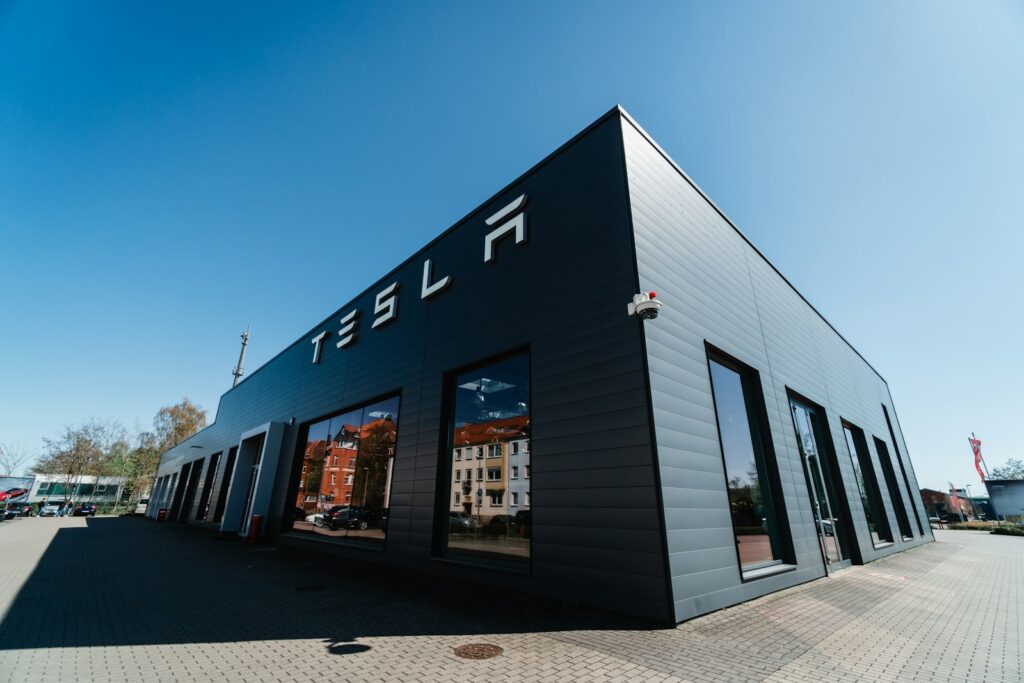
Tesla has been able to win over imaginations such as few companies do. It is not just selling cars it is selling a vision of the future: silent, powerful electric rides, autopilot functionality that will make you think you are in science fiction, a charging network that just continues to expand, and software updates that will improve your car overnight. It has long been discussed as the next big disruptive technology on Wall Street, and by fans alike, the type of thing that could make money in the long-term, decades long, just like Apple with iPhones or Microsoft with Windows hegemony. The share shot up, valuations increased to the sky, and Elon Musk became the name associated with radical innovation. It was only natural that Tesla will establish an unstoppable empire.
Head down the rabbit hole, however, and fissures begin to open in that story. Nobel Prize-winning economist Paul Krugman who has spent decades cogitating about markets and monopolies, has claimed that the analogy is not on point. This is not due to Tesla not being talented or having a vision, but rather the fact that cars exist in a totally different economic world than software platforms or smartphones. The ex post factors that have allowed Big Tech to amass huge, long-lasting profits are simply not replicated in the auto world. It is a sobering view, particularly at the present in 2026 with more competition than ever before and Tesla seemingly having a harder road to follow. This is not an attempt to hate on Tesla but to know what type of company it is and what it implies in its future.
1. The Myth that Tesla is the Next Tech Profit Powerhouse
I have always been intrigued how fast people get hold to success stories and project them on. The path of Tesla towards being a desperate startup and a carmaker worth billions of dollars (occasionally) was dramatic stock splits, enormous rallies, headlines everywhere. Shareholders took a risk that this was the beginning of something everyone could count on as permanent as Apple made the iPhone an ecosystem no one could leave or Microsoft made windows the default on virtually all the computers. On the surface level, the hype was logical: groundbreaking technology, fanbase, leading the pack in EVs. The same sky-high margins appeared to be perpetuated in Tesla.
The truth however, is quite the contrary. Krugman has set forth on numerous occasions that the auto industry does not bestow upon itself the unchallengeable monopoly status that digital platforms occasionally have. Early leads are important, but with hardware intensive businesses such as cars; the competitors can also close the gap or even be more innovative in the market or even provide cheaper products without being totally locked out. The innovations of Tesla are real and impressive, though it is a mistake to believe that Tesla can be turned into a continuous profit machine like the technology giants because the physical world has much harder economics, supply chains, and consumer choice. It’s not that it is a failure it is just different soil.
The important reasons why the Apple/Microsoft Comparison fails include:
- Network effects keep users in software ecosystems for decades.
- Physical cars are easier to change towards competing brands.
- Auto profit margins are not usually comparable to tech platform long-term.
- EV leadership weaken early because of the aggressive entry of other players.
- The strength of the brand is effective in selling but does not assure monopoly pricing.

2. The Concept of Network Effect: The True Key to Big Tech Dominance
One of such concepts is network effects, which have a big bang but appears to be easy to grasp. In essence, the more people use a product or service, the more useful it becomes. Windows by Microsoft went off the scale because developers wrote software to run on it (with the majority of people using it), and because most people used it because that was where the best software was. The same trick was pulled by Apple with iPhone, it had apps, iMessage, and easy seamless device synchrony when you are within the iPhone, and it leaves you like starting all over again. The loop that is self-reinforcing puts up such a moat that competitors take years to even gain a foothold.
According to Krugman, this is what was most clearly explained in interviews, these dynamics enable companies to enjoy unrestricted monopoly positions and enjoy very high profits, over extended durations. It is another game without that loop. A Tesla would make them feel high-quality and futuristic, but having one would not make them automatically better since their friends, family, and neighbors can drive the same model. The value remains primarily personal great acceleration, long range, cool tech but it does not snowball in the same structural manner. It is why Tesla with all its merits is in an industry that lacks that essential component, according to Krugman.
How Network Effects Build Long-Term Moats:
- User growth draws in more developers and add-ons automatically.
- High switching costs trap customers inside the ecosystem.
- New competitors face massive uphill battles for adoption.
- Sustained high profits become almost inevitable.
- The advantage compounds naturally over time.
3. Why Cars Don’t Create the Same Self-Reinforcing Cycle
One thing that really stands out when you compare tech platforms to cars is how personal and isolated the car ownership experience can feel, even in something as connected as a Tesla. You might love the instant torque, the quiet cabin, or how the car anticipates your needs with smart routing and updates, but none of that gets noticeably better just because thousands or millions of other people are also driving Teslas. There’s no built-in snowball effect where your enjoyment multiplies because the network grows. Sure, you can share silly Sentry Mode clips with friends or join Tesla owner groups online, but the core product value doesn’t depend on everyone else being on the same platform.
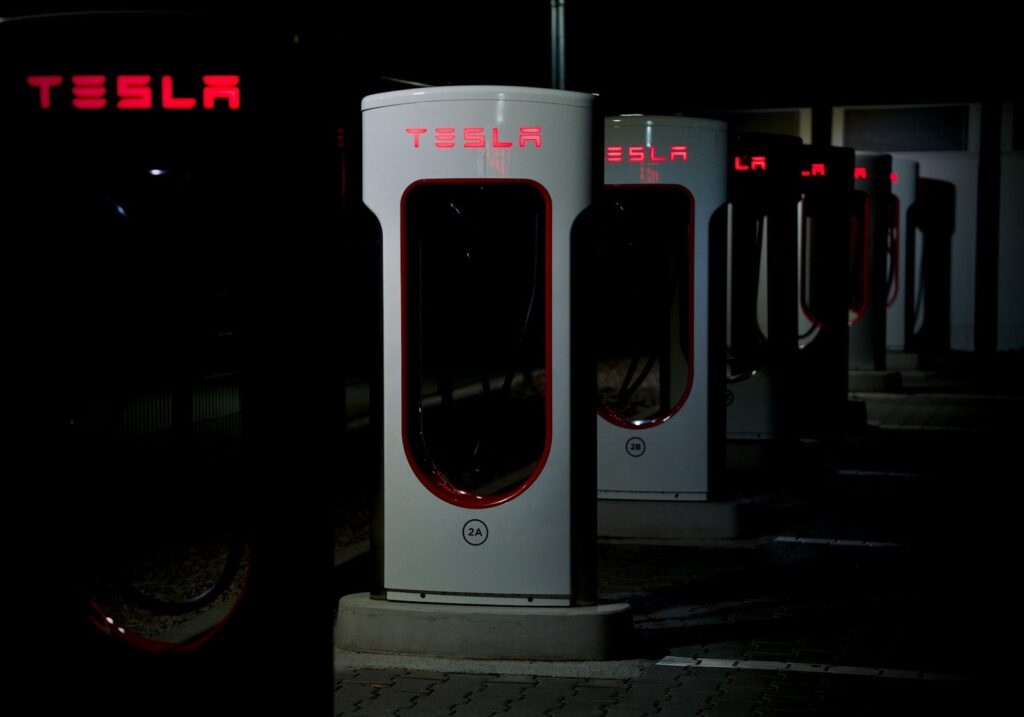
Krugman nails this distinction every time he talks about it: the auto industry simply lacks those classic network externalities that turn a good product into an almost untouchable empire. Tesla does have some network-like advantages the Supercharger network gets more useful as it expands, and the data from millions of miles driven helps improve Full Self-Driving but those are advantages you can replicate or challenge. A rival could build their own chargers, collect their own driving data, or license similar tech. In software worlds like iOS or Windows, the moat is much deeper because the value is baked into the interactions between users themselves. Cars stay more standalone, which means the competition never really goes away for good.
Core Differences That Prevent a True Network Lock-In:
- Driving pleasure remains mostly individual, not collective.
- No automatic developer ecosystem tied to user numbers.
- Charging and software advantages can be matched over time.
- Consumer decisions driven by price, range, and features more than compatibility.
- Rivals enter without needing to overcome massive user-base barriers.
4. Krugman’s Direct Take: Tesla Won’t Become Microsoft or Apple
Whenever Krugman sits down for these interviews like the one he did with Yahoo Finance he doesn’t pull punches. He basically says Tesla is fantastic at what it does, but it’s not built to become that rare kind of company where an early advantage turns into a permanent, sky-high-profit fortress. “It’s not going to be Microsoft, even if everything goes the way it should. It’s not going to be Apple,” he told them straight up. And he repeats that it’s not a dig at Elon or the team it’s just the cold truth about what kind of business the car industry really is.
I’ve always appreciated how Krugman frames this: it’s not about effort or intelligence; it’s about structural realities. First-mover status in EVs gave Tesla a huge head start, brand power, and loyal customers, but those things erode in industries where physical products compete head-to-head on specs, cost, manufacturing scale, and distribution. Unlike digital platforms where you can dominate with almost no marginal cost per new user, cars involve factories, raw materials, labor, shipping things that invite endless competition. So while Tesla might stay hugely successful and influential, the dream of Apple-level endless margins for decades just doesn’t fit the economics.
Highlights from Krugman’s Key Statements:
- Early mover advantage rarely creates unchallenged monopolies in autos.
- Network externalities drive decades of extremely high profits in tech.
- Tesla operates in a different kind of industry altogether.
- Not a failure of strategy simply not that kind of business.
- Comparison to Big Tech is fundamentally misleading.
5. Competition Is Heating Up Faster Than Expected
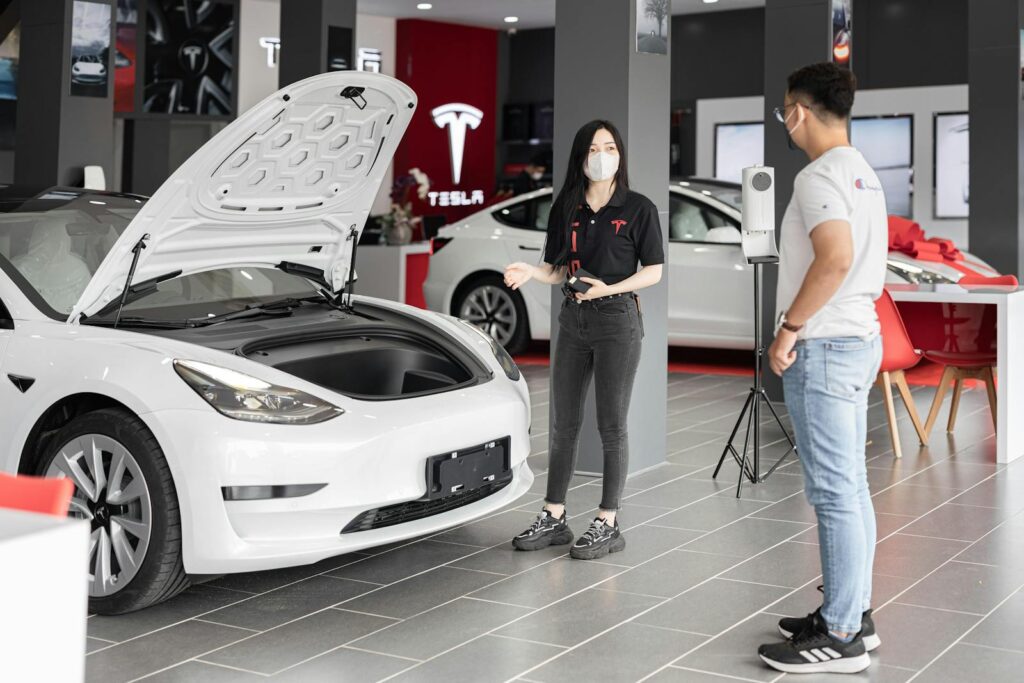
For a while there, Tesla felt like the only game in town if you wanted a serious electric vehicle. The Model 3 and Model Y were everywhere, the brand was cool, and legacy carmakers seemed slow to react. But that window closed quicker than almost anyone predicted. Now you walk into showrooms and see Rivian R1S, Ford Mustang Mach-E, Hyundai Ioniq 5, Volkswagen ID.4, and a bunch more that actually compete on range, price, features, and even style. The big traditional players finally woke up, threw serious money at EVs, and started delivering cars people actually want to buy.
Even some of the sharpest long-term investors have shifted their stance. Bill Miller, the guy famous for beating the market for years, openly took a short position against Tesla because he saw the writing on the wall: the company was starting to lose ground as others caught up and in some cases passed it in certain markets. That kind of move from a value-investing legend says a lot. It backs up Krugman’s bigger point early leadership is valuable, but in this industry it’s rarely permanent when the barriers aren’t impossibly high and so many players have the resources to fight back hard.
Clear Signs the EV Landscape Has Become Much More Crowded:
- Legacy automakers now offer competitive EVs at various price points.
- Price competition has squeezed Tesla’s once-healthy margins.
- Global EV sales growth is spreading across multiple brands.
- Tesla’s share of the U.S. EV market has dropped significantly.
- New startups and foreign entrants add constant pressure.
6. China’s Rise Changes Everything in the EV Race
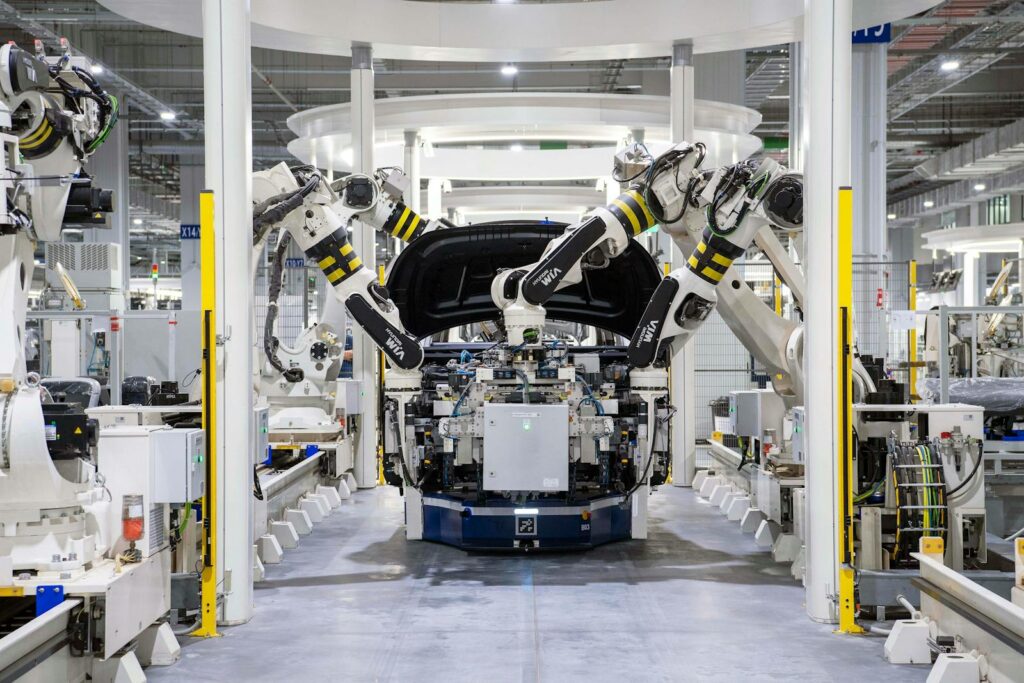
It’s hard to overstate how much China has flipped the script in the electric vehicle world. What used to be seen as the place where things got built cheaply has turned into a genuine innovation engine, especially for batteries, motors, and smart car tech. Reports like the one from the Information Technology and Innovation Foundation the Hamilton Index lay it out plainly: over the last 25 years or so, China’s share of advanced, high-tech industries has shot up dramatically. By around 2020, they were already number one globally in seven out of ten key advanced sectors, and motor vehicles were right there on the list.
This isn’t just about copying anymore; it’s about leading in scale, speed, and cost. Hundreds of Chinese companies many with serious government backing are pumping out EVs that are cheaper, packed with features, and increasingly stylish. Brands like BYD, NIO, XPeng, and others aren’t just playing catch-up; in some markets they’re already outselling everyone else. For Tesla, this means the competition isn’t coming from a few slow-moving legacy players anymore it’s a full-on wave of aggressive, well-funded rivals who can undercut on price while matching or beating on tech. That kind of pressure makes any long-term monopoly dream feel more like wishful thinking.
Why China’s EV Momentum Feels So Overwhelming:
- Massive control over battery supply chains keeps costs way down.
- Government support fuels rapid R&D and factory expansion.
- Fast product cycles bring new models to market quicker.
- Export push targets Europe, Asia, and beyond aggressively.
- Quality and innovation closing the gap with Western brands fast.
7. Leadership Style: Musk vs. Jobs and Its Impact on Brand
Steve Jobs had this almost mythical aura he was the guy in the black turtleneck unveiling products that felt like cultural moments. That image wasn’t accidental; it was carefully built and fiercely protected. People didn’t just buy Apple stuff; they bought into the idea of being part of something cool, innovative, and ahead of the curve. Krugman points out how that persona helped cement Apple’s position: disciplined focus on design, secrecy around launches, and a laser-like obsession with the product experience.
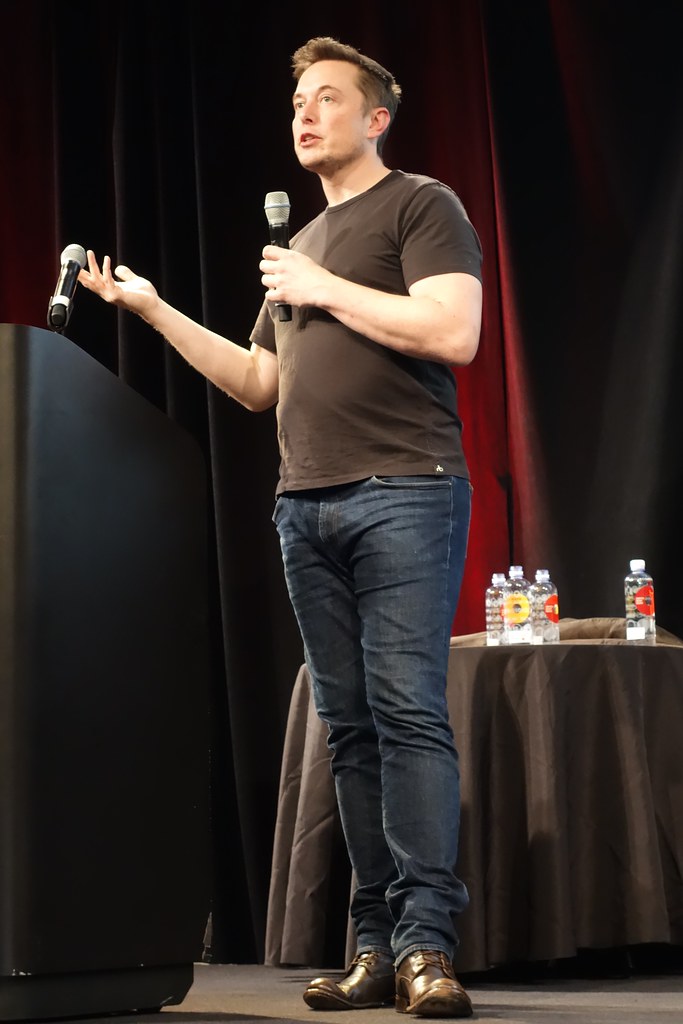
Elon Musk’s path started in a similar place visionary inventor, pushing boundaries, making electric cars sexy when nobody else could. But things have shifted a lot in recent years. The Twitter (now X) buyout for $44 billion, slashing most of the staff, jumping into politics with strong opinions, amplifying certain theories online it all created a very different public image for a lot of people. Some longtime Tesla fans and shareholders have said outright that the stock’s big drops (like that 65% slide over parts of the last couple years) tie back to this divided attention and the controversy it stirs up. Krugman put it sharply: few people can damage their own brand so quickly. It’s not just noise; it affects how buyers and investors see the company.
Striking Contrasts Between the Two Leaders:
- Jobs kept a tightly controlled, aspirational image.
- Musk’s public life has grown chaotic and polarizing.
- Brand perception influences purchase decisions heavily.
- Controversy can erode trust among certain customer groups.
- Divided focus raises questions about long-term priorities.
8. Internal Challenges at Tesla Factories Raise Concerns
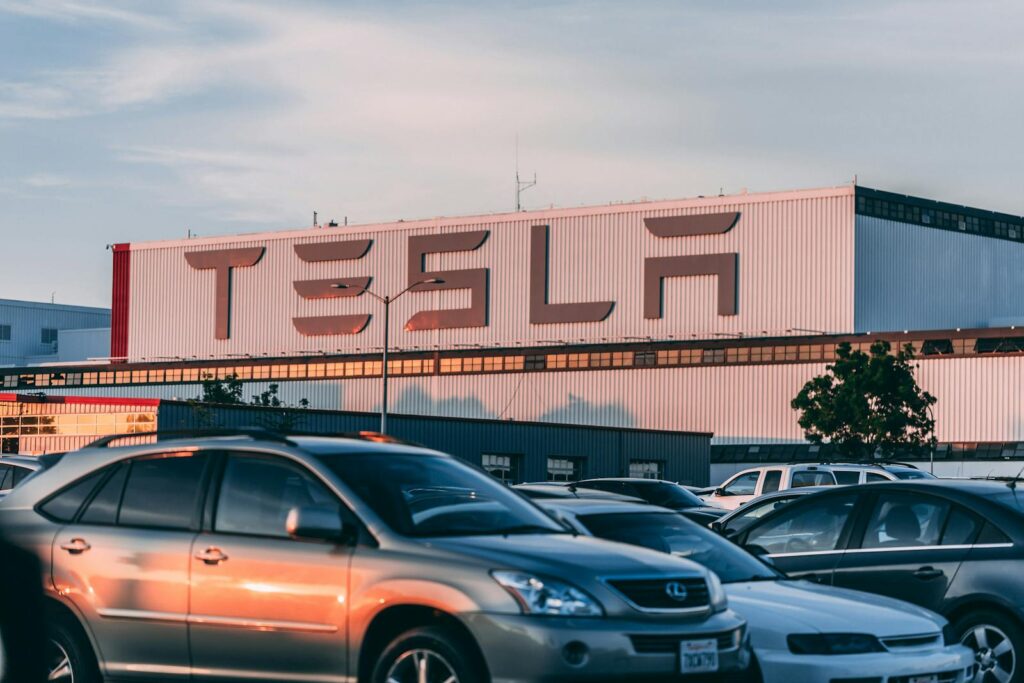
No matter how futuristic the cars look, they’re still built by real people in big factories, and not everything behind the scenes has been smooth. Stories coming out of the Gigafactory in Germany have painted a pretty tough picture: workers talking about grueling shifts, barely enough time to rest or see family, and a growing sense that speaking up could cause trouble. The IG Metall union there has been raising alarms about working conditions, pointing to long hours and pressure that leaves people exhausted. A lot of employees signed NDAs as part of their contracts, which makes it harder for issues to come out openly.
Then there was that job listing for a “Security Intelligence Investigator” role someone to gather info on internal and outside threats to protect the company. To some, it sounded like a step toward more monitoring inside the workforce, and it sparked enough concern that German politicians started calling for tighter government oversight of the plant. These aren’t isolated complaints; they suggest real strains in the company culture, especially when you compare it to the almost obsessive product-focus and discipline that defined Apple’s operations under Jobs. It’s a reminder that even innovative companies can face very human challenges when scaling fast
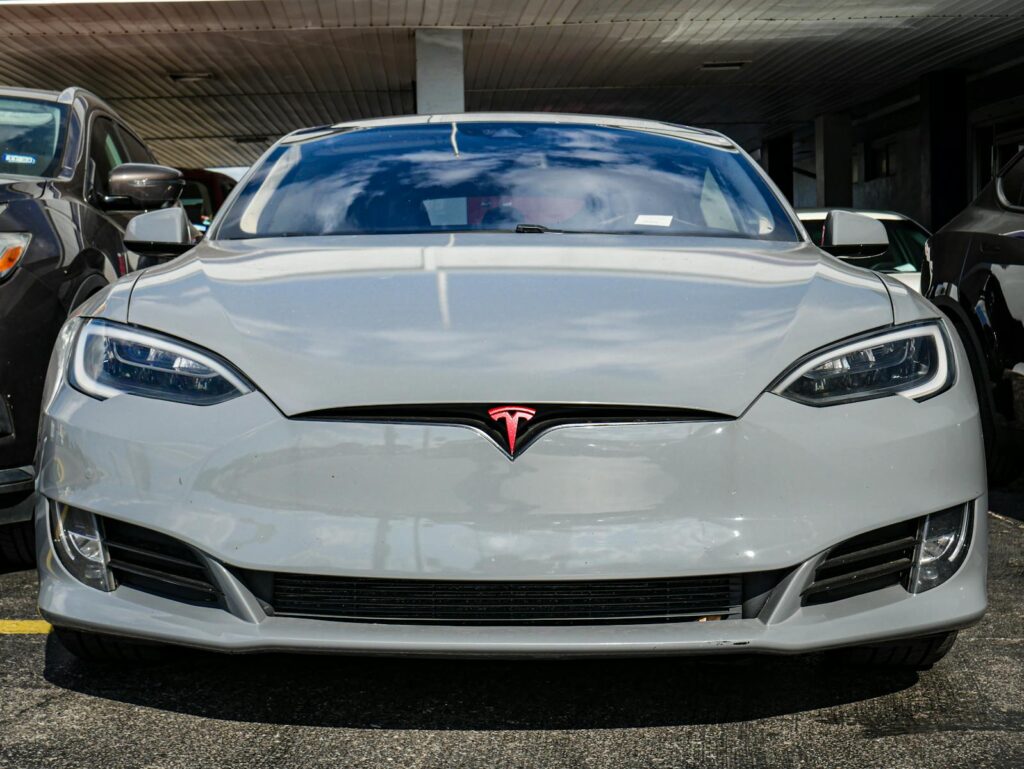
9. The Risk of “Entification” in Growing Companies
There’s this idea that’s been floating around lately, mostly thanks to writer Cory Doctorow, and Krugman has picked it up as a useful warning sign for any company that gets really big and dominant. He calls it “entification” this almost predictable lifecycle where a platform or company starts out by genuinely delivering amazing value to pull in users and build loyalty. Then, once it’s hooked enough people, it slowly starts shifting priorities: squeezing more out of those users to make money from advertisers or partners, eventually turning the screws on the partners too, and in the end, the whole thing just kind of decays because the focus drifts so far from what made it great in the first place.
Tesla isn’t at the decaying stage not by a long shot but you can see flickers of that pattern if you’re paying attention. The company began by obsessing over making the best electric cars possible, pushing the envelope on range, performance, and software to win over early adopters who loved the mission. Lately, though, some decisions like heavy emphasis on certain side projects, public battles, or internal policies that feel more protective than empowering make you wonder if the pure focus on delighting drivers and building a better future might be getting diluted. It’s a classic trap for fast-growing giants: success breeds complexity, and complexity can pull attention away from the core experience. Krugman brings this up as a reminder that even the most innovative companies aren’t immune to losing their way if they stop putting users and workers first.
Stages That Often Show Up in the Entification Process:
- Early phase delivers huge, obvious value to attract fans.
- Growth leads to heavier monetization efforts.
- User experience gradually takes a back seat to profits.
- Business partners or ecosystem players start feeling squeezed.
- Without correction, stagnation or decline sets in over time.
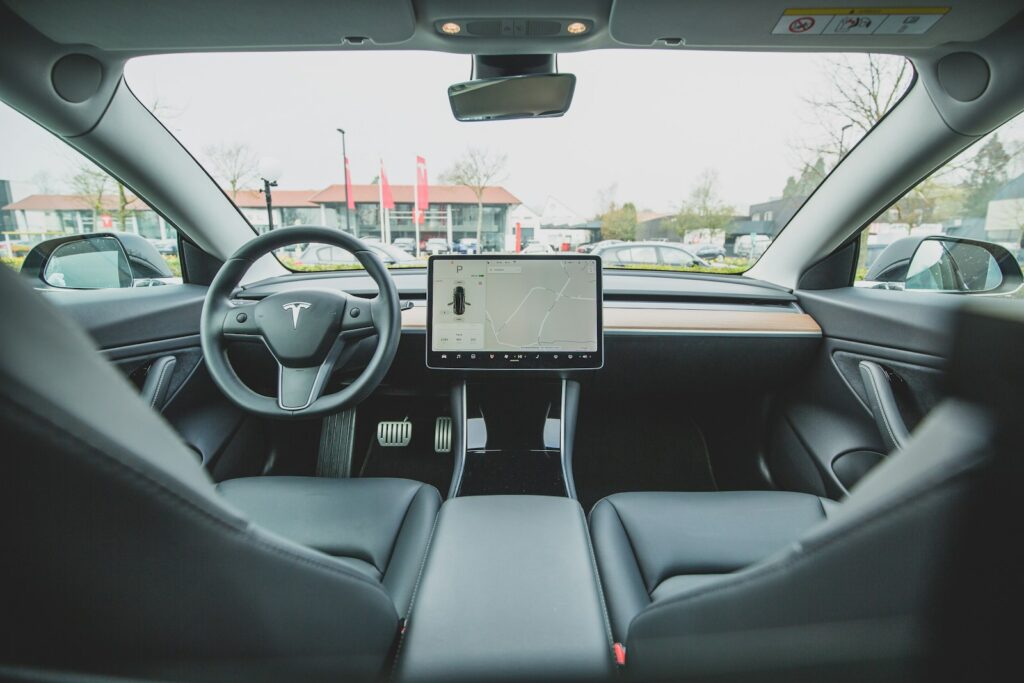
10. Tesla’s Real Path Forward in a Competitive World
When you step back and look at everything Tesla has pulled off, it’s honestly staggering. They didn’t just make electric cars viable they made them desirable, forced the entire industry to pivot toward EVs, built out a massive charging network almost from scratch, and proved that software updates could keep improving a vehicle years after you buy it. That kind of impact doesn’t fade overnight. Tesla will almost certainly stay one of the biggest names in transportation for a long time, pushing boundaries on autonomy, energy storage, robotics, and who knows what else Elon dreams up next.
But here’s the realistic part: changing the world isn’t the same as locking in decades of effortless, sky-high profits like Apple and Microsoft managed in their heyday. The auto business is too physical, too capital-intensive, too open to competition from every corner of the globe especially now with China’s scale and speed in the mix. Without those deep network-effect moats, and with leadership distractions plus internal pressures adding friction, Tesla’s future looks more like a tough, ongoing fight than a smooth ride to monopoly status. Accepting that doesn’t take anything away from what they’ve achieved; it just paints a clearer picture of the road ahead one that’s still exciting, just not quite the fairy-tale ending some hoped for.
What Tesla’s Unique Journey Really Means:
- Massive influence on accelerating the shift to electric vehicles.
- Early leadership created real, lasting industry change.
- Structural limits make true monopoly-level profits unlikely.
- Leadership choices and global competition will keep shaping outcomes.
- The path stays powerful and relevant, even if different from Big Tech’s.