



Leaked Emails Reveal Lucid’s Plan to Save EV Orders
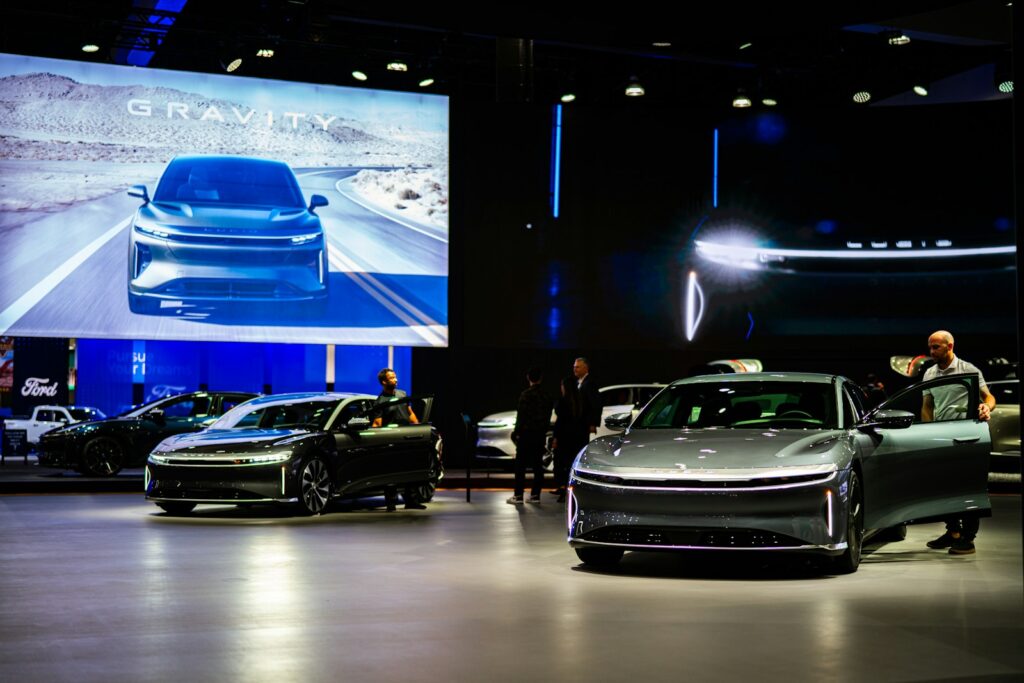
Lucid Motors has quickly made a name in the competitive electric vehicle (EV) market. The startup aimed to challenge established automotive giants with luxurious design and impressive driving range. However, leaked internal emails reveal that the company is under significant pressure to meet delivery targets and avoid cancellations of its high-priced vehicles.
Main Highlights of Lucid’s Pressure:
- Lucid is racing to deliver more vehicles before the end of the year
- Internal emails reveal a strict multi-stage cancellation prevention policy
- Employees face high pressure to save every order
- Investors are questioning the company’s ambitious targets
- Rapid expansion is straining employees and internal processes
Originally, Lucid aimed to supply 20,000 vehicles in the year, later revised to 6,000–7,000, but production problems meant only 3,687 cars were manufactured by Q3. This made the final months critical, with urgency spreading throughout the company and reaching retail units.
1. Reduced Reservations and Internal Pressure
Lucid’s challenges are compounded by a declining reservation list, dropping from 37,000 in Q2 to 34,000 in Q3. While some decline is due to deliveries, customer cancellations are a major concern. Leaked emails show that every cancellation is considered a critical failure, prompting a fierce retention strategy. This statement introduced a two-week multi-step retention process, with employees assigned as case owners to make multiple calls per day to customers attempting to cancel.
Key Aspects of Reservation Pressure:
- Reservation numbers decreased gradually over several months
- Deliveries only partially offset the decline
- Employees are under intense pressure to retain orders
- Stringent retention measures have been implemented
- Customer retention is now a top operational priority
2. Customer Retention Protocol – Multi-Tiered
Lucid’s retention process is highly structured and exacting. When a customer signals intent to cancel, the assigned case owner must call within 24 hours. If there’s no response, follow-up calls are made on three consecutive days. This method ensures every attempt is logged and tracked carefully, leaving little room for oversight.
Retention Protocol Features:
- First customer call must occur within 24 hours
- Three additional follow-up calls over the next three days
- Contact failure escalates the case to a manager
- Managers employ a six-call strategy
- Final escalation is to a regional manager after three more calls

3. Employee Stress and Workplace Pressure
The retention process has caused significant stress for employees. Anonymous reports indicate unhealthy pressure at the top, contrasting with Lucid’s luxury brand image. Internal communications restrict leave during critical periods, forcing staff in sales, delivery, and service to conduct high-intensity outreach under tight schedules.
Workplace Pressure Highlights:
- Employees face hard sales and retention goals
- Blackout periods restrict vacation during peak season
- Staff may be required to work holidays to meet targets
- Pressure impacts morale and brand perception
- Retail employees are most affected by these high-stakes protocols

4. Customer Frustration and Experiences
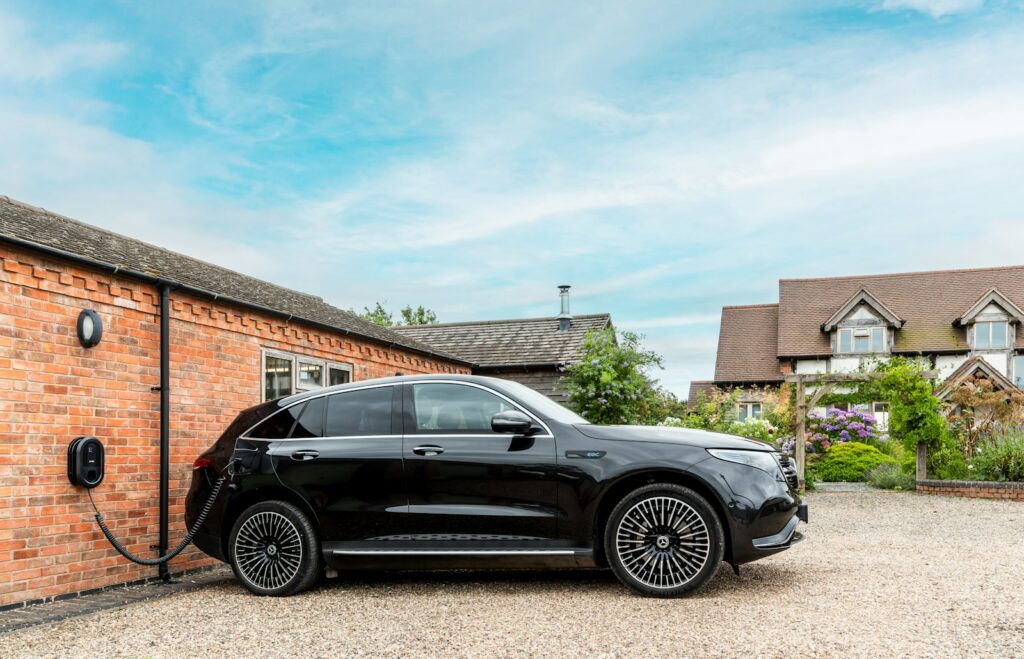
Customers often find the experience frustrating. Reports highlight missed delivery times and frequent changes in assigned sales personnel. Some customers have explored alternatives like the Mercedes-Benz EQS SUV, citing reliability and service network as key considerations. Lucid’s rigid deadlines reinforce the perception of prioritizing internal targets over customer needs.
Customer Experience Outcomes:
- Delivery deadlines often missed
- Sales representatives may change multiple times
- Communication gaps frustrate customers further
- Negative reviews appear on forums
- Unmet expectations affect brand trust
5. Broader Community Reaction
Forum analyses suggest that prioritizing delivery over software stability caused avoidable customer frustration. While the vehicles are praised for potential and performance, unresolved issues continue to affect perceptions in a luxury EV market that values consistency and service.
Lucid’s challenges have sparked mixed reactions online:
- Criticism over software issues and rushed launches
- Some customers switched to competitors like Mercedes
- Long-term owners report positive experiences
- Mixed opinions highlight differing expectations
- Online forums are a key channel for brand feedback
6. Lucid’s Path Forward
Lucid faces the challenge of balancing innovation with customer experience. Internal pressures, software hurdles, and aggressive retention strategies risk undermining the brand. Ultimately, Lucid must decide whether short-term retention tactics outweigh the benefits of a patient, customer-focused approach. With more models in development, the company’s success depends on service reliability, managing expectations, and aligning operations with the luxury image it seeks to project.
Future Considerations:
- Align production targets with quality assurance
- Address software stability before expanding launches
- Improve customer communication and flexibility
- Reduce employee stress and turnover
- Reinforce luxury brand image consistently

7. Incentives and Pricing Strategies
While pressuring employees, Lucid is also attempting to retain potential buyers through incentives. The company is promoting its existing Air Grand Touring inventory and even contacting former reservation holders. Some are offered the option to reinstate orders at a lower legacy price, which represents a discount from the recent price hike. This approach indicates the company’s awareness that high costs and delays could push customers toward competitors.
Lucid’s Incentive Measures:
- Employee purchase programs are being promoted
- Discounts offered to early reservation holders
- Inventory promotion for popular models like Air Grand Touring
- Efforts aim to mitigate cancellations due to price increases
- Strategic outreach targets both current and former reservations