






Your Step-by-Step Guide to a Professional Car Interior Clean

A clean interior is so much more than an open door showing something nice; it also increases comfort while reducing germs and allows you to be in a space that feels calm and inviting each time you drive. Many people find professional detailing too expensive. Cleaning your car yourself yields a satisfying sense of pride while helping to maintain the vehicle’s long-term value and overall appeal.
Advantages of Interior Cleaning
- Enhances driving comfort
- Reduces bacteria and allergens
- Improves air quality
- Preserves Resale Value
- Creates a stress-free environment
Keeping the interior clean also prevents wear and tear on the materials. Over time, dirt, crumbs, and spills will wear out upholstery, leather, and plastics. Regular car care prevents stains from setting in and stops any odors from building up. A clean-looking and smelling car is far more pleasant to be in, especially on those long commutes and road trips.
1. Gather the right cleaning supplies
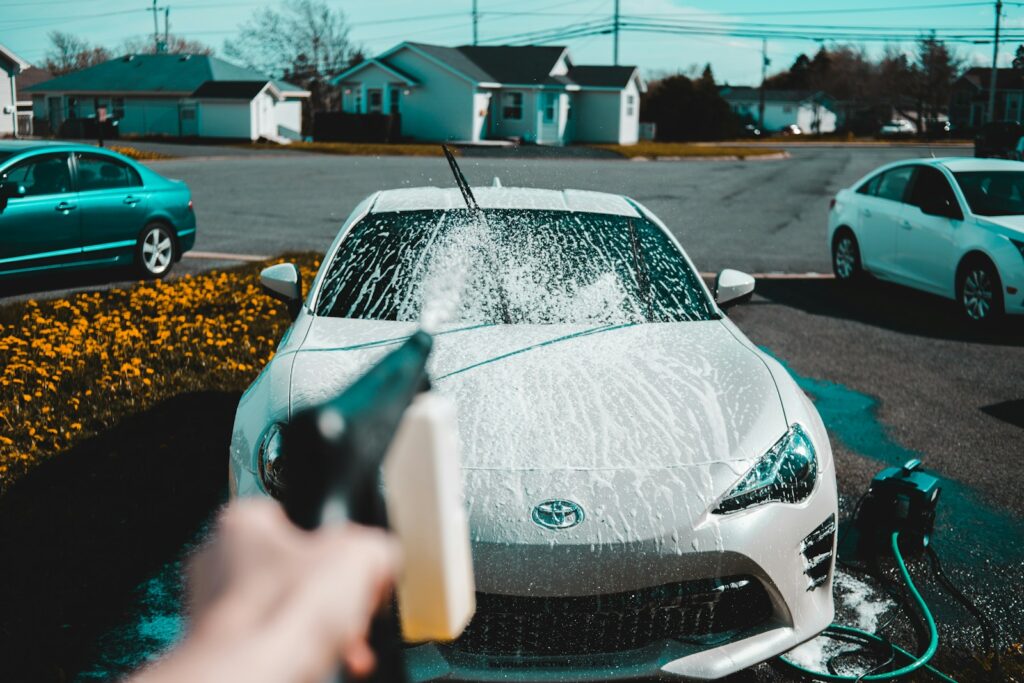
Any cleaning task will be way easier and more professional if the right tools are prepared upfront. Most of the things needed can be found in any household: from trash bags to microfiber cloths and simple cleaning solutions. Microfiber cloths are of special help, as they trap dust and leave no streaks on the surfaces-thus ideal for windows, dashes, and other sensitive interior surfaces.
Essential Cleaning Supplies
- Trash bags for clutter
- Microfiber cloths
- Handheld vacuum
- All-purpose cleaner
- Glass cleaner
The right use of the product prevents further damage to the surfaces of your car. Convenient household cleaners, such as dish soap, can damage plastics and upholstery. Automotive cleaners are created with safety and performance in mind. Use a cordless vacuum along with a few soft brushes, and you will be able to easily remove dust and debris from vents, seat seams, and other tight areas hard to reach in your car.
2. Upgrade with Professional Detailing Products
Professional-grade products will ensure a big difference in quality for those who seek deeper results. Items range from compressed air, leather cleaners, and fabric protectors that help you get into that hidden dirt or protect materials from further damage. This will keep your interior cleaner for longer and give it that polished, professional-detailed look.
Professional-grade add-ons
- Compressed Air
- Leather Cleaner
- Leather conditioner
- Fabric protector
- Soft detailing brushes
Special cleaners and conditioners keep leather seats soft and prevent them from cracking. Fabric sprays protect cloth upholstery from accidental stains and spills. Compressed air is super easy to operate when you need to blow off dust from the air vents and buttons before you wipe them clean. These tools make detailing easier by improving appearance and durability.
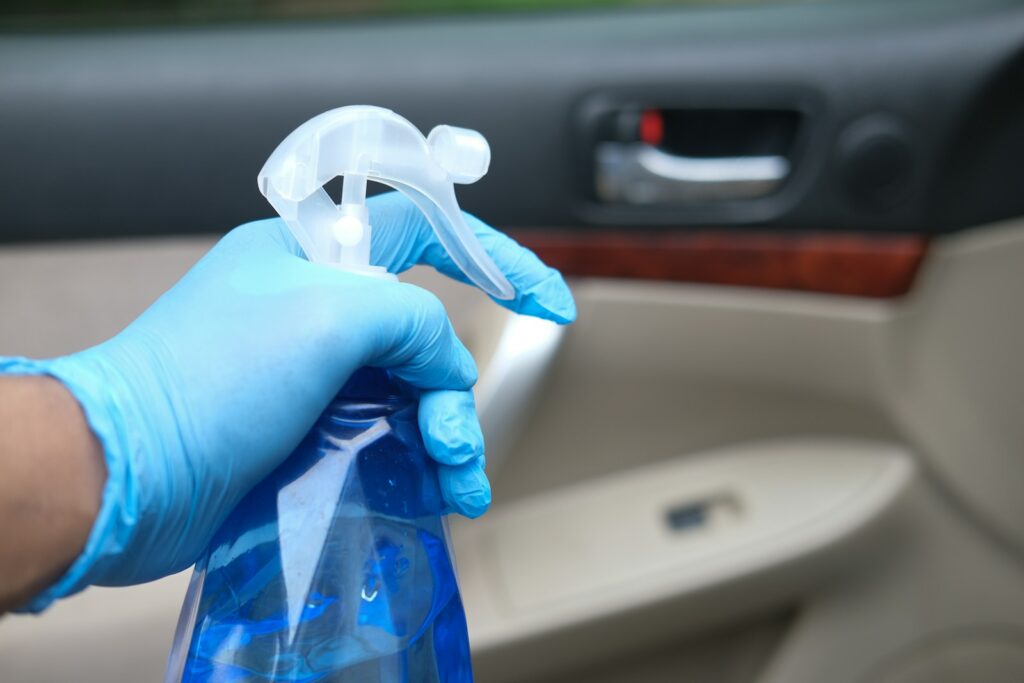
3. Decluttering and Preparation of Your Vehicle
Cleaning up the clutter should be the first step for any successful car detailing. From empty cups and old receipts to forgotten items, everything goes to a trash bag, while everything worthy of being kept goes into another sat aside, out of the way, so it leaves a blank space where you can visualize every area that needs attention in the cleaning process.
Preparation Checklist
- Remove trash
- Take out personal items
- Remove floor mats
- Take out car seats
- Shake off loose debris
Once everything has been removed, take out all items such as floor mats and child seats. These accumulate more dirt than most people realize and should be cleaned separately. A quick shake and vacuum of them prevents the loose dirt from falling back down onto freshly cleaned carpets. This saves time and keeps your detailing work neat.
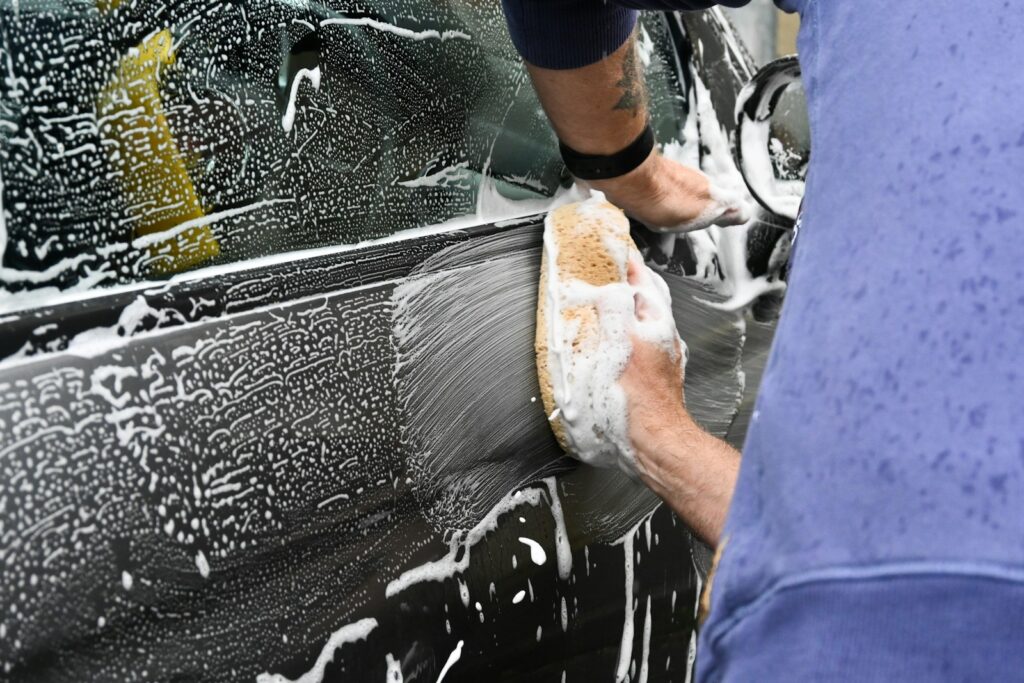
4. Cleaning Windows and Mirrors
Clean the windows and mirrors first; they greatly affect visibility and general appearance. An ammonia-free glass cleaner won’t harm window tint and won’t show streaks. Spray any cleaning solutions onto a microfiber cloth instead of the glass to avoid drips and damage to door panels and controls.
Glass Cleaning Tips
- Use ammonia-free cleaner
- Spray on cloth, not glass.
- Clean window edges
- Use dry cloth to buff
- Work in sections
This allows you to roll down the windows some and clean the top edges that are usually hidden. After wiping the glass, go over it with a dry microfiber cloth to buff out any streaks. Clean, clear windows make all the difference inside a vehicle for safety and freshness-definitely noticeable right away.
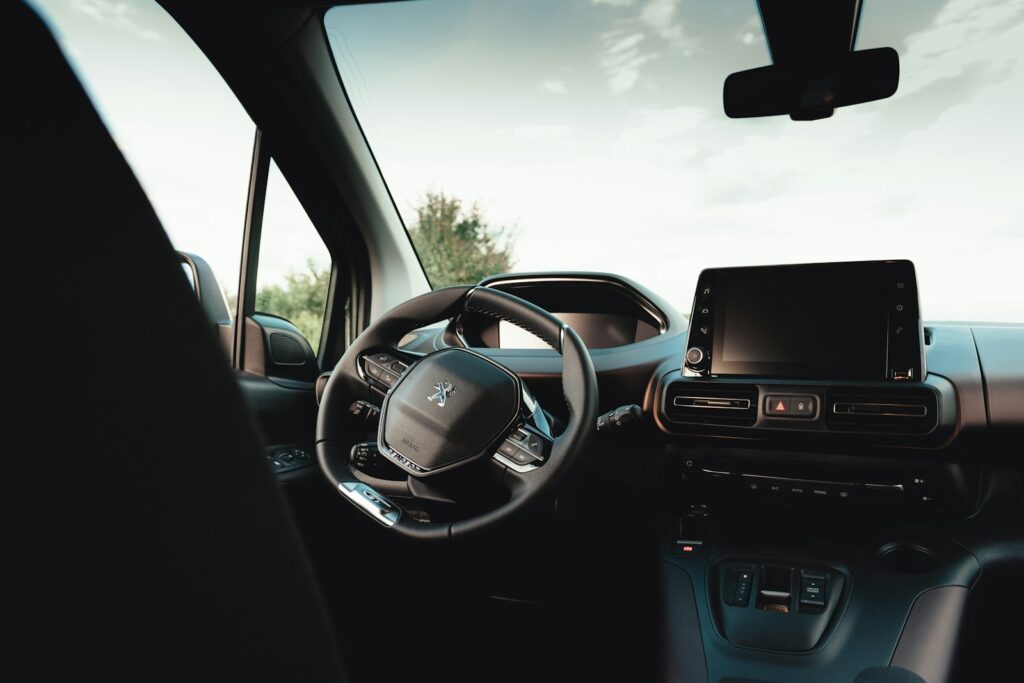
5. Overview of Dashboard & Console
Daily use causes the buildup of dust, fingerprints, and bacteria on the dashboard and center console. First, use compressed air to help clean dirt from vents and buttons. Always spray the cleaner onto the cloth or brush-never directly onto the surfaces-for the protection of the sensitive electronics from possible damage, and also to avoid streaks or any possible damage to the sensitive controls.
Dashboard Care Steps
- Use compressed air
- Spray cleaner onto cloth
- Clean all surfaces.
- Sanitize high-touch areas.
- Dry with microfiber
Pay extra attention to common use areas of the gear shifter, radio knobs, and steering controls. Germs will collect on those areas and should be disinfected. A good wipe-down not only makes things look nicer but helps keep your driving environment healthier. If the dashboard is clean, then the whole interior feels more polished and inviting.
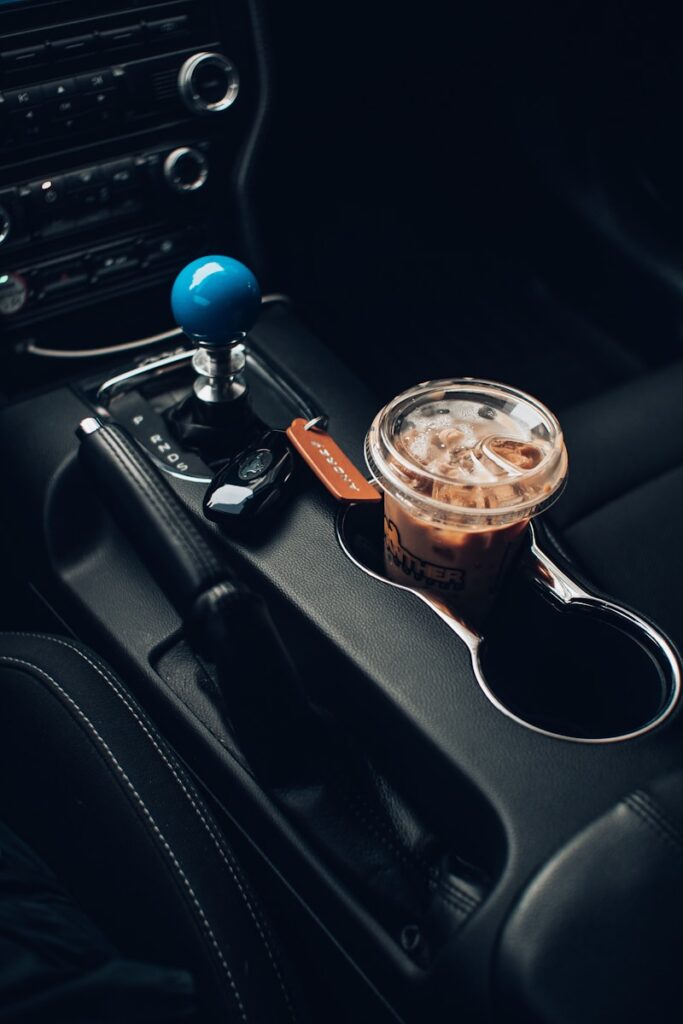
6. Cup Holder and Small Area Restoration
These cup holders tend to spill, and most of them are sticky and dirty quite often. The removable holders normally get washed with soapy warm water while the ones fixed in place get cleaned with a damp cloth. Small brushes or cotton swabs make reaching the corners much easier to remove these dried residues that cloths alone cannot do.
Cup holder cleaning tools
- Warm water
- dish soap
- Soft brush
- Cotton swabs
- microfiber cloth
Cleaning all these small areas makes a big difference. Once dry, cup holders look and smell fresh; taking away one of the most common sources of odors. The attention to such details adds to the professional feel of your interior detailing.
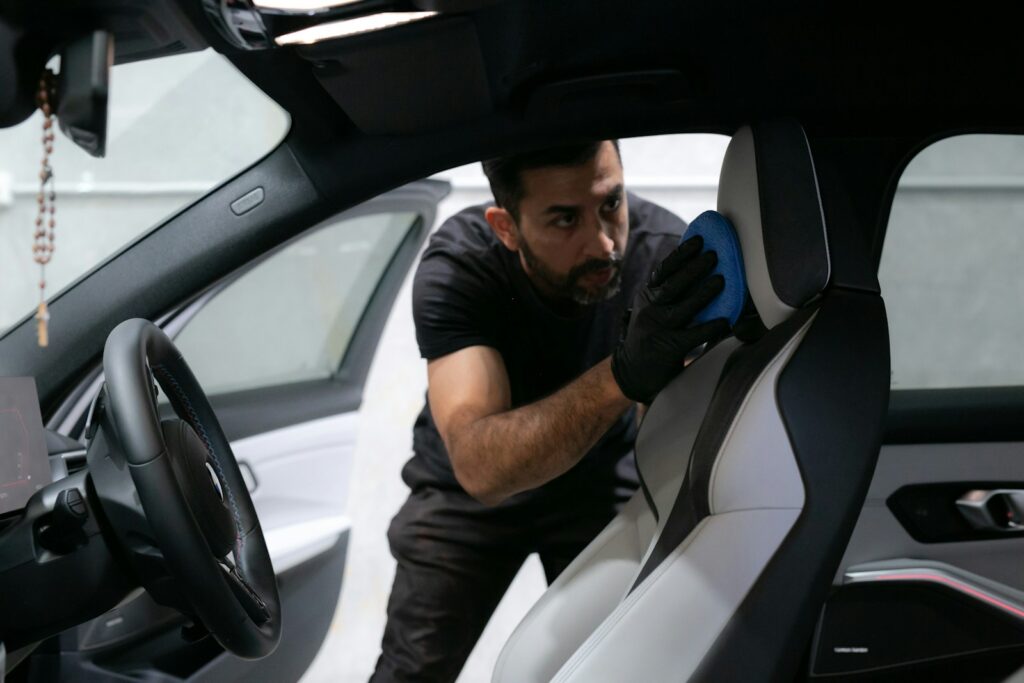
7. Deep Cleaning Seats and Upholstery
Among all car interior features, seats are the most exposed and require proper cleaning. First, vacuum to get rid of the loose dirt; then apply appropriate cleaners. Upholstery cleaner should be applied to the cloth seats, while leather needs gentle cleaning and conditioning. The all-purpose cleaner can do a really good job for vinyl seats.
Seat Maintenance Methods
- Vacuum first
- Use upholstery cleaner
- Apply leather conditioner
- Wipe vinyl surfaces
- Dry with microfiber
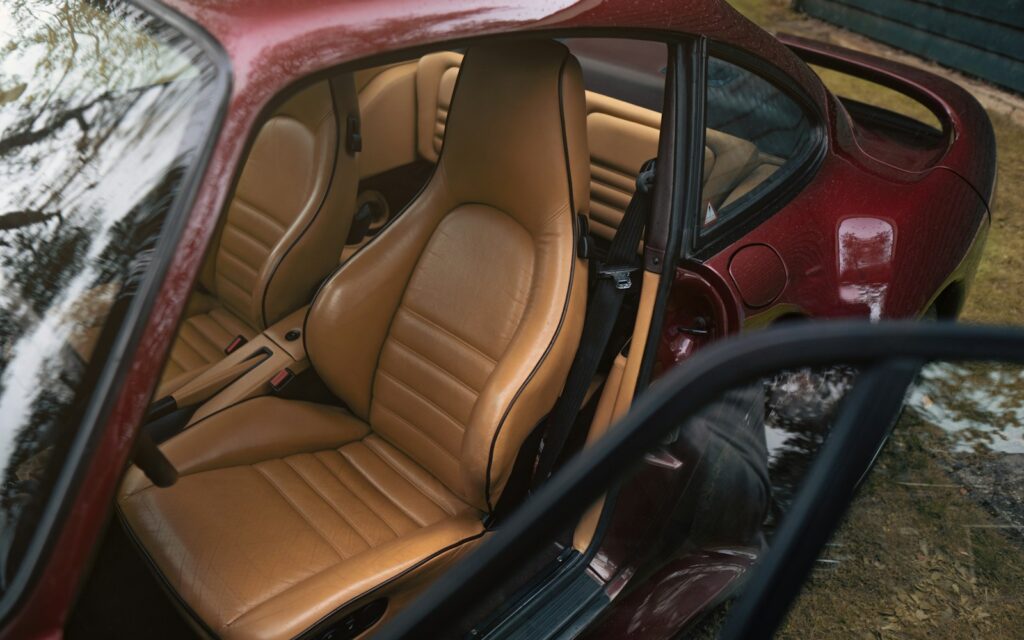
Proper seat care keeps materials soft and free of stains. Conditioning leather prevents cracking, while fabric cleaners remove trapped dirt and odors. Clean seats improve comfort and give the car a fresh, well-maintained look.