




Decoding EV Battery Life: What Real-World Data Reveals
Electric cars are no longer an alternative or an experiment for the future. They are quickly becoming a mainstream option for people who want to save on operating costs, enjoy a quieter ride, and reduce their impact on the environment. However, despite all the benefits that electric cars have to offer, there is always one sticking point that makes people who are interested in purchasing one hesitate: the battery. The lithium-ion battery pack is the most expensive component of an electric vehicle.
This is only natural. After all, while gas-powered engines have been around long enough that many car owners have had several decades of experience with them, the type of batteries used in electric cars are a relatively new technology when it comes to actual use. It is only natural that people would be interested in knowing how long these batteries will last, how quickly they will degrade, and what it will cost to maintain them after the warranty has expired.
Fortunately, these questions are increasingly being answered by hard facts rather than hypotheses. Warranty data, fleet analyses, and ownership experience are now giving us a better understanding of what the real-world battery life of an EV actually is. And when one looks at the facts, the answer is reassuring: electric vehicle batteries are designed to last much longer than most people believe, often comparable to the lifespan of the vehicle itself.
1. Why EV Batteries Drive Vehicle Costs
The cost gap between electric vehicles (EVs) and traditional gasoline-powered vehicles typically begins with one critical component: the battery pack. Lithium-ion batteries are highly complex technologies that involve exotic materials and sophisticated engineering. Each battery pack has to offer a safe and reliable method for storing massive amounts of energy and the ability to deliver power for hundreds of miles of range. The sheer complexity and sophistication of these batteries add significantly to their costs of production. Moreover, their development requires cutting-edge research in the areas of safety, cooling technology, and energy density.
Key Cost Drivers:
- The lithium-ion battery pack requires complex and resource-intensive production.
- There should be safety and quality control in the manufacturing process.
- The cost of material and assembly rises with the size of the battery.
- Thermal management adds complexity and engineering costs.
- The goal of research is to improve durability and charging speed.
- Investments ensure consistency in different driving situations.
- The cost of development is directly reflected in the price of EVs.
It is not only about the cost of expensive materials in the case of EV battery costs but also about years of scientific development and technological advancements. Car makers invest massive amounts in research and development to ensure that these batteries not only have a high energy density but are also safe and long-lasting. This is the reason why the car is priced so high but also the reason why the reliability associated with the EV experience comes with the car. In the long run, the consumer gets all this money back in terms of fuel savings and the longevity of electric powertrains.
2. What Battery Warranties Really Tell Us
One of the simplest ways to determine battery confidence is to examine the warranty that is offered by the manufacturers. In the United States, there is a warranty requirement for car manufacturers to offer at least eight years or 100,000 miles for the battery packs of electric vehicles. This alone is a good measure because it shows that batteries will last long after the vehicle’s lifespan.
These warranties are not limited to a complete failure of the battery. They also cover degradation, which is the loss of the battery’s ability to hold a charge. Most manufacturers will guarantee that the battery will retain a certain percentage of its original capacity during the warranty period.
However, some brands go a step further. The longer warranty periods and longer ranges for mileage show not only confidence in the longevity of the batteries but also confidence in their performance. When car manufacturers give a guarantee for a decade, it is an indication of testing and validation.

3. Understanding Battery Degradation in Real Use
Battery degradation is a process that is not well understood. Rather than a linear degradation, most electric vehicle batteries will experience a small initial loss of capacity, followed by a long period of relative stability. The initial loss of capacity is mainly because of the chemical settling of the battery cells.
This is attested to by the crowdsourced data of long-term EV owners. Vehicles that have been driven tens of thousands of miles will often display only a minimal loss of range, and this loss will often be well within the warranty limits even after years of ownership. Most importantly, the degradation rate will often slow down rather than speed up.
This goes against the idea that batteries have a short shelf life. The reality is that most modern EVs retain most of their charge well into their life cycle, which means battery replacement is not as common as it was thought to be.
4. Evidence from Long-Term Testing and Fleet Data
Some of the most compelling evidence of the long-term viability of EV batteries has been gleaned from large-scale studies of fleets of cars. Research that has tracked the data of thousands of EVs from various manufacturers in various environments has concluded that degradation is remarkably low. In most cases, capacity loss per year is measured at one to two percent, suggesting well over a decade of excellent range retention. This is in direct contrast to the worries that were voiced about the possibility of early degradation.
Longevity Insights:
- Fleet analysis indicates minimal annual capacity loss.
- Most vehicles only lose 1-2% of their capacity per year
- Modern battery management systems are effective in preventing wear and tear.
- Reliable data for brands, climates, and driving patterns.
- Despite early concerns about its longevity, real-world evidence has
- Long-term tests show consistent performance over thousands of miles.
- There is evidence of usable battery life of a decade or more
Taken cumulatively, these results make one thing abundantly clear: batteries in EVs are built to last. Data from fleets, which can represent millions of miles driven, indicates that the overwhelming percentage of vehicles have retained well in excess of 85-90% of their original capacity even after prolonged use. The integration of advanced cooling systems, optimized charging algorithms, and comprehensive thermal management has done much to normalize battery performance variability. This is a definitive sign that worries about degradation were thoroughly overstated. Today’s EVs are not simply efficient, but some of the most durable vehicles on the road.

5. How Long EV Batteries Are Designed to Last
The current technology used in EV batteries is suitable for the lifespan of traditional vehicles. Since the average age of a vehicle in the U.S. is over 12 years, battery engineers also target a similar or longer lifespan. Modern vehicles are expected to last between 12 to 15 years of actual driving in a moderate climate, with many expected to exceed this range. Contrary to what was previously believed, replacement batteries are not usually the result of natural degradation.
Battery Lifespan Factors:
- Design lifespan targets 12-15 years of service.
- Equals or exceeds the average length of car ownership.
- Succession as a result of aging is still a rarity.
- Errors typically linked with damage, not deterioration.
- New chemistries extend cycle and calendar life further.
- Moderate climates are favorable for the longevity of battery performance.
- Manufacturing improvements are continually lowering rates of wear.
The idea that EV owners have to be ready for mid-life battery replacements is now quickly becoming outdated. Advances in battery materials, cooling systems, and battery management systems have resulted in a dramatic increase in the lifespan of these batteries. In fact, most new EV models come with warranties that guarantee the batteries will last for eight years or 100,000 miles, further underscoring the confidence that exists in their long-term durability. As more models are manufactured and quality control procedures are implemented, the degradation rate continues to fall. For the consumer, this means carefree ownership and a longevity argument for EVs that is equal to or superior to gasoline-powered vehicles.
6. Engineering Behind Modern Battery Durability
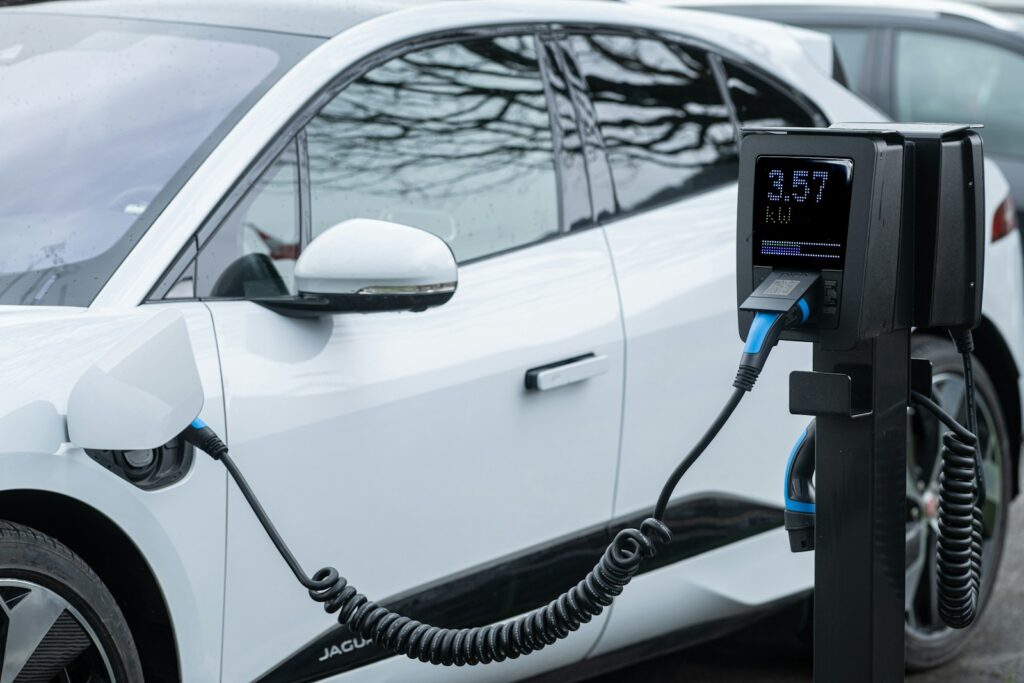
The lifespan of EV batteries is intended in this manner. The latest lithium-ion batteries have high energy density and low self-discharge rates. These batteries are perfect for use in vehicles. The cons of these batteries, such as their sensitivity to high temperatures, are overcome by proper engineering design. Battery management systems are continuously monitoring the voltage, temperature, and charging cycles of the batteries. These systems ensure that the batteries are balanced and that conditions are not created that could lead to faster degradation. Software upgrades can even optimize the performance of the batteries.

7. Thermal Management and Physical Protection
Temperature control is an extremely critical parameter in the maintenance of batteries. Active temperature control systems require the use of liquids to cool and heat the batteries in order to keep them within the desired temperature range. This is done irrespective of whether the car is moving, charging, or parked. Physical protection is also a factor. The battery packs are encased in specially designed containers that can protect them from road debris, misuse, and adverse environmental conditions. These containers are tested thoroughly under extreme conditions.
8. Safety Testing and Fire Risk Reality
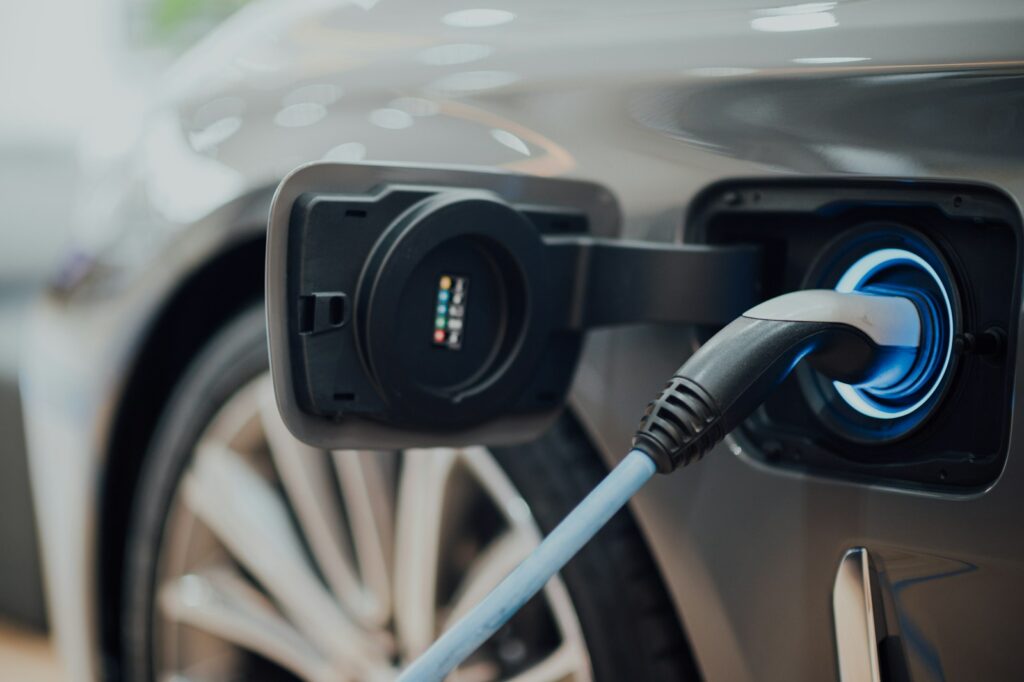
The safety of electric vehicle batteries is normally mentioned in the context of some incidents, and not in the context of typical data. In fact, every electric vehicle battery has to go through rigorous testing before it can be marketed. This includes simulations and real-world testing for conditions such as overcharging, impact, puncture, submersion, and exposure to extreme temperatures. Several containment systems are designed to prevent thermal runaway, and every vehicle goes through rigorous certification in accordance with international safety standards. The truth is that the fire hazard is actually lower than that of gasoline vehicles.
Safety Highlights:
- The EV battery is tested for overcharge, impact, and water exposure.
- Strict validation is done before any vehicle is put out for public use.
- Statistical data shows that there is less fire risk compared to gasoline vehicles.
- The media coverage might have a tendency to exaggerate the perception of EV fires.
- Battery systems have various thermal protection methods.
- There are international regulations that require independent safety certification.
- Improvements in design are continually made to reduce risks even further
Modern electric vehicles are among the safest ever made. Battery technology is packaged in secure modules and tracked by sophisticated networks that control temperatures, compartmentalize problems, and short circuit in the event of failures. When failures occur, they are quickly assessed by the manufacturer and corrected. The difference is not one of safety but of transparency; problems with electric vehicles are more publicized. Real-world data from insurance company and fleet studies suggests that electric vehicles have a lower rate of fires per mile than gasoline-powered vehicles. Redundancy in design and a commitment to safety excellence work together to ensure that electric vehicles remain efficient and very safe.
9. How Driving Habits Affect Battery Health
While engineering is certainly a consideration, driving habits also have their role to play. Accelerating quickly, hauling a trailer, and maintaining a high load on a regular basis can all contribute additional stress to the battery. Smooth and consistent driving will help to optimize efficiency and battery life.
Charging habits are especially pertinent. Range-avoiding charging can be helpful in maintaining battery chemistry. Most vehicles allow owners to set charging limits that support healthy driving habits.
By understanding these principles, car owners can take an active role in maintaining their car’s performance and value.
10. Climate, Charging, and Long-Term Care
In addition, environmental factors also influence the state of the battery. Low temperatures may reduce the range and charging rate. High temperatures lead to faster chemical degradation. Thermal management systems are helpful, but they cannot remove the influence of environmental factors completely.
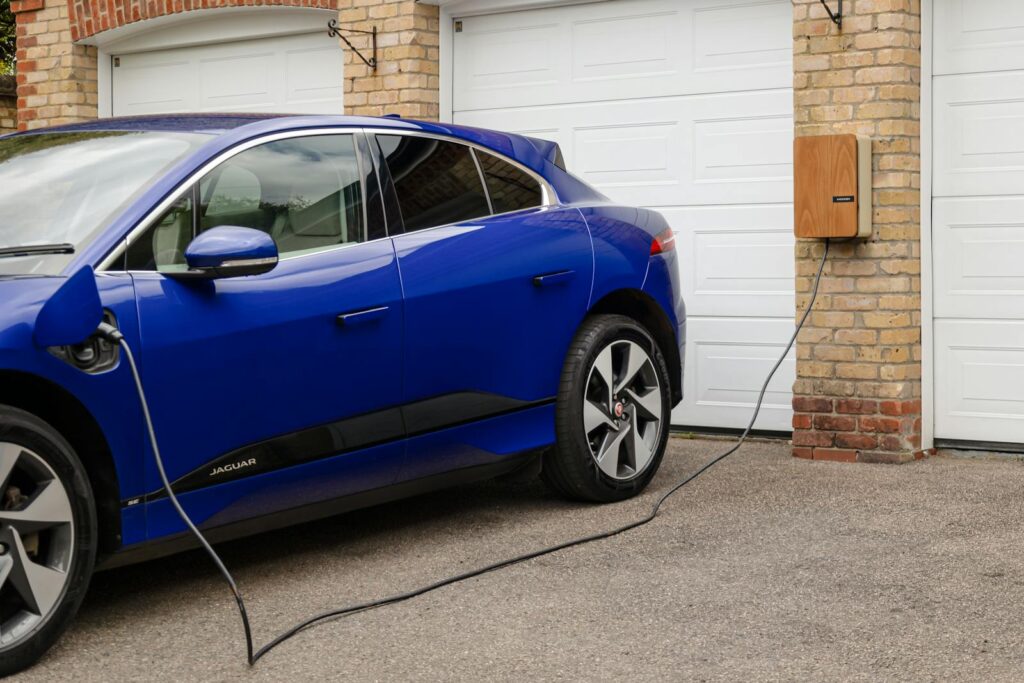
It is possible to make a difference by practicing simple habits. Parking in a protected spot, pre-conditioning the car when it is plugged in, and charging the car at strategic times can all help to ensure that better long-term results are achieved. When combined with proper engineering, these habits can ensure that the batteries in electric cars continue to be reliable, efficient, and useful.
The question of battery life in EVs is no longer grounded in hypotheses and fears about first-generation batteries. The truth, the numbers, and the experience of ownership all point to the same thing: electric vehicle batteries are built to last. They are meant to support the life span of the vehicle, and in many cases, extend beyond it. This should give genuine reassurance to those who are thinking of buying an electric car. The life of batteries is no longer an unknown quantity but a proven positive factor for electric cars.