



Ford’s Electric Fiesta: A Bold Plan for an Affordable 2026 EV
By the time the last Ford Fiesta was completed in July 2023, it was not just a small car being discontinued. The Fiesta represented affordable fun behind the wheel for nearly five decades. Its exit reflected changing market trends, with buyers increasingly favoring SUVs and crossovers, prompting Ford Motor Company to shift its priorities.
Significant Pivotal Events in the Background of the Farewell
- In July 2023, production officially ended for the seventh generation
- Consumer demand shifted toward SUVs and crossovers
- Ford strategically moved toward higher-margin vehicles
- Termination of a long-standing supermini legacy
- Opportunity created for an electric successor
Despite the end of the gasoline-powered Fiesta, the story is far from over. Ford is preparing to reenter the small-car segment with a new vision focused on electrification, innovation, and long-term profitability rather than merely sustaining volume.
1. The Electric Comeback Strategy of Ford
By early 2025, it was reported that Ford was fully committed to designing a new family of small and affordable electric vehicles. The first models are expected in the United States by 2026. Rather than reviving an old badge, this project aims to create a spiritual successor to both the Fiesta and the Ford Focus on an all-electric platform. This approach revolves around a new EV architecture designed for efficiency and cost control. Ford is not electrifying an existing platform but building something entirely new to ensure long-term competitiveness.
The EV Revival Strategic Objectives
- Break into the low-end EV market in the U.S. by 2026
- Create a low-cost, in-house EV architecture
- Provide a spiritual heir to Fiesta and Focus
- Ensure efficiency and early profitability
- Consolidate Ford’s main EV presence
2. Within the Skunkworks Innovation Team
To achieve this vision, Ford created a specialized skunkworks team that operates with startup-like agility. Led by Alan Clarke, a former Tesla engineer, the team includes experts from Rivian, Apple, and Formula 1 aerodynamics. Their focus is to develop the most efficient EV platform in the world. With around 300 members, the team combines innovative tech expertise with traditional automotive experience, allowing Ford to redefine affordable electric vehicle development.
Why the Skunkworks Team Is Unique
- Operates beyond conventional corporate structures
- Led by former Tesla engineer Alan Clarke
- Brings in expertise from Rivian and Apple
- Includes aerodynamic specialists from Formula 1
- Focused on creating the most efficient EV platform

3. Competition in a Rapidly Changing Global Market
Ford faces significant competition, particularly from rapidly developing Chinese EV manufacturers. CEO Jim Farley has identified these companies as major rivals. Ford’s challenge is to produce an affordable EV without compromising profitability, a balance many traditional manufacturers have struggled to achieve. Marin Gjaja, COO of Ford Model E, summarized the challenge: the new platform must be affordable, differentiated, and profitable simultaneously. Historically, low-end models traded at break-even or losses. The new architecture aims to ensure sustainable margins.
Threats Driving Ford’s Strategy
- Rising dominance of Chinese EV manufacturers
- Growing consumer demand for low-cost EVs
- Need to maintain long-term profitability
- Shifts in the market away from conventional ICE cars
- Demand for differentiated, tech-forward products
4. The LFP Battery Advantage
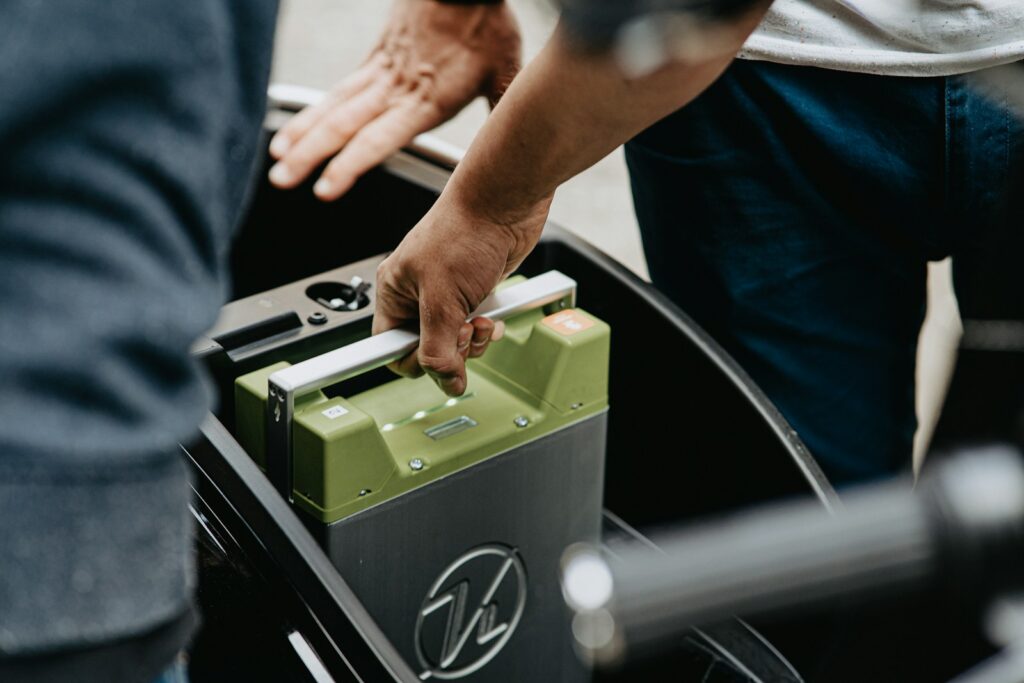
A key element of Ford’s strategy is the use of lithium iron phosphate (LFP) batteries. These batteries are cheaper than nickel-manganese-cobalt alternatives, reducing costs by 20–30 per kilowatt-hour. They also offer durability, safety, and strong performance in colder climates, despite slightly lower energy density. This battery technology supports both affordability and long-term reliability for everyday drivers.
Advantages of LFP Battery Technology
- Lower production cost per kilowatt-hour
- Extended lifespan and consistent performance
- Improved safety characteristics
- Reduced reliance on expensive materials
- Reliable performance in low temperatures

5. Innovation Vision of the Electric Successor
The new Fiesta EV features an aerodynamically optimized hatchback design. Slim LED headlights integrate into an enclosed grille to improve airflow, while flush door handles and a curved shoulder line create a modern, streamlined appearance. C-shaped LED tail lights emphasize width and stability, signaling a futuristic yet practical design.
Exterior Highlights
- Closed aerodynamic grille
- Slim LED headlights and DRLs
- Flush door handles for reduced drag
- Upward-curved shoulder line
- Unique C-shaped LED tail lights
6. Performance and Everyday Usability
Built on a dedicated EV platform, the new Fiesta is engineered for efficiency and practicality. It is expected to offer approximately 250 miles of range, with power output between 100–150 PS, making it suitable for commuting and light weekend travel. The electric Fiesta aims to retain its nimble handling while providing modern EV performance, striking a balance between efficiency and engagement.
Expected Performance Specifications
- Estimated 250-mile driving range
- Power output between 100–150 PS
- Competitive acceleration for its segment
- Top speed around 137 mph
- Optimized for urban and suburban use
7. A Modern and Sustainable Interior
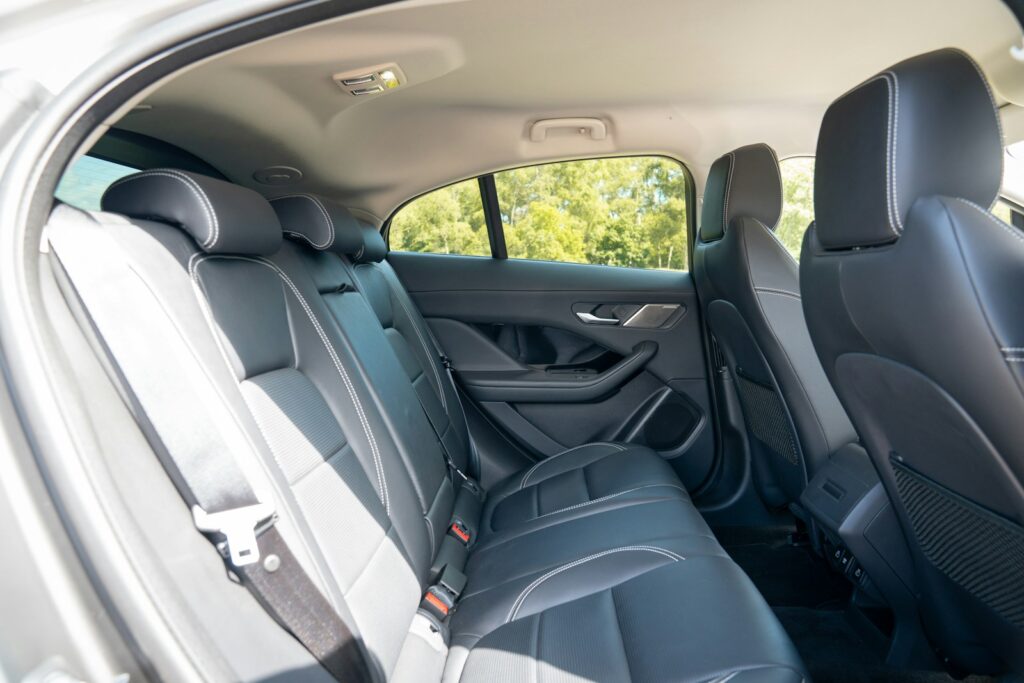
The cabin features a 12.3-inch digital instrument cluster alongside a 10.2-inch central touchscreen, providing a premium tech experience. Six-color ambient lighting, ergonomic seats, and sustainable materials ensure comfort, practicality, and eco-conscious design. Despite a compact four-meter footprint, the stretched wheelbase maximizes space for five passengers and flexible cargo arrangements, reinforcing Ford’s commitment to practicality.
Interior Technology and Comfort
- 12.3-inch digital instrument cluster
- 10.2-inch central touchscreen
- Six-color ambient lighting
- Ergonomic sport seats
- Sustainable recycled materials
8. Competitive Positioning in the Affordable EV Market
Ford plans to price the new EV below $30,000 before incentives, targeting competitors like the Volkswagen ID.2, Renault 5 E-Tech, and BYD Dolphin. Advanced features, efficient battery technology, and brand heritage aim to differentiate it in a crowded market.
Competitive Strengths
- Target price under $30,000
- Advanced SYNC 5 infotainment system
- Performance-oriented brand heritage
- Efficient LFP battery platform
- Strong global brand recognition

9. A Strategic Pivot for the Brand
This EV platform represents a “double switch”: transitioning from ICE to electric power and moving from a volume-driven strategy to a value-oriented approach. Affordable models serve as a gateway for customers to enter the brand and explore higher-tier electric offerings.
Elements of the Strategic Shift
- Move away from ICE-only development
- Reduced emphasis on sheer sales volume
- Focus on profitability per vehicle
- Gradual repositioning toward premium perception
- Clear entry point for new customers
10. Looking Toward 2026 and Beyond
The first vehicle from this platform is expected in late 2026 or early 2027. Despite evolving market challenges, Ford anticipates strong long-term demand for efficient small EVs, particularly as fuel costs remain volatile. Ultimately, this project is more than a product launch. It represents Ford’s calculated investment in the future of personal mobility. By combining legacy manufacturing expertise with modern technology, the electric Fiesta successor aims to redefine affordable mobility for a new generation.
Future Outlook and Expectations
- U.S. launch targeted for 2026–2027
- Potential expansion into global markets
- Platform adaptable for different regions
- Focus on long-term sustainability
- Commitment to profitable electrification