




MG’s Small Car Legacy: The Midget and The Comet
The idea of cars is more than just about making them compact. It actually started a time ago when people in the car business thought about what was practical. This was after the Second World War when things were tough cities were very crowded and people needed cars that were affordable and easy to take care of. Then small cars were not just a style thing they were a necessary response to the problems people were facing. They gave people the freedom to move around at a time when everything was being rebuilt.
As time went on small cars started to change from being a way to get from one place to another to being a way for designers to show off their creativity and skills. Different countries made their versions of small cars but Britain did something really special. The people who designed and built cars in Britain were able to make cars that also had a lot of character. They made cars that were not good for getting around but also fun to drive. This mix of being useful and fun became a part of what British car design was all about.
There are a lot of companies that helped make cars what they are today but MG is one that really stands out. MG is known for making cars that’re exciting to drive. They took cars and made them feel like they were alive. This way of thinking is still around today. It connects the old cars like the Midget to the newer ones like the Comet. Even though these cars are, from times they are connected by the idea that small cars can still be a lot of fun to drive.
1. The Post-War Reality and the Emergence of Small Cars
The world’s economies were preoccupied with recovery after the war and practicality and affordability became the focus of daily life in the years that followed. The car industry was forced to re-evaluate their strategy since the large and costly cars would not fit most families. The need turned to smaller cars that were more economical and efficient for every-day driving without straining budgets. This was the start of a significant shift in the focus of car design.
Key Drivers of Small Car Growth:
- Inadequate economic rehabilitation requirements after the war
- There is a growing need for less carbon-intensive mobility
- Increasing relevance of accessibility
- The shortage of space in the city is worsening
- Move to more functional mobility
The small cars were built for simplicity and efficiency. They consumed less fuel, they used fewer materials, were simpler to manufacture on a larger scale. Their small size made them much useful in urban areas. Agility was more important than raw power as roads became narrower, parking space limited, and traffic congestion increased.
From the beginning, it was a necessity but over time it became a part of automotive design that was accepted and innovative. Engineers began to investigate the design of performance, comfort, and character to fit into a smaller vehicle without adding volume. In so doing, the creative change paved the way for many of the iconic small cars that followed in the industry.

2. Britain’s Golden Era of Compact Engineering
Compact cars were an important facet of British car identity in the mid-20th century. It’s a time that’s frequently referred to as the golden age of engineering and creative design. The result of this movement was one of the most recognisable of the movement, the Mini designed by Alec Issigonis, who proved that small cars could be, and were, practical, stylish and fun to drive. It ushered in a changed perception of what a compact car could be.
The Report Outlines the Key Features of British Compact Innovation:
- Application of smart space utilization techniques
- Lightweight vehicle construction
- Simplicity of mechanics
- Practical yet stylish car designs
- Construction of a good engineering creativity culture
British manufacturers paid close attention to the efficiency of space in small sizes. They didn’t see it as a limitation, they saw it as an opportunity for innovation. Clever packaging, minimal mechanical systems, an easy-to-maintain and light design cars were built to be easy to maintain and operate. This would help to distinguish British small cars from the rest of the auto world.
In this setting, MG built a great reputation focused on fun and personality. But while a lot of manufacturers were just focused on functionality, MG added emotion and excitement to the design of compact cars. This attitude did much to contribute to some of its most iconic cars, such as the MG Midget. It was a trend that began to see a change in the way small cars looked and felt, becoming not only functional, but also engaging and fun to drive.
3. The MG Midget and Its Origins
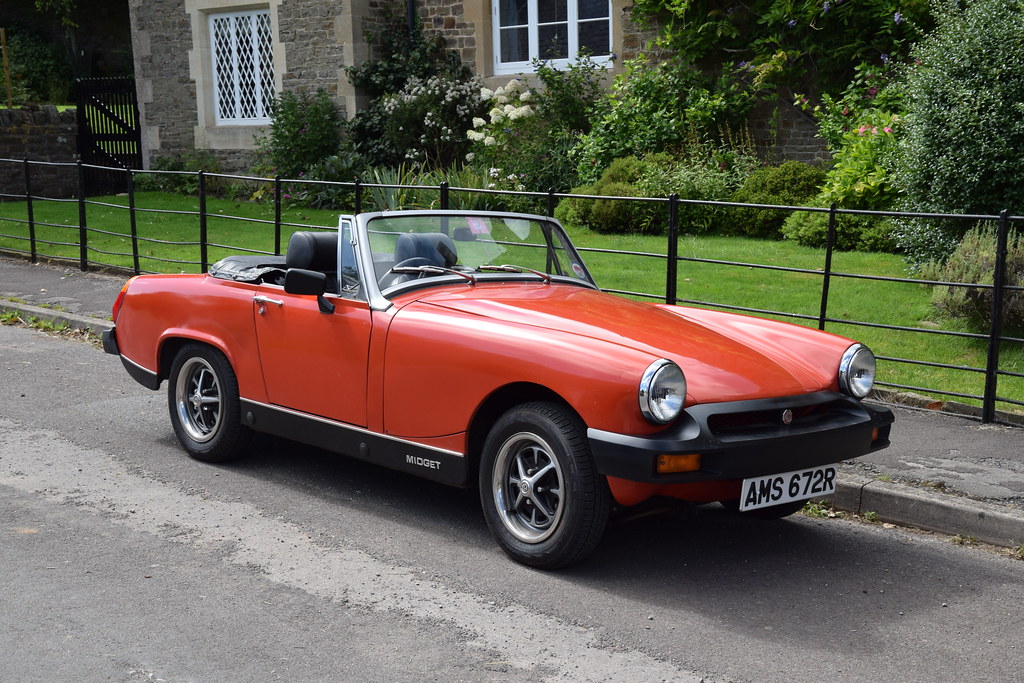
The MG Midget was part of a long tradition of engineering practicality and resourcefulness in Britain. Shared with existing small car parts lowered the production cost and ensured mechanical reliability. This was a common method in the British automotive industry, with common parts being shared between models. This led to a compact sportscar that was still inexpensive and simple to manufacture.
The Origins of the MG Midget:
- Constructed with common parts
- Cost-effective production approach
- Highly developed British engineering presence
- Connection with Sprite platform
- Focus on simplicity and reliability
The MG Midget had a good technical affinity with the Austin-Healey Sprite being part of the British Leyland group. The two were engineered on a similar base, a testament to the partnership that took place between the two at the time. In the MG version, though, it was a bit more polished and fan-favorite. Its purpose was more than just to provide the basic transport; it was intended to provide a more interesting driving experience.
The practicality and driving pleasure merged to become the hallmark of the Midget. It was small, inexpensive and straightforward but it gave it a personality to be used in normal life. Its lightweight design and nimble handling made it a joy to drive, even on mundane trips. This harmony made the Midget a memorable and easy-to-drive sports car.
4. Smart Engineering (Shared Components)
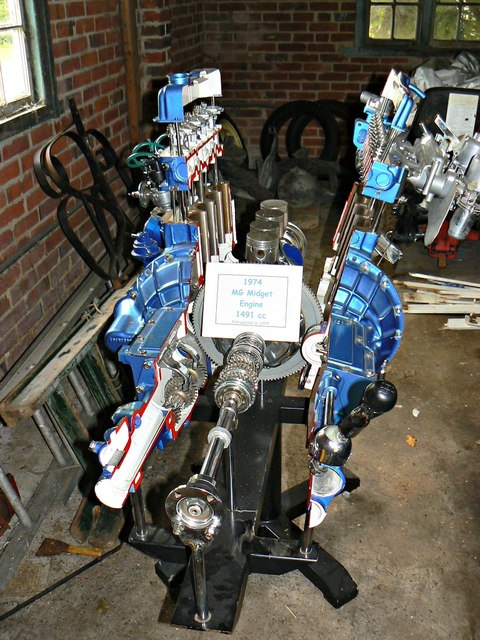
The cleverness of the MG Midget was in its shared gears. Rather than building up designs from scratch, MG used existing and successful components from other British cars. This not only cut down on development costs but also guaranteed reliable performance. It also symbolized an engineering mindset that was practical, efficient and reliable.
The Key Elements of the Shared Engineering Design are Provided:
- Use of proven mechanical parts
- Borrowed drivetrain components
- Shared suspension systems
- Cost-efficient development strategy
- Reliability with tried and tested designs
Parts like the gearbox, suspension gear and steering systems were obtained from other models such as the Austin A35 & Morris Minor. These are proven systems, and not introducing too much complexity into the project and making sure that there were mechanical systems already proven in real use. This enabled engineers to concentrate more on improvements of handling and driving feel and not re-invent basic technology.
This resulted in a well-rounded and enjoyable driving experience despite the disparate origins of its components. The whole thing didn’t feel like a bunch of disparate parts, but rather it was all put together as a cohesive and meaningful sports car. By tuning and integrating shared systems with care, it has a very special feel and is fun and interesting to drive.
5. Jet Stream Aircraft Design and Concepts
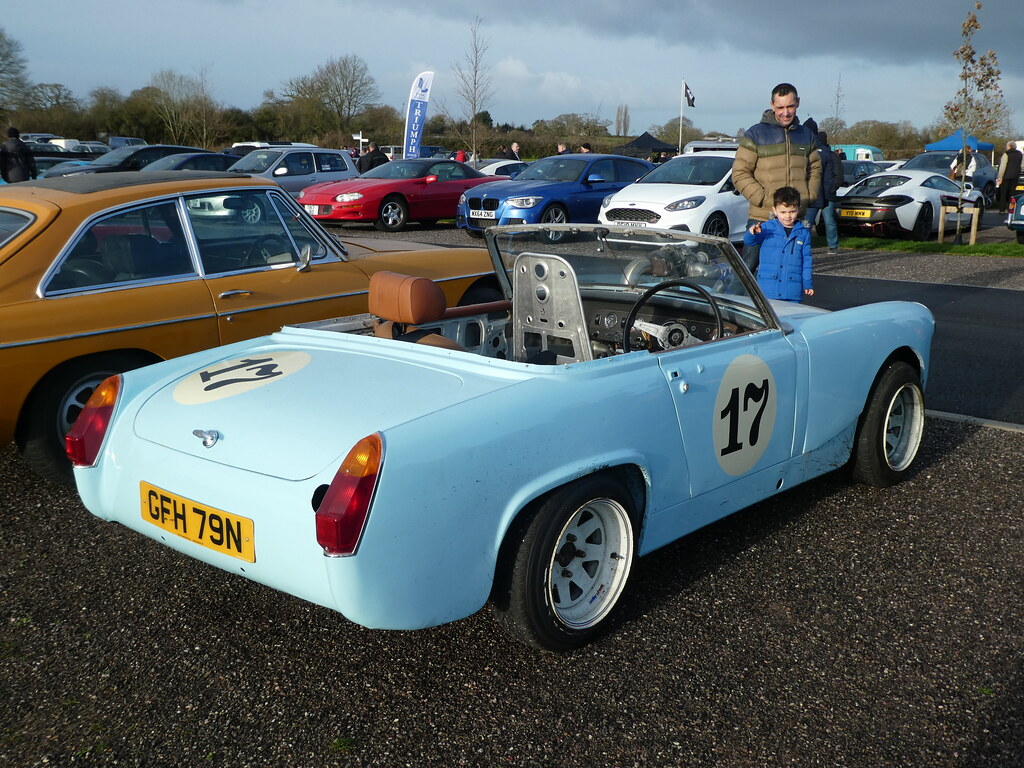
The MG Midget was quite advanced for a small sports car at the time. It was monocoque, meaning it was built using a combination of the body and frame in one. This design strategy produced an overall lighter weight with more rigidity. This led to the car’s efficiency and responsiveness in actual driving conditions.
Structural Innovations for the Midget:
- Monocoque body construction design
- Stiffness increases in the chassis
- Lightweight structural efficiency
- Enhanced cornering performance
- Box section was used and supported with rebar
This was a considerable engineering achievement for a small sports car for such a time. With the new stiffness, the Midget could navigate corners better and be more stable when driving in a spirited fashion. At the same time, safety and durability were enhanced due to the stronger integrated structure. The use of box sections added additional reinforcement but without causing unnecessary weight.
This was a focus on structural efficiency, which showed MG’s respect for modern engineering principles even in its inexpensive sports car. The company adopted advanced construction techniques, beyond just simple mechanical design, to enhance the overall performance. This helped to help the Midget to be more than just a first time sports car. It was now a beautifully-worked and well-designed driving machine.
6. The Classic MG’s Memorable Personality
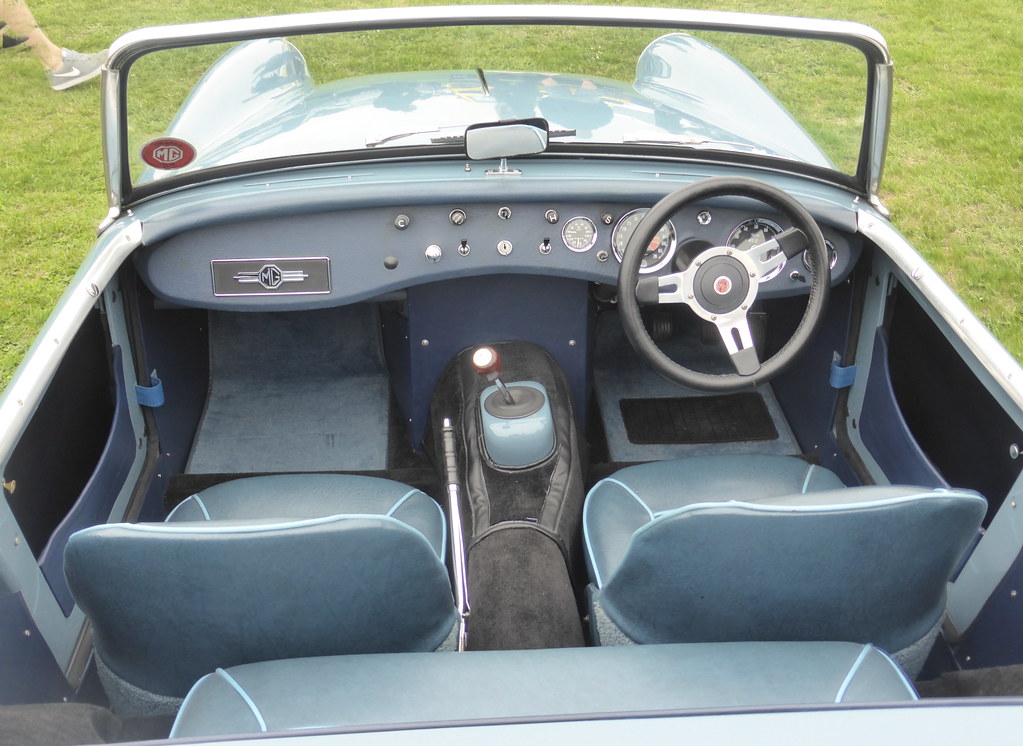
Riding the MG Midget is more about mechanical, raw and on-the-road satisfying experience. The Midget provides a more hands-on connection between driver and machine, unlike today’s more comfortable and isolated cars. Inside its small cabin, everyone feels like they are in the same space with the car, as every move you make is very connected to the car’s action.
The Main Characteristics of Key Driving Experience are Analyzed:
- Direct mechanical driving feel
- Lightweight responsive steering
- Using manual gearbox operation
- Strong driver-car connection
- Intimate compact cabin feel
The steering is light, but very responsive which allows the driver to feel every turn of the wheel on the road. Manual gearbox then makes engagement even more precise and deliberate, with each shift. The dynamics of the actions, whether accelerating or braking, are tangible and integral, further enhancing the feeling of control and engagement.
The MG Midget is still remembered for its emphasis on driving enjoyment rather than simply speed or comfort even today. Communication between the car and the driver, not isolation, is the defining experience of this. The Midget’s popularity will likely endure because of its emphasis on engagement.
7. Robust and Effective Messaging
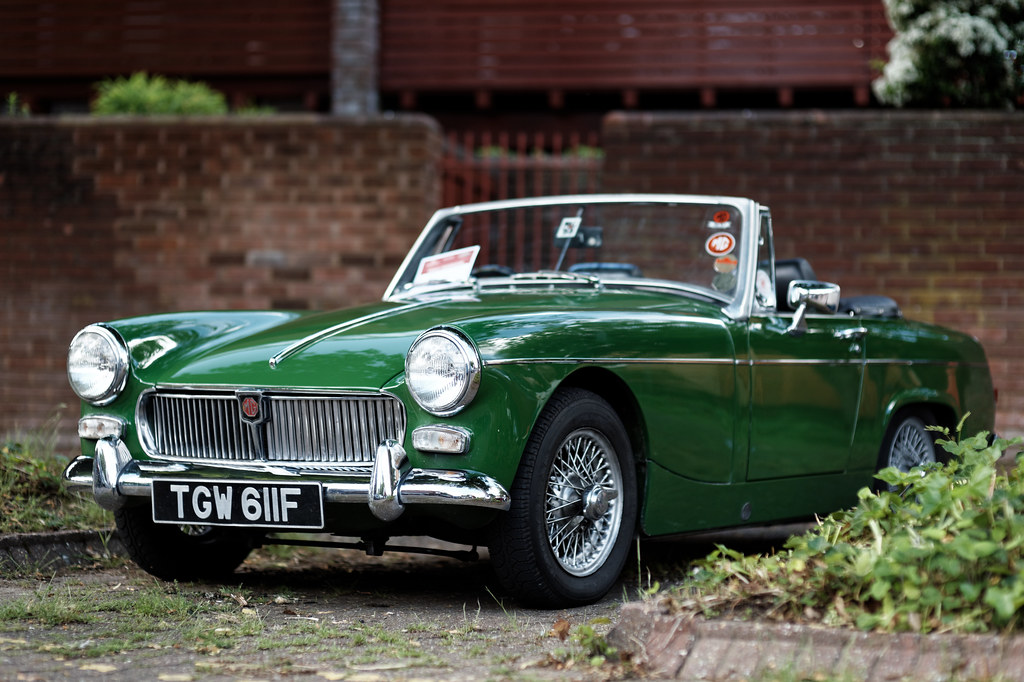
The simplicity is the key for the entire cabin design of the MG Midget. The dashboard has a clean and simple design, with straightforward and clear gauges that provide easy access to essential information. It’s free from distractions so the driver can concentrate on the road. The tactile controls and physical switches give the system a real mechanical touch that is sometimes missing from the digital era.
This Comprised the Key Interior Design Features:
- Minimalist dashboard layout
- Read analogue instrument dials
- Tactile (haptic) control switches (haptic feedback)
- Functional driver-focused design
- No distractions inside that aren’t necessary
Inside you’ll find only pure functionality, but it will never be empty or boring. Instead, it’s a design philosophy that’s honest and deliberate in which each of the controls has a clear purpose. The simplicity reinforces the car’s character as a driver’s car and not a comfort car. The cabin style promotes interaction, not opulence.
The simplicity is a big part of the Midget’s appeal. It brings back memories of a time when things were more mechanical and hands-on when it came to driving. The car provides a direct and pure relationship between driver and machine without complex electronics and digital interfaces. This simplicity has been embraced by classic car lovers to this day.
8. The Importance of Performance and Mechanical Personality
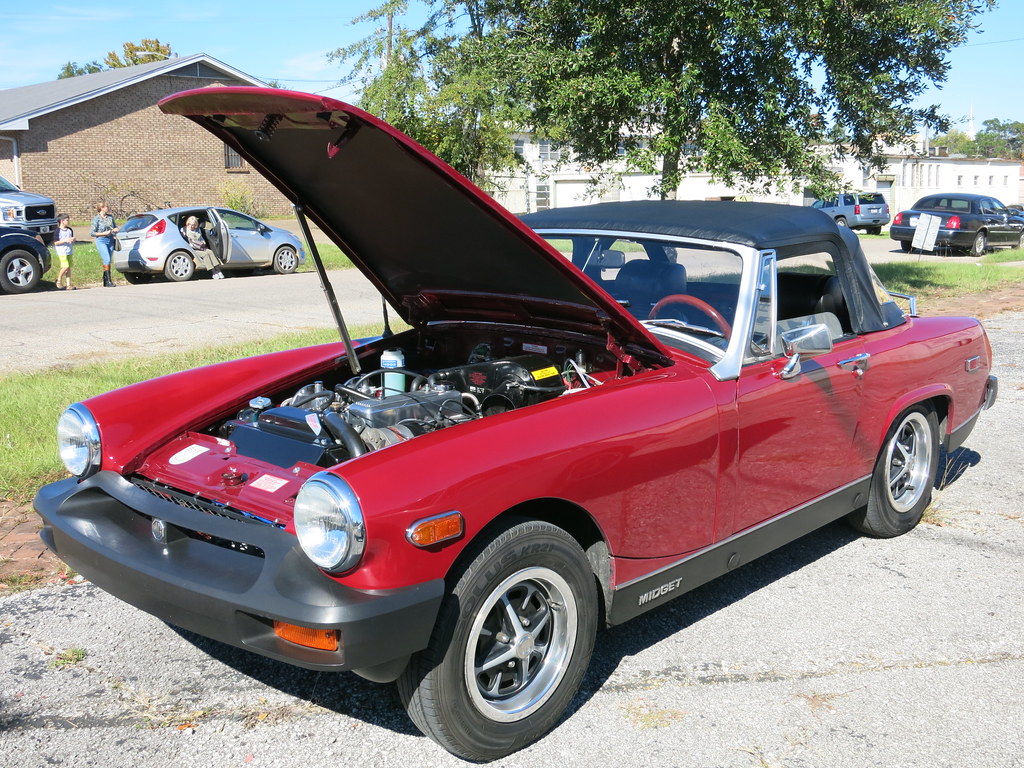
The light weight MG Midget produces a lively driving experience despite its small engine. This compact design helps to offset the limited power, for a car that feels more powerful than it is. It’s simple in design, but its 1.2 litre engine produces an engaging and responsive drive.
Key Performance Characteristics:
- The lighter a body is, the better the acceleration feel is
- Reliable 1.2 litre efficient engine set-up
- Pleasant short gear ratio responsiveness
- Mechanical engine noise, as it happens in the raw
- Daring and dynamic driving style
The engine’s rumbling and mechanical noise add to the overall driving experience. The engine is also accelerated immediately and felt connected, particularly with the low gear ratios that ensure that the engine remains in the power band. The combination brings a sense of enthusiasm to the Midget, which is appropriate for the city roads as well as for open road enjoyment.
The real measure of the car’s performance is how much engagement he can get from the driver, not how fast it goes. The Midget has a lot of things going for it to make every drive interactive: it rewards smooth inputs, precise gear changes, and attentive control.
9. The 900’s Centaurus Caravan
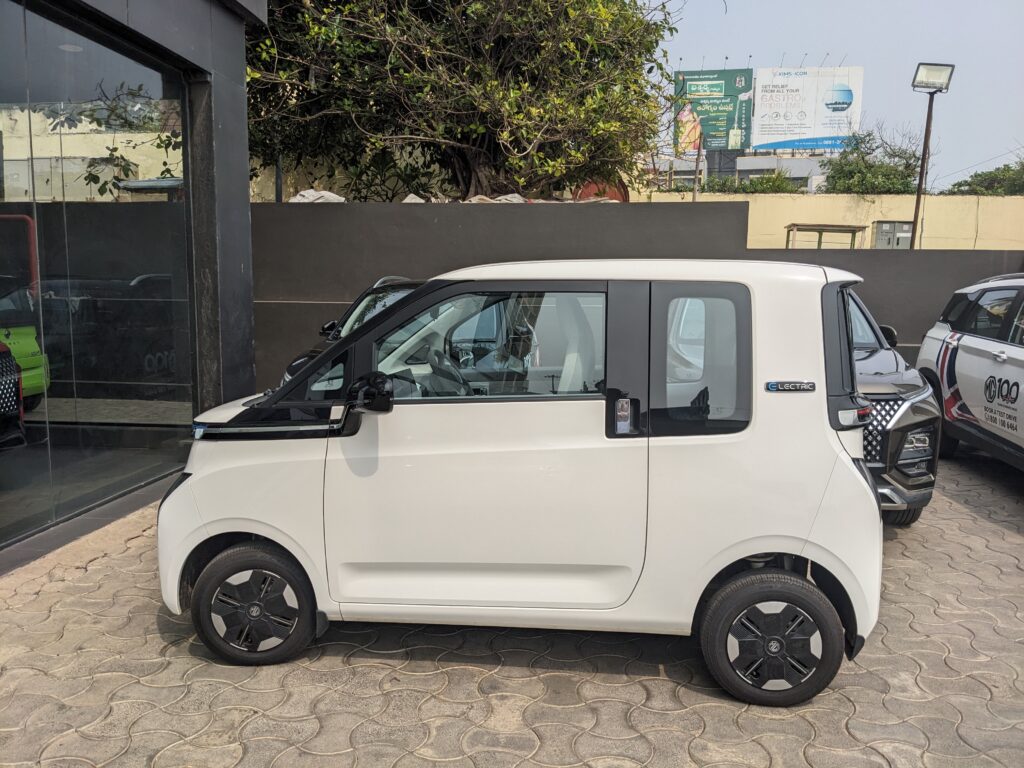
The MG Comet is a truly new concept in compact car design, embodying the evolution of electric mobility and the changing demands of the modern city. It is engineered on a bespoke EV platform and has been designed to be efficient, sustainable and smart, in terms of space utilization. The Comet is made specifically for use in congested urban areas where convenience and functionality are paramount unlike the classic small sports cars such as the MG Midget.
Key Features of the MG Comet EV:
- Fully electric powertrain system
- Compact urban-friendly dimensions
- Fast torque acceleration response
- Space-optimized interior layout
- Built for today’s urban lifestyle
Due to its very compact size it is very suitable for tight urban streets and heavy traffic. The electric motor also has an instant torque response, which make driving in stop and go traffic smooth and easy. Meanwhile, the interior is engineered to maximize space efficiency re-imagining conventional proportions to maximize cabin space while retaining an understated design on the outside.
The Comet may not look like the MG Midget but it is in keeping with the many decades of MG’s compact car innovation. It builds on the original concept that small cars are viable, effective and future oriented. The Comet is thus the latest in a long tradition of compact mobility, yet grounded in MG’s history of small car design.

10. Legacy of Small Cars and MG’s Enduring Philosophy
The MG Midget and the MG Comet come from completely different automotive eras, yet they remain connected through a shared design philosophy. Both vehicles demonstrate that small cars are not limited to basic transportation alone. Instead, they can deliver character, innovation, and a distinct driving or mobility experience. This continuity highlights MG’s long-term commitment to compact vehicle design.
Core Ideas Behind MG’s Small Car Legacy:
- Small cars with strong identity
- Balance of practicality and enjoyment
- Evolution from mechanical to electric
- Focus on innovation and efficiency
- Consistent compact design philosophy
The MG Midget represents the era of mechanical purity, where driving engagement and raw connection defined the experience. In contrast, the MG Comet represents modern efficiency, smart urban mobility, and electric innovation. While their technologies are very different, both cars reflect the same underlying purpose of making small vehicles meaningful and effective in their own time.
MG’s legacy in this segment continues to show that thoughtful design can keep small cars relevant across generations. As technology evolves, the core philosophy remains unchanged: compact vehicles can adapt to new demands while still preserving their essential spirit. This long-standing approach ensures that MG’s influence in small car development continues into the future.