




Toyota Taisor Fuel Economy: A Deep Dive into Real-World Numbers

The Toyota Urban Cruiser Taisor, for all its modern features and SUV-like appeal, is essentially the rebadged version of Maruti Suzuki’s hugely popular Fronx. And knowing that the Taisor has the same mechanical bits and engine options as the Fronx has given car buyers in India quite some to cheer. However, beyond the aggressive styling, plethora of features, and Toyota’s reliability, mileage has always been an important consideration for buyers in our country, as much now as it ever was.
Manufacturers do state fuel economy figures, but these official ARAI figures seldom prove reliable in the real world. Toyota has stated an ARAI-claimed figure of 21.18 km/l for the manual variant of the 1.0-litre turbo-petrol engine and 19.86 km/l for the automatic counterpart. Such figures come out under laboratory conditions. What drivers usually witness is something much different on public roads due to the influence of traffic, roads, climate conditions, driving pattern and weight of occupants.
And therefore, having the real-world mileage for such an important aspect can provide buyers the most practical information. Knowing that the car can return around 15 km/l of petrol mileage in the city and above 18-19 km/l out on the highways will make many buyers consider and opt for this compact Toyota SUV.
1. How Real-World Fuel Efficiency Testing Is Conducted
Fuel efficiency must not be determined by filling the fuel tank every single day and going from one day to the next. Proper test procedures are put into practice that involve starting out with a full tank of fuel and tire pressure in the tires is set as prescribed by the manufacture of that particular vehicle to make certain that none of the variables effecting fuel consumption are present at the beginning of the test to ensure that they won’t be at the end either.
Key Elements of the Testing Process:
- Full fuel tank before testing
- Correct tyre pressure settings
- City and highway driving routes
- Air conditioning kept on
- Tank-to-tank fuel measurement
The driving route was specifically chosen to replicate real-world driving. The driving cycle includes urban areas with traffic lights, congested roads, clear roads and some highway. This combination enables us to simulate the varied range of situations which vehicles are subject to in their daily lives. Very rarely is an individual only subject to one type of driving condition, thus a combined approach has the most representative outcome in terms of real world efficiency.
In addition a series of further steps were taken to increase accuracy and fairness: Air conditioning is left running throughout the test since the majority of drivers use it throughout the year, electrical consumers that would normally be used are activated, the driver is potentially rotated between journeys to take away influence on driving style and the overall test is then based on tank to tank results after refilling.
2. Understanding the 1.0-Litre Turbo-Petrol Manual
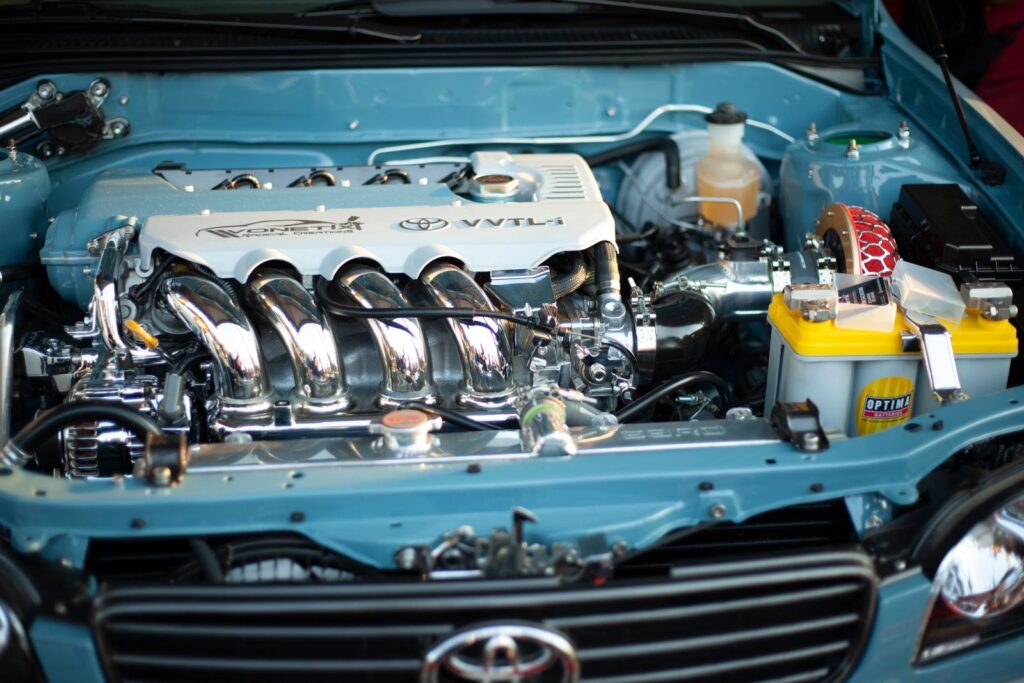
The 1.0-litre turbo petrol manual offers the most involving drive for enthusiasts. It makes decent power of 100 hp to strike a good balance between the useable and performance aspects of the engine. It’s also easy to use at different engine speeds making the engine feels responsive at various speeds. This flexibility assists the engine in making it perform decently in both traffic and highway conditions, thereby proving as a favourite with drivers.
Key Highlights of the Turbo-Petrol Manual:
- 100 hp turbo-petrol engine
- 5-speed manual gearbox
- Minimal turbo lag
- Mild-hybrid assistance
- Automatic stop-start system
One of the great advantages of this powertrain is its quick responsiveness, meaning little lag when applying throttle, so even the novice driver can accelerate with a sense of authority and without being ‘too hard’ on the engine. This torque delivery makes driving at low speeds and overtaking much more efficient. Combined with other attributes the car provides a smooth, very pleasurable driving experience.
Another important part of this powertrain setup is the fact that the addition of a mild-hybrid system not only saves fuel but adds torque during acceleration as well. An auto start/stop function automatically switches off the engine at a stop which saves fuel and stress on the engine. The combination of these elements provides efficiency in addition to drivability, a powertrain which should impress even those who thought that cars were never going to achieve a good balance of sportiness, driving pleasure and efficiency.
3. Real-World Mileage Results for the Turbo Manual
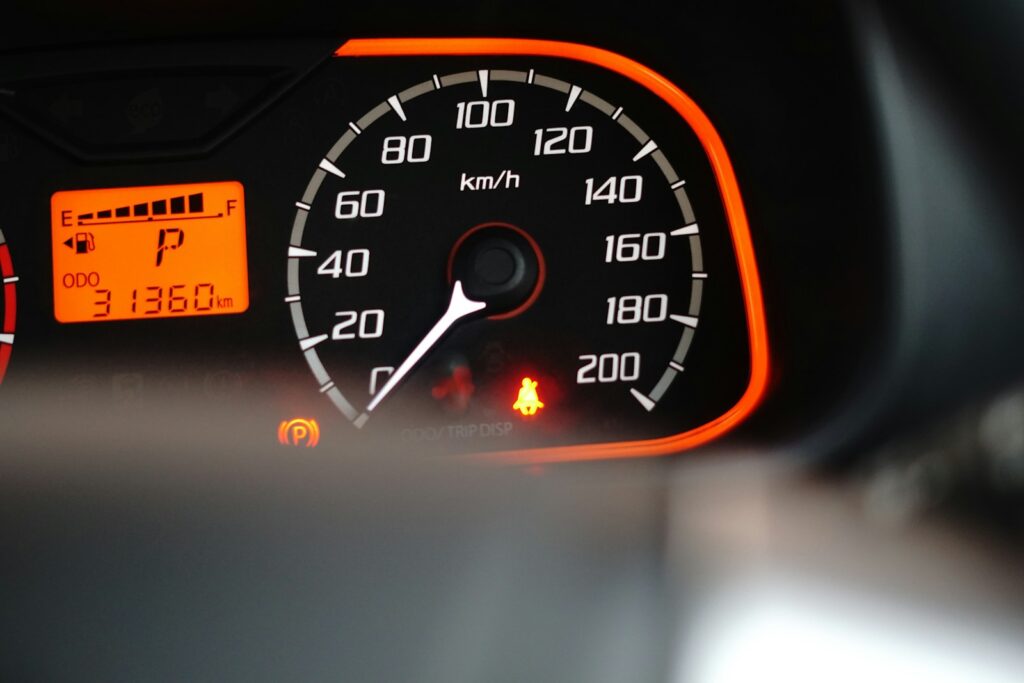
Fuel economy in real world application is different than the claimed numbers the in-depth review for a car the same mentioned that the actual fuel economy it achieved was 10.9 kpl and 16.7 kpl for city and highway respectively. These results are inferior to the officially claimed mileage but do represent what actual drivers experience with real life driving. Because the test also involved traffic, road surfaces, and the driver’s habits, the fuel efficiency in a real-world application.
Key Mileage Findings:
- City mileage: 10.9 kpl (test 1)
- Highway mileage: 16.7 kpl (test 1)
- City mileage: 14.72 kpl (test 2)
- Highway mileage: 18.68 kpl (test 2)
- Combined efficiency: 15.71 kpl
On the other hand, another independent test results showed much better economy in different test conditions. The results stated that the vehicle had driven 14.72 km/l under city driving conditions, while 18.68 km/l under highway conditions. It’s estimated that total economy would be 15.71 km/l in combined test run. If the fuel tank is 37 litres, the possible driving distance would be approximately 581 kilometres with full fuel tank. However, we noticed that due to the conditions of the tests, test results are different.
The amount of miles per gallon (MPG) for any vehicle fluctuates because the test is taken under various circumstances that are common for everyday life including traffic condition, driving pattern, weather situation, road condition and driving habits. Two of the same cars when driven in different conditions can come up with very different test results; therefore, a car’s mileage should only be compared if tested under the exact same driving environment.

4. Comparing Efficiency with Earlier Turbo Models
When contrasted with earlier turbo-hatchbacks the efficiency of the Taisor stands out. The outdated Baleno RS with a comparable turbo-petrol motor is a handy point of reference. This vehicle relied on relatively older engine technologies without having today’s efficiency trickologies. Similarities in engine ideologies may apply between the Taisor and Baleno but progress has clearly been made.
Key Comparison Points:
- Taisor is ~80 kg heavier
- Better city fuel efficiency
- Improved engine management systems
- Mild-hybrid support added
- More refined power delivery
Despite being nearly 80 kg heavier than the Baleno RS, the Taisor Turbo manages to give better fuel efficiency in the city thanks to refinements in engine tuning and electronic control. However, a mild-hybrid system contributes to efficiency. By optimizing operation for stop-and-go conditions, fuel consumption is down compared to the old design in this case, despite increased weight for the new turbo motor.
Clearly, turbo motor engineering has come a long way, now managing to keep the two performance variables (performance vs efficiency) more or equal. Drivers win on stronger acceleration with a relatively low ownership cost, smoother delivery of power, and a refinement we’d typically associate with naturally-aspirated motors, though this newer turbo motor is indeed just that.
5. Highway Performance and Gear Ratio Observations
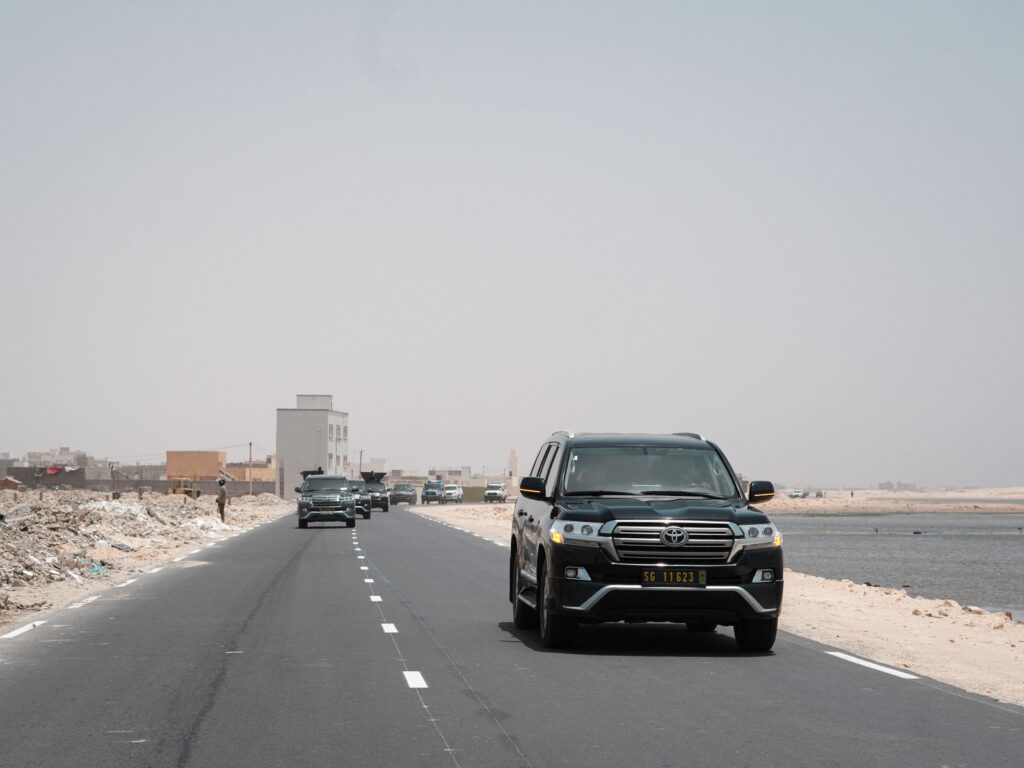
At highway speeds, the Taisor turbo-manual performs consistently and with few surprises. Overtakes offer smooth, confident delivery of the engine’s power, and there’s plenty of juice in reserve to cruise along the highway in high gear comfortably. The engine shows no sign of labour during normal highway touring. It would serve well as a primary car on long distances. Performance is ultimately very confident and very composed.
Highway Performance Highlights:
- Stable cruising behavior
- Good overtaking response
- 2,700 rpm at 100 kph
- 5-speed gearbox setup
- Balanced efficiency and performance
With that being said, the engine idles at about 2700 rpm at a constant speed of about 100 kph when you drive in 5th gear, and frankly it is generally speaking good enough performance, though some users may find that the engine sounds just a bit “worked” when they make a long highway trip at speed. High engine speed in turn increases noise inside the cabin.
Those who go on long highway tours often will probably not love the feeling at speed, the lack of a sixth gear. It is possible to suggest that there should be added a sixth gear for greater refinement at speed, lower revs. As an example it is also possible to expect lower fuel consumption with a higher gear for such kind of usage. It should however also be pointed out that the current 5-speed transmission is robust and user-friendly, and provides a great compromise.
6. The 1.0-Litre Turbo Automatic Experience
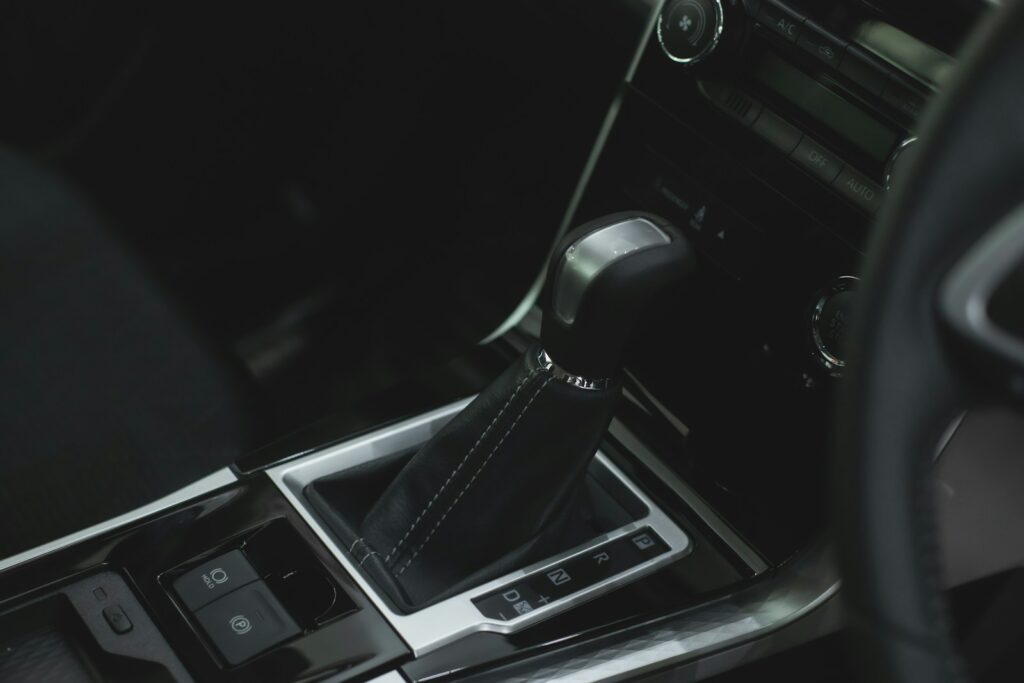
The 6-speed torque converter automatic version should satisfy customers looking for a hassle-free and convenient driving experience, particularly in the city where traffic-induced changing gears can be tiresome. The 6-speed automatic transmission eases the daily grind. This variant can greatly minimize driver fatigue. This version emphasizes a smooth ride.
Key Features of the Automatic Version:
- 6-speed torque-converter gearbox
- Smooth gear transitions
- Ideal for city traffic
- Reduced driver fatigue
- Refined driving experience
What makes it stand out among other automatic transmission technologies (such as AMT systems) is the torque-converter automatic’s fluidic gear shifts and almost seamless power transfer. Acceleration is linear and smooth without any of the typical jerkiness often seen in many other automatic transmissions. It translates into a more premium feel while driving and that’s exactly what many buyers prefer for comfortable city commute.
This will make it a better overall package for daily use. The gearbox transforms the characteristics and the fuel efficiency of an identical powertrain to the manual transmission. The official ARAI-certified figure is 19.86 kpl, which is reasonable in this segment, although real-world results would naturally be different under various traffic conditions and driving habits usually resulting in slightly less efficiency during city commutes. Yet, the option remains a sweet balance between performance, refinement and fuel efficiency.
7. Real-World Mileage Results for the Turbo Automatic
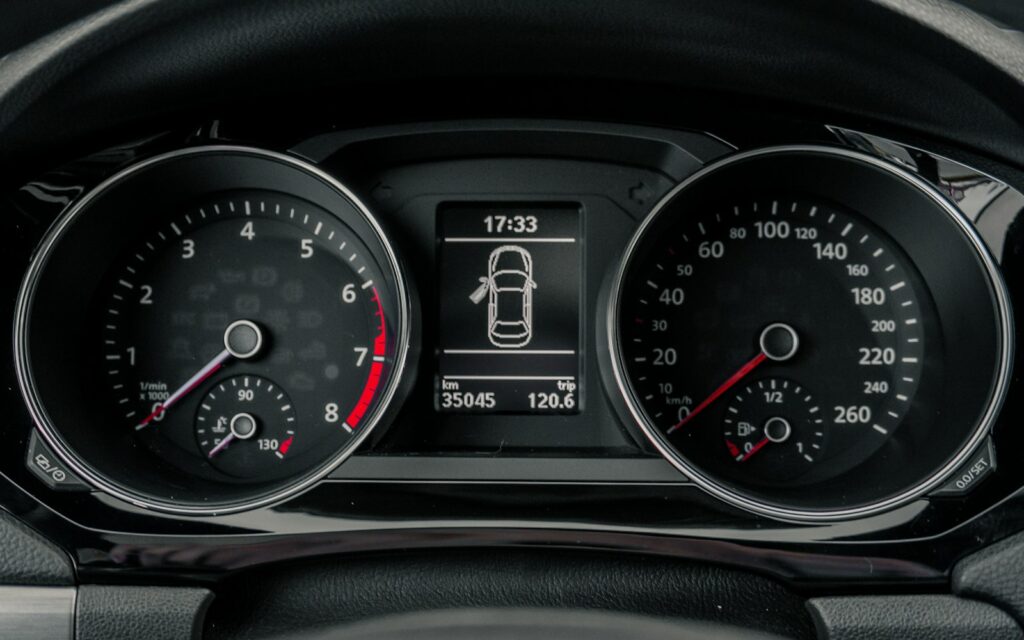
According to real-world trials for the automatic model, it was found to be slightly less economical than the manual one. In one test of the auto version, the car achieved 10.17kpl (city) and 15.35kpl (highway). Considering real world traffic in urban environment and common driving behavior, this would be understandable as comfort over outright performance and economy is one of the key aspects in automatic gearboxes.
Key Mileage Results (Automatic):
- City mileage: 10.17 kpl
- Highway mileage: 15.35 kpl
- City range: 12-14 kpl (other tests)
- Highway range: 17-19 kpl (other tests)
- Lower than manual in city use
Fuel economy for torque-converter automatic transmission vehicles are often not as good because their powerplants often use internal mechanical loss elements. Also, constant stopping and starting can put the torque converter in constant slip and the automatic to change gears more frequently. This factor often results in the urban fuel economy figures being worse, particularly on the heavy, city traffic usage cycle, although one does get a smoother, more leisurely drive.
Other individual test programs yield fuel economy values in a broad spread across the range depending upon road, traffic, weather and driving conditions, typically city figures of from 12 to 14 kpl with open-road usage in the 17- to 19-kpl range. Real world usage varies on a wide range of conditions, factors, and situations that influence consumption in a way that most of the tabulated figures will simply not reflect.

8. Why Real-World Mileage Differs from ARAI Figures
ARAI VS real mileage a difference, as seen often in automobiles the figures of ARAI (Automotive Research Association of India) may not often translate directly to the figures obtained when you take the car on roads. The test protocols are developed at ARAI by maintaining several conditions as constant as possible to bring in consistency which you’re unlikely to be able to manage in actual driving conditions. It is natural that ARAI will provide figures which are in no way close to what we can manage in day-to-day driving in most of the automobiles.
Key Reasons for Mileage Differences:
- Controlled laboratory testing conditions
- Smooth and uniform driving cycles
- Limited use of accessories
- Real-world traffic variability
- Environmental and weather impacts
Test Environment is Uniform In laboratory testing the vehicles are tested with simple acceleration and very light external load. Accessory loads are also minimal and road surface is highly controlled and predictable. However real world driving will have lot of traffic jams, uneven road surface, more braking and acceleration. Naturally the mileage of a vehicle will be less compared to controlled test conditions in the real world scenarios due to varied conditions.
Hot Climates: This is yet another factor contributing to reduced fuel economy. For people in the regions with regularly around 35 to 40 Degrees, the load of the AC system on the engine goes up resulting in higher fuel consumption during everyday driving. The difference alone in hot climate conditions can easily result in a decrease of one to two kilometers per litre of mileage.
9. The Impact of Driving Habits on Fuel Consumption
The driver’s driving style contributes heavily to your mileage in reality particularly when combined with a smaller turbocharged petrol engine that readily reacts to throttle inputs. As even subtle inputs affect what position the turbo is in, very gradual and consistent inputs to your throttle will enable the car to keep in the highest gear possible which keeps engine revs down and ensures that your vehicle is running efficiently. In contrast aggressive inputs to your throttle will burn excessive fuel very rapidly so ultimately driver influence on the vehicle is a vital factor.
Key Driving Habit Factors:
- Smooth acceleration
- Controlled throttle input
- Reduced sudden braking
- Minimized idling time
- Better traffic anticipation
Urban Driving conditions contribute even more to poor fuel consumption. Stop-and-go traffic and short-distance trips mean the engine seldom reaches optimum operating temperature, and longer idling periods also waste fuel, thus city mileage generally trails that on the highway. In reality, most driving falls into one of these categories.
You’ll often find better fuel efficiency results if you’re able to accelerate and brake with a smooth hand and are able to pace traffic ahead. The more consistently you can do this, the better gas mileage you’ll see. Avoid excessive speed and hard, braking, and while the results will be seen over time, small improvements to your driving habits can significantly boost your fuel economy in real world conditions.
10. Choosing the Right Taisor Variant and Maximizing Efficiency
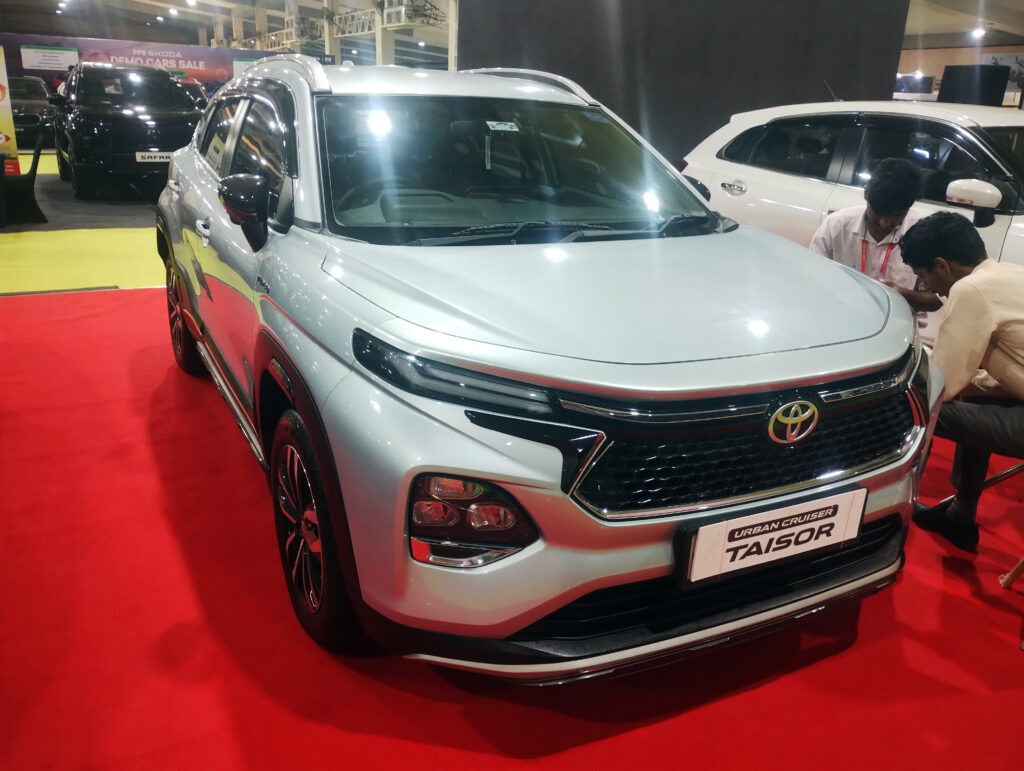
For buyers who prioritize fuel economy, the 1.2-litre naturally aspirated petrol engine remains one of the most efficient choices. Based on real-world performance expectations, it delivers strong mileage in both city and highway conditions. The manual version typically returns around 13.5 kpl in city driving and up to 20 kpl on highways. The AMT variant offers similar efficiency with added driving convenience. This makes it a practical option for cost-conscious buyers.
Efficiency-Oriented Variant Comparison:
- 1.2 NA Petrol MT: Best mileage balance
- 1.2 NA Petrol AMT: Easy city driving
- 1.0 Turbo MT: Engaging + moderate efficiency
- 1.0 Turbo AT: Comfort-focused driving
- CNG variant: Lowest running cost option
The 1.0-litre Turbo AT is better suited for drivers who prefer smoothness, refinement, and effortless driving in traffic. It provides strong performance but slightly lower efficiency compared to manual versions. Those who enjoy a more engaging experience while still maintaining decent economy may prefer the Turbo MT. Meanwhile, buyers focused strictly on minimizing fuel costs will find the 1.2-litre petrol or factory-fitted CNG versions more suitable.
Fuel-saving practices can further reduce running costs regardless of variant choice. Maintaining correct tyre pressure helps improve rolling efficiency. Using features like automatic stop-start, avoiding harsh acceleration, and planning routes in advance all contribute to better mileage. Even small adjustments in driving behavior can lead to noticeable savings over time. Ultimately, choosing the right variant depends on balancing performance needs with long-term fuel efficiency goals.