


The GMC Hummer EV’s Fall From $275K King to Deep Discounts
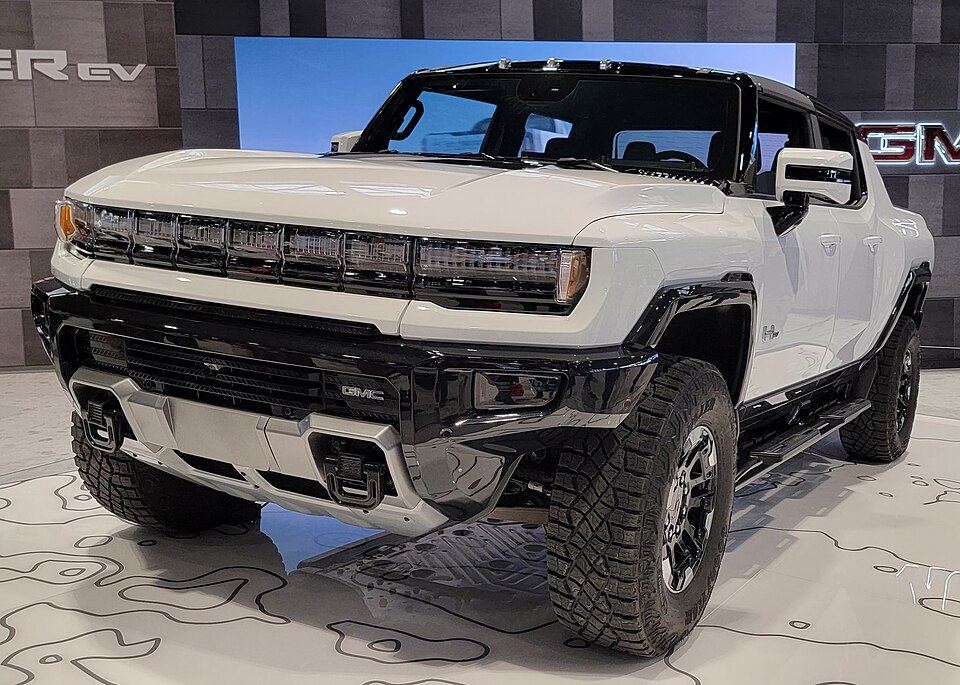
There are times in the car world that feel really strange like a rush of excitement that gets people talking even people who are not usually into cars. The GMC Hummer EV coming out was one of those times. It was not another new electric car. It was a big deal, a legendary car name that was brought back and made into something new, powerful and really flashy. For a while the GMC Hummer EV was what everyone was talking about and people either loved it or were really curious about it.
What made this time more interesting was how fast people reacted. People who wanted to buy the GMC Hummer EV were not just interested. They were really excited. They wanted to be one of the first to get one. This excitement made the resale value of the GMC Hummer EV go up high so people who bought one early on found out that they had something worth a lot more than they thought. It was not about owning a car. It was about being part of a special group of people who had the GMC Hummer EV.
Like with a lot of things that are really popular for a short time things eventually go back to normal. The market that made people who bought the GMC Hummer EV on a lot of money started to change. Prices stopped going up. Started to go down and the GMC Hummer EV was not as rare as it used to be. This change tells us something it is not just, about the GMC Hummer EV but about how fast things can change in the car world.
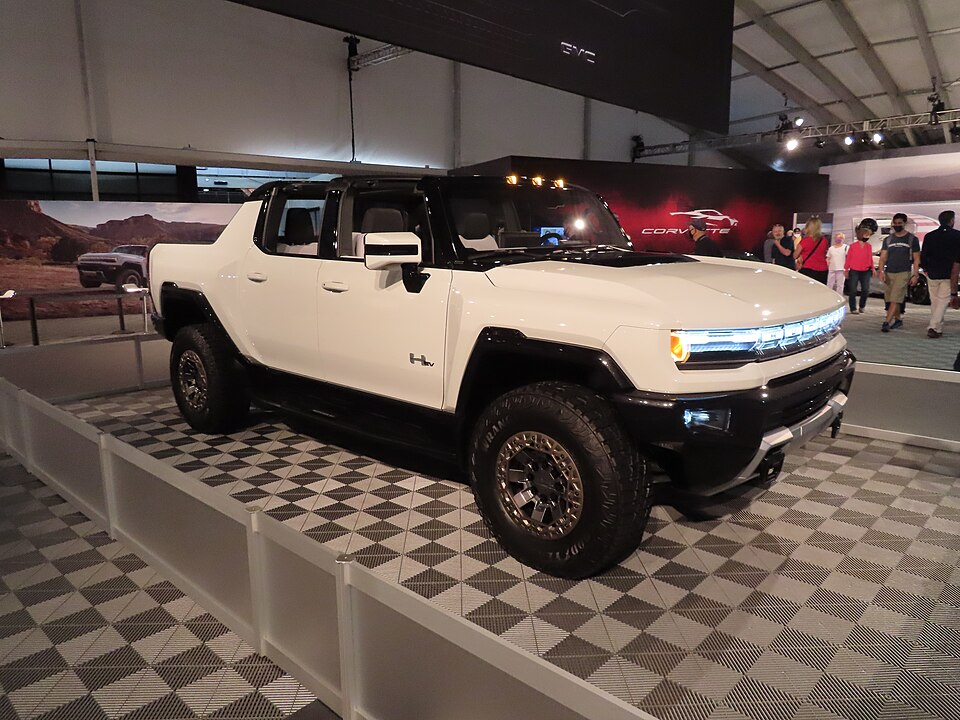
1. A Record-Breaking Start
Right off the bat, the GMC Hummer EV burst onto the scene like a thunderclap in an otherwise quiet room. Moments after booking slots appeared online, people rushed in so fast that every single spot vanished in under ten minutes. Clearly, folks had been waiting for a machine with real attitude. Word spread through garages and forums before sunrise. Enthusiasts couldn’t stop talking about it it stood out like neon in daylight. Few EV drops have ever sparked quite this much noise.
Early Market Shifts and Rising Demand:
- Instant sellout within minutes of launch
- Only a few early models available, yet loads of people want them
- Strong excitement in electric vehicle market
- Picking up speed, buyers moved fast to claim first access
- Market responded to bold EV innovation
Back then, those who bought early landed an unusual edge. Because so few were available, interest quickly turned intense. With supply tight, secondhand costs climbed way past what anyone thought possible. Cars listed at about $112,000 started showing up on sites such as Bring a Trailer for much steeper tags. A handful fetched amounts near $275,000.
This sudden jump in price came less from what the truck could do, more from being among the first to have one. Hype around launch helped fuel that hunger. A brief stretch where having a Hummer EV meant standing out rare, noticeable. That frenzy showed how emotion can twist secondhand pricing. In the end, it stood apart a blip unlike anything before in electric cars.
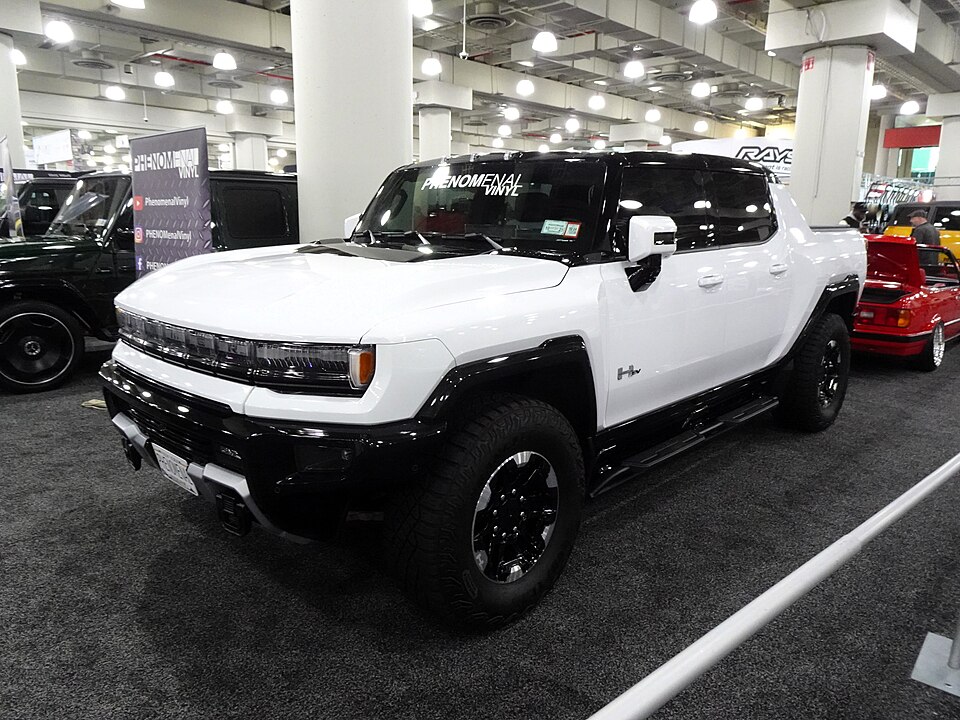
2. Limited Availability Shapes Choices
Out of nowhere, limited runs made the Hummer EV feel rare right from day one. Because so few were built, getting one felt like winning something. Fewer cars showed up than people wanting them suddenly everyone wanted it more. With each passing week, interest climbed even higher. What started quiet turned into a race just to be on the list.
Limited Supply Affects Demand:
- Only a few made, so people thought it was worth more
- What sold out fast wasn’t enough to cover what people wanted
- Only a few got it first
- Scarcity created urgency among interested buyers
- Market competition drove higher resale prices
Out of whack demand surging while supply lagged created space for quick resale wins. Right after getting keys in hand, plenty of first owners flipped their cars for way more cash. Sometimes gains blew past one hundred grand, turning a simple purchase into something closer to smart timing. Not merely wheels anymore. For the few who jumped in fast, it shaped up like a bet that paid off without looking back.
Even so, the thrill of having one-of-a-kind gear boosted its charm. Because it stood out, people wanted it more especially since not many were around. Owning it felt special, like being part of a quiet club. That feeling kept interest high when things first launched. In the end, just how few existed pushed both talk and price up.
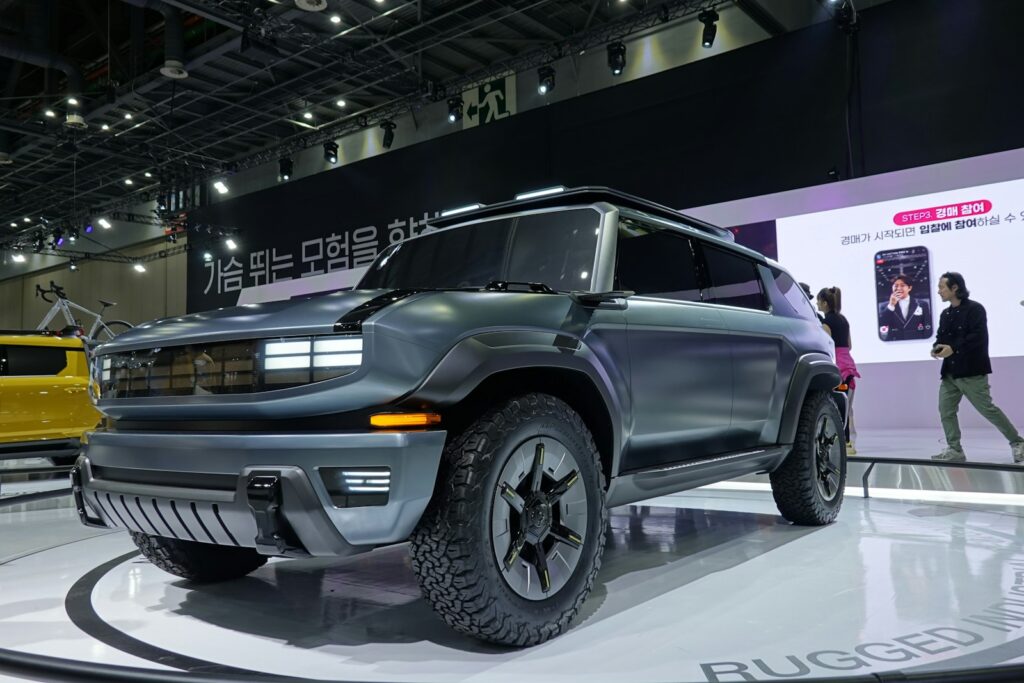
3. A Symbol of Status
To plenty of customers, the Hummer EV wasn’t only fast or packed with new tech. Instead, it turned into something you showed off, setting drivers apart where fancy cars compete hardest. With its loud look and huge stance on the street, spotting one felt unavoidable. Powering forward meant mixing fresh ideas with rare appeal. Because of that, people noticed it even when ignoring what it could actually do.
Hummer EV turned status symbol:
- Bold design creates strong visual presence
- What you own often signals status, standing apart through perceived worth
- Stands out in luxury vehicle segment
- Attracts attention similar to high-end cars
- Represents modern innovation and lifestyle choice
Right away, having a Hummer EV felt different. Standing apart came easily when driving something so bold. People noticed curious glances turned into full talks at stoplights. Some said strangers recognized it like rare Italian models from decades ago. That kind of response made waiting for delivery feel worth it. The truck did more than move it showed up.
Little by little, the way people saw the vehicle began to shift. Not just a means of getting around, but a statement worn on wheels. Those who chose it linked it to success, fresh ideas, one-of-a-kind attitude. Boldness lived in its frame ready to challenge what electric could mean. In the end, it stood out, quietly claiming space as today’s mark of distinction.

4. The Turning Point
Now things moved differently when more Hummer EVs rolled out and filled dealerships. At first hard to find, they slowly showed up everywhere you looked. The special feeling around them faded bit by bit. With so many appearing, the rush people felt cooled down fast. That moment signaled a turn in how the truck lived its life on the market.
Move From Limited Supply to Balanced Market:
- More output made it less rare at first
- Now buyers see things differently because it shows up more often
- Demand and supply began to balance
- Fade began where excitement once grew fast
- Market moved toward stable pricing levels
Later on, lots of cars flooded the marketplace prices at auctions dropped hard after that. Those wild markups from day one? Gone fast. Machines selling way over sticker earlier found it tough to stay up there. Speedy buying pressure melted away by then. Things settled into something steadier, easier to guess down the road.
This moment made plain how supply and demand move together. When more became available, changes followed without delay. Values started matching what was fair and lasting. What had been loud at first faded into background noise. In time, wild interest gave way to steady footing.
5. Production Expansion
A sudden jump in output reshaped how people saw the Hummer EV, led by General Motors. From a rare find, it became easier to get almost overnight because of rising interest. More units on offer meant more drivers could finally buy one yet something shifted underneath. That once hard-to-get image started fading when vehicles rolled out faster. With time, what felt like a special chance turned into just another option on the lot.
Increase in Output Affects Market Conditions:
- Higher output reduced initial scarcity levels
- Increased supply met rising customer demand
- Falling slowly, market exclusivity started losing its grip
- Resale competition reduced profit opportunities
- Availability improved for wider customer base
Now that cars are everywhere, the hurry to buy has slipped away. Without pressure, shoppers stopped paying extra just to get one fast. Resale values took a dip as things slowed down. When what’s available matches what people want, prices stop jumping around. Those who jumped in first lost their edge over time.
This stretch made one thing obvious: speed matters when output ramps up. Suddenly common replaced what used to be hard to find. Because of that, people started choosing differently, expecting more. Decisions grew less about noise, more about function. In the end, building more changed where it stood better than any campaign could.

6. Inventory Challenges
More cars rolling off assembly lines meant showrooms started piling up vehicles. Instead of buyers lining up, models just gathered dust behind glass windows. What used to fly out the door now waited weeks, sometimes months. A quick flip from too few to too many happened before anyone could adjust. Stock rooms filled while profits slowed, leaving managers rethinking their moves. Keeping track of what sat where turned into daily math nobody wanted.
Rising Inventory and Market Pressure:
- Too much inventory made shoppers less eager
- Unsold vehicles increased dealer pressure
- Supply began exceeding market demand
- Premium positioning became harder to maintain
- Dealers needed faster inventory movement
Now sitting idle, many leftover cars some even limited versions spelled out an obvious surplus. What used to feel scarce suddenly popped up everywhere. That shift chipped away at the old aura of being hard to get, along with sky-high tags. With choices piling up, people no longer felt pushed to spend extra. Slowly, shoppers began picking only what fit both taste and budget.
Now things changed fast, pushing car sellers to rethink how they operate. Instead of handling long waitlists, attention turned toward drawing people in. Shops started trying different methods just to move cars off lots. Price cuts paired with sharper ads took center stage. Balance returned to the market yet it brought fresh hurdles for those offering vehicles.

7. The Growth of Lower Prices
With stockpiles climbing, sellers rolled out deep cuts in pricing to pull in customers. Instead of top-dollar tags, trucks like the Hummer EV started showing up with far lighter price stickers. That change opened the door for more people to consider one. What was once a game of scarcity turned into a race to match better deals. Suddenly, how cheap it felt mattered most when moving units off lots.
Move to Lower Prices in Market Approach:
- Big savings cut what people paid altogether
- Pricing shifted as customer interest changed
- Premium positioning shifted toward affordability
- Stores offered lower prices to move more stock
- Wider audience gained access to vehicle
Downward shifts in cost signaled a clear shift from how things worked before. Where cars used to fetch big markups, they now moved for much less. That shift showed how supply began meeting demand head on. With wider selection around, people stopped adding extra just to secure a deal. Prices settled into steadier territory without force or push.
Buyers found themselves stepping into a rare moment where prices dropped without warning. One day unreachable, the Hummer EV now sat within arm’s reach for many. Suddenly able to picture ownership, more individuals started running numbers quietly. Markets shifted underfoot like sand, proving nothing stays fixed for long. Discounts grew louder than ads, bending what people thought was possible when buying.

8. Changing Buyer Perspective
Now suddenly the price talk flipped what folks thought about the Hummer EV. Not just a trophy or cash play anymore, they looked at how it fits regular life. Things such as getting around town every day, whether it holds up over time, and if it keeps worth mattered more. That change? It showed shoppers were thinking sharper, paying attention. They cared less about noise, more about what actually helps them out.
How Buyers Think Differently Now:
- Focus shifted toward practical ownership value
- Buyers evaluated long-term usability factors
- Reduced influence of hype-driven decisions
- Greater emphasis on reliability and performance
- Balanced approach replaced emotional buying
Now things felt steadier, grounded in what people really wanted. Even though folks still got a kick out of the car, that wasn’t the whole story anymore. Because real-life requirements mattered more, choices shifted slowly. Decisions took shape through careful thinking instead of quick impulses. Over months, wild swings faded into the background. What stayed was a calmer rhythm, easier to see coming.
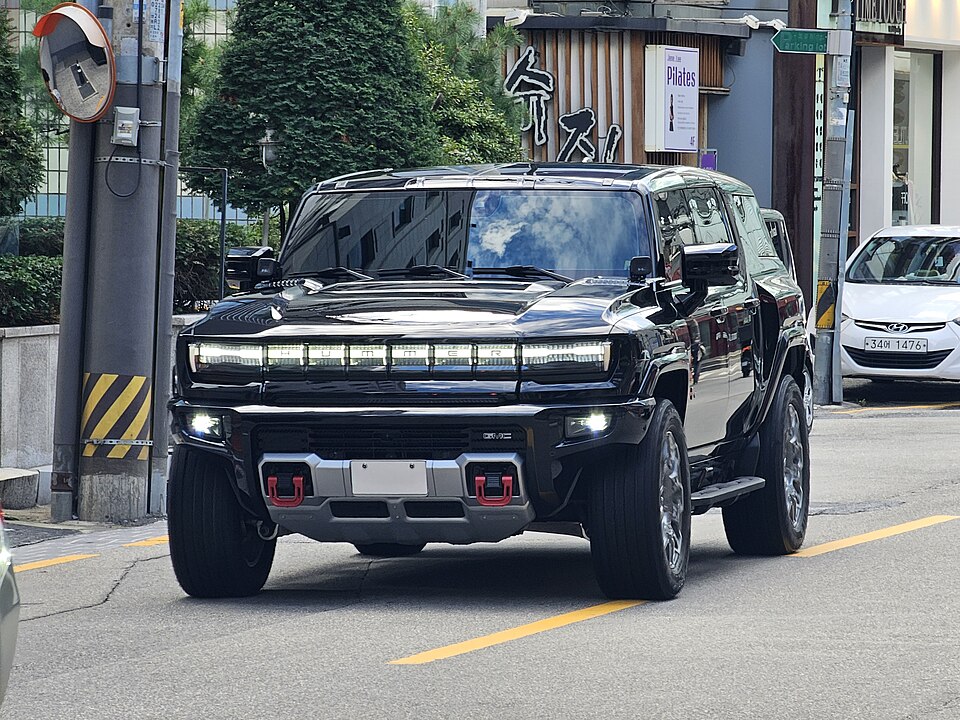
That big Hummer EV kept turning heads, just because of how it looked and what it could do. Noticing its strong stance became common, thanks to fresh tech inside. While views changed elsewhere, this one stayed different on the electric scene. Function met odd charm, which somehow worked well together. Buyers eventually settled into thinking clearer, less swept up by noise.
9. A Wider Industry Trend
What’s happening with the Hummer EV fits a wider shift in how electric cars are moving through the market. Other big releases have followed the same path initial excitement drove values up fast. As more units rolled out and stock became easier to get, things started settling down. This rhythm pops up again and again when new areas heat up. Not an outlier at all, just what grows look like here.
EV Market Trends Changing Across Industry:
- Initial hype drives early price increases
- Market stabilizes as supply expands
- More competition reduces premium pricing
- Buyers gain access to multiple options
- Industry moves toward balanced demand
Change is shaping how electric cars are made and sold. With every new model arriving, pressure builds among brands. Choices multiply fast, so people can pick what fits best. Prices settle down because of that shift. Slowly, excitement fades as fair costs take hold.
Change in how people act as shoppers shapes things too. Because buyers now dig deeper before deciding, choices get tougher for them. With eyes on lasting worth instead of quick thrills, priorities move slowly but surely. As that happens, car pricing shifts alongside advertising moves. The whole scene grows up, turns sharper, feels more crowded every day.
10. A New Reality
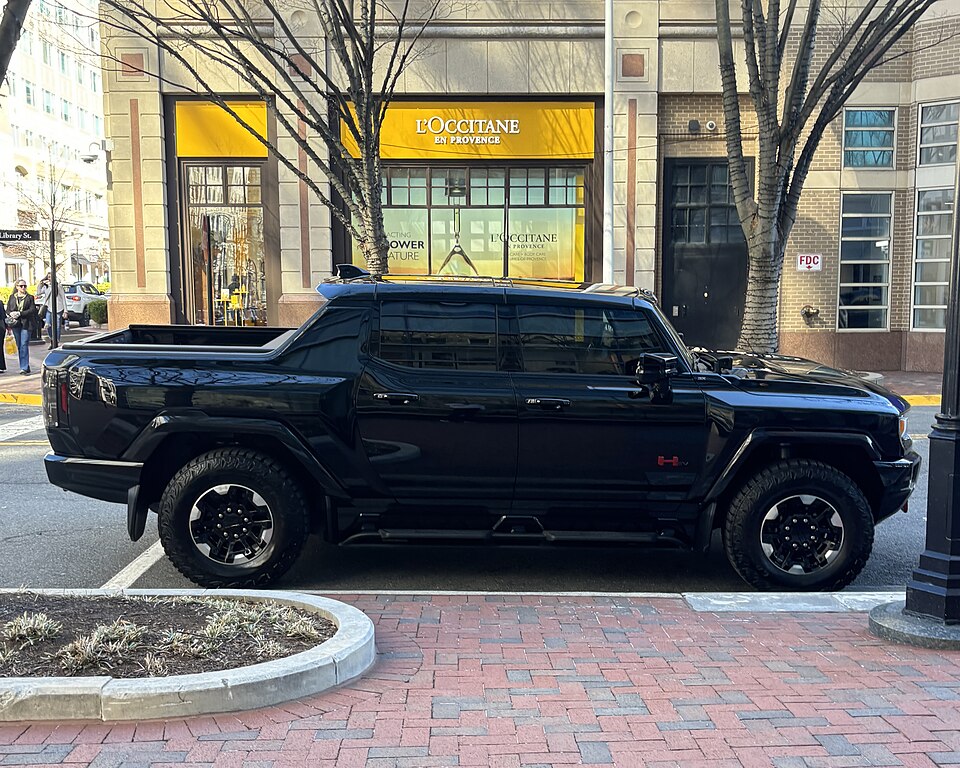
Now sitting within reach of many, the Hummer EV tells a story few expected. Once hard to get, its presence on lots today speaks volumes about shifting tides. As factories produce more units, excitement cools. Buyers who waited find options where scarcity ruled before. Value holds differently when everyone can walk in and leave with one. Markets breathe, stretch, then settle into new shapes. Early frenzy gives way to steady rhythm.
Shift to More Even Market Setup:
- Shift from exclusivity to wider accessibility
- Market moved from hype to stability
- Pricing adjusted to realistic value levels
- Now things people want and what’s available line up more smoothly
- Long-term value became key focus
Now that the first rush of fascination has faded, things feel less about shock and more about sense. Because people look at how it works every day, not just how rare it looks. Even so, the Hummer EV keeps its bold shape and stands out just the same. Though today’s world around it moves slower, tougher, fuller of choices. With that change, more kinds of drivers find their way to considering one.
This change doesn’t make the Hummer EV matter less. In fact, it shows how the truck fits into a broader move across the auto industry to go electric. As customer interest shifts, so do prices and availability. Still, the model stands out as something new and different. Through all that, the car mirrors how fast the driving landscape keeps changing.