





When Gordon Murray’s Genius Met the Ford Transit

When the name Gordon Murray is mentioned immediately the thought is one of incredible engineering, screaming V12 engines, and advanced aerodynamic concepts. Throughout decades Murray established a reputation of producing cars that were on the borderline of racetrack/road cars. His works frequently astonished competitors with ingenious solutions focusing more on lightness in design and smart pack instead of using brute force.
The major Characteristics of Murray Engineering
- Innovative Design: Specialty engineering solutions
- Lightweight Focus: Efficiency through weight reduction
- Innovation in Aero: dynamics-State-of-the-art airflow
- Performance Thinking: Compromise Control vs. speed
- Influence in the Industry: Motivating the modern automotive design
The most interesting fact about Murray is that he can redefine the principles of car design. He never believed anything, but was always on the hunt to find even smarter solutions to engineering problems instead of adhering to the conventional methods. This kind of attitude enabled him to design cars that were revolutionary as opposed to evolutionary, thus distinguishing his work in the automobile industry.
1. Childhood Interests in Engineering and Racing
In order to comprehend the brilliance of Murray, it is better to refer to his origins. He was born in Durban and was not just a spectator of the racing events, but a participant. In the late 1960s, he made and drove his model, the IGM Ford. This practical experience gave him an opportunity to learn about racing machineries as the driver. Murray immigrated to England in 1969 and he quickly became an employee in the Brabham Formula One Team. He rose to Chief Designer in the hands of Bernie Ecclestone. Since that time, Murray started to create new designs which soon would transform the world of Formula One racing.
Early Career Highlights
- IGM Ford: Murray self-built race car
- Move to England: Career-changing decision
- Brabham: Joined Formula one
- Chief Designer Position: fast career advancement
- Creative Thinking: Creative thinking early in engineering

2. Formula One Innovation and Championship Success
The experience at Brabham became the period of experimentation and adventurous engineering. His vehicles also presented innovative aerodynamic design and weight-saving construction methods that provided the staff with a competitive advantage. Such innovations were very beneficial to drivers such as Nelson Piquet. Murray had been ill-timed to innovate winning the Drivers Championship with Nelson Piquet in 1981 and 1983 driving machines designed by Murray. At this stage, Murray had already become one of the most innovative and boldest engineers in Formula One.
Brabham Achievements
- Title winning designs: Championship Cars
- Developed Aerodynamics: high efficiency of air flow
- Strategic Engineering Race: based development
- Lightweight Builds: Performance advantage
- Technical Innovation: Daring design concepts
3. The notorious Fan Car Revolution
The Brabham BT46B was one of the most legendary creations by Murray. Also known as the fan car it employed a large fan engine to create huge downforce, in this case using air under the car. The design enabled it to adhere to the track much better than its competitors.Despite the car only acting in just a few competitions until being outlawed, it was one of the most recognizable engineering experiments in the history of motorsport. The fan car was an excellent example of the fearless attitude of the person, Murray, who was ready to go against the stream of thought.
The reason why the Fan Car was a Revolution
- Fan Downforce: Massive grip advantage
- Radical Design: Full new idea
- Instant Speed: Excellent cornering action
- Competitor Objections: Competitors protested
- Quick Ban: Rules prohibited its use
4. The Dominant McLaren Era
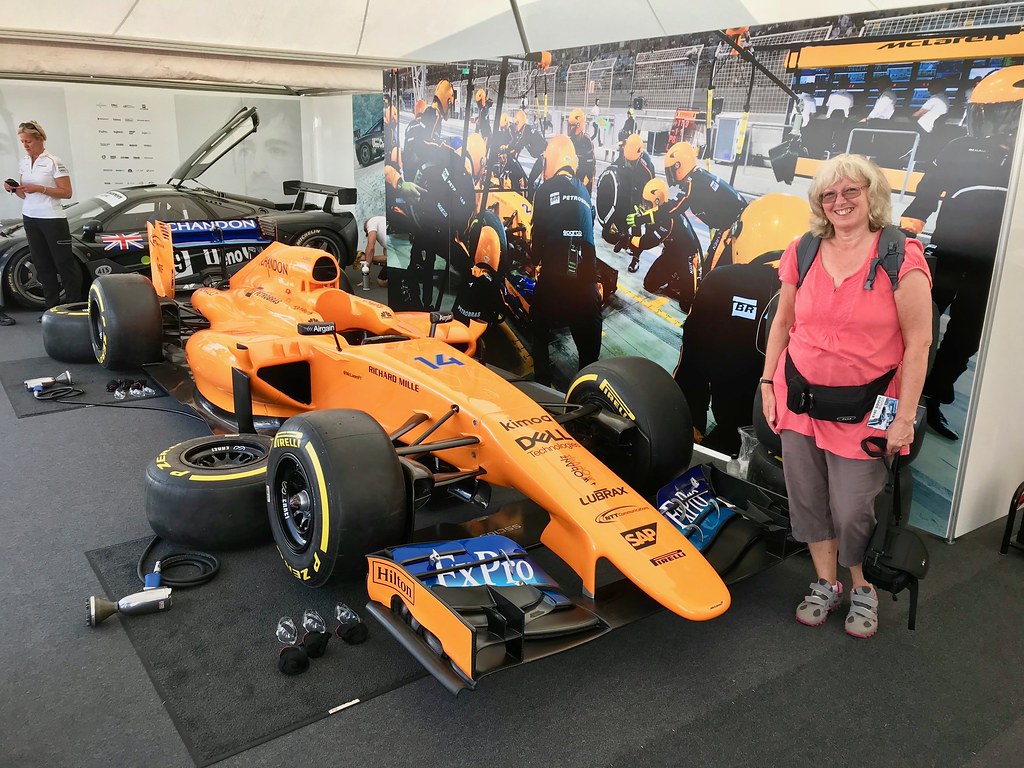
Following his departure with Brabham, Murray also joined McLaren, and he was made Technical Director. McLaren had an unprecedented success during this time. In collaboration with the designer; Steve Nichols, Murray contributed to the design of one of the most powerful Formula One cars in the history. The astonishing performance of MP4/4-Senna gained his first Drivers’ Championship. In the next few years, McLaren would achieve several Constructors and Drivers titles making Murray one of the greatest engineers in motorsport.
McLaren Racing Success
- MP4/4: Car 4 race machine
- 1988 Season: 15 wins in 16 races
- Champion: Ayrton Senna title
- Team Dominance: Many championships
- Advanced performance: design Engineering Excellence

5. The making of the McLaren F1 Supercar
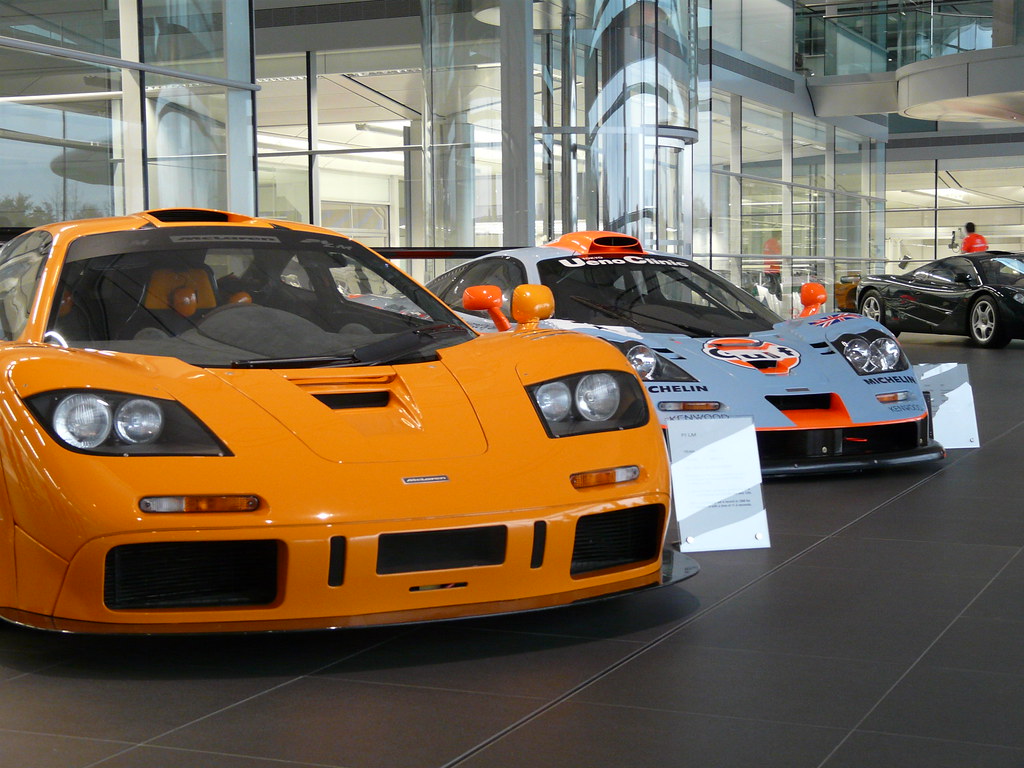
After achieving remarkable success in Formula One, Gordon Murray shifted his attention toward building the ultimate road car. In the early 1990s, he led the development of the groundbreaking McLaren F1. Murray’s goal was not simply to make the fastest car in the world, but to create the most perfectly engineered driving machine ever built. The McLaren F1 quickly became a symbol of engineering brilliance and forward thinking. Its lightweight construction and carefully designed layout allowed it to outperform many rivals of its era. Even decades later, the car remains one of the most respected supercars ever created, proving that Murray’s design philosophy of simplicity, balance, and efficiency can stand the test of time.
McLaren F1 Innovations
- BMW V12 Engine: 6 liter powerful engine
- Central Driver Seat: Unique seating layout
- Carbon Fiber Body: Lightweight structure
- 240 mph Performance: Record breaking performance
- Driver Focus: Pure driving experienc

6. The Lightweight Design Floss by Murray
Among the core beliefs that Murray had was the notion that performance is attained by shedding weight and not merely putting on power. His engineering ideology focused on simplicity, efficiency and ingenious design.This is a philosophy that had informed most of the projects of Murray other than the McLaren F1. The most intelligent and efficient were the best designs to him.
Principles of Engineering, Murray
- Schewelstrom: weight reduction, efficiency
- Eliminate Design: Needless Components
- Smart Packaging: Space Optimize
- Driver Focus: Improve the driving feel
- Functional Engineering: No empty parts

7. Moving on with the Innovation with Gordon Murray Design
Although the decades have passed and the business has been a success, Murray still innovates by means of Gordon Murray Design. His company has ventured into the ideas of lightweight cars in the city like the Gordon Murray T.25 and Gordon Murray T.27. The career of Gordon Murray shows how the actual innovation is not only related to the speed or luxury. Rather, it is the thought of thinking differently and creating machines that address issues in more intelligent and efficient solutions. It seems Murray is as genius when it comes to the construction of race cars, supercars, and even practical trucks since he can remove the elements of unnecessary complexity and concentrate on what does matter.
Murray’s Lasting Impact
- McLaren F1: influence Supercar Legacy
- F1 Engineering: Championship designs
- Utility Innovation: OX truck concept
- Lightweight Focus: Design philosophy
- Future Mobility: Continued research