


Reimagining a Legend: The Land Rover Discovery’s EV Future
Since it first arrived in 1989, the Land Rover Discovery’s appeal has been as a rugged, spacious family wagon that could do (almost) everything. But in its current fifth-generation form, the Discovery has struggled to keep pace with a rapidly-expanding Land Rover line-up, and Defender’s success has come at its expense in terms of sales and market share. With alternative fuels, the Discovery will not just be iterated into a slightly more polished form Land Rover intends to reinvent what the Discovery is and can be, and the sixth-generation Discovery will supposedly boast a radical new look, dedicated electric underpinnings, and a reinvigoration of Discovery as a family-mobile that could make the new Land Rover a very different proposition indeed.
The future Discovery Electric is expected to combine three-row seating, a more expansive and flexible cabin, and electric all-wheel drive with the refinement of a contemporary luxury SUV. Expectations for the model include an electric range of at least 300 miles, an 800-volt electrical architecture, and charging capabilities of up to 350 kW. JLR is also investigating special exterior design cues, as well as semiconductors that could lead to increased efficiency and a more distinct Discovery brand identity. With a possible launch window of 2026 to 2027, the electric SUV may go head-to-head with premium competitors such as the Volvo EX90 while also maintaining Land Rover’s adventurous pedigree. Can this audacious reinvention make the Discovery relevant again?
1. The Land Rover Discovery Faces a Major Turning Point
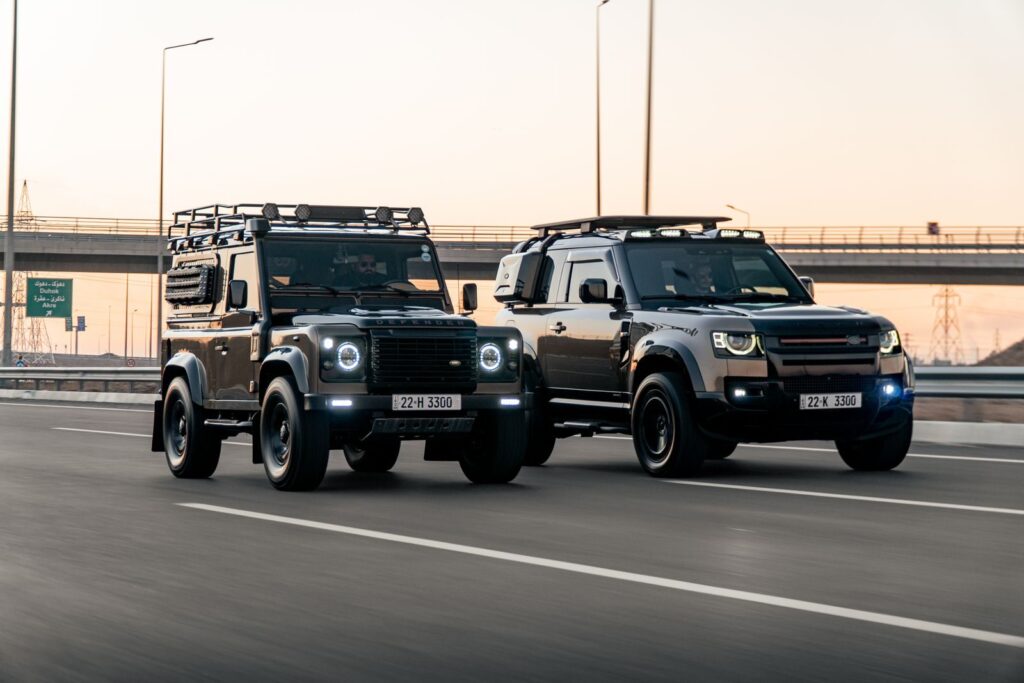
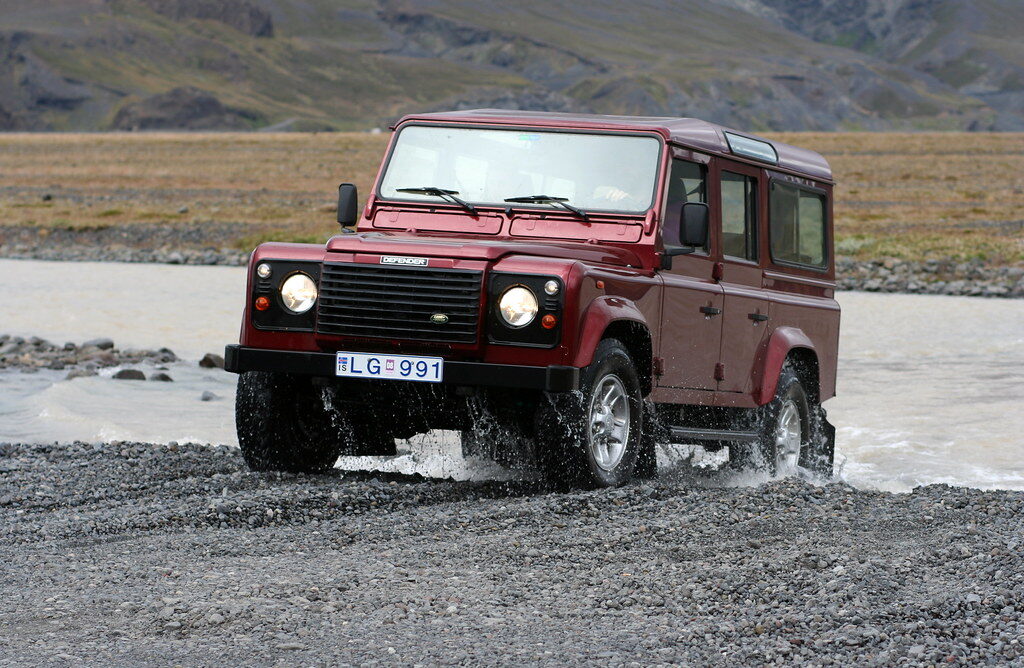
The Land Rover Discovery, launched in 1989, for many years drew a following as the rugged, family-friendly utility. But the current fifth-generation model, in production since 2017, is both the oldest and slowest selling model in the Land Rover range. Worldwide, last year it tallied only 16,750 sales a mere 4 percent of the total Jaguar Land Rover volume as its Discovery Sport sibling moved almost twice as many units. Meanwhile, 2023 sales of the Defender added up to 110,367 more than six times the Discovery. The low volume of the latter illustrates the headache the Discovery faces, prompting JLR to ponder a large overhauling, rather than a gentle refresh.
Land Rover Discovery’s Current Challenges:
- Fifth-generation model launched in 2017
- Global sales reached just 16,750
- Accounted for 4% of JLR sales
- Discovery Sport sold nearly twice
- Defender recorded 110,367 sales in 2023
That a Discovery’s share is slipping is a mark of how close it is getting to its more utilitarian sibling, the Defender, which has been simultaneously attracting buyers seeking space, comfort, and purpose. Mark Cameron, managing director of the brands Discovery and Defender, said: “We haven’t really seen the runaway in customers going to the Defender, but we knew it was in the Discovery space and stealing a big chunk of its business. With a broader range of engines, trims, and body types, Defender has become a very capable alternative for people who might previously have considered a Discovery and that has been a real factor in the weakening of Discovery’s traditional position. Now JLR needs to give a purpose back to the nameplate that is relevant for the customers.”
2. JLR’s Reimagine Strategy Will Give Discovery Its Own Identity
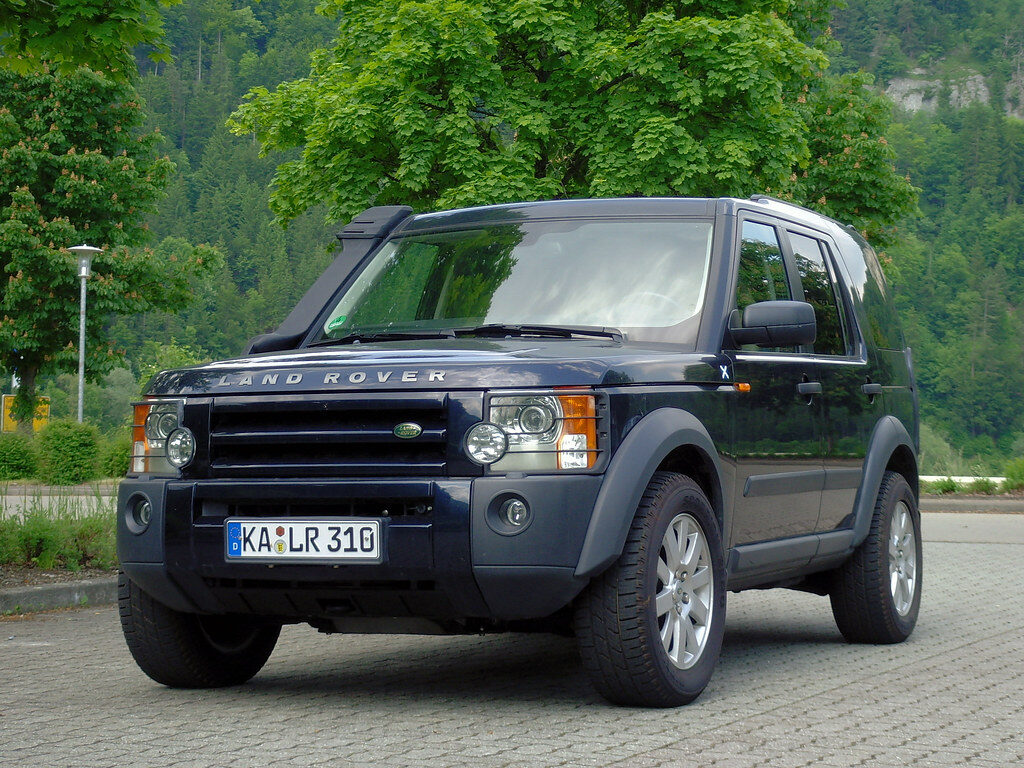
However, the problems with Discovery are now being addressed through the company’s Reimagine strategy, which restructures it around four distinct, stand-alone brands Range Rover, Defender, Jaguar and Discovery. The idea is that the brand has the space to forge its own identity and target its own customer set without being in direct comparison with others in the group. For Discovery, which has traditionally been seen as a sibling to Defender, and sometimes in competition, the aim is to carve out a clear niche. Mark Cameron has said that the aim is to find a territory for Discovery, in which it doesn’t have to be competing head to head with one of its stablemates and will need to create its own unique, ownable product with its own unique ownable reason to buy.
Discovery Brand Reinvention Strategy:
- Four distinct stand-alone brands
- Range Rover retains its identity
- Defender maintains its rugged positioning
- Discovery develops its unique territory
- Reimagine strategy reshapes JLR’s portfolio
This strategic project is designed to alleviate the internal competition when multiple related vehicles provide similar performance, occupy the same segment, and share many components. Therefore, the Discovery has to be redefined beyond a new front end or new tech. JLR wants to see this branding grow again to have its own idea and become a symbol of specialities from the Defender or Range Rover. Free from the dependence on the brand, Discovery could be more specialized in family adventures, multifaceted interior, everyday usability, and more. There is also a potential for a more radical concept because beginning from the scratch through a whole new design, JLR could build a new segment rather than refreshing an struggling model.
3. A Radical Design Could Redefine the Discovery
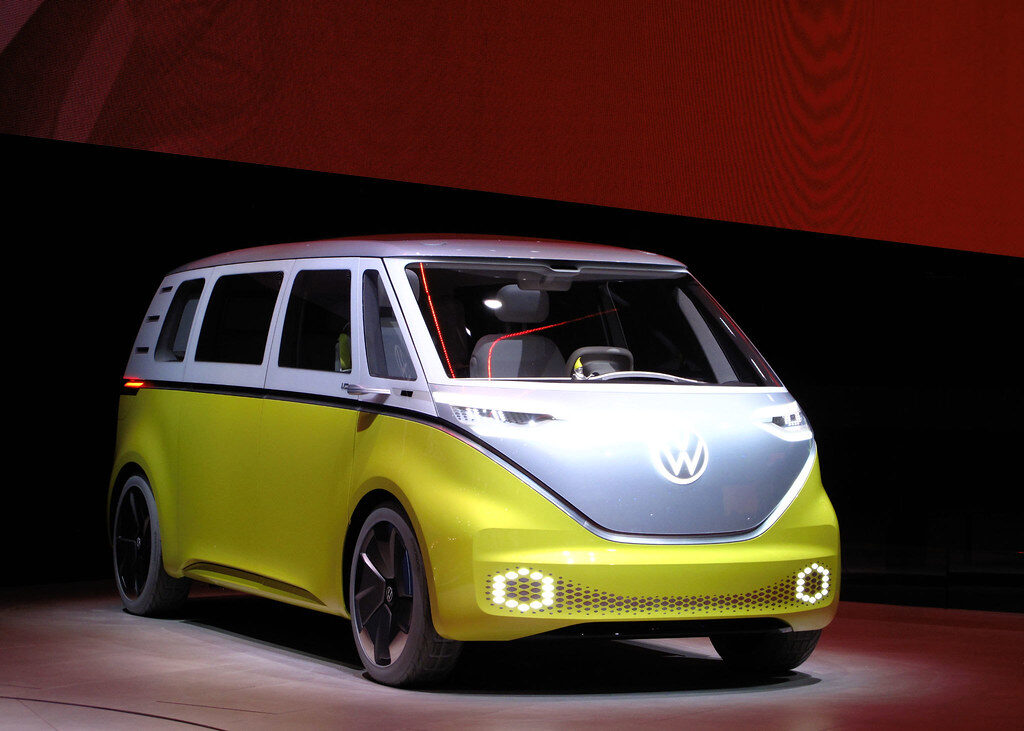
The all-new Discovery is also expected to see a significant design overhaul, and JLR is thought to be taking a clean-sheet approach rather than styling a refresh. Its aim will be to carve out a clearer space for the Discovery to serve as the number one family adventure vehicle. And the approach could be as significant to the Discovery lineup as the original Range Rover Evoque was to the established Range Rover range. One surprising idea that has reportedly appeared as a possibility is to take cues from multi-purpose vehicles, or MPVs, with the VW ID. Buzz focusing on maximising interior space and family-friendly packaging at the expense of the traditional SUVs. This could be a smart differentiation from the rugged, traditional Defender.
Discovery’s New Design Direction:
- Clean-sheet exterior design approach
- Family adventures remain the priority
- Volkswagen ID. Buzz inspires thinking
- MPV-inspired proportions are being explored
- Clear separation from rugged Defender
Just back in 2021, Land Rover revealed a teaser image that hinted at the car’s potential transformation. It was of an SUV with more of a mini-van roof shape and short front end. Such SUV proportions could strike a balance between Land Rover’s rugged go-anywhere attitude and a more modern minivan passenger package that would look at home ferrying kids to school or on a safari. Rather than trying to mimic the Defender’s near-vertical stance, the Discovery could carve out its own new niche using smart packaging, more space, and a more flexible approach to family cars.
4. Modern Exterior Styling Will Support Electric Efficiency
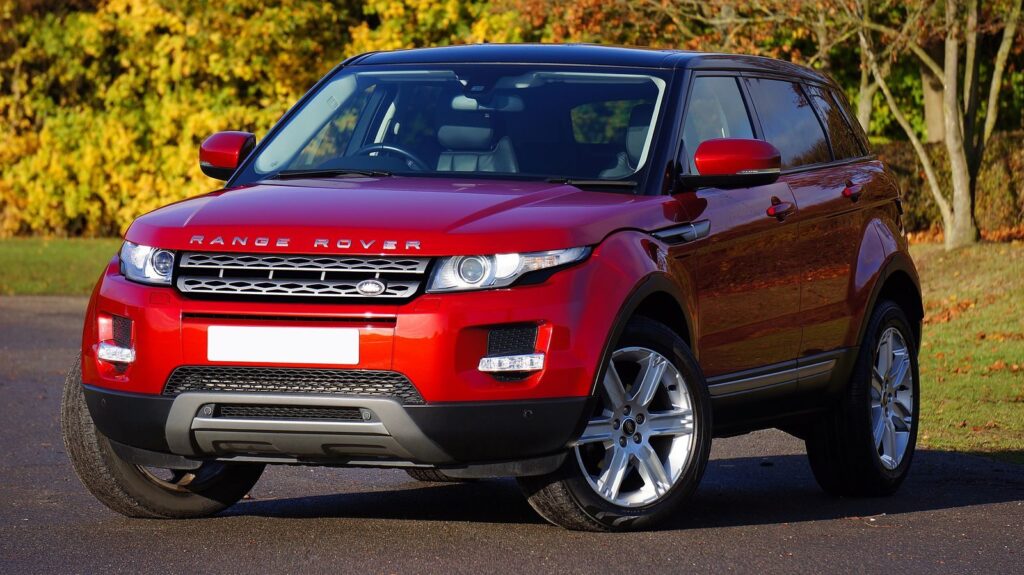
While the next Discovery may be entirely different from its predecessor, certain features that have become familiar should still appear, albeit somewhat altered. Expect to see sleeker LED digital-lighting elements, integrated door handles, and an overall clean, grilleless front end for the EV. Doing without traditional ventilation and airflow spaces in the grille area is one way to make a vehicle more aerodynamic and therefore more efficient as an electric. That said, the redesign isn’t necessarily simply an exercise in style for the Discovery the thinking is that it will also need to complement the design of the next-generation Discovery, and meet the specifications of customers seeking a luxurious family SUV in the 21st century.
Expected Discovery EV Styling Features:
- Sleeker digital LED lighting
- Flush door handles improve streamlining
- Grille-less front fascia design
- Cleaner aerodynamic exterior profile
- Signature Discovery elements reinterpreted electrically
Introducing a design that highlights the Discovery’s role as the mid-range flagship, yet maintains its link to the Range Rover core, is a new styling direction. A clean profile, new lighting and / or the use of flushs even and leveraged handles would all help to create a substantially more contemporary visual than the current fifth-generation Discovery. Working in conjunction with the potentially MPV-like roofline, these elements could focus on maximising practical interior space, without compromising the premium brand role, as the move to electric propels the Discovery on the path to its next-generation design. Rather than simply using typical SUV proportions, the switch to electric power open up the opportunity to design a shape that balances family practicality with aerodynamic efficiency and Land Rover’s typical outback adventure-ready nature.
5. The Dedicated EMA Platform Will Preserve Seven-Seat Practicality
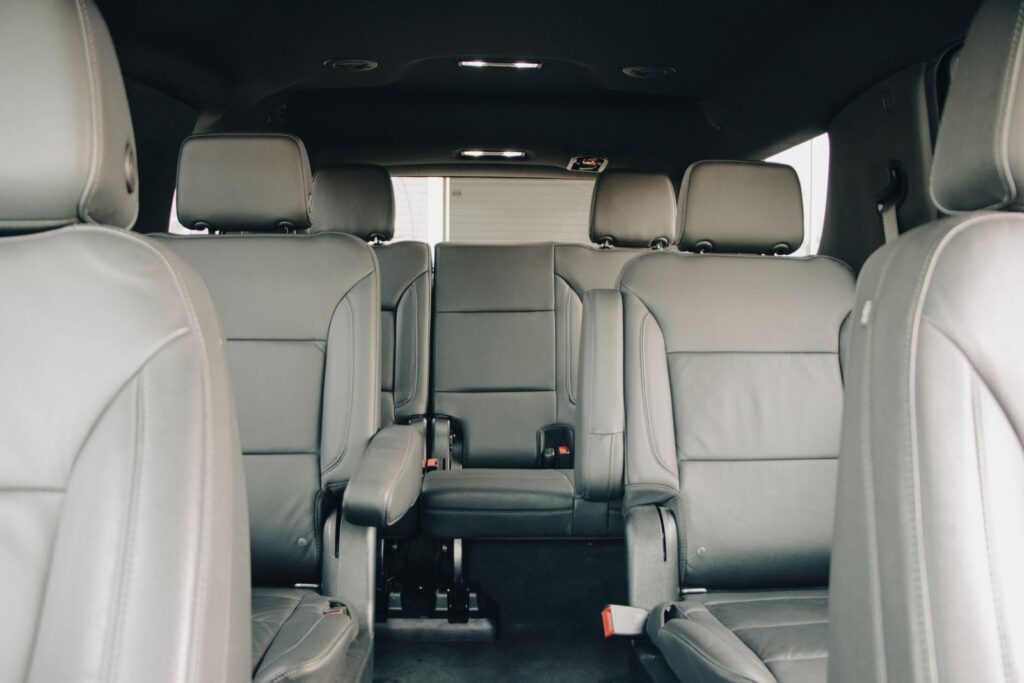
It’s likely that the sixth-generation Land Rover Discovery will be built on the automaker’s Jaguar Land Rover (JLR) Electrified Modular Architecture, or EMA. Unlike a platform that’s been shoehorned into a vehicle that was originally designed for a petrol engine, EMA was developed solely for all-electric applications. That means JLR can take a fresh approach with the Discovery and not try to cram it with batteries to convert a petrol model. “The architecture can accommodate a three-row, seven-seat vehicle,” JLR CEO Adrian Mardell said during the auto show. “It’s important because we believe large family accommodation has been intrinsic to the Discovery DNA and as an EV-native platform, that system enables us to make clever use of space and revisit the interior architecture.”
EMA Platform and Family Practicality:
- Dedicated architecture for electric vehicles
- Sixth-generation Discovery adopts EMA
- Three-row seating configuration supported
- Seven-seat capacity remains possible
- EV-native packaging supports interior flexibility
The decision to use an EMA will also help define a clearer target distinction between Discovery and the bigger luxury Range Rover models in JLR’s portfolio. MLA-Flex underpins the current Range Rover and Range Rover Sport models but the new Discovery is likely to follow a different technical route. A platform allocation decision also underpins the wider JLR brand and product strategy of further clarifying the product divides. It also offers the Discovery an opportunity to define a unique market position. Since the latest generation of Range Rover Sport has lost its third-row option, the new Discovery could take on the role of JLR’s main three-row model for buyers who need the extra seating capacity but who don’t want to step up to the full-size Range Rover model line.
6. Electric Power Could Improve Performance and Off-Road Capability
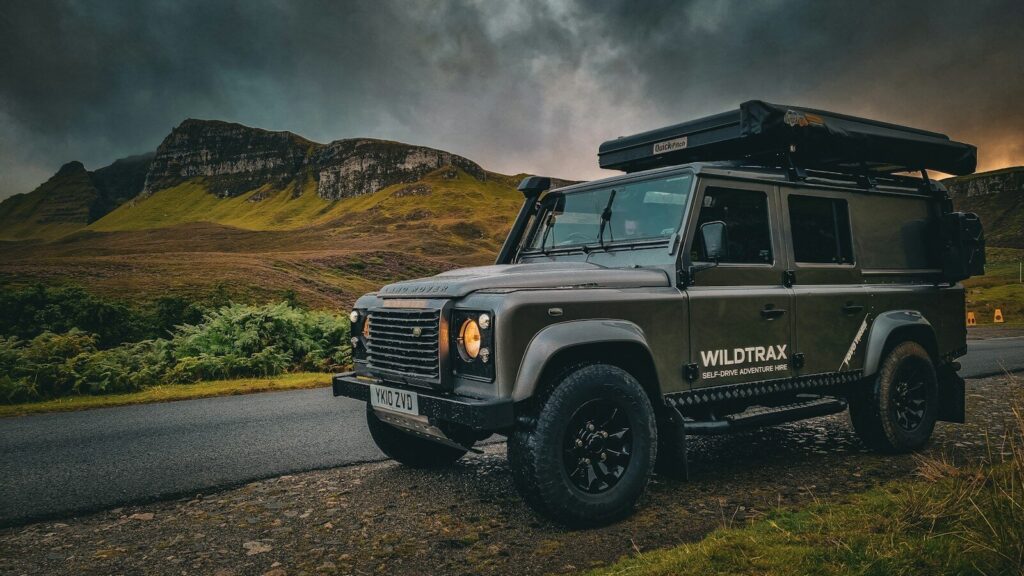
However, the switch to an all-electric powertrain will likely signal significant changes to Discovery’s performance and driving experience. Electric motors provide instant torque, which could see the Discovery feel lively in city traffic and more able in tougher off-road conditions. An electric architecture can also help optimise weight distribution, which should benefit the vehicle’s dynamic handling and stability at speed. And the car’s electric nature will make it notably quiet, potentially making for a more premium experience at leisure destinations such as a safari park and further helping limit the impact on the natural environment. Rather than simply replacing a combustion engine with an electric motor, JLR intends to use the technology to make Discovery perform better in the environments that our family adventure brand is known for.
Electric Powertrain Performance Benefits:
- Instant torque from electric motors
- Standard electric all-wheel-drive system
- One motor on each axle
- Improved weight distribution is expected
- Quieter operation for wildlife safaris
Additionally, the new electric-powered Discovery is also set to improve upon the Off-road ability of the model. An underbody shield, increased ground clearance and torque-vectoring could all be expected to contribute to a better off-road performer. The installation of a dual motor layout would enable the Discovery to be the foundation of an electric all-wheel-drive system, with the potential to distribute torque to the axles. These features would combine the benefits of electric propulsion with the off-road experience of the Land Rover brand. Ultimately, the Discovery would need to be the vehicle that was at home during the week, before making sure it would be totally ready for the weekend. If JLR pulls off a whole new-generation Discovery with all of these technologies included, the model could well have a much different level of responsiveness, refinement and off-road ability compared to its predecessors.
7. The Discovery EV Targets 300 Miles of Range and Rapid Charging
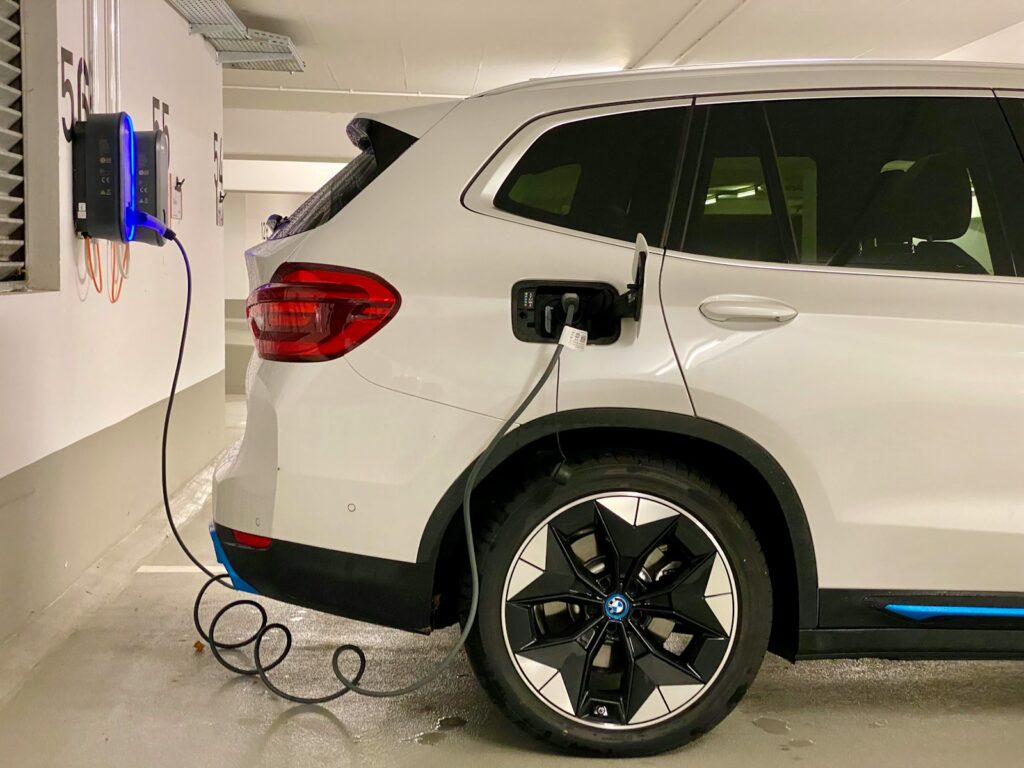
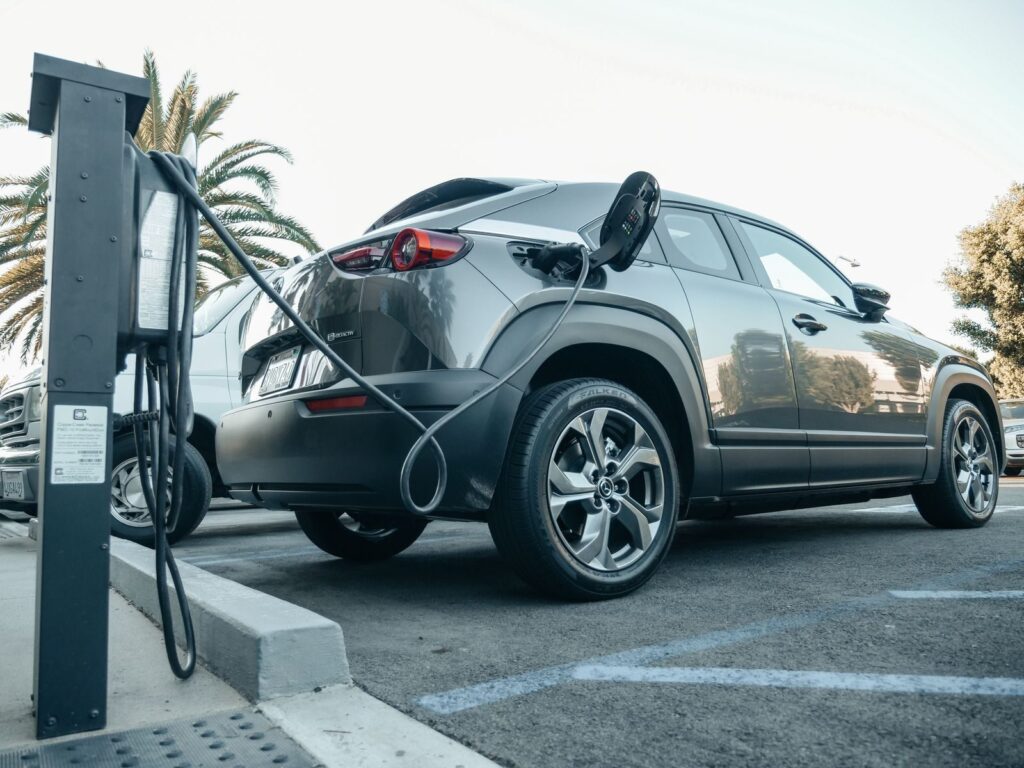
The new Land Rover Discovery Electric is planned to come with a standard electric all-wheel drive system with one motor on each axle. While the performance figures are expected to vary between specifications, JLR expects the SUV to have a real-world driving range of at least 300 miles on the EPA cycle. The car is expected to use the 800-volt electrical architecture incorporated in EMA platform, which allows charging speeds of up to 350kW. These figures could allow you to go on more extended family road trips with less frequent charging, thanks to the dual motors, impressive range target, and those high-speed charging capabilities.
Discovery Electric Technical Targets:
- At least 300-mile real-world range
- 800V electrical architecture supports charging
- Charging speeds reach 350 kW
- Five-to-eighty percent in twenty minutes
- Standard dual-motor electric all-wheel drive
The expected charge times would be particularly relevant to families intending to undertake long road trips. JLR estimates a 5-80% charge would take about 20 minutes under the right charging conditions, reducing the time spent charging. These figures are also expected figures rather than final production ones, with the manufacturer also aiming to boost efficiency from Wolfspeed supplying the silicon carbide semiconductors that will be used in the Discovery’s inverters. These have a bandgap of nearly three times that of silicon (the supplier gives the figure) which aids efficiency and can be important when maximising range from an electric car, making the semiconductor’s role key in the Discovery’s wider EV engineering plan.
8. Wolfspeed Technology Supports JLR’s Electric Vehicle Plans
Jaguar Land Rover has formed a strategic partnership with Wolfspeed to secure supplies of advanced silicon carbide (or SiC) semiconductors for its electric-vehicle inverters, which it says will enable the powertrain efficiency of its EVs and facilitate the targeted range of JLR’s future vehicles. Silicon carbide has a bandgap almost three times that of conventional silicon, and is gaining increasing interest as a power-electronics component in EVs. The automaker revealed that the technology will help to electrify its next-generation Range Rover, Discovery, Defender, and Jaguar models, so while it is not promising anything about its current Discovery Electric, the partnership looks to be setting the basis for JLR’s whole future EV line-up.
Wolfspeed Semiconductor Technology:
- Strategic partnership with Wolfspeed established
- Silicon carbide semiconductors support inverters
- Bandgap nearly three times silicon
- Improved efficiency supports driving range
- Technology spans JLR’s future lineup
It’s an example of a similar approach to the Discovery, and as well as the details of its exterior and its seats, and the motors on the axles, power electronics will also be key in this new premium EV delivering the efficiency you would expect from any modern EV. By using silicon carbide in its next-generation, all-electric vehicles, JLR is seeking to optimize the way electrical power is managed within its electric drivetrains. This is of particular relevance to the Discovery, as JLR has a stated goal of achieving a minimum 300 miles of range and charge rates of up to 350kW (473A). The arrangement with Wolfspeed is just one aspect of the engineering work involved in achieving these goals, and it is not specific to Range Rover or the Discovery. It’s also just one example of how the silicon carbide based power electronics being developed can support JLR’s wider move to electrification.
9. The Discovery Electric Could Arrive Between 2026 and 2027
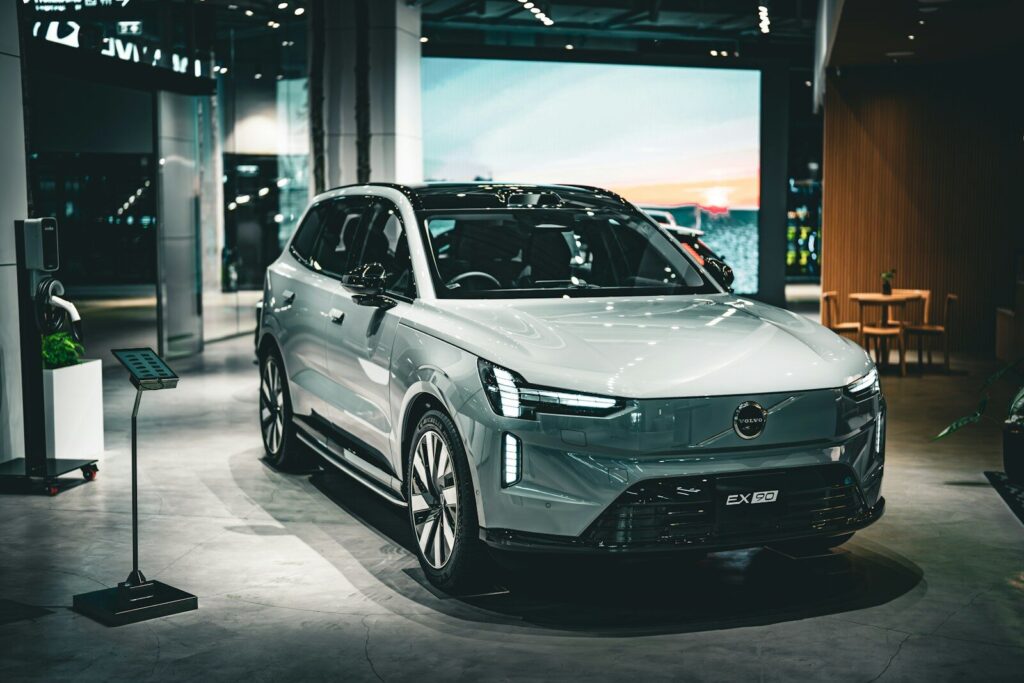
The Discovery Electric will be the latest new model to join the line-up as the SUV brand transitions to all-battery models. JLR plans to have six pure-electric models in its dealer fleet by 2026, meaning the Discovery Electric will be rolled out in the second phase of new model launches, either within that time frame or the following wave. Based on the information that has been released so far, the launch window is between 2026 and 2027, a time frame that will see a strong competitor field for the premium electric SUV segment. One of the Discovery Electric’s key rivals will be Volvo’s EV SUV that is set to be called the EX90, another premium, three-row electric SUV that will compete for cabin practicality and capability.
Discovery Electric Launch Expectations:
- Anticipated launch during 2026–2027
- Part of JLR’s electric transition
- Six pure-electric models planned by 2026
- Volvo EX90 emerges as rival
- Practicality remains central to competition
Why timing of the Discovery Electric matters JLR has to strike a fine balance with Discovery family models as it seeks to deliver something new, while also persuading existing owners that it is value for money. A Discovery with its own dedicated electric platform, three-row seating and family-orientated design could present the premium SUV family with a distinctive offering. The Volvo EX90 and Discovery would likely compare well for eye level with their similar positioning around premium electric motoring and three-row practicality where the Discovery could differ is with its proposed off-road and MPV-inspired interior design. The extent to which this potential pans out will be evident in the final product, due to arrive in 2026-2027 (but this remains an expectation rather than a confirmable final launch date in the information supplied).

10. A New Flagship Could Revitalise the Discovery Brand
The new electric Discovery is part of a concerted effort to reboot the entire brand, and isn’t just an attempt to replace a slightly tired old model. Special Vehicle Operations (SVO), JLR’s subdivision which is behind vehicles like the Defender Octa and Range Rover SV, has had a hand in the new flagship. Its presence makes it seem more likely that JLR is hoping for the Discovery’s all-electric flagship to have something a bit unique about it, too. SVO boss Jamal Hameedi told us last year that the new Discovery was going to have its own take on what a flagship should be and a blank sheet may allow the team more freedom to develop a vehicle that expresses Discovery’s uniqueness and not what its stable-mates have done before.
Discovery’s Future Flagship Vision:
- SVO contributes to flagship development
- Clean-sheet design creates new possibilities
- Defender Octa showcases SVO expertise
- Range Rover SV reflects flagship ambitions
- Family adventure remains the core identity
The upcoming Discovery will be aimed at delivering family friendly utility and space alongside a well-rounded, fully electric package. Inspired by the proportions of a minivan, the Discovery’s all-electric architecture could offer a more flexible interior and electric all-wheel drive with a targeted range of over 300 miles and fast-charging to add to its everyday practicality and long-distance capabilities. JLR is expected to price the Discovery at a premium but relative value price point with the current, internal combustion-engined Discovery starting at around 59,900,thecompanyisaimingtopricetheDiscoverysub-70,000, for its initial market debut. This would position it to go against European rivals and build on the British marque’s heritage and off-road mastery by embracing family tech, space and future-centric design.