




Examining Plug-In Hybrid Reliability Data and Market Dynamics in Modern Automotive Engineering

Plug-in hybrid electric vehicles (PHEVs) provide the promise of both electric-only driving and the flexibility of gasoline engines for longer distance travel. However, their increasingly complicated design presents a number of significant reliability problems. Unlike traditional cars, plug-in hybrids combine the high-voltage batteries with a combustion engine, electric motor, charging system, and complex controls software which together provide many opportunities for failure. Several sources have identified a greater number of problems per vehicle for plug-in hybrids than for conventional vehicles, although European survey data and top-rated models show that such reliability problems are possible to overcome. The Toyota Prius Plug-in Hybrid, Lexus NX and Lexus ES, and Hyundai Kona Hybrid provide examples of good engineering, while the Jeep Wrangler 4xe, Ford Escape Plug-In Hybrid, Mazda CX-90 PHEV, and Volvo XC60 Recharge serve as examples of the problems associated with defective batteries and electrical components.
Ultimately, the future of plug-in hybrid applications will be determined by how well automakers can solve these engineering issues, along with ownership issues such as software and charging-system consistency, intuitive interface, and overall quality of manufacture-matters that impact how much consumers can trust these vehicles. Stellantis’ decision to eliminate three plug-in hybrid models for the 2026 model year shows how long-term reliability fears may drive product decisions, even as Ford, Mazda and Volvo hold onto existing models that have experienced trouble and still face documented failures. For customers considering plug-in hybrids, examining individual model reliability, warranty and recall data, and the complexity of a particular powertrain can help inform the purchase decision. This article examines the reliability of plug-in hybrids, including the differences between hybrid systems, examples of engineering triumphs and the technical issues that could define the future of plug-ins.
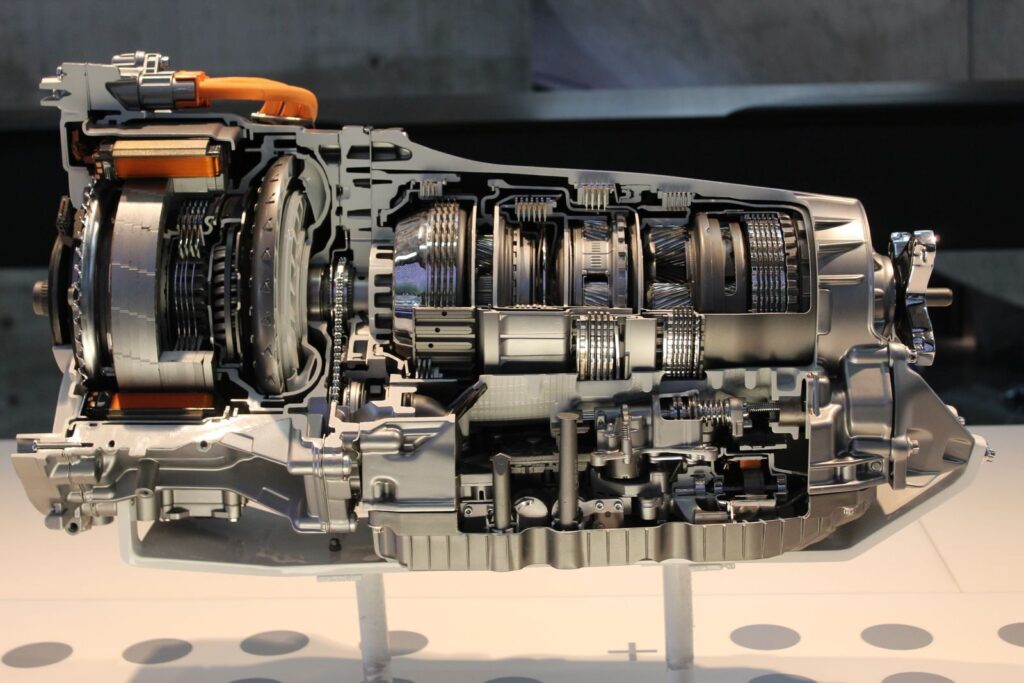
1. Plug-In Hybrid Engineering Complexity Creates Reliability Challenges
Combine these capabilities with their all-electric ability to manage everyday driving, and plug-ins combine battery, an internal combustion engine, power electronics, electric machines, and software, which must all work together seamlessly. Managing these combined technologies is challenging, which is reflected in the J.D. Power 2025 Initial Quality Study, which ranks the quality of new vehicles after 90 days of ownership based on nearly 93,000 survey responses. In the study, plug-in hybrid electric vehicles led all vehicle types with 237 problems per 100, compared with 212 for battery-electric vehicles, 196 for conventional hybrid electric vehicles and 184 for gasoline vehicles. Software errors, blank screens and complex infotainment systems all contributed to below-par scores.
The Engineering Challenges Behind PHEV Reliability:
- Dual-powertrain systems increase complexity
- Charging hardware creates additional challenges
- Software glitches frustrate vehicle owners
- Touchscreens generate frequent consumer complaints
- PHEVs recorded 237 problems per 100
Plug-in hybrids are also really clever little vehicles and require a set of mechanical and electronic systems working together to provide the driving experience they aim for. The idea of efficient electric commuter short runs combined with long-distance petrol-based motoring is very attractive, but with every added element comes the potential for something to go wrong. The high-quality data suggests that all this does affect ownership experience, especially when various elements of software and infotainment systems don’t do what they should. Luxury plug-in hybrids face yet greater challenges, as they often include gesture controls, the intricacies of their interfaces and additional layers of software. This can result in more visits to the dealer rather than less, not to mention the fact that they cost more than equivalent petrol-powered cars.
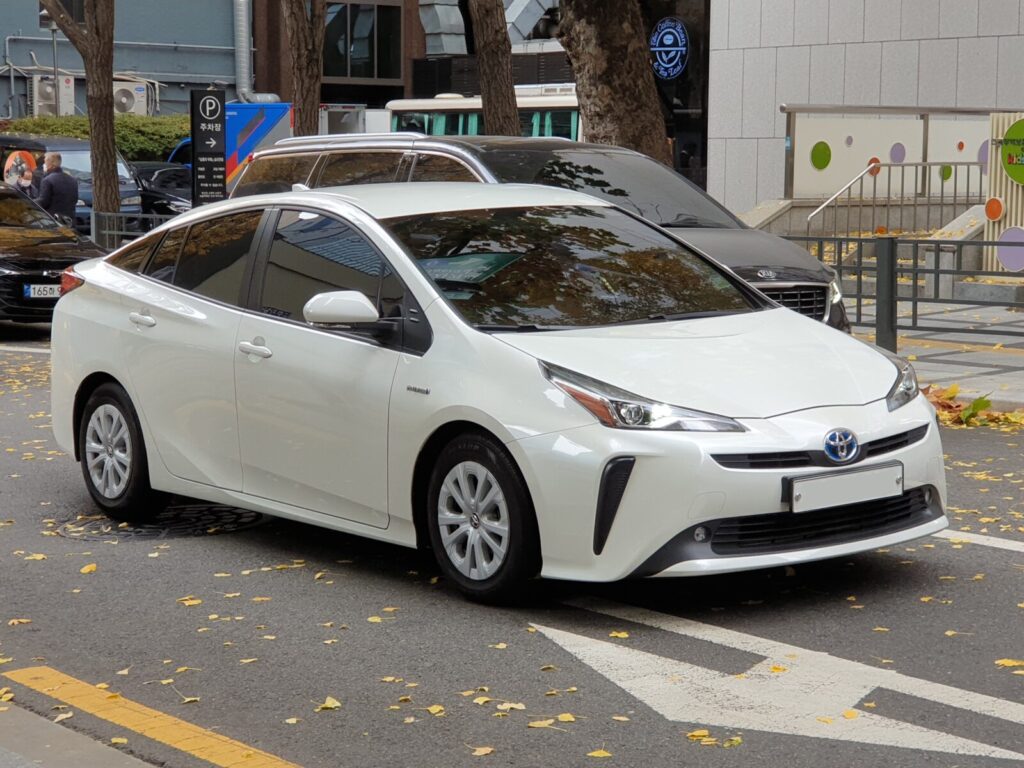
2. Traditional Hybrids Demonstrate Stronger Reliability Results
Consumer Reports data, there is a major reliability gap between traditional hybrids and plug-ins. Conventional hybrids experience 15 percent fewer problems than regular gasoline-powered vehicles, thanks to technology that has been refined after first showing up as hybrids in the late 1990s (a few examples: Honda Insight, Toyota Prius). Fully electric vehicles and plug-in hybrid vehicles continue to experience 80 percent more problems than regular gasoline-powered vehicles. Some of the early mainstream plug-ins arrived in 2011 with the Chevrolet Volt, although automakers still struggle with consistency when installing high-voltage chargers in their vehicles.
What Reliability Data Reveals About Hybrid Types:
- Traditional hybrids report fewer problems
- Prius helped establish hybrid technology
- Honda Insight arrived in late 1990s
- Chevrolet Volt emerged around 2011
- Charging systems challenge manufacturing consistency
The differences between traditional and plug-in hybrids show how the evolution of the future of motoring can impact reliability. Over the years, traditional hybrids have benefited from a long history of refinement, with tried and proven gasoline-electric hybrid systems, in some cases with generations of development, that do not rely on plug-in charging facilities. For example, the technology can be traced back to theToyota Prius and Honda Insight hybrid, the first mass-produced cars to offer that type of hybrid system. Plug-in versions add the requirement for extra charging equipment and high-voltage hardware, making the engineering requirements for manufacturers that much more complex. Consumer Reports’ results place plug-in and all-electric vehicles in a less-appealing light than conventional gas-powered cars when the two types of electrified vehicle categories are combined.
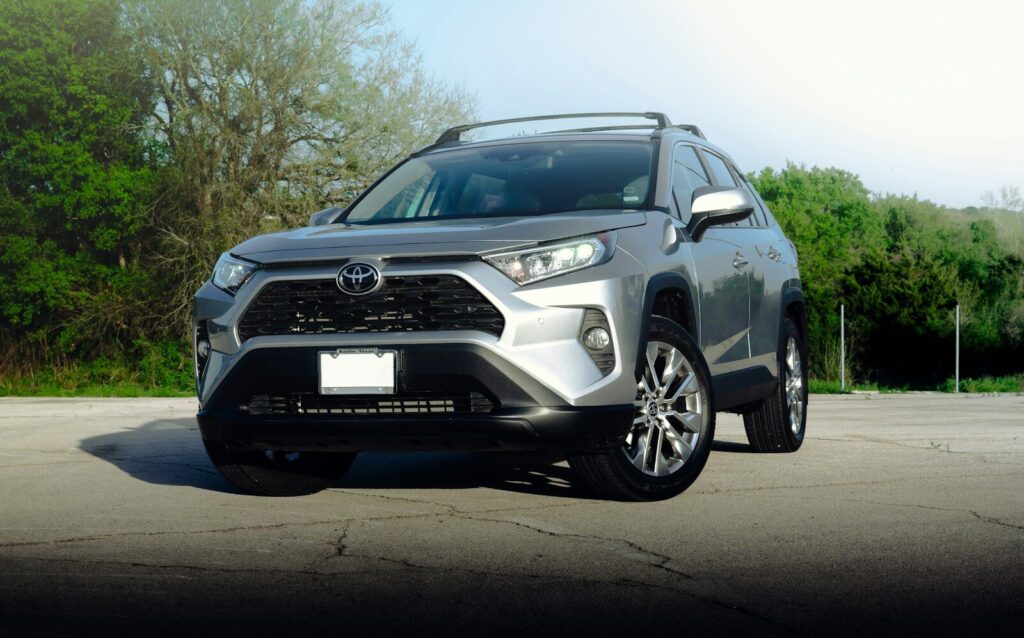
3. European Reliability Survey Offers a Different Perspective
Overall, European market results look more positive for hybrid reliability. Hybrid and plug-in hybrid cars were found to have only 19 percent of owners with a problem, compared with 22 percent for petrol-powered vehicles, 27 percent for electric cars and 31 percent for diesel-powered vehicles, in the What Car? Reliability Survey. (A lower percentage indicates better reliability.) The European survey also reported that hybrids had a reliability score of 95.9 percent better than pure electric vehicles at 87.7 percent. In addition, 91 percent of hybrid repairs involved no charge for owners. These results are quite different from some wider industry quality survey results but evidence from European markets indicates that hybrid vehicles, including plug-in hybrid cars, can provide good reliability.
European Data Highlights Hybrid Strengths:
- Hybrid owners reported fewer problems
- Only 19 percent reported issues
- Petrol owners reported 22 percent issues
- Hybrid reliability reached 95.9 percent
- Ninety-one percent of repairs were free
The What Car? Results offer a stark contrast to the results that other reliability surveys have found. They suggest that for every problem a petrol, electric and diesel car has in this survey, a hybrid or plug-in hybrid has significantly fewer. And the reliability score of 95.9 per cent only reinforces how well they have done, with pure electric cars achieving a score of 87.7 per cent. On top of that, the survey shows that the majority of hybrids tested were repaired without having to charge owners for that work, saving drivers from the financial pain of the issues raised. Though this should be seen within the context of one of the specific surveys rather than proof of all hybrids being able to hang with the rest of them, there’s undoubtedly still potential for electrified cars to be made more reliable.
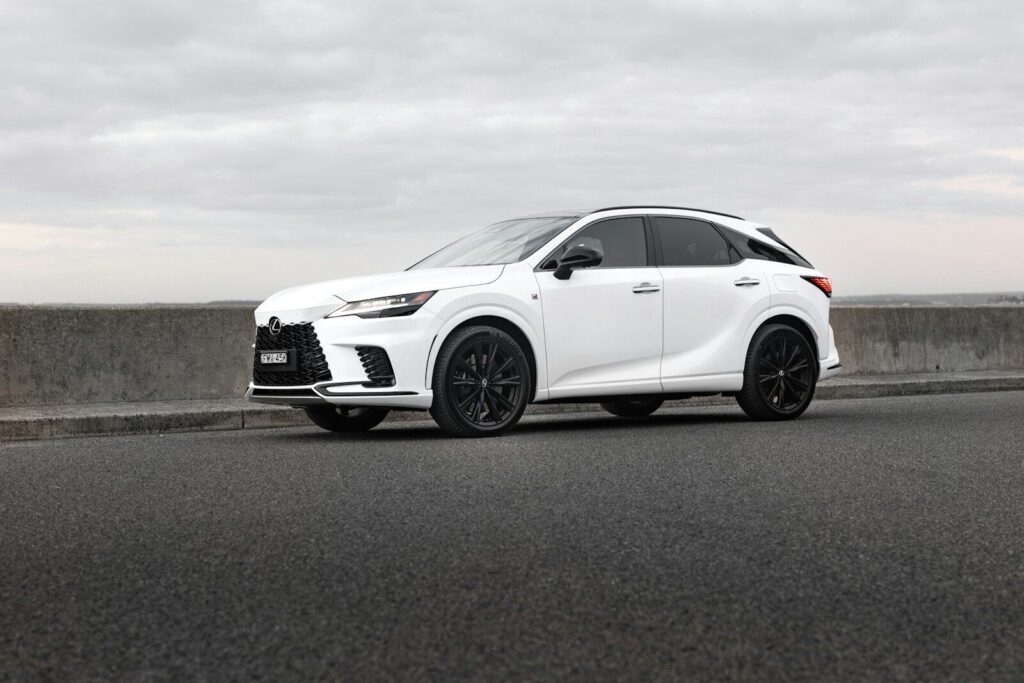
4. Toyota and Lexus Models Show What Reliable Engineering Can Achieve
Several models also show how hybrid technology can perform well if manufacturers adopt a more simple approach to designing and building their vehicles. The Toyota Prius Plug-in Hybrid is still a class leader as it’s an easy to understand, simple plug-in hybrid with controls that are simple to use. Many luxury models can also perform well. The 2014-21 Lexus NX was awarded a perfect 100 percent reliability rating by consumer reports and went without fault or downtime. Other vehicles on this list are the Lexus ES saloon with a rating of 99.3 percent and Hyundai Kona Hybrid with 99.0 percent. These are all examples of why well-designed and engineered systems can work well and that electrification doesn’t necessarily cause reliability issues.
Models Setting High Reliability Benchmarks:
- Toyota Prius Plug-in Hybrid leads
- Lexus NX achieved 100 percent
- Lexus NX reported zero faults
- Lexus ES reached 99.3 percent
- Hyundai Kona Hybrid scored 99.0 percent
The reliability of these vehicles highlights that the critical aspect is not necessarily the drivetrain but the engineering. If compared, the Toyota Prius Plug-in Hybrid scores well because of its simple design and controls, and both the Lexus NX and Hyundai Kona scores prove that the same application of principles can also be incorporated in a luxury car. But this figure is particularly interesting because of the lack of faults or downtime reported by the Lexus, which is reflected in its 100 per cent rating. The Lexus ES (also hybrid) and Hyundai Kona (hybrid) had near perfect scores. This goes to demonstrate that manufacturers can build reliable electrified vehicles if systems are engineered correctly, and that buyers should not necessarily take for granted that all plug-in hybrids will have reliability issues.
5. Stellantis Withdraws Three Problematic Plug-In Hybrid Models
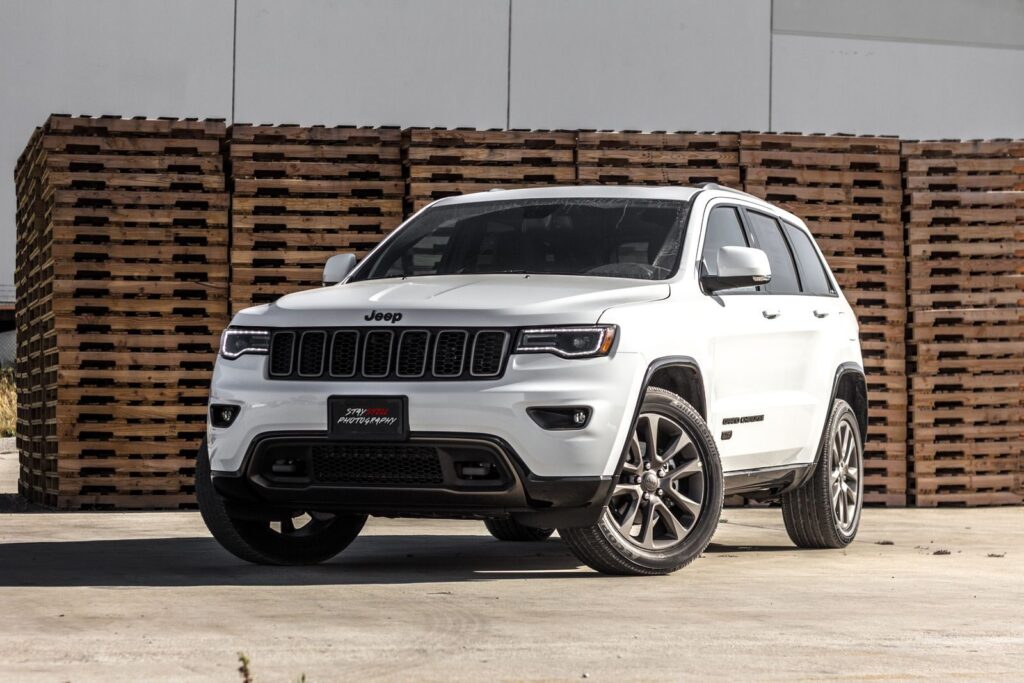
Reliability problems thwart Stellantis’ plug-in hybrid plans. Stellantis’ plug-in hybrids ranked among the most unreliable vehicles on Consumer Reports’ best and worst lists, prompting the automaker to pull out the three models from sale less than six months later. It was the Jeep Wrangler 4xe’s warning of battery fires and the accompanying recommendation for owners to leave the vehicle outside and not to charge it that led the company to pull it and the other two plug-in hybrids in the 2026 model year. That model year Jeep Grand Cherokee 4xe also had manufacturing problems, including sand in the engine, and it was the subject of an over-the-air software update that kept many from starting. Consumer Reports says these and other reliability, safety and software issues have affected the trust consumers have in hybrid vehicles.
Reliability Problems Behind Stellantis’ Retreat:
- Three models appeared on unreliable lists
- Wrangler 4xe faced battery fire warnings
- Engine manufacturing flaws included sand
- Software updates disabled multiple vehicles
- All three ended after 2025
The Jeep Grand Cherokee 4xe promised plug-in hybrid performance with family-SUV upmarket comfort, a luxury interior and off-road potential. Its sticker price, however, magnified the impact of problems with reliability and driving range warnings that proved difficult for owners to ignore. The Chrysler Pacifica Hybrid faced other issues. The family-oriented minivan, with sliding doors and three rows of seating, was well-suited to suburban living, but high-voltage battery recalls underscored the danger of defects that could lead to thermal runaway and fire when the vehicle was turned off. The three cases, along with the Jeep Wrangler 4xe’s greater stability, show how the failures that can come with running plug-in models can have serious ramifications. Stellantis pulled the plug on all three for 2026.
6. Ford Escape Plug-In Hybrid Continues Despite Battery Concerns
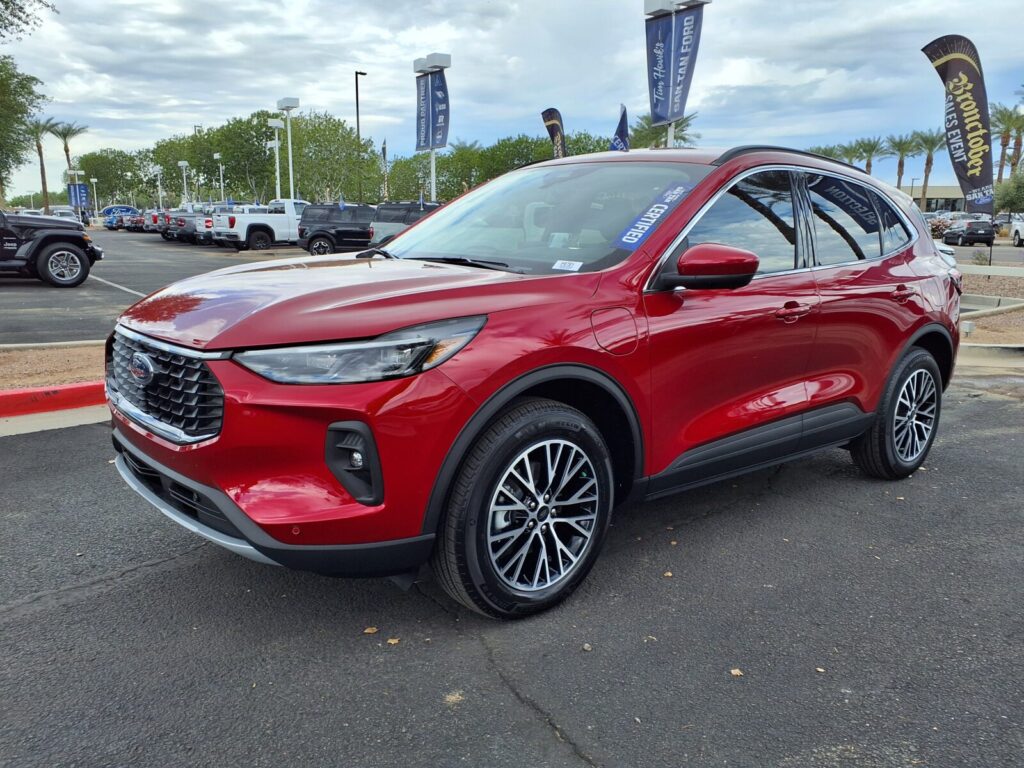
Unlike Stellantis, Ford is still offering the Escape Plug-In Hybrid model for 2026. The utility can cover just over 37 miles on a full charge, using a 2.5-liter iVCT Atkinson Cycle I-4 plug-in hybrid engine. Its primary strength is simply being an acceptable mode of daily transportation for a commuter or small family. It allows the driver to operate on electric power over short to moderate trips and still have gasoline power available to extend the range. The only real downside to the model so far has been its reliability rating the car has already suffered a massive recall, due to battery-defect-related short circuit risks and engine fire hazards. Still, the compact crossover seems to be keeping an acceptable place for PHEV technology at the moment.
Ford’s Mainstream Plug-In Hybrid Strategy:
- Escape PHEV remains available for 2026
- Electric range reaches about 37 miles
- Powertrain uses a 2.5-liter engine
- Battery defects prompted a significant recall
- Fire risks raised additional concerns
The Ford Escape Plug-In Hybrid offers a different counterpoint to the plug-in hybrid reliability issues. Ford didn’t simply decide to kill the model, but market it as a solution to drivers who want to plug in every day and still have gas range flexibility when needed. Its true 37-miles of electric range is what makes it practically appealing to owner-operators that do most of their driving within that distance from home every day. The 2.5-liter Atkinson Cycle engine is used in a complex powertrain that has to make speed adjustments between two sources. Still, the battery recall article shows how dangerous high-voltage systems can be. Short circuits, power loss, and fire threat issues can be frightening as a car owner, but the fact that the Escape lives on is a good sign that some automakers want to continue to improve plug-ins that seem to be brimming with potential.
7. Mazda CX-90 PHEV Combines Luxury With Technical Growing Pains
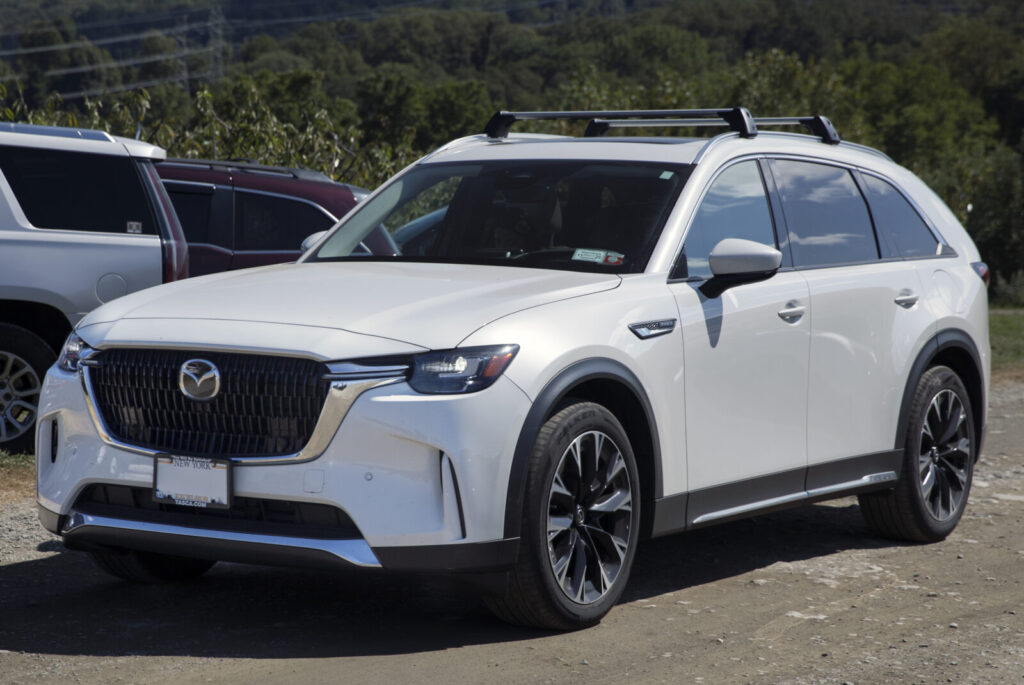
Mazda has remained committed to offering the CX-90 PHEV as a high-end three-row SUV capable of carrying up to seven people. The model offers a premium cabin and striking styling with a 323-horsepower e-Skyactiv powertrain to appeal to people who want some family usefulness while enjoying a more luxurious way to drive. Early first-generation CX-90 owners faced significant reliability issues which required extensive manufacturer recalls for electrical problems that could trigger failsafes and lead to a complete engine stall. Nevertheless, Mazda has stuck to a wide range of plug-in hybrid trims within the lineup, and the company’s faith that the styling, performance, and involvement in driving will continue to appeal to customers even while overcoming technical issues.
Mazda’s Premium PHEV Balances Strengths and Risks:
- CX-90 PHEV seats up to seven
- Powertrain produces 323 horsepower
- Cabin targets luxury-oriented buyers
- Electronic faults triggered failsafe modes
- Recalls addressed potential engine stalls
The CX-90 PHEV demonstrates what customers want from a premium plug-in hybrid. Its three rows have room for families and a 323-hp e-Skyactiv drivetrain delivers the power of an upmarket SUV. Mazda has stuck with offering different PHEV trims, despite early issues with reliability, rather than dropping the technology altogether following its initial hiccup. But early recalls for software and engine stall problems demonstrate how a vehicle’s core performance can be compromised by issues with its software or control system. And such problems can be particularly irksome for customers who have paid the premium price for this package. Mazda’s persistence implies it believes the CX-90’s design, interior quality and road performance will remain up to standard while it finds its way through the technical issues experienced by its plug-in hybrid.
8. Volvo XC60 Recharge Retains Its Appeal Despite Recalls
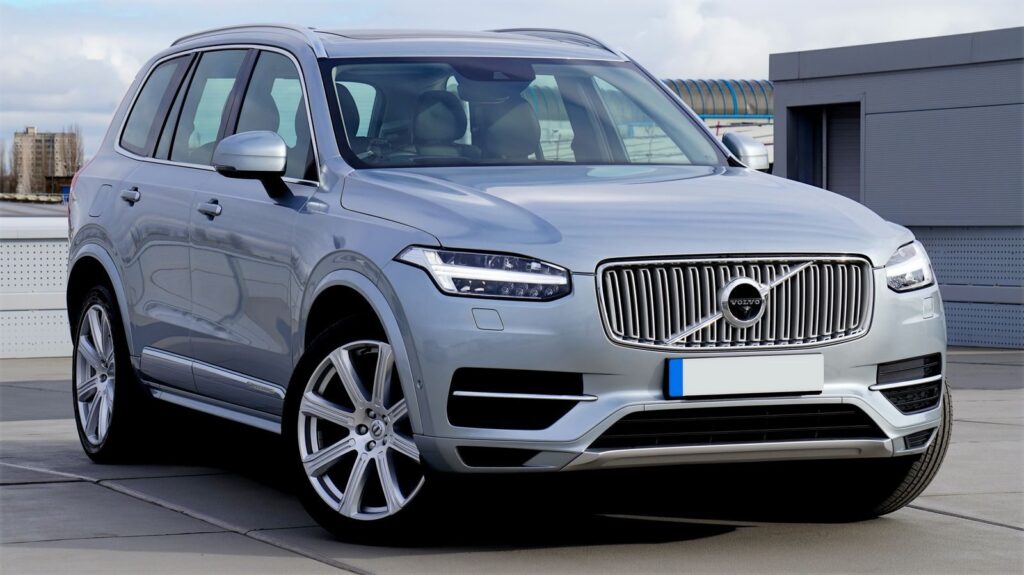
The XC60 Recharge by Volvo provides the sporty performance of a crossover for those with families. The powertrain plug-in hybrid with the equivalent of 455hp can accelerate from 0 to 60 mph in 4.5 seconds. The Volvo appeals to those interested in style and comfort with Swedish beauty and high performance, and the fact that the model is now produced in the United States is an extra bonus. It is unfortunate that the product has not been totally dependable, as there was a recall on the high-voltage battery modules causing short circuits and software issues with regenerative braking. These are the type of problems that seemingly plague reliable plug-in hybrids with speed and style, but it remains a popular model for those looking for an extra performance bite with a hybrid.
Volvo’s Performance Comes With Technical Challenges:
- XC60 Recharge produces 455 horsepower
- Zero-to-60 takes just 4.5 seconds
- Manufacturing moved to the United States
- Battery modules faced short-circuit recalls
- Regenerative braking software had issues
Q. What is the Recharge’s potential reliability? A. The XC60 Recharge leads the pack in plug-in hybrid performance, as performance is the expectation when customers are buying high performance, high-tech cars. Its 4.5 second acceleration and 455 horsepower make it a high-performance vehicle, but still a crossover. The Recharge’s record for recalls of high-voltage battery modules and software for regenerative braking systems reminds us that when you buy such high performance, that doesn’t always guarantee reliability shorts in batteries can cause safety issues, and software issues in braking systems can create issues for vehicle control systems. Volvo’s experience reminds us that in the plug-in hybrid marketplace, other vehicles with the same or greater powertrain and similar price tags can also be affected by the need for smooth control systems and battery operation.
9. Safety Recalls and Software Faults Challenge Consumer Confidence
Many of these concerns have much greater impacts than simply a bother in your streaming television display and infotainment. Conductor problems with high-voltage batteries, software programs, plug-in charging warnings, and electronic control issues can hinder the driving experience of a plug-in hybrid, elevating security issues, and even leading to accidents. The Jeep Wrangler 4xe reported achievable battery hearth points the Chrysler Pacifica Hybrid was recalled due to faults which could result in thermal runaway the Ford Escape Plug-In Hybrid had batteries with short circuits that could result in lack of drive power and hearth Mazda’s CX-90 PHEV had electronic points that could result in the automobile going into failsafe mode or experiencing engine stalls and the Volvo XC60 Recharge had battery module and regen braking software program recall points.
The Most Serious PHEV Reliability Concerns:
- High-voltage batteries can short circuit
- Thermal runaway creates potential fire risks
- Software faults can disable vehicles
- Electronic issues may cause engine stalls
- Braking software problems trigger recalls
But from those vehicles, the examples show that plug-in hybrid reliability isn’t just some or a number of problems a survey pulls out. Some inconvenient issues a non-functioning infotainment or other electronics may not be safety issues that should prohibit the vehicle from running and can affect a leasing customer’s satisfaction, and safety issues like short-circuits and thermal runaway in batteries or incapacitating EVs and the electronic “fail safes” that kick on in the event of software problems can hurt a leasing customer in the same way, removing the technological edge that’s used to better the everyday-driving experience. Ensuring that the battery cells are up to snuff, that the software is tested extensively and production runs are good should be priorities that can save the day for potential owners.

10. Simplified Engineering Will Shape the Future of Plug-In Hybrids
The outlook for plug-in hybrids is promising, so long as OEMs are able to bring down the complexity without damaging the technological appeal that first entices consumers to it. Plug-in hybrids appeal because they provide electric-only driving for daily short-distance trips, and flexible fuel range for longer trips, but persistent high-voltage-battery, software-bug, charging and climate-control issues turn those combinations into less-desirable expectations. Reliability results were inconsistent from one study to another, but we found solid results can be achieved with good engineering strategies, with fresh examples from Stellantis, Ford, Mazda and Volvo. The lesson: OEMs still have much engineering work to do to bring quality, reliable electronics and user experiences to market, and cut down on unwanted complexity.
What Automakers Must Prioritize Next:
- Simplify underlying vehicle technology stacks
- Improve high-voltage battery reliability
- Eliminate persistent software bugs
- Build more user-friendly interfaces
- Strengthen manufacturing quality standards
Plug-in hybrids have the potential to play a unique role in the transition to electrified vehicles they enable electric driving with gasoline range and refueling. But their long-term viability depends on whether automakers can ensure that combination is both reliable and convenient. Fully proven hybrid vehicles and the most highly-rated plug-in hybrid models show that electrified systems can be dependable transportation if engineered properly, while recall data on batteries, electronic control units and software suggest the perils of compromised dependability. Buyers will likely prioritize dependability, especially given the added purchase cost of plug-in hybrids relative to gasoline counterparts. By reducing complication through the elimination of unnecessary control units, and by ensuring superior battery, software, and assembly quality, automakers can leverage all the advantages of plug-in hybrids and prepare them for many years of successful operation.