






The Untouchable Spy Plane: How the SR-71 Evaded 4,000 Missiles
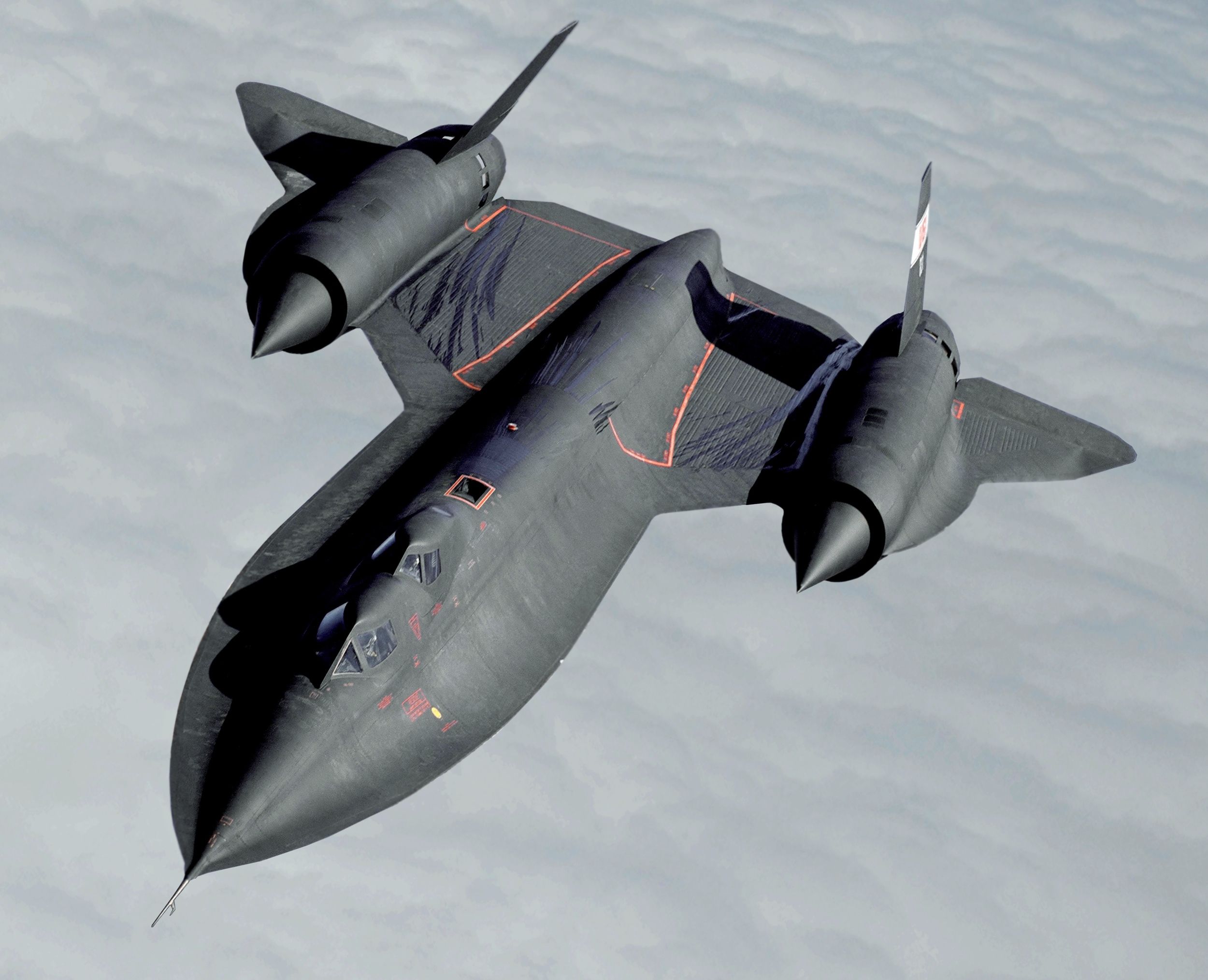
A handful of aircraft have managed to inspire as much wonder as the Lockheed SR-71 Blackbird. It was designed in the heart of the cold war to gather intelligence without any nation having an intercept capable aircraft or missile available to reach it and through a blend of advanced materials, speed, high altitude and reconnaissance systems has found itself flying into the air-defense regions of the world’s fiercest adversaries and in all probability the target of all possible hostile aircraft and missiles.
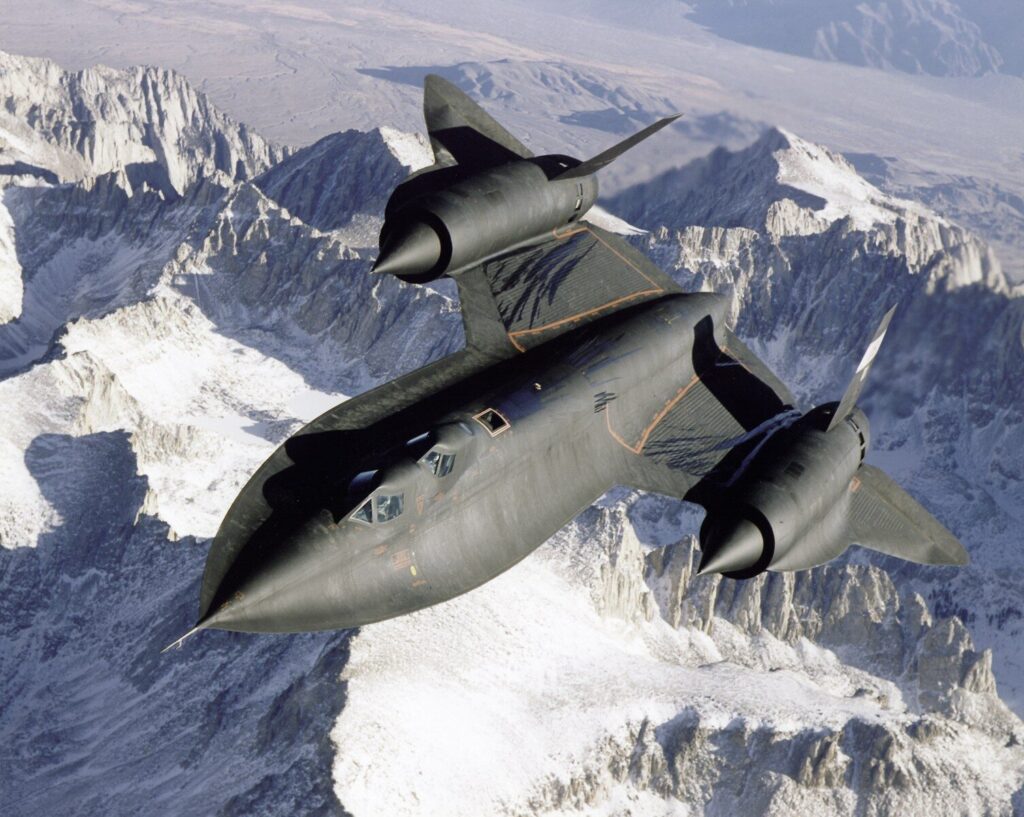
The aircraft’s reputation would begin with an astonishing statistic: it’s claimed nearly 4,000 missiles were fired at the aircraft during their years in operation, with none successfully downing an SR-71. However, the Blackbird rarely relied solely on its advanced defensive weaponry in the face of danger. Instead, the SR-71 crew’s traditional response when their missile warning systems began to blare was simply to push the throttle to full. By cruising above Mach 3 and at altitudes close to 85,000 feet, the SR-71 was able to easily outdistance all the missile threats.
This wasn’t because any conventional aircraft design was simply up-scaled. Lockheed’s Skunk Works engineers devised the technologies to machine titanium into complex shapes at altitude, contain the intense heat and fuel to achieve fantastic speeds, render the jet virtually invisible to the radar eye, and support its thundering engines. The Blackbird was far more than simply an airplane and an eye; it was an all-up engineered system, designed to work at the fringes of atmosphere.
1. The Cold War Need for a New Spy Plane
Design of SR-71 The reason of development SR-71 directly influenced on the geopolitical conflicts during the Cold War: The United States, needing intel about USSR secret missile programs, military facilities locations as well as other strategically important data, could not access it properly from the air, anymore. The reconnaissance planes in operation at the time managed to gain access to required heights, but the growing coverage of radars systems and SAM(surface-to-air missile) systems made it rather a hazardous task. A need has emerged in the aircraft with increased altitude and unprecedented speed simultaneously to evade detection and destruction.
Pressures Driving Blackbird Development:
- Soviet defenses were becoming stronger
- Existing aircraft lacked sufficient protection
- Missile sites required continuous monitoring
- Greater speed improved mission survivability
- Extreme altitude reduced interception opportunities
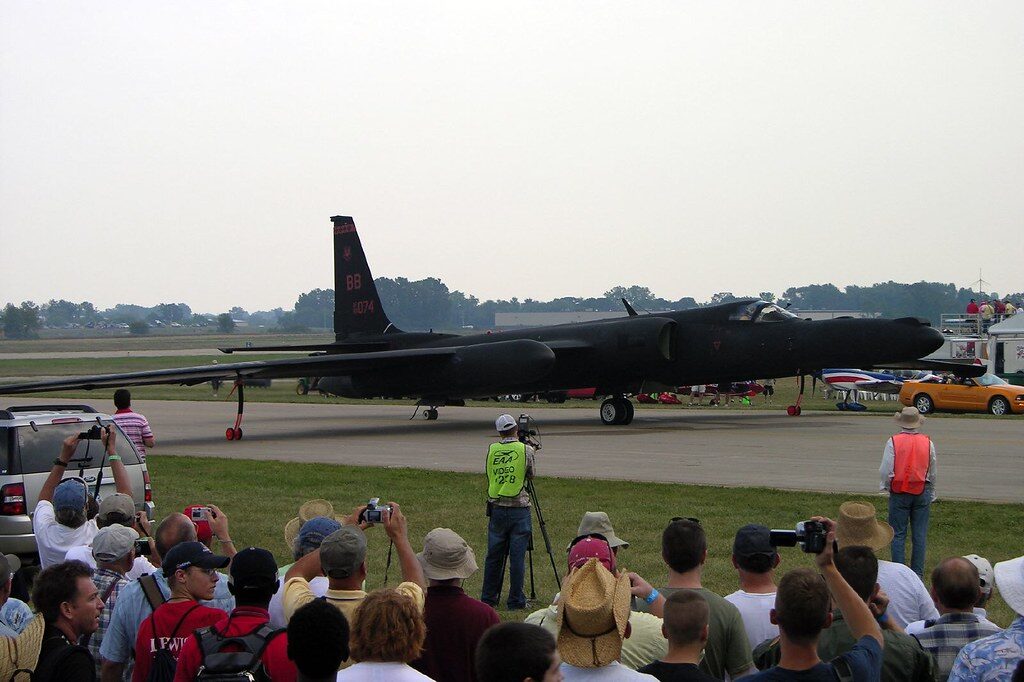
The necessity for speed was vividly highlighted when a U-2 reconnaissance plane flown by Francis Gary Powers was shot down above the Soviet Union in 1960. The incident proved that the Soviets’ air defenses were considerably better than we’d anticipated and that relatively slow, high-flying aircraft were susceptible to being shot down; it was a crisis of international proportions that put additional stress on the United States to develop an intelligence-gathering platform that wouldn’t be a victim of enemy weapons systems.
That job was handed to Lockheed’s stealthiest unit of engineers and aviation test pilot, called the “Skunk Works,” commanded by engineer Clarence “Kelly” Johnson. Johnson had already turned out revolutionary aircraft in high levels of secrecy with incredibly short deadlines. It wasn’t about getting better U-2. It was something brand new – and it had to go faster than mach 3, get higher, and hang all kinds of advanced gadgets under its airframe with more structural integrity to survive temperatures it was designed to encounter that a regular airplane body couldn’t.
2. From the A-12 Oxcart to the SR-71
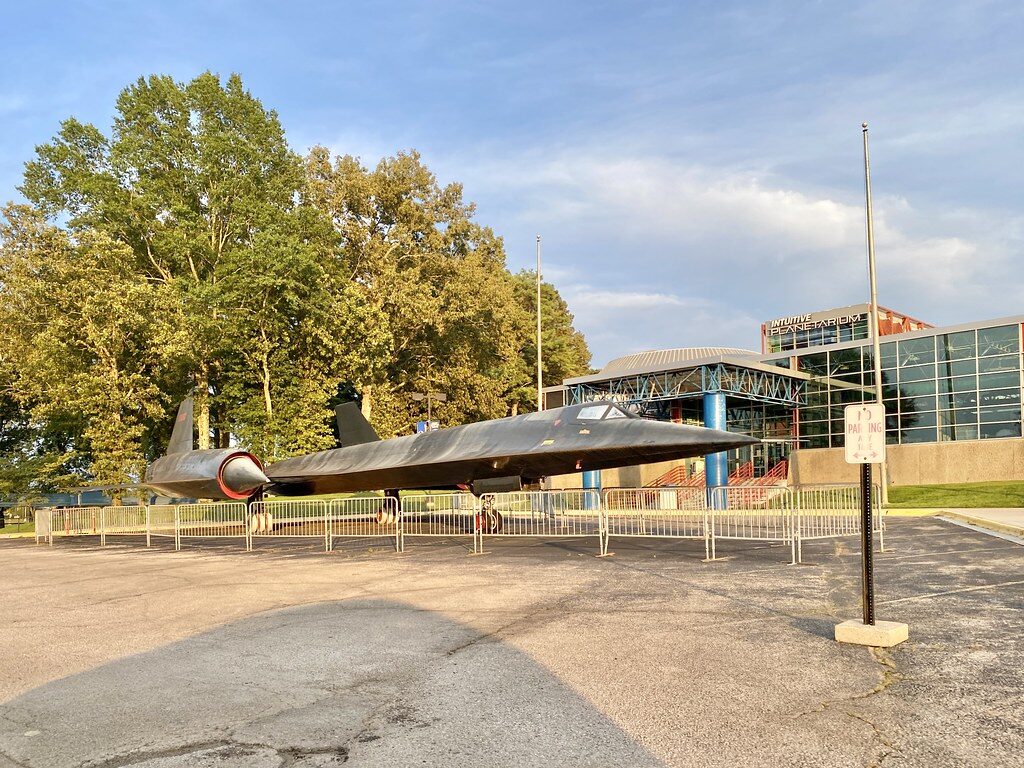
The SR-71 had its origins in the A-12 Oxcart used by the CIA, an earlier high-speed reconnaissance plane developed by Skunk Works which brought with it technology that became hallmarks of the Blackbird including its titanium structure, low detectability and operation over the Mach 3 Mach barrier on a sustained basis. Built specifically to function as an intelligence-collecting machine with the CIA the SR-71 expanded upon these concepts to create a larger plane for obvious usage by the US Air force.
Changes Introduced With the SR-71:
- Larger airframe carried additional equipment
- Greater fuel capacity extended missions
- Two crew members divided responsibilities
- Air Force operated missions overtly
- Reconnaissance systems gained wider capabilities
Compared with the A-12, the SR-71 was longer and heavier because it carried more fuel, broader reconnaissance equipment, and two crew members seated in tandem. The pilot occupied the front cockpit, while the reconnaissance systems officer sat behind. This officer managed navigation, sensors, defensive systems, and mission equipment. Dividing responsibilities allowed the pilot to concentrate on controlling an aircraft travelling at more than three times the speed of sound.
The Blackbird completed its first flight on December 22, 1964, and entered Air Force service in January 1966. Only 32 aircraft were constructed, making every airframe extremely valuable. Its public introduction revealed that the United States possessed a reconnaissance platform unlike anything else operating at the time. Although its full abilities remained classified, the aircraft’s appearance, altitude, and speed quickly made it a symbol of advanced American aerospace engineering and Skunk Works secrecy.
3. Escaping Missiles Through Speed
The SR-71’s primary defensive strategy was based on a straightforward principle: travel faster than an approaching threat could effectively intercept. During missions, onboard warning systems monitored radar activity and alerted the crew whenever an enemy missile was launched. Instead of attempting a tight evasive turn, which would reduce speed and place significant stress on the aircraft, pilots generally pushed the throttles forward and accelerated away from the approaching weapon.
Elements Supporting Blackbird Mission Survival:
- Warning systems detected missile launches
- Pilots accelerated instead of turning
- Extreme altitude complicated weapon interception
- High speed exhausted missile energy
- Reduced visibility weakened radar tracking
Surface-to-air missiles needed to predict the aircraft’s future position and climb rapidly enough to reach its exceptional operating altitude. Even when a missile approached the flight path, the Blackbird’s speed allowed it to cover enormous distances throughout the interception attempt. Missiles frequently exhausted their fuel or lost effective guidance before reaching the target. By the time they arrived near the predicted location, the SR-71 could already be many miles farther along its route.
Across 34 years of operational history, no SR-71 was lost to hostile fire. A widely cited Air Force account states that the Blackbird evaded approximately 4,000 missiles. Twelve aircraft were lost through accidents, but none was destroyed by enemy action. This record demonstrates how effectively the aircraft combined speed, altitude, warning systems, mission planning, and reduced radar visibility. Its survivability depended on several advanced technologies working together rather than one defensive feature.
4. Record-Breaking Speed and Altitude
The SR-71 normally operated at approximately Mach 3.2 and could fly around 85,000 feet above the ground. At that height, the sky appeared darker and the Earth’s curvature became visible to the crew. Commercial airliners cruise far below this altitude, making the Blackbird’s operating environment closer to the edge of space than conventional passenger flight. Full-pressure suits protected the pilot and reconnaissance systems officer if cabin pressure was suddenly lost during a mission.
Blackbird’s Most Remarkable Flight Records:
- Normal operations exceeded Mach 3
- Altitude reached approximately 85,000 feet
- Official speed reached 2,193.2 mph
- Atlantic crossing required under two hours
- Final transcontinental flight took 64 minutes
In 1976, the aircraft established an official absolute speed record for a manned air-breathing aircraft by reaching 2,193.2 miles per hour. Some pilots claimed the Blackbird could fly faster when operational circumstances demanded it. Brian Shul reported exceeding Mach 3.5 while escaping threats over Libya in 1986, potentially placing the aircraft above 2,685 miles per hour. Such reports reinforced the belief that documented limits did not represent its complete performance potential.
The Blackbird established extraordinary route records. In 1974, it travelled between London and New York in one hour, 54 minutes, and 56 seconds. During its final Air Force flight in 1990, an SR-71 flew from Los Angeles to Washington, D.C., in 64 minutes and 20 seconds. Its velocity exceeded that of a bullet fired from an M1 Garand rifle, demonstrating that the aircraft could move faster than many people could easily imagine.
5. Reconnaissance at the Edge of Space
The Blackbird’s purpose was not speed for its own sake. It carried advanced equipment for gathering intelligence across enormous regions. Mission systems included high-resolution cameras, side-looking airborne radar, and signals-intelligence sensors capable of detecting electronic emissions. Flying at great altitude allowed the aircraft to observe large areas without descending near defended targets. Its speed enabled crews to collect information quickly and leave before enemy forces could organize an effective interception or response.
Intelligence Systems and Mission Advantages:
- High-resolution cameras photographed strategic targets
- Radar observed large ground areas
- Sensors recorded electronic military emissions
- Altitude supported stand-off reconnaissance
- Speed shortened exposure to defenses
Beginning in 1968, SR-71 reconnaissance missions operated from Kadena Air Base in Okinawa. Aircraft gathered intelligence over North Vietnam and Laos during the Vietnam War and later monitored North Korea. Missions from RAF Mildenhall followed Baltic and Barents Sea coastlines near the Soviet Union. The Blackbird also operated around Cuba, Nicaragua, Libya, Israel, and South Africa, providing information about regional conflicts, nuclear installations, and military activity across strategically important areas.
Unlike earlier CIA reconnaissance aircraft, SR-71 missions were flown overtly with United States Air Force markings. The aircraft reportedly did not directly overfly the Warsaw Pact or China, instead using its sensors, altitude, and carefully planned routes to gather intelligence from international or permitted airspace. Its cameras and radar examined territory far beyond its precise location. This stand-off capability limited direct political and military exposure while still producing valuable intelligence.
6. Surviving Extreme Heat With Titanium
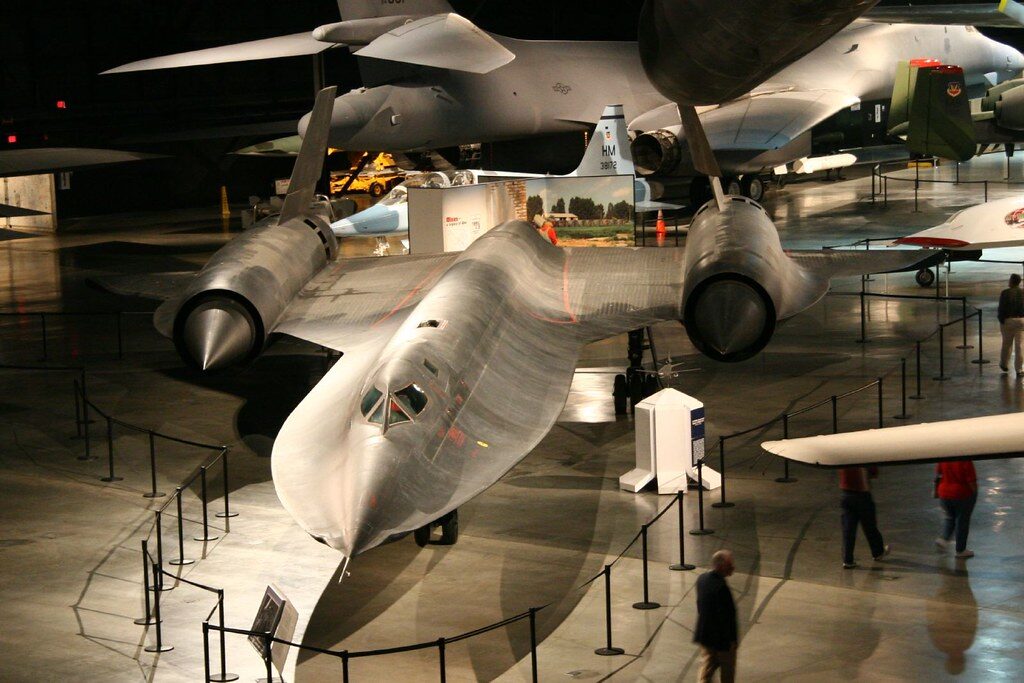
Sustained flight above Mach 3 produced intense aerodynamic heating across the Blackbird’s exterior. Friction and compressed air raised sections of its skin beyond 600 degrees Fahrenheit. Aluminium, widely used in conventional aircraft, could not retain enough strength under these conditions, while steel would add excessive weight. Engineers needed a material that was strong, comparatively light, heat-resistant, and capable of supporting the SR-71’s unusual structure throughout repeated high-speed reconnaissance missions.
Why Titanium Became Essential:
- Aluminium weakened under extreme temperatures
- Steel added unacceptable structural weight
- Titanium provided exceptional heat resistance
- Strong alloys supported repeated missions
- Flexible construction accommodated thermal expansion
Titanium offered the required combination of strength, low weight, and heat resistance. Approximately 85 percent of the Blackbird’s structure was manufactured from titanium and titanium alloys. The material enabled the aircraft to endure conditions that would weaken or deform a conventional airframe. Its use also reduced weight compared with heavier heat-resistant metals. Selecting titanium was essential, but obtaining and shaping it during the 1960s created entirely new technical and political challenges.
The airframe expanded considerably as it heated during flight. Components could not be assembled with the tight tolerances used on ordinary aircraft because the metal required space to grow. Engineers calculated how the structure would change between cool ground conditions and extreme operational temperatures. The Blackbird was effectively designed to reach its ideal structural shape only after accelerating, heating, and expanding while flying high above the Earth at extraordinary speed.
7. Secretly Sourcing Titanium From the Soviet Union
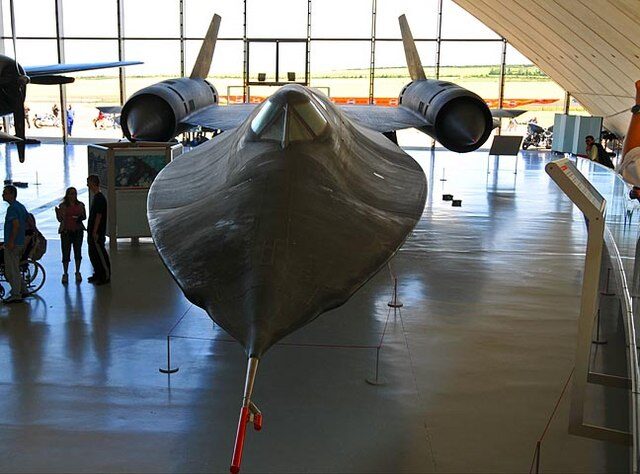
Obtaining enough titanium created one of the project’s greatest Cold War ironies. The United States lacked convenient access to sufficient high-quality titanium ore, while the Soviet Union remained one of the world’s leading suppliers. The aircraft was being built partly to monitor Soviet military activity, yet its construction depended on material originating from the country it was designed to observe while remaining beyond the practical reach of Soviet defenses.
Challenges Behind Covert Titanium Procurement:
- America lacked sufficient titanium supplies
- Soviet Union controlled valuable resources
- Shell companies concealed material purchases
- Third parties protected project secrecy
- Procurement required intelligence agency coordination
The Central Intelligence Agency reportedly established shell companies and third-party purchasing arrangements to obtain titanium without revealing its purpose. Soviet suppliers therefore contributed indirectly to an American reconnaissance aircraft intended to gather intelligence about their country. Maintaining secrecy was essential because openly purchasing such large quantities could expose the Blackbird program, its planned production scale, and the extraordinary performance requirements that engineers were working to achieve.
The acquisition process showed that creating the SR-71 required more than technical knowledge. It demanded complex logistics, intelligence operations, covert procurement, and coordination between government agencies and private industry. Every titanium shipment supported a program whose existence and capabilities remained highly classified. The story captures the unusual nature of Cold War competition, where global supply chains quietly connected rival nations even while both sides developed technologies intended to monitor and defend against one another.
8. Manufacturing Challenges and Fuel Leaks
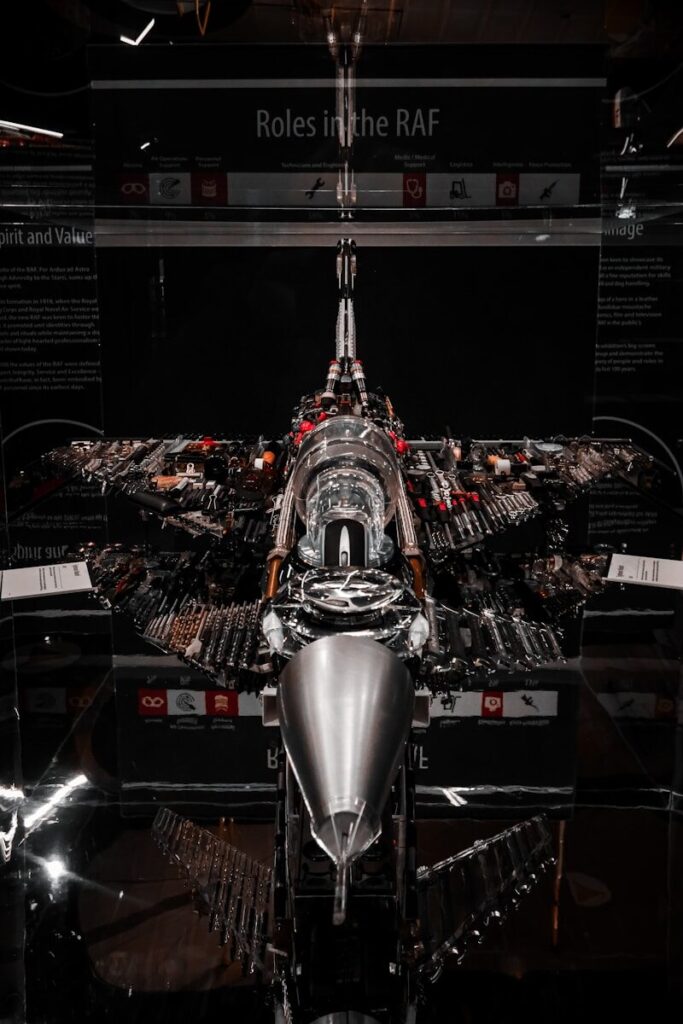
Titanium was exceptionally difficult to machine through conventional manufacturing methods. It quickly wore down cutting tools and could become contaminated during high-temperature fabrication, weakening the finished component. Skunk Works engineers developed specialized tools, handling procedures, and welding techniques. Inert-gas shielding protected heated metal from reacting with the surrounding atmosphere. The project effectively required Lockheed to establish an entirely new titanium manufacturing capability because existing industrial processes could not reliably produce the required aircraft components.
Difficulties Encountered During Aircraft Production:
- Titanium rapidly damaged conventional cutting tools
- Heat introduced dangerous metal contamination
- Specialized welding methods became necessary
- Corrugated panels managed structural expansion
- Ground-level fuel leaks remained unavoidable
Even minor contamination sources created serious problems. Certain tools and materials reacted unfavorably with titanium, requiring careful control of manufacturing conditions. Components that were straightforward in aluminium demanded new procedures, extensive testing, and highly trained workers. Kelly Johnson later explained that the team had to invent much of what it needed. The aircraft was not assembled from established aerospace solutions; its extreme performance forced engineers to create new methods throughout nearly every stage of production.
The Blackbird’s corrugated skin accommodated expansion and contraction as the airframe heated and cooled. Engineers deliberately left gaps between selected panels and fuel-system components so they could expand without cracking. On the ground, these openings allowed specialized fuel to leak visibly. Once the SR-71 reached operational speed, heat expanded the structure and tightened the seals. The aircraft therefore became more structurally complete in high-speed flight than it appeared while sitting cool on the runway.
9. Engines, Fuel, and Early Stealth Technology
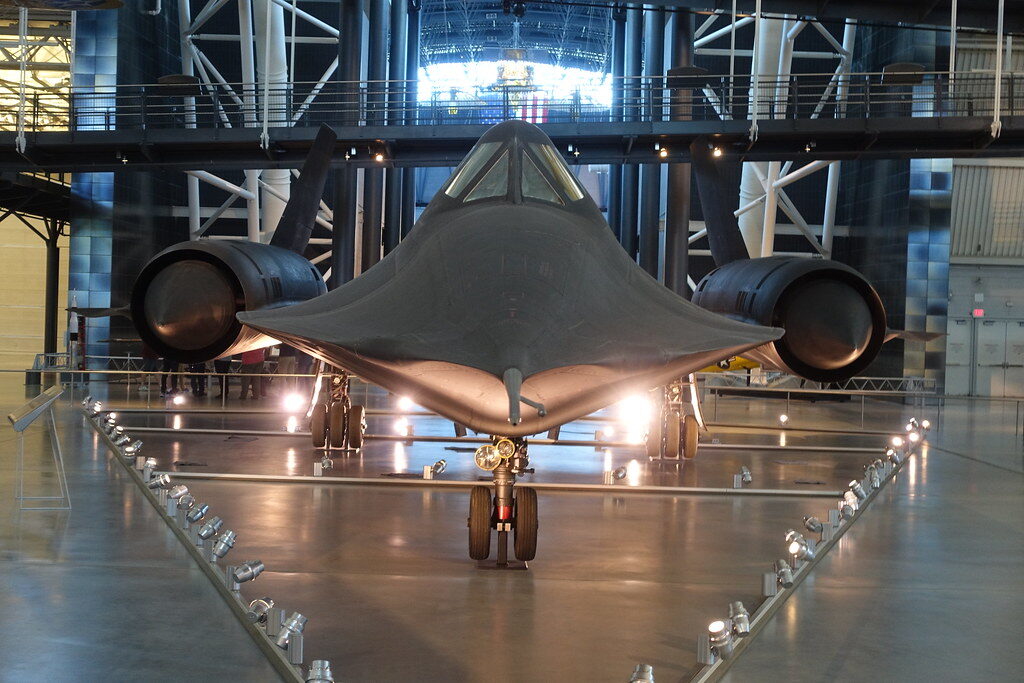
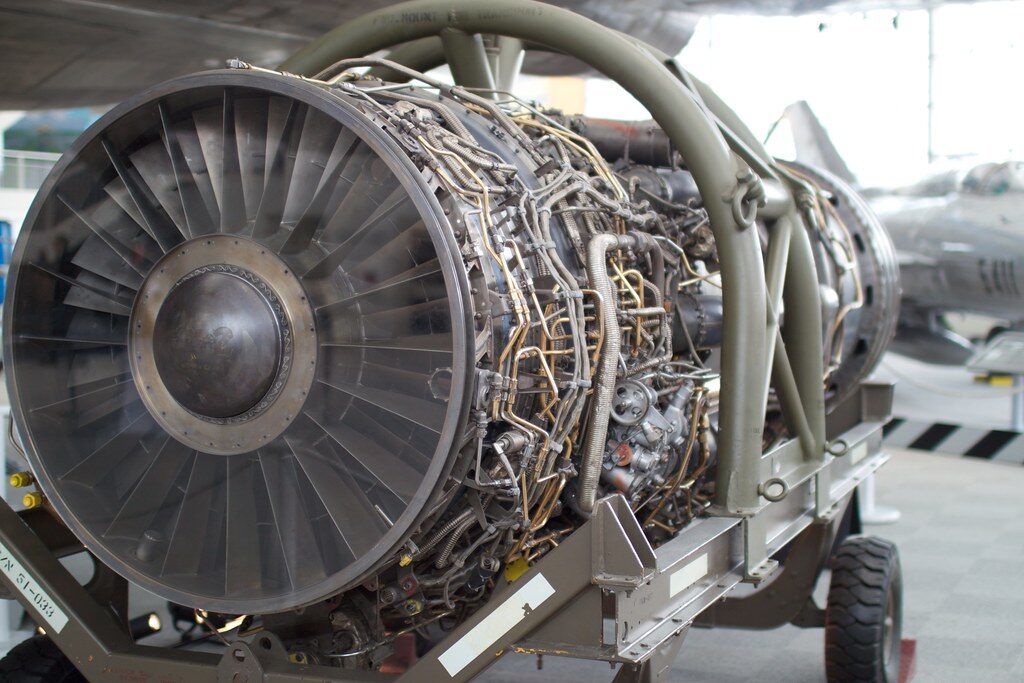
The SR-71 used two Pratt & Whitney J58 engines designed for sustained operation beyond Mach 3. At lower speeds, they functioned like conventional turbojets. As velocity increased, the inlet system redirected much of the airflow around the engine core, allowing the overall system to behave increasingly like a ramjet. Movable inlet spikes controlled shock waves and air pressure, helping the engines remain stable throughout conditions ordinary jet powerplants could not sustain.
Advanced Propulsion and Stealth Features:
- Twin J58 engines sustained Mach 3
- Inlet spikes controlled supersonic airflow
- JP-7 fuel resisted extreme temperatures
- Triethylborane ignited engines reliably
- Angled surfaces reduced radar visibility
The aircraft required a specialized fuel known as JP-7, selected for its high flash point and ability to withstand extreme airframe temperatures. Conventional fuel could have become unsafe under these conditions. Starting the engines required triethylborane, a chemical that ignited immediately when exposed to air and produced a distinctive green flash. Every element of the propulsion system, from fuel chemistry to inlet geometry, was shaped by the demands of extreme speed and aerodynamic heat.
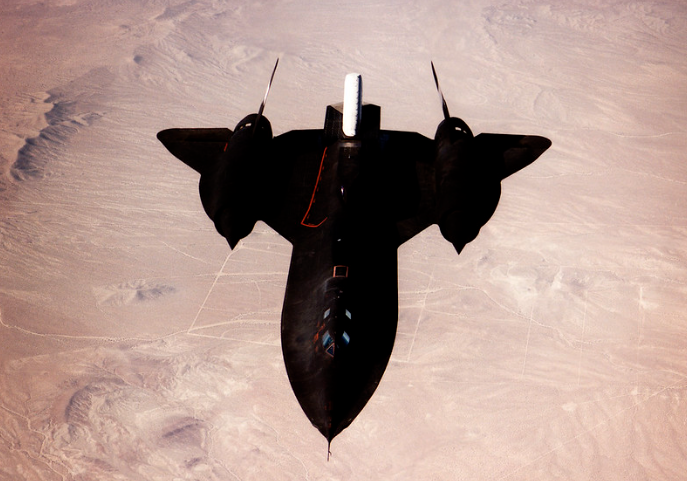
The Blackbird also incorporated early techniques for reducing radar visibility. Its narrow profile, angled surfaces, blended body, and chines helped redirect radar energy. Special black paint contained radar-absorbing material while helping radiate heat from the airframe. Although the SR-71 was not invisible to radar like later stealth aircraft, its design substantially reduced its radar cross-section. Combined with speed and altitude, this made maintaining an accurate weapons lock exceptionally difficult.
10. Retirement, NASA Service, and Lasting Legacy
Operating the Blackbird required extensive preparation, specialized maintenance, tanker support, trained crews, and significant expense. An aircraft might fly only once each week because technicians required considerable time to inspect and prepare it. The United States Air Force retired the SR-71 in 1989, primarily because of cost and changing political priorities, although several aircraft were later reactivated. Their second Air Force retirement followed in 1998 as satellites and unmanned systems assumed more reconnaissance duties.
Final Contributions and Enduring Influence:
- High operating costs encouraged retirement
- Several aircraft returned after reactivation
- NASA used Blackbirds for research
- Hypersonic studies supported future technologies
- Proposed SR-72 continues its philosophy
NASA became the Blackbird’s final operator and used it as a high-speed research platform. The agency studied aerodynamics, propulsion, thermal effects, and technologies relevant to future aircraft and spaceflight. NASA continued operating the SR-71 until 1999. Its ability to provide practical data at Mach 3 and extreme altitude gave researchers access to conditions that were difficult to reproduce with conventional aircraft, preserving the Blackbird’s scientific value after its military reconnaissance role ended.
The proposed Lockheed Martin SR-72 is often described as the “Son of Blackbird.” Intended as a hypersonic intelligence, surveillance, and reconnaissance concept, it represents an effort to extend the SR-71’s philosophy into an unmanned aircraft capable of even greater speed. The SR-72 remains a proposed design without confirmed flight testing. The original Blackbird’s legacy remains unmatched: a machine created from titanium, secrecy, and engineering determination that successfully operated near the limits of possibility.