

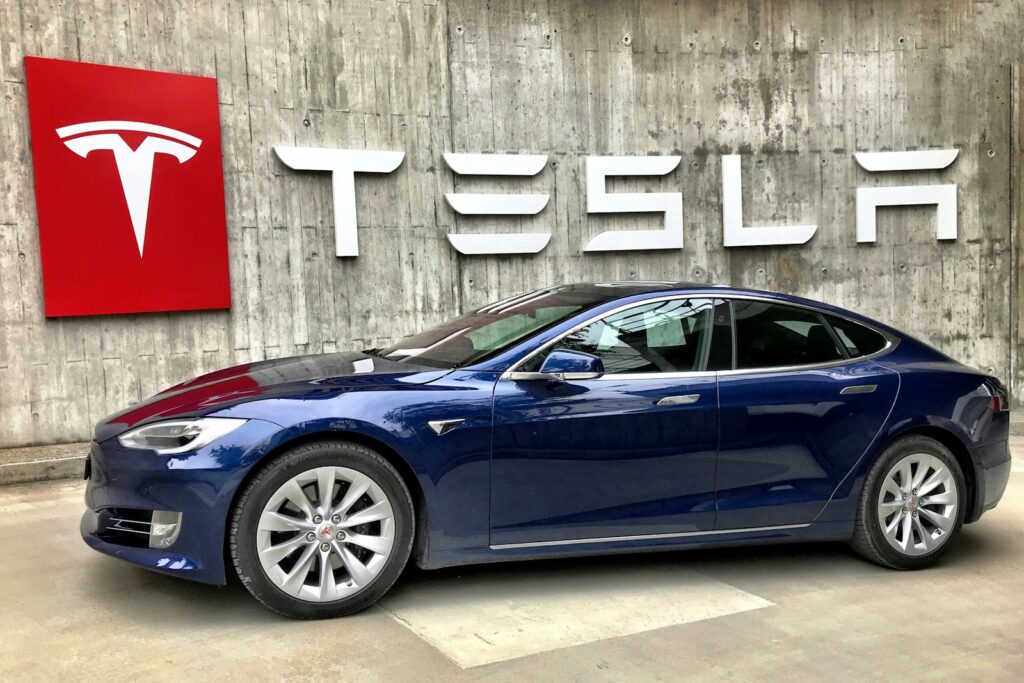






Automakers Face a $35 Billion Bill From Trump’s Tariffs
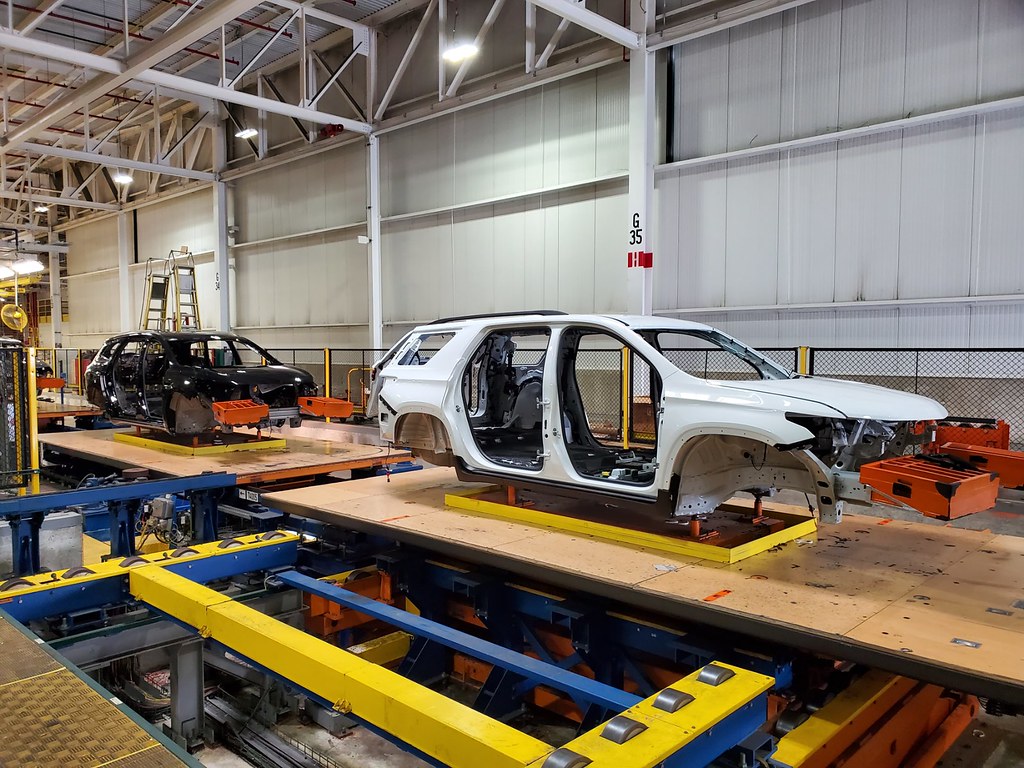
So what is “cost,” really? To the consumer, it’s pretty straightforward-the price of a purchase, the number on a bill. But “cost” isn’t always dollars and cents-it’s also the stress of decision making, the heavy consequences, and the trade-offs of any large economic shift. This meaning becomes even more complicated in an economy that operates across countries and continents, in a complex network of policies, supply chains, and relationships that reach every corner of the globe.
The automotive industry is perhaps the easiest example of how this plays out. Our cars aren’t made in one location anymore-the thousands of parts needed to produce them cross international borders a number of times before the finished product reaches a factory floor. When tariffs come into play within that system, they do more than just change the price-they force companies to redesign and rethink the entire structure of production and location. While not always immediate, this pressure inevitably filters through the ecosystem.
This is exactly what we have seen under the recently implemented tariffs by the Trump administration. What began as a policy decision designed to change trade relationships, has developed into a vast new expense for automotive companies worldwide, evident in financial statements, pricing adjustments and overall production planning. The industry isn’t just taking on the cost-in the billions of dollars-it’s also having to adapt to a new sense of uncertainty.

1. The Scale of Financial Impact Across the Industry
Tariffs costs have been a tremendous burden on auto manufacturers for a number of years. Since 2025 automakers have been collectively hit with $35.4 billion in tariff costs. These costs are not predictions but real dollar amounts that are appearing in companies bottom lines. This large number shows how policy adjustments can hurt the sector so rapidly.
Key Financial Challenges:
- Rising tariff-related operating costs
- Pressure on manufacturer profitability
- Increased production expense burden
- Impact on global operations
- Significant industry-wide financial losses
It must be said though, that the financial pressure is not equal among manufacturers. Those whose manufacturing requires substantial supply chains spanning across the globe have struggled the most, since they rely on components being shipped all over the place to manufacture cars. So even slight tariffs may result in a domino effect of increasing costs throughout the entire chain. All these increased costs put constant pressure on a firm to perform effectively and affordably.
Even though protectionist trade policy is expected to favor domestic production, domestic producers are not immune from increased operating costs, and numerous reports suggest the contrary. Manufacturers claim they have also seen large price increases due to reliance on the entire world supply chain to source components. This implies that today’s automotive industry cannot afford to escape the world market, regardless of where its production facilities are. Trade policy change will have an impact somewhere.

2. Uneven Burden on Global Manufacturers
The financial pressure that these tariffs pose is more acute than ever for automakers who operate on a global scale. Automakers who build vehicles and component parts in numerous countries around the world face higher exposures to changes in trade policy because these firms are highly reliant on the free flow of goods between regions and are susceptible to the financial implications that result. The pressure can impact overall performance and profitability of the firms significantly.
Key Industry Challenges:
- Heavy dependence on global networks
- Higher exposure to tariff changes
- Increased cross-border production costs
- Supply chain restructuring requirements
- Competitive pressure from imports
International supply chains for a multitude of European and Asian automakers are intricately interconnected globally and were forged over many years to promote efficiency, low cost production, and rapid market delivery. The application of tariffs challenges such pre-established business plans by increasing production costs at several production points, which can lead to significant investment, reorganization of operations, and substantial long term changes. This variable cost is not evenly distributed.
Local manufacturers tend to see less supply chain interference since most inputs are located domestically, while the cost impact is felt most acutely by manufacturers who depend heavily on foreign sourcing and logistics. The organizational structure of the supply chain has thus come to be viewed as a key competitive factor, in the same way that a firm’s quality, innovation or market image would be.
3. Tariff Structure and Its Compounding Effect
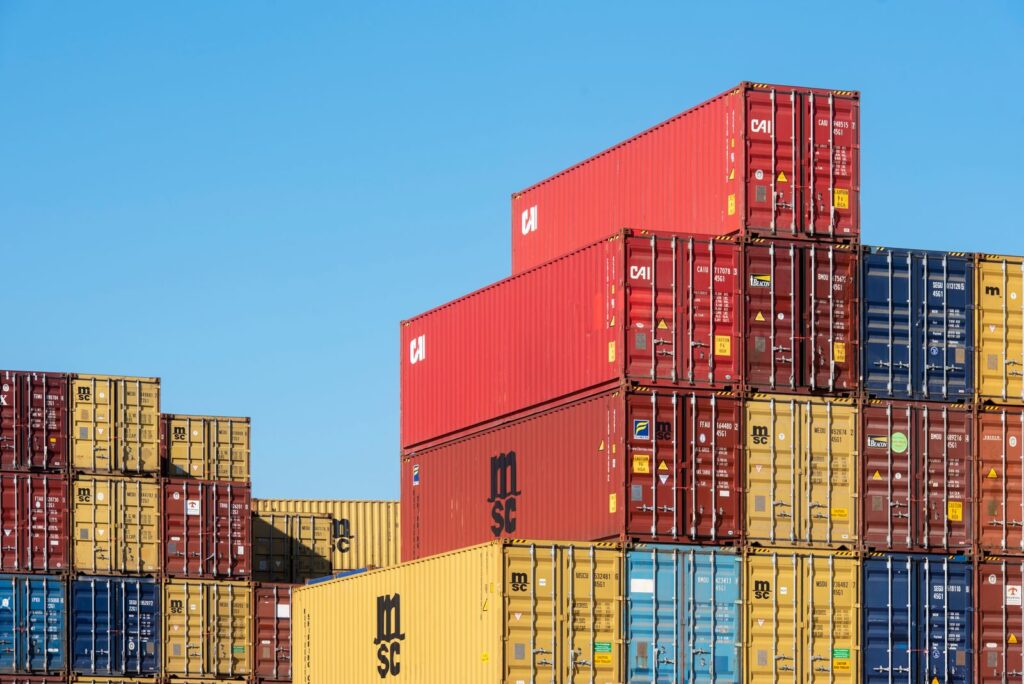
The modern structure of tariff policies has become an added cause of increased automotive production costs. An already imposing charge for automobiles imported from the primary production areas has been generated through a 15% tariff. Furthermore, although cars built in regional trade areas do benefit from tariffs on imported components not required by the free trade zone, automobile manufacturers can also face tariffs on parts and components that do not meet local content rules and are therefore produced elsewhere. The cumulative system of tariffs means that the producer’s costs are being inflated at several points of the production process rather than simply from a single tariff.
Key Cost Drivers:
- Multiple layers of tariff charges
- Higher imported vehicle expenses
- Additional costs on components
- Rising raw material prices
- Increased manufacturing complexity overall
The pressure of steel and aluminum tariffs have had a further impact on the industry, increasing the price of manufacturing materials. Both are utilized in the construction of vehicles and increases in prices of such are very difficult for manufacturers to avoid. Even slight increases in material costs impact upon the overall cost of building a vehicle. As the increases filter down from supplier, to manufacturer to assembly plant they create additional expense throughout the process.
The emergence of the electric vehicle has also had a complicated effect on the tariff arena. There are further tariff implications regarding electric vehicles manufactured in different regions, impacting on production and investment strategies. While these tariffs have often been implemented in an effort to bolster domestic production and effect trade, the implication of the increasing tariff framework also creates uncertainty about future vehicle program investment. A dual approach to existing vehicle production and long-term electric vehicle strategies is compromised by the ever-changing tariff structures, affecting global production and supply networks.

4. Early Industry Response and Strategic Patience
Upon the introduction of tariffs many manufacturers chose not to pass along the higher costs to consumers, but rather the manufacturers absorbed these costs internally, while observing how trade policy may develop. This was mainly due to a belief that tariffs would be temporary or that future trade negotiations may result in amendments or repeal. Manufacturers chose to keep their vehicle prices consistent so as not to drive away consumer demand or lose competitive advantage.
Initial Industry Strategies:
- Absorbing costs instead of increases
- Maintaining stable vehicle pricing
- Protecting market share and demand
- Waiting for policy adjustments
- Focusing on short-term stability
Over time, the increased cost became an increasing burden on companies as it remained higher for longer than anticipated. The ever-present cost of tariffs began eating away at profitability, increasing business stress. What may have been perceived as an easier short-term fix began taking its toll as more and more money was being spent in both the supply chain and across manufacturing.
This situation eventually led to reconsideration of the previous action plans, prompting manufacturers to seek new solutions. Manufacturers increasingly started to realize that it was not financially feasible to continue to absorb the costs associated with the tariffs in the long run. Industry response gradually evolved from short-term mitigation to longer-term actions such as altering operations, reevaluating prices, and implementing supply chain modifications.

5. Rising Consumer Prices in the Market
Since tariff related costs were increasing in virtually every market, vehicle prices started to increase throughout many markets. The first vehicles likely to feel the impact more acutely were the imports, because all of the additional trade costs impacted their cost more directly. Many manufacturers tried to offset these costs for as long as they could, but ultimately a portion of them were passed on through vehicle prices in the retail market.
Factors Driving Price Increases:
- Higher costs for imported vehicles
- Growing pressure on manufacturers
- Gradual adjustments to retail prices
- Rising expenses across supply chains
- Long-term impact on affordability
However, to account for the long-term economic problems that the automobile industry was experiencing, some companies opted for numerous and long-term price adjustments. Instead of making one huge increase, several manufacturers made frequent and small price increases to the point that customers did not lose interest in buying new cars and the producers could afford a portion of the new cost of production. Moreover, this system offered producers a degree of flexibility because of market unpredictability.
Over time, the accumulation of each individual price increase could no longer go unnoticed by car customers. Car prices within several categories reflected the continuing effects of tariffs and increase in the cost of production. Although each individual increase might not seem tremendous on the surface, eventually the costs accumulated and resulted in greater long-term expenditures of car ownership.
6. Shift Toward Local Manufacturing
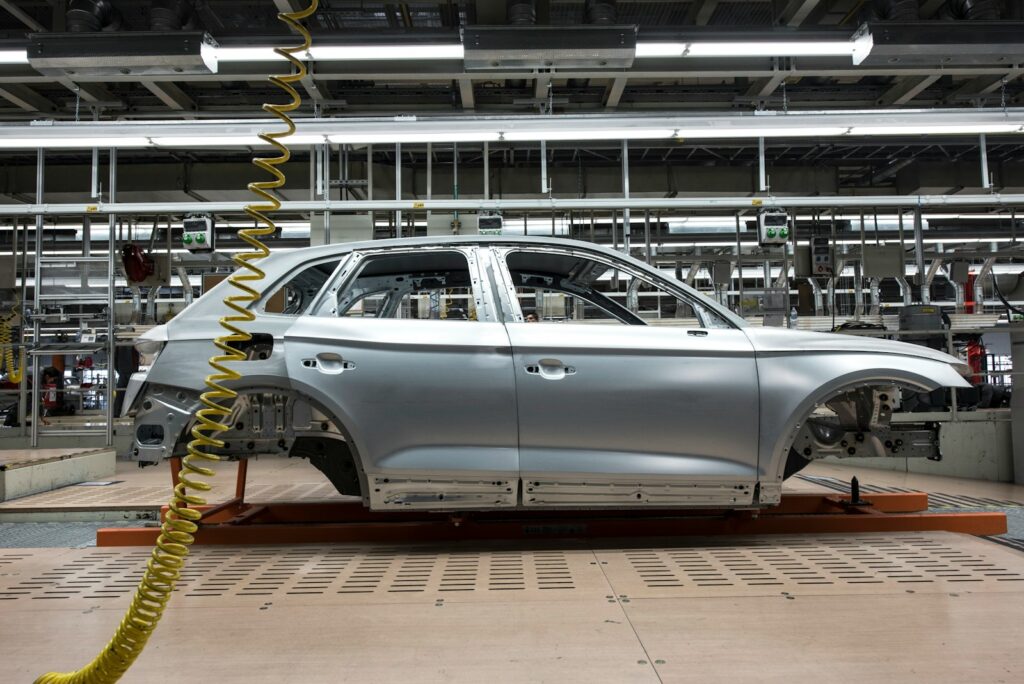
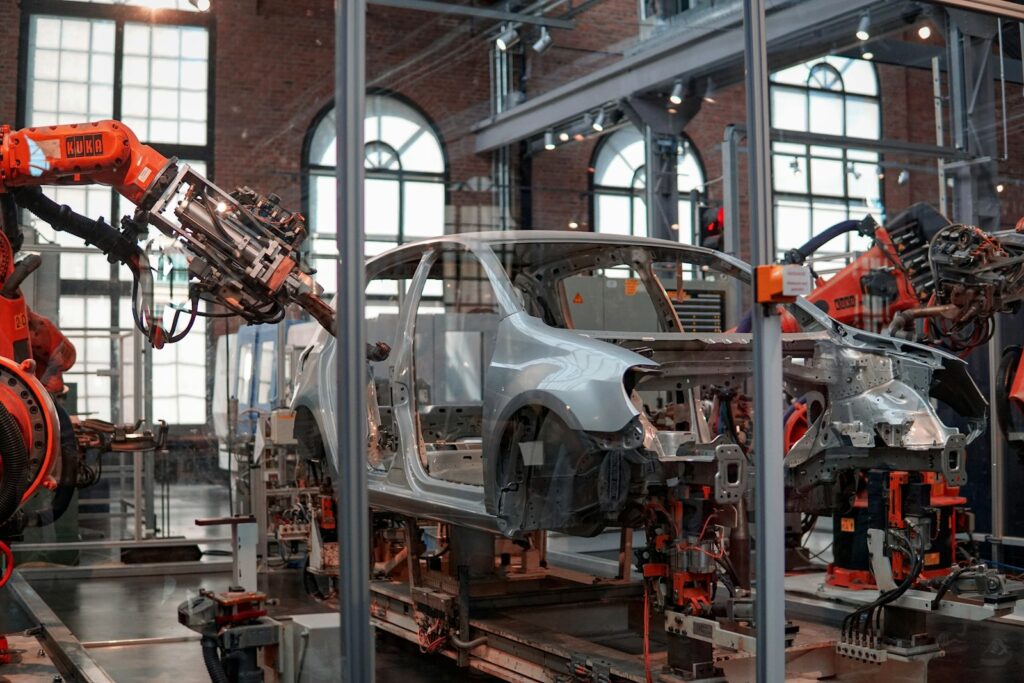
The continued pressure of tariffs has many automotive firms reassessing their manufacturing approaches and places of production. The trend of increasing local production is gaining momentum as many companies re-examine whether to outsource their production, and reduce their reliance on car and parts imports. The long-term payoff is present but the transformation is not without large costs in infrastructure and in gaining approval to commence production locally. Nevertheless, local manufacturing is emerging as the viable option to mitigate the cost of doing business with regards to the future.
Key Manufacturing Changes:
- Expanding production closer to markets
- Reducing reliance on imports
- Lowering exposure to tariffs
- Increasing regional supply chain focus
- Supporting long-term operational stability
Many manufacturers have already begun implementing strategy changes by bringing some of their vehicle or components production facilities closer to their main customer market. The benefits of such strategy change will include, among others: transportation cost reduction, limiting trade tariff exposure and supply chain optimization.
Production of goods in close proximity to their end market customers will facilitate their control over production costs, while increase responsiveness to customer demand and current economic conditions. The local production process will also be in-line with wider tendency in the automotive sector of switching to localized, instead of strongly globalized, production process in order to avoid potential trade barriers and geo-political risks.
7. Expansion of Domestic Production Capacity
Besides shifting production, a lot of car manufacturers are taking up the option to expand their existing domestic plants. Expanding domestic production by increasing the capacity of current plants seems an effective way to reduce the dependence on imports, because car manufacturers have to create a whole new network if they are willing to build new manufacturing facilities. By enlarging existing plants, it’s easier and feasible to increase domestic production and gain flexibility to cope with market changes and trade regulations in the future.
Key Capacity Expansion Trends:
- Increasing output at existing plants
- Strengthening domestic manufacturing capabilities
- Reducing dependence on imports
- Supporting long-term production growth
- Improving operational flexibility gradually
Expanding existing facilities requires less of a company-wide undertaking than reforming the entire supply chain. It allows manufacturers to ramp production numbers incrementally and continue operating on many of their original structures and labor. In this manner, production levels can be managed while existing operations continue and disruption is minimized. It also allows manufacturers to increase production with changing consumer demands and in response to policy changes in the future.
Investments in manufacturing capabilities are being made throughout various geographical areas and throughout various car companies, indicating an industry wide movement. Rather than being a short term answer to today’s markets, building additional capacity domestically looks like a long term strategy. It is an indication that policy and trade-related uncertainties have become factors that influence a company’s decision-making. Therefore, car companies are designing flexible and secure production lines for an uncertain future.

8. Marketing and Pricing Adjustments
The car manufacturers responded to rising production costs by attempting to shield sales and customer interest with the help of changes in marketing and pricing. While a lot of companies focused on changes to their business operations, others sought to boost their position in the marketplace with promotional campaigns aimed at comforting consumers and justifying prices in the midst of uncertainty of both market and prices.
Key Market Response Strategies:
- Promoting domestic production advantages
- Offering attractive pricing incentives
- Strengthening customer confidence levels
- Enhancing overall brand positioning
- Supporting sales during uncertainty
Manufacturers provided sales promotions, financial assistance and various sales efforts to persuade consumers to purchase vehicles. The use of locally built vehicles also was adopted to better cater to market trends and consumers’ demand. These actions assisted companies in maintaining their competitiveness while bearing the pressure of additional costs to produce vehicles. Companies tried to keep prices attractive to offset the negative impacts of higher production costs to consumers’ purchase decisions.
Though advertising and pricing strategies cannot compensate for the financial costs resulted from duties and production cost rises completely, they showed effectiveness in managing the market in various automotive segments and assisting sales volume and customers’ demand.

9. Uncertainty in Long-Term Planning
One of the biggest challenges facing automakers today is the uncertainty surrounding future trade and economic policies. Long-term business decisions often require a stable environment, especially when companies are investing significant amounts of capital. However, frequent policy changes can make it difficult to predict future costs and market conditions. This lack of clarity forces manufacturers to carefully evaluate risks before committing to major strategic initiatives.
Key Sources of Uncertainty:
- Changing trade policy directions
- Unclear future regulatory frameworks
- Increased investment decision risks
- Supply chain planning challenges
- Delayed long-term business strategies
Automotive companies depend on long-term planning when developing factories, expanding production capacity, and designing future vehicle programs. These projects often require years of preparation and substantial financial commitments. When trade rules and regulations remain uncertain, manufacturers may hesitate to move forward with large investments. This cautious approach helps reduce risk but can also slow business growth and operational expansion.
The impact of uncertainty extends beyond tariffs and affects broader trade agreements, regulatory requirements, and market expectations. Without confidence in future policy conditions, companies often prioritize flexibility over aggressive expansion. As a result, some organizations choose to postpone, reduce, or phase major projects over a longer period. This strategy allows businesses to remain adaptable while navigating an environment where future economic and policy developments remain difficult to predict.

10. Legal and Future Implications
The impact of tariffs is no longer limited to manufacturing and trade, as legal challenges have become an important part of the discussion. Various court cases and legal reviews have examined how certain tariffs were introduced and whether the appropriate authority was used in their implementation. These developments have created additional uncertainty for businesses attempting to measure the long-term financial consequences. As legal proceedings continue, companies must consider both economic and judicial factors when planning for the future.
Key Legal Considerations:
- Ongoing court review processes
- Challenges to tariff authority
- Potential policy revision outcomes
- Possibility of cost recovery
- Uncertain future legal decisions
Legal developments have introduced new possibilities for automakers, including the potential recovery of some tariff-related expenses. Companies are actively exploring available legal options while monitoring court decisions that could affect future trade policies. These efforts are important because even small changes in legal outcomes may influence overall financial performance and long-term business strategies. As a result, legal planning has become an increasingly important part of corporate decision-making.
At the same time, manufacturers continue preparing for multiple scenarios as trade policies and legal rulings evolve. The final financial impact of tariffs remains difficult to determine because it depends on both future economic conditions and the outcome of ongoing legal disputes. While the industry has already made significant adjustments, the full long-term effect is still developing. Future court decisions and policy changes may play a major role in shaping how these costs are ultimately distributed across the automotive sector.