

Engineering Legends: 13 Engines Built to Run a Million Miles
A million miles is a pretty unbelievable number to associate with an engine, especially in the current automotive climate with rapid advancements in technology and vehicles often designed to be consumed with less regard to the long-term than in the past. Yet, there is an entire class of engines out there that not only achieve this, but have become the icons that disprove our assumption that such a mileage isn’t attainable. These engines weren’t designed for great stat-sheets, or high Horsepower, but for longevity and ability to withstand abuse for decades, regardless of maintenance schedules and even in less-than-ideal circumstances.
The durability of these engines stems from an array of different choices, there isn’t one definitive “best” part or feature. Simple design in the mechanical layout, robust internal components and conservative tune result in these engines putting far less strain on their mechanical components than most of the power-dense engines of today. Rather than focusing on ultimate output, the priority was reliability, making these power-plants able to handle imperfection without having issues down the line.
Many of these powerplants quickly gained a reputation that has now turned into legend. Ranging from taxi vehicles to heavy-duty trucks to basic sedans, all with astonishing mileages. Many are still operational and driving around, each one a testament to good, old-fashioned engineering endurance.
1. Mercedes-Benz OM617 Turbo Diesel
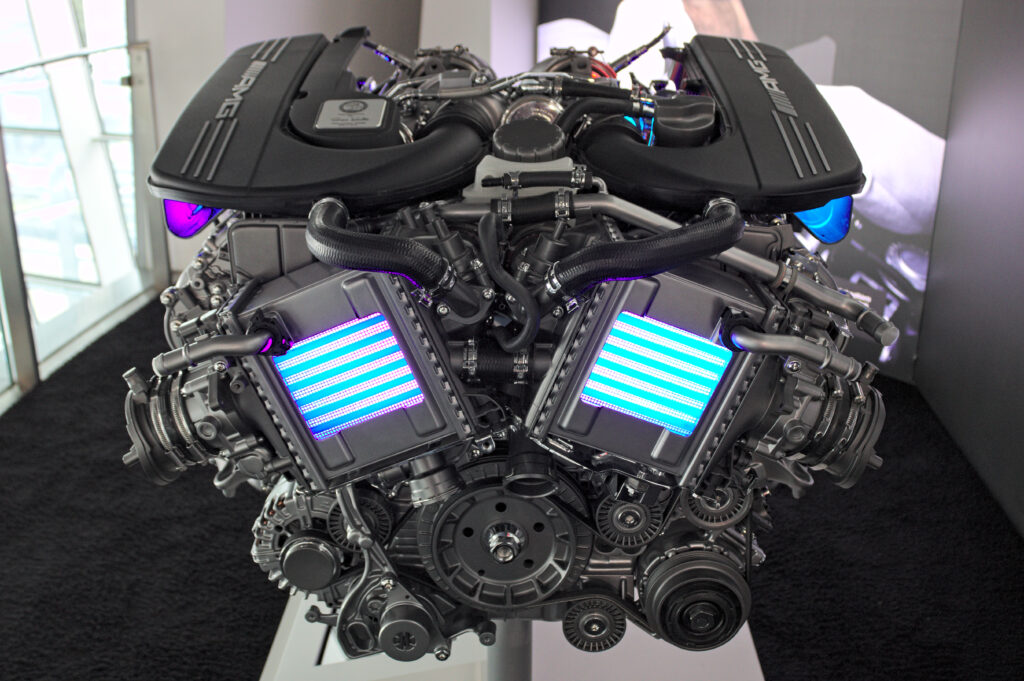
Widely considered one of the longest living and most reliable diesel engines ever made, the Mercedes-Benz OM617 turbo diesel enjoyed widespread popularity throughout the 70’s and 80’s and could be found under the hood of cars like the Mercedes-Benz W123 and Mercedes-Benz W126 models that were desired in part for their long-life reliability. Constructed with a tough iron block and engineering that leaned heavily on prudence, the OM617 was made to take punishment for extremely long amounts of time.
The Million-Mile Mercedes Workhorse:
- Heavy-duty cast-iron engine block
- Mechanical fuel injection system
- High durability under continuous use
- Simple and serviceable design
- Proven long-distance reliability
It is largely because of this system that the engine remained dependable and consistent even when subjected to very tough operating conditions. Such a system was much simpler and easier to repair or service, as the amount of electronics was greatly reduced when compared to newer engines. Generally, all it required to remain in service for decades was a relatively few amount of basic service requirements.
Because of this, the engine gained much popularity in developing countries where the need for dependable service and easy repair was of much greater importance than performance. This reliability is evident, due to the amount of evidence to suggest that many examples of the engine when used as taxis or in commercial vehicles, exceeded half a million miles, and that there are some cases where engines have traveled more than a million miles. The reasons for this cannot be attributed to test conditions but everyday usage of the engine in adverse conditions.
2. Toyota 22R/22RE
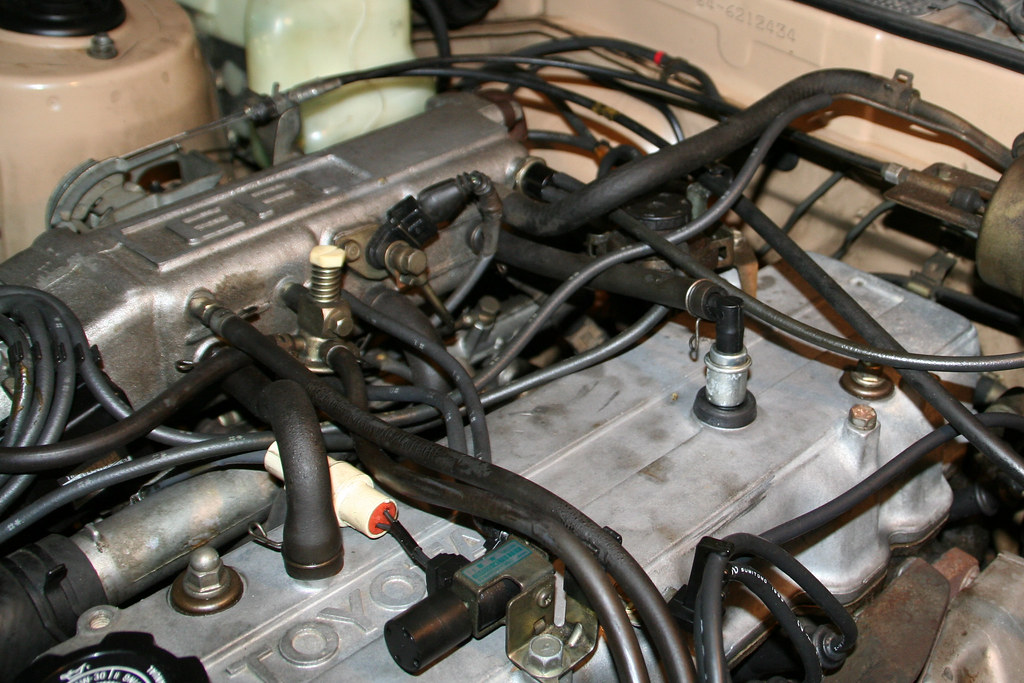
The Toyota 22R and 22RE are both well known for the engine’s simplicity and its overall reliability and durability. The engines were found in trucks like the Toyota Pickup (Hilux) and the early Toyota 4Runner because it was a necessary factor to be reliable in rough working conditions and they relied on a conservative design for durability, not speed.
The Indestructible Off-Road Companion:
- Strong iron block construction
- Simple and robust design
- Timing chain instead of belt
- Easy maintenance and repairability
- Proven long-term durability
One of the main reasons the 22R/22RE engine was so well-loved was that it had an extremely simple mechanical design. The iron block gave it good thermal and wear resistance, which is always a good feature on heavy duty applications. The presence of a timing chain meant it was never a necessity to replace timing belts every few thousand miles, which contributed to the maintenance demands of the engine. The resulting simplicity meant that the engine was very popular with owners, who just wanted a transport solution that would be tough, dependable, and not be required at all times in difficult terrains. Also, the simplicity of the engine made it incredibly easy to service even when the availability of technical expertise was limited to very basic knowledge, or a very limited stock of parts.
When used for work and play, these engines have routinely proved to be extremely long-lasting. Many examples have exceeded 300,000 miles, while some have travelled much further still, all through years of providing faithful service under the demands placed upon them. The reliability of the engine has been proved in many trucks and SUVs. The 22R/22RE engines are testimony to Toyota’s attention to reliability.
3. Cummins 12-Valve 5.9L
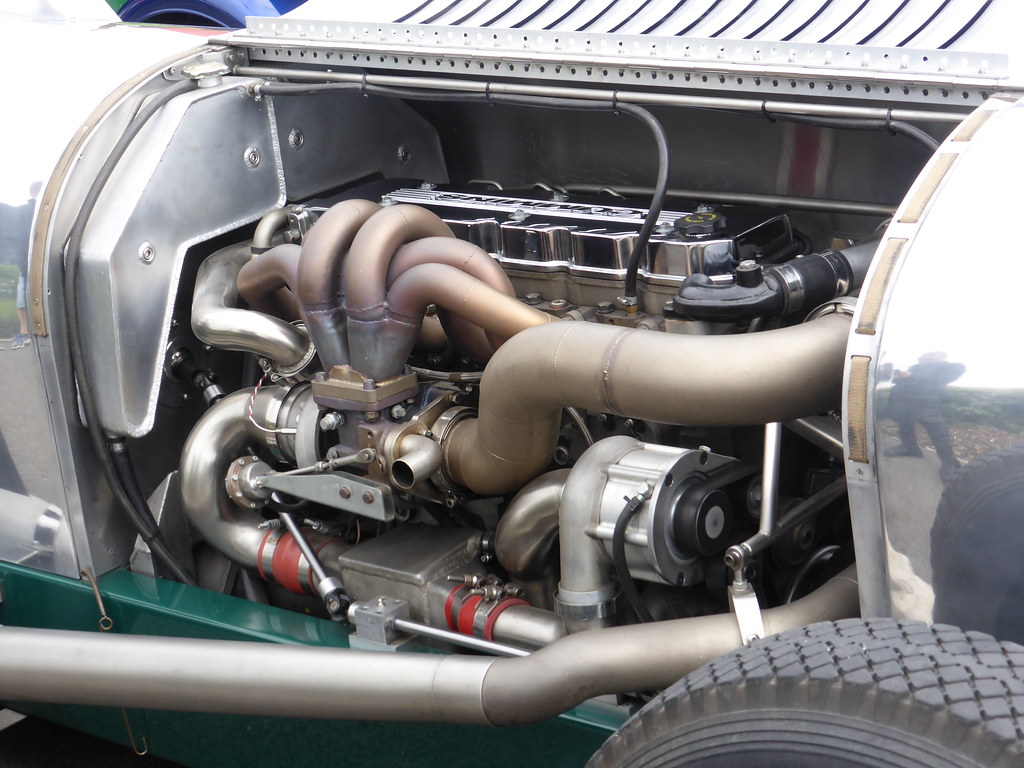
Cummins 12 valve 5.9L diesel is considered one of the strongest heavy-duty engines to ever be put in a consumer pickup. It was designed and built originally for commercial and industrial use and then implemented into the Dodge Ram 2500 and subsequent models. It gives us commercial duty strength and longevity in a pickup.
Industrial Strength in a Pickup Engine:
- Heavy-duty cast-iron engine block
- Robust crankshaft design
- Wet-sleeve cylinder construction
- Conservative tuning for longevity
- Industrial-grade durability
Part of what has given the engine its legendary reputation is the over-engineered nature of it. The cast-iron block and internal components are designed to handle continuous heavy loads without breaking, and the wet-sleeve cylinder design makes the engine rebuildable, extending its lifespan. The engine also wasn’t high-strung by the factory, further lowering the stress on the internal parts and allowing the engine to last longer. This design made it perfectly suited for hard use.
Real world durability has only strengthened the legend. It is very common for the 12-valve 5.9L Cummins to make more than 400,000 miles with regular maintenance, and there are well-documented cases of these engines pushing more than 1,000,000 miles. This is particularly the case when the engine is used for commercial applications or heavy-duty towing where the engine will be under constant strain. The 12-valve Cummins has a strong claim to being the longest lasting diesels on the market, a notion admired by mechanics and truck lovers around the globe.
4. Honda D15/D16 Series
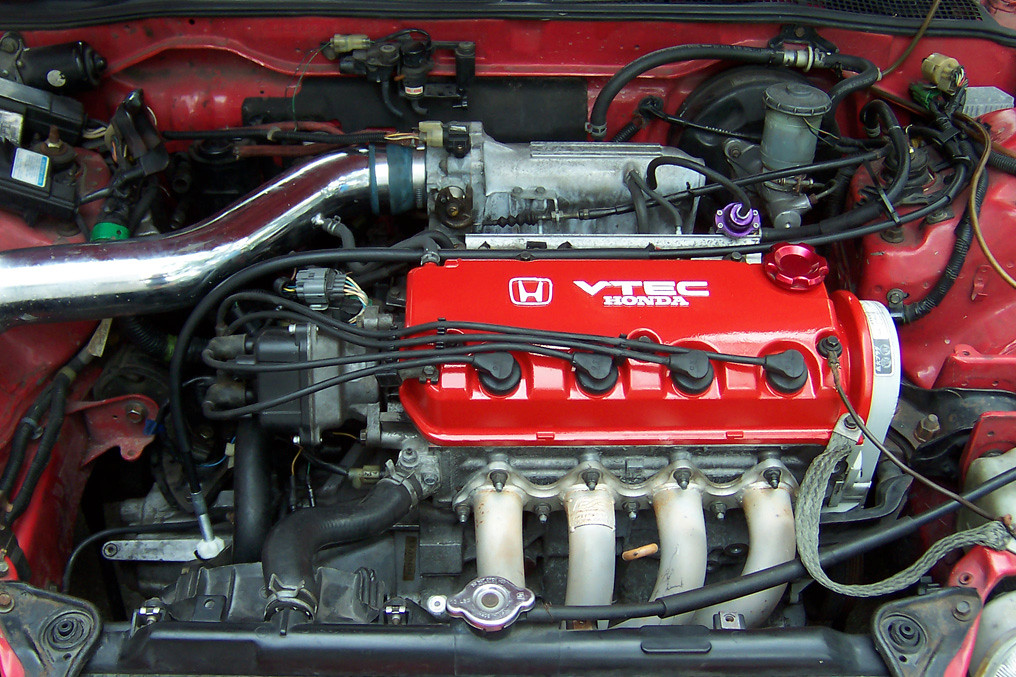
The D15 and D16 engines from Honda were used in many compact models of the time. The D series engine was a well-established engine at the time, with its renown being its reliability and fuel economy, which were important factors in such common models as the Honda Civic and Honda CRX. These engines were part of Honda’s Lightweight Design era, which concentrated on making practical and reliable engines which didn’t require a huge amount of maintenance, and which also gave many years of use.
Simple Efficiency Built for Longevity:
- Lightweight aluminum engine construction
- Simple SOHC (single overhead cam) layout
- Efficient fuel consumption design
- Low mechanical complexity
- Strong long-term durability
Perhaps the biggest benefit of the D-series engines, they all were fairly lightweight due to their aluminum construction. This means that the strain on the vehicle, when using these engines, was reduced, and the simpler SOHC engine has few moving parts, meaning a lower rate of mechanical failure. This is one of the reasons why the engines have a reputation for ease of maintenance and repair, as the simple design ensures these are manageable, and fuel efficient.
For all intents and purposes, they provided a robust engine to get a lot of miles from with little fuss. Many examples are known to exceed 300,000 miles with reasonable maintenance (in the D15 and D16 blocks specifically), the higher examples managing even more, giving all in all a fantastic option for economical motoring for years.
5. Volvo B230F Red Block
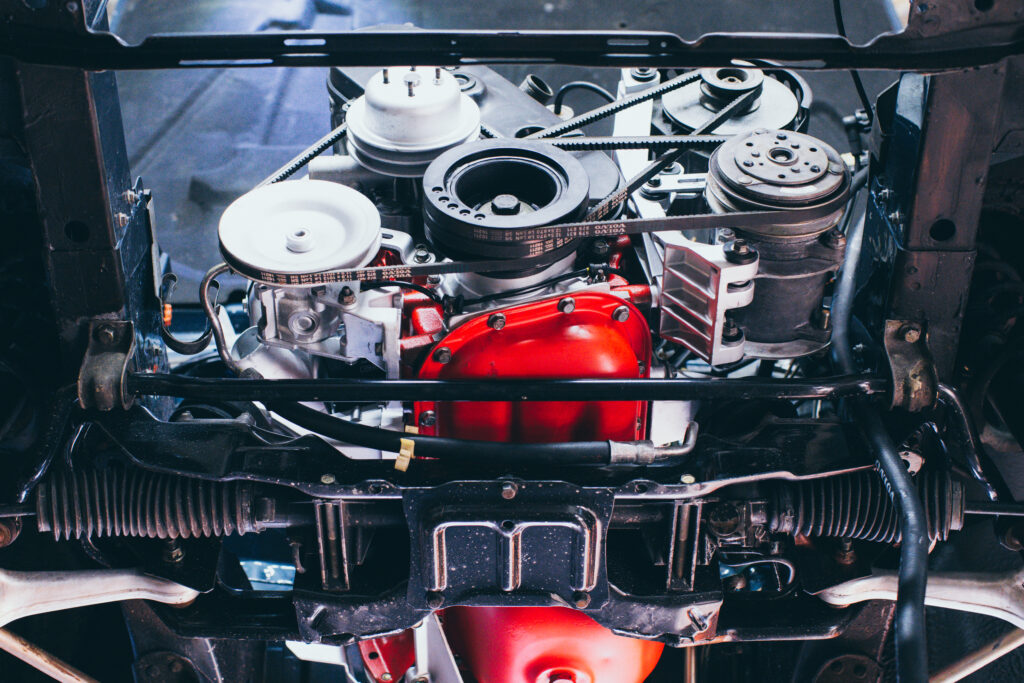
This Volvo B230F, affectionately known as ‘Red Block’, is generally cited as one of the most over-engineered engines to come out of Europe. It was fitted in workhorse vehicles such as the 240, 740 and 940 models of Volvo which demanded absolute reliability in harsh weather conditions. Designed to be simple to repair and built to last forever, the “Red Block” engine is key to Volvo’s enduring image.
The Legendary European Reliability Icon:
- Strong cast-iron engine block
- Simple and robust fuel injection system
- Conservative performance tuning
- High resistance to harsh climates
- Easy long-term maintenance
A key factor in the B230F’s long life is the sturdy, cast-iron construction of the engine, allowing it to handle prolonged stress and thermal extremes. Being relatively simple in design as far as fueling is concerned, it has far fewer components prone to failure as those of a more modern engine. The engine has been deliberately undertuned to ensure a longer working life.
This contributed to reliable performance and long life, even in the most arduous of circumstances such as in northern climates where cold is a regular issue or when covering vast distances in terms of mileage. The engine has a history over decades; most B230F’s would have covered 250,000 miles and more by the time it needs to retire, while many have well and truly exceeded 400,000 miles. Some has even gone beyond one million miles. This has certainly made it a firm favorite for the practical driver.
6. Ford 4.9L Inline-6
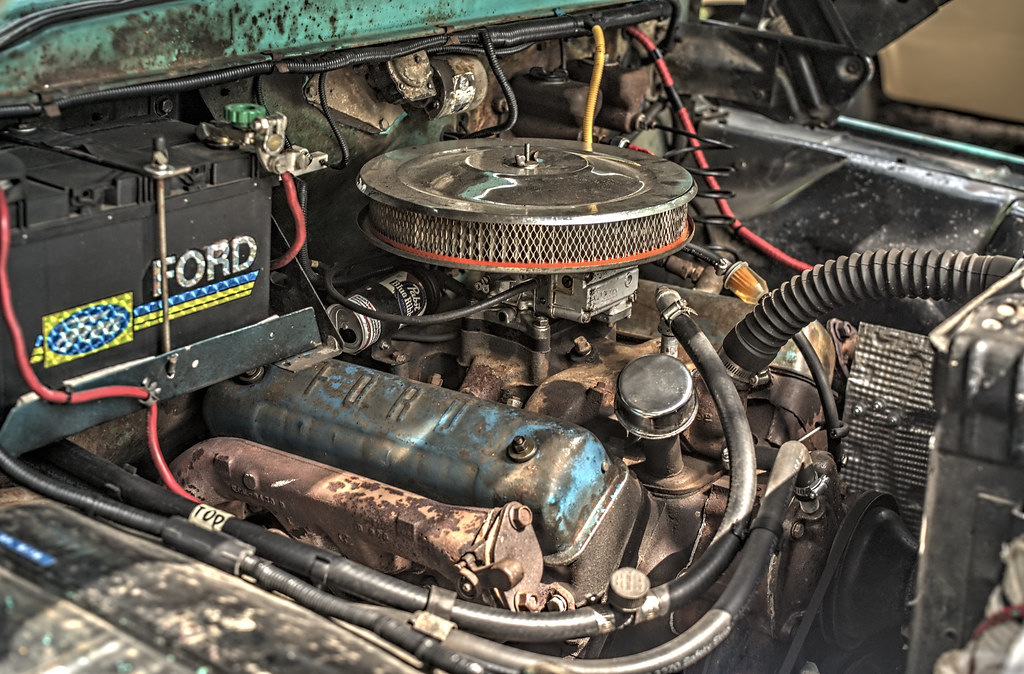
The Ford 4.9L inline-six, or the 300 I6 as many call it, is truly one of the best known and most enduring of the American truck engines. This power plant spent years in the back of Ford’s F-Series where durability and towing capability overshadowed performance. It was designed as a workhorse and fleet managers, professional drivers, and truck owners everywhere learned to love it for its incredible resilience.
The Ultimate Low-End Torque Truck Engine:
- Simple inline-six configuration
- Strong low-end torque output
- Heavy-duty engine construction
- Low-stress performance tuning
- Easy maintenance and repairability
The overall strength of the 4.9L I6 is simplicity and balance. Its long stroke means it has plenty of low-end torque which it applies well for towing and haulage; instead of building a high horsepower motor Ford actually intended the engine to be durable underload with constant power rather than speed. It doesn’t mean less stress, just differently stressed, and this helps create one of the most enduring engines Ford have ever produced, plus it is mechanically simple which also helped in ease of maintenance compared to more advanced engine types.
In practice the 300 I6 has achieved some excellent mileage ratings; a large number of the engines that have been used for fleet and work vehicles have gone hundreds of thousands of miles with only basic service and that is why the engine has remained so durable even when constantly under load. The 4.9L inline six is still a benchmark in long-living, simple and robust truck engines.
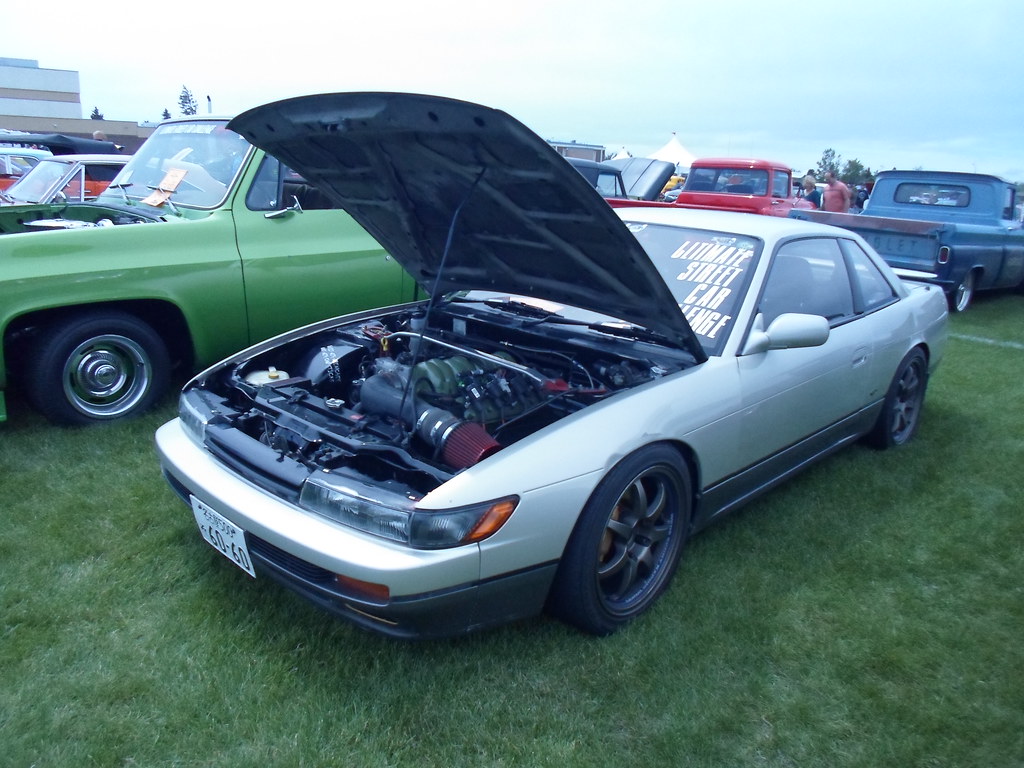
7. GM LS V8 Series
GM LS is by far one of the most significant and most influential V8 platform in the history. Introduced to the public late in the 90s it was soon to find itself under the hoods of a diverse variety of vehicles ranging from Chevrolet Corvette to every full-size truck and SUV GM built. Simple, performant and incredibly reliable for years it has become the engine of choice for gear heads and professionals alike.
The Most Versatile Modern American V8 Platform:
- Simple pushrod (OHV) architecture
- Compact and lightweight V8 design
- Strong aftermarket support
- High durability under stress
- Cost-effective performance potential
One major reason for the success of the LS engine is it’s pushrod design which maintains a simple valvetrain mechanically unlike overhead cams. The simplicity helps keep potential problems to a minimum, yet delivers fantastic torque and excellent power output. The compact V8 package will easily fit into most any engine bay making the LS versatile for use in almost any type of vehicle, this, along with efficiency’s, makes the LS an efficient yet powerful engine platform.
The LS engines have proved they last for hundreds of thousands of miles as many are seen well over 300,000 and quite a few well over. The durability, low cost, and wide modification range’s of the LS platform makes it a common element in the automotive world as there is a number of stock, modified, and monster built LS motors on the road today.
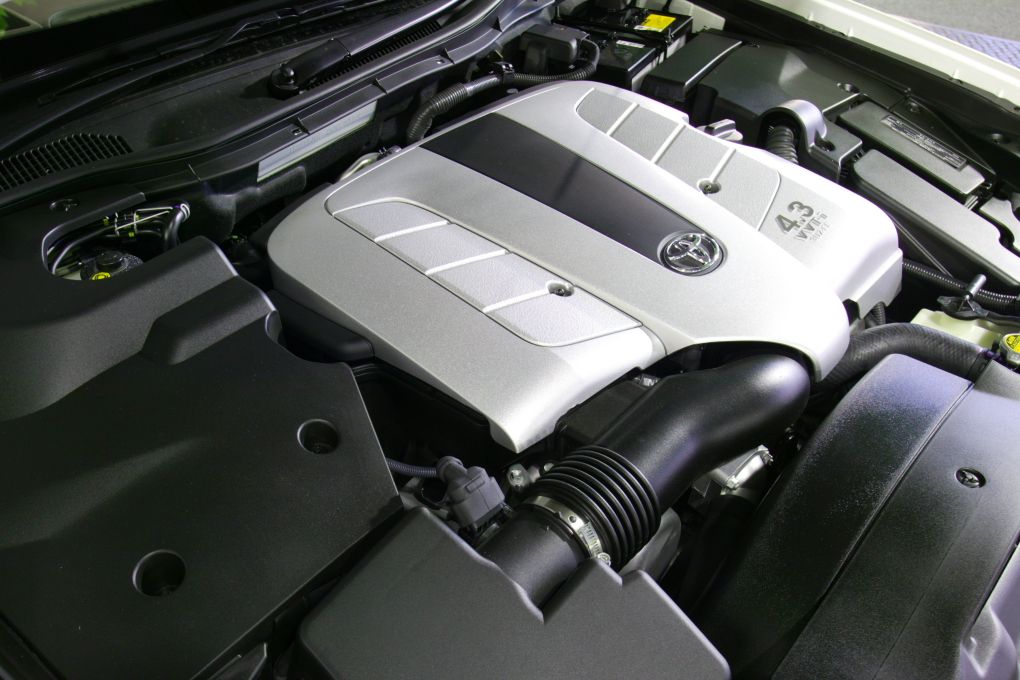
8. Toyota 2UZ-FE 4.7L V8
The Toyota 2UZ-FE 4.7L V8 is a stout and very reliable engine that lasted for a long time. These engines are most commonly found in the Toyota Land Cruiser and the Toyota Tundra, and it made more sense to put something in that will have a large amount of torque, and that will be able to hold up to a lot. These engines were made for really tough situations.
Heavy-Duty Power Built for Endurance:
- Strong cast-iron engine block
- Torque-focused performance tuning
- Low-stress internal operation
- Heavy-duty SUV and truck design
- Long-term mechanical reliability
Another significant advantage of the 2UZ-FE’s iron block construction is its strength and wear-resistance during extended high-stress driving. The engine was also deliberately detuned and built primarily to optimize torque delivery and engine longevity at the expense of maximum horsepower. By operating below its maximum stress potential, the engine can continue operating reliably under normal circumstances for extended periods.
The 2UZ-FE is exceptionally well-suited for towing, payload, and off-roading use due to these characteristics. In everyday life, the 2UZ-FE engine has achieved legendary status for its durability. It’s not uncommon for a 2UZ-FE to achieve 400,000+ miles while being well-maintained. Many exceed 400,000 miles with more still continuing to operate beyond. The 2UZ-FE is a strong representation of Toyota’s emphasis on engineering highly reliable, low-maintenance powerplants.
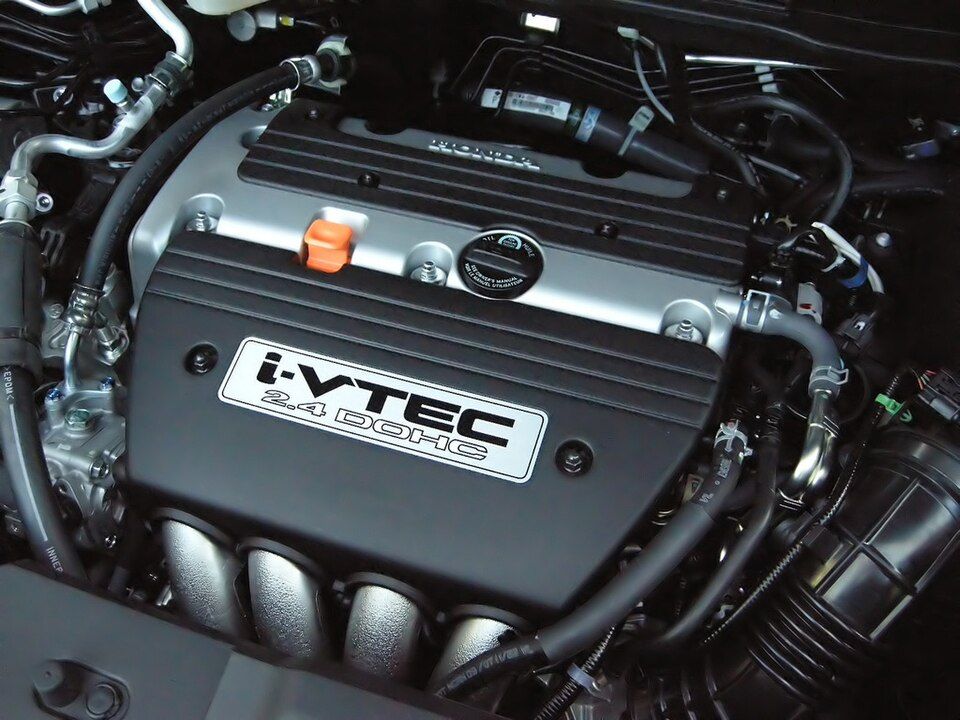
9. Honda K20/K24 Series
Today the K20 and K24 Honda engines are considered by many to be some of the most balanced, best modern four-cylinders out there today. They come in commonly recognized vehicles such as the Honda Civic, Honda Accord, and Honda CR-V. They provide a great mixture of efficiency, power, and long life reliability in such vehicles. K series engines feature a more modern style of engineering than their older Honda counterparts and have quickly become the standard for modern, durable powerplants.
Modern Balance of Power and Efficiency:
- Advanced i-VTEC valve timing system
- Strong aluminum block construction
- High-revving yet efficient design
- Balanced performance and reliability
- Wide aftermarket and tuning support
A major highlight of the K-series is its i-VTEC system, which optimizes valve timing for both efficiency and performance. This allows the engine to deliver smooth low-end operation while still providing strong power at higher RPMs. The internal components are engineered with greater strength compared to older designs, enabling them to handle daily commuting as well as spirited driving. Despite its performance capability, the engine maintains excellent fuel efficiency and refinement.
In real-world use, the K20 and K24 engines have demonstrated impressive longevity. With proper maintenance, many examples comfortably exceed 300,000 miles while retaining strong performance characteristics. Their adaptability has also made them extremely popular in both stock and modified applications. The combination of reliability, efficiency, and tuning potential has solidified the K-series as one of Honda’s most respected modern engine families.
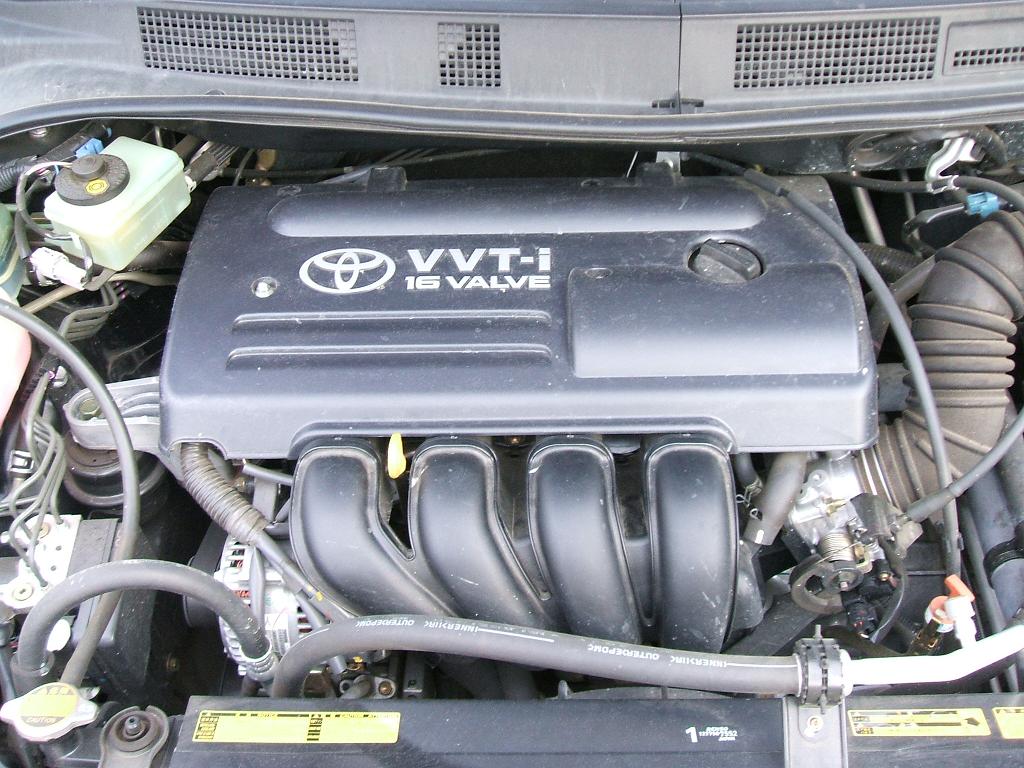
10. Toyota 1ZZ-FE 1.8L
The Toyota 1ZZ-FE 1.8L engine is a widely used and efficient powerplant designed primarily for everyday commuting. It was installed in several compact Toyota models, including the Toyota Corolla and Toyota Matrix, where fuel economy, simplicity, and reliability were key priorities. Rather than focusing on performance, this engine was engineered for consistent daily usability and low ownership costs.
Practical Economy Engine for Daily Driving:
- Lightweight aluminum engine block
- Durable timing chain system
- Simple and efficient design
- Low maintenance requirements
- Fuel-efficient performance tuning
A key advantage of the 1ZZ-FE is its lightweight aluminum construction, which helps improve efficiency while reducing strain on the vehicle. The timing chain system also enhances long-term reliability by eliminating the need for regular belt replacements. Its straightforward engineering keeps mechanical complexity low, which reduces the likelihood of major failures over time. This simplicity makes it especially suitable for drivers who prioritize dependable transportation over performance.
In real-world use, the 1ZZ-FE has earned a reputation for solid longevity when properly maintained. Many owners report high-mileage performance with relatively few issues, making it a trusted option for daily driving. Its combination of efficiency, low maintenance costs, and dependable operation has helped it remain popular across multiple Toyota models. The engine continues to be remembered as a practical and reliable solution for long-term ownership.
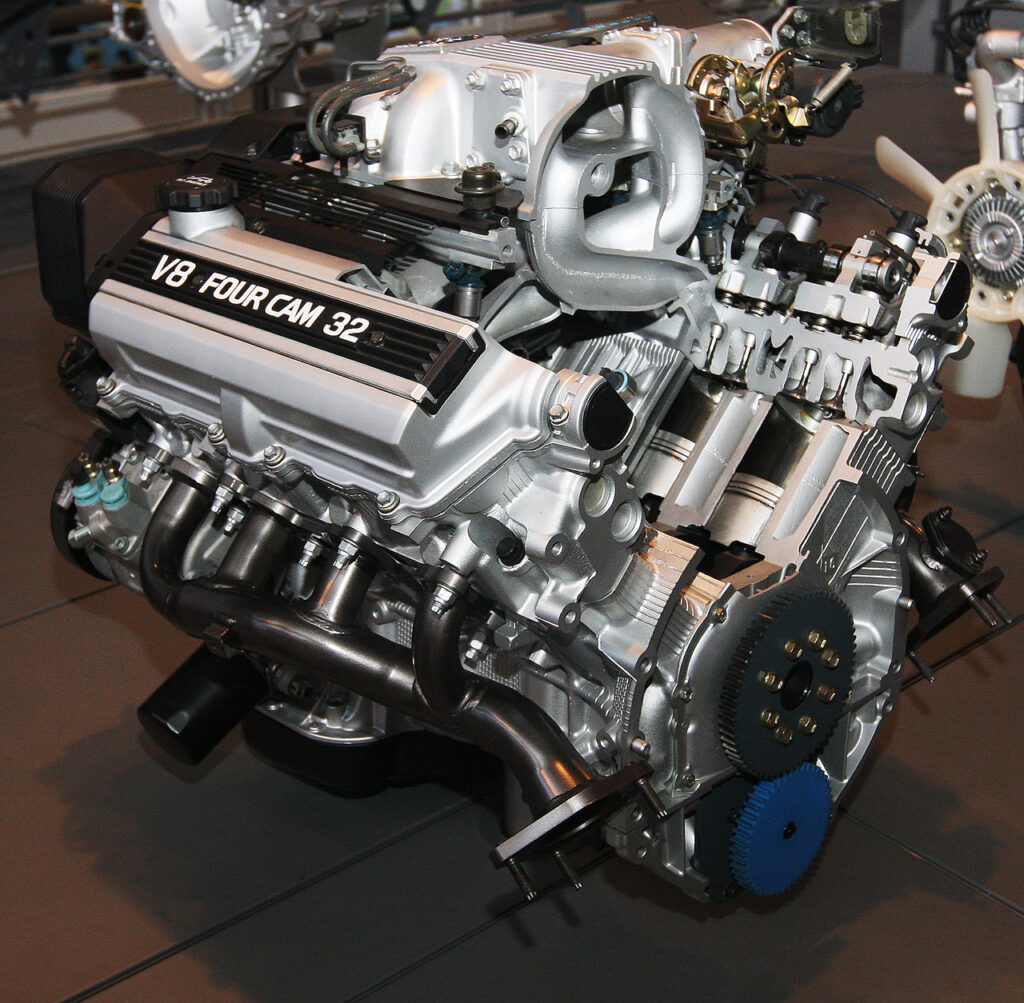
11. Toyota 1UZ-FE 4.0L V8
The Toyota 1UZ-FE 4.0L V8 is widely regarded as one of the most refined and durable luxury V8 engines ever produced. It powered early Lexus flagship models such as the Lexus LS 400, where smooth operation, quietness, and long-term reliability were top priorities. Engineered during Toyota’s push into the premium segment, it helped establish Lexus as a serious global luxury brand.
Luxury Smoothness with Extreme Longevity:
- Precision-balanced aluminum V8 construction
- Extremely smooth and quiet operation
- Strong internal component durability
- Conservative performance tuning
- High long-term reliability focus
A key strength of the 1UZ-FE is its highly refined engineering. The aluminum block and carefully balanced internal components allow it to run with exceptional smoothness, reducing vibration and noise even at higher speeds. Despite its luxury focus, the engine was built with robust internals that can withstand long-term stress. Toyota intentionally prioritized durability alongside refinement, ensuring the engine would perform consistently over many years of use.
In real-world ownership, the 1UZ-FE has developed a near-legendary reputation for longevity. Numerous documented examples have surpassed 500,000 miles, with some reportedly exceeding 900,000 miles without major engine overhauls. This level of durability is rare in luxury-oriented engines and highlights Toyota’s engineering discipline. The 1UZ-FE remains a benchmark for combining comfort, smoothness, and extraordinary long-term reliability.
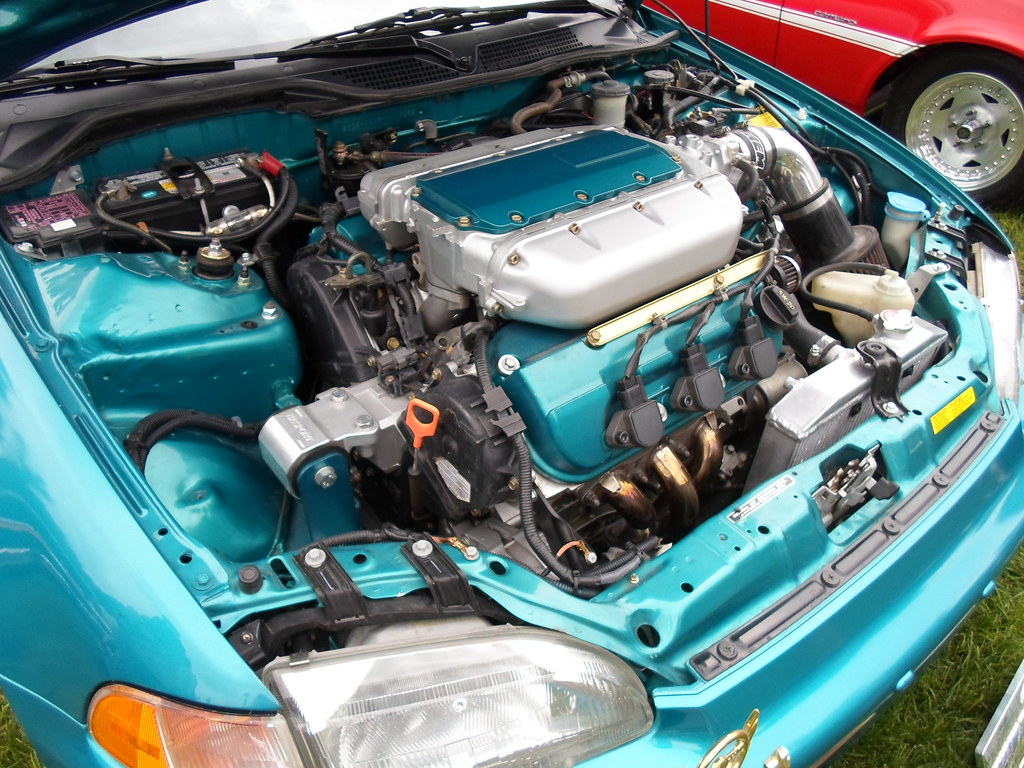
12. Honda F22A 2.2L Inline-Four
The Honda F22A 2.2L inline-four engine powered many mid-1990s models, most notably the Honda Accord, where reliability and everyday usability were more important than performance. Developed during Honda’s era of practical engineering focus, it was designed to deliver consistent operation over long ownership periods. This made it a trusted option for families and commuters seeking dependable transportation.
Dependable Mid-90s Daily Workhorse Engine:
- Simple and durable SOHC/DOHC variants
- Strong internal engine construction
- Low-stress everyday tuning
- Easy maintenance design
- Long service-life focus
A key strength of the F22A is its straightforward mechanical design. The engine was built with durability in mind, using strong internal components capable of handling extended daily use. Its tuning prioritized smooth and stable operation rather than high output, which helped reduce wear over time. The simplicity of its engineering also made maintenance more accessible and affordable for owners.
In real-world use, the F22A has demonstrated impressive longevity when properly maintained. Many examples have accumulated very high mileage over decades of service, often remaining operational well beyond typical engine lifespans. Its reputation was built through years of dependable performance in everyday driving conditions. The F22A remains a classic example of Honda’s commitment to practical, long-lasting engineering.
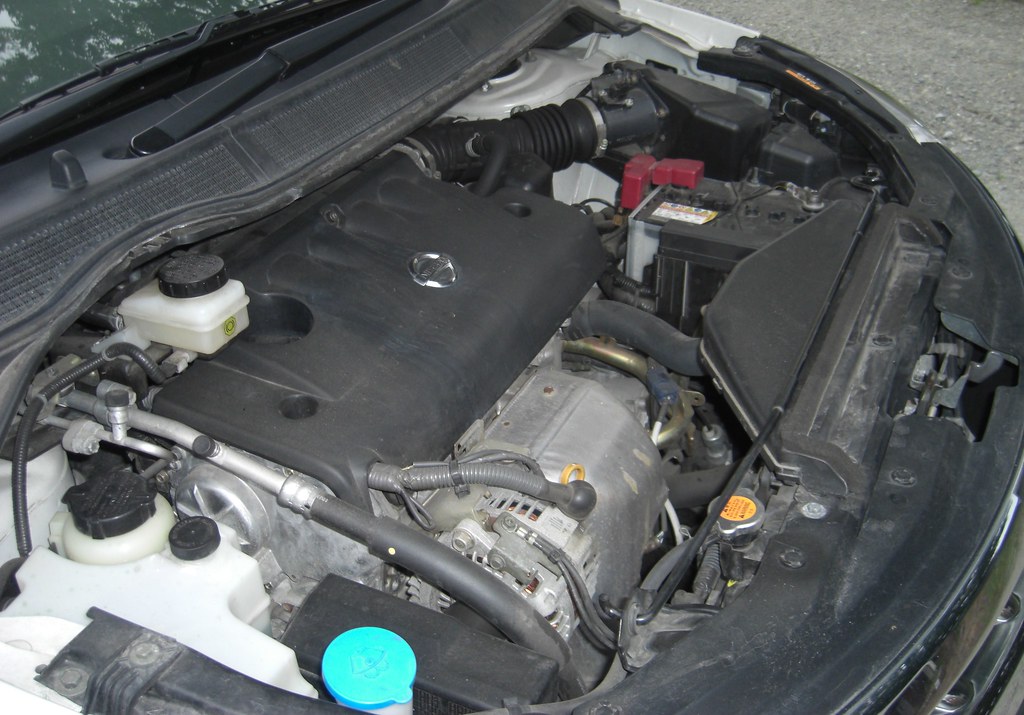
13. Nissan QR25DE 2.5L Inline-Four
The Nissan QR25DE 2.5L inline-four is a widely used engine found across several Nissan vehicles, including the Nissan Altima and Nissan Frontier. It was engineered to balance performance, efficiency, and long-term durability, making it a practical choice for both everyday commuting and light-duty utility applications. Its versatility helped it become one of Nissan’s most commonly used modern engines.
Versatile Modern Engine with High Mileage Potential:
- Balanced inline-four configuration
- Strong everyday reliability focus
- Versatile across multiple vehicle types
- Efficient performance tuning
- Maintenance-friendly design
A key advantage of the QR25DE is its balanced engineering approach, which allows it to perform consistently across different driving conditions. The engine was designed to deliver adequate power while minimizing internal stress, contributing to its long service life. Its relatively simple mechanical structure also helps reduce maintenance complexity. With proper care, it can maintain stable performance over many years of use.
In real-world ownership, the QR25DE has shown strong longevity potential. Many examples have reached very high mileage when maintained regularly, with some reports claiming extremely extended lifespans approaching the million-mile range. While such figures depend heavily on maintenance and usage conditions, the engine’s reputation for durability remains well established. The QR25DE continues to be recognized as a dependable and adaptable modern Nissan powerplant.