





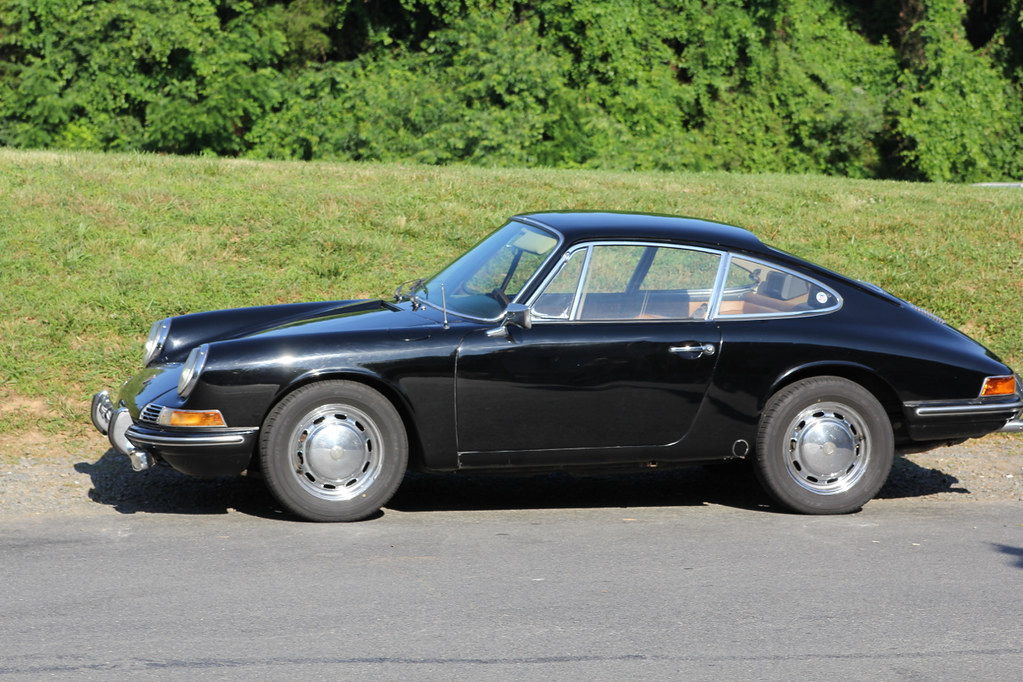


Aviation’s Ill-Fated Debuts: 10 Aircraft That Crashed on Their First Flight

While aviation history tends to focus on great success stories such as successful flights, breaking speed records, and revolutionary aircraft models, there is no denying that the path to success is strewn with failures. Some of the first aircraft developed had flaws making them unsafe and unreliable, and thus they could not be used further. However, each unsuccessful airplane has something to offer, making aviation safer with each mistake and failure.
A successful first flight of any aircraft model is always extremely important since this is where theory and calculations meet reality. Engineers can only predict the performance of a plane up to a certain point because they cannot know the way the air would affect the aircraft until the plane takes off. Therefore, test pilots need exceptional bravery to sit at the controls of an airplane never before tried.
The following examples of aircraft that did not make it beyond their first flight show not only the risks involved but also ambition and imagination required by engineers to create something new. Even though the results turned out to be disastrous, there were some useful aspects about them which contributed to the development of the industry.
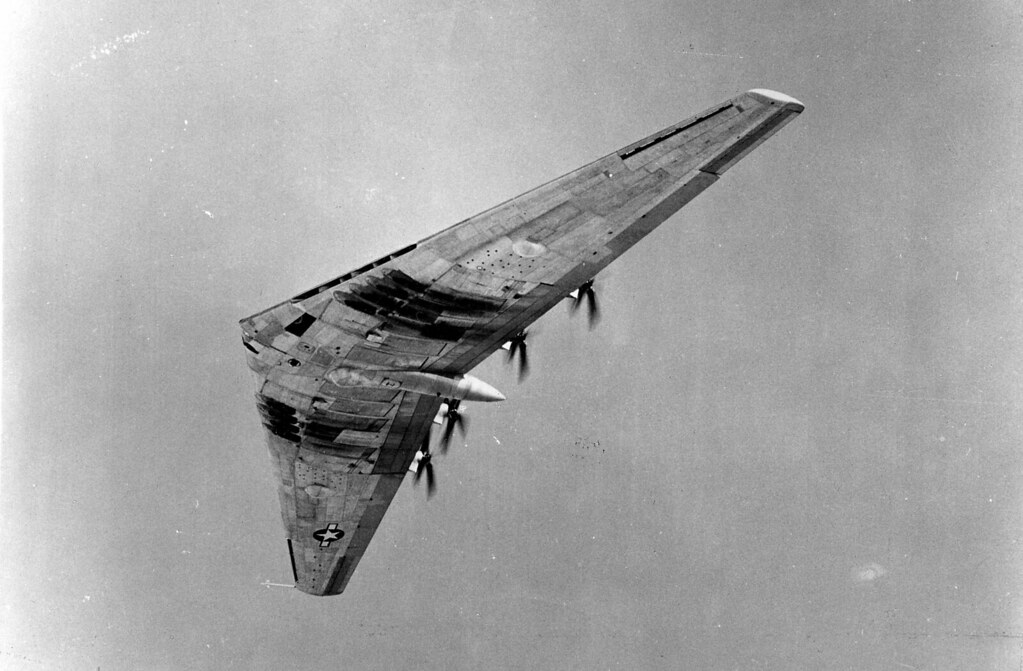
1. Northrop XP-79B
This airplane was developed at the height of the Second World War and was an experiment of sorts involving numerous innovations, the biggest of which was the decision to construct it using magnesium instead of aluminum in order to lighten the aircraft’s weight. Other innovations included the idea of positioning the pilot in a prone position inside of a rocket-powered flying wing. Furthermore, Northrop intended to use the XP-79B in battle against other airplanes by disabling them with physical contact.
Important Design Factors and Risks:
- Magnesium structure increase fire risks
- Prone pilot layout unusual design
- Rocket-powered flying wing innovation
- Combat interception with physical contact
Unfortunately, the first flight proved to be the last for this airplane. Almost immediately after taking off, it lost its stability and went into a spinning dive from which the pilot could not recover. Harry Crosby was unable to escape safely and thus died in the resulting crash. It appears that too much experimentation with a single plane was simply asking for trouble.
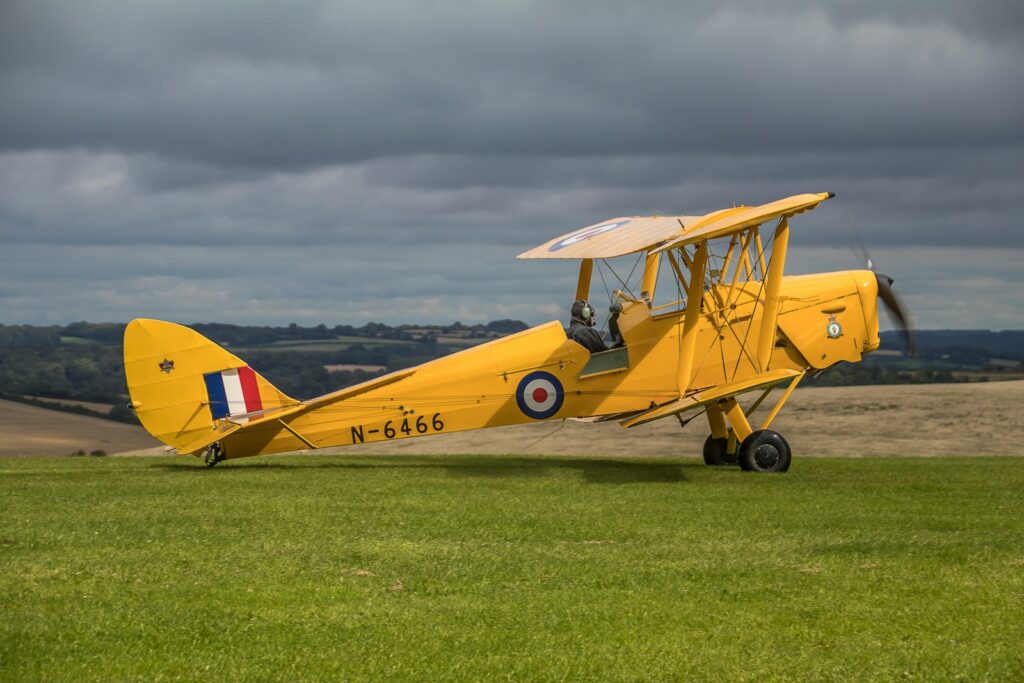
2. De Bruyère C 1
Designed towards the end of the First World War, this airplane sought to challenge the established conventions regarding aircraft configurations, particularly the canard layout which was supposed to improve the controllability of the plane. Other innovations included a relatively unusual metal fuselage and tricycle landing gear, thus making this aircraft one of the earliest attempts to deviate from traditional biplane layouts.
Innovative yet Problematic Aspects of Design
- Canard layout for forward control surfaces
- Metal fuselage construction early design
- Tricycle landing gear uncommon design
- Unusual propulsion system
This airplane only flew once in 1917 and the results of the experiment were far from satisfying. After lifting from the runway, the plane failed to gain stability and began to roll uncontrollably, leading to an emergency crash right after takeoff. The pilot escaped injury, but it is obvious that the aircraft was too experimental to function properly.
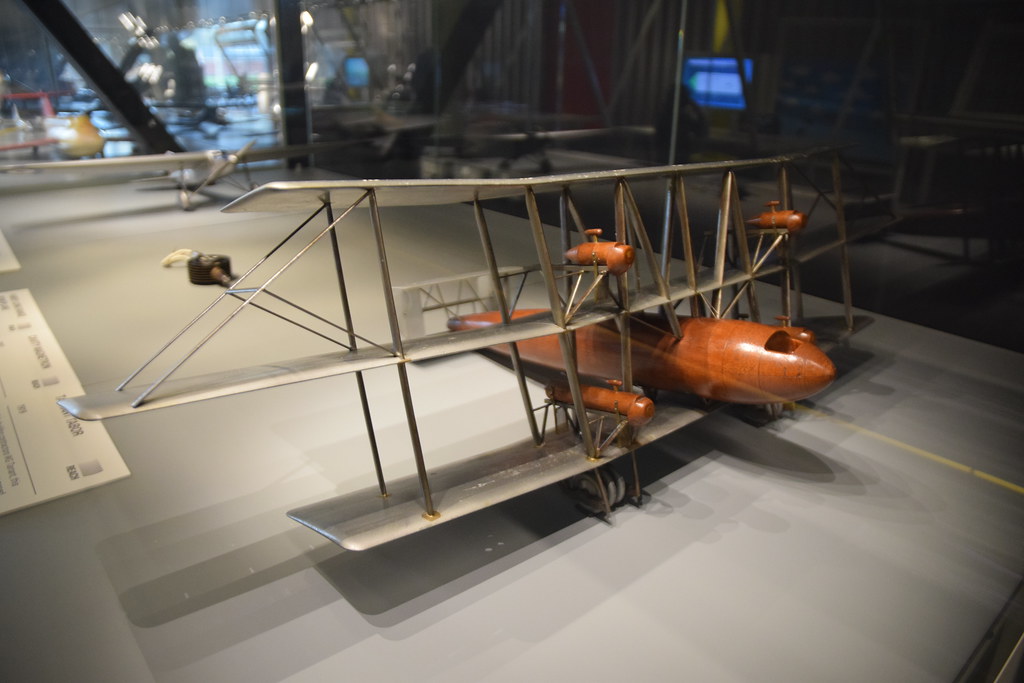
3. Tarrant Tabor
This was probably one of the boldest aircraft development projects of World War I because this plane was supposed to serve as a massive long-range bomber. This gigantic and unique creation was made of wood and featured several modifications throughout the development process, mainly due to the difficulties with designing the engines. In particular, adding a third wing and changing engine layouts significantly affected the balance.
Development Modifications Which Affected Stability
- Gigantic wooden construction ambition
- Engine modification created imbalance
- Third wing addition increase complexity
- Aerodynamic problems with new design
However, all of these innovations could not hide the main flaw of this airplane, and that was revealed right during its first test flight. Powering the engine led to uncontrollable pitching of the aircraft and crashing to the ground while the plane still had not lifted from the runway. The two pilots aboard perished in the accident.
4. Blackburn Pellet
Designed as a high-speed racing seaplane for participation in a prestigious event, this airplane was quite unique because it featured not only a distinctive wooden hull and aerodynamic design, but also some modifications which complicated its design. First of all, the engine was positioned above the wings of the plane while the pilot had to sit ahead of the fuselage, which certainly affected stability.
Innovations Which Led to Instability:
- Engine placed above wing structure
- Pilot position affecting plane balance
- Limited testing before flight debut
- Seaplane construction increase difficulties
The problem is that despite being very impressive, the plane was ready in time for the race because it underwent insufficient testing before being launched. During the maiden flight, the aircraft behaved unusually because it bounced uncontrollably on the water surface and then broke in several pieces. Luckily, the pilot managed to escape from this disaster unharmed.
5. Westland Dreadnought
This airplane featured an interesting solution according to which the total lift of the craft should distribute along the whole body of the plane rather than relying on conventional wings to provide necessary lift. Despite the originality of the design, this concept had flaws which affected stability adversely because the outer structure of the plane lacked necessary rigidity.
Problems and Limitations of the Project
- Lift distribution innovation unique design
- Outer skin weakness structural limitation
- Complex aerodynamics difficult to estimate
- Unique design increased instability risk
The first test flight did not turn out well because almost immediately after the aircraft took off, it began to behave erratically and then stalled at a relatively low altitude. Consequently, the plane crashed heavily and injured the pilot seriously enough to discontinue the project. Nevertheless, this experiment had a positive effect in the future.
6. Renard R.35
Another ambitious creation which promised much, Renard R.35 attempted to use all advancements of the time period to bring a new level of comfort and efficiency in air transportation. The aircraft featured an advanced pressurized cabin which foreshadowed future airline developments. It also had a few engines and was built with a streamlined fuselage. While these elements promised great improvements, the aircraft had some technical problems with its development.
Advanced Features and Development Risks:
- Early pressurized cabin passenger design
- Multi-engine long-distance travel capability
- Streamlined fuselage improving efficiency
- Ground testing instability unexpected liftoff
During one of the high-speed ground tests, it was observed that the aircraft started to ascend into the air prematurely. In this case, the lack of control caused it to fall down and collide with the surface, killing the pilot in the process. Thus, the project ended rather abruptly as its potential was never completely revealed.
7. Napier-Heston Racer
This project attempted to push boundaries of aviation through the development of extremely high-performance aircraft aimed at setting new speed records. The main objective was to increase efficiency and aerodynamic capacity of the aircraft. This project generated much excitement because of the impressive capabilities of the plane. However, its technical nature made it very complex and thus risky.
Performance Goals and Technical Issues
- Built for extreme speed records
- Powerful engine high-performance focus
- Early liftoff unstable runway conditions
- Overheating and control system failures
During the first flight, the pilot noticed some critical problems with the engine overheating and control. As a result, the aircraft crashed shortly after takeoff, leaving nothing of its structure behind. Although the pilot survived this accident, it still served as a proof of the fragility of highly advanced technology.
8. The Langley Aerodrome
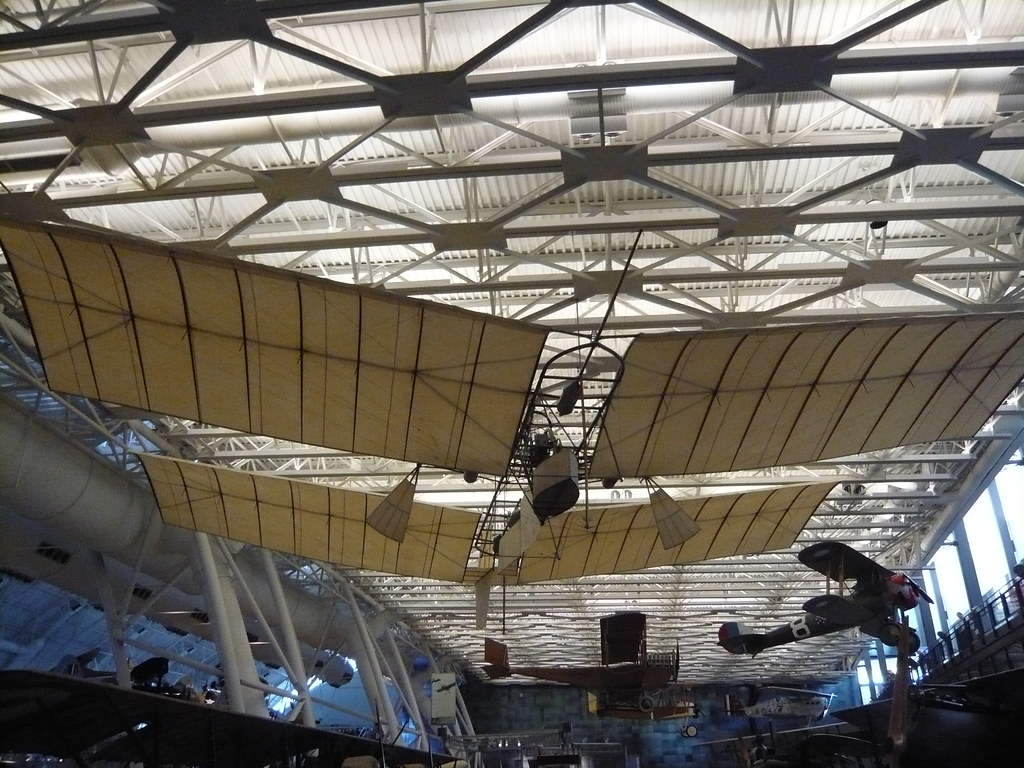
This early experiment in aviation attempted to create a new type of flying apparatus which will become a cornerstone of future progress in this industry. It used the experience gained by Samuel Langley who performed smaller experiments. Therefore, the creation looked promising since it had a powerful engine and could potentially provide a breakthrough in aviation. However, its design was somewhat impractical as its implementation did not succeed.
Design Strengths and Launch Failures
- Early powered flight experimental aircraft
- Advanced engine for its time
- Promising small-scale test results
- Failed launch system execution attempts
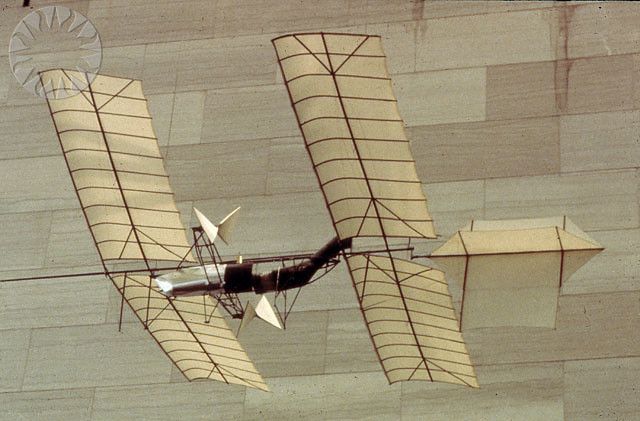
In practice, the launching process went poorly, as the device failed twice when tried to launch. During both launches, the airplane plunged into the water immediately after being released. Even though the device had great design, it was unable to reach its goals due to some minor imperfections in the process of its construction. In reality, this experiment occurred only a short while before the Wright brothers managed to do what engineers failed to accomplish previously.
9. Bachem Ba 349 Natter
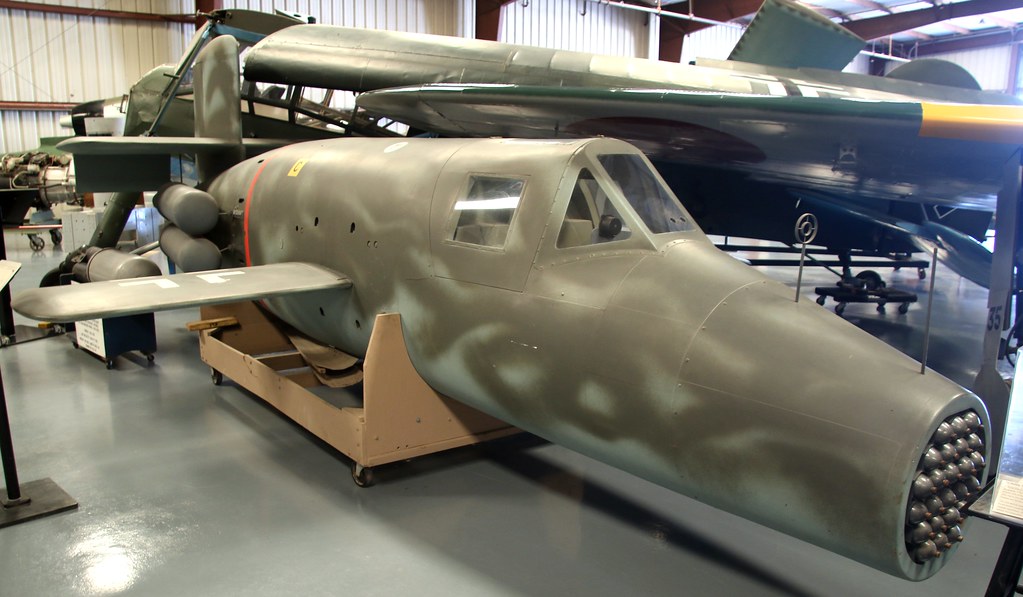
This innovative project developed during wartime was focused on providing new types of fighters to the army. This aircraft had several features which made it stand out from the competition namely, the vertical launch and rocket-powered engine. The project attempted to provide a new type of a short-term interceptor which would intercept enemy bombers quickly. Due to the unusual design, the aircraft experienced a number of difficulties related to its functionality.
Radical Design and Operational Risks:
- Vertical launch rocket-powered interceptor aircraft
- Short mission limited flight control
- Pilot escape parachute system design
- High-risk wartime rapid development
Unfortunately, its first crewed launch was a disaster. Shortly after the takeoff, the pilot lost control over the aircraft and it crashed into the ground, killing him in the process. Thus, the project was abandoned right away, as its main objectives were clearly not achievable.

10. Christmas Bullet
Among the most controversial designs in aviation history, the Christmas Bullet takes the lead because of its unique appearance and questionable design. It had no reliable foundation in terms of structural features since it was not based on any previous projects or proven knowledge. Instead, its designer created it using his own ideas, which did not correspond to real-world needs of airplanes.
Design Flaws and Structural Failures
- Unsupported wing structure critical flaw
- Inspired by untested natural concepts
- Lack of engineering reinforcement principles
- Repeated failure across multiple attempts
As expected, during the very first attempt to fly it, the airplane broke immediately as the wings were not capable of bearing its weight and thus collapsed. Another similar aircraft was also tested but met a similar fate. Thus, it turned out to be extremely ineffective and unreliable in practice.