




How BYD’s Price War Is Reshaping the EV World
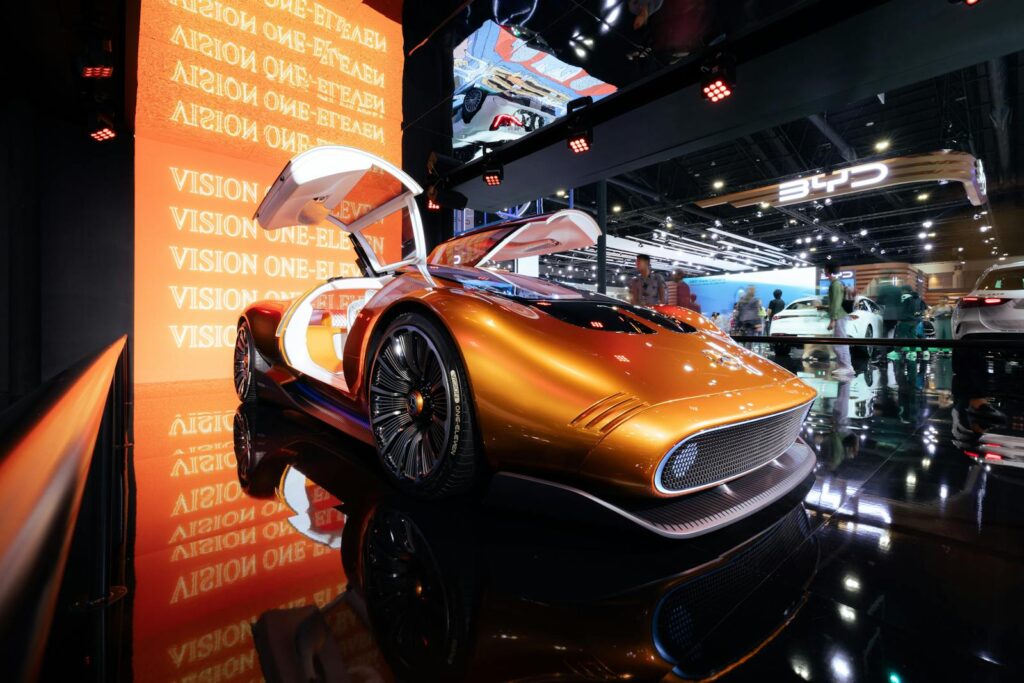
The global EV sector is entering into its most tumultuous phase of transformation and at its center, a new power is asserting itself. What has been a steady march towards electric mobility has quickly morphed into a ferocious battlefield on which scale, pricing power, and supply chain dominance are the key metrics of who wins and who loses. Dominating the center stage of this new arena is BYD. The Chinese EV maker has emerged as not only a rapid riser but it is also recalibrating expectations of what electric vehicles should and can cost.
The recent spate of BYD-induced price slashes across the company’s portfolio hassent ripples through the car industry in the past couple of months, affecting global players, investment sentiment, and established manufacturers’ perspectives of profitability on their own EV models. The magnitude of this move has prompted a defensive response across the board.
What further heightens the significance of these cuts is that they go beyond promotional discounts. It is indicative of an enduring shift in the EV landscape with cost-efficiency, vertically integrated production, and a drive for market dominance defining how long-term growth can be sustained. The shape of the next decade in global automotive business depends greatly on the success of this transition.
1. BYD Lowers Prices to Stay Competitive
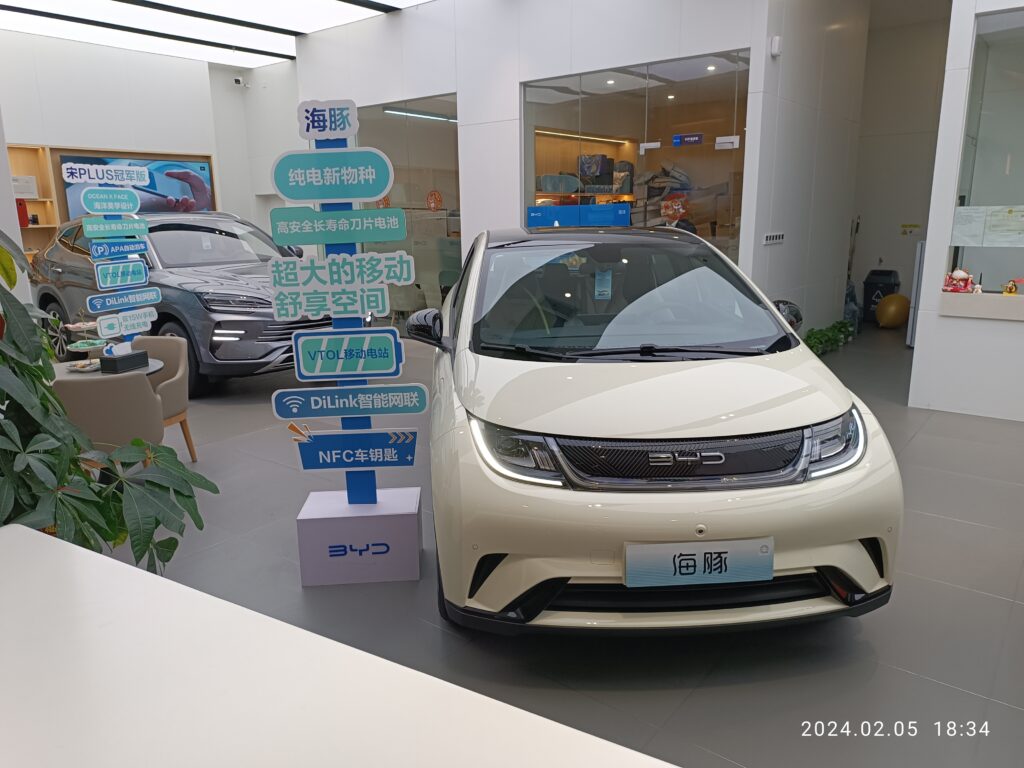
Starting things off, BYD slashed prices on 22 of its electric and plug-in hybrids no minor tweaks here. Instead of holding back, it pushed deep cuts, some hitting 34 percent down. These aren’t just quick sale tricks; they reshape how every model lands in the market. Both Dynasty and Ocean lineups got pulled into the shift, showing a full reset, not a few random drops. From top to bottom, the move resets expectations fast.
BYD Pricing Strategy Key Components:
- Large-scale model-wide price reductions
- Some cars cost less – up to a third off, depending on the model
- Major cuts on popular models like Seal 07 DM-i
- Increased affordability for entry-level EVs
- Expansion of mass-market accessibility
What stands out most is the Seal 07 DM-i, now priced nearly 53,000 yuan lower than before. The Seagull, already low cost for urban electric driving, dropped further in price too. Because of moves like these, buyer habits start shifting in noticeable ways. Shoppers who watch every yuan begin leaning toward BYD. Its grip on everyday electric vehicles grows tighter as others fall behind.
Most folks still think electric cars cost too much at first glance. Yet BYD sidesteps that idea not just with lower tags, but smarter ways to pay. Imagine spreading costs over years without extra fees tacked on. Some deals ask for barely anything each morning, like a cup of coffee. That ease helps people say yes without sweating big lump sums. Suddenly, driving one feels less like a stretch. It isn’t merely about cutting numbers though they do. The real shift? More kinds of drivers now see it as something within reach. Fewer walls stand in their way.

2. A Market With Many Competitors
One hundred plus carmakers fight for space in China’s electric vehicle scene, making it among the toughest markets globally. When buyers slow down, pressure mounts fast on builders to keep up. Survival often leans less on flash, more on price tags that stick. Relevance hides inside numbers now, not slogans. Tough crowds reward those who adjust faster. Whoever hesitates risks vanishing quietly.
Forces Shaping How Companies Compete:
- Over 100 active EV brands
- Stabilizing demand growth rate
- Aggressive pricing cycles
- Rapid product imitation trends
- High pressure on profit margins
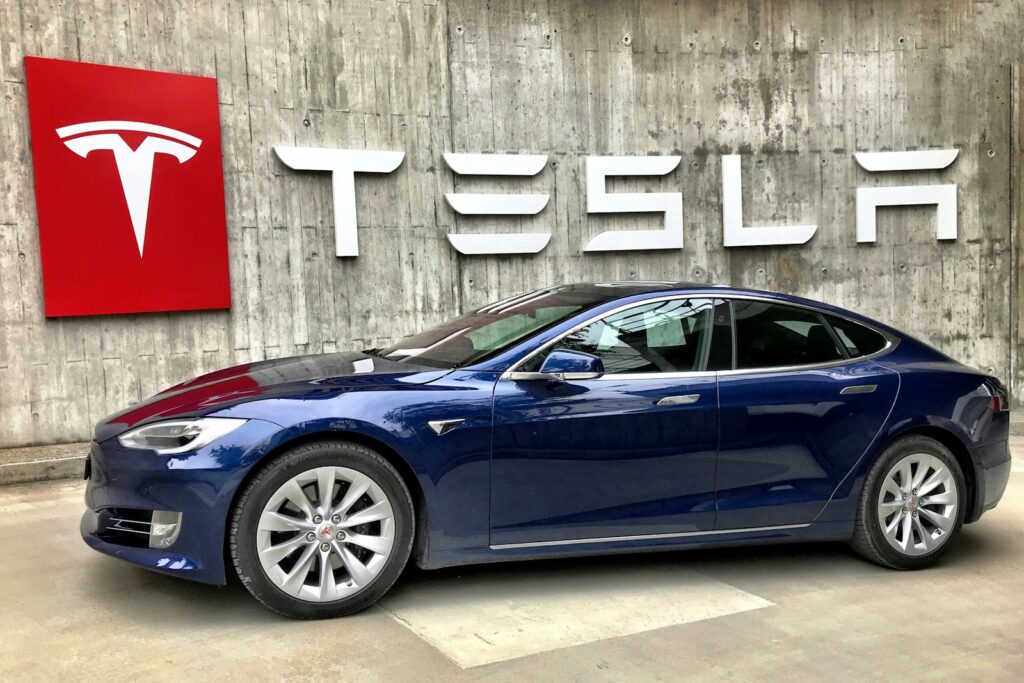
Out of nowhere, BYD found itself in a space where tiny shifts in price sent ripples through the entire sector. When Tesla, Inc. started slashing prices hard, it lit a fuse others couldn’t ignore. Instead of calming things down, that spark spread fast among Chinese automakers. One after another XPeng, then NIO, followed by Li Auto, Xiaomi, Geely they matched the cuts just to stay visible. Standing still meant falling behind, so they moved, not because they wanted to, but because they had to.
Now prices shift often, so companies adapt fast just to stay visible. Instead of racing only on tech, they juggle invention, lower costs, and sharper moves in the marketplace. Staying ahead means fine-tuning what the product offers while adjusting how it’s priced no longer optional, simply part of surviving today’s crowded electric vehicle world.

3. Stock Market Shifts Amid Investor Worry
Out of nowhere, prices dropped hard when BYD rolled out its bold new deal structure. That move spooked investors suddenly worried profits might crumble across the EV world. Jitters took hold fast, shaking up trading patterns almost instantly. Down went shares in Hong Kong, dragged lower by fear spreading through clean car stocks. The fall hit close to home first, then rippled outward into related names.
Market Shifts and Investment Uncertainties:
- Sharp drop in BYD stock value
- Negative spillover across EV sector
- Concerns over shrinking profit margins
- Fear of prolonged price wars
- Reduced investor confidence
Out of nowhere, the fallout spread beyond one firm. Companies like Geely, NIO, Li Auto, XPeng, and Great Wall Motor saw dips too, since confidence started slipping through the cracks in the whole electric vehicle space. What really weighs on investors isn’t just lower prices here and there instead, it’s the creeping fear of a drawn-out pricing battle dragging down earnings for many, year after year. By then, margins might already be thin enough to cause real damage.
Nowhere is the fragility of EV markets more clear than in price shifts. A slight tweak here, a minor adjustment there suddenly investors pause, then react. One company stirs, others feel the tremor. Confidence wobbles not because of crisis but calculation. Moves ripple faster than ever before. Valuations shift on signals, not just sales. The whole field leans into each decision like it matters because it does.

4. Competitors Adjusting to Changes
Out of nowhere, prices dropped when BYD made its move. That shift left others scrambling just to keep up. With little room to maneuver, automakers tweak their numbers fast some slash costs deep just to stay visible. Staying in the game means bending hard under pressure. Few can ignore the new rhythm set by lower tags on every lot.
How Companies React When Rivals Make Moves:
- Direct price matching strategies
- Large-scale subsidy programs
- Entry-level model repositioning
- Aggressive promotional campaigns
- Joint-venture brand price cuts
One way Geely fights back is by aiming its Geome Xingyuan at the same buyers eyeing cheap BYD cars. Not far behind, Chery cut prices deep using large-scale subsidies, pulling in shoppers who watch every yuan. Then there are old names like Toyota once seen as steady who now slash their pricing just to keep pace amid fierce shifts across China’s car scene.
One strong company shaping everything around it shows what happens when power shifts in an industry. Not innovation, nor design, nor brand alone drives rivalry now rather, staying alive does. Firms find themselves cornered, choosing price cuts over progress. Holding ground matters more than growing fast or building better tech. Survival reshapes the game, quietly rewriting old rules.
5. The Real Reasons Behind BYD’s Shift
What pushes BYD’s sharp pricing moves isn’t just rivals breathing down its neck it’s what’s happening inside China’s own marketplace. Growth at home hasn’t been picking up speed like it once did during the early electric vehicle surge. Now that things have settled, buyers aren’t rushing as before. With rising sales no longer guaranteed, companies find themselves nudged toward different plays.
Internal Market Pressure Drivers:
- Slowing domestic sales growth
- Rising dealer inventory levels
- Excess unsold vehicle stock
- Pressure on dealership cash flow
- High annual sales targets
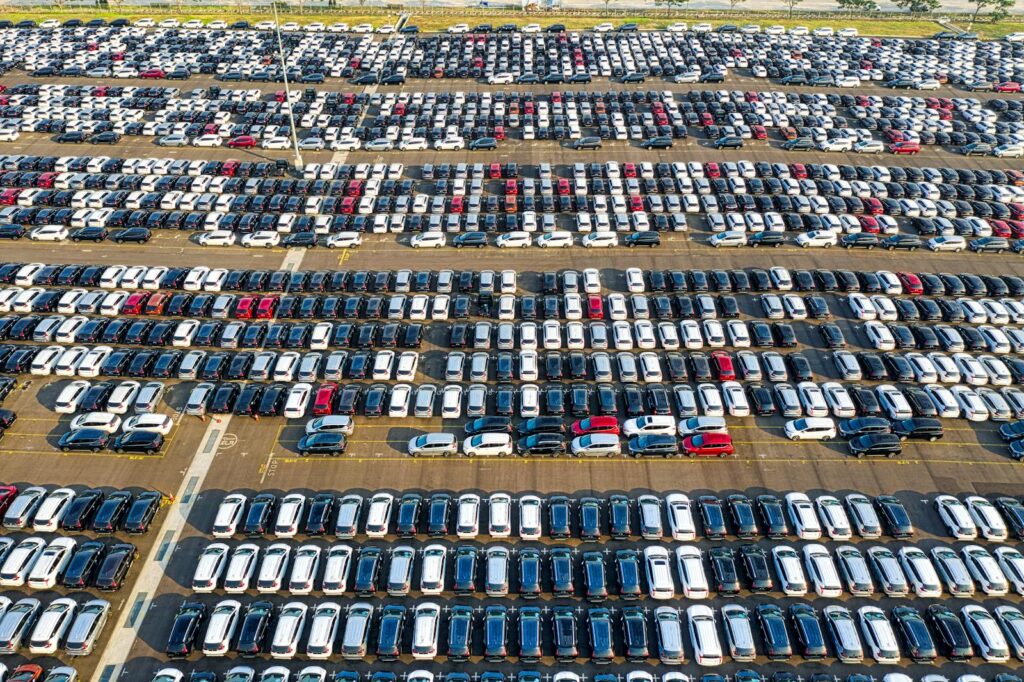
Most dealers today carry more vehicles than they can sell. Stock piles up, sitting idle for weeks on lots. Financial pressure builds when cash stays tied up in unused space. To move cars faster, discounts start appearing at many locations. Clearing out old models opens room for newer ones. Balance returns slowly once flow picks up again between factories and buyers. Even so, BYD aims at tough yearly goals for selling and building vehicles, which means they must keep buyers steady. To pull in more customers fast, they lower prices on purpose this keeps factories running nonstop. With things growing slower overall, staying active helps them push forward without losing rhythm across their massive production network.
Lower costs kick in during manufacturing, letting BYD keep more profit per car even when charging less. Because they make so many parts themselves and pay less for materials, they can shift gears fast on price without losing money. Rivals often lack these tight reins on expenses, which makes going head-to-head on price a tougher climb.
6. Cost Control Through Structural Edge
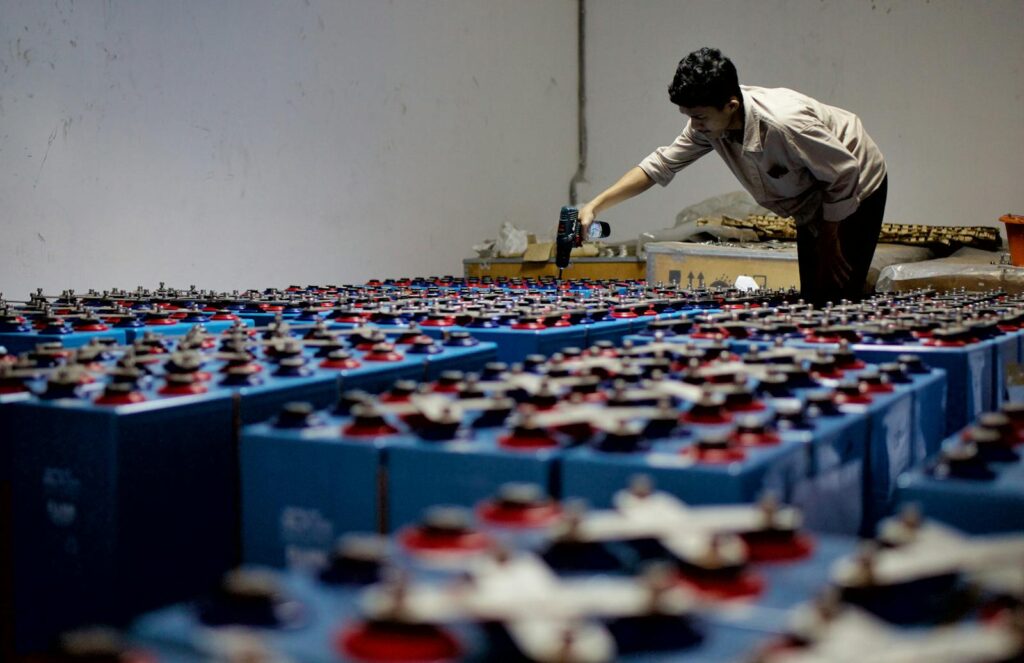
Most of BYD’s edge comes from building much of its own EV supply chain from the ground up. While others lean on outside vendors for critical parts, the firm makes most batteries and essential pieces itself. Because it handles so much in-house, expenses stay low while output stays steady. Control flows easier when steps aren’t handed off beyond factory walls.
Key Cost Advantage Factors:
- High level of vertical integration
- In-house battery manufacturing
- Reduced supplier dependency
- Falling lithium raw material prices
- Improved margin flexibility
Lower lithium prices help BYD adjust its car prices more easily. When materials get cheaper, making batteries costs less. That means even if they charge less for vehicles, profits stay steady. With fewer money worries, bolder price moves become possible.
Because BYD builds key parts itself and benefits from low material costs, its position in the electric vehicle race is naturally stronger. When prices shift or new models hit the road, the firm adjusts fast without losing margin grip. Other players struggle under outside supplier demands and split-up assembly chains. Matching such agile pricing feels out of reach for them, particularly as the field changes by the month.

7. Industry Worries Over Lasting Effects
BYD’s tough pricing moves have stirred talks across expert circles and watchdog groups on what might come next. Shorter costs open doors now, letting more people reach EVs faster. Yet a quiet worry grows can constant discounting keep the sector strong later? Downward pressure today could reshape who survives tomorrow. Cheaper tags thrill buyers at first glance. Still, some wonder if racing to the bottom risks deeper damage across companies trying to stay afloat.
Long Term Industry Risk Factors:
- Erosion of industry-wide profit margins
- Reduced investment in innovation
- Pressure on manufacturing quality
- Supplier financial instability
- Risk of prolonged price wars
Profit margins in the electric car industry might shrink over time. Should price cuts go on without matching improvements in how things are made, money troubles could follow. Companies then might lower spending where it counts on raw supplies, paying vendors, or parts of designing new models. That shift could quietly affect how good the cars turn out.
Stability in the supply chain carries serious risks too. When prices stay low for long stretches, some suppliers start feeling the squeeze especially small players without much room to absorb losses. Facing profit trouble, they might falter, sending ripples through the network around them. That strain doesn’t just linger at single factories; eventually it tests how well the whole electric vehicle pipeline holds up under stress.

8. Dealers and Supply Chains Under Pressure
Downward price moves sparked by BYD aren’t just shaking up carmakers dealership margins are tightening too. With values dropping steadily, ripples spread wide through parts suppliers, assembly plants, even local showrooms. Every step from factory floor to customer driveway now wrestles with tighter returns. Pressure builds quietly behind service desks, inventory lots, shipping routes. Though changes began at the top, strain shows most where buyers walk in.
Key Pressure Points in the Ecosystem:
- Rising dealership inventory burdens
- Severe cash flow disruptions
- Dealer business closures
- Supplier margin compression
- Contract renegotiation pressure
Some car sellers feel the squeeze more than others when prices drop fast. Heavy stock piles up just as values slide down, hitting wallets hard at showrooms across the country. When money stops moving, survival gets shaky several businesses shut doors completely. Once that happens, buyers wait longer, parts stall out, and everyone upstream stumbles too.
Pressure grows on suppliers when makers demand cheaper parts to stay in the race. Staying in the game means thinner earnings for many, just to lock down deals with big car companies. As prices get squeezed, some suppliers wobble, shaking up the whole chain that builds vehicles, showing how tightly everything is linked deeply pricing strategies can influence the broader automotive industry structure.

9. Global Expansion Amid Domestic Pressure
The aggressive domestic strategy of BYD has not slowed its international ambitions. In fact, despite intense competition and pricing pressure in the Chinese market, the company continues to expand rapidly into global regions such as Europe, Southeast Asia, and Latin America. This expansion reflects a broader strategy aimed at building a strong worldwide presence rather than relying solely on domestic demand.
Key Drivers of Global Expansion:
- Strong overseas sales growth
- Expansion into European markets
- Entry into emerging economies
- High production capacity utilization
- Continuous R&D investment
In several international markets, BYD has already achieved significant sales milestones, even surpassing some established competitors in certain segments. This success is supported by its large-scale production capacity, vertically integrated supply chain, and ongoing investment in research and development. These strengths allow the company to compete effectively in both developed and emerging markets while maintaining cost efficiency.
This dual strategy of aggressive competition at home and rapid expansion abroad highlights BYD’s global approach to growth. Instead of focusing only on surviving domestic price pressure, the company is simultaneously building international scale and brand recognition. This positions BYD as a global EV player with ambitions that extend far beyond its home market, leveraging its manufacturing strength to compete on a worldwide stage.
10. The Future of the EV Industry
The ongoing price competition led by BYD is expected to have a long-lasting impact on the global electric vehicle industry. Many analysts believe that the current phase of aggressive pricing will eventually lead to significant market consolidation, where only a limited number of strong and efficient players remain dominant in the long run.
Key Future Industry Trends:
- Market consolidation among EV makers
- Exit or merger of weaker companies
- Shift from price to innovation competition
- Stronger focus on efficiency and scale
- Increased regulatory oversight
As this process unfolds, weaker companies may be forced to exit the market or merge with larger players to survive. This consolidation is likely to stabilize the industry over time, creating a more structured competitive environment. At the same time, competition is expected to move away from pure price wars and shift toward technology-driven differentiation, including advancements in battery performance, software, and vehicle intelligence.
In the future, governments and regulatory bodies may also play a more active role in managing excessive price competition to ensure long-term industry stability. Such intervention could encourage healthier business practices and reduce the risks associated with prolonged price wars. Overall, this phase may represent an important turning point in the EV revolution, marking the transition from rapid expansion to a more balanced and sustainable stage of development.