



Beyond the Spitfire: 10 British Fighter Aircraft History Overlooked
Hidden behind each famous warplane, plenty of other models slipped away without fame even when they mattered. Take Britain’s sky fleet: packed with forgotten jets that dared big thoughts, wrestled hard problems, yet showed up too soon or too late. Recognition passed them by, true but their mark on dogfight evolution remains real.
It’s the stories behind these obscure planes that capture attention, not merely how fast or far they flew. One step too early into new technology marked several, whereas others stalled due to small engineering errors or leaders playing it safe. Seen together, they sketch out a fuller picture how bold moves, hesitation, and precise moments shaped British aviation when it mattered most.
1. Bristol M 1 Monoplane Scout
Out of nowhere, the Bristol M.1 cut through the air like something built ahead of its years, while everyone else stuck to biplanes. With fewer parts dragging against the wind, it moved faster sharp, smooth, capable of shifting how dogfights played out. Yet down on the ground, officials hesitated, tangled up in old beliefs about whether single-wing planes were safe enough. Because of that doubt, even with better numbers, the machine never got the chance it deserved.
key features and highlights:
- Exceptional speed compared to contemporary fighters
- Streamlined fuselage for improved aerodynamics
- Designed by Frank Barnwell
- One of the only British monoplanes of World War I
- Limited deployment due to institutional resistance
Even though it flew well in trials, worries stuck around about how fast it landed and how tricky it handled. Because of that, rather than head straight into heavy combat out west, it got shifted to quieter spots like the Middle East. Not many rolled off the line, showing plainly that doubt and image often win over real progress.
2. Westland Whirlwind
Built for speed, the Westland Whirlwind packed four heavy cannons into a tight frame, standing out when it first flew. Fastest of its kind back then, it matched quickness with serious punch in combat gear. Though just on charts at first, it carried real potential to outshine rival models in dogfights. Sleek lines hid strong bones engineers aimed high with every bolt and wing curve.
Key Features and Highlights:
- Twin-engine configuration for enhanced power
- Four nose-mounted 20-mm cannons
- Exceptional speed for its time
- Designed by “Teddy” Petter
- Used as both fighter and fighter-bomber
Battle-tested in air-to-air combat, it also carried ordnance when needed. Sometimes soaring high to intercept enemies, at other times diving low with payloads strapped tight. Though fast in battle, the Whirlwind struggled due to shaky engine deliveries and stubborn mechanical flaws. Because of these issues, only a few were built, its time in service stayed brief. Other planes got more attention, so this one faded early proof that even smart designs can vanish when support runs thin.
3. Sopwith Dragon
A sudden leap in power came when they fitted the old frame with a fresh, strong engine the Dragon took shape that way. Speed jumped fast during first runs, climbing sharply into the sky like few others around then. High hopes followed close behind each test report. It looked set to shift how things worked once it joined the fleet.
key features and highlights:
- Powered by the ABC Dragonfly engine
- High top speed for its era
- Rapid climb capability
- Based on the Sopwith Snipe design
- Armed with dual Vickers machine guns
Two Vickers machine guns were carried along. Their presence meant extra firepower came ready. Each weapon stayed fixed for quick access. Still, the plane never made it into active duty because its engine kept failing overheating one moment, shaking apart the next. Without steady power under the hood, good looks on paper meant little once engines had to prove themselves real. So, history remembers the Sopwith Dragon not for flights but flaws: brilliant bones buried by broken parts.
4. Sopwith Salamander
From the start, the Sopwith Salamander aimed not at dogfights but at striking targets below. Toughness mattered most, so engineers wrapped it in thick armour to survive bullets during low flights. Because of this rugged build, few planes back then looked quite like it when facing ground fire. In fact, it became among the first ever shaped mainly for attacking from the sky down.
Key Features and Highlights:
- Armoured cockpit for pilot protection
- Designed for trench attack missions
- From the design of the Sopwith Snipe
- Strong resistance to ground fire
A bird-shaped toy from ancient times was actually an early model of a war plane meant for strikes. Even with a fresh idea behind it, slow building times and the war ending got in the way. When enough were finally built, the fighting was over timing killed its chance. A few did get used later on, just not much. The moment for the Salamander to show what it could do in heavy battle slipped by without notice.
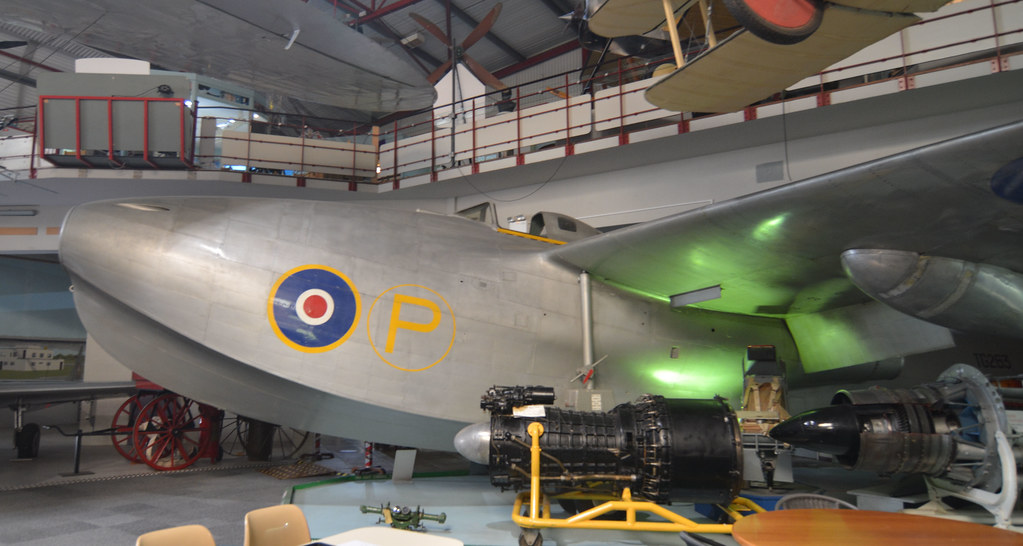
5. Saunders-Roe SR.A/1
Water was no obstacle for the Saunders-Roe SR.A/1 its jet engine promised speed where others crawled. Instead of runways, it sliced through waves, rising on thrust alone. Speed became possible without sacrificing access to open sea. Engineers dared differently when most played safe. A fighter that floated seemed odd until it flew.
key features and highlights:
- Jet-powered flying boat fighter
- Designed for high-speed performance
- Equipped with four cannons
- Included early ejection seat technology
- Innovative concept inspired by wartime needs
Just when the plane was ready, luck ran out. Though tests showed promise, older-style jets were now ahead in line. Strange looks didn’t fit what commanders wanted anymore. Even so, fresh ideas sparkled just too late. A brief story of cleverness that faded fast.
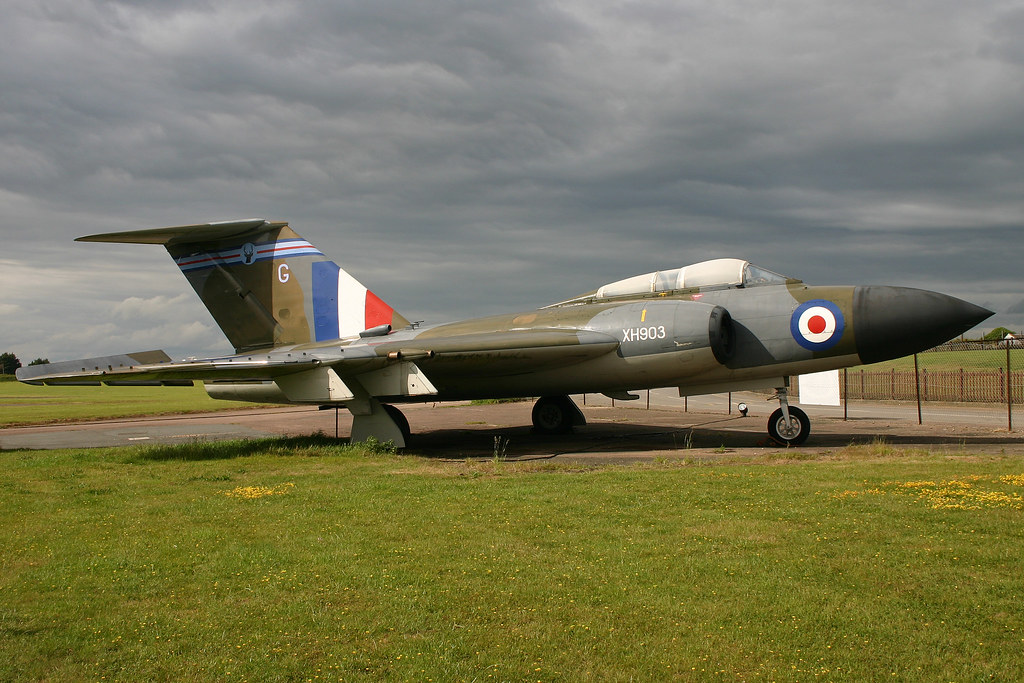
6. Gloster Javelin
Built for tough skies, the Gloster Javelin stepped into service looking unlike anything before it. Its broad delta wings setting it apart. Not just sharp on the outside, its insides carried tech that pushed limits back then. Instead of fair-weather runs, this jet hunted targets way up high, anytime weather turned ugly. While others lagged, it brought something new to air defense a heavier punch wrapped in smarter shape.
Key Features and Highlights:
- Twin-jet delta-wing configuration
- Fitted with radar along with guided missiles
- Designed for all-weather interception
- Large and imposing structure
- Top fighter jet for Britain’s air defense in the 1950s
Even with smart upgrades, some shape flaws held it back in real use. Because it could not fly as fast as later jets, its role shrank through the years. When planes evolved faster than expected, better models pushed the Javelin aside retirement came sooner than planned.
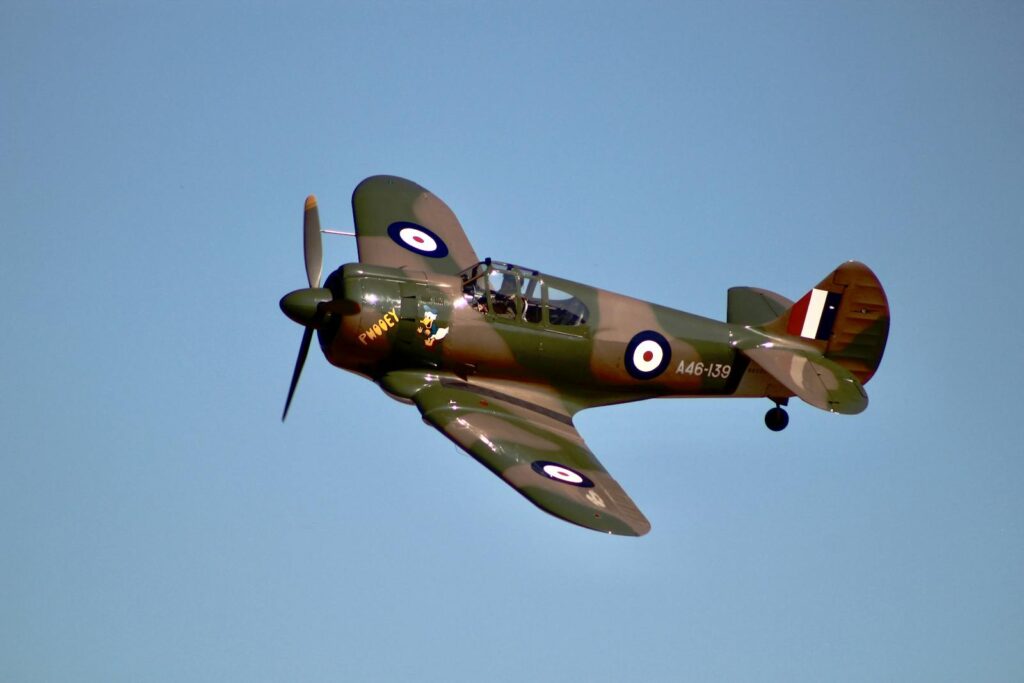
7. Blackburn Firebrand
Though built first to fight, the Blackburn Firebrand ended up shifting toward attack duties instead. Problems piled up over time, slowing progress right when speed mattered most. Because of holdups, it showed up after the war’s biggest moments had passed. Not quite fast enough, nor agile enough, it failed to shine where it needed to. What began as one kind of plane turned into another midstream without clear success.
key features and highlights:
- Designed as a torpedo and strike fighter
- Long development period
- Heavy payload capability
- Run by sailors wearing royal insignia
- Limited operational use
Though tricky to fly, the plane faced tight limits on how it could be used. Some experts think opinions about it were too severe. Its tough handling shaped how people saw the aircraft. A bold design meant little without steady performance and simple control. What stands out is how hard it was to make that balance work.
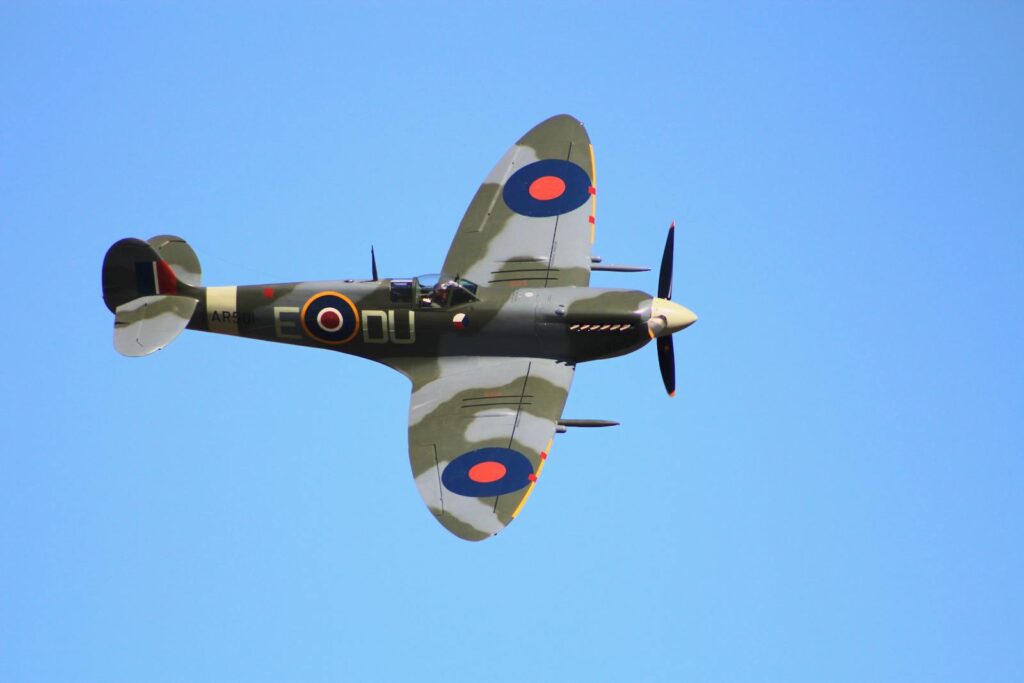
8. Martin-Baker MB3
A sudden burst of speed marked the Martin-Baker MB3’s early flights, revealing raw power few expected. Built tough but kept straightforward, its frame allowed heavy weapons without complicating repairs. Because of this balance punch and practicality it carved a brief but notable place among wartime prototypes pushing limits fast.
Key Features and Highlights:
- Six strong cannons at the ready
- Strong and durable construction
- High speed and manoeuvrability
- Designed for ease of maintenance
- Developed by Martin-Baker
Out of loss, something useful grew. A test flight ended in disaster, taking the pilot’s life mid-trial. Yet even though that plane never flew missions, ideas from it kept moving forward. Ejection seats evolved because of what was learned. Lives have been spared since then many more than anyone could count. In quiet ways, the MB3 still matters.
9. Supermarine Spiteful
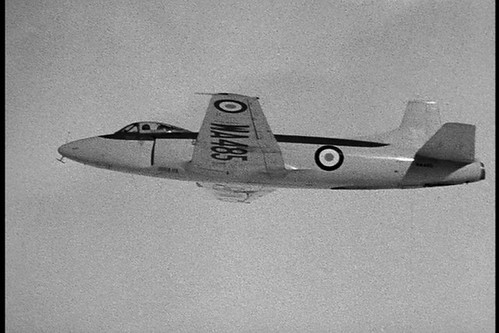
Out of the shadow of the famous Spitfire stepped the Supermarine Spiteful, built on fresh ideas about airflow. Because speed mattered more than ever, engineers reshaped the wings to slice through air with less resistance. That change helped it rank among Britain’s swiftest propeller-driven fighters. Pushing older designs to their edge became the goal behind every bolt and curve.
Key Features and Highlights:
- Fastest British piston-engine fighter in production
- Laminar flow wing design
- Developed as a Spitfire successor
- Improved high-speed capability
- Limited production numbers
Though fast, the plane handled poorly, offering little edge on what was already flying. Jet progress moved so fast that the Spiteful felt old almost right away. Because of that, it slipped into history without much impact curious, yes, yet just a step between eras.
10. Martin-Baker M.B.5
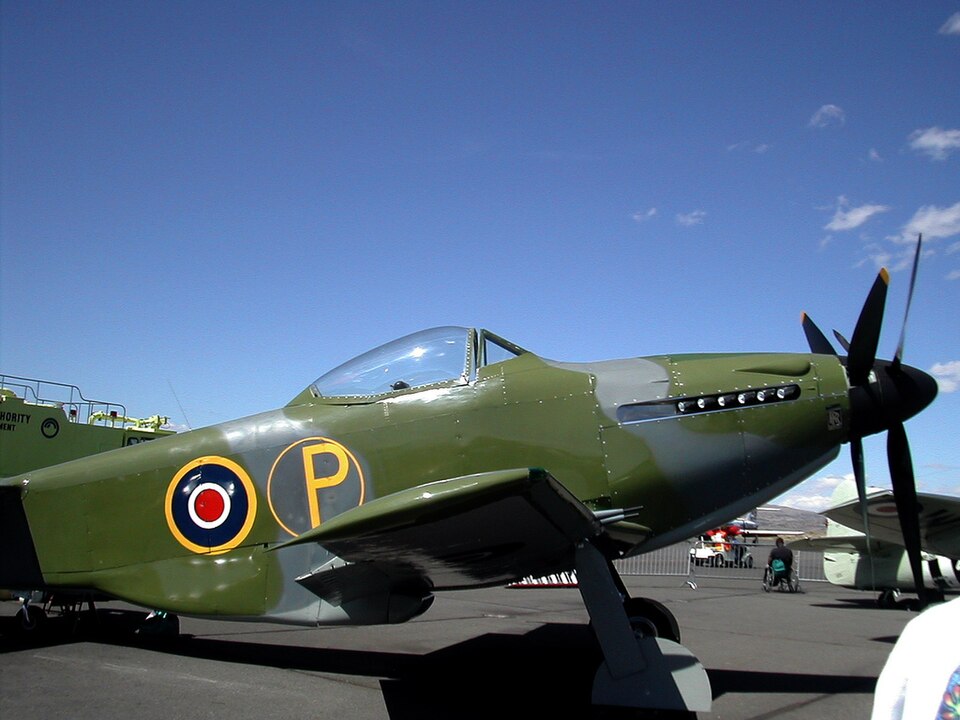
Few saw the Martin-Baker M.B.5 fly, yet pilots who did called it remarkable. Because of its clean lines and smart layout, it handled smoothly through sharp turns. Speed climbed fast, distance stretched far, while climbing felt effortless compared to others of its kind. Though never built in numbers, test crews remembered it well.
key features and highlights:
- Exceptional speed and climb rate
- Powered by a Rolls-Royce Griffon engine
- Advanced propeller system
- Pilot-friendly cockpit design
- Highly praised by test pilots
Despite its impressive capabilities, the aircraft arrived at a time when jet fighters were beginning to dominate. With existing aircraft already in service, there was little incentive to introduce a new piston-engine design. As a result, the M.B.5 remained an outstanding concept that never had the chance to prove itself in operational use.