




San Diego Revives Car-Crushing Policy to Stop Street Takeovers

San Diego has once again become embroiled in controversy as city authorities continue to battle against the menace of illegal street racing and street takeovers. Residents are fed up with the damage being done to the city’s infrastructure and the risk posed to drivers by these illicit activities. As a result, authorities find themselves considering a controversial tactic that has been laying dormant for almost 20 years the destruction of vehicles used in severe street racing offenses. Recently, the city has seen police departments and prosecutors take a step forward from simply fining citizens or impounding their cars. Now, the destruction of vehicles has officially been brought up as an option for repeat offenders who endanger the lives of people on the road. While many citizens are happy to see the city take a firm stand in its efforts to deter street racing, the issue has also sparked debate over the ramifications of destroying these vehicles and the options open to the city to stop this wave of dangerous street racing.

1. San Diego Revives a Long-Dormant Enforcement Tactic
San Diego has revived an enforcement tactic that has been laying dormant for almost two decades. By bringing back the option to permanently destroy vehicles related to serious offenses, the city is making itself clear about its stance on illegal street racing. This policy change highlights the city’s efforts to take a firmer stand against dangerous driving and road rage while ensuring the safety of the residents.
Policy Details:
- Revived long-dormant tactic
- Permanently destroying vehicles
- Tighter penalties for repeat offenders
- Strengthened public safety
- Increased deterrence
Authorities took the first step in the new policy by permanently destroying two impounded vehicles. By doing so, police are showing the public that not only will they penalize reckless and dangerous driving, but also that the penalties for such acts will be permanent and far-reaching. The city is not only showing its resolve to deal with street racing more firmly, but is also sending out a strong warning to potential offenders.
According to city officials, the new policy change is aimed at organized street racing, dangerous sideshows, felony evasion and other serious offenses. As a result, the new tactic gives law enforcers a stronger deterrent to deal with these specific problems that have been plaguing the city.

2. Illegal Street Racing is Becoming a Serious Public Safety Issue
Illegal street takeover is a serious public safety issue and is becoming more worrisome by the day. When street racing takes place, drivers block intersections and perform reckless driving, putting pedestrians and other motorists at great risk. As a result, crowds of onlookers gather to watch the races, creating an even more dangerous situation for everyone involved.
Illegal street racing safety hazards:
- Serious safety hazards
- Dangerous intersections
- Reckless driving
- Endangering spectators
- Disrupting emergency services
- Community impact
Unlike legitimate racing events that take place at closed-off venues that have been fitted with safety measures and have professional support crews waiting for the racers, street racing takes place on public roads. Consequently, reckless and unprofessional driving can take a serious toll on the spectators present at intersections and nearby.As a result of reckless street racing in residential areas, roads are damaged beyond repair and residents are subjected to intolerable amounts of noise. The cleanup process of these damaged roads is also an added financial burden for the municipalities.

3. Illegal Street Racing Comes at a Great Financial Cost
The impact of illegal street racing goes beyond the damage to the road. Authorities are forced to spend large amounts of budget repair costs to resurface roads that have been damaged during street racing events. In addition to the damage to infrastructure and the danger posed to residents, reckless driving significantly increases the risk of severe car crashes involving pedestrians and motorists. It is obvious that the consequences of illegal street racing events are far-reaching and have long-lasting repercussions for the community.
Costs of illegal street racing:
- High repair costs
- High budget repair costs
- Increased risk of deadly crashes
- Putting pedestrians at risk
- Community impact
Illegal street racing often leads to serious vehicular crashes, as high speed chases put onlookers in danger. The high-speed nature of street racing eliminates the possibility for drivers to react to the sudden appearance of pedestrians or other vehicles on the road. The tragic fatalities resulting from these crashes serve as a stark reminder that reckless driving goes far beyond a traffic infraction. With more severe penalties, authorities will be able to ensure not only the safety of the residents but also serve as a greater deterrent for offenders.
4. San Diego’s Multi-Agency Enforcement Efforts
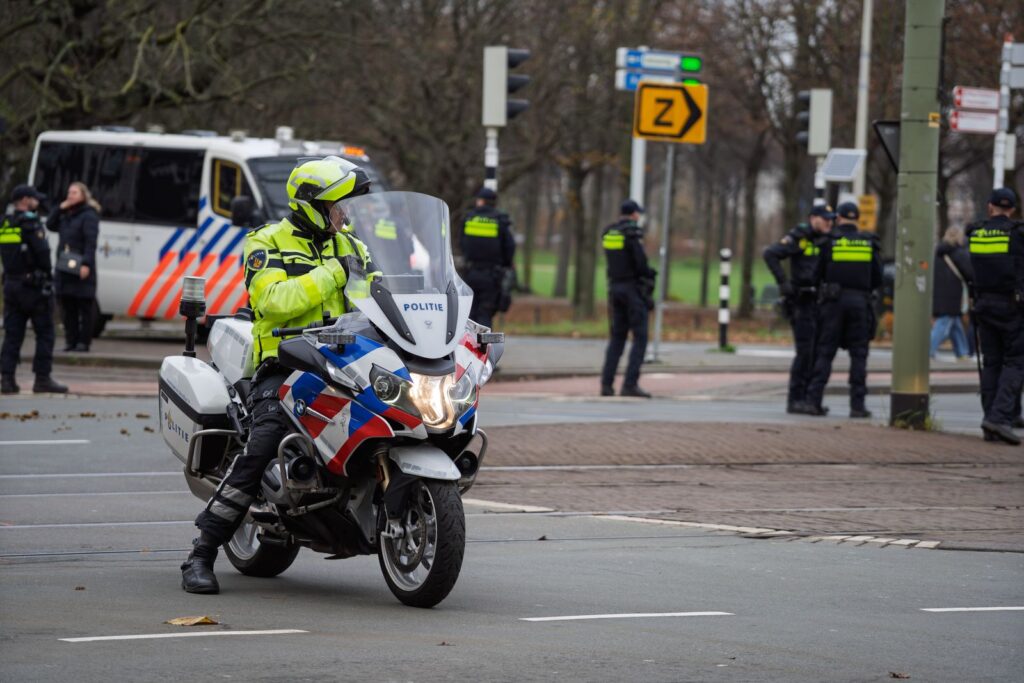
The recent efforts by San Diego police to take stricter measures against reckless drivers by permanently destroying vehicles involved in street racing is a part of a coordinated multi-agency effort. By coordinating joint operations between agencies, police can not only investigate and convict offenders more efficiently, but also serve as a greater deterrent for potential offenders.
Multi-agency cooperation:
- Coordinated joint operations between agencies
- Efficient investigations
- Stronger convictions
- Greater deterrent for offenders
Authorities are using a coordinated and multi-agency approach to target those responsible for organized street racing. Because of the scale of this illicit activity, local law enforcement needs to work with agencies that specialize in investigations. Prosecutors also play a larger role in the process of permanently destroying vehicles used in street racing by providing legal support. By taking a coordinated multi-agency approach, law enforcers are able to achieve better results and serve as an even greater deterrent for potential offenders.

5. Court Approval Plays an Important Role in the Destruction Process
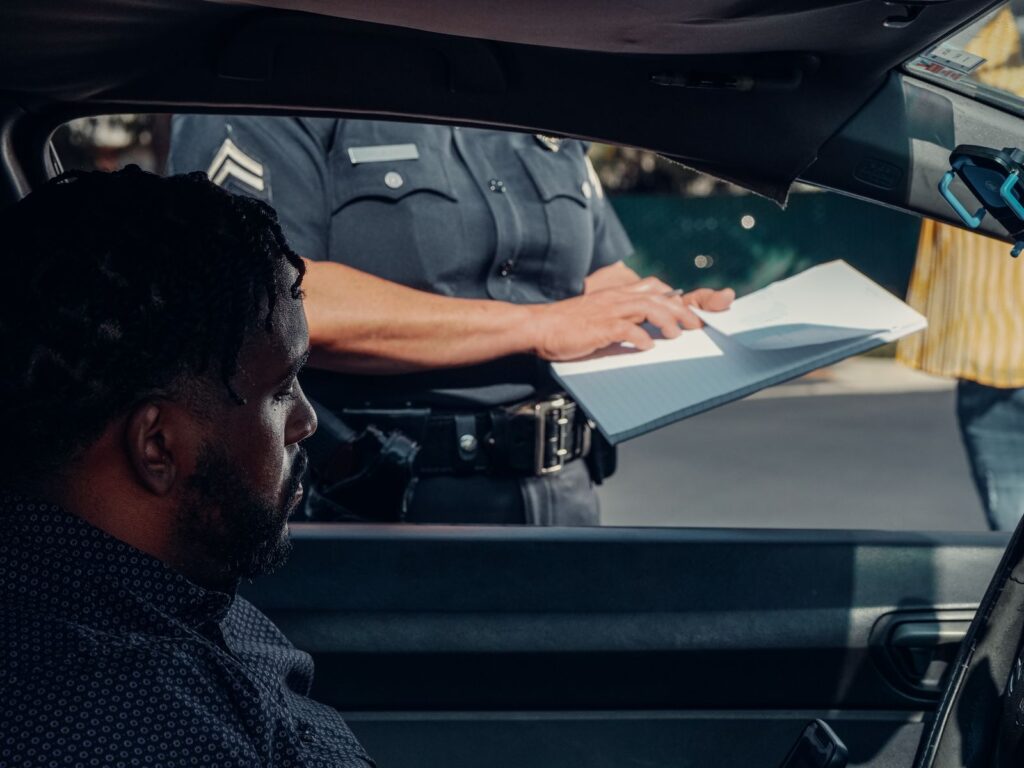
Though the destruction of vehicles involved in street racing has been a hotly debated topic, authorities have stressed that the process for permanently destroying these vehicles remains court approved. Vehicles that have been impounded as evidence are not immediately destroyed but rather go through a series of legal procedures before they are permanently crushed.
Legal considerations:
- Court-approved process of vehicle destruction
- Thorough legal review prior to destruction
- Serious offense consideration
- Judicial review process
- Rights protection
Before any vehicles are permanently crushed, investigators must thoroughly review the evidence and present it before the court in order to obtain permission for its destruction. In doing so, investigators are not only following the law, but also ensuring that the process of permanently destroying these vehicles are handled fairly. By ensuring that vehicle destruction remains a court-approved process, authorities can continue to deter offenders from participating in organized street racing and other serious offenses.
6. San Diego Residents Support Stricter Penalties
Many residents have voiced their support for stricter penalties as a means of stopping reckless driving in the city. Citizens believe that offenders who endanger the lives of others should know that the consequences of their actions will be severe. While some critics argue that impounding the cars of drivers accused of street racing are not a deterrent, supporters of the policy argue that permanently destroying vehicles will send a stronger message to potential offenders.
Reasons for community support:
- Better deterrence
- Community safety
- Accountability
- Protection of public infrastructure
- Fewer repeat offenses
Many supporters of the new policy argue that potential offenders are well aware of the possible consequences of reckless driving, including the permanent loss of their cars. In addition, they believe that the destruction of vehicles serves as a stronger deterrent for offenders than temporary impoundment.
Authorities also believe that by permanently destroying vehicles, offenders will serve as a greater deterrent for first-time offenders as well as repeat offenders who continue to ignore the consequences of their actions. As a result, they hope to see a decline in illegal street racing as a result of the new stricter penalties.

7. Some Critics of the Policy Argue that Stricter Enforcement will not Stop the Menace
While many San Diego residents support the new policy, there are several critics who argue that the destruction of vehicles involved in street racing will do little to stop the wave of illegal street racing taking place in the city. Critics of the policy believe that the destruction of vehicles involved in street racing will not have any long-term impact on repeat offenders and do little to prevent the continuation of these activities.
Critics of the policy:
- Critics claim stricter enforcement will not stop illegal street racing
- Deterrence is short-lived
- Focus on property destruction vs offender rehabilitation
- Legal considerations of the policy
Law enforcers argue that to truly stop organized street racing in the city, they must implement a broader range of preventive measures as well as stricter penalties for offenders. Some law enforcement agencies have argued that increased community outreach and better policing will play a greater role in stopping street racing than the destruction of vehicles.
Many critics of the policy have also raised legal concerns over its implications. Since the vehicles impounded from offenders may be financed through car loans or owned by more than one person, the destruction of these cars should be considered thoroughly by the courts. By doing so, authorities have the opportunity to ensure that the legal procedures used for this policy will be fair to the offenders.
8. Alternative Options to Consider
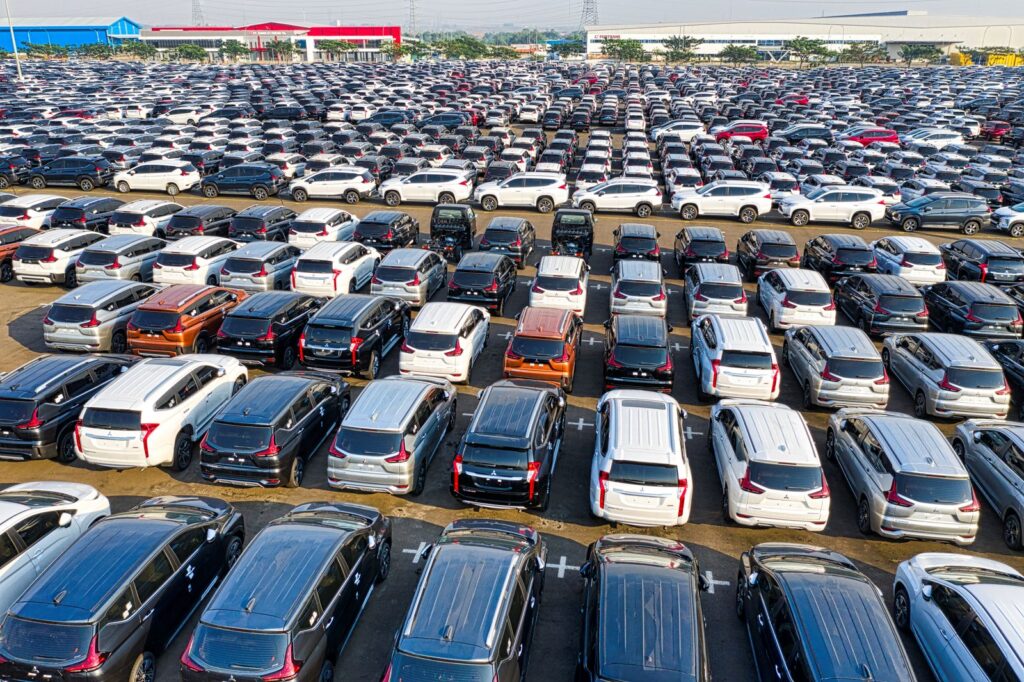
While the destruction of vehicles involved in street racing has been the enforcement option preferred by authorities, several alternative options have been suggested. Some analysts have argued that authorities should take advantage of the opportunity to permanently remove offenders’ cars from the road in a more cost-effective and productive manner.
Alternative methods of enforcement:
- Public auctions of impounded vehicles
- Community protection and revenue generation
- Vehicle dismantling
- Recycling of vehicle parts
- Creating value from offender vehicles
One alternative option suggests that rather than having authorities permanently destroy impounded vehicles, they should be put up for public auction. By doing so, authorities are able to hold offenders accountable for their actions while also generating revenue for the city. Supporters of this alternative method believe that this approach will be more effective in deterring repeat offenders while also providing the city with a revenue stream for future expenditures.
Another alternative option suggests that impounded vehicles should be dismantled rather than crushed. By doing so, law enforcers are able to hold offenders accountable for reckless driving offenses while also recycling valuable parts that can be sold to local auto dealerships. This alternative option is not only more cost-effective than permanently destroying these vehicles, but it also ensures that the removal of offenders’ cars will be a permanent solution. By doing so, San Diego police can help reduce the number of vehicles on the road that pose a threat to motorists and pedestrians.

9. Assessing the Impact of the New Enforcement Policy
The impact of the new enforcement tactic can best be determined by examining the long-term effects it has on illegal street racing in the city. By analyzing the number of repeat offenders and the number of illegal street racing incidents, authorities can assess the effectiveness of the new policy and make the necessary adjustments.
Long-term impact of new policy:
- Reduced repeat offenders
- Community safety reassessment
- Enforcement effectiveness evaluation
- Long-term deterrence
- Community reassessment
Authorities should assess the impact that the new strict penalty has on repeat offenders. While some critics of the policy argue that this new deterrent will do little to stop offenders from participating in street racing, supporters of the policy argue that the destruction of vehicles will be a strong enough deterrent for offenders. If this policy is effective, the number of repeat offenders will decrease significantly. As a result, the city can be confident that the enforcement tactic is successfully lowering the numbers of reckless and dangerous drivers on the road.
Authorities should be able to reassess the impact that the new stricter enforcement tactic has on not only repeat offenders but on community safety as well. If illegal street racing and street takeovers continue to plague the city, additional steps will need to be taken to ensure that repeat offenders are held accountable for their actions. By conducting this reassessment, authorities can determine whether stricter enforcement tactics on their own will be sufficient in stopping the wave of reckless driving in the city.

10. San Diego has Shown its Determination to Stop Illegal Street Racing
By reinstating a long-dormant tactic, San Diego has shown its determination to stop the rampant wave of illegal street racing in the city. The city is now taking a firm stand in its efforts to lower repeat offenses and ensure the safety of the residents. By restoring a policy that had remained unused for nearly twenty years, San Diego has clearly demonstrated its commitment to addressing illegal street racing with stronger enforcement measures. The city’s coordinated approach reflects an effort to improve public safety through cooperation between law enforcement agencies, prosecutors, and the judicial system.
Future law enforcement efforts:
- Safer roads for the community
- Stronger legal enforcement
- Better multi-agency cooperation
- Community protection
Authorities believe that the destruction of vehicles involved in street racing will serve as a stronger deterrent for repeat offenders. By doing so, police can ensure that the residents of San Diego are safer on the road. With multi-agency cooperation, law enforcers can better investigate and convict offenders who continue to jeopardize the safety of the city. By showing the community that not only will offenders be penalized for their actions, but also that the penalties for these offenses will be permanent, authorities are better able to maintain the safety of the residents.